
煤炭价格

Search documents
晋控煤业(601001):Q3产销环比下滑仍能实现利润增长,Q4煤价上行弹性有望更明显释放
GOLDEN SUN SECURITIES· 2025-10-28 09:30
Investment Rating - The report maintains a "Buy" rating for the company [3][5]. Core Views - Despite a decline in production and sales in Q3, the company managed to achieve profit growth, and the elasticity of coal prices is expected to be more pronounced in Q4 [2][3]. - The company is projected to achieve net profits of 2.065 billion yuan, 2.468 billion yuan, and 2.717 billion yuan for the years 2025 to 2027, corresponding to P/E ratios of 12.3X, 10.3X, and 9.3X respectively [3]. Financial Performance Summary - For the first three quarters of 2025, the company reported revenue of 9.325 billion yuan, a year-on-year decrease of 16.99%, and a net profit of 1.277 billion yuan, down 40.65% year-on-year [1]. - In Q3 2025, the company achieved revenue of 3.360 billion yuan, a year-on-year decrease of 12.85% and a quarter-on-quarter decrease of 5.13%, with a net profit of 401 million yuan, down 43.94% year-on-year but up 10.08% quarter-on-quarter [1][2]. - The coal production for the first three quarters of 2025 was 26.19 million tons, an increase of 1.5% year-on-year, while the sales volume of commercial coal was 20.86 million tons, a decrease of 5.5% year-on-year [7]. - The average selling price of coal for the first three quarters of 2025 was 437 yuan/ton, down 60.6 yuan/ton year-on-year [7]. - The cost of coal sales for the first three quarters of 2025 was 271 yuan/ton, an increase of 5 yuan/ton year-on-year, resulting in a gross profit of 166 yuan/ton, down 65.5 yuan/ton year-on-year [7].

煤炭股探底回升,煤炭ETF(515220)涨近1%,供给约束叠加旺季来临,煤价具备向上弹性
Mei Ri Jing Ji Xin Wen· 2025-10-28 00:23
Group 1 - The coal sector is experiencing a rebound after a decline, with the coal ETF (515220) dropping over 2% before quickly recovering to nearly a 1% increase during trading [1] - Domestic coal production growth is gradually slowing due to safety regulations and overproduction checks, while import volumes are down year-on-year [1] - The third quarter is expected to show a significant improvement in coal industry performance, driven by tight supply and demand dynamics, with average coal prices improving on a month-on-month basis [1] Group 2 - The coal ETF (515220) has seen a substantial inflow of capital, with its share increasing by over 350% this year, bringing its total size to over 13.5 billion yuan [2] - The combination of strong fundamentals and capital inflows, along with the high dividend yield of the coal sector, enhances the investment value of the coal ETF (515220) [2] - Investors are encouraged to pay attention to the coal ETF (515220), which is the only coal ETF available in the market [2]
兖煤澳大利亚低开逾3% 三季度煤炭平均售价同比下跌 煤价疲弱使其短期欠缺催化剂
Zhi Tong Cai Jing· 2025-10-23 01:36
Core Viewpoint - Yancoal Australia reported a significant decline in coal prices and production due to strong supply and adverse weather conditions, impacting its financial performance for the third quarter of 2025 [1][2] Group 1: Financial Performance - Yancoal Australia's average coal price for Q3 2025 decreased by 17.6% year-on-year to AUD 140 per ton, with thermal coal and metallurgical coal prices falling by 17.2% and 24.7% to AUD 130 and AUD 195 per ton, respectively [1] - The company's estimated revenue for Q3 2025 is approximately AUD 1.48 billion, reflecting a year-on-year decline of 17% but a quarter-on-quarter increase of 30% [2] - The company’s production volume decreased by 9% year-on-year due to rainfall, while sales volume increased by 3% as earlier shipment delays were resolved [2] Group 2: Market Outlook - The average selling price decline aligns with market trends, leading to a downward revision of Yancoal Australia's earnings forecasts for FY 2025 to FY 2027 by 54%, 49%, and 40%, respectively [2] - Despite the weak coal prices, the company maintains a robust balance sheet and a consistent dividend policy, leading to a "buy" rating from analysts [2]
YANCOAL AUSTRALIA(3668.HK):PRODUCTION VOLUME IN 3Q25 AFFECTED BY UNFAVOURABLE WEATHER
Ge Long Hui· 2025-10-22 12:47
Core Viewpoint - Yancoal's production declined due to rainfall, while sales volume increased due to improved shipping delays, leading to a significant drop in average selling prices (ASP) for both thermal and metallurgical coal [1][2][3] Production and Sales - Attributable production volume decreased by 9% YoY to 9.3 million tonnes in 3Q25, while attributable sales volume increased by 3% YoY, with thermal coal remaining flat and metallurgical coal rising by 14% YoY [2] - For the first nine months of 2025, total attributable production grew by 4% YoY to 28.2 million tonnes, representing 72-80% of Yancoal's full-year guidance of 35-39 million tonnes [2] Average Selling Price (ASP) - Thermal coal ASP fell by 17% YoY to A$130 per tonne in 3Q25, while metallurgical coal ASP dropped by 25% YoY to A$195 per tonne, both within the market price ranges [3] Financial Performance - Estimated revenue for Yancoal in 3Q25 is approximately A$1.48 billion, reflecting a 17% YoY decline but a 30% QoQ increase [1] - Earnings forecasts for 2025E, 2026E, and 2027E have been revised down by 54%, 49%, and 40% respectively, primarily due to lower ASP assumptions, although there is a slight increase in volume forecast due to a 3.75% increase in equity interest in Moolarben mines [1] Cash Position and Valuation - As of September 2025, Yancoal had a gross cash position of A$1.8 billion, representing approximately 24% of the current market capitalization [3] - The net present value (NPV)-based target price has been revised down by about 9% to HK$31 from HK$34, reflecting the new earnings forecast and the rollover of the valuation base to 2026E [1] Guidance and Costs - Full-year guidance remains unchanged with attributable saleable production expected to be between 35-39 million tonnes, operating cash costs projected at A$89-97 per tonne, and capital expenditures estimated at A$750-900 million [4]
煤炭行业三季度业绩前瞻,关注全市场唯一煤炭ETF(515220)
Sou Hu Cai Jing· 2025-10-16 13:36
Core Viewpoint - The coal industry is experiencing a tightening supply-demand situation, leading to improved coal prices in Q3, although year-on-year performance is expected to remain negative due to high base effects from the previous year [3]. Supply Side - Domestic coal production growth is gradually slowing due to safety regulations and overproduction checks, with coal imports continuing to decline, showing a 23% year-on-year drop in September and an 11.1% cumulative decline from January to September [1]. - Safety regulations and overproduction checks are expected to continue constraining coal production, making large-scale production increases unlikely [5]. Demand Side - In July and August, total electricity consumption exceeded 1 trillion kilowatt-hours, with hydropower generation experiencing negative growth from April to August, leading to increased demand for coal-fired power generation [2]. Price and Performance Outlook - The coal market is expected to see a seasonal demand surge in Q4, with coal prices likely to rise due to potential higher-than-expected demand and cold winter forecasts [4]. - The profitability outlook for the coal sector is improving, with a high dividend yield of 4.99% for the CSI Coal Index as of October 15, attracting investment amid rising market risk aversion [5]. Investment Recommendations - Investors are advised to focus on the only coal ETF in the market (515220), as both fundamental and financial conditions may resonate positively [6].

电力行业三季报预告陆续发布!建投能源、西昌电力等多家企业净利润翻倍式增长
Hua Xia Shi Bao· 2025-10-16 11:20
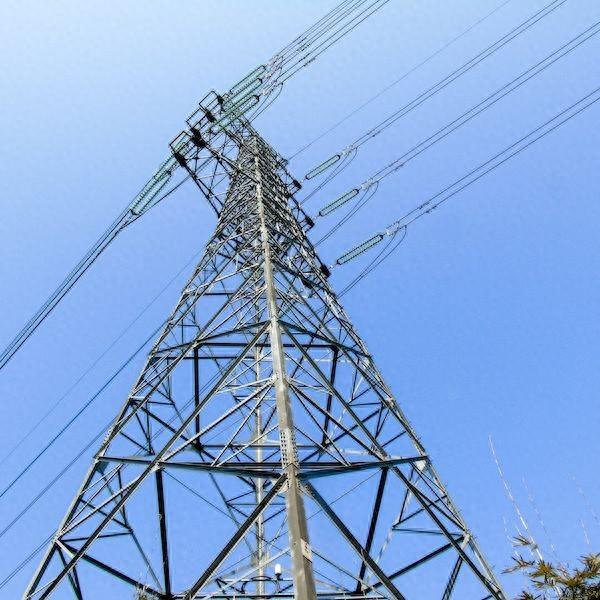
Core Insights - The overall performance of the power industry is showing positive trends, with many thermal and hydropower companies experiencing significant profit increases, with net profits nearly doubling year-on-year [2] Group 1: Thermal Power Companies - Jiantou Energy (000600.SZ) expects a 231.75% year-on-year increase in net profit for the first three quarters, amounting to approximately 1.583 billion yuan [3][4] - Suihengyun A (000531.SZ) anticipates a net profit increase of 87.83% to 180.38%, with expected profits between 345 million and 515 million yuan [4][5] - The rise in profits for these companies is attributed to a decrease in coal prices, which has lowered operational costs for thermal power generation [4][5] Group 2: Hydropower Companies - Xichang Power (600505.SH) projects a net profit increase of approximately 150.51% year-on-year, with expected profits around 12.4 million yuan [7] - Qianyuan Power (002039.SZ) expects a net profit increase of 70% to 100%, with profits estimated between 451 million and 530 million yuan [7] - The performance improvement for hydropower companies is driven by increased water inflow and effective cost management, leading to higher sales and reduced financial expenses [7][8] Group 3: New Energy Companies - Zhonglv Electric (000537.SZ) reported a 95.41% increase in power generation but a decline in net profit by 0.44% to 23.35%, attributed to factors like limited power generation from existing projects and falling electricity prices [2][3] - The company is shifting its strategy from solar to wind energy while maintaining some solar projects, aiming for a capital return rate of 7% for new investments [3]

国内动力煤价上涨,三大港口煤炭库存环比同比均下降明显 | 投研报告
Zhong Guo Neng Yuan Wang· 2025-10-10 10:00
Core Insights - Domestic thermal coal prices increased month-on-month, while international offshore prices for thermal coal from Australia, South Africa, and Europe decreased [2][4] - Coal inventory at three major ports decreased both month-on-month and year-on-year, indicating a tightening supply [3][5] - Daily coal consumption by the six major power generation groups declined month-on-month and year-on-year, reflecting reduced demand [3][5] Inventory and Consumption - As of September 29, total coal inventory at Qinhuangdao, Huanghua, and Caofeidian ports was 12.188 million tons, down 2.137 million tons month-on-month, a decrease of 17.32%, and down 2.368 million tons year-on-year, a decrease of 18.84% [3] - Daily average coal consumption by the six major power generation groups was 839,800 tons, down 105,400 tons month-on-month, a decrease of 11.15%, and down 24,800 tons year-on-year, a decrease of 2.87% [3] Price Movements - As of September 30, the price of Shanxi mixed 5500 thermal coal at Qinhuangdao was 701.00 RMB/ton, an increase of 9 RMB/ton month-on-month, a rise of 1.30% [2] - International thermal coal prices showed a downward trend: Newcastle port price was $103.30/ton, down $6.40/ton month-on-month, a decrease of 5.83%; South Africa's Richards Bay price was $82.20/ton, down $6.60/ton, a decrease of 7.43%; and European DES ARA price was $91.30/ton, down $8.00/ton, a decrease of 8.06% [2] Production Trends - In August, coal production from key state-owned mines in Shaanxi, Shanxi, and Inner Mongolia showed mixed results: Shaanxi produced 21.119 million tons, up 360,000 tons year-on-year, an increase of 0.67%, and up 467,000 tons month-on-month, an increase of 2.26%; Shanxi produced 46.328 million tons, down 707,400 tons year-on-year, a decrease of 13.25%, but up 986,000 tons month-on-month, an increase of 2.17%; Inner Mongolia produced 18.214 million tons, down 33,000 tons year-on-year, a decrease of 0.18%, but up 378,000 tons month-on-month, an increase of 2.12% [2]
原煤和陕晋蒙三省国有重点煤矿煤炭月度产量均下降,三大港口库存继续减少 | 投研报告
Zhong Guo Neng Yuan Wang· 2025-08-28 03:42
Group 1 - The domestic thermal coal and Australian prices continued to rise month-on-month, while South African and European offshore prices fell [1][2] - As of August 22, the Qinhuangdao thermal coal price was 702.00 CNY/ton, an increase of 63 CNY/ton, or 9.86% from the previous month [1][2] - The Newcastle port thermal coal price in Australia was 110.80 USD/ton, up 1.60 USD/ton, or 1.47% month-on-month [1][2] - South African Richards Bay thermal coal price was 89.70 USD/ton, down 4.20 USD/ton, or 4.47% month-on-month [1][2] - European three-port thermal coal price was 98.70 USD/ton, down 3.70 USD/ton, or 3.61% month-on-month [1][2] Group 2 - In July, the monthly output of raw coal decreased both month-on-month and year-on-year; the output from key state-owned coal mines in Shaanxi, Shanxi, and Inner Mongolia also saw a decline [3] - The total raw coal output in July was 38,098.70 million tons, a decrease of 4,008.7 million tons, or 9.52% month-on-month [3] - The coal inventory at the three major ports continued to decline month-on-month, while the average daily coal consumption of the six major power generation groups increased [3] - As of August 22, the total coal inventory at Qinhuangdao, Huanghua, and Caofeidian ports was 1,234.40 million tons, down 98.80 million tons, or 7.41% month-on-month [3] - The average daily coal consumption of the six major power generation groups was 94.04 thousand tons, an increase of 5.82 thousand tons, or 6.60% month-on-month [3] Group 3 - Domestic and international shipping costs continued to rise month-on-month [4] - As of August 22, the shipping cost from Qinhuangdao to Shanghai for 40-50 thousand DWT was 31.30 CNY/ton, a month-on-month increase of 10.21% [4] - The shipping cost from Newcastle, Australia to China was 15.60 USD/ton, up 1.50 USD/ton, or 10.64% month-on-month [4] Group 4 - The conclusion indicates that domestic thermal coal and Australian prices continued to rise month-on-month, while the output of raw coal and key state-owned coal mines in Shaanxi, Shanxi, and Inner Mongolia decreased [5] - The coal inventory at the three major ports continued to decline month-on-month, and the average daily coal consumption of the six major power generation groups increased [5] - Domestic and international shipping costs also saw a month-on-month increase [5]
从财务及固定资产视角看价格支撑 - 煤炭成本专题研究
2025-08-25 14:36
Summary of Coal Industry Conference Call Industry Overview - The conference call focuses on the coal industry, specifically the production costs and financial pressures faced by coal companies [1][2][3]. Key Points and Arguments - **Rising Production Costs**: Coal companies have seen a steady increase in production costs over the years, with labor costs exceeding 20%, materials and power costs around 20%, depreciation and amortization costs between 10%-20%, and safety maintenance costs between 15%-20% [1][2]. - **Indirect Costs Decline**: The overall indirect cost rate in the coal industry has decreased, with management expenses being the largest component at approximately 8%. Employee compensation constitutes over 50% of management expenses [4]. - **Resource Tax Increases**: Resource tax is a significant part of the taxes and additional charges for coal companies, with some provinces raising resource tax rates to increase fiscal revenue. For instance, Shanxi raised its resource tax to 10% and Xinjiang to 9% [5]. - **Cost Increase from 2015 to 2023**: The average cost of thermal coal has increased by approximately 130 CNY/ton, while coking coal has risen by around 307 CNY/ton, with the latter experiencing a higher increase due to labor and safety costs [6][7]. - **Mining Rights and Construction Costs**: The price of mining rights has surged from 2-3 CNY/ton to 10-15 CNY/ton, and construction costs have risen from 500 CNY/ton to an average of 1,169 CNY/ton, with some regions exceeding 1,800 CNY/ton [3][10]. - **Financial Pressures**: New mines are expected to raise production costs by about 40 CNY/ton, with the average production cost of thermal coal now at approximately 130 CNY/ton, indicating limited room for cost reduction [11]. - **Comparison with 2015**: The current coal market differs significantly from 2015, with improved supply-demand dynamics and lower debt levels among coal companies, leading to a more stable financial environment [12][15]. - **Future Price Predictions**: The bottom price for coal is estimated to be around 610 CNY, with limited upward elasticity due to increasing renewable energy installations impacting demand [16]. - **Investment Recommendations**: Investors are advised to focus on leading companies with strong dividend yields above 4.5%, such as China Shenhua, Shaanxi Coal, and others, while also considering coking coal companies for potential gains [17]. Additional Important Information - **Labor Cost Drivers**: The rise in labor costs is attributed to the diminishing low-cost labor advantage, inflation-driven wage increases, and stricter safety regulations [9]. - **Tax and Additional Charges**: Taxes and additional charges account for about 10% of coal revenue, with resource tax being the most significant component [5]. - **Market Dynamics**: The coal market is currently experiencing a phase of temporary supply-demand imbalance, primarily due to seasonal factors like warm winters affecting electricity demand [14].
YANCOAL AUSTRALIA(3668.HK):STRONG PRODUCTION VOLUME GROWTH IN 2Q25 BUT SALES AFFECTED BY LOGISTICAL ISSUE
Ge Long Hui· 2025-07-19 11:15
Core Viewpoint - Yancoal's production and sales volumes showed mixed results in 2Q25, with production increasing but sales declining due to logistical challenges, leading to a downward revision of earnings forecasts while maintaining a BUY rating based on expected improvements in sales ratios and thermal coal price recovery [1][2]. Group 1: Production and Sales Performance - Yancoal's attributable production volume in 2Q25 grew by 15% YoY to 9.4 million tonnes, while attributable sales volume decreased by 6% YoY to 8.1 million tonnes [1]. - The sales volume of thermal coal decreased by 9% YoY to 6.8 million tonnes, while metallurgical coal sales increased by 30% YoY to 1.3 million tonnes [1]. - In 1H25, total attributable production volume increased by 11% YoY to 18.9 million tonnes, accounting for 48-54% of the full-year guidance of 35-39 million tonnes [1]. Group 2: Financial Performance - Yancoal's revenue in 2Q25 was approximately A$1.14 billion, representing a 26% YoY decline and a 14% QoQ decline [1]. - The blended average selling price (ASP) dropped by 22% YoY in 2Q25, with thermal ASP down 20% YoY to A$130 per tonne and metallurgical ASP down 38% YoY to A$197 per tonne [2]. - As of June 2025, Yancoal held a gross cash balance of A$1.8 billion, which is about 20% of its current market capitalization [2]. Group 3: Guidance and Outlook - Yancoal's full-year guidance remains unchanged, with attributable saleable production expected to be between 35-39 million tonnes, operating cash costs projected at A$89-97 per tonne, and capital expenditures estimated at A$750-900 million [3]. - Management expresses confidence in reaching the upper end of the production guidance range for the full year [1].