生态优先绿色发展

Search documents
为了百万甘孜群众的幸福生活—— 写在甘孜藏族自治州成立70周年之际
Si Chuan Ri Bao· 2026-01-04 06:14
Core Viewpoint - The Ganzi Tibetan Autonomous Prefecture has achieved significant development milestones over the past 70 years, culminating in its complete poverty alleviation in 2020, marking a new chapter in its history [1][2]. Economic Development - Ganzi's economic total has grown from 34 million yuan in 1950 to 38.846 billion yuan in 2019, representing a substantial increase [2]. - Per capita GDP rose from 66 yuan in 1950 to 32,440 yuan in 2019, indicating a significant improvement in living standards [2]. - Urban residents' disposable income increased from 253 yuan in 1950 to 34,831 yuan in 2019, while rural residents' disposable income grew from 88 yuan to 12,808 yuan in the same period [2]. Infrastructure and Transportation - Ganzi has implemented a "Transportation Battle" resulting in a total road mileage of 34,263 kilometers, with rural roads being the most extensive in the province [3]. - The region is the only one in the country with three branch airports above 4,000 meters, showcasing its unique geographical advantages [3]. Industrial Growth - Ganzi has seen a leap in industrial development, with the primary industry value increasing from 29.85 million yuan in 1950 to 6.652 billion yuan in 2019, a 222.8-fold increase [6]. - The secondary industry value rose from 2 million yuan to 8.902 billion yuan, a 4,451-fold increase, while the tertiary industry value surged from 1.67 million yuan to 23.292 billion yuan, a 13,947.8-fold increase [6]. - The region is focusing on tourism, clean energy, and modern agriculture, aiming to create a comprehensive tourism development framework and a green modern industrial system [5]. Ecological Protection - Ganzi has established an ecological protection red line of 69,700 square kilometers, the largest in the province, and has the highest number and area of nature reserves [9]. - The forest area has expanded from 2.838 million hectares at the founding of New China to 5.3097 million hectares, with a forest coverage rate increasing from 19% to 35% [10]. - The region is committed to ecological civilization and environmental protection, implementing various ecological construction projects and promoting sustainable practices [8][10].
“十四五”以来丽江玉龙绘就县域发展新篇
Xin Lang Cai Jing· 2026-01-02 07:10
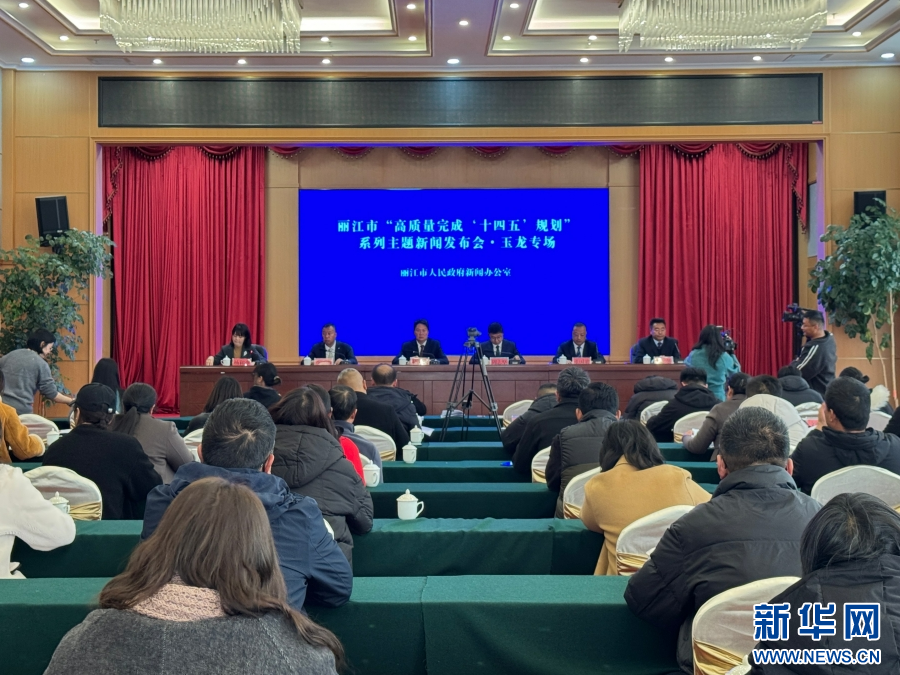
Group 1 - The core viewpoint of the articles highlights the high-quality development and strategic initiatives undertaken by Yulong County in Lijiang City during the "14th Five-Year Plan" period, focusing on economic growth, ecological protection, and cultural tourism [1][2] Group 2 - Yulong County's GDP increased from 9.015 billion to 12.908 billion from 2020 to 2024, indicating steady economic growth and improved quality [1] - The county has promoted the development of specialty agriculture, with over 30,000 households engaged in traditional Chinese medicine cultivation, and has seen the aggregation of fruit industries such as snow peaches and wood pears [1] - The urbanization rate has risen to 40.65%, reflecting the county's efforts in urban renewal and rural revitalization [2] - The forest coverage rate has increased to 70.95%, demonstrating the county's commitment to ecological protection and green development [2] - Yulong County has created over 7,735 new urban jobs and has facilitated entrepreneurship that led to 5,011 job opportunities, contributing to a significant reduction in unemployment [2]
西部发展更需聚焦特色
Jing Ji Ri Bao· 2025-12-25 22:00
Core Viewpoint - The Tibet Autonomous Region emphasizes the importance of developing characteristic advantageous industries tailored to local resources, especially as the "14th Five-Year Plan" concludes and the "15th Five-Year Plan" begins [1] Group 1: Industry Development Strategies - The western regions of China possess rich natural resources, diverse ecological environments, and distinct cultural characteristics, which provide unique comparative advantages for industry development [1] - Tibet focuses on developing cultural tourism and clean energy, while Inner Mongolia and Xinjiang concentrate on renewable energy bases, promoting green electricity transmission and local consumption [1] - Shaanxi and Gansu leverage their historical and cultural heritage to integrate cultural tourism, revitalizing cultural IPs like the Terracotta Army and Mogao Caves [1] Group 2: Localized Development Approach - A thorough analysis of local resource endowments, location characteristics, industrial foundations, and factor conditions is essential for identifying suitable development paths [2] - Local governments should avoid "performance anxiety," conduct in-depth research on local resources, and adhere to industrial development laws to create scientific industrial plans [2] - Emphasis should be placed on cultivating the core competitiveness of local characteristic industries and accelerating the construction of a modern industrial system through policy support, technological empowerment, and talent introduction [2] Group 3: Innovation and Ecological Considerations - Emphasizing localized development does not mean rejecting innovation; rather, it involves innovating based on local advantages and selecting suitable emerging industries [2] - The western regions should enhance the added value of traditional industries through technological innovation and expand market space via model innovation [2] - The ecological protection must be prioritized in the industrial development process, ensuring that high-quality development is achieved alongside high-level ecological protection [3]
“十四五”以来丽江市玉龙县锚定做“美”定位 筑牢发展根基
Xin Hua Wang· 2025-12-23 14:59
Core Viewpoint - The Yulong Naxi Autonomous County in Lijiang, Yunnan Province, is focusing on high-quality development aligned with the "14th Five-Year Plan," emphasizing ecological safety, rural revitalization, and tourism as key growth areas [1][2]. Economic Development - The GDP of Yulong County is projected to increase from 9.015 billion in 2020 to 12.908 billion in 2024, indicating steady economic growth [2]. - The county is enhancing its agricultural sector, with over 30,000 households engaged in traditional Chinese medicine cultivation and the development of various fruit crops [2]. - Infrastructure improvements include the completion of major projects like the Lijiang-Shangri-La Railway and the Dagu Jinsha River Bridge, expanding the total road mileage to 5,700 kilometers [2]. Urbanization and Rural Revitalization - Yulong County is advancing urbanization and rural revitalization, with the urbanization rate rising to 40.65% [2]. - The county is implementing the "Ten Million Project" to support rural development and promote local industries through initiatives like "One Town, One Feature" and "One Village, One Product" [2]. Ecological and Social Development - The county is committed to ecological development, achieving a forest coverage rate of 70.95% and enhancing the income of over 8,000 farming households through the development of the forest economy [3]. - Employment initiatives have led to the creation of 7,735 new jobs, with 5,011 jobs generated through entrepreneurship, and a significant increase in educational opportunities with 2,700 new urban school placements [3]. - The overall satisfaction and sense of security among residents exceed 96%, reflecting a harmonious social environment [3].

持续增进民生福祉 共享振兴发展成果
Liao Ning Ri Bao· 2025-11-29 01:01
Core Viewpoint - The core focus of the articles is on the commitment of Liaoning Province to enhance the well-being of its citizens as a fundamental aspect of its comprehensive revitalization efforts, emphasizing the importance of equitable distribution of development benefits to achieve common prosperity [1][4]. Group 1: Enhancing Livelihoods - Continuous improvement of people's livelihoods should address urgent public concerns, with a focus on employment, education, healthcare, and elderly care [2]. - The provincial government aims to implement policies that ensure equitable access to essential services, reflecting a responsive approach to public needs [2]. - A comprehensive population service system will be established to support high-quality population development, including the promotion of the silver economy and the provision of age-friendly products and services [2]. Group 2: Urban-Rural Integration - Urban-rural integration is deemed essential for comprehensive revitalization, with a focus on high-quality urban development and rural revitalization [3]. - The government plans to enhance rural living conditions and develop local industries while simultaneously upgrading urban infrastructure and governance [3]. - Breaking down barriers between urban and rural areas will facilitate mutual growth and shared benefits from revitalization efforts [3]. Group 3: Ecological Sustainability - The commitment to ecological sustainability is highlighted as a means to enhance public welfare, with initiatives aimed at achieving carbon peak targets and environmental restoration [3]. - The government emphasizes a green development path, integrating pollution control and ecological protection to ensure a sustainable environment for citizens [3]. - The goal is to allow the public to enjoy the benefits of a healthy ecosystem, reinforcing the connection between ecological health and quality of life [3].
雅安市荥经县:构建“一环五区”空间布局,实现绿水青山“流金淌银”
Si Chuan Ri Bao· 2025-11-26 21:57
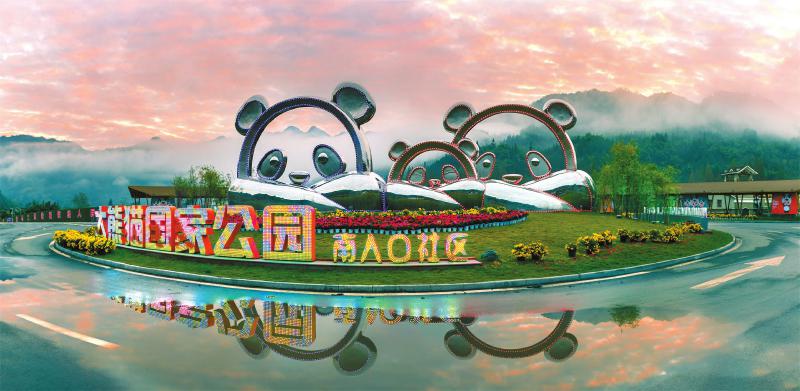
Core Viewpoint - The development of Xingjing County over the past five years has transformed its ecological landscape and industrial structure, aiming for sustainable growth and ecological value conversion, with a projected GDP exceeding 9.7 billion yuan in 2024 [2]. Group 1: Ecological Development - Xingjing County is focusing on the construction of the Giant Panda National Park, with a planned 12,000 acres for a science popularization base that includes a panda exhibition hall and ecological experience routes [3]. - The county has a forest coverage rate of 80.3% and is home to the largest wild population of the rare species, the Davidia involucrata, showcasing its rich ecological resources [3]. - The county has been recognized as a model for ecological innovation and rural revitalization, having established a national-level germplasm resource bank and a provincial-level tourism demonstration area [3]. Group 2: Industrial Transformation - The county is developing a complete cold-water fish industry chain, enhancing its agricultural output with a focus on sustainable practices [5]. - In 2024, the comprehensive forestry output value is expected to exceed 1.39 billion yuan, with per capita income for forestry farmers surpassing 2,000 yuan, demonstrating the economic benefits of ecological conservation [6]. - The integration of ecological and industrial development is evident as traditional industries are being replaced by new, sustainable practices, including the promotion of high-end caviar production and the development of forest-based industries [6]. Group 3: Tourism and Cultural Development - The county is leveraging its panda-related branding to enhance tourism, with significant increases in visitor numbers to local accommodations and cultural products [7]. - The establishment of the "Panda Forest International Exploration School" and other educational initiatives reflects the county's commitment to environmental education and tourism [6][7]. - Collaborative efforts in the Chengdu-Chongqing economic circle are fostering new opportunities in the tea industry, enhancing the region's cultural and economic landscape [7]. Group 4: Social Development and Livelihood - The county has made significant investments in education and housing, with new schools and over 2,000 housing units allocated to residents, improving the quality of life [8]. - A 15-minute elderly care service circle is being developed, with over 60,000 meals served to seniors, highlighting the county's focus on social welfare [8]. - Continuous improvements in the business environment and initiatives to attract new farmers and investors are contributing to the county's economic vitality [8]. Group 5: Future Outlook - Xingjing County is poised for further development with a clear strategic vision and major projects in place, indicating a promising future [9].
四川巴中:全国革命老区振兴发展示范市建设迈出新步伐
Zhong Guo Fa Zhan Wang· 2025-11-13 04:17
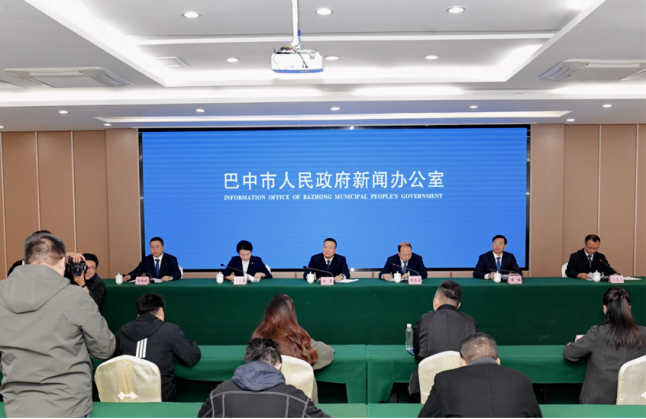
Core Insights - The article highlights the significant achievements of Bazhong City during the "14th Five-Year Plan" period, emphasizing the city's commitment to high-quality development and the implementation of the "One City, Four Districts, Three Areas" development strategy [1][3]. Economic Development - Bazhong's GDP growth rate improved from 15th among 20 revolutionary old districts in 2020 to 2nd in 2024, with the city achieving its best position in nearly a decade [4]. - The local public budget revenue has seen a continuous growth rate for 17 months, while the industrial added value has maintained double-digit growth for 18 months, placing Bazhong in the top tier of provincial rankings [4]. Industrial Development - The city has established a modern industrial system categorized as "5+2+3," focusing on ecological industry and advanced manufacturing [6]. - Key industries include advanced materials, low-altitude economy, and clean energy projects, with significant investments in wind, solar, and hydropower [6]. Urban-Rural Integration - Bazhong has promoted urban-rural integration, enhancing the quality of life in both urban and rural areas, and has seen a 4.34 percentage point increase in urbanization rate since 2020 [8]. - The city has successfully integrated into the "two-hour economic circle" of Chengdu and Chongqing, improving transportation links significantly [8]. Reform and Innovation - The city has implemented measures to create a business-friendly environment, including the introduction of local regulations to optimize services for enterprises [9][10]. - Bazhong has initiated a systematic assessment of various resources to enhance their value and promote economic development [10]. Environmental Sustainability - Bazhong has made strides in ecological development, becoming the first prefecture-level city in Sichuan to establish a national ecological civilization demonstration zone [12]. - The city has developed a GEP accounting system, achieving an ecological system production value of 2,586.36 billion yuan in 2023 [12]. Social Welfare - The city has focused on improving the quality of life for its residents, allocating over 70% of new financial resources to social welfare projects [13]. - Initiatives in education and healthcare have been prioritized, including the establishment of a cloud-based education platform and improved access to medical services [13][14].
茅台集团召开党委(扩大)会 党委书记陈华主持会议并讲话
Zheng Quan Shi Bao Wang· 2025-10-27 11:12
Core Viewpoint - The meeting emphasized that quality is the cornerstone of the company's survival and development, directly impacting brand reputation [1] Group 1: Quality and Innovation - The company must adhere to the principle that "quality is the soul of life" while balancing tradition and innovation [1] - There is a need to embrace modern science and technology to maintain the vitality of traditional craftsmanship and enhance technological innovation [1] Group 2: Market Management and Value Creation - The company aims to actively maintain the resilience of its channel ecosystem and continuously build a modern market management system to ensure healthy collaboration within the channel system and overall market stability [1] - Focus on value management and value creation to generate greater value for all stakeholders, fostering a sustainable development ecosystem based on shared interests and emotional connections [1] Group 3: Governance and Development Strategy - The company will further improve its modern enterprise system and governance structure, strictly following the direction of state-owned enterprise reform to enhance core competitiveness and risk resistance [1] - A commitment to ecological priority and green development is emphasized, with efforts to convert the value of "lucid waters and lush mountains are invaluable assets" into tangible benefits [1] Group 4: Long-term Planning - The company is focused on practical, long-term planning to serve broader goals, continuously promoting sustainable high-quality development [1]

准格尔旗深耕“两山”实践 走好生态优先、绿色发展协同之路
Ren Min Ri Bao· 2025-10-21 21:50
Core Viewpoint - The Erdos City in Inner Mongolia is committed to an "ecology-first, green development" approach, integrating ecological governance with economic growth to achieve a harmonious development model that benefits both the environment and the local population [1] Group 1: Green Industrial Transformation - The focus is on green transformation in industrial development, particularly in mine ecological restoration and energy industry upgrades, creating a diversified and low-carbon industrial system [2] - As of now, 48 green mines have been established in the region, including 8 national-level and 40 autonomous region-level mines, leading Inner Mongolia in quantity [2] - The energy sector aims for high-end, diversified, and low-carbon development, promoting clean and efficient coal utilization technologies and integrating traditional and renewable energy sources [3] Group 2: Development of Characteristic Green Industries - The region is developing a characteristic green industry system by combining ecological construction with industrial development, particularly focusing on the mountain apricot industry [4] - A complete industrial chain from planting to processing has been established, linking farmers with companies to create a community of shared interests [4] - The small grain industry is prioritized, with a national small grain industry park being developed to enhance quality and efficiency through technological support [5] Group 3: Ecological Agriculture and Tourism - Ecological agriculture is being promoted through soil improvement techniques and innovative farming models that enhance productivity and environmental quality [6] - The region is developing eco-tourism by leveraging natural landscapes and cultural resources, creating a multi-functional tourism destination that boosts local employment [6] Group 4: Ecosystem Governance - Efforts are being made to enhance the ecological environment quality through integrated protection and restoration of various ecosystems, particularly in the Yellow River basin [7] - Specific projects targeting soil erosion and ecological fragility in the Yellow River area are being implemented to improve water and soil conservation [7] - A comprehensive governance model for the difficult-to-repair arsenic sandstone areas has been developed, focusing on ecological restoration and economic benefits [8]
盐城“朋友圈”
Zhong Guo Zi Ran Zi Yuan Bao· 2025-10-13 01:29
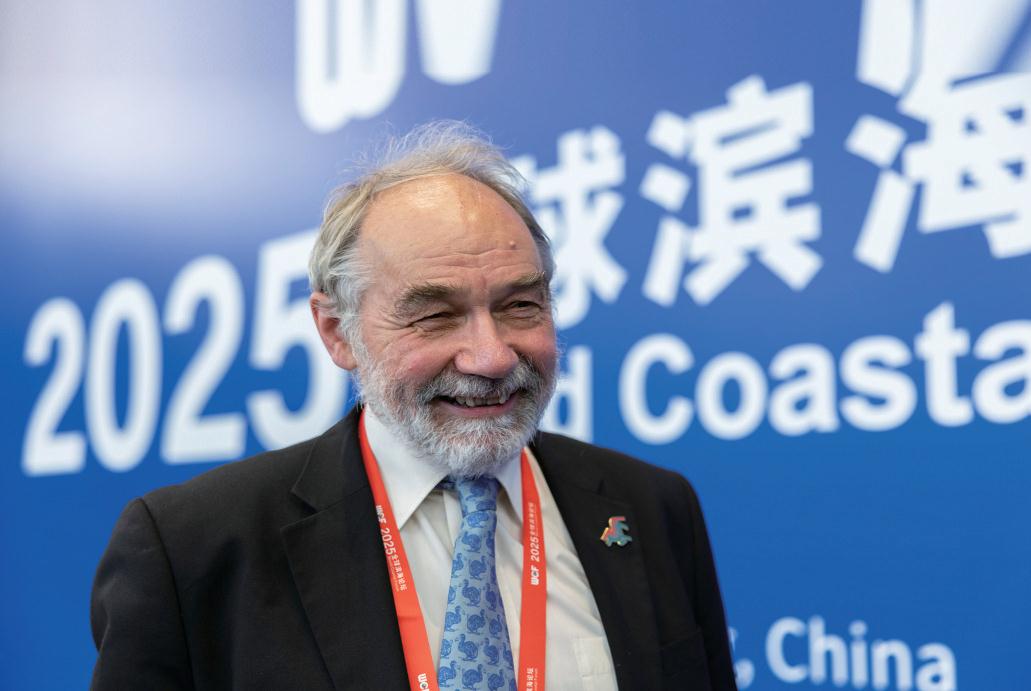
Core Insights - The 2025 Global Coastal Forum was held in Yancheng, China, focusing on "Beautiful Coast: Ecological Priority and Green Development," attracting over 300 representatives from 36 countries and regions [13][14][24] - The forum emphasized the importance of ecological protection and sustainable development in coastal areas, aiming to enhance global cooperation in marine ecosystem management [14][27] Group 1: Forum Highlights - The forum was co-hosted by the Jiangsu Provincial Government, the Ministry of Natural Resources, and the National Forestry and Grassland Administration, showcasing China's commitment to ecological governance [13][14] - A significant outcome was the release of the "Global Coastal Ecosystem Status Report," indicating that over 10% of global coastal areas are now under protection, with a shift towards ecological prioritization [19][20] - The forum established the "Yancheng Consensus," which calls for enhanced global cooperation in coastal ecosystem protection and sustainable development [27][28] Group 2: Ecological Initiatives - Yancheng has implemented a comprehensive protection system for migratory birds, increasing species from 2,204 to 4,759, including 161 endangered species [18][19] - The city has adopted nature-based solutions (NbS) for ecological restoration, focusing on wetland habitat recovery and biodiversity enhancement [18][19] - The forum highlighted innovative mechanisms for ecological restoration, including community participation and carbon accounting, to promote sustainable practices [19][25] Group 3: Economic Development - Yancheng is recognized as a national model for renewable energy, with its new energy industry exceeding 100 billion yuan, contributing significantly to China's coastal economy [23][24] - The city aims to integrate ecological protection with economic growth, showcasing successful projects in marine economy and blue carbon initiatives [24][29] - The forum facilitated discussions on the blue economy, emphasizing the need for innovative partnerships to address coastal challenges and promote sustainable development [28][29]