知行合一

Search documents
丈夫当朝碧海而暮苍梧
Xin Lang Cai Jing· 2026-01-04 21:06
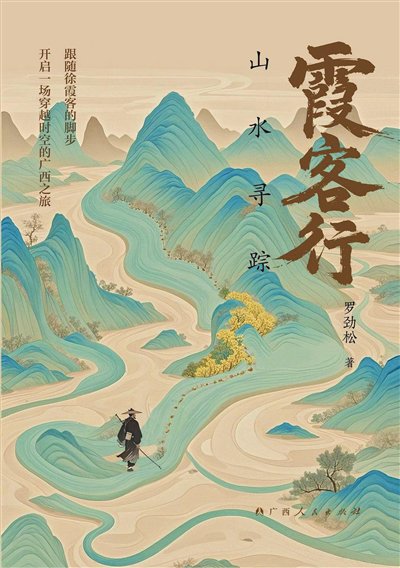
Core Viewpoint - The article highlights the life and explorations of Xu Xiake, emphasizing his contributions to geography and natural sciences through his extensive travels and detailed observations of China's landscapes and geological features [7][8][9]. Group 1: Early Life and Influences - Xu Xiake was born in Jiangyin County, where his family had a history of avoiding government service during the Yuan dynasty, leading to a focus on nature and exploration [3]. - Influenced by contemporary thinkers like Wang Yangming and Dong Qichang, Xu developed a passion for travel and exploration from a young age, setting a personal goal to explore the natural world [4]. Group 2: Major Travels and Discoveries - At the age of 21, Xu began his travels, initially focusing on nearby regions due to his responsibilities towards his mother, who later encouraged him to explore further [4][5]. - After his mother's death, Xu embarked on extensive journeys across southern and southwestern China, documenting his findings in detail [5][6]. - His travels included significant explorations in Guangxi, where he conducted detailed studies of karst topography, surpassing the knowledge of his European contemporaries [7][8]. Group 3: Scientific Contributions - Xu's major scientific achievements include identifying the true source of the Xijiang River, distinguishing between the Lancang and Nujiang rivers, and clarifying the relationship between the Jinsha River and the Yangtze River [8]. - His meticulous documentation and observations laid the groundwork for modern geography in China, earning him recognition as a pioneer in the field [8][9]. Group 4: Legacy and Cultural Impact - Xu Xiake's travel writings, particularly the "Xu Xiake Travel Notes," have had a lasting impact on Chinese literature and geography, influencing future generations [8][9]. - The establishment of May 19 as China's Tourism Day in 2011 commemorates Xu's spirit of exploration and the philosophy of "reading thousands of books and traveling thousands of miles" [9].

把2025年的热望,酿成2026年的锋芒
Xin Lang Cai Jing· 2026-01-03 01:44
Core Viewpoint - The article emphasizes the vibrant and proactive spirit of the new generation of youth in 2025, showcasing their commitment to knowledge, hard work, and tackling challenges as they prepare for the future in 2026 [1][2][3][4][5] Group 1: Knowledge and Learning - The youth's pursuit of knowledge extends beyond traditional education, integrating practical experiences in fields such as agriculture and social service, demonstrating that true wisdom comes from addressing real-world issues [1] - The enthusiasm for learning in 2025 is reflected in increased engagement in lectures and practical applications, highlighting the importance of experiential learning in personal and professional development [1] Group 2: Hard Work and Perseverance - The article highlights various examples of youth who have achieved success through hard work, such as pilot Wei Xing, who transformed from underperformance to winning multiple awards, illustrating the value of perseverance [2] - The narrative encourages youth to view challenges as opportunities for growth, emphasizing that dreams require effort and dedication to materialize [2] Group 3: Responsibility and Problem-Solving - Young individuals are portrayed as taking on significant responsibilities, addressing pressing societal issues such as technological bottlenecks and rural development, showcasing their commitment to national and community welfare [3] - The article underscores the importance of practical solutions and grassroots involvement in overcoming challenges, reinforcing the idea that youth can make a meaningful impact [3] Group 4: Courage and Resilience - The article celebrates the bravery of youth who choose to confront danger, such as firefighters and volunteers, highlighting their role in providing hope and support during crises [4] - It calls for the continuation of this courageous spirit in 2026, encouraging youth to remain steadfast in their commitments and to inspire others through their actions [4]
如果是真的“心”动,那是不会有大亏损的
Xin Lang Cai Jing· 2026-01-02 13:17
Core Viewpoint - The essence of knowledge and action is intertwined, emphasizing that true knowledge manifests through action, and action must be informed by genuine understanding [1][2][3]. Group 1: Knowledge and Action - True knowledge is defined as the understanding that leads to action, and without action, knowledge is incomplete [1]. - The concept of "unity of knowledge and action" is highlighted, where genuine knowledge must be practical and applicable in real-life situations [2][3]. - The distinction between superficial knowledge and deep understanding is crucial; knowledge should not be merely academic but should have practical relevance [2][3]. Group 2: Heart and Principle - The relationship between the heart and principle is emphasized, suggesting that true understanding (principle) cannot be separated from the heart [2][3]. - The idea that "the heart is the principle" serves as a foundation for the unity of knowledge and action, indicating that a heart devoid of understanding cannot be considered genuine [3][4]. - The notion that external principles or objects are irrelevant without internal understanding reinforces the importance of self-awareness in decision-making [4][5]. Group 3: Application in Investment - In the context of investment, the importance of aligning one's heart with market principles is stressed; decisions made without genuine understanding can lead to significant losses [5]. - Emotional responses to market fluctuations are often mistaken for genuine insight, highlighting the need for a deeper understanding of market dynamics [5].
王阳明与龙冈书院:逆境悟道中铸就的士人精神
Xin Lang Cai Jing· 2025-12-26 21:02
Core Viewpoint - The article discusses the significance of the Longgang Academy established by Wang Yangming in the context of Chinese education and the cultivation of the scholar spirit, emphasizing its unique characteristics and contributions to moral education and social responsibility [4][8][12]. Summary by Sections Historical Context - Wang Yangming, a prominent philosopher and educator of the Ming Dynasty, founded the Longgang Academy in a challenging environment in Guizhou, which was culturally and linguistically diverse [5][6]. Unique Characteristics of Longgang Academy - The academy was characterized by inclusivity, allowing students from various ethnic backgrounds and social classes to learn together, emphasizing the principle of "teaching without discrimination" [7]. - It focused on practical learning rather than rote memorization, integrating moral education with everyday life and community issues [7][11]. - The academy aimed to cultivate a sense of cultural identity and social responsibility among its students, promoting Confucian ethics in daily practices [7][12]. Core Tenets of Scholar Spirit - The scholar spirit at Longgang Academy is defined by three main principles: "attaining innate knowledge," "unity of knowledge and action," and "cultural enlightenment" [8][9][12]. - "Attaining innate knowledge" emphasizes moral self-awareness, encouraging students to reflect on their actions and choices [9][10]. - "Unity of knowledge and action" stresses the importance of applying moral understanding in practical situations, demonstrating a commitment to social issues [11]. - "Cultural enlightenment" reflects the mission of using education to uplift society and bridge cultural divides, fostering a sense of community among diverse groups [12][13]. Impact on Chinese Education and Society - The Longgang Academy played a pivotal role in the rise of the heart-mind school of thought, challenging the dominant philosophical paradigms of the time and reshaping the intellectual landscape of the Ming Dynasty [15]. - Its innovative approach to education influenced the development of later academies, promoting a model that combined cultural education with social responsibility [16]. - The spirit cultivated at Longgang Academy has been a source of inspiration for scholars throughout Chinese history, impacting figures from the Ming and Qing dynasties to modern intellectuals [17].
鄂温克族自治旗“雪假”活动精彩纷呈
Xin Lang Cai Jing· 2025-12-25 19:22
Core Viewpoint - The article highlights the initiation of a "snow holiday" for primary and secondary school students in Hohhot, Inner Mongolia, emphasizing the integration of sports, research, and family interaction through various winter activities [1][2] Group 1: Event Overview - Hohhot's snow holiday commenced on December 24, allowing students to engage in a variety of winter sports and activities [1] - The third campus ice and snow sports meeting at Xini River School featured over 140 students, 60 staff members, and more than 100 parents participating in events like snow tubing, snow soccer, ice skating, cross-country skiing, and snowball fights [1] Group 2: Educational Impact - The activities are designed to embody the principle of "knowledge and action combined," encouraging children to step out of textbooks and into nature, thereby promoting physical health [1] - The second experimental primary school in the Ewenki Autonomous Banner organized an ice and snow activity launch ceremony, featuring outdoor snow tubing relays, fun curling, and ice sculpture creation, which were well-received by students [1] Group 3: Future Activities - The school plans to organize visits to the Hohhot City History Museum and a fun sports meeting at the ice and snow park, along with free skiing at designated ski resorts and waived entrance fees at A-level scenic spots for students [2] - These activities align with the "five educations" educational policy, transforming Hohhot's snow resources into educational advantages and enriching students' holiday experiences [2]
排练紧锣密鼓 表演精雕细琢
Xin Lang Cai Jing· 2025-12-22 19:21
Core Insights - The play "Heartlight: The Legend of Wang Yangming's Enlightenment at Longchang" aims to provide a spiritual remedy for contemporary youth facing anxiety and internal struggles, using the wisdom of Eastern philosophy as its core theme [1][5]. Group 1: Production and Reception - The play has successfully completed over 30 performances in a small theater setting, receiving positive feedback on platforms like Maoyan, Damai, and Xiaohongshu [2]. - The production team decided to create a larger theater version of the play due to audience demand, aiming to make the classic teachings of Wang Yangming more relatable to modern life [2][5]. - The creative team includes national first-class actors and the director, Chi Dan, who also plays the role of Wang Yangming, ensuring high-quality performances [2]. Group 2: Cultural Integration - The play incorporates local elements from Guizhou, showcasing the warmth of the local community and integrating Miao ethnic characters and dialects into the narrative [3]. - The design elements reflect Guizhou's cultural richness, enhancing the immersive experience for the audience [3]. Group 3: Thematic Exploration - The director, Chi Dan, emphasizes the challenge of making Wang Yangming's philosophical concepts accessible to contemporary audiences while retaining the essence of Ming Dynasty language [4]. - The play features multiple characters portrayed by a single actor, allowing for a diverse representation of perspectives, particularly through the character of Qian Zhongyi, who embodies the internal conflicts faced by many [4]. Group 4: Broader Impact - The production aims to resonate with youth by addressing their struggles and encouraging them to pursue their life goals, akin to Wang Yangming's aspirations [5]. - The play is positioned as a cultural ambassador for Guizhou, promoting the region's rich heritage and aiming to attract tourism alongside cultural appreciation [5][6]. - The national tour will commence on December 27, with plans to perform in various cities, including Zunyi, Chengdu, and others, enhancing the play's reach and impact [6].
葛卫东29句话
投资界· 2025-12-22 08:27
Core Viewpoint - The essence of investment lies in deep self-reflection and minimizing unnecessary social interactions, focusing on understanding one's inner self [1] Group 1: Investment Philosophy - Introverted individuals tend to have deeper thoughts, which is beneficial for investment [1] - Successful investment requires a balance between emotional awareness and rational analysis, as emotions can cloud judgment [6][12] - The importance of understanding market dynamics and maintaining a distance from it is emphasized as an art form [3] Group 2: Research and Analysis - Effective research requires a methodical approach, avoiding excessive focus on details that obscure the bigger picture [4] - Investors must recognize the limitations of their knowledge and the chaotic nature of the market, understanding that conclusions are merely possibilities [14][24] - Continuous self-reflection and learning are crucial for overcoming mental barriers in trading [20][21] Group 3: Emotional Management - Emotional states can significantly impact decision-making, and maintaining a balance between stress and relaxation is essential [9][10] - Listening to market signals is deemed more reliable than making predictions, as many predictions fail during actual crises [12][13] - Cultivating an open mind and the ability to listen to the market is vital for successful trading [26][28]

当清华学者遇见中学少年:赵金刚带领爱莎学子以哲学视角重读《西游记》
Xin Lang Cai Jing· 2025-12-21 18:37
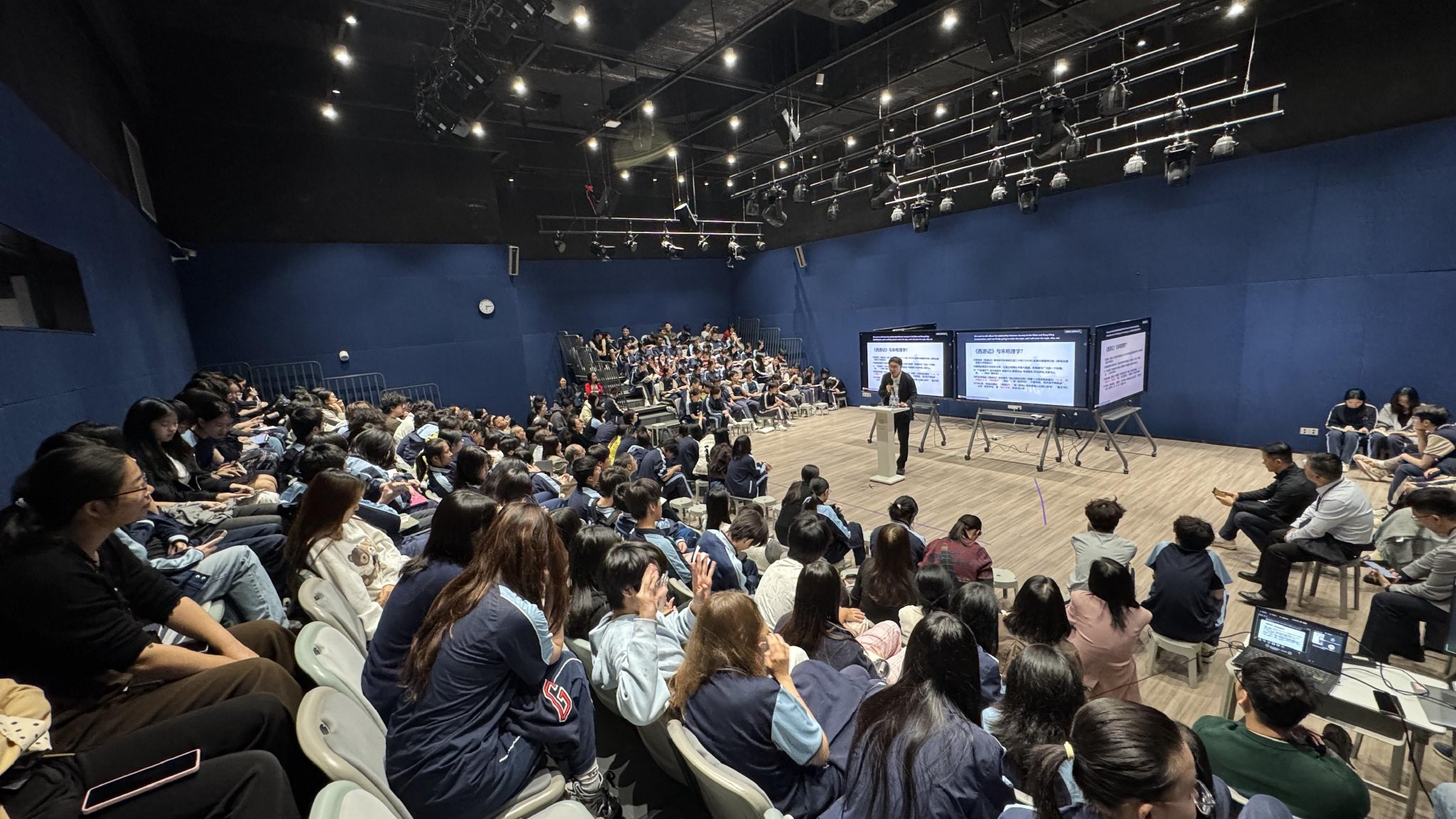
Core Insights - The lecture by Zhao Jingang at the Tsinghua-Aisha Humanities Lecture Hall focused on reinterpreting the classic novel "Journey to the West" through the lens of Song-Ming philosophy, emphasizing the deep-rooted Chinese thought traditions and their relevance to personal growth [1][10][12] Group 1: Lecture Content - The event was well-attended, with students engaging actively in discussions, highlighting a lack of detachment often seen in typical lectures [3][7] - Zhao pointed out that many people's understanding of "Journey to the West" is based on adapted versions, which diverge from the original narrative and themes [3][4] - The discussion included key questions about the motivations of characters and the philosophical implications behind the story, illustrating that the novel addresses not just adventure but also moral and personal development [3][4][5] Group 2: Philosophical Framework - Zhao provided a framework for understanding the main characters as representations of different aspects of the human psyche: Sun Wukong as "heart," Bai Longma as "intention," Zhu Bajie as "desire," and Sha Seng as "reason" [5] - The evolution of Sun Wukong's name symbolizes the journey of personal growth and self-awareness, reflecting the philosophical concept of "heart and nature" [5][12] - The lecture aimed to encourage students to return to the original text for deeper understanding, moving beyond simplified adaptations [14][15] Group 3: Student Engagement - Students expressed enthusiasm for the integration of literature and philosophy, with many indicating a desire to revisit the original text of "Journey to the West" after the lecture [8][10] - The event fostered a connection between classic literature and contemporary life, challenging students to consider the reasons behind the enduring status of these works [8][10] Group 4: Educational Context - The Tsinghua-Aisha Humanities Lecture Series aims to bridge higher education resources with foundational education, enhancing students' humanistic perspectives [10][17] - Zhao emphasized the importance of storytelling in education, advocating for a more engaging approach to teaching complex philosophical ideas [18]
清华孙茂松:对工业界而言,大厂可以Scaling,其他玩家重在垂直应用 | MEET2026
量子位· 2025-12-21 02:00
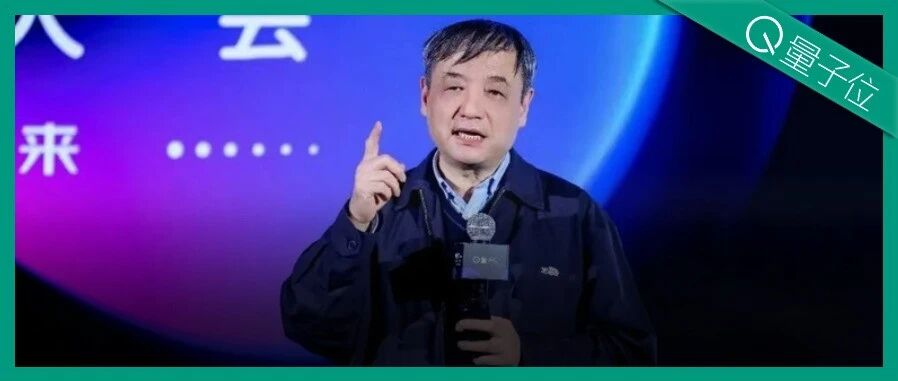
Core Insights - The rapid development of AI and large models has created a competitive landscape where companies are driven by fear of missing out (FOMO) and are compelled to invest heavily in scaling their models and capabilities [2][6][40] - The emergence of capabilities in large models is characterized by non-linear changes, leading to significant uncertainty but also the potential for breakthroughs that can surpass expectations [3][19][15] - The relationship between language, knowledge, and action remains a fundamental challenge for AI, with the goal of achieving a true integration of these elements [15][38][37] Group 1: Development of AI and Large Models - The AI field has evolved significantly over the past eight years, transitioning into the era of pre-trained models and large models since around 2017 [11][10] - Key milestones in this development include the release of models like GPT-3 and ChatGPT, which have demonstrated remarkable capabilities in various tasks [16][24] - The ability of large models to perform well on complex tasks has increased dramatically, with benchmarks being surpassed in text, code, and multi-modal models [20][26][25] Group 2: Challenges and Risks - The costs associated with scaling AI models are becoming increasingly high, raising concerns about the sustainability of such investments [42][43] - There is a significant risk that the pursuit of scaling could lead to diminishing returns, especially if performance begins to plateau [40][41] - The uncertainty surrounding the limits of Scaling Laws poses a challenge for companies, as they must balance the need to invest in AI with the potential for wasted resources [7][68] Group 3: Strategic Recommendations - Companies with substantial resources may continue to pursue large-scale developments, while the majority should focus on niche applications to minimize risks and maximize potential [60][74] - The strategy of "致广大而尽精微" (to strive for greatness while paying attention to details) is recommended, emphasizing the importance of vertical applications in AI [63][69] - There is potential for new AI algorithms to emerge from specific vertical applications, suggesting that focusing on detailed, specialized work can also lead to broader advancements [71][74]
世上所有的商品,都只是给买家一个转账的理由而已
Sou Hu Cai Jing· 2025-12-06 11:27
Core Insights - The article emphasizes that consumers often do not purchase products for their functional attributes but rather for the emotional and identity-related reasons they fulfill [6][8][32] - It highlights the concept of "producer's curse," where creators may misinterpret the value of their products based on their expertise, leading to a disconnect with consumer willingness to pay [2][12] Group 1: Consumer Behavior - Consumers are more interested in the emotional experiences and identity affirmations that products provide rather than their technical specifications [5][10] - The article illustrates that purchasing decisions are often driven by deeper psychological needs, such as the desire for self-identity and emotional satisfaction [7][19] - The example of buying a Dyson vacuum cleaner illustrates that consumers are not just buying a product but are also seeking validation of their identity as capable individuals [7][10] Group 2: Marketing Strategies - Effective marketing should focus on the "reason" behind a purchase rather than just the product features, shifting the narrative from "what" to "who" the consumer becomes by using the product [18][30] - The article suggests that successful brands create a narrative that resonates with consumers' aspirations and emotional needs, as seen in the case of Starbucks selling a "third space" experience rather than just coffee [20][30] - It emphasizes the importance of understanding consumer psychology and crafting marketing messages that reflect their inner desires and fears [22][27] Group 3: Product Development - The article advocates for a new approach to product development that prioritizes the emotional and identity-related reasons for purchasing over traditional functional attributes [31][32] - It outlines a five-step process for developing products that align with consumer motivations, starting from understanding human desires to creating compelling narratives [36] - The final goal is to create products that serve as "reason carriers," enabling consumers to connect with their aspirations and identities [32][33]