
短剧精品化

Search documents
短剧抄袭,走到头了?
36氪· 2025-12-29 13:45
Core Viewpoint - The short drama industry, referred to as "short country," is facing a crisis due to rampant plagiarism and a lack of original content, which threatens its long-term sustainability [5][6][7]. Group 1: Current State of the Short Drama Industry - The short drama industry has rapidly expanded, almost matching the market size of long videos, but this growth has come at the cost of originality and quality [6][20]. - Plagiarism has become a normalized practice within the industry, with creators often copying scripts and ideas from one another, leading to a culture of "fast production" over originality [14][19]. - The production cycle for a short drama can be as quick as a few weeks, making it more appealing for companies to replicate existing content rather than invest in original works [20][21]. Group 2: Economic Factors Influencing Plagiarism - The cost of producing an original short drama ranges from 500,000 to 800,000 yuan, while plagiarized or heavily imitated projects can be produced for as little as 150,000 to 240,000 yuan [22]. - Many companies prioritize quantity over quality, producing hundreds of short dramas annually, with only a few needing to succeed to cover overall risks [23]. - Platforms and algorithms reinforce this efficiency-driven approach, favoring content that has already proven effective in terms of viewer engagement [25][26]. Group 3: Changes in Audience and Platform Dynamics - Audience preferences are shifting, with viewers growing tired of traditional short drama tropes, prompting platforms to reconsider their focus on rapid production and efficiency [34][36]. - Platforms are beginning to raise their standards, rejecting low-quality or plagiarized scripts, which indicates a potential shift away from the previous "fast money" logic [37][38]. - The number of platforms willing to purchase low-cost short dramas is dwindling, suggesting that the market may be moving towards a more quality-focused approach [38]. Group 4: Future Outlook and Challenges - Despite signs of change, the industry remains heavily reliant on fast production, making it difficult to eliminate plagiarism entirely [42]. - The transition to a more quality-driven model requires a significant investment in talent and creative capabilities, which many companies currently lack [44]. - The future of the short drama industry hinges on whether a stable mechanism can be established among platforms, capital, and creators to counteract the allure of quick profits [48].


传统出版社入局制作微短剧探索“出版+”新业态,效果如何?
Yang Zi Wan Bao Wang· 2025-12-26 10:55
Core Viewpoint - The official account of Guangdong People's Publishing House announced the launch of its first premium micro-drama "Yanzhu Wall," which has received significant attention and viewership shortly after its release, indicating a successful entry into the micro-drama market [1] Group 1: Company Initiatives - "Yanzhu Wall" is produced by Guangdong People's Publishing House and is a collaboration with Tomato Novel and Haikou Yibai Fen Film and Television Culture Media Co., Ltd [1] - The project represents a strategic move for Guangdong People's Publishing House to embrace changes in the digital economy and content consumption, marking its first significant foray into the micro-drama sector [2] - The publishing house aims to transform traditional publishing content into visual media, enhancing its value proposition by integrating quality content IP, screenwriting resources, and production capabilities [2] Group 2: Market Context - The micro-drama market has seen rapid growth, with over 100,000 companies participating, including MCN agencies, traditional film and television companies, and digital content firms [2] - Traditional publishing houses have been slow to engage deeply in micro-drama production due to content review and regulatory constraints, which can limit creative expression [3] - The success of "Yanzhu Wall" is attributed to its classic themes of historical romance and power struggles, which resonate well with audiences, alongside its commitment to historical accuracy in costumes and settings [4] Group 3: Industry Trends - The micro-drama industry is still in a growth phase, with varying quality levels, presenting opportunities for traditional publishers to explore new growth points through cross-industry collaborations [4] - The adaptation of traditional literary works into micro-dramas is becoming more common, as seen with the adaptation of "Paper Smoke and Clouds" into "Ink Rhythm Rebirth," showcasing the potential for traditional content to thrive in new formats [4]
2025年短剧行业的十大关键词
3 6 Ke· 2025-12-22 23:36
Core Insights - The short drama industry is rapidly evolving in 2025, marked by significant changes in content creation, monetization strategies, and audience engagement, leading to a transformation in the overall drama ecosystem [1] Group 1: Free Model Emergence - The rise of short dramas began with individual works achieving over 100 million in revenue, with the free model gaining traction as a dominant trend in 2025, shifting the focus from "traffic competition" to "user structure optimization" [2] Group 2: Quality Drives Mainstream Acceptance - The industry consensus in 2025 emphasizes quality over quantity, with increased production costs for short dramas, now ranging from 400,000 to 700,000 yuan, reflecting a shift towards high-quality content creation [3] Group 3: Male Genre Resurgence - Male-oriented short dramas are experiencing a revival, with successful titles like "The Adventure of the Last Name" and "A First-Class Commoner" leading the way, indicating a diversification of content beyond traditional themes [4] Group 4: AI Animation Integration - AI-driven animation is emerging as a key innovation in the short drama sector, with a projected market size exceeding 20 billion yuan in 2025, showcasing significant growth in supply and viewership [6] Group 5: Classic IP Adaptations - The adaptation of classic long-form IPs into short dramas is becoming a new trend, with platforms like iQIYI launching initiatives to transform iconic films into micro-dramas, enhancing audience engagement through familiar narratives [8] Group 6: Seasonal Broadcasting Normalization - The seasonal broadcasting model is becoming mainstream, allowing for deeper audience engagement and extending the lifecycle of short dramas through serialized storytelling [10] Group 7: Copyright Resource Accessibility - Major platforms are opening up copyright resources, facilitating the monetization of web literature IPs and enhancing the collaborative ecosystem for short drama production [12] Group 8: Creator Revenue Mechanisms - Revenue-sharing models for creators are evolving, with platforms like Hongguo implementing structured incentive systems that reward writers and actors based on performance metrics [14] Group 9: New Actor Dynamics - Short dramas are becoming a significant avenue for talent discovery, with emerging actors gaining popularity through breakout roles, contributing to a dynamic and evolving entertainment landscape [16][18] Group 10: Global Expansion - The short drama industry is not only growing domestically but is also expanding internationally, with platforms investing heavily to capture audiences in foreign markets, indicating a competitive global landscape [19] Conclusion - The year 2025 marks a pivotal transition for the short drama industry, moving from a focus on traffic to a deeper emphasis on value creation, driven by free models, AI technology, and quality content development [20]
从“感官快消”到“价值共生”:短剧迈入质变下半场
Xin Jing Bao· 2025-12-18 09:33
Core Insights - The short drama industry is undergoing a significant transformation, shifting from a "sensory fast consumption" model to a focus on "quality" and "premiumization" [1] - The industry is moving towards a more sustainable ecosystem, emphasizing content quality, narrative depth, and cultural significance [1][7] Industry Trends - The number of micro-short dramas on mainstream video platforms has steadily increased since 2025, with horizontal micro-short dramas growing over 24% year-on-year and vertical dramas expected to reach 40,000 productions annually [1] - The "micro-short drama+" initiative by the National Radio and Television Administration is driving the industry towards market development and cultural empowerment [7] Content Quality Improvement - The quality of scripts and production processes has significantly improved, with more rigorous storylines and character development [2][3] - Successful short dramas like "Home and Away" and "Summer Fendela" have demonstrated the potential for high-quality content to resonate across different audience demographics [3][4] Cultural Integration - The integration of intangible cultural heritage (ICH) into narratives, as seen in "Sister's Three Hairpins," showcases a commitment to cultural depth and social impact [8][9] - The focus on ICH not only enhances storytelling but also elevates the emotional resonance of the content [8] Industry Challenges - Despite the push for premiumization, the industry still faces challenges such as content homogenization and a lack of high-quality original supply [12][13] - The prevalence of low-quality, formulaic content continues to pose a risk to the industry's reputation and sustainability [12][13] Future Outlook - The industry is expected to evolve towards a more mature artistic expression, potentially developing unique "art film" categories and independent evaluation systems [6] - Collaboration between creators, platforms, and regulatory bodies is essential for fostering a healthy, sustainable content ecosystem [16][17]
我,19岁,在短国当「百亿顶流」
后浪研究所· 2025-12-12 09:54
Core Viewpoint - The article discusses the trend of younger actors emerging as leading figures in the short drama industry, highlighting the decreasing age of successful actors and the impact of this shift on the industry [4][5][6]. Group 1: Rising Young Actors - The age of leading actors in popular short dramas is decreasing, with actors born in the 2000s and even 2006 gaining significant recognition [5][6][7]. - Yang Pengcheng, born in 2006, has appeared in over 40 short dramas this year, accumulating over 10 billion views [7]. - Wang Nianjiang, who transitioned from being the youngest goalkeeper in the Chinese Super League to a leading role in a short drama, showcases the trend of young actors taking on significant roles [9][10]. Group 2: Impact of Short Dramas - The short drama "True Rich Girl" featuring Zhang Yingfei achieved over 20 billion views within a month, marking a significant success for a newcomer [12][14]. - The narrative of short dramas is evolving, with characters like Zhang Yingfei's Lin Siwang breaking traditional molds by focusing on academic pursuits rather than romantic relationships [16][17]. - The rise of young actors is attributed to a combination of favorable market conditions and the increasing popularity of short dramas, which have become a mainstream cultural product [49][52]. Group 3: Industry Dynamics - The short drama industry is experiencing a shift towards higher quality content, moving away from previous lowbrow perceptions [45][46]. - New production companies are emerging, focusing on refined storytelling and aesthetics, which enhances the overall quality of short dramas [53]. - The competitive landscape is intensifying, with a need for innovation in storytelling and production to stand out in the crowded market [53][54]. Group 4: Actor Development - Young actors like Yang Pengcheng and Wang Nianjiang are diversifying their roles, with Yang taking on various character types, including emotional and complex roles [36][31]. - The experience gained from diverse roles is seen as beneficial for the actors' growth and adaptability in the industry [36][39]. - The article emphasizes the importance of practical experience and the willingness of young actors to take risks in their performances [39][40].

短剧赛道新纪录:《家里家外2》三日破10亿,再创短剧观看新热潮
Jing Ji Guan Cha Wang· 2025-12-10 04:27
Core Insights - The release of the short drama "Home and Away 2" has garnered significant attention, achieving over 1 billion views in just three days, indicating a strong potential for the short drama industry to embrace quality content [10] - The series expands the definition of "home" beyond the nuclear family to include extended family and community, reflecting a unique cultural perspective on familial relationships in China [3][4] - The production emphasizes emotional depth and character development, showcasing a diverse cast that enhances the narrative complexity, which is a departure from traditional short drama formats [5][6] Group 1: Industry Impact - "Home and Away 2" has set a new benchmark for short dramas, demonstrating that they can convey intricate character relationships and emotional narratives, moving away from the previous focus on quick thrills and conflicts [10][11] - The series has been described as a "letter to life," highlighting the importance of warmth and emotional connection in storytelling, which resonates with audiences seeking relatable content [11] - The success of the series suggests a shift in audience preferences towards more meaningful and emotionally rich narratives in the short drama genre, indicating a potential evolution in content creation strategies [11] Group 2: Production Quality - The production team adopted a meticulous approach to detail, recreating realistic settings that enhance the authenticity of the narrative, which has been praised by both cast and viewers [2][3] - The series features a significant increase in character count and complexity, with over ten new characters introduced, each contributing to the overarching themes of family and community [5][6] - The theme song "Time" by Zhou Shen plays a crucial role in amplifying the emotional resonance of the series, effectively connecting viewers to the narrative's core themes of love and family [7][8]
月产20部 华策影视加速短剧布局
Sou Hu Cai Jing· 2025-11-18 16:16
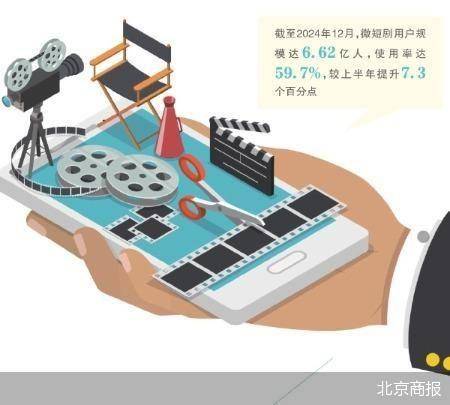
Core Viewpoint - Zhejiang Huace Film & TV Co., Ltd. is accelerating its layout in the short drama sector, aiming to transform new businesses from "trial" to "pillar" and become a new growth engine through a strategy of "scale + quality" [1][5] Group 1: Short Drama Production and Performance - In 2023, Huace Film & TV began normalizing short drama production, with three short dramas launched, including "My Return Has Wind," which exceeded 200 million views [3] - In 2024, the company plans to launch seven short dramas, with "21 and 31" already surpassing 200 million views [3] - By the first half of 2025, Huace Film & TV premiered 20 short dramas, with titles like "In the Name of Love" and "Dear Enemy" each exceeding 200 million views, and "In the Name of Love" reaching over 540 million views [3][4] Group 2: Market Trends and Consumer Behavior - The user base for micro-short dramas reached 662 million by December 2024, with a usage rate of 59.7%, reflecting a 7.3 percentage point increase from the first half of the year [4] - The shift in consumer viewing habits towards "fragmented" content consumption aligns with the short drama format, which typically has episodes shorter than 10 minutes, making it suitable for mobile consumption [4][6] - The demand for short dramas is driven by the need for content quality transformation and the integration of diverse business models [6] Group 3: Financial Performance and Challenges - In 2024, Huace Film & TV reported a revenue of 1.939 billion yuan, a year-on-year decrease of 14.48%, and a net profit of 243 million yuan, down 36.41% [4] - By the third quarter of 2025, the company’s revenue dropped to 251 million yuan, a 52.21% decrease year-on-year, with a net profit of 57.6 million yuan, down 39.38% [4] Group 4: Competitive Landscape - Other established film and television companies are also entering the short drama market, such as Huayi Brothers Media, which launched the "Huayi Brothers Fire Drama" brand, utilizing AI technology for script generation [7] - Shanghai Ningmeng Film and Television Media Co., Ltd. is also developing short dramas through its sub-brands, aiming to produce 200 short dramas in 2025 [7] Group 5: Future Outlook - The ability of Huace Film & TV to leverage its experience and resources to create high-quality short dramas will be crucial for establishing a second growth curve [8] - The company must quickly adapt to changing consumer demands and provide innovative content to succeed in the competitive short drama market [8]

月产20部,短剧能否成为华策影视“第二曲线”
Bei Jing Shang Bao· 2025-11-18 08:11
Core Viewpoint - Zhejiang Huace Film & TV Co., Ltd. is accelerating its layout in the short drama sector, aiming to transform new businesses from "trial" to "pillar" and become a new growth engine through a strategy of "scale + quality" [1][9]. Group 1: Short Drama Production and Performance - In 2023, Huace Film & TV entered a normalized production phase for short dramas, launching three series, with "My Return Has Wind" achieving over 200 million views [4]. - By 2025, the company premiered 20 short dramas, including "In the Name of Love" and "Dear Enemy," each surpassing 200 million views, with "In the Name of Love" reaching over 540 million views [4][5]. - The rapid increase in short drama production capacity has been noted, with a monthly output now at 20 dramas [1]. Group 2: Market Trends and Consumer Behavior - The user base for micro-short dramas reached 662 million by December 2024, with a usage rate of 59.7%, reflecting a 7.3 percentage point increase from the previous half-year [8]. - The shift in consumer viewing habits towards "fragmented" content consumption has made short dramas, typically under 10 minutes, well-suited for mobile platforms [8][9]. - The demand for short dramas is driven by their quick production cycle and high viewer engagement, contrasting with the longer investment and uncertain returns of traditional dramas [8][9]. Group 3: Financial Performance and Strategic Response - Huace Film & TV reported a revenue of 1.939 billion yuan in 2024, a year-on-year decrease of 14.48%, and a net profit of 243 million yuan, down 36.41% [8]. - In the third quarter of 2025, the company’s revenue fell to 251 million yuan, a 52.21% decrease, with a net profit of 57.6 million yuan, down 39.38% [8]. - The company’s strategic pivot towards short dramas is seen as a necessary response to external pressures and internal performance challenges [9][11]. Group 4: Competitive Landscape and Industry Dynamics - Other traditional film companies, such as Huayi Brothers and Shanghai Ningmeng Media, are also entering the short drama market, indicating a broader industry trend towards this format [10]. - The competition in the short drama sector is intensifying, with companies leveraging AI technology and innovative production methods to enhance content quality [10][11]. - The ability to quickly adapt to consumer preferences and deliver innovative content will be crucial for Huace Film & TV to establish short dramas as a significant revenue stream [11].

终于,字节的火烧到阅文了
虎嗅APP· 2025-11-10 00:08
Core Viewpoint - The short drama industry is experiencing rapid growth and transformation, with user preferences shifting towards higher quality and more complex narratives, as evidenced by the success of works like "Summer Fendela" which achieved over 3 billion views in just 17 days [5][17]. Industry Overview - The user base for micro short dramas is projected to reach 662 million by 2024, with a market size exceeding 50.5 billion yuan, surpassing the total box office of national films for the first time [5][6]. - By the first half of 2025, the short drama market is expected to grow by 34.4% year-on-year, reaching 67.79 billion yuan, with average daily viewing time increasing from 25 minutes to 38 minutes [5][6]. Market Dynamics - The average stock price increase for short drama concept stocks exceeded 40% in the first half of 2025, with ByteDance's short drama app "Hongguo" seeing a 94% year-on-year increase in monthly active users, reaching 236 million [6][23]. - The industry faces increasing anxiety due to the pressure of over 100 new short dramas being released daily, leading to high competition and rising production costs [8][12]. Creative Trends - The narrative structure of short dramas is evolving from simple emotional consumption to more nuanced emotional expression, with a noticeable shift towards longer storytelling formats [8][20]. - Successful short dramas are increasingly incorporating real-life elements and addressing social issues, making them more relatable to audiences [8][21]. Production Challenges - The rapid production cycle has led to a "mechanical" approach to storytelling, where the focus is on quick emotional hits rather than deep narratives, resulting in a formulaic creation process [15][36]. - The lifecycle of popular themes is shortening, with audience fatigue setting in much quicker than before, necessitating constant innovation [12][13]. Business Model Evolution - Major players like ByteDance and Yuewen are restructuring the commercial chain by integrating production and distribution, enhancing their competitive edge [23][25]. - The monetization strategies are diversifying, moving from a single revenue stream to a multi-faceted approach that includes content payment, brand placement, e-commerce, and IP derivatives [41][43]. Technological Integration - The use of AI in content creation is becoming prevalent, with tools that streamline the production process and reduce costs, particularly in the realm of animated dramas [29][30]. - The rise of "manhua" (animated dramas) is filling a market gap, appealing to younger audiences and leveraging lower production costs [30][31]. Market Challenges - Despite the growth, the industry faces significant challenges, including high competition for platform visibility, varying effectiveness of brand placements, and a profit-sharing model that increasingly favors platforms over creators [38][40]. - The prevalence of piracy remains a critical issue, complicating revenue generation and necessitating stronger copyright enforcement measures [47].
一天五六千、场景秒切换,上海“竖店”让短剧拍摄告别“非必要不进沪”
Xin Lang Cai Jing· 2025-11-09 08:25
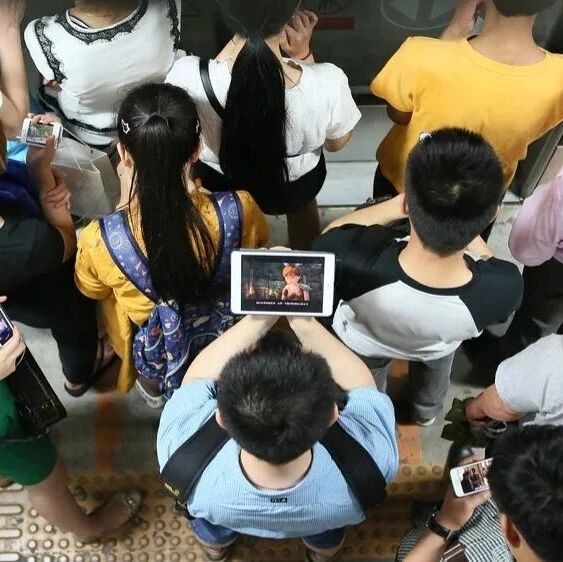
Core Insights - The transformation of a former poker factory into the Shanghai International Short Video Center highlights the rapid growth of the short drama industry in China, attracting attention from various sectors [1][2] - The center has become a hub for short dramas and live broadcasts, with over 200 indoor scenes designed to meet diverse filming needs [2][3] Group 1: Industry Development - The Shanghai International Short Video Center was established in 2020, repurposing a previously idle poker factory, and has since evolved into a key location for short video production [2] - The center's innovative design allows for flexible scene changes, akin to building with Lego, catering to the increasing demand for high-quality short dramas [2][3] - The short drama industry in Shanghai is projected to generate approximately 7 billion yuan in 2024, with nearly 2,000 short dramas produced and around 30,000 episodes launched [3] Group 2: Technological Advancements - The center has integrated high-tech features, including motion capture and lighting technology, to enhance the filming experience and meet modern production demands [3] - Some studios within the center have become highly sought after due to their appealing aesthetics and suitability for short drama filming [3] Group 3: Market Dynamics - The cost of filming at the Shanghai International Short Video Center is competitive, with daily rates for scenes around 5,000 to 6,000 yuan, comparable to other filming locations like Hengdian [4] - The short drama production process has evolved significantly, with increased investment and longer filming periods, reflecting a shift towards higher production values [5] Group 4: Creative Challenges - The quality of scripts is a critical focus in the industry, with successful productions relying on compelling narratives rather than just high budgets [5] - The industry faces challenges of homogenization in scriptwriting, necessitating innovation and user-centered approaches to content creation [5][6]