
绿色循环发展

Search documents
自贡沿滩集中推进8个重大产业项目
Xin Lang Cai Jing· 2025-12-25 18:25
Core Insights - The major industrial projects launched in Yantan District are expected to generate an annual output value of approximately 9.8 billion yuan, creating over 2,000 jobs [1][2] Group 1: Project Overview - Eight significant projects covering fluorosilicon new materials, new energy materials, green low-carbon initiatives, and deep processing of food have been initiated with a total planned investment of 3.8 billion yuan [1] - The second phase of the Kaisen (Zigong) New Energy Co., Ltd. will produce 2,000 tons of rolled glass daily, positioning Yantan as the largest photovoltaic glass production base in Southwest China [1] - The Sichuan Ruibai electronic chemicals and supporting project is a crucial supplement to Zigong's new energy industry chain, with expected annual sales revenue exceeding 3.6 billion yuan upon reaching full production [1] Group 2: Strategic Goals - The Dongheng Nano Carbon Materials project aims to establish Yantan as the largest production base for single-walled carbon nanotubes in the country [1] - The Sichuan Jingke and Hanxing Dongheng conductive materials projects will enhance the green circular development level of the industrial park [1] - Yantan District is committed to building "China's Green Fluorine Capital" and has signed 25 major projects this year, with 12 under construction and 13 already in production [1][2]
徽县:全链思维“破题”生猪产业高质量发展
Xin Lang Cai Jing· 2025-12-22 09:04
Core Viewpoint - The article emphasizes the comprehensive development of the pig industry in Huixian, focusing on modernization, brand marketing, and ecological agriculture to achieve high-quality growth and establish the "Huixian Pig" regional public brand [1] Group 1: Industry Development Strategy - Huixian is transforming its pig industry from traditional free-range farming to modern large-scale breeding and brand marketing, aiming to reduce costs, weight, and pollution while enhancing epidemic prevention and overall efficiency [1] - The strategy includes a full industry chain approach to promote high-quality development in the pig sector, ensuring cost reduction and improved profitability across all stages of the supply chain [4] Group 2: Breeding and Genetic Improvement - The breeding strategy focuses on "protection first, short introduction and long cultivation," utilizing "reciprocal hybridization" and "supporting systems" to develop the best hybrid combinations suited for local conditions [2] - Plans are in place to establish a core breeding farm with an investment from Huifeng Agricultural and Animal Husbandry Co., aiming to introduce 1,200 great-grandparent breeding pigs by 2025, increasing the total breeding stock to over 30,000 with a good breed rate exceeding 99% [2] Group 3: Technological Advancement - A three-tier technical service network is being established to promote superior breeds and efficient farming techniques, enhancing the technological capabilities of farmers through training and on-site guidance [3] - Automation in large-scale farms has led to a 15% reduction in overall costs, with a 98% conception rate for sows, showcasing the effectiveness of modern farming practices [3] Group 4: Value Chain Enhancement - The industry is adopting a full value chain approach to reduce intermediary costs and ensure profitability at every stage, fostering collaboration between companies, cooperatives, and farmers [4] - The establishment of 1,314 large-scale pig farms, including seven leading enterprises with over 10,000 pigs, has significantly increased income for participating farmers, averaging an annual increase of 32,000 yuan per household [4] Group 5: Sustainable and Ecological Practices - The integration of organic recycling and ecological protection is a key focus, with the introduction of a project to process 20,000 tons of organic fertilizer annually, utilizing livestock waste and straw [4] - This initiative not only addresses pollution and waste management but also supports local economies by providing stable dividends and job opportunities, contributing to a multi-faceted win in economic, ecological, and social benefits [4]
兴发集团20251212
2025-12-15 01:55
Summary of Xingfa Group's Conference Call Company Overview - Xingfa Group is a leading global fine phosphorus chemical company focused on green circular development and international operations. The company emphasizes comprehensive utilization of phosphorus resources and aims for a multi-variety circular economy, deeply developing by-products to achieve scale economies across the entire value chain [3][4]. Financial Performance - In the first three quarters of 2025, Xingfa Group reported revenue of 23.781 billion yuan, a year-on-year increase of 7.8%. The net profit attributable to shareholders was 1.118 billion yuan, showing slight growth. In Q3 alone, revenue reached 9.1 billion yuan, up nearly 6% year-on-year and approximately 24% quarter-on-quarter. The net profit for Q3 was 575 million yuan, reflecting a year-on-year increase of 16.17% and a quarter-on-quarter growth of 42% [2][4][5]. Business Segments Performance - **Mining and Selection**: Revenue of 2.618 billion yuan, accounting for 11% of total revenue, with a profit contribution of nearly half and a gross margin of 75% [6]. - **Specialty Chemicals**: Revenue of approximately 4 billion yuan, with a profit contribution of around 26% [6]. - **New Energy Materials**: Revenue of 700 million yuan, representing 3% of total revenue, with Q3 revenue of 350 million yuan, showing a nearly 50% quarter-on-quarter increase [6]. - **Pesticides**: Revenue of 4 billion yuan, accounting for 17% of total revenue, with a profit contribution of nearly 18% [6]. - **Silicone**: Revenue of 2.1 billion yuan, making up 10% of total revenue, with noticeable improvement in industry collaboration [6]. - **Fertilizers**: Revenue of 3.2 billion yuan, accounting for 14% of total revenue, with a profit contribution of 5%-9%. This segment is under pressure due to export quota issues and rising sulfur prices [6]. Future Outlook - The company expects overall profits for 2026 to be in the range of 2.4 to 3 billion yuan, showing significant improvement compared to 2025 [7]. - The mining segment plans to increase capacity to 13 million tons by the end of the 14th Five-Year Plan [8]. - The specialty chemicals and new energy segments are projected to grow by 10%-20% [31]. - The fertilizer segment is expected to stabilize, with no worse conditions anticipated for the following year despite current pressures [8]. Industry Insights - A recent phosphorus fertilizer market seminar proposed measures to stabilize supply and prices, which may temporarily suppress sulfur prices but could keep them high in the long term due to international factors [8][10]. - The company anticipates that the export window for phosphorus fertilizers will be pushed back in 2026, reflecting a stronger focus on domestic supply security [13]. - The overall phosphorus market is in a tight balance, with demand driven by fertilizers, yellow phosphorus, and increasing needs from the new energy sector [27][28]. Strategic Partnerships and Innovations - Xingfa Group has signed a three-year contract with BYD for the annual processing of 80,000 tons of lithium iron phosphate, ensuring stable revenue [17][18]. - The company plans to expand its production capacity for lithium iron phosphate, with new facilities expected to come online in 2026 [14][19]. - Innovations in the specialty chemicals sector include the introduction of high-margin new products, which are expected to contribute significantly to profits [31][33]. Cost Management and Competitive Position - The company is currently in a marginal profit state, with fixed costs decreasing as production capacity is maximized. It maintains a strong competitive advantage in the industry, as many peers are still operating at a loss [16]. - Automation and upstream supply chain integration are key strategies for reducing costs in the silicone segment, with potential cost savings of approximately 500 yuan per ton [21][22]. Conclusion - Overall, Xingfa Group is positioned for stable growth across its various business segments, with a strong focus on innovation and strategic partnerships. The company is optimistic about its performance in 2026, driven by a balanced portfolio and favorable market conditions [31][33].

河池宜州:推动桑蚕业向“新”向“智”
Guang Xi Ri Bao· 2025-11-11 08:03
Core Insights - The article highlights the transformation of the silkworm industry in Yizhou District, Guangxi, through the adoption of smart farming technologies and data-driven practices, enhancing production efficiency and product quality [1][2][3] Group 1: Industry Development - Yizhou District has maintained its position as the leading county in silkworm production in China for 20 consecutive years, emphasizing its significance as a quality cocoon and silk production base [1] - The district is responding to the national strategy to optimize traditional industries while fostering emerging sectors, focusing on intelligent, green, and integrated development paths [1][2] Group 2: Technological Advancements - The introduction of real-time monitoring and big data analysis allows farmers to accurately track silkworm growth and address various farming issues, ensuring the health of the silkworm population [2] - Smart farming equipment, including sensitive sensors, automatically regulates environmental conditions in silkworm houses, maintaining optimal growth conditions [2] Group 3: Economic Impact - A new smart silkworm farming model has been implemented, resulting in significant production outputs, with one base reporting 16 batches yielding 6,650 kilograms and generating sales revenue of 319,000 yuan [1] - Over 30 processing enterprises in the district are developing new products from silkworm resources, including mulberry wine and medicinal products, contributing to a circular economy [2] Group 4: Cultural Integration - The district is promoting the integration of silkworm farming with tourism, creating cultural parks and leisure projects that enhance the economic benefits of the industry [3] - This shift from traditional to data-driven farming represents a broader industrial revolution, aligning with national policies aimed at economic development and poverty alleviation [3]
宜州桑蚕产业规模连续20年位居全国县域首位
Guang Xi Ri Bao· 2025-11-10 07:19
Core Insights - The article highlights the transformation of the silkworm industry in Yizhou District, Guangxi, through the adoption of smart farming technologies and data-driven practices, enhancing production efficiency and product quality [1][2][3] Group 1: Industry Development - Yizhou District has maintained its position as the leading county in silkworm production in China for 20 consecutive years, emphasizing its significance as a quality cocoon and silk production base [1] - The district is responding to the national strategy to optimize traditional industries while fostering emerging sectors, focusing on intelligent, green, and integrated development paths [1] Group 2: Technological Advancements - The introduction of real-time monitoring and big data analysis allows farmers to accurately track silkworm growth and address various farming issues, ensuring the health of the silkworm population [2] - Smart farming equipment, including sensitive sensors, automatically regulates environmental conditions in silkworm houses, maintaining optimal growth conditions [2] - Collaborations with research institutions like Southwest University and China Sericulture Research Institute are driving technological upgrades and the establishment of smart silkworm demonstration bases [2] Group 3: Sustainable Practices - The district promotes comprehensive utilization of silkworm resources, developing over 20 new products from silkworm by-products, including mulberry wine and medicinal products [2] - The focus on green development ensures that all parts of the silkworm are utilized efficiently, contributing to a circular economy [2] Group 4: Cultural and Economic Integration - Yizhou District is advancing the integration of silkworm farming with tourism, creating cultural parks and leisure projects that enhance the economic benefits of the industry [3] - This shift from traditional to data-driven farming represents a significant industrial revolution, aligning with national policies aimed at economic development and poverty alleviation [3]
青海培育驱动盐湖产业专利创造转化入选知识产权强国建设典型案例
Zhong Guo Zhi Liang Xin Wen Wang· 2025-11-07 08:23
Core Insights - The article highlights the successful inclusion of Qinghai Province's case on strengthening patent creation and transformation to drive ecological reconstruction of the salt lake industry in the fourth batch of typical cases for building a strong intellectual property nation [1][2]. Group 1: Intellectual Property Empowerment - The case focuses on leveraging intellectual property to enhance ecological civilization and the development of the salt lake industry, aiming for green and low-carbon circular development [1]. - Qinghai's intellectual property bureau has strategically planned the development path for industry-related intellectual property, emphasizing efficient transformation and collaborative utilization of patents [1][2]. - A high-standard salt lake industry intellectual property operation center is being established to guide the industry towards high-end, intelligent, and green development [1][2]. Group 2: Strategic Initiatives - The establishment of a joint laboratory for comprehensive utilization of salt lake resources aims to promote close cooperation between research, industry, and application, addressing key industry challenges [2]. - The initiative supports the application of patented technologies in pilot production practices within the salt lake industry, optimizing product quality and expanding the industrial chain [2]. - The project has generated over ten million yuan in technical revenue from a complete potassium fertilizer technology package, demonstrating significant results in resource recovery and wastewater reduction [2]. Group 3: Future Directions - The Qinghai Intellectual Property Bureau plans to replicate the successful model of the salt lake case in other sectors such as clean energy and ecological protection, enhancing the role of intellectual property across various industries [3].
湘西州花垣县扎实推进“锰三角”向“绿三角”转变
Zhong Guo Huan Jing Bao· 2025-11-05 01:11
Core Viewpoint - Hunan Province's Huayuan County is transitioning from a "Manganese Triangle" to a "Green Triangle" through effective measures aimed at ecological transformation and sustainable development [2][3][4] Group 1: Government Initiatives - The Hunan Provincial Party Secretary and Governor have conducted multiple inspections in Huayuan County to guide environmental pollution control and ecological restoration efforts [2] - Local leaders are actively involved in on-site remediation efforts to ensure effective results in environmental governance [2] Group 2: Industrial Transformation - Huayuan County has consolidated four manganese mining companies into one and reduced five electrolytic manganese smelting companies to one, leading to the dismantling of 1,598 acres of abandoned structures [3] - The county has achieved significant land reclamation, with over 21,800 acres of land restored and 15.7 kilometers of roads greened [3] - The implementation of land use policies has generated 1.35 billion yuan in revenue from land indicator trading [3] Group 3: Ecological Restoration - The county is committed to a "waste-to-resource" approach, focusing on the technological remediation of tailings and mining waste [4] - Huayuan County has been recognized as a pilot county for green development in the mining sector and has successfully removed its designation as a key safety production county for non-coal mines [4] - The local tourism sector has seen a boost, with significant visitor numbers reported during the National Day holiday, indicating a positive impact from ecological improvements [4]


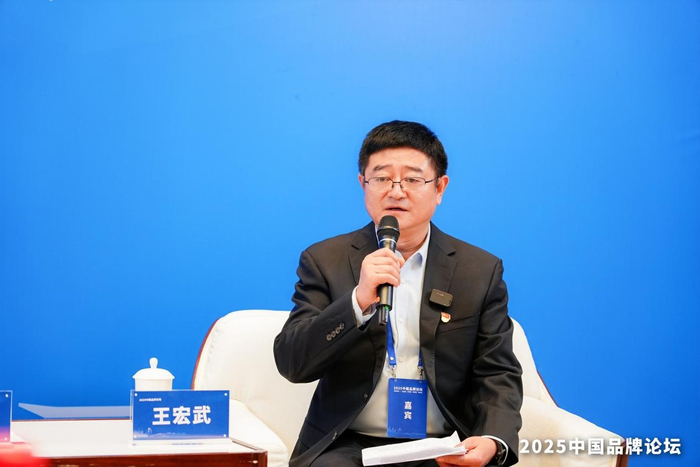
王宏武:以核心技术突破引领绿色转型,塑造品牌经济新范式
Ren Min Wang· 2025-10-29 16:21
Core Viewpoint - The China Brand Forum held in Xiong'an New Area emphasizes the theme of "New Brands, New Scenarios, New Practices, New Heights," highlighting the importance of innovation and sustainable development in brand building [1]. Group 1: Brand Positioning and Development Philosophy - Zhongyuan Environmental Protection positions itself as a "circular economy enabler, beautiful city co-builder, and guardian of a better life," indicating a commitment to value-driven economic principles rather than mere image upgrades [1]. - The company's brand development is rooted in industry transformation and corporate mission, focusing on innovation as a key driver for growth [1]. Group 2: Technological Innovation - As a national high-tech enterprise and state-controlled listed company, Zhongyuan Environmental Protection leverages technological innovation to enhance brand value, establishing platforms such as a national-level postdoctoral workstation and laboratories [1]. - The company has achieved significant technological breakthroughs, including ultra-low emissions in wastewater treatment and converting sludge into building materials and clean gas, with successful implementations in provinces like Shaanxi, Guizhou, and Shanxi [1]. Group 3: Green Circular Development - Zhongyuan Environmental Protection operates over 20 large-scale wastewater treatment plants and nearly 30 projects in sludge treatment and ecological governance, processing approximately 3 million tons of wastewater and 4,000 tons of sludge daily [2]. - The company promotes the utilization of reclaimed water and develops integrated projects combining reclaimed water with clean energy and photovoltaic systems, contributing to energy conservation and carbon reduction [2]. Group 4: Innovative Scenarios - The company has developed a scenario-based innovation model that is demand-driven, technology-adapted, and fully integrated, creating a virtuous cycle of scenario innovation, value realization, and brand enhancement [2]. - Specific innovative scenarios include: - Energy circular scenarios that reduce carbon emissions by transforming wastewater treatment plants into energy self-sufficient units through distributed photovoltaic projects [4]. - Sludge disposal scenarios utilizing self-developed sludge pyrolysis gasification technology to provide new solutions for urban sludge management [4]. - Reclaimed water application scenarios that enhance energy efficiency by using reclaimed water for building cooling, achieving over 30% improvement compared to traditional air conditioning systems [4].

听见丰收丨金色博望的丰收战
Yang Guang Wang· 2025-09-21 01:03
Core Insights - The article highlights the successful transformation of the pear industry in Bo Wang Town, Henan, led by "new farmers" Zheng Haiou and her team, who have established a complete supply chain from production to market [1][2]. Group 1: Industry Overview - Bo Wang Town has over 20,000 acres of golden pear orchards, which are currently in peak harvest season, showcasing the region's agricultural potential [1]. - The introduction of modern agricultural practices, including IoT systems for monitoring tree growth and environmental conditions, has significantly improved both yield and quality [2]. Group 2: Business Model and Sales Strategy - The couple transitioned from traditional farming to a more modern approach, resulting in daily shipping volumes increasing from a few orders in 2015 to over 30,000 orders currently [2]. - Direct-to-consumer (B2C) sales have proven to be the most effective channel, enhancing customer satisfaction and repeat purchase rates, with plans to expand into international markets [2]. Group 3: Quality Control and Value Addition - Quality control is emphasized, with rigorous selection processes ensuring only the best pears are shipped, while lower-quality fruits are repurposed for processing into products like pear syrup and organic fertilizer [3]. - The focus on secondary processing is seen as essential for enhancing the value chain and supporting rural revitalization efforts [3].
【商洛】深入探索生态产品价值实现机制
Shan Xi Ri Bao· 2025-08-31 22:41
Group 1: Tourism Development - The local tourism industry has significantly improved the living standards of villagers, with over 80% of the population engaged in tourism-related activities [2] - The collective economy of Zhujiabian Village has grown from several tens of thousands to over 700,000 yuan, with a per capita income of 32,665 yuan [2] - The city of Shangluo is a pilot area for the national ecological product value realization mechanism, aiming to transform ecological advantages into economic benefits [2][10] Group 2: Agricultural Innovation - The cultivation of black fungus in Jinmi Village has thrived due to favorable ecological conditions, with annual incomes exceeding 50,000 yuan for local farmers [4] - The export of 1,000 kilograms of dried black fungus to Dubai marks a significant milestone for the local agricultural sector, indicating a trend towards regular international sales [5] - Shangluo has focused on ecological agriculture, with 72 agricultural products recognized as national special and superior new products [5] Group 3: Industrial Transformation - The use of local resources such as silicon tailings and desulfurization gypsum in the production of building materials demonstrates a successful "waste-to-resource" model [7] - The company can consume 200,000 tons of silicon tailings and significantly reduce production costs by 10% while achieving a 60% utilization rate of tailings [7] - Shangluo is advancing industrial transformation through clean, circular, and low-carbon development, aiming to convert mineral resources into new materials and high-tech products [8] Group 4: Ecological Economy - The ecological product value realization in Shangluo has transitioned from mechanism construction to value transformation, with legislative support for ecological product value realization [10] - The green credit balance in Shangluo reached 20.076 billion yuan, reflecting an 11.4% year-on-year growth [10] - Initiatives such as carbon trading and green finance are being utilized to convert ecological resources into economic value, positioning the ecological economy as a new engine for industrial upgrading [10]