
脑机接口

Search documents
深度|资本“疯抢”脑机接口老股!询价一路走高,溢价频频出现
证券时报· 2026-03-30 00:41
Core Viewpoint - The brain-computer interface (BCI) sector is experiencing unprecedented investment enthusiasm, with significant interest from various capital sources, including industry giants and venture capital firms [1][6][7]. Group 1: Investment Trends - Nearly 10 top-tier funds have actively sought to acquire shares in Strong Brain Technology, indicating a strong demand for BCI projects [1]. - The BCI market has seen a surge in financing, with 17 investment events totaling 38.03 billion yuan in 2023, surpassing the entire 2025 financing scale of 14.55 billion yuan [4]. - Notable financing events include 5 billion yuan raised by Ladder Medical and 20 billion yuan by Strong Brain Technology, marking record amounts in the BCI sector [3][4]. Group 2: Investment Preferences - Investors are particularly interested in companies with high technical barriers and rapid clinical progress, focusing on four key categories: core technology advantages, strong founding teams, advanced clinical progress, and clear commercialization paths [5]. - The investment landscape is diversifying, with participation from comprehensive funds, industrial capital, local state-owned enterprises, and internet giants [7]. - There is a notable preference for companies that can demonstrate a clear path to commercialization and have a strong academic and industrial background among their founding teams [10]. Group 3: Future Directions - The future of BCI development is expected to extend beyond clinical applications into areas such as entertainment, education, and industrial applications, highlighting the potential for broader human-computer interaction [8][11]. - There is a growing interest in both invasive and non-invasive BCI technologies, with significant potential in treating neurological conditions and exploring commercial applications like brain-controlled devices [12]. - The industry anticipates further policy support for foundational research and the integration of AI with BCI technologies, aiming for a more systematic approach to development and application [11].

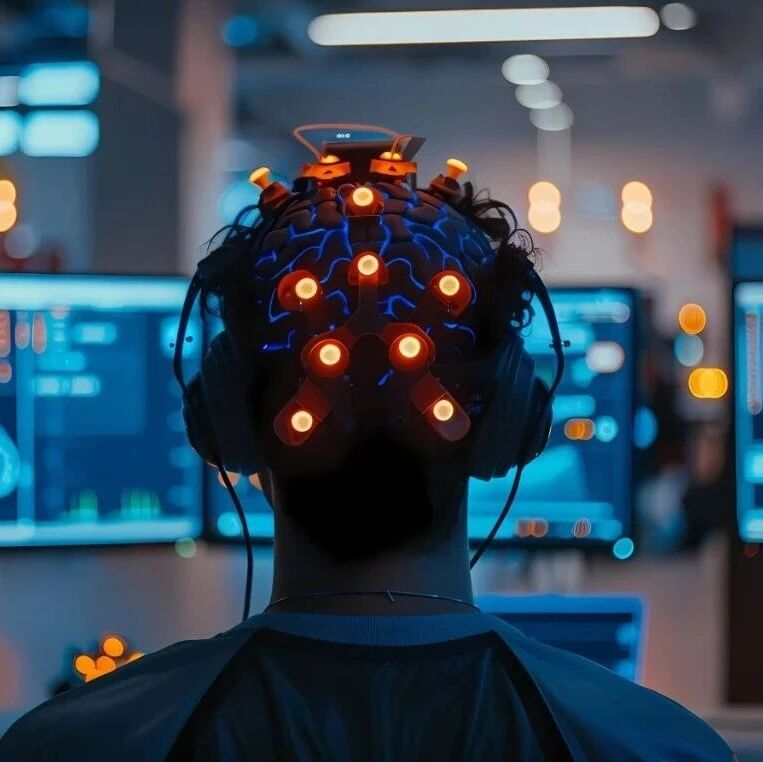
知名上市企业惊现“内鬼”:1亿元资金被挪用,9亿元账户紧急冻结;华为诺亚方舟实验室主任王云鹤离职;微信上新2项新功能丨邦早报
创业邦· 2026-03-29 01:09
Group 1 - Huawei's Noah's Ark Lab director Wang Yunhe announced his departure after nearly 9 years with the company, with speculation that he will pursue AI entrepreneurship [3] - Tesla denied rumors regarding the launch of the Model 3 Standard version in China, stating there are currently no plans to introduce it domestically [4] - Chinese mattress company Xilinmen reported that 1 billion yuan was illegally transferred from a subsidiary's bank account, leading to a protective freeze of approximately 9 billion yuan in related accounts [4][5] Group 2 - NeurIPS issued an apology after facing backlash from Chinese academic institutions for barring submissions from certain sanctioned entities [5] - Elon Musk previously invited Mark Zuckerberg to consider a joint bid for OpenAI's intellectual property before making an offer himself [5] - The last co-founder of Musk's xAI, Ross Notting, has left the company, coinciding with Musk's restructuring efforts and preparations for a SpaceX IPO [5] Group 3 - SoftBank Group secured a $40 billion bridge loan to increase its investment in OpenAI and for general corporate purposes [9] - Chengxin Zhili completed a new round of financing to accelerate breakthroughs in core technologies for embodied intelligence [10] - AI chip startup Zhikuan Technology announced it has completed a financing round led by Deep Blue Capital [10] Group 4 - Meta's content policy chief Monica Bickert is leaving to teach at Harvard Law School, having been a key figure in the company's content policy decisions [7] - Sony announced a price increase for its PS5 console, with the new retail price effective from April 2, 2026, raising the price in the US from $549.99 to $649.99 [5] - Apple hired former Google Shopping VP Lilian Rincon to lead AI product marketing as the company prepares for a major overhaul of Siri [5] Group 5 - Meta plans to launch two new types of anti-glare smart glasses designed for glasses wearers [12] - Porsche confirmed it will introduce a new generation of fuel-powered Cayenne, expected to debut between 2028 and 2029 [12] - The "North Brain No. 1" brain-machine system has completed seven clinical implant surgeries, targeting conditions like spinal cord injuries and speech disorders [13]

心玮医疗20260325
2026-03-26 13:20
Summary of the Conference Call for Xinwei Medical Company Overview - **Company**: Xinwei Medical - **Industry**: Neurointerventional Devices Key Points and Arguments Strategic Transformation and Profitability - **Shift from Distribution to Treatment**: The company has transitioned from a distribution-focused model to a treatment-oriented approach, achieving a net profit exceeding 50 million yuan in H1 2025, marking a turnaround from losses to profitability. Revenue growth is expected to exceed 40% in 2025, with gross margins projected to exceed 70% [2][4][6]. Market Potential and Domestic Replacement - **Significant Domestic Market Opportunity**: In 2023, foreign brands held 75% of the Chinese neurointerventional market. The company has obtained 32 product registrations and has successfully bid for multiple products in group purchasing, accelerating penetration into 2,500 hospitals [2][4]. Breakthrough Products - **Innovative Drug-Eluting Stent**: The self-expanding drug-eluting stent has completed head-to-head clinical trials with positive results and is expected to receive approval by Q4 2026, potentially becoming the first drug-eluting stent for intracranial artery stenosis in China [2][4][5][9]. Brain-Machine Interface (BMI) Development - **First-Mover Advantage**: The company is the first in China to develop an interventional brain-machine interface, comparable to Synchron, having completed animal trials and planning human clinical trials in 2026, with expected approval in 2027-2028 [2][4][12]. Financial Performance and Future Projections - **Strong Revenue Growth**: Since its IPO in 2021, the company has achieved continuous revenue growth, with a minimum growth rate of 20%. H1 2025 revenue grew approximately 44%, with full-year growth expected to exceed 40%. The net profit forecast for 2025-2027 is 71 million, 106 million, and 166 million yuan, representing year-on-year growth rates of 623%, 49%, and 56% respectively [2][6][7]. Product Line and Market Position - **Comprehensive Product Matrix**: The company has a diverse product line with 32 registered products, aiming to exceed 50. It is positioned as a second or third-tier player in the industry, focusing on high-value treatment products rather than solely on distribution [2][4][8]. Competitive Landscape - **Market Competition**: Despite foreign brands dominating the market, there is significant room for domestic replacements. The company has demonstrated strong competitiveness in group purchasing, winning bids for several products [2][8]. Risks and Challenges - **Key Risks**: The company faces risks related to ongoing price reductions in neurointerventional products due to national group purchasing and uncertainties regarding the progress of human clinical trials for the brain-machine interface [3][13]. Additional Important Information - **Clinical Data for Drug-Eluting Stent**: The stent has shown a re-stenosis rate below 5% and low mortality rates in clinical trials, with expected registration approval in Q4 2026 [9]. - **BMI Technology Comparison**: The company’s interventional BMI technology is positioned between invasive and non-invasive methods, offering a balance of safety and signal quality [10][12]. - **International Benchmarking**: Synchron's Stentrode has been successfully implanted in over 10 patients globally, showcasing the potential of interventional BMIs [11]. This summary encapsulates the critical insights from the conference call, highlighting the company's strategic direction, market opportunities, financial outlook, and associated risks.
AI智能体退烧、国产硬核突围,英伟达再定行业格局
3 6 Ke· 2026-03-26 02:33
Group 1 - The technology sector is transitioning from "concept hype" to "value realization," with significant breakthroughs and controversies shaping the future landscape of technology [1][19] - AI agents have seen a cooling off period, with users reporting issues related to stability and practicality, highlighting the need for improvement in task execution and tool utilization [2][4] - Major companies are competing in the AI agent space, but many projects remain in the "toy" stage, lacking true business value despite some domestic products making progress in practical applications [4][5] Group 2 - A significant milestone was achieved with the approval of the world's first invasive brain-computer interface (BCI) medical device in China, breaking foreign monopolies and entering the commercialization phase [6][8] - The NEO system, a domestic invasive BCI, has shown promising clinical results, enabling paralyzed patients to perform basic movements and significantly improving their motor function [8] - In the energy sector, breakthroughs in commercial space and advanced physics are accelerating, with successful satellite launches and advancements in antimatter transportation paving the way for practical applications [16][18] Group 3 - NVIDIA's GTC 2026 conference set the tone for the next phase of AI development, focusing on Physical AI and the introduction of the Vera Rubin architecture, which is expected to generate significant chip orders by 2027 [9][11] - The competitive landscape in generative AI is shifting towards efficiency and scene adaptation, with Luma AI's Uni-1 model achieving notable performance improvements and cost reductions [13][14] - The industry is facing challenges in integrating generative AI into business processes, with many companies struggling to establish clear ROI despite significant investments [14]

陆家嘴财经早餐2026年3月26日星期四
Wind万得· 2026-03-26 00:23
Group 1 - The negotiations between the US and Iran are uncertain, with Iran rejecting the US ceasefire proposal while the White House claims talks are ongoing and productive [4][6] - Iran has set five conditions for a ceasefire, including the cessation of aggression and recognition of its rights in the Strait of Hormuz [4][6] - Iran's UN representative stated that non-combatant vessels can safely pass through the Strait of Hormuz after coordination [5][6] Group 2 - SpaceX is preparing for what is expected to be the largest IPO in history, aiming for a valuation of $1.75 trillion and plans to raise between $50 billion to $75 billion [7] - Wind Information has launched a personal version of its AI platform, Wind Alice, aimed at providing financial capabilities previously available only to institutional clients [7] Group 3 - The Chinese government is working on establishing a long-term care insurance system, aiming for a unified rate of around 0.3% within three years [14] - The Chinese energy sector has seen a significant increase in installed capacity, with solar power capacity growing by 33.2% year-on-year [14] Group 4 - The stock market has shown positive trends, with major indices in the US and Europe rising due to easing tensions in the Middle East and expectations of a ceasefire [20][21] - The Hong Kong stock market also experienced gains, particularly in sectors like nuclear power and semiconductors [9]

数千万元融资!神经调控公司完成天使轮
思宇MedTech· 2026-03-25 08:33
Company Overview - Shanghai Yuanbao Medical Equipment Co., Ltd. was established in 2022 and is headquartered in Shanghai [2][3] - The company focuses on the intersection of brain science and intelligent medical technology, engaging in the development of neuro-regulation devices, brain-machine interface technologies, and neuro-rehabilitation solutions [4] Financing Information - On March 23, 2026, the company announced the completion of its angel round financing, raising several tens of millions of RMB, with exclusive strategic investment from the Shanghai Science and Technology Innovation Investment Group's intellectual property fund [2][7] Product and Technology Introduction - The company is currently focusing on neuro-regulation and brain-machine interface products and technologies, including: - Intelligent precise neuro-circuit multi-target regulation robotic system for neuro-regulation treatment scenarios, supporting multi-modal imaging positioning and robotic arm-assisted operations, applicable in clinical neuro-rehabilitation [5] - MRI target calculation AI system for processing brain imaging data and identifying personalized neuro-regulation targets [5] - Multi-modal neuro-circuit decoding technology that combines fMRI, DTI, and EEG data for neuro-circuit analysis and localization [5] - Non-invasive neuro-regulation technology applicable in rehabilitation scenarios for neurological disorders such as post-stroke functional impairment and cognitive disorders [5] Research and Development Focus - The company is engaged in the iterative development of the intelligent precise neuro-circuit multi-target regulation robotic system, MRI target calculation AI system, clinical registration applications, market expansion, and cutting-edge technology research [6] Patent Information - The company has several patents related to its technologies, including: - A stroke rehabilitation system based on cortical hippocampal network neuro-oscillation regulation [8] - A cognitive training system and method [8] - A method for individualized localization of neuro-circuits based on multi-modal brain imaging, which has been authorized [8]

产业研究专题系列报告之二:规划篇:地方层面“十五五”产业规划与布局
CMS· 2026-03-25 05:32
Group 1: Industry Planning and Direction - The "14th Five-Year Plan" emphasizes building a modern industrial system, with a focus on traditional industry transformation, emerging pillar industries cultivation, and future industry foresight[1] - Eastern provinces aim to become global innovation hubs, focusing on AI, integrated circuits, and biomedicine, while also targeting future industries like quantum technology and brain-machine interfaces[4] - Central provinces seek breakthroughs in equipment manufacturing and electronic information, with a goal of having strategic emerging industries account for 30% of industrial output by 2025[17] - Western provinces leverage abundant energy resources to develop green energy and computing power industries, aligning with national strategies like "East Data West Computing"[19] Group 2: Core Participants and Collaboration - State-owned enterprises (SOEs) lead strategic restructuring and resource integration, while private enterprises drive innovation and are the main contributors to high-tech enterprises, accounting for over 92%[4] - The industrial planning involves a multi-faceted collaboration among SOEs, private enterprises, and "chain master" companies, enhancing supply chain resilience and promoting coordinated development[4] - Five major growth poles are identified: Yangtze River Delta, Guangdong-Hong Kong-Macao Greater Bay Area, Beijing-Tianjin-Hebei, Chengdu-Chongqing, and the Central Yangtze River region, each with distinct industrial focuses[5] Group 3: Financial Integration and Support - Financial support for the real economy is shifting towards direct financing, mergers and acquisitions, and specialized fund investments, with innovative financial tools becoming increasingly diverse[4] - By 2025, strategic emerging industries are expected to raise over 1 trillion yuan through IPOs and refinancing, with a significant portion concentrated in eastern provinces[4] - The merger and acquisition market is becoming more active, with A-share listed companies participating in transactions exceeding 1 trillion yuan by 2025[4]
脑机接口产业更新
2026-03-26 13:20
Summary of Neural Interface Industry Conference Call Industry Overview - The conference call focused on the neural interface industry, particularly the advancements made by Neuralink and the current state of domestic companies in this field [1][2]. Key Points and Arguments Neuralink's Innovations - Neuralink has significantly improved the efficiency of its brain-machine interface (BMI) devices, reducing the implantation time from 5-10 seconds to 5 seconds and the overall surgery time from several minutes to just a few minutes [1]. - The company has drastically lowered costs through in-house development, with the cost of the fixture head decreasing from $10,000 to $500, and the electrode costs also significantly reduced, laying the groundwork for large-scale applications [1][3]. - Neuralink's electrode design includes over 100 electrodes, each with 8 channels, totaling 1,024 channels, enhancing clinical application effectiveness [3]. Domestic Competitors - Domestic companies, such as Ladder Technology, are conducting clinical trials but lag behind Neuralink in electrode quantity and automation levels, with lower yield rates and higher costs [1][4]. - The current cost of domestic electrodes is approximately 30,000 RMB, with surgery costs ranging from 300,000 to 400,000 RMB, highlighting the need for improved production processes and yield rates [4]. Technological Advantages - Neuralink's devices are equipped with high-precision electron microscopes, enabling real-time monitoring of brain movements, which is crucial for safe and precise implantation [5][6]. - The automation level of Neuralink's devices allows for rapid surgeries, potentially reducing costs significantly in the future [6]. Challenges in Domestic Development - The domestic neural interface technology is primarily semi-invasive, suitable for rehabilitation but limited in treating neurodegenerative diseases [7]. - Domestic companies face challenges in achieving high yield rates for electrodes, which currently stand at about 30%, and need to improve manufacturing processes to lower costs [10][15]. Government Support and Policies - The government plans to launch a key support program for the neural interface industry in the second half of 2025, with each province reporting one key support entity to avoid disordered competition and resource waste [2][21]. - A collaborative effort among seven ministries aims to unify resources and focus on specific areas such as electrode and chip development, enhancing overall research efficiency [22]. Future Outlook - The domestic neural interface industry is expected to grow, but companies must overcome significant challenges related to technology, cost, and yield rates [12][13]. - The government is expected to release new standards for neural interface medical devices in the first half of 2025, which will help regulate the industry [23]. Conclusion - Neuralink's advancements in technology and cost reduction position it as a leader in the neural interface industry, while domestic companies are making progress but still face substantial hurdles. Government support and regulatory frameworks will play a crucial role in shaping the future of this industry in China.
【太平洋科技-每日观点&资讯】(2026-03-25)
远峰电子· 2026-03-24 11:48
Market Overview - Major indices showed positive performance with the STAR 50 up by 2.33%, the Northern Exchange 50 by 1.94%, the Shanghai Composite Index by 1.78%, the Shenzhen Component Index by 1.43%, and the ChiNext Index by 0.50% [1] TMT Sector Performance - The TMT sector led the market with significant gains, including SW Communication Cables and Accessories up by 5.41%, SW Optical Components by 4.73%, and SW Passive Components by 4.18% [1] Domestic News - Alibaba launched its new flagship CPU product, the Xuantie C950, based on the open-source RISC-V architecture, achieving a single-core performance score exceeding 70 in the Specint2006 benchmark, setting a global record for RISC-V performance [2] - CINNO reported that Zhongdao Optoelectronics successfully won a project for high-precision AOI detection equipment for leading panel manufacturers, achieving a 0.4μm detection precision [2] - Silicon Valley Semiconductor delivered its first batch of fully automated laser stripping equipment compatible with 12-inch silicon carbide substrates, marking a successful industrialization of this technology [2] - According to MIR, the domestic production rate of semiconductor manufacturing equipment in China is projected to increase from 4% in 2017 to 21% by 2025 [2] International News - STMicroelectronics announced that the first batch of STM32 wafer products, manufactured by Huahong Grace, has been shipped to domestic customers, with plans for more STM32 product series to achieve local production by 2026 [3] - Samsung stated that its HBM5 core bare chips will continue to use the 1c (sixth generation 10nm level) process, with plans to upgrade the core chip to 1d (seventh generation 10nm level) DRAM for the ninth generation HBM5E products [3] - Anmou Technology released a new generation of "Linglong" VPU IP products, expected to enter mass production in 2026, featuring high performance and low latency across various application scenarios [3] AI News - Meitu's AI Skills have officially integrated with the "Lobster Ecosystem," offering eight AI imaging capabilities for users [4] - OpenAI has discontinued the "Instant Checkout" feature in ChatGPT, redirecting users to merchant websites for purchases due to technical complexities [4] - AiPPT.com has introduced the Nano Banana 2 model to enhance its image generation quality and understanding of prompts [4] - SwitchBot claims to have launched the world's first local home AI agent supporting OpenClaw, capable of understanding real-world events through connected cameras [4] Industry Tracking - Beijing Yushi Space Technology Co., Ltd. completed a 200 million yuan Pre-A+ round of financing to support its rocket assembly testing and capacity construction [5] - A Chinese team made significant progress in brain-controlled robotic dog technology by integrating a non-invasive brain-computer interface with autonomous navigation [5] - A humanoid robot named "Titan o1" was released, utilizing a general action pre-training model to mimic human movements [5] - Covestro announced a contract with the Fraunhofer Institute for Chemical Recycling of rigid polyurethane foam waste, with a processing capacity of 2,000 tons per year [5] Annual Reports - Yuanjie Technology reported a total revenue of 601 million yuan for 2025, a year-on-year increase of 138.5%, with a net profit of 191 million yuan, up 3212.62% [6] - Huidian Co., Ltd. achieved a total revenue of 18.945 billion yuan, a 42% increase year-on-year, with a net profit of 3.822 billion yuan, up 47.74% [6] - China Telecom reported total revenue of 523.925 billion yuan, a slight increase of 0.07%, with a net profit of 33.185 billion yuan, up 0.52% [6] - Guangku Technology reported total revenue of 1.474 billion yuan, a 47.56% increase year-on-year, with a net profit of 177 million yuan, up 163.76% [6]

医药生物行业周报:国际首例侵入式BCI进入临床应用,DRG DIP3.0将于2027年1月实施
东方财富· 2026-03-24 10:30
Investment Rating - The report maintains a "Strong Buy" rating for the pharmaceutical industry, indicating a positive outlook compared to the market [3]. Core Insights - The report highlights the approval of the world's first invasive brain-computer interface (BCI) medical device for clinical application, marking a significant milestone in the industry [37]. - The implementation of DRG/DIP 3.0 is scheduled for January 2027, which is expected to optimize payment grouping rules and enhance the integration of DRG/DIP systems [38]. Market Performance - The pharmaceutical and biotechnology index fell by 2.77% this week, underperforming the CSI 300 index by 0.59 percentage points, ranking 8th in industry performance [14]. - Year-to-date, the pharmaceutical index has decreased by 2.9%, also lagging behind the CSI 300 index by 1.54 percentage points, ranking 20th [14]. Sub-industry Analysis - Among sub-industries, traditional Chinese medicine fell by 1.16%, biological products by 1.79%, chemical pharmaceuticals by 2.08%, medical devices by 4%, pharmaceutical commerce by 4.01%, and medical services by 4.32% [20]. - The medical device sector has shown the smallest decline year-to-date at -0.38%, while the chemical pharmaceutical sector has experienced the largest drop at -6.05% [20]. Notable Company Developments - Shanghai Ladder Medical Technology completed a strategic financing round of 500 million yuan, accelerating its clinical progress in brain-computer interface technology [34]. - Eli Lilly announced a plan to invest $3 billion over the next decade to expand its supply chain in China, focusing on local production capabilities for oral solid formulations [33].