财政恶化

Search documents
大米类价格上涨40%,市场担忧日本财政恶化
Sou Hu Cai Jing· 2025-11-22 09:42
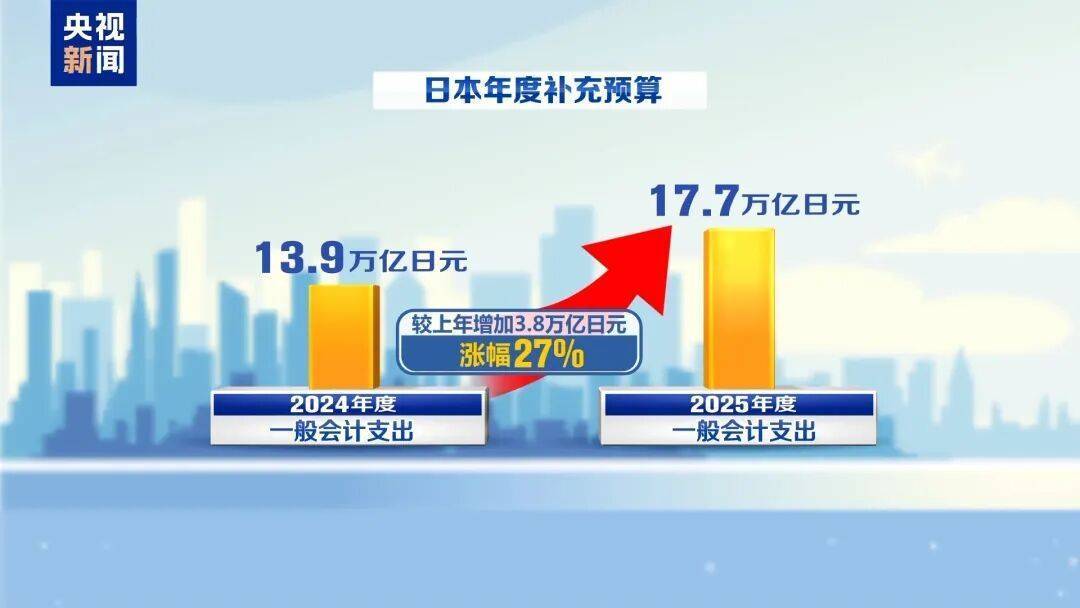
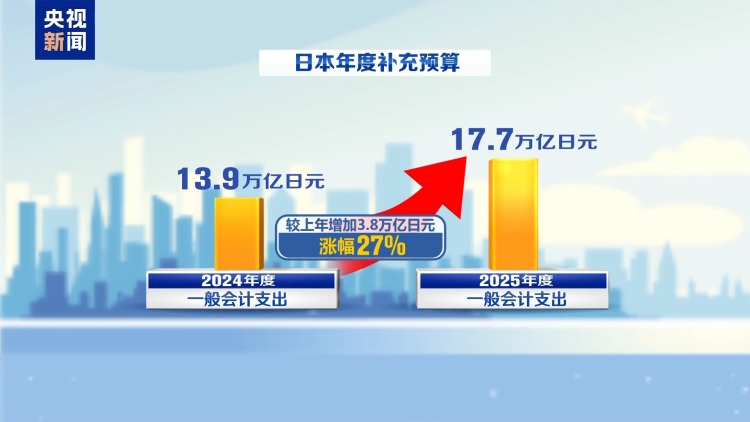
Core Viewpoint - Japan is facing escalating inflation and economic challenges, prompting the government to implement a record-scale economic stimulus plan, which raises concerns about further deterioration of public finances [1][2][6]. Economic Measures - The Japanese government has approved a comprehensive economic strategy amounting to approximately 21.3 trillion yen (about 96.56 billion RMB), marking the highest general account expenditure for the supplementary budget since 2022 [2][4]. - The supplementary budget for the fiscal year 2025 is expected to reach around 17.7 trillion yen, reflecting a 27% increase compared to the previous year's budget [4]. Inflation and Consumer Impact - The core Consumer Price Index (CPI) in Japan rose by 3.0% year-on-year in October, continuing a trend of increasing prices for over 50 months, with significant price hikes in essential goods like rice (up 40.2%) and eggs (up 13.6%) [10][12][15]. - A survey indicated that over 99% of respondents felt the burden of rising prices, with 81.6% experiencing significant pressure [15]. Market Reactions - The Japanese stock market has experienced volatility, with the Nikkei 225 index dropping by 2.40% on November 21, reflecting market skepticism towards the government's economic policies [21]. - The depreciation of the yen has led to increased import prices, further exacerbating inflationary pressures [17]. Structural Economic Issues - Japan's economy is grappling with structural challenges, including high national debt, persistent inflation, and declining real wages, which contribute to weak domestic demand and market confidence [18][20]. - The government's economic measures are viewed as a temporary fix that does not address the underlying issues of fiscal health and productivity [20].

经济民生双承压下 日本再遭高市妄为之“祸”
Yang Shi Xin Wen Ke Hu Duan· 2025-11-22 05:54
Group 1 - Japan's inflation problem is worsening, with the core consumer price index (CPI) rising by 3.0% year-on-year in October, marking a continuous increase for 50 months [16][18][24] - The Japanese government has approved a record economic stimulus package amounting to approximately 21.3 trillion yen (about 965.6 billion RMB), with the 2025 supplementary budget expected to reach 17.7 trillion yen, a 27% increase from the previous year [2][6] - Concerns about Japan's fiscal deterioration are growing, as the government relies on issuing additional national bonds to cover spending gaps, leading to market skepticism regarding the government's fiscal credibility [4][10][12] Group 2 - The Japanese economy has contracted for the first time in six quarters, with a 0.4% decrease in real GDP in Q3 2025, translating to an annualized decline of 1.8% [14] - The depreciation of the yen is exacerbating inflationary pressures, as it increases import prices, which in turn affects domestic prices [25][28] - The economic measures proposed by the government are seen as short-term solutions that do not address the underlying structural issues of the economy, such as high national debt and declining labor productivity [29][31]
日元日本债券掀抛售热潮,日本通胀加剧
Sou Hu Cai Jing· 2025-11-22 05:12
Group 1 - The core issue highlighted is the worsening inflation problem in Japan, which is increasing the financial burden on its citizens [1] - The Japanese government has convened an emergency cabinet meeting to finalize a record-scale economic stimulus plan aimed at revitalizing the struggling economy [1] - There are widespread market concerns regarding the potential deterioration of Japan's fiscal situation amid the dual pressures on the economy and public welfare [1] Group 2 - The current situation is exacerbated by controversial remarks made by Prime Minister Kishi Sanae, which have led to a loss of market confidence [1] - There is a notable trend of selling off the yen and Japanese bonds, indicating a lack of trust in the current administration [1]
视频丨经济民生双承压下 日本再遭高市妄为之“祸”
Yang Shi Xin Wen Ke Hu Duan· 2025-11-22 03:32
Core Points - Japan's inflation problem is worsening, increasing the burden on citizens [2][12] - The government has announced a record economic stimulus package to boost the struggling economy, but concerns about fiscal deterioration are rising [2][4] - The depreciation of the yen is exacerbating inflationary pressures [18][20] Economic Measures - The Japanese government approved a comprehensive economic strategy worth approximately 21.3 trillion yen (about 96.56 billion RMB), with the 2025 supplementary budget reaching a new high since 2022 [2][4] - The 2025 fiscal year's supplementary budget is expected to be around 17.7 trillion yen, marking a 27% increase from the previous year's budget of 13.9 trillion yen [4] Market Reactions - There is growing skepticism among Tokyo citizens regarding the government's ability to effectively implement the budget, leading to a sell-off of the yen and Japanese bonds [6][8] - The market's lack of confidence in Prime Minister Sanna Takashi's administration has resulted in significant asset sell-offs [10][12] Inflation Data - The core Consumer Price Index (CPI) in Japan rose by 3.0% year-on-year in October, continuing a trend of rising prices for over 50 months [13][15] - Prices for rice have surged by 40.2% year-on-year, with eggs also seeing a 13.6% increase, contributing to the financial strain on households [15][17] Economic Challenges - Japan's economy has contracted for the first time in six quarters, with a 0.4% decrease in GDP in Q3 2025, reflecting ongoing economic struggles [12][10] - The country faces structural issues, including high national debt, persistent inflation, and declining real wages, which are undermining domestic demand and market confidence [20][22] Government's Economic Strategy - Analysts suggest that the government's economic measures may provide short-term relief but fail to address fundamental economic issues [22] - The strategy is criticized for being a "borrow new debt to pay old debt" approach, which does not contribute to fiscal health [22][23]

特朗普又要刷新美国历史!关税政策遇挫,美国信用记录再添瑕疵!
Sou Hu Cai Jing· 2025-10-26 18:07
Group 1 - The U.S. government is experiencing a significant shutdown, lasting 25 days, which has severely impacted the service sector and delayed critical economic data releases such as non-farm payrolls and CPI [1][3] - The market is estimating that the shutdown could extend until November 11, leading to two consecutive months without non-farm payroll data, increasing the risk of policy misjudgments by the Federal Reserve [3][10] - The U.S. credit rating has been downgraded by Scope Ratings from "AA" to "AA-", reflecting concerns over high federal deficits and increased interest expenditures, amidst a politically polarized environment [3][5] Group 2 - The ongoing shutdown and credit rating downgrades highlight systemic failures within the U.S. governance structure, with rising financing costs anticipated as a consequence [5][10] - The trade policies initiated by former President Trump, particularly tariffs, have led to unintended economic pressures, including increased consumer spending and inflationary effects, despite official inflation rates remaining stable [5][7] - A legal challenge regarding tariffs is set to be debated in the Supreme Court on November 5, which could have significant implications for U.S. economic policy and the balance of presidential power [7][8] Group 3 - The combination of the government shutdown, missing economic data, and credit rating downgrades reflects a broader issue of governance inefficiency and political dysfunction in the U.S. [10][12] - If non-farm payroll data is not released by mid-November, it could create an unprecedented "data vacuum," complicating the Federal Reserve's decision-making process [12][14] - The current situation serves as a critical indicator of the U.S. economic credibility, with the potential for long-term impacts on market confidence and investment behavior [14]

英国债务利息激增致政府借贷远超预期
news flash· 2025-07-22 06:33
Core Viewpoint - The UK government borrowing has significantly exceeded expectations due to soaring debt interest payments, putting pressure on the new Chancellor Reeves to consider tax increases to address the fiscal shortfall [1] Group 1: Government Borrowing - In June, the government borrowing reached £20.7 billion (approximately $27.9 billion), nearly 20% higher than the £17.5 billion anticipated by economists [1] - Cumulative borrowing for the first three months of the fiscal year totaled £57.8 billion, an increase of about £7.5 billion compared to the same period last year, aligning with the Office for Budget Responsibility's March forecast [1] Group 2: Debt Interest Payments - The surge in debt interest payments is the primary driver of the increased deficit, with June's interest payments amounting to £16.4 billion, marking the third-highest monthly figure in history [1] - The rise in interest payments is largely attributed to the rebound in inflation in April, which has increased the repayment costs of bonds linked to the Retail Price Index (RPI), accounting for a quarter of the UK's total debt [1]
日美欧超长期利率加速上升,有两大原因
3 6 Ke· 2025-05-22 04:03
Group 1: Rising Bond Yields - The yield on the 30-year U.S. Treasury bond rose to nearly 5.1%, the highest level in a year and a half, with a significant increase of over 0.4% since May [2][3] - Long-term bond yields are rising across Japan, the UK, and Germany, indicating a broader trend of increasing rates in the bond market [5] - The rise in yields is attributed to concerns over fiscal instability and the impact of U.S. trade policies on global supply chains and inflation [2][9] Group 2: Economic Indicators and Monetary Policy - Recent economic indicators, including April's employment data, have led to a decrease in expectations for interest rate cuts by the Federal Reserve, with some officials suggesting only one cut may occur this year [6] - In the UK, the consumer price index rose by 3.5% year-on-year, prompting discussions about the pace of future interest rate cuts by the Bank of England [8] Group 3: Fiscal Concerns and Market Reactions - The U.S. Congress is working on fiscal legislation that could lead to a significant increase in public debt, estimated at $3 trillion to $5 trillion over the next decade [10] - Concerns about fiscal deterioration are prevalent in Japan and Europe, with rising defense spending discussions contributing to increased interest rates [10] - The perception of U.S. Treasuries as a safe asset is being challenged, leading to potential shifts in investment strategies among global investors [10] Group 4: Impact on Housing and Corporate Investments - The rise in long-term interest rates is creating headwinds for investments reliant on long-term borrowing, such as housing [11] - The 30-year mortgage rate reached 6.92%, contributing to a 5% decline in mortgage application indices [11] - High interest rates may increase the risk of corporate bankruptcies, particularly for companies with heavy debt burdens [11]