跨界创新

Search documents
中外客商齐聚“天下裘都”:环保皮草、“非遗+”皮草受青睐
Zhong Guo Xin Wen Wang· 2025-11-01 13:22
Core Insights - The 2025 China (Daying) International Fur Expo showcased over 1,100 participants and achieved a transaction volume exceeding 1 billion yuan during its five-day event [1][2] - The expo highlighted the growing popularity of eco-friendly fur products and "intangible cultural heritage" fur, reflecting a shift in consumer preferences towards sustainable and culturally rich products [1][2] Industry Overview - The fur industry in Daying, Hebei Province, is recognized as a significant hub, offering over 4,000 product varieties and exporting to 48 countries and regions, creating an economic circle that impacts over 500 villages [2] - The integration of traditional craftsmanship with modern design elements, such as Hanfu-inspired features, is driving innovation and attracting international interest [2] Product Trends - Eco-friendly fur products are categorized into biodegradable synthetic fur and recycled natural fur, appealing to consumers' demand for sustainability without compromising quality [1] - The "intangible cultural heritage" fur products incorporate elements of Chinese aesthetics, merging traditional techniques with contemporary design, which resonates with modern consumers seeking uniqueness and functionality [2]
中秋月饼市场新玩法:跨界品牌与健康低糖趋势解析
Sou Hu Cai Jing· 2025-10-03 21:52
Core Insights - The mooncake market is experiencing significant changes due to the influx of cross-industry brands and a growing emphasis on health, leading to innovative products and new consumer preferences [6][7][11] Industry Trends - The competition in the mooncake market is intensifying as consumer awareness of health increases, prompting well-known companies to launch novel products [6] - Notable innovations include Starbucks' "Golden Mooncake Gift Box" and "Perfect Mooncake Gift Box," which combine coffee with mooncakes, and COSTA's "Starry Mooncake Ice Cream Gift Box" [6] - The introduction of low-sugar and low-GI mooncakes is becoming popular, with brands like Hema and Dingdong Maicai offering products that incorporate healthy ingredients [7][11] Consumer Preferences - Young consumers are diversifying their mooncake choices, preferring traditional styles for gifting and innovative flavors from brands like Starbucks and Häagen-Dazs for personal consumption [9] - The shift in purchasing habits reflects a growing demand for personalized and health-conscious food options among younger demographics [9] Market Dynamics - As of September 15, 2023, there are 17,600 existing mooncake-related companies in China, primarily concentrated in South and East China, with a continuous increase in new registrations [11] - This trend indicates a growing market demand and consumer expectations for innovative mooncake products [11]


又一家外企把创新中心落户上海
第一财经· 2025-09-28 03:53
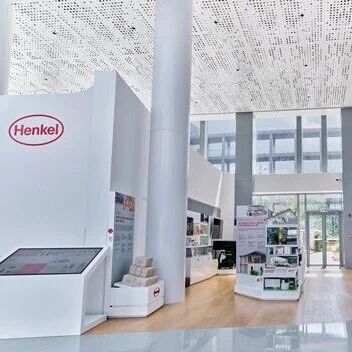
Core Viewpoint - The establishment of Henkel's second largest global innovation center in Shanghai highlights the city's growing importance as a hub for technological innovation and high-end manufacturing, driven by government support and a favorable business environment [3][5]. Group 1: Innovation and Investment - Henkel's new innovation center in Shanghai represents an investment of approximately 500 million RMB and spans 33,000 square meters, focusing on adhesive, sealant, and functional coating technologies [5]. - The center aims to cater to the Asia-Pacific region, with China identified as a key market due to its rapid advancements in high-end manufacturing and sustainability trends [5][6]. - Data from the Ministry of Commerce indicates a year-on-year increase of 11.4% in newly established foreign-invested enterprises in China from January to July 2025, with over half of German companies planning to increase investments in China within two years [5]. Group 2: Speed and Scope of Innovation - The rapid pace of innovation in China has impressed Henkel's leadership, with examples such as the reduced time frame for new energy vehicle development, now taking only 12 to 15 months from R&D to production [6]. - Chinese companies are increasingly engaging in cross-industry innovation, necessitating a more integrated approach to innovation that spans multiple sectors [6]. - Henkel's diverse business areas cover over 800 application scenarios, allowing for extensive opportunities for innovation through collaborative efforts across different fields [6]. Group 3: International Collaboration - The unique demands and rapid iteration in the Chinese market are driving global technology innovation, fostering collaboration between foreign enterprises and local partners [8]. - German companies are eager to participate in China's innovation landscape, leveraging their technology and expertise to contribute to local development [8][9]. - Henkel aims to leverage its local experience to support Chinese companies in their international expansion, promoting "Chinese innovation" on the global stage [9].
又一家外企把创新中心落户上海,“中国创新”涌现哪些新趋势
Di Yi Cai Jing· 2025-09-28 03:33
Core Insights - Over half of German companies plan to increase investments in China within the next two years, indicating a strong confidence in the Chinese market [2][4] - Henkel has established its second-largest global innovation center in Shanghai, focusing on adhesive technology, which highlights the importance of technological innovation in enhancing productivity [1][2] - The rapid pace of innovation in China, particularly in sectors like electric vehicles, is reshaping industries and driving cross-industry collaboration [3][4] Investment Trends - The establishment of Henkel's innovation center in Shanghai represents a significant investment of approximately 500 million RMB, covering an area of 33,000 square meters and employing over 500 scientists and technical experts [2] - Data from the Ministry of Commerce indicates a year-on-year increase of 11.4% in newly established foreign-invested enterprises in China from January to July 2025, reflecting a robust foreign investment climate [2] Innovation Landscape - The innovation experience center in Shanghai aims to cater to the Asia-Pacific region, which is recognized as one of the most dynamic and diverse markets globally, with China being a key player [2][3] - The trend of platform-based and cross-industry innovation is emerging, as leading Chinese companies are increasingly integrating various sectors to enhance their innovation capabilities [3] Collaboration and Global Impact - The unique demands and rapid iteration of the Chinese market are driving global technology innovation, fostering collaboration between foreign enterprises and local partners [4][5] - Henkel aims to leverage its local experience to support Chinese companies in their international expansion, promoting "Chinese innovation" on the global stage [5]
49块钱的“烧饼夹肉”,年轻人抢着买
3 6 Ke· 2025-09-25 03:25
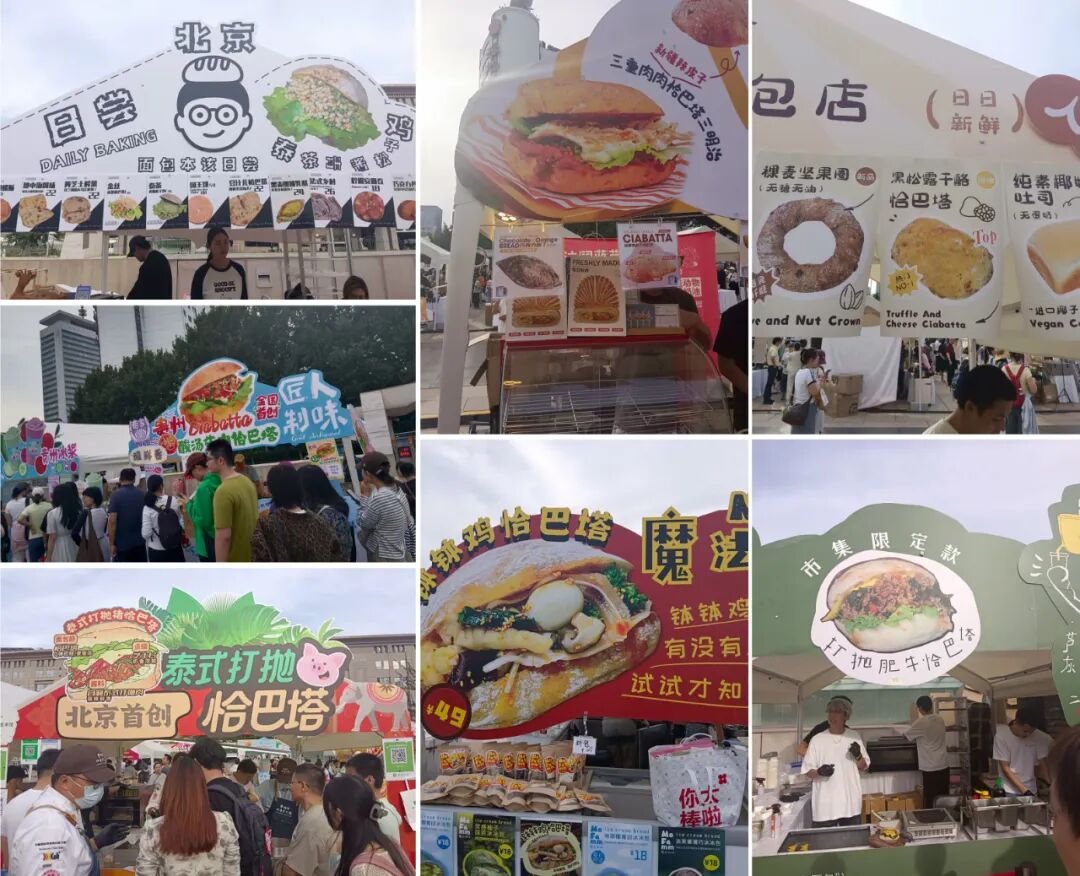
Core Insights - The article discusses the rising popularity of "Ciabatta" in the baking industry, particularly highlighted by its presence at the Beijing International Bread Festival and significant social media engagement [1][3][11] Group 1: Product Popularity - The hashtag Ciabatta has garnered 780 million views on Douyin, with related tags like ScrambledEggCiabatta and ChineseCiabatta exceeding 10 million views each [1] - At the Beijing International Bread Festival, various stalls featured Ciabatta, with the Guizhou sour soup beef Ciabatta attracting long queues, averaging a 40-minute wait [3][5] Group 2: Consumer Appeal - Ciabatta is described as a nutritious and filling option, resembling a meat sandwich, appealing to consumers looking for balanced meals [3] - Despite its popularity among baking enthusiasts, some consumers perceive Ciabatta as unremarkable due to its rustic appearance and nickname "slipper bread" [7][9] Group 3: Health and Simplicity - The ingredients for Ciabatta are minimal: flour, water, salt, yeast, and a small amount of olive oil, aligning with current consumer trends towards natural and healthy eating [9][11] - The high moisture content (up to 90%) of Ciabatta contributes to its unique texture, making it a preferred choice for health-conscious consumers [9] Group 4: Market Trends - The trend of incorporating local ingredients into Ciabatta has led to the creation of unique "Chinese Ciabatta" products, reflecting a shift towards making bread a staple food in daily diets [11][14] - The adaptability of Ciabatta to various ingredients has led to the saying "everything can be Ciabatta," indicating its versatility in the market [13] Group 5: Innovation and Challenges - The rise of Ciabatta presents a new innovation path for the baking industry, suggesting a crossover with the restaurant sector by utilizing regional flavors [14] - However, this approach risks leading to market saturation and consumer fatigue if not paired with a strong brand identity and unique offerings [14][15]
高德扫街榜亮相:AI驱动下如何重塑线下服务信用新生态?
Sou Hu Cai Jing· 2025-09-10 13:12
Core Insights - Alibaba's Gaode Map launched a new product called "Gaode Street Ranking" to establish a credit system for offline services, marking a significant innovation in the industry [1][2] - The ranking system utilizes AI technology to create a dual verification mechanism based on user behavior and credit, moving away from subjective evaluations [1][2] - The initiative addresses the trust crisis in the offline service industry, where traditional online review systems are often manipulated [2][3] Summary by Sections Product Launch - Gaode Street Ranking is positioned as a "super new entry" for Alibaba's life services, leveraging AI to redefine evaluation standards for service rankings [1] - The system analyzes user behavior data, such as navigation routes and visit frequency, combined with credit scoring to create an objective ranking mechanism [1][2] Industry Context - The launch coincides with a rapid growth phase in service consumption in China, with GDP per capita exceeding $13,000 and service retail expected to grow by 6.2% in 2024 [3] - A lack of a robust credit system has been identified as a barrier to unlocking the full potential of service consumption [3] Technical Feasibility - Gaode's comprehensive AI transformation allows for precise understanding of user intent and demand matching, enhancing the ranking's effectiveness [2][4] - The platform's daily AI search volume exceeds 120 million, supporting the authenticity of the rankings [2] Strategic Alignment - The launch aligns with Alibaba's strategic focus on technology and consumer platforms, as highlighted in their recent earnings call [4] - Gaode's initiative is part of a broader strategy to integrate online and offline services, enhancing the local life service ecosystem [4]

中国“防晒隐形超膜”破局!海龟爸爸引领健康防晒新时代
FBeauty未来迹· 2025-09-01 13:18
Core Viewpoint - The article highlights the breakthrough of the Chinese brand HiPapa in sunscreen technology, which has been recognized by the prestigious journal Nano-Micro Letters with an impact factor of 36.3, marking a significant advancement in the field of sunscreen over the past two decades [3][27][29]. Group 1: Breakthrough Technology - HiPapa's innovative sunscreen technology utilizes mobile phone materials, potentially redefining the sunscreen industry [4][20]. - The research addresses long-standing issues in traditional sunscreen technology, which has struggled to balance protection, safety, and skin feel [10][11]. - The new two-dimensional titanium dioxide (2D TiO₂) structure allows for effective UV protection while minimizing skin penetration and reducing the generation of harmful free radicals [19][17]. Group 2: Industry Context - Traditional sunscreen technologies, dominated by Western standards, have not adequately resolved the "protection, safety, and skin feel" triangle, forcing consumers to compromise [10][11]. - The breakthrough technology from HiPapa is seen as a solution to these long-standing challenges, offering a new direction for global sunscreen research and development [23][29]. Group 3: Academic Recognition - The publication of HiPapa's research in Nano-Micro Letters signifies a major academic endorsement, establishing the credibility of Chinese sunscreen technology on a global scale [27][28]. - The journal is recognized as a leading publication in materials science, further validating the significance of HiPapa's findings [28]. Group 4: Market Strategy - HiPapa has secured 29 special certifications for its sunscreen products, ensuring compliance with rigorous efficacy and safety tests [31]. - The company is actively involved in establishing industry standards, having proposed eight beauty group standards to address gaps in the market [31][32]. - HiPapa's approach combines academic advantages with practical market applications, aiming to build a comprehensive authority in the sunscreen sector [32]. Group 5: Research Ecosystem - HiPapa has developed a "SCIENCE-LED" research and development system that integrates scientific theory, cutting-edge research, and strict validation processes [35][36]. - Collaborations with top research institutions enhance the company's innovation capabilities, ensuring the scientific validity and market applicability of its products [37]. - The focus on cross-industry technology transfer, particularly from mobile technology to skincare, exemplifies a strategic shift in product development [38][39].

珍酒李渡发布2025年半年报:营收24.97亿元, 净利6.13亿元
Zheng Quan Shi Bao Wang· 2025-08-22 13:38
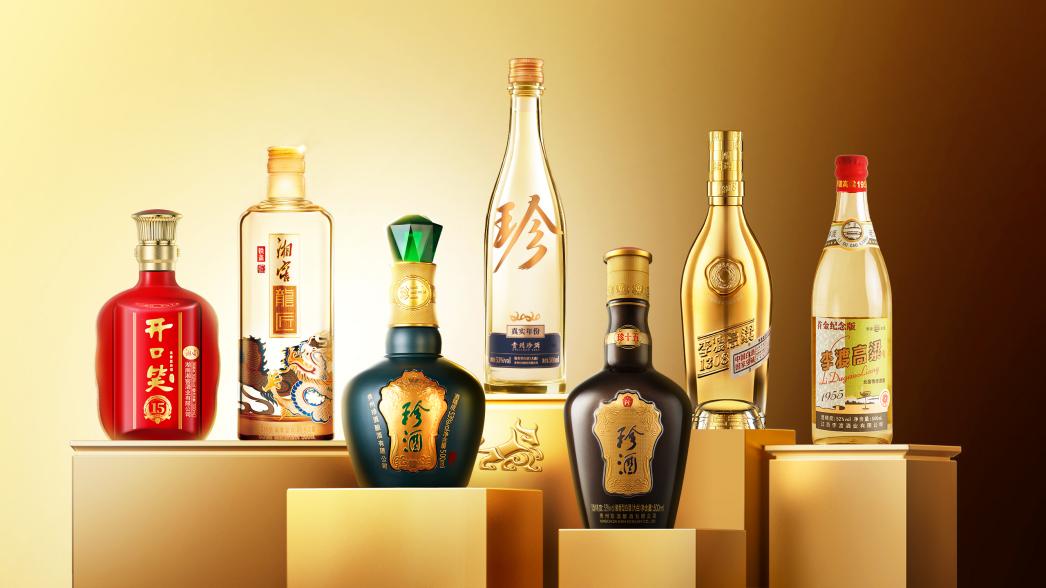
Core Viewpoint - The liquor industry is facing multiple pressures, leading to a "loss of speed" as a common phenomenon. However,珍酒李渡 (Zhenjiu Lidu) has shown resilience with its performance in the first half of 2025, achieving revenue of 2.497 billion yuan and an adjusted net profit of 613 million yuan, which aligns with market expectations [1][4]. Group 1: Industry Performance - The liquor industry is currently undergoing an adjustment period, with珍酒李渡 focusing on enhancing quality, channel innovation, brand building, and team development to solidify its market foundation [2]. - The company's gross margin increased by 0.2 percentage points year-on-year to 59%, maintaining growth for three consecutive years, while the adjusted net profit margin remained stable at 24.6% [4]. -珍酒李渡's price per ton of liquor was 270,000 yuan, ranking fourth in the industry, with a slight decline of 6.6% year-on-year to 273,700 yuan due to a proactive volume control strategy [4]. Group 2: Growth Strategies -珍酒李渡 has implemented three major strategies to stimulate growth during the industry adjustment period [5]. - The launch of the "Dazhen Zhenjiu" product aligns with consumer demand for high quality at a reasonable price, achieving significant sales in key cities since its introduction [7]. - The "Wanshang Alliance" model aims to recruit over 10,000 alliance merchants, creating a nationwide distribution network and establishing a trust chain with strict price controls [7]. - The introduction of the high-end craft beer "Niushi News" diversifies the product line and targets a different market segment, enhancing brand influence [9]. Group 3: Market Recognition - The series of innovations by珍酒李渡 has garnered recognition from the capital market, with several brokerage firms issuing "buy" ratings, indicating confidence in the company's long-term growth potential [10]. - Investment institutions have shown their trust in珍酒李渡, as evidenced by a significant increase in stock price from 6.46 HKD to 10.07 HKD, reflecting a cumulative rise of over 50% within a short period [12].
国内首场机器人足球赛开赛,比赛指定用饮料加多宝全程助力
Zhong Guo Shi Pin Wang· 2025-08-21 00:47
Group 1 - The event showcased the perfect integration of technology and sports, with AI-driven robot players competing in a 3v3 football match, culminating in a championship win for Tsinghua University's Huoshen team after three hours of competition [3] - The match was a test event for the 2025 World Humanoid Robot Games, highlighting the ongoing exploration of technology and sports fusion in Beijing [3] - The event attracted significant attention, with over 114 live streaming platforms and a total viewership exceeding 136 million [3] Group 2 - The company, JDB, is positioned as a leader in the herbal tea industry, emphasizing its commitment to innovation and cultural dissemination through initiatives like sponsoring the Asian cultural exchange program "Asian New Voice" [5][6] - JDB's product innovation is rooted in traditional Chinese herbal medicine, utilizing ingredients like honeysuckle and other herbal plants, and employing meticulous production techniques to modernize traditional wellness practices [5] - The brand's cross-industry collaborations, such as its involvement in the robot football event, have enhanced its public image and broadened its consumer base, driving sustained growth [6]


新型工业化背景下的企业实践
3 6 Ke· 2025-07-11 01:41
Core Viewpoint - The article emphasizes the critical role of enterprises in driving high-quality economic development through new industrialization, highlighting the need for innovation, digital transformation, cross-industry collaboration, and organizational vitality to navigate opportunities and challenges in the current economic landscape [1][3][22] Group 1: Opportunities in New Industrialization - New industrialization is characterized by the integration of information technology and service-oriented industrial structure adjustments, aiming for a transition of traditional manufacturing towards intelligent, efficient, green, and sustainable development [4] - The core features of new industrialization include independent innovation, integration of digital and physical realms, green low-carbon initiatives, and internal and external circulation, all aimed at achieving coordinated economic growth and social progress [4] Group 2: Technological Innovation and Industry Upgrade - The current technological revolution, driven by AI, big data, IoT, and cloud computing, accelerates the new industrialization process, enabling enterprises to optimize production processes and enhance market competitiveness [5] - However, the high technical barriers and significant resource investments required for innovation pose challenges, particularly for small and medium-sized enterprises [5] Group 3: Policy Support for Enterprise Development - Recent government meetings have emphasized accelerating new industrialization and fostering advanced manufacturing clusters, with various supportive policies introduced, including financial subsidies, tax reductions, and low-interest loans for enterprises engaged in technological innovation [6] - Enterprises are encouraged to actively engage with government policies to leverage these benefits for transformation and rapid growth [6] Group 4: Market Demand and Opportunities - Rising consumer living standards lead to increasingly personalized and diverse product and service demands, prompting enterprises to accelerate digital transformation and enhance customer satisfaction through tailored offerings [7] - The rapid changes in market demand intensify competition, necessitating continuous innovation and improvement of core competencies [7] Group 5: Industry Collaboration - New industrialization emphasizes collaborative innovation and integration among upstream and downstream enterprises, with specialized small and medium enterprises playing a crucial role in resource sharing and competitive advantage [8] - There is a need for deeper collaboration within the industry chain to enhance efficiency and leverage the benefits of collaboration [8] Group 6: Recommendations for Enterprises - Enterprises should identify suitable transformation points and implement changes in line with the new industrialization context [9] - Focusing on specialized, refined, unique, and novel characteristics can help small and medium enterprises gain competitive advantages [10][11] Group 7: Digital Transformation - Digital technologies are pivotal in driving industrial transformation, with a focus on utilizing big data, cloud computing, and AI to enhance operational efficiency and product quality [14][15] - The digital transformation process involves a systematic approach, including diagnosis, top-level design, implementation, and ecosystem construction [17] Group 8: Cross-Industry Innovation - Cross-industry innovation is essential for breaking down barriers and creating value, requiring enterprises to identify opportunities and establish partnerships across different sectors [18] - Building a culture of innovation and investing in research and development are crucial for enhancing technological capabilities [18] Group 9: Organizational Vitality - Organizational vitality is vital for adapting to uncertainties, necessitating a positive corporate culture and effective leadership to foster employee engagement and innovation [21] - Enhancing operational mechanisms and optimizing workflows can improve resource allocation and responsiveness to market changes [21]