链式招商

Search documents
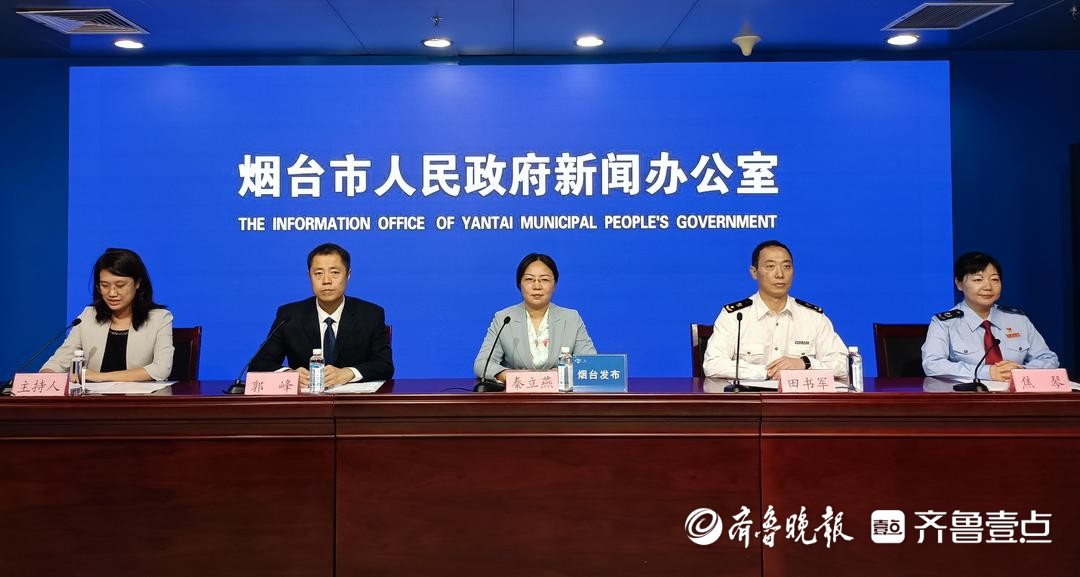
增长18.2%!今年1-7月烟台市进出口完成3012.5亿元
Qi Lu Wan Bao Wang· 2025-09-17 10:28
Core Viewpoint - The Yantai government is focusing on high-quality development of an open economy during the "14th Five-Year Plan" period, showcasing significant growth in foreign trade and investment metrics [3][4][5]. Group 1: Foreign Trade and Investment Growth - Yantai's foreign trade import and export increased from 324.31 billion yuan in 2020 to 472.34 billion yuan in 2024, with actual foreign investment exceeding 9.5 billion USD and outbound investment reaching 7.27 billion USD [3]. - In the first seven months of this year, the city's import and export totaled 301.25 billion yuan, marking an 18.2% growth, while actual foreign investment reached 686 million USD, ranking third in the province [3]. - The city has implemented various policies to stabilize and optimize foreign trade, including the establishment of national-level pilot programs and the introduction of 200 policy trials with funding of 2.25 billion yuan during the "14th Five-Year Plan" [3][4]. Group 2: Support for Enterprises and New Business Models - Yantai has launched initiatives to support key enterprises, maintaining a growth rate of around 60% for major companies, contributing to national foreign trade stability [4]. - The city has promoted cross-border e-commerce, achieving over 75 billion yuan in cross-border e-commerce imports and exports during the "14th Five-Year Plan" [4]. - A "Thousand Enterprises Going Abroad" initiative has been implemented, promoting 392 exhibitions to help local businesses expand their market reach [4]. Group 3: Investment Attraction and Infrastructure Development - Yantai has enhanced its investment environment, focusing on 16 key industrial chains and attracting significant projects, earning recognition as a "China Investment Hot City" in 2023 [5]. - The city has facilitated the expansion of 366 foreign-funded enterprises, with contracted foreign investment reaching 4.93 billion USD during the "14th Five-Year Plan" [5]. - Yantai's development zones have been recognized for their innovative practices, with 408 institutional innovations introduced, including a comprehensive reform plan for the chemical industry [6]. Group 4: Future Development Goals - The city's business system aims to fully implement new development concepts, enhancing efficiency and striving for high-quality development to become a model city for green, low-carbon growth in the Bohai Rim region [7].

蹲点调查|“反内卷”下的招商之变
Sou Hu Cai Jing· 2025-09-01 00:22
Core Viewpoint - The article discusses the transformation of investment attraction strategies in Shandong, moving from traditional "policy competition" to a focus on "ecological win-win" approaches, driven by the implementation of the "Fair Competition Review Regulations" in August 2024, which aims to eliminate unfair competition in local investment attraction [9][11][12]. Group 1: Changes in Investment Attraction Logic - The traditional methods of attracting investment, such as offering land, tax breaks, and subsidies, have led to unhealthy competition and market fragmentation [9][11]. - The new approach emphasizes understanding what enterprises truly value, shifting focus from mere policy incentives to the overall industrial layout and resource advantages [11][12]. - Successful case studies, such as the Ningde Times project in Dongying, highlight the importance of local market potential and industry chain support over just policy benefits [11][12]. Group 2: Collaborative and Chain-based Investment Strategies - The article outlines a shift from "project thinking" to "chain thinking," focusing on attracting key enterprises that can enhance the entire industrial chain [14][15]. - Collaborative investment strategies are being explored, such as shared assessment mechanisms between regions to promote joint investment efforts [13][14]. - The concept of "chain-based investment" is gaining traction, where attracting a leading enterprise can significantly benefit the local economy by bringing in related businesses [15][16]. Group 3: Capital Leverage and Scenario Testing - The use of investment funds to attract quality projects is emphasized, with examples like the establishment of a semiconductor investment fund in Dezhou [19][22]. - Scenario-based investment strategies are emerging, where local governments provide testing grounds for innovative technologies, as seen with the autonomous vehicle manufacturing center in Qufu [25][26]. - The article suggests that the focus is shifting from merely providing financial incentives to creating market opportunities through practical applications and collaborations [25][26]. Group 4: Enhancing the Business Environment - Improving the business environment is identified as a core competitive advantage for attracting investment, with a focus on providing comprehensive support throughout the project lifecycle [26][29]. - The article highlights the importance of government officials adopting a partnership mindset, offering strategic support in areas like market expansion and technology upgrades [27][29]. - Successful examples include the establishment of specialized investment teams that understand industry dynamics and can effectively engage with potential investors [28][29].
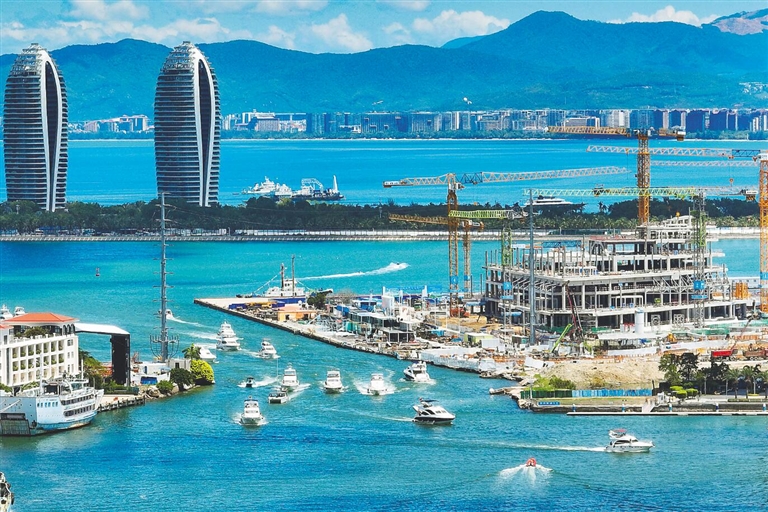
三亚锚定新招商激活新动能
Hai Nan Ri Bao· 2025-08-13 01:03
Core Viewpoint - Sanya is actively enhancing its investment attraction strategies to stimulate economic growth and development, focusing on optimizing the business environment and implementing a "chain-style" investment approach [9][10][11]. Investment Attraction Strategies - Sanya has launched a series of initiatives to boost investment, including the establishment of the "Cross-border Outbound New Base" and the acceleration of projects like the Hainan International Cultural Exchange Center [9][17]. - The city is shifting from traditional resource and subsidy competition to a focus on service and ecological competitiveness, aiming to create a favorable investment ecosystem [10][12]. Economic Development Focus - The local government is concentrating on four leading industries and five strategic directions, promoting institutional innovation to create a high-quality investment environment [10][11]. - Sanya has successfully attracted 28 "three-category 500 strong" enterprises and 6 central enterprises in the first half of the year, with signed investment projects exceeding 18 billion yuan [13]. Park Development and Industry Integration - Sanya is enhancing its industrial park development, with over 8,000 enterprises established in the central business district, including more than 100 "three-category 500 strong" companies [15]. - The city is focusing on building a modern industrial system, integrating resource, platform, and digital economies to strengthen the role of parks as economic growth engines [14][15]. Business Environment Improvement - Sanya is committed to creating a market-oriented, law-based, and international business environment, transitioning from a policy provider to an ecosystem builder [18]. - The city has implemented a "1+4+2" business environment construction system, achieving significant improvements in efficiency across various sectors [18]. Collaborative Efforts and Future Outlook - Sanya is fostering collaboration across sectors to enhance investment and project construction, aiming for industrial upgrades and regional development [19].
各地纠偏“内卷式”招商,链式协同发力产业集群化
Zheng Quan Shi Bao· 2025-08-08 00:53
Core Viewpoint - The rise of chain-based investment attraction and the importance of industrial clustering as a new battleground in the context of national policies aimed at standardizing local investment attraction practices [1][4] Group 1: Policy Changes and Their Impact - Recent national policies have aimed to regulate local investment attraction behaviors, leading to a more standardized development of investment practices across regions [1][4] - The shift from "involution-style" investment attraction has resulted in some short-term challenges for local governments, as they can no longer offer special treatments to large enterprises [2][4] Group 2: Innovative Investment Models - Regions are increasingly adopting innovative investment models, such as market-oriented investment companies, to replace traditional government-led approaches [2] - The establishment of collaborative regional investment models, like the Shanghai-Hangzhou Collaborative Innovation Center, is promoting resource sharing and industrial cooperation [3] Group 3: Focus on Business Environment - Improving the business environment is a top priority for local governments, with efforts to enhance service quality and address operational challenges faced by enterprises [4] - The central government's crackdown on "involution-style" investment practices supports the creation of a unified national market, facilitating efficient resource allocation and preventing issues like overcapacity and excessive fiscal resource consumption [4]
各地纠偏“内卷式”招商,链式协同发力产业集群化
证券时报· 2025-08-08 00:36
Core Viewpoint - The rise of chain-based investment attraction and the importance of industrial clustering as a new battleground for local governments in attracting investments [1] Group 1: Policy Changes and Their Impact - Recent policies have been introduced to standardize local investment attraction practices, addressing issues like tax-related investments and excessive local incentives [2] - The shift towards standardized policies has led to a temporary "pain" for local governments, as they can no longer offer special treatments for major projects [3] - Long-term, these policy corrections are seen as necessary to eliminate "involutionary" investment practices and promote sustainable development [3] Group 2: Innovative Investment Models - Regions are increasingly adopting innovative investment models, such as market-oriented investment companies that replace traditional government-led initiatives [3] - The establishment of collaborative regional investment models is gaining traction, focusing on resource sharing and industrial cooperation [4] - Examples include the establishment of a data industry cluster in Guizhou, attracting 120 supporting companies, and Shanghai's AI enterprise aggregation [4] Group 3: Optimizing Business Environment - Improving the business environment is a top priority for local governments, with a focus on enhancing service quality and addressing operational challenges for businesses [5] - The central government's crackdown on "involutionary" investment practices supports the creation of a unified national market, which is essential for efficient resource allocation and preventing overcapacity [5]

各地纠偏“内卷式”招商 链式协同发力产业集群化
Zheng Quan Shi Bao· 2025-08-07 18:25
Group 1 - The core viewpoint of the article highlights the recent policies implemented by the government to standardize local investment attraction practices, aiming to reduce excessive competition and resource waste in the context of building a unified national market [1][4] - Local governments are experiencing short-term challenges due to the new policies, which have shifted from special treatments for major projects to more generalized support, impacting their ability to attract investments [1][2] - The normalization of investment attraction is accelerating, with innovative models emerging, such as market-oriented investment companies replacing traditional government-led initiatives, which enhances efficiency but also poses sustainability challenges [2][3] Group 2 - Regional collaborative investment models are gaining traction, focusing on resource sharing and industrial cooperation, as seen in initiatives like the Shanghai-Hangzhou Collaborative Innovation Center [3] - The shift from competing for individual projects to chain-based investment strategies is becoming prevalent, with industries clustering around key enterprises to create significant economic ecosystems [3] - Improving the business environment is a top priority for local governments, emphasizing the importance of service quality and operational support over mere financial incentives to attract businesses [4]

《公平竞争审查条例》实施一周年,南京招商一线有这些新变化
Sou Hu Cai Jing· 2025-08-04 01:45
Group 1 - The implementation of the "Fair Competition Review Regulations" has led to significant changes in investment attraction strategies in Nanjing, moving away from relying solely on policy incentives to a more market-driven approach [1][4][6] - The new investment attraction model emphasizes "investment instead of subsidies," with local governments focusing on capital investment and industry funds to attract projects, as seen in successful cases like Hefei [5][10] - Nanjing's investment promotion bureau has identified 126 effective investment projects since August 2024, with 72 initiating city-level investment linkage programs, resulting in 24 projects being signed and operational [5][10] Group 2 - The shift towards "chain thinking" in investment attraction has led to successful collaborations, such as the partnership between local enterprises and incoming companies, enhancing the local industrial ecosystem [9][10] - The focus on differentiated competition allows smaller cities to leverage their unique advantages, as demonstrated by the successful investment in the display manufacturing project in Gaochun [12][13] - The emergence of "small but beautiful" projects in Nanjing highlights the importance of nurturing smaller enterprises that contribute significantly to the local economy and innovation [17][18] Group 3 - The establishment of platforms like the Zhongke (Nanjing) Intelligent Innovation Factory facilitates the transformation of scientific and technological achievements, supporting startups and new projects in their market entry [18][19] - The emphasis on a favorable business environment and ecosystem is crucial for attracting and retaining high-quality projects, as companies prioritize operational support over mere policy incentives [19]
日照12条产业链7个入选省“雁阵形”,实力藏不住!
Qi Lu Wan Bao Wang· 2025-08-01 00:36
Core Viewpoint - The steel industry is a cornerstone of economic development in Rizhao City, with a focus on promoting green, low-carbon, and high-quality development through strategic planning and brand building [1] Group 1: Industry Development Strategy - Rizhao City has identified 12 key industrial chains, including steel manufacturing, automotive, high-end chemicals, and modern agriculture, to build a modern industrial system tailored to local characteristics [1] - The "5-in-1" operational mechanism for key industrial chains includes a chain leader, a dedicated service team, a guiding framework, project promotion, and platform support to enhance collaboration and efficiency [2] Group 2: Infrastructure and Cluster Development - The city is actively building industrial clusters by utilizing specialized parks to attract projects, with 18 parks established for the new generation information technology chain and several chemical parks supporting the chemical industry [2] - Rizhao's advanced steel manufacturing and other industries have been recognized in the provincial "Top Ten" industrial cluster list, leveraging the advantages of Rizhao Port, the world's seventh-largest port, for high-quality integration of port, industry, and city [2] Group 3: Investment and Service Enhancement - The city is focusing on chain-based investment attraction, utilizing leading enterprises like Rizhao Steel and Shandong Steel to create an industrial investment map and attract supporting businesses [3] - Efforts to optimize the business environment include a dual-driven approach to project promotion, addressing bottlenecks, and improving approval efficiency by 70% through measures like parallel processing and pre-approval [3]
威海|威海:从招企业升级为“塑生态”
Da Zhong Ri Bao· 2025-07-04 01:40
Core Insights - Weihai is transitioning from attracting enterprises to creating an ecosystem, focusing on high-quality investment and industry chain development [1][3] Group 1: Project Developments - The Haomai Heavy Marine Equipment Industrial Park in Rushan is accelerating the construction of a high-end marine oil and gas special material pipeline project, expected to be operational by July [2] - Haomai's production value has increased from 250 million yuan in 2023 to an anticipated 750 million yuan in 2024, with a projected growth of 20% this year [2] - The marine equipment industrial park has attracted several well-known companies, contributing to its recognition as the second-best performing industrial park in Weihai [2] Group 2: Investment Strategy - Weihai has established eight industrial clusters and ten advantageous industrial chains, focusing on attracting leading enterprises and high-related supporting service companies [3] - The "Three-Year Action Plan for High-Quality Investment Promotion" emphasizes chain-based investment strategies, guiding investment personnel to target top enterprises [3] Group 3: Support and Services - The Weihai investment department collaborates with local governments to implement a "招商+服务" (Investment + Service) model, enhancing the development environment for enterprises [4] - The Weihai Smart City initiative has provided numerous application scenarios and facilitated initial cooperation between the investment party and over 50 enterprises in the northern market [4] - Recent successful projects include the establishment of several new energy and aviation manufacturing bases, indicating a robust pipeline of promising industrial collaborations [4]
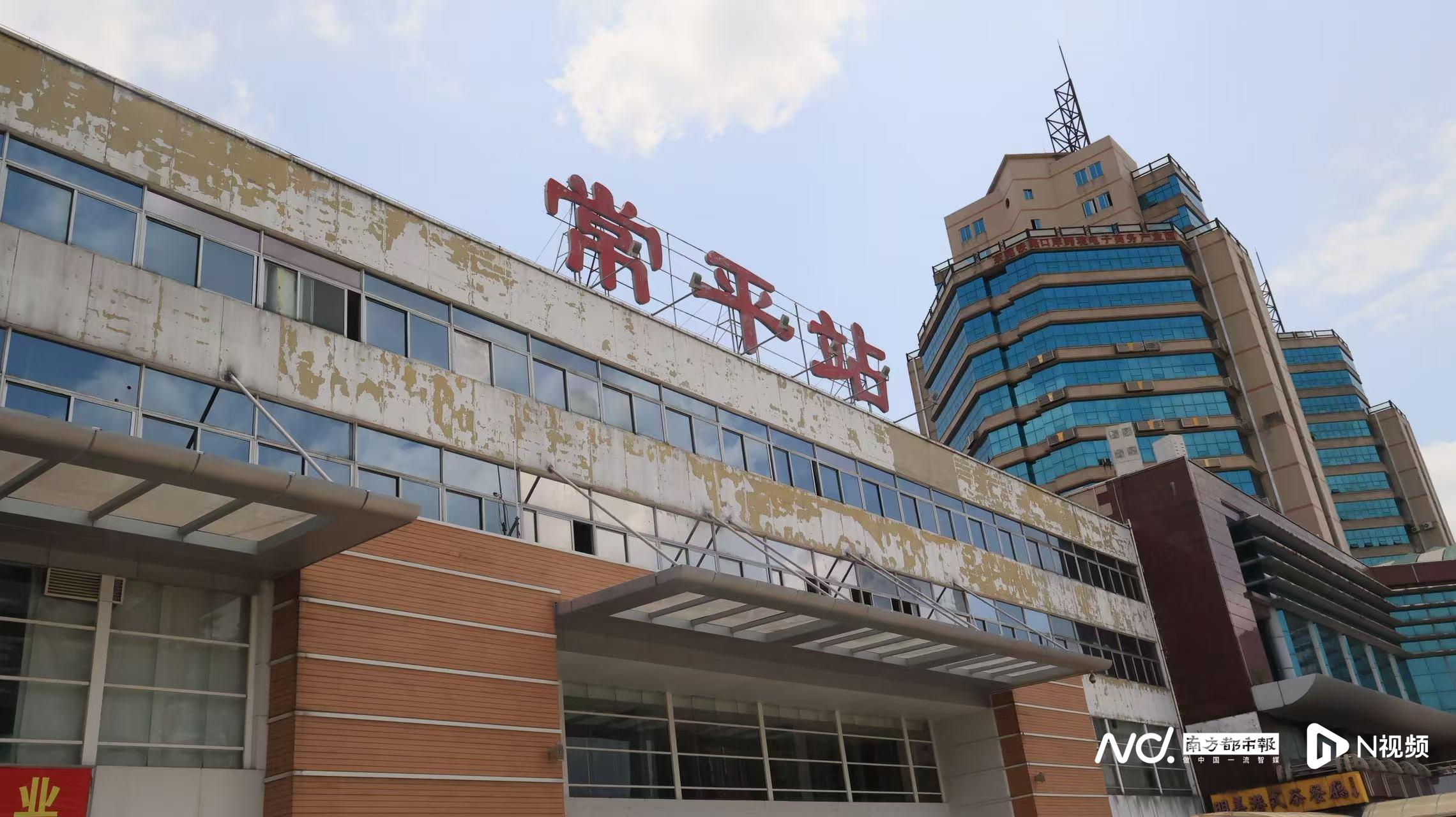
大湾区“枢纽洗牌” “京九第一镇”如何出招?
Nan Fang Du Shi Bao· 2025-07-03 15:34
Core Viewpoint - Dongguan's Changping, once a leading economic town, faces challenges in reclaiming its status amid rising competition and the need for transformation into an "ecological hub" from a "transportation hub" [1][6]. Group 1: Economic and Transportation Challenges - Changping was the top economic town in Dongguan in 1995, but now ranks seventh as other areas like Songshan Lake and Chang'an join the GDP trillion club [1]. - The emergence of high-speed rail connections within the Greater Bay Area has diminished Changping's transportation advantages, with nearby stations like Humen and Dongguan South becoming regional hubs [1][2]. - Daily passenger flow at Humen station exceeds 30,000 during holidays, highlighting the competitive pressure on Changping's railway hub [1]. Group 2: Strategic Development Initiatives - Changping's local government is advocating for the transformation of Changping and Dongguan East stations into high-speed rail starting points, which could enhance regional development and attract more resources [2]. - The TOD (Transit-Oriented Development) project at Changping station, named "Hong Kong City," has been initiated, aiming to convert transit traffic into local economic activity [2][4]. - A shift from traditional manufacturing to high-tech industries is necessary for Changping, focusing on integrating with sectors like electronic information and logistics [4]. Group 3: Urban and Industrial Transformation - Changping must evolve from a "manufacturing stronghold" to a "smart manufacturing node," emphasizing the need for innovation and brand development in traditional industries [4]. - The TOD development should not only focus on physical upgrades but also on creating a vibrant commercial ecosystem that mirrors Hong Kong's trade dynamics [4][6]. - The overall strategy involves redefining Changping's identity within the Greater Bay Area, transitioning from a transportation hub to a new ecological node [6].