AI潮玩

Search documents
短剧火爆但难赚钱?掌阅科技上市以来首次年度亏损
Guo Ji Jin Rong Bao· 2026-01-12 13:18
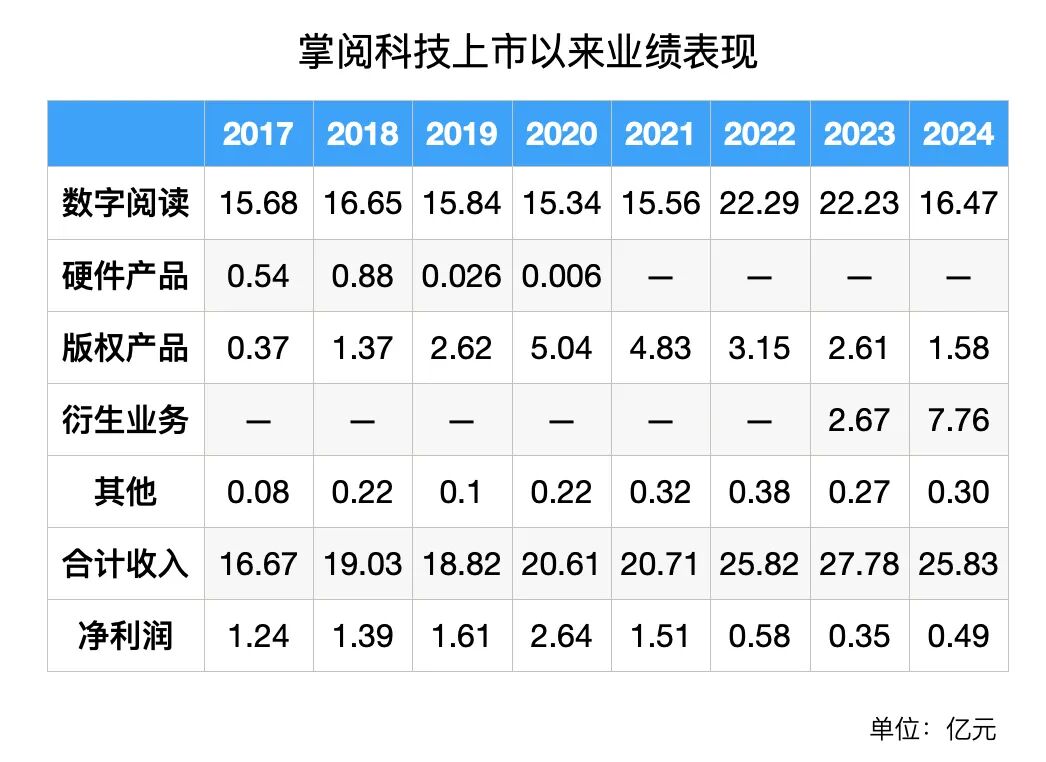
Core Viewpoint - The short drama sector is thriving, but rising promotional costs are leading to a situation where top companies are experiencing "increased revenue without increased profit" [1] Group 1: Company Performance - Zhangyue Technology reported its first annual loss since its IPO in 2017, with an expected net profit attributable to shareholders being negative for 2025 [1] - The company has incurred a cumulative loss of 217 million yuan in the first three quarters of 2025, a year-on-year increase of 488.26% [1] - Despite a positive trend of "revenue growth and narrowing losses" in the third quarter, the overall profitability remains under pressure due to high short drama investment [1][6] Group 2: Business Transformation - Established in 2008, Zhangyue Technology initially focused on digital reading services and later shifted its focus to short dramas as a new growth avenue [2] - The company has transitioned from hardware sales, which were sold off in 2019 due to losses, to a focus on short dramas and derivative businesses [2] - In 2023, derivative businesses began to replace copyright products as the new growth driver, indicating a significant shift in revenue sources [6] Group 3: Revenue and Cost Structure - In 2024, digital reading revenue decreased by 25.91%, while short drama and derivative businesses surged by 189.99% to 776 million yuan, contributing to 30% of total revenue [7] - For the first half of 2025, Zhangyue Technology achieved a revenue of 1.526 billion yuan, a year-on-year increase of 14.58%, with short drama revenue reaching 838 million yuan, up 149.09% [7] - Sales expenses for the first three quarters of 2025 totaled 1.676 billion yuan, accounting for 68.1% of revenue, a 10 percentage point increase from 2024 [8] Group 4: Future Outlook - The company plans to optimize domestic short drama operations while focusing on overseas expansion and enhancing the quality and profitability of projects [8] - Zhangyue Technology is also exploring AI-related hardware, indicating a potential diversification of its business model [9] - The stock price has seen a significant increase of over 40% in the past week, reflecting market interest despite a 60% decline from its IPO peak [9]


潮玩赛道资本涌动,上市公司多元化布局“抢地盘”
证券时报· 2026-01-08 09:07
Core Viewpoint - The潮玩 (trendy toy) industry is experiencing significant growth and investment opportunities, particularly in 2025, which is seen as a pivotal year for the sector's expansion and market penetration [3][5][12]. Group 1: Industry Growth and Investment - The潮玩 market has seen a resurgence in financing activities in 2025, with over 15 significant financing events reported, marking a notable increase compared to 2022 and 2023 [5][6]. - Major financing rounds include元气玛特's nearly 100 million C-round financing in January 2025 and闪魂's several hundred million financing in August 2025 [5][6]. - The market is characterized by high frequency and high amounts of financing, indicating strong investor interest and confidence in the潮玩 sector [5][6]. Group 2: Corporate Strategies and Market Entry - Companies are increasingly entering the潮玩 market through various strategies, including investments, acquisitions, and building in-house teams [8][9]. -恺英网络's CEO emphasized that their entry into AI潮玩 is a strategic move based on technological capabilities and user demand, rather than a mere trial [8][9]. -元隆雅图 is diversifying its channels by establishing retail stores and online platforms to capture the growing consumer demand for潮玩 and cultural products [9][10]. Group 3: Market Potential and Consumer Trends - The潮玩 market is driven by a significant consumer demand for emotional and interactive products, particularly among younger demographics [10][12]. -泡泡玛特 reported a revenue growth of 245% to 250% year-on-year in Q3 2025, with overseas market revenue increasing by 365% to 370% [12]. - The industry is viewed as a "super track" with immense growth potential, attracting attention from both venture capital and publicly listed companies [12][13]. Group 4: Strategic Collaborations and Future Outlook - Companies like万达电影 are leveraging investments in潮玩 brands to enhance their strategic collaborations and consumer engagement [13][15]. - The unique capabilities developed through experience in producing licensed products for major events provide元隆雅图 with a competitive edge in the潮玩 market [15][16]. -恺英网络 is focusing on partnerships that enhance their IP capabilities, indicating a trend towards collaborative models in the潮玩 industry [16].

潮玩赛道资本涌动 上市公司多元化布局“抢地盘”
Zheng Quan Shi Bao· 2026-01-07 22:20
Core Insights - The潮玩 (trendy toys) industry is experiencing significant growth and investment, with 2025 being a pivotal year for its expansion and market penetration [2][6] - Companies are increasingly recognizing the potential of潮玩 as a long-term strategic focus, rather than a temporary trend [1][4] Investment Trends - In 2025, over 15 significant financing activities occurred in the潮玩 sector, marking a notable increase compared to 2022 and 2023, with many cases exceeding 100 million yuan [2][3] - Notable investments include元气玛特's nearly 100 million yuan C-round financing in January and闪魂's several million yuan first-round financing in August [2][3] Company Strategies - Companies like恺英网络 are leveraging their technological expertise to enter the潮玩 market, viewing it as a strategic extension of their existing capabilities [4][5] - The潮玩 brand "暖星谷梦游记" is positioned as a key element in恺英网络's "AI + IP" strategy, aiming to integrate characters into users' lives [5] Market Dynamics - The潮玩 market is driven by strong emotional consumer demand, particularly among younger audiences, which is seen as a significant growth opportunity [6][7] - Companies are exploring various channels for潮玩 distribution, including self-built teams, partnerships, and retail expansions [5][8] Competitive Landscape - The entry of listed companies into the潮玩 sector is increasing, with firms like万达电影 and元隆雅图 actively investing and developing潮玩 products to enhance their market presence [3][8] - The潮玩 industry is characterized by high growth rates, with泡泡玛特 reporting a revenue increase of 245% to 250% year-on-year in Q3 2025, and overseas market revenue growth reaching 365% to 370% [7] Future Outlook - The潮玩 sector is viewed as a "super track" with immense market potential, attracting significant interest from venture capital and established companies alike [7][8] - The integration of潮玩 with existing business models is expected to create synergies and enhance overall market competitiveness [6][8]
潮玩赛道资本涌动上市公司多元化布局“抢地盘”
Zheng Quan Shi Bao· 2026-01-07 18:12
Core Viewpoint - The潮玩 (trendy toys) industry is experiencing significant growth and investment opportunities, with 2025 being a pivotal year for its expansion and market penetration [1][2]. Group 1: Industry Growth and Financing - The潮玩 market has seen a resurgence in financing activities in 2025, with over 15 significant financing events reported, marking a notable increase compared to 2022 and 2023 [2][3]. - Major financing rounds include元气玛特's nearly 100 million C-round funding in January and闪魂's multi-million first-round financing in August [2]. - The trend indicates a shift in investor interest, with listed companies becoming key players in潮玩 financing, as seen with万达电影's investment in52TOYS for approximately 144 million [3][4]. Group 2: Strategic Moves by Companies - Companies are adopting various strategies to enter the潮玩 market, including investments, acquisitions, and building in-house teams [4][5]. -恺英网络's launch of its AI潮玩 product "暖星谷梦游记" reflects a strategic move to integrate technology and user engagement into the潮玩 sector [5][6]. -元隆雅图 is expanding its潮玩 and cultural creative business through multiple channels, including self-operated retail stores and online platforms [5][6]. Group 3: Market Potential and Consumer Demand - The潮玩 market is driven by strong consumer demand, particularly among younger audiences, indicating a significant growth potential [6][7]. -泡泡玛特 reported a revenue growth of 245% to 250% year-on-year in Q3 2025, with overseas market revenue increasing by 365% to 370% [7]. - The industry is viewed as a "super track" for investment, with venture capital firms expressing confidence in its future growth prospects [7][8]. Group 4: Competitive Advantages and Industry Dynamics - Companies like元隆雅图 leverage their experience in producing licensed products for large events to gain a competitive edge in the潮玩 market [8][9]. -恺英网络's focus on "technology empowerment + IP co-creation" suggests a preference for collaborative models over direct investments in潮玩 brands [9][10]. - The interplay between capital and cultural industries is expected to drive positive developments in the潮玩 sector, as companies seek to engage with younger consumers [6][7].
恺英网络:《暖星谷梦游记》是公司推出的治愈系AI潮玩品牌
Zheng Quan Ri Bao Wang· 2026-01-06 02:47
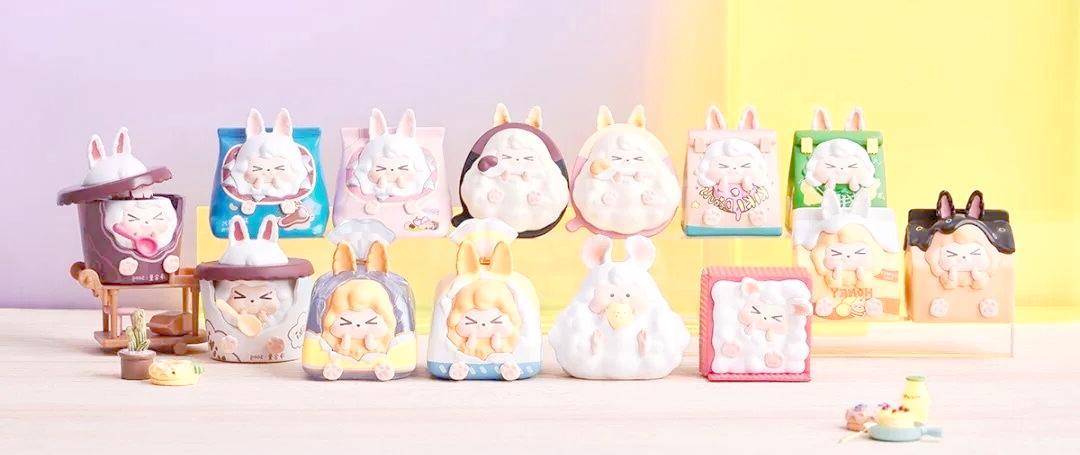
Core Viewpoint - The company has launched a new AI-driven product line called "Warm Star Valley Dream Journey," which is positioned as a healing-themed toy brand, with sales commencing on December 8, 2025, through Tmall and JD.com official flagship stores [1] Group 1 - The product line "Warm Star Valley Dream Journey" is part of the company's strategy to expand into the AI toy market [1] - Sales for the new product line will begin on December 8, 2025, indicating a future growth opportunity for the company [1] - The company advises stakeholders to refer to its official announcements for updates on the progress of its digital economy research and development center project [1]

广和通回落逾5% 公司已与珞博智能合作推进AI潮玩产品
Zhi Tong Cai Jing· 2025-12-03 05:55
Core Viewpoint - Guanghe Tong (300638) experienced a decline of over 5%, but still recorded a cumulative increase of over 8% for the week, indicating volatility in stock performance [1] Company Performance - As of the latest report, Guanghe Tong's stock price fell by 5.14% to HKD 17.9, with a trading volume of HKD 92.7953 million [1] - The company's Q3 report revealed a revenue of CNY 5.366 billion for the first three quarters, representing a year-on-year decrease of 13.69% [1] - The net profit attributable to shareholders was CNY 316 million, down 51.50% year-on-year [1] - According to CITIC Securities, on a comparable basis, revenue increased by 7% year-on-year, but the decline in gross margin impacted profit performance [1] Strategic Developments - Guanghe Tong has established a strategic partnership with Luobo Intelligent to jointly promote the global layout of AI toy products, specifically the Fuzozo series [1] - The launch of Huawei's first AI emotional companion toy, "Smart Hanhai," which sold out immediately at a price of CNY 399, indicates a growing market for AI-driven consumer products [1] - The ongoing development of AI and robotics solutions by Guanghe Tong is viewed positively, suggesting optimistic future prospects for the company [1]

从智慧口岸到更多场景 盛视科技打开人工智能新“通道”
Shang Hai Zheng Quan Bao· 2025-11-26 00:59
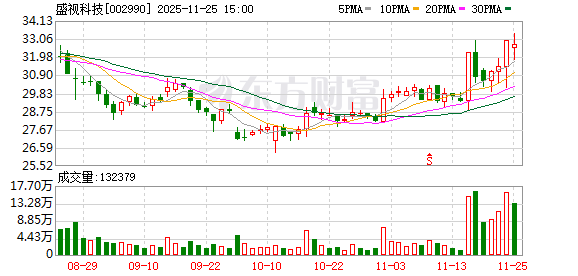
Core Insights - The article discusses the advancements in smart port technology driven by Shengshi Technology, highlighting the transition from traditional border control methods to a more integrated and efficient system using facial recognition and AI technologies [2][3][4]. Group 1: System Reconstruction - Shengshi Technology is focusing on a system-level reconstruction of smart ports, moving beyond single-point technology applications to a comprehensive solution that integrates data platforms and business systems for seamless passenger processing and cargo supervision [3]. - The company has developed a modular architecture for its smart port system, allowing for flexible configuration based on the unique needs of different ports, which supports future business growth and technological changes [4]. Group 2: Robotics Product Matrix - The advancements in smart port systems have laid the groundwork for Shengshi Technology to expand its robotics business, transitioning from a single product line to a core strategic foundation [5]. - The company is redefining the value of robots by integrating multiple functionalities, such as surveillance and emergency response, into a cohesive system that enhances security and operational efficiency [6]. Group 3: Exploring Consumer Markets - Shengshi Technology is shifting its focus towards the consumer market, actively pursuing opportunities in the consumer robotics sector, including humanoid robots for companionship and education [7]. - The company has acquired assets from Aldebaran, including the Nao and Pepper robots, as part of its strategy to enhance its humanoid robot offerings, although it faces challenges in product positioning and market integration [7][8]. Group 4: Innovation and Strategy - The company plans to establish an AI innovation division to support the development of new consumer products, emphasizing the importance of long-term competitiveness and user experience over immediate market entry [8].

潮玩资本化的“中场战事”
3 6 Ke· 2025-11-20 01:58
Core Viewpoint - Sony Pictures has acquired the film adaptation rights for Bubble Mart's LABUBU, which is still in the early stages of development, with no decision made on whether it will be a live-action or animated film [1] Group 1: Bubble Mart's Market Position - Bubble Mart has experienced a significant valuation fluctuation, particularly after its peak in August, reflecting a shift from a "blind box promotion + emotional economy" model to a more sustainable "IP blockbuster X global retail" approach [2][5] - The collaboration with Sony serves as a hedge against skepticism from overseas investors, particularly in the Hong Kong market [3] Group 2: Expansion and Growth Drivers - The primary growth driver for toy companies, including Bubble Mart and Miniso, is their expansion into the European and American markets, with many new toy brands focusing on this strategy [4] - The value of IP becomes more pronounced in international markets, as IP exports can support larger narratives in the capital market [4] Group 3: Capitalization Trends - The current wave of capitalization in the toy industry is characterized as a "mid-game battle," with several companies preparing for IPOs, indicating a potential shift in the industry landscape [6] - The toy industry has seen a significant increase in capital activity compared to the previous year, with at least seven financing events in the blind box sector from January to August [8] Group 4: Historical Context of Capitalization - The toy industry's capitalization began in 2015, experiencing three peaks corresponding to the overall development of the IP industry [9] - The first peak (2015-2018) saw toys viewed as a monetization segment of the IP industry, while the second peak (2020-2022) marked the emergence of the "toy" concept as an independent market value [10][12] Group 5: Future Outlook and Challenges - The toy industry is expected to see further differentiation between listed and non-listed companies, with a trend towards oligopolization among top companies that possess strong IP matrices and mature supply chains [47] - The rise of AI toys presents new opportunities, with the potential for rapid global expansion due to China's competitive supply chain capabilities [49][50]
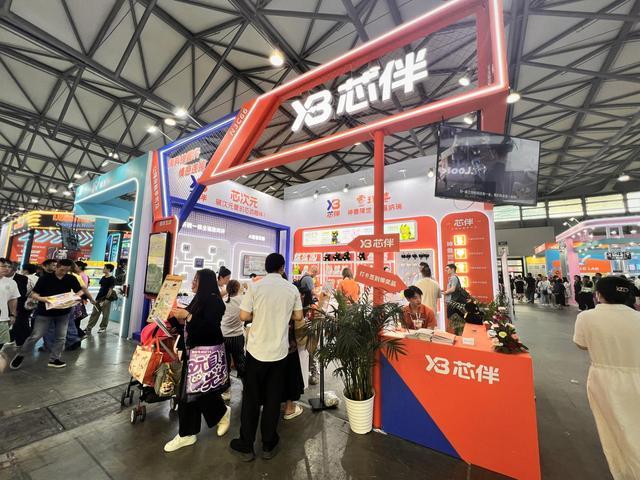
上古神兽遇上硬核科技:芯伴科技携AI潮玩系列产品首秀2025 CTE中国玩具展
Huan Qiu Wang Zi Xun· 2025-10-17 10:16
Core Insights - The 2025 CTE China Toy and Trend Exhibition in Shanghai showcased Nanjing Chipan Intelligent Technology Co., Ltd. (Chipan Technology) and its original IP "Lingrui Collection," highlighting its innovative approach to integrating AI into trendy toys [1][3] Industry Overview - The "companion economy" is experiencing rapid growth, with a projected global market size of $120 billion by 2025, and China expected to account for 35% of this market, growing at an annual rate of 55% [3] - Chipan Technology aims to address the shift from "functional satisfaction" to "emotional coexistence" by merging cutting-edge AI technology with trendy and traditional Chinese cultural IPs [3] Product Highlights - The "Lingrui Collection" features five characters inspired by ancient Chinese mythology, each equipped with AI capabilities for emotional interaction, transforming them into "spiritual companions" [5] - The AI plush toys and accessories allow users to receive personalized "fortune signs" through a simple shake, utilizing high-quality materials for a premium feel [6] - An innovative AI smart toy base can recognize any figurine placed on it, enabling real-time voice interaction and character customization, thus breaking the boundaries of static toys [6] Technological Advancements - Chipan Technology's AI solutions are characterized by their openness and independence, allowing partners to retain control over customer data and support online upgrades [8] - A notable product, an ultra-thin AI smart electronic card, integrates advanced technology for customizable virtual character interactions, reflecting the trend towards personalization and community engagement [8] Market Strategy - The "Lingrui Collection" products are set to be available for pre-sale on platforms like Tmall and Douyin, with various products launching in the coming months, including a test version of the AI smart electronic card expected in November [8] - Chipan Technology is committed to merging technology, art, and culture to enhance emotional connections between people and products, positioning itself as a key player in the AI toy market [9]
小“包挂”成为消费新宠 潮玩经济解锁“Z世代”消费“密码”
Yang Shi Wang· 2025-09-11 09:41
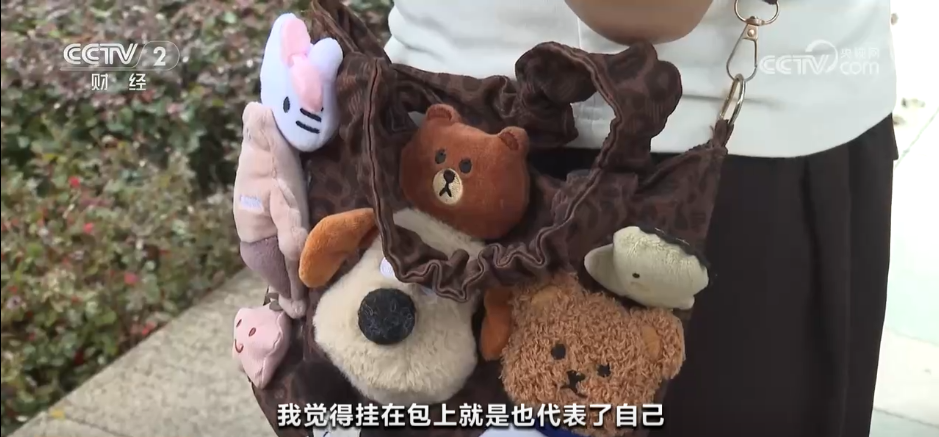
Group 1 - The trend of attaching various accessories to backpacks, known as "bag buddies," has become a form of personal expression among young people [1][7] - In Changsha, local delicacies like stinky tofu and spicy stir-fried meat have been transformed into popular bag accessories, showcasing regional characteristics [7][9] - A creative store in Changsha allows customers to select ingredients for DIY food-themed bag accessories, enhancing the shopping experience with interactive cooking [9][11] Group 2 - The "garlic bird" bag accessory, resembling a garlic bulb, has gained popularity in Wuhan, becoming a trendy expression among local youth [13] - The "garlic bird" has been upgraded with a collaborative design featuring historical elements, attracting significant consumer interest [13][15] - In Dongguan, a complete industrial chain for small bag accessories is emerging, encompassing design, production, and distribution [16][20] Group 3 - A toy company in Dongguan launched a bag accessory that sold out 20,000 units online within three days, indicating strong market demand [18] - Dongguan is recognized as a major toy export base, housing over 4,000 toy manufacturers and 1,500 supporting enterprises, facilitating a robust production ecosystem [20]