
Agent时代

Search documents
国联民生证券:Agent时代大模型正进化为“自主员工” 建议关注MiniMax-WP(00100)和智谱(02513)
智通财经网· 2026-02-09 08:17
Core Viewpoint - The report from Guolian Minsheng Securities highlights the evolution of large models from "chat tools" to "autonomous workers," indicating that companies mastering core algorithms and industry interfaces are likely to benefit significantly from the rise of intelligent automation [1] Group 1: Market Trends - As of February 2, 2026, Clawdbot has surpassed 130,000 stars on GitHub and its official website has accumulated over 2 million visits, making it one of the fastest-growing open-source technology projects recently [1] - The emergence of "AI-only communities" like Moltbook, which quickly gathered a million agent accounts, indicates a higher request density and more frequent API triggers, leading to a significant increase in API call frequency and token throughput [1] Group 2: Model Cost Efficiency - The importance of unit cost for models is increasing, as complex tasks require multiple stages of interaction, leading to a significant rise in model call frequency and complexity [2] - The "unit cost × unit output" metric is critical for the scalability of agent products, as multi-round reasoning and tool collaboration can exponentially increase costs [2] Group 3: Model Features - The M2.1 model aims to address the high token cost faced by developers in automated programming, with a pricing structure approximately 8% of that of Claude Sonnet [3] - M2.1's long text capability allows it to handle "continuous memory," accommodating longer documents and more intermediate results, thus reducing logical breaks due to truncation [4] - M2.1 is designed for tasks involving code writing, modification, judgment, and validation, making it a cost-effective choice for production systems with high-frequency calls [5] Group 4: Multi-Modal Capabilities - In the agent era, inputs are increasingly derived from visual information such as screenshots, PDFs, tables, and charts, rather than just text [6] - MiniMax's multi-modal capabilities enhance the agent's ability to understand interfaces, extract key information, and output executable steps or code, facilitating "visual-driven automation" [7]

Agent 热潮年度回望:一切火爆早有预兆
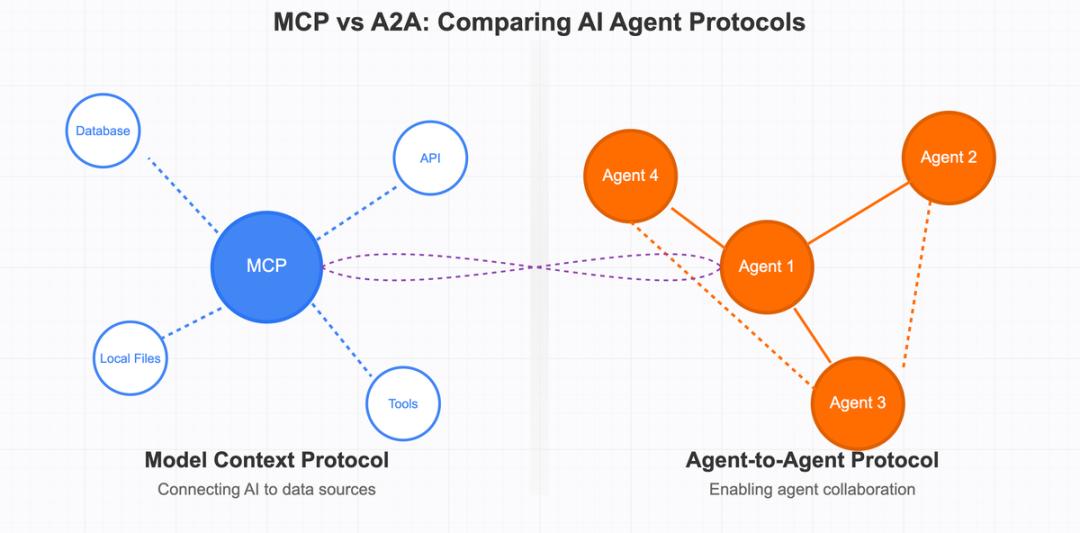
3 6 Ke· 2026-02-09 08:00
Core Insights - The article discusses the rapid acceleration of AI agents since the beginning of 2026, highlighting key variables that have driven this concentrated explosion in the field [1] - It draws parallels between the current excitement around AI agents and the early discussions surrounding the internet in 1999, emphasizing a shift in organizational structures and the role of humans [2] - The narrative indicates a transition from excitement to a more grounded understanding of the practical challenges and engineering details involved in deploying AI agents in real-world environments [4][5] Group 1: Development and Challenges of AI Agents - The past year has been termed the "Year of the Agent," marking a paradigm shift where models are not just for conversation but can actively perform tasks, plan, and even write code [4] - Despite initial excitement, real-world applications reveal challenges such as model drift, unclear permission boundaries, and unpredictable costs, making them unsuitable for serious workflows [4] - The complexity of integrating agents into existing systems is highlighted, as they face diverse toolsets and commercial boundaries, complicating the establishment of standardized protocols [6][7] Group 2: Protocol and Architecture - The first systematic attempts in the agent direction stem from protocols like MCP and A2A, aiming to create unified interfaces for model integration and cross-platform collaboration [6][7] - The article emphasizes the importance of establishing a layered architecture for agents, where a cognitive core handles understanding and planning, while execution capabilities are clearly defined and controlled [9][10] - The shift from creating specialized agents for each scenario to a more modular approach allows for reusable execution capabilities, enhancing efficiency and governance [10][11] Group 3: Skills and Density - The concept of "skills" has evolved from simple plugins to a more structured framework where skills are defined as callable, constrained, and auditable actions within a system [11][17] - The article posits that the density of skills—how many high-quality skills are available—will determine the effectiveness of AI agents, as a higher density allows for more complex problem-solving capabilities [19][20] - The comparison to the mobile internet era suggests that the true value lies not in the number of skills but in their interconnectivity and ability to be reused across different models and systems [20] Group 4: Memory and Continuity - The introduction of memory is seen as a crucial advancement, allowing agents to maintain context and continuity across tasks, which is essential for long-term collaboration [22][25] - The article distinguishes between different types of memory, emphasizing the need for persistent memory that encompasses task status, long-term context, and decision history [23][24] - This capability transforms agents from being one-time tools to systems that can accumulate organizational knowledge and provide ongoing value [25] Group 5: The Role of Open Source Models - The rise of open-source large models in China is highlighted as a significant factor in changing the power dynamics within the AI landscape, enabling developers to integrate these models into real workflows [26][29] - The article notes that local deployment of models allows for greater control and customization, particularly in sensitive industries like healthcare and finance [29][30] - Open-source models lower barriers to experimentation and innovation, facilitating the development of vertical agents tailored to specific industry needs [30]

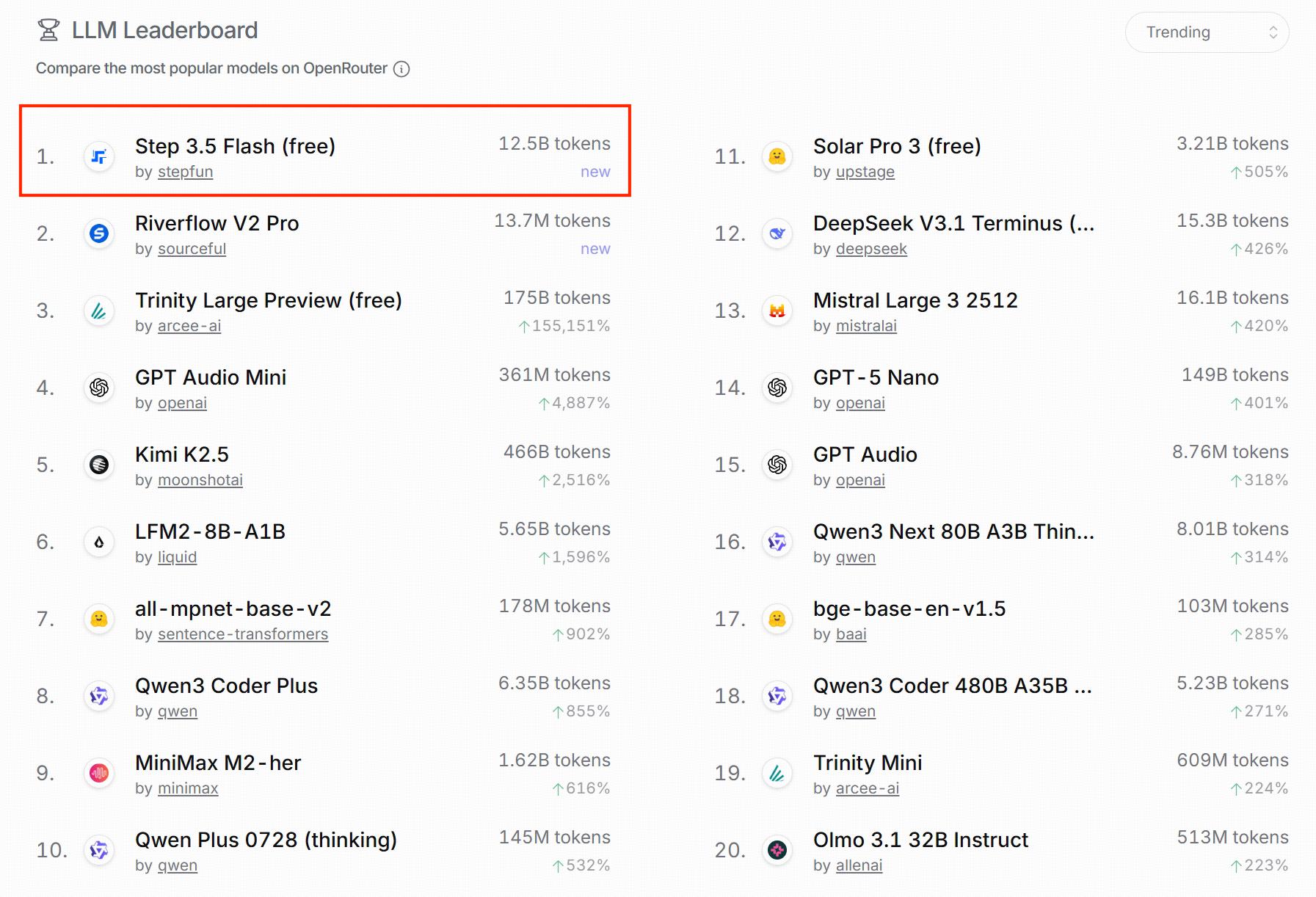
全球AI开发者新宠:阶跃星辰Step 3.5 Flash,两天登顶OpenRouter趋势榜
3 6 Ke· 2026-02-07 05:05
Core Insights - The release of the Step 3.5 Flash model by Jieyue Xingchen has rapidly gained popularity, achieving the fastest model ranking on OpenRouter and topping the global trending list within two days [1][3][28] Model Performance - Step 3.5 Flash has demonstrated impressive performance in mathematical reasoning with a score of 97.3 on AIME 2025 and a 74.4% success rate in code repair [4] - The model utilizes a sparse mixture of experts (MoE) architecture, allowing it to dynamically select the most suitable experts for each token while maintaining a total parameter count of 196 billion [4][5] - It supports a high throughput of 100-300 tokens per second (TPS), with some scenarios achieving up to 350 TPS, significantly surpassing the previous year's range of 50-100 TPS [7][9] Technical Innovations - The model incorporates MTP-3 technology, enabling it to predict multiple tokens simultaneously, enhancing both speed and logical coherence during multi-turn interactions [9][26] - Step 3.5 Flash effectively handles long contexts through a hybrid architecture of sliding windows and global attention, allowing for efficient processing of up to 256K tokens [7][26] User Adoption and Feedback - Developers and users prioritize practical performance over benchmark scores, as evidenced by the widespread adoption of Step 3.5 Flash in various AI applications and workflows [21][28] - The model's ability to generate reliable outputs and perform well in multilingual contexts has been positively noted by users, further solidifying its reputation [14][21] Industry Trends - The shift in focus from conversational AI to more complex task handling reflects the evolving needs of developers and users, emphasizing the importance of efficiency and reliability in AI applications [27][29] - The success of Step 3.5 Flash indicates a broader industry trend towards models that prioritize practical utility over mere technical prowess [29]
一切为了Agent:千问、阶跃、Gemini打响“3.5模型大战”,春节将成关键节点?
3 6 Ke· 2026-02-06 10:15
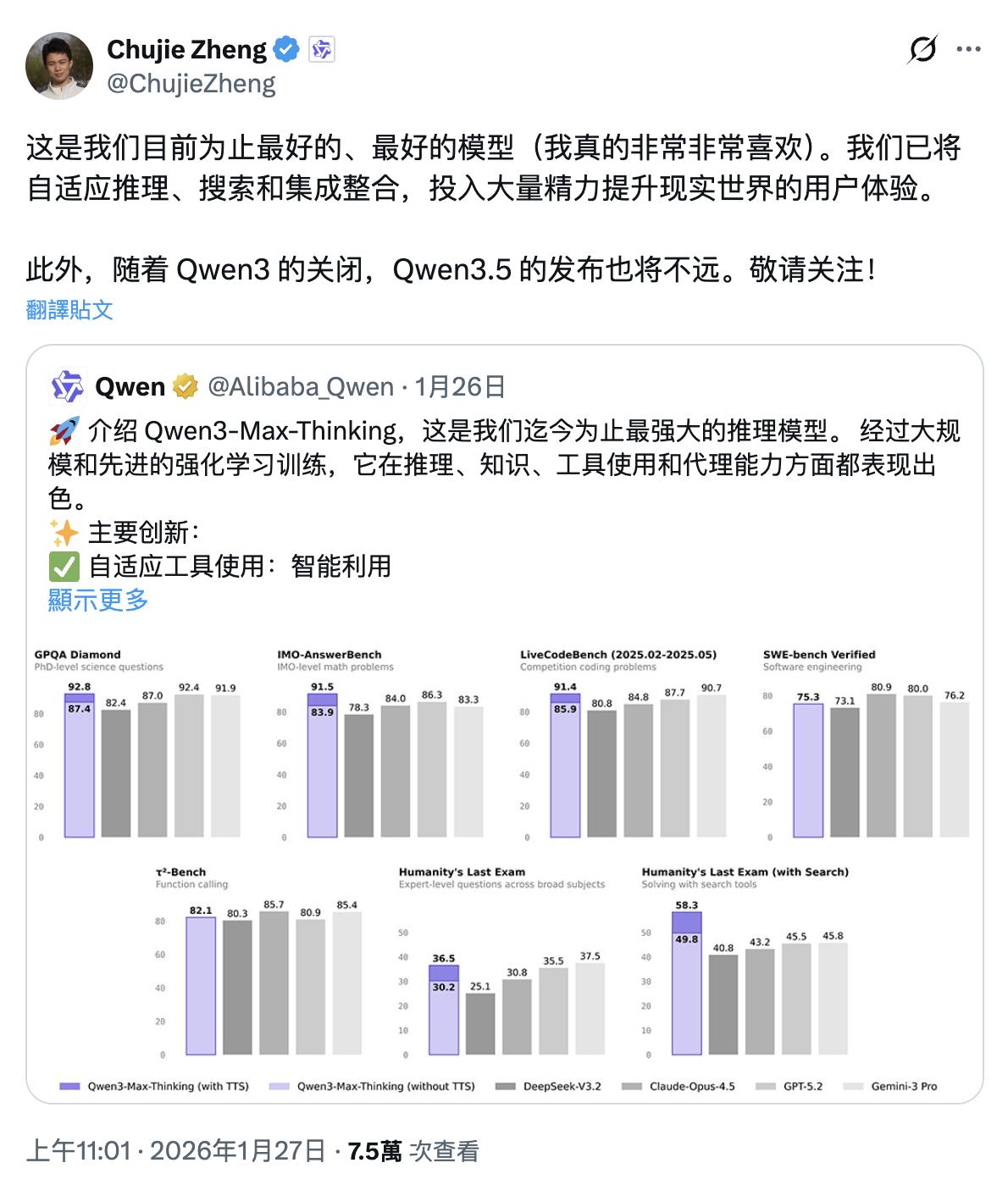
Core Insights - The AI model competition is heating up with multiple new releases expected around the Chinese New Year in early 2026, including significant updates from major players like OpenAI, Anthropic, and domestic companies such as Qwen and DeepSeek [1][2][20]. Group 1: Upcoming Model Releases - Major updates are anticipated from Qwen, with Qwen3-Max-Thinking being highlighted as the best model to date, and Qwen 3.5 expected soon [2][4]. - Other companies like ByteDance are also set to release new models, including Doubao 2.0 and Seedream 5.0, in March [5]. - The upcoming releases are not just limited to minor iterations but represent a broader trend of simultaneous major updates across the industry [7][21]. Group 2: Shift in Model Capabilities - The focus of the new generation of models is shifting from merely larger and stronger models to practical applications and enhanced reasoning capabilities [8][23]. - Reinforcement learning is being reintroduced, and reasoning is becoming a default capability rather than a unique selling point [9][10]. - Long context handling is emphasized as a core upgrade, with models like GLM-5 and Gemini 3.5 designed for real-world applications rather than just performance metrics [14][16]. Group 3: The Role of Agents - Agents are evolving from demonstration tools to central components of AI systems, with a focus on completing complex tasks with minimal human intervention [17][19]. - New models are being designed to enhance multi-agent collaboration and maintain context over long tasks, indicating a shift towards more integrated AI solutions [17][19]. - The success of these models will depend on their ability to be embedded into various systems, transforming them from simple assistants to essential engines of operation [19][25]. Group 4: Competitive Landscape and Market Dynamics - The timing of these releases is strategic, capitalizing on the heightened attention around the Chinese New Year, which previously saw significant developments in the AI sector [20][21]. - The upcoming model releases are expected to lead to rapid comparisons in real-world applications, with developers and users able to test capabilities almost immediately [22][23]. - The true measure of success will not be the initial release but rather the ability to integrate these models into everyday tools and systems, influencing the competitive landscape for the year ahead [25][26].
国联民生证券:模型单位成本重要性不断提升 多模态与“视觉执行”走向前台
智通财经网· 2026-02-04 06:26
智通财经APP获悉,国联民生证券发布研报称,在传统对话范式下,单次交互仅需少数几次模型调用; 但在工作流范式下,一个任务往往横跨计划、检索、工具调用、校验纠错及外部系统写入等多个阶段。 相较基础聊天,面向复杂任务的agent服务可能会消耗数十倍多的token,模型单位成本的重要性在不断 提升。Agent时代,大模型正从"聊天工具"进化为"自主员工"。掌握核心算法与行业接口的大模型厂商 有望深度受益于万物智能化的红利,建议关注"大模型双子星"MiniMax-WP(00100)与智谱(02513)。 国联民生证券主要观点如下: 事件:截至2026年2月2日,Clawdbot在代码托管平台GitHub上的星标数量已超过13万个,官网累计访问 量突破200万人次,成为近期增长最快的开源技术项目之一。以及近期出现的"AI-only社区"如 Moltbook,该平台在极短时间内聚集了百万个代理账号规模,这类交互天然对应更高的请求密度与更频 繁的API触发。其最直接的外显变量是API调用频次与token吞吐的阶跃式抬升。在Clawdbot创始人Peter Steinberger的力荐下,国内AI独角兽MiniMax旗下擅长 ...
计算机行业事件点评:Clawdbot系列研究之核心受益方向:大模型篇
Guolian Minsheng Securities· 2026-02-04 01:04
Investment Rating - The report maintains a "Recommendation" rating for the industry, indicating an expected stock price increase of over 15% relative to the benchmark index within the next 12 months [5]. Core Insights - The report emphasizes that in the Agent era, the ability to transform strong capabilities into high-frequency productivity at lower costs is crucial, highlighting MiniMax's advantages in this regard [4][7]. - Clawdbot has rapidly gained traction, with over 130,000 stars on GitHub and more than 2 million visits to its official website, marking it as one of the fastest-growing open-source technology projects [7]. - The M2.1 model from MiniMax is noted for its efficiency and cost-effectiveness, addressing the high token costs faced by developers in automated programming [7][14]. - The report discusses the importance of multi-modal capabilities in understanding visual information, which enhances the functionality of Agents in various workflows [4][7]. Summary by Sections Industry Overview - The report highlights the transition of large models from mere chat tools to autonomous employees, suggesting that companies with core algorithms and industry interfaces will benefit significantly from the trend towards intelligent automation [14]. Model Performance - MiniMax's M2.1 model is designed to reduce token costs to approximately 8% of Claude Sonnet's pricing, with an innovative billing mechanism that allows for high-frequency usage [7][14]. - The model's long-text capabilities enable it to handle complex workflows, accommodating more extended documents and reducing logical breaks due to truncation [7]. Market Dynamics - The report notes a significant increase in API call frequency and token throughput, driven by the emergence of AI-only communities like Moltbook, which has rapidly amassed a million agent accounts [7]. - The M2.1 model's reasoning and programming capabilities make it a suitable choice for production systems, emphasizing its high cost-performance ratio [7].
CPU何以站上“算力C位”?
财联社· 2026-02-01 02:48
以下文章来源于科创板日报 ,作者张真 科创板日报 . 专注科创板和科技创新,上海报业集团主管主办,界面财联社出品。 最新研究显示,在完整的Agent执行链路中,工具处理相关环节在CPU上消耗的时间占端到端延迟的比例最高可达90.6%。在高并发场景 下,CPU端到端延迟从2.9秒跃升至6.3秒以上。其结果揭示了在大量Agentic场景中,系统吞吐受限的并非GPU计算能力,而是CPU的核心 数并发调度问题。 至于为何CPU负载高于GPU,在东吴证券看来,Agent时代AI由"纯对话"转向了"执行任务",因此产生大量if/else判断,这种"分支类任 务"倘若由GPU执行,会因控制流发散导致算力利用率急剧下降。与之相比,CPU的微架构却能够适应此类任务。 就在日前,GPU的超级玩家英伟达主动掏出20亿美元追加认购CoreWeave股票,并声称后者将在其平台上部署Vera CPU—— 一款专 为"代理式推理(Agentic Reasoning)"设计,且在大规模AI工厂最具能效优势的CPU。 据悉,因ARM CPU瓶颈,英伟达已计划在下一代 Rubin架构中大幅提升CPU核心数,并开放NVL72机柜对x86CPU的支 ...



15亿春节红包火力全开:字节守位、阿里反击、腾讯奇袭、百度猛追
Xin Lang Cai Jing· 2026-01-30 10:48
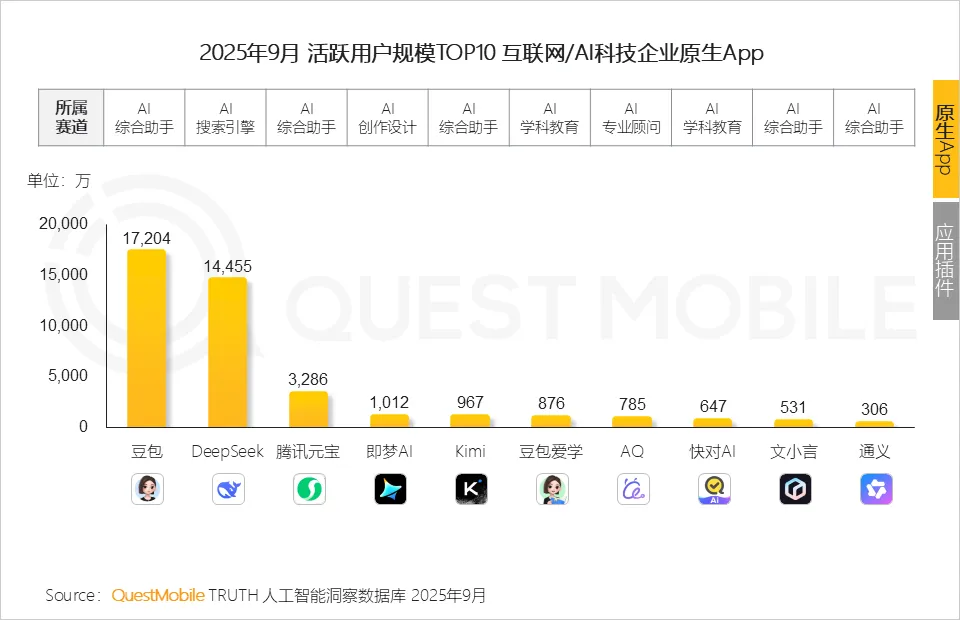
Group 1 - Major tech companies are competing for user attention during the Spring Festival by distributing cash red envelopes, with Tencent and Baidu collectively putting 1.5 billion cash red envelopes into the prize pool [1] - ByteDance's Doubao has surpassed 100 million daily active users and 172 million monthly active users, indicating a significant lead over competitors [2][4] - Doubao's collaboration with ZTE on the Nubia M153 smartphone has generated significant market interest, with the device's price skyrocketing in the second-hand market [4] Group 2 - ByteDance's Doubao is not only an AI application but also serves as a central hub for various tools, marking a shift towards a more complex "Agent" model in AI applications [4] - ByteDance's Volcano Engine has become a key player in the B2B market, with over 90% of major car manufacturers and 9 out of the top 10 global smartphone manufacturers as clients [5] - Alibaba's Tongyi, now renamed Qianwen, has shifted focus to the C-end market, achieving 700 million downloads and rapidly integrating with various Alibaba services [6] Group 3 - Tencent's Yuanbao is heavily investing in user acquisition, with an estimated 15 billion yuan allocated for marketing in 2025, although it has not seen significant user growth compared to Doubao [10] - Baidu's Wenxin AI assistant has also launched a cash red envelope campaign, offering 500 million yuan, but faces challenges in maintaining its advertising revenue due to AI-generated content dominating search results [13] - The competition among these companies is intensifying as they aim to establish themselves as the leading AI application during the critical Spring Festival period [13]


未知机构:国金计算机科技Agent时代来临重视CPU算力存储云-20260128
未知机构· 2026-01-28 02:00
Summary of Conference Call Records Industry Overview - The focus is on the computing and technology industry, particularly in the context of AI and cloud computing advancements. [1][2] Key Points and Arguments - **Emergence of Agent Era**: The introduction of new AI models such as Alibaba's Qwen3-max-Thining, which utilizes a novel Test-time Scaling method for iterative self-improvement, is seen as a significant advancement in AI capabilities, potentially matching the performance of GPT-3. [1] - **Clawdbot Popularity**: The open-source AI assistant project Clawdbot has gained traction, allowing users to remotely control local computer tasks through messaging applications, which has sparked discussions and secondary developments in overseas communities, subsequently increasing demand for Mac Mini devices. [1] - **Kimi's K2.5 Model**: The release of Kimi's K2.5 model emphasizes its Agent cluster capabilities, enabling the formation of parallel task-handling teams, which significantly enhances efficiency. The model also includes visual understanding and coding capabilities. [2] - **Future Projections**: It is anticipated that by 2025, all changes in overseas markets will stem from Reinforcement Learning (RL) and Agent reasoning paradigms, with a strong belief that similar trends will emerge in China by 2026. [2] - **Computational Demands**: Under the Agent paradigm, the token consumption during inference is expected to increase by 4 to 15 times compared to traditional chatbots, with some scenarios seeing increases of over 100 times. [2] - **CPU and OS Challenges**: The Multi-Agent approach introduces significant scheduling pressures on CPUs, as the "inference → execution → evaluation → reflection" cycle increases CPU task loads, potentially leading to CPU bottlenecks before communication limits are reached. [2] - **Storage Requirements**: The Agent paradigm leads to exponential growth in tokens and context, necessitating a shift in storage from HBM to DRAM/NAND, significantly increasing storage demands. [2] Important but Overlooked Content - **Key Companies in Computing**: Notable companies in the computing sector include Haiguang Information, Zhongke Shuguang, He Sheng New Materials, Guanghe Technology, Xingsen Technology, Shennan Circuit, and Honghe Technology. [2] - **Storage Sector Players**: Key players in the storage industry include Zhaoyi Innovation, Da Pu Wei, SanDisk, Kioxia, Micron, SK Hynix, Zhongwei Company, Beifang Huachuang, and Changchuan Technology. [4] - **Cloud Computing Companies**: Important companies in the cloud sector include Capital Online, Kingsoft Cloud, UCloud, Qingyun Technology, and Parallel Technology. [4]
申万宏源证券晨会报告-20260128
Shenwan Hongyuan Securities· 2026-01-28 00:29
Overview - The report indicates a marginal improvement in the performance of public REITs in Q4 2025, with significant growth in public utility and consumer revenue, while industrial parks and warehousing have shifted from negative to positive growth. EBITDA declines in energy and transportation sectors have narrowed, and rental housing performance has faced slight pressure. The completion rates for distributable amounts of newly issued REITs for 2024 and 2025 are 79% and 64% respectively [2][13]. Consumer Sector - The consumer sector has shown strong performance during the peak season, with improvements in rental rates and occupancy across most projects. Two-thirds of the projects achieved their highest revenue in the last five periods, indicating overall strong performance [2][13]. Rental Housing - The overall occupancy rate in the rental housing sector remains high, but rental performance is mixed. Government-led projects have stabilized both volume and price, while market-driven projects have adjusted prices downward to maintain occupancy [2][13]. Public Utilities - The public utility sector has seen significant revenue growth due to an increase in waste sources for biomass projects. However, the heating supply in Jinan has underperformed expectations, and water-related projects have experienced seasonal declines [2][13]. Energy Sector - The energy sector is experiencing increased differentiation, with fluctuating power generation and generally declining electricity prices. Natural gas projects are under the most pressure, with EBITDA margins dropping to negative values, while offshore wind and photovoltaic projects remain stable [3][13]. IDC Sector - The IDC sector benefits from long-term contracts with major clients, leading to stable volume and price. The distribution amounts for IDC in Q4 2025 have seen significant growth [3][13]. Transportation Sector - Traffic volume in the transportation sector is influenced by changes in surrounding road networks. Some projects have benefited from traffic recovery due to completed construction, while others continue to face diversion pressures, leading to varied performance [3][13]. Warehousing and Logistics - The warehousing and logistics sector has seen a widening decline in rental rates for market-oriented leasing projects, but this has effectively driven an increase in occupancy rates. Overall, the industry is exhibiting a trend of "price for volume" [3][13]. Industrial Parks - The industrial park market is showing weak recovery and strong differentiation. Commercial office projects are facing significant rental pressure, while manufacturing parks have maintained stable revenue but experienced a general decline in EBITDA [3][13]. Cosmetics and Aesthetic Medicine Sector - The cosmetics sector is expected to see steady growth in brand performance, with retail sales of cosmetics projected to reach 4,653 billion yuan in 2025, a year-on-year increase of 5.1%, outperforming the overall retail market by 1.4 percentage points [14][16]. - Key players in the Hong Kong stock market, such as Up Beauty and Mao Ge Ping, are expected to report significant growth in GMV, driven by strong performance on platforms like Douyin during promotional events [14][16]. E-commerce and Agency Operations - The e-commerce agency sector is experiencing a resurgence, with companies like Yi Wan Yi Chuang and Shui Yang Co. expected to see substantial profit growth due to improved operational efficiency and brand development [16][16].