
去中心化

Search documents
天才法案背后的“天才”之处
Sou Hu Cai Jing· 2025-07-18 18:34
Core Viewpoint - The discussion around stablecoins is gaining traction, with varying interpretations of their purpose and implications, particularly in the context of U.S. debt management and financial strategy [1][2]. Group 1: Purpose of Stablecoins - Stablecoins are designed to address the limitations of traditional cryptocurrencies by being pegged to real assets, specifically the U.S. dollar, at a 1:1 ratio, enhancing their liquidity and payment functionality [3]. - The introduction of stablecoins is not merely a hasty response to U.S. debt issues but part of a broader strategy to reclaim monetary authority and strengthen the U.S. government's financial management capabilities [2][3]. Group 2: Impact on U.S. Debt and Financial Leadership - Stablecoins aim to mitigate the risk of U.S. debt defaults and increase demand for both the dollar and U.S. Treasury securities, although they do not resolve long-term debt challenges [3]. - The U.S. seeks to reinforce its financial leadership position globally, which has been somewhat weakened in recent decades, by leveraging stablecoins and their inherent financial attributes [3][4]. Group 3: Competitive Dynamics - The decentralized nature of cryptocurrencies is utilized to undermine the competitiveness of rival sovereign currencies, reflecting the intensifying competition in international trade and finance [4]. - The trend towards stablecoins is becoming irreversible, as evidenced by the increasing adoption of existing stablecoins like Tether and Circle, prompting other nations to reconsider their stance on cryptocurrencies [4].
新世纪期货交易提示(2025-7-17)-20250717
Xin Shi Ji Qi Huo· 2025-07-17 02:37
Report Industry Investment Ratings - Iron Ore: Upward [2] - Coking Coal and Coke: Upward [2] - Rolled Steel: Sideways [2] - Glass: Upward [2] - Soda Ash: Sideways [2] - Shanghai Stock Exchange 50 Index: Rebound [2] - CSI 300 Index: Sideways [4] - CSI 500 Index: Upward [4] - CSI 1000 Index: Upward [4] - 2 - year Treasury Bond: Sideways [4] - 5 - year Treasury Bond: Sideways [4] - 10 - year Treasury Bond: Rebound [4] - Gold: High - level Sideways [4] - Silver: Strong - trending [4] - Pulp: Sideways [5] - Logs: Sideways [5] - Soybean Oil: Sideways with an Upward Bias [5] - Palm Oil: Sideways with an Upward Bias [5] - Rapeseed Oil: Sideways with an Upward Bias [5] - Soybean Meal: Wide - range Fluctuation [5] - Rapeseed Meal: Wide - range Fluctuation [5] - Soybean No. 2: Wide - range Fluctuation [5] - Soybean No. 1: Wide - range Fluctuation [5] - Live Pigs: Rebound [7] - Rubber: Sideways [9] - PX: Wait - and - see [9] - PTA: Short on Highs [9] - MEG: Short on Highs [9] - PR: Wait - and - see [9] - PF: Wait - and - see [9] Core Viewpoints - The black industry is affected by supply - side reform news and production restrictions in Tangshan, with short - term price fluctuations. The iron ore market has short - term strength but a long - term oversupply situation. The coking coal and coke market may see increased supply, and downstream demand is weakening. The rolled steel market has limited supply - demand contradictions in the short term, and the glass market has short - term supply contraction expectations [2]. - In the financial sector, the stock index shows different trends, and the bond market has a narrow - range rebound. Gold is affected by multiple factors and is expected to maintain high - level sideways movement [4]. - The pulp and log markets have a supply - demand dual - weak pattern. The oil and fat market is supported by biodiesel expectations, while the粕类 market is affected by US soybean production and trade policies [5]. - The live pig market has a downward trend in transaction weight and a possible decline in the weekly average price due to increased supply and weak demand. The rubber market has tight supply and weak demand, with inventory adjustments [7][9]. - The PX, PTA, MEG, PR, and PF in the polyester sector have different supply - demand and price trends, with some suggesting short - selling opportunities on highs [9]. Summary by Category Black Industry - **Iron Ore**: Season - end impulse of mines is basically over, global iron ore shipments decline, proximal arrivals increase, and the supply is still abundant. The iron ore price is strong in the short term due to sentiment disturbances but has a long - term oversupply pattern [2]. - **Coking Coal and Coke**: Supply may increase as some coal mines and coke enterprises are expected to resume production. Coke enterprises' profits shrink, downstream demand weakens, and inventory pressure increases [2]. - **Rolled Steel**: The "anti - involution" policy boosts supply - side sentiment, but the market is affected by the less - than - expected central urban work conference. The supply - demand contradiction is not prominent in the short term [2]. - **Glass**: Spot prices decline slightly, inventory decreases, and the long - term demand is difficult to recover significantly. The short - term price is supported by policies [2]. - **Soda Ash**: The short - term valuation is relatively low, and the price is sideways with a slightly upward bias, depending on downstream demand recovery [2]. Financial Sector - **Stock Index**: Different stock indices show various trends, with capital flowing in and out of different sectors. The economic data reflects certain resilience [4]. - **Treasury Bond**: The central bank conducts reverse repurchase operations, and the bond market has a narrow - range rebound [4]. - **Gold and Silver**: Gold is affected by multiple factors such as currency, finance, safety - hedge, and commodity attributes, and is expected to maintain high - level sideways movement. Silver is strong - trending [4]. Light Industry - **Pulp**: The cost price drops, the papermaking industry's profit is low, and the demand is in the off - season, resulting in a supply - demand dual - weak pattern [5]. - **Logs**: The arrival volume is expected to decrease, the daily shipment volume is low, and the market is in a supply - demand dual - weak pattern, while the impact of futures delivery needs attention [5]. Oil, Fat, and Oilseed Meal - **Oils and Fats**: The production of Malaysian palm oil decreases, but inventory increases. The domestic oil inventory rises, and the market is supported by biodiesel expectations [5]. - **Oilseed Meal**: The US soybean production and trade policies affect the market, and the domestic soybean import volume is large, with the price showing wide - range fluctuations [5]. Agricultural Products - **Live Pigs**: The transaction weight may decline slightly, the slaughter enterprise's settlement price is volatile, and the opening rate may continue to decline, with the weekly average price possibly falling [7]. Soft Commodities - **Rubber**: The supply is tight due to weather conditions, the demand is weak, and the inventory is in the adjustment stage, with the price expected to be in wide - range fluctuations [9]. Polyester Sector - **PX**: The supply is tight in the short term, and the price follows the oil price [9]. - **PTA**: The supply increases, the downstream load decreases, and the medium - term supply - demand weakens, with the price following the cost in the short term [9]. - **MEG**: The port inventory decreases slightly, but the supply pressure may appear in the medium term, and the price is under pressure [9]. - **PR**: The cost support weakens, and the market is in a weak - stable pattern [9]. - **PF**: The terminal demand is weak, and the price may continue to be weak and sideways [9].
关于比特币,你可能不知道的(一)
Hu Xiu· 2025-07-16 04:42
Group 1 - Bitcoin was initially difficult to categorize as it did not fit traditional asset definitions, lacking backing from companies or sovereign credit [1] - Many prominent figures in China, including Professor Lang Xianping and others, have expressed strong skepticism towards Bitcoin, labeling it as a Ponzi scheme or worthless [2][3][4][5][6] - The challenge in defining Bitcoin stems from its novelty, as it exists outside established financial frameworks [7] Group 2 - Bitcoin does not fit into the textbook categories of money, which are commodity money and credit money, as it lacks intrinsic value and institutional backing [8] - The comparison between water and gold illustrates that scarcity is more important than utility in determining what constitutes money [9] - Bitcoin's fixed supply of 21 million coins and its mining process contribute to its perceived value and ability to maintain purchasing power over time [10] Group 3 - The ability to generate interest is irrelevant for Bitcoin, similar to gold, which does not produce interest but has maintained value over decades [11] - Bitcoin has experienced a long-term bull market, reinforcing its status as a hard currency [12] Group 4 - The success of Bitcoin is not solely due to blockchain technology, as many cryptocurrencies based on this technology have failed [14][15] - The community and ideology surrounding Bitcoin play a crucial role in its success, with early adopters motivated by shared beliefs rather than financial gain [16][19] Group 5 - The growth of Bitcoin has created a self-reinforcing cycle, where its increasing scale enhances its resilience against external shocks and malicious attacks [22][23] - The Bitcoin community operates under established rules that prevent changes that could undermine its value, creating a protective mechanism [24] Group 6 - Bitcoin's unique characteristics have led to its dominance in the cryptocurrency market, despite frequent skepticism and negative media coverage [25] - A survey indicated that a significant portion of participants in the cryptocurrency space are motivated by both financial gain and ideology, with 53% indicating a dual interest [26] Group 7 - Bitcoin has evolved into a massive ecosystem valued at approximately $3.5 trillion, serving as a savings method and investment vehicle for millions [27] - Despite its growth, the distribution of power and resources within the cryptocurrency space remains concentrated among a few entities, raising concerns about true decentralization [28] Group 8 - The cryptocurrency market presents both opportunities and risks, with Bitcoin representing a more stable option compared to the volatile nature of many new coins [30] - The ongoing social experiment surrounding Bitcoin may lead to the emergence of a new reserve currency or the proliferation of fleeting cryptocurrencies [30]

TRUMP迷因币为加密交易所带来1.72亿美元收入,XBIT最新解析meme币
Sou Hu Cai Jing· 2025-07-15 20:28
Core Insights - The TRUMP meme coin has gained significant attention in the cryptocurrency market, generating $172 million in trading fees for major exchanges like Binance, Coinbase, and OKX [1][3] - The TRUMP coin's supply is highly concentrated, with 80% held by the Trump family and partners, raising concerns about its decentralization and associated risks [3][6] - XBIT decentralized exchange platform offers a contrasting model, emphasizing user control over assets and a transparent trading environment, which mitigates risks associated with centralized exchanges [5][6] Group 1 - The TRUMP meme coin has created a buzz in the cryptocurrency market, leading to substantial trading fee revenues for major exchanges [1][3] - The rapid listing of TRUMP on exchanges, taking only 4 days compared to an average of 129 days for similar coins, raises questions about the risk management practices of these platforms [3][6] - XBIT's decentralized platform operates on blockchain technology, ensuring that transactions are executed via smart contracts, reducing the potential for manipulation [5][6] Group 2 - XBIT allows users to fully control their assets, managing their private keys and avoiding issues related to centralized exchanges, such as account freezes [5][6] - The platform's cost structure is advantageous, with many basic transactions having no fees, appealing to frequent traders [5][6] - XBIT employs a rigorous asset screening process, contrasting with the hasty listing of high-risk coins like TRUMP by other exchanges, thereby providing a more reliable trading environment [6][7]
管涛:稳定币发展前景研究的问题与建议 | 立方大家谈
Sou Hu Cai Jing· 2025-07-15 10:24
Core Viewpoint - The report from the Bank for International Settlements (BIS) indicates that while stablecoins show potential in tokenization, they fail to meet the key requirements of the international monetary system, specifically in terms of singularity, elasticity, and integrity. Therefore, the future role of stablecoins in the monetary system remains uncertain, and they are likely to play only a supplementary role [1]. Group 1: Stablecoin Characteristics - Stablecoins consist of two components: tokenization and the token itself, with tokenization referring to the process of recording claims on physical or financial assets on a programmable platform [2]. - The emergence of stablecoins was influenced by the 2008 financial crisis, which led to a questioning of the credibility of central banks and the financial system, paving the way for decentralized and programmable currencies like Bitcoin [2][3]. - Stablecoins differ from Bitcoin in that they exhibit lower price volatility, making them more suitable for payment and settlement functions [3]. Group 2: Regulatory Environment and Market Dynamics - Prior to regulation, stablecoins were linked to various assets, including fiat currencies and commodities, but post-regulation, they are primarily expected to be pegged 1:1 to fiat currencies [4]. - The compliance costs associated with regulation are expected to increase, potentially leading to the exit of 80% of existing stablecoins from the market [5]. - The market value of stablecoins, initially projected to reach $1 trillion by 2028, may now only reach $500 billion due to regulatory impacts [5]. Group 3: Cross-Border Payment Innovations - China has made significant advancements in third-party payment systems, achieving a near cashless society with platforms like WeChat Pay and Alipay [6]. - The People's Bank of China has been piloting a digital currency, with significant transaction volumes indicating a strong focus on enhancing cross-border payment efficiency [7]. - The digital currency initiative aims to improve cross-border payment experiences, with the potential to reduce transaction times significantly compared to traditional methods [8]. Group 4: The Future of Stablecoins and Digital Currencies - The BIS report suggests that the current trend of private stablecoin issuance may lead to financial instability and increased regulatory burdens [5]. - The debate continues on whether the decentralized and anonymous features of stablecoins are essential, especially as traditional payment systems evolve [8][9]. - The distinction between stablecoins and traditional currencies raises questions about the true internationalization of currencies, particularly regarding the role of the US dollar in stablecoin transactions [12].
孙宇晨:波场TRON亮相EthCC,推动区块链技术融合与创新
Sou Hu Cai Jing· 2025-07-14 16:13
Core Insights - TRON's participation in EthCC 2025 as a WAGMI sponsor highlights its commitment to decentralized technology and global strategy [1][3] - The event showcased TRON's technological advancements and its vision for a collaborative ecosystem in the blockchain industry [3][4] Group 1: TRON's Strategic Positioning - TRON aims to promote internet decentralization and views its sponsorship of EthCC as a milestone in its global strategy [3] - The platform's booth became a focal point, demonstrating its high-performance blockchain architecture and decentralized finance (DeFi) innovations [3] - TRON's mainnet has achieved an average daily transaction volume exceeding 9 million, with over 315 million on-chain accounts and a total value locked (TVL) of $22 billion [3] Group 2: Collaborative Initiatives - TRON announced strategic partnerships with several EthCC participants, focusing on technology development, application expansion, and talent cultivation [4] - A notable collaboration with Consensys aims to develop cross-chain interoperability tools, simplifying the deployment process for developers [4] - TRON launched a "Web3 Infrastructure Developer Incentive Program," investing tens of millions to support innovative projects within the TRON and Ethereum ecosystems [4] Group 3: Technological Achievements - TRON showcased its advancements in cross-border payments, achieving near-instant settlement times and transaction fees below 0.1% for thousands of businesses in emerging markets [6] - The partnership with APENFT introduced a new version of a blockchain art platform, enhancing revenue transparency for creators through AI-generated technology [6] - TRON's practical applications across various sectors, including stablecoins and creator economies, serve as replicable models for the industry [6] Group 4: Vision for the Future - TRON positions itself as a "bridge" connecting different ecosystems and empowering diverse groups, aiming to make blockchain technology a foundational element for global change [8]

新世纪期货:美联储9月降息预期下降 预计黄金维持高位震荡
Jin Tou Wang· 2025-07-14 06:12
Group 1: Gold Market Performance - On July 14, the Shanghai gold futures contract reported a price of 778.16 CNY per gram, with an increase of 0.64% [1] - The opening price for the day was 777.62 CNY per gram, reaching a high of 781.18 CNY and a low of 776.24 CNY [1] Group 2: Macro Economic Factors - Trump's "big and beautiful" plan has passed, potentially exacerbating the U.S. debt issue and leading to cracks in the dollar's monetary credibility, highlighting gold's de-dollarization attributes [2] - In a global high-interest rate environment, gold's role as a zero-yield asset is diminishing, and its sensitivity to U.S. Treasury real interest rates is decreasing [2] - Geopolitical risks have slightly decreased, but Trump's tariff policies are intensifying global trade tensions, maintaining market demand for safe-haven assets, which is a significant factor in driving up gold prices [2] - There has been a notable increase in physical gold demand in China, with the central bank resuming gold purchases since November last year, continuing for eight consecutive months [2] Group 3: Institutional Perspectives - In the context of high interest rates and global restructuring, the pricing mechanism of gold is shifting from being centered on real interest rates to being driven by central bank purchases, reflecting a decentralized and risk-averse demand [3] - The logic behind the current rise in gold prices has not completely reversed, with the Federal Reserve's interest rate and tariff policies acting as short-term disturbances; a more cautious interest rate policy is expected this year [3] - The evolution of tariff policies and geopolitical conflicts will dominate changes in market risk sentiment, with recent U.S. labor market data showing resilience, as non-farm employment exceeded expectations and the unemployment rate fell to 4.1% [3] - Core PCE inflation data indicates resilience, with a year-on-year increase of 2.7%, surpassing market expectations, while overall PCE inflation matched expectations at 2.3% [3] - The latest tariff measures by Trump have escalated the trade war, leading to a resurgence in market risk sentiment, which supports gold prices [3]
比特幣創新高、以太幣暴漲 25%!行情已經過度貪婪,還是根本還沒開始?
腦哥 Chill塊鏈· 2025-07-13 10:45
Market Trends & Analysis - The report discusses the potential arrival of "Shanzhai Season" (山寨季), indicating a period of increased activity and potentially higher risk in the altcoin market [1] - The Fear and Greed Index is mentioned, suggesting an analysis of market sentiment [1] - The Bitcoin Rainbow Chart is referenced, likely used for long-term price trend analysis [1] Regulatory & Policy Developments - US Federal Reserve officials are reportedly supporting stablecoins, indicating a potentially favorable regulatory environment [1] - The US Treasury Department is said to have repealed a DeFi "evil law" (惡法), suggesting a positive shift in regulatory approach towards decentralized finance [1] - The US Congress is expected to have a "crypto week" soon, implying increased legislative focus on cryptocurrencies [1] Cryptocurrency & Blockchain Updates - CRO experienced a surge, prompting an explanation for the price increase [1] - Tom Lee maintains a bullish outlook on Ethereum [1] - TON staking may offer residency opportunities in Dubai [1] - BNB's reserve company is aiming for an IPO [1]
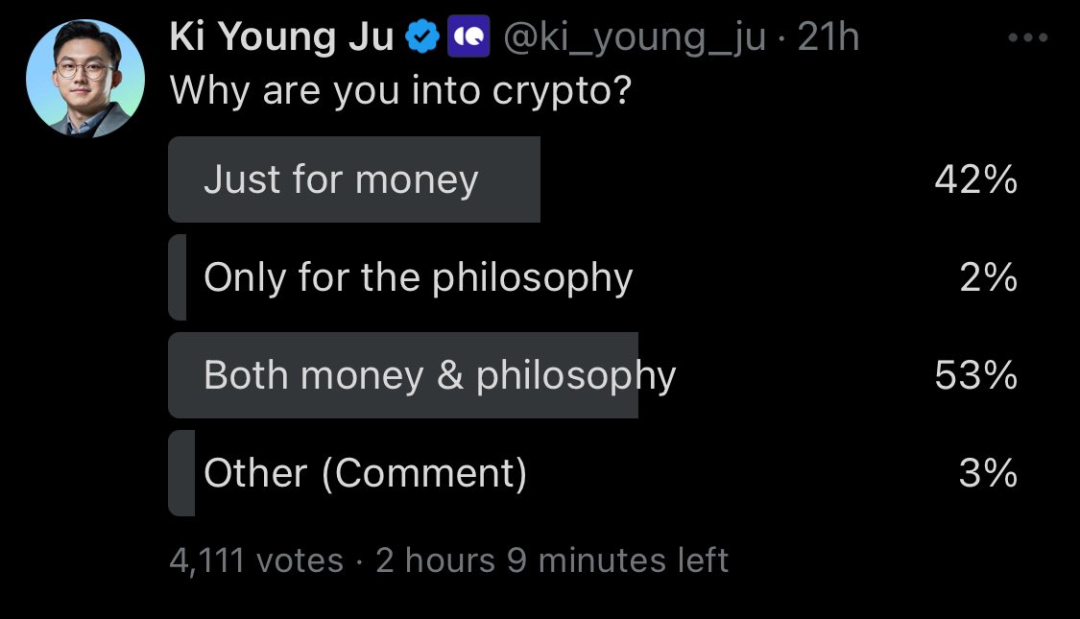
比特币价格突破117000美元创新高,金融市场引轰动?
Sou Hu Cai Jing· 2025-07-11 07:39
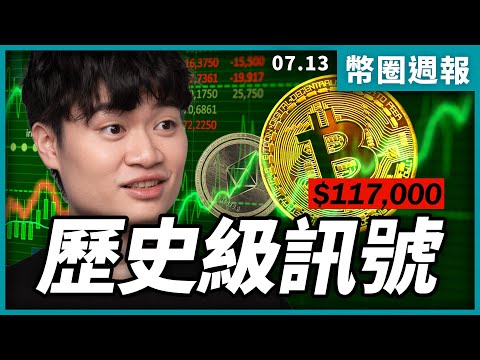
比特币此次价格突破了117000美元,这是其价格历史上的又一个重要标志。在此之前,比特币价格常常 大幅波动。不过此次创下新高,还是出乎了很多人的意料。推动价格上涨的原因有不少,比如在全球流 动性宽松的情形下,投资者开始寻觅新的投资途径。部分大型金融机构进入市场,增强了市场的信心, 也增加了资金。 市场反应 比特币价格突破了117000美元,这个价格创造了新的高度,这种情况在金融市场引起了极大的轰动。比 特币有着去中心化的特性,它的总量是固定的,吸引了众多投资者的关注。可是,比特币价格波动剧 烈,并且缺少监管,这产生了不少隐患。接下来就详细说一说这一现象。 价格飙升 金融市场对此有了明显反应,这带动了加密货币市场的整体情绪,进而使得相关概念股迎来一波上涨, 投资者参与热情高涨,一些原本持观望态度的人也心动入场,不过不少专家表示担忧,因为现在价格处 于高位,追高风险较大,所以投资需谨慎 。 技术分析 从技术方面来说,这次比特币价格上涨展现出了良好的状态,各项技术指标都处于积极的形势,价格走 势所形成的上升趋势线比较稳固 。不过,技术分析只是在一定程度上起到参考的作用,它没办法完全 精准地预测后市的发展状况,因为比 ...
不同人眼中的稳定币:从金融工具到产业革命?
3 6 Ke· 2025-07-10 04:38
Core Insights - Circle's successful IPO marks the entry of stablecoins into mainstream finance, reshaping payment systems, currencies, and the global financial order [1] - Stablecoins are not merely "digital dollars" but are digital assets anchored to fiat currencies, becoming foundational settlement assets in the digital economy [2] - The emergence of stablecoins is transforming the financial infrastructure market, moving beyond the realm of cryptocurrency innovation [3] Group 1: Perspectives from Different Financial Entities - Traditional finance views stablecoins as "electronic dollars," but they are actually blockchain-based digital assets [2] - Banks are exploring tokenized deposits to compete with stablecoins, but the inherent advantages of stablecoins lie in their openness and composability [4] - Central banks question the efficacy of CBDCs compared to stablecoins, which operate on an open protocol and offer global financial connectivity [5] Group 2: Characteristics and Impact of Stablecoins - The popularity of stablecoins, especially USD-pegged ones, is altering the global monetary system through stability, programmability, and global liquidity [6] - Major players in the stablecoin market include Tether (USDT), PayPal USD, and compliant stablecoins from Paxos and First Digital [7] - Stablecoins are more efficient than traditional banking systems, which often operate in closed environments with limited interoperability [8][9] Group 3: Future Implications and Opportunities - The rise of stablecoins presents a dual impact on the Federal Reserve, expanding dollar demand while altering the monetary multiplier through technology [10] - Payment institutions face both challenges and opportunities from stablecoins, which could disrupt traditional payment gateways while also providing avenues for innovation [11] - Entrepreneurs see vast potential for innovation with stablecoins, which serve as foundational assets for programmable financial protocols [12][13] Group 4: The Broader Context of Stablecoins - Stablecoins are seen as a compromise between decentralized ideals and centralized custodianship, marking a significant step towards mainstream financial integration [15] - The integration of stablecoins into payment systems can enhance transaction efficiency and reduce reliance on traditional banking [16] - There is potential for localized stablecoins in developing regions and innovative financial products combining stablecoins with real-world assets [17] Group 5: Market Dynamics and Usage - Stablecoins have significantly higher daily active users and transaction volumes compared to Bitcoin, indicating their role as a primary medium of exchange [18] - The true value of stablecoins lies in understanding their potential and building new business models around them [19]