
人民币国际化

Search documents
香港正在争夺全球黄金定价权
21世纪经济报道· 2026-01-30 16:00
Core Viewpoint - The article discusses the significant rise in gold prices and the establishment of a central clearing system for gold in Hong Kong, which is expected to enhance the region's position as an international financial center and improve the efficiency of gold trading and settlement [1][6][7]. Group 1: Gold Price Surge - As of January 29, 2026, the spot price of gold in London reached a historic high of $5,598 per ounce, with domestic prices in China also rising, as evidenced by the Shanghai Gold Exchange's T+D price reaching 1,243.40 yuan per gram [1]. - The global geopolitical tensions and increased gold purchases by central banks have contributed to this price surge, with the World Gold Council reporting that central banks bought a net total of 634 tons of gold from January to September 2025, with annual purchases expected to be between 750 tons and 900 tons [6][12]. Group 2: Central Clearing System - Hong Kong has lacked a unified central clearing mechanism for gold trading, relying on a bilateral clearing model that has led to high costs and risks [3][5]. - The newly announced central clearing system aims to address these issues by integrating clearing, storage, and trading, thereby enhancing operational efficiency and reducing transaction costs [9][10]. - The system is designed to be government-led with market participation, ensuring a collaborative approach to governance and rule-making [9][10]. Group 3: Market Infrastructure and Collaboration - The Hong Kong government is actively supporting the development of the gold market, including the establishment of storage facilities and the promotion of interconnectivity with the Shanghai Gold Exchange [6][10]. - The collaboration between Hong Kong and Shanghai is expected to create a dual hub for gold trading, enhancing China's influence in the global gold market and facilitating the pricing of gold in renminbi [12][17]. - The central clearing system will also enable the seamless integration of various market functions, addressing the current fragmentation in gold trading processes [10][11]. Group 4: Product Diversification and Innovation - The establishment of the central clearing system provides a solid foundation for the innovation of gold financial products in Hong Kong, including the introduction of gold ETFs and tokenized gold products [14][15]. - The total assets under management for gold ETFs in Hong Kong grew by 45% year-on-year to 15 billion HKD in the first three quarters of 2025, indicating a significant increase in market activity [14]. - The article highlights the potential for developing a regulatory framework for tokenized gold products, ensuring that physical gold reserves back these digital assets [15]. Group 5: Regional Cooperation and Future Outlook - The Hong Kong government is enhancing regional cooperation with mainland China to streamline the supply chain for gold, which could lead to cost advantages and meet global demand [16]. - The integration of the central clearing system with existing market institutions is expected to improve the efficiency of gold trading and settlement processes, thereby attracting more international investors [17]. - The article concludes that the establishment of the central clearing system and the innovation in gold products represent a strategic move for Hong Kong to solidify its role as a global gold trading center and support the internationalization of the renminbi [18].


数字人民币性质上已等同活期存款
21世纪经济报道· 2026-01-30 13:28
Core Viewpoint - The launch of Digital RMB 2.0 marks a significant transformation from a cash-like digital currency to a financial asset that can earn interest, enhancing its appeal and usability for consumers [4][9]. Group 1: Development and Features of Digital RMB - Digital RMB is a central bank-issued legal digital currency that has evolved over ten years from a non-interest-bearing electronic cash to a financial asset with interest-earning capabilities [6][11]. - The Digital RMB 2.0 version introduces a wallet balance that is treated as a liability of commercial banks, aligning it with demand deposit characteristics [11][12]. - The digital currency's trial has expanded from select cities to nationwide coverage, with significant transaction volumes, including 34.8 billion transactions totaling 16.7 trillion yuan by November 2025 [7][6]. Group 2: Challenges and Market Position - Despite its growth, Digital RMB faces challenges in user adoption due to entrenched habits favoring existing payment platforms like Alipay and WeChat Pay, which dominate the market [7][16]. - The initial version of Digital RMB struggled with user retention and engagement, as it was perceived similarly to cash without interest, limiting its long-term appeal [7][8]. - The competitive landscape remains challenging, with Digital RMB accounting for only 0.16% of the total cash in circulation (M0) as of June 2023, compared to the substantial reserves held by existing payment platforms [7][8]. Group 3: Policy and Future Implications - The introduction of interest-earning features is expected to enhance the attractiveness of Digital RMB, potentially transforming it into a robust monetary policy tool and improving financial stability [13][18]. - The policy framework aims to ensure that Digital RMB is integrated into the broader financial system, allowing for effective monetary policy transmission and risk management [13][15]. - Future developments may focus on enhancing the digital currency's role in cross-border trade and internationalization of the RMB, leveraging its interest-earning capabilities to attract foreign users [14][18].
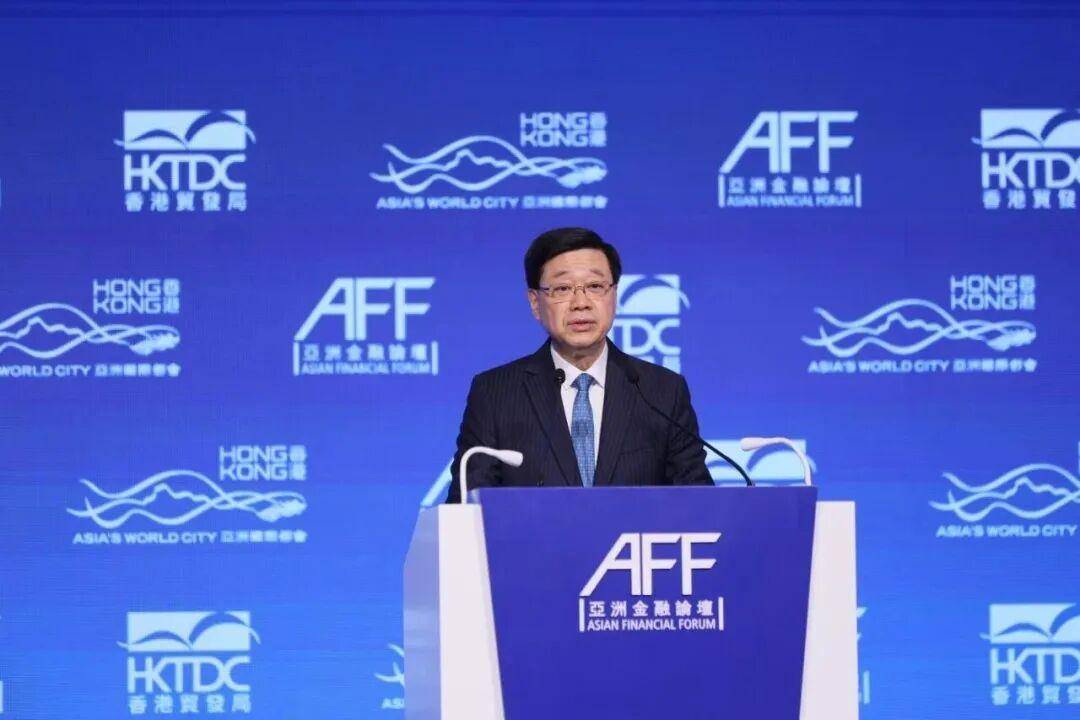
许正宇:港金结算公司成立有助于香港黄金市场扩大亚洲时区影响力
智通财经网· 2026-01-30 06:18
他指,黄金属国际化产品,产品的共性较强,相信合作可加强于黄金市场的"中国声音",发挥到香港金 融发展优势,同时提升人民币国际化角色。 他指,早前伦敦金属交易所将香港认可为有色金属递交港,短短1年内已有15个仓储落户香港,存放约2 万吨铜、铝等有色金属。此外,在施政报告提出发展黄金市场后,瑞士贵金属精炼商MKS PAMP在港 设第3个地区总部,认为发展黄金市场能造就仓储等价值链内的不同机会,同时亦有利跨价值链包括资 产管理、家族办公室等业务发展。 他指出,上海黄金交易所在全球定价方面取得很好成绩,对方亦积极拓展国际化,此前已在香港设递交 仓库,认为合作可善用对方的专业知识和系统,进一步提升香港整体黄金市场的认受性和参与度。 他指,香港机场正密锣紧鼓将金库容量由200吨扩展至1000吨,目标3年内将香港整体黄金仓储提升至超 过2000吨,同时期望衍生其他金融和专业服务需求,包括融资、保险、交易、结算。他提到,金融服务 占香港本地生产总值(GDP)约四分之一。 智通财经APP获悉,日前,香港与上海签订合作协议,成立港金结算公司。担任主席的香港财经事务及 库务局局长许正宇表示,现时全球黄金定价权主要由英国、美国和中国 ...
上海社融去年多增超千亿,跨境人民币业务量质齐升
第一财经· 2026-01-30 04:54
2026.01. 30 本文字数:3355,阅读时长大约7分钟 作者 | 第一财 经 陈君君 1月29日,人民银行上海总部召开2026年第一季度新闻发布会,系统介绍2025年上海金融运行情 况。从披露的数据来看,在外部环境复杂、国内经济修复仍在推进的背景下,上海金融运行总体保持 平稳,多项关键指标出现积极变化,结构性改善特征进一步显现。 数据显示,2025年上海社会融资规模同比多增1021亿元,融资结构持续优化,企业融资成本处于历 史低位区间;自由贸易账户(FT账户)功能升级试点启动后首月运行平稳,跨境资金收付规模接近 500亿元人民币;跨境人民币业务在规模和结构上同步提升,全年收付金额达32.4万亿元,占全国比 重46%,继续保持全国第一。 业内人士认为,与"总量扩张"相比,2025年上海金融运行更值得关注的是结构变化和制度含量的提 升,这些变化将对"十五五"时期上海金融体系的运行模式产生更为深远的影响。 融资结构符合高质量发展要求 从总量看,金融对实体经济的支持力度保持在合理区间。数据显示,2025年全年,上海社会融资规 模增加11632亿元,同比多增1021亿元。 更具变化意义的是融资结构的调整。202 ...
聚首香江谋新局 青春聚力启华章——烟台市青年企业家商会高质量“走出去”系列活动之受邀赴港参加第十九届亚洲金融论坛
Sou Hu Cai Jing· 2026-01-30 03:12
Core Viewpoint - The 19th Asian Financial Forum emphasizes collaboration and creating win-win situations amid changing global dynamics, with a focus on financial market developments and international cooperation [1][5]. Group 1: Hong Kong's Financial Development - Hong Kong aims to enhance its status as an international financial center by focusing on three key areas: deepening the stock market, expanding the bond market, and advancing asset and wealth management sectors [3]. - The Hong Kong government is also accelerating the development of new growth areas, including establishing an international gold trading center and a commodities trading ecosystem [3]. Group 2: Global Industry Summit - The forum introduces a new "Global Industry Summit" that focuses on high-growth sectors such as artificial intelligence, robotics, biopharmaceuticals, healthcare, and renewable energy, aiming to stimulate innovation and sustainable economic growth through financial innovation and industry collaboration [5]. - Multiple thematic forums are held during the summit, including discussions on opportunities for Chinese enterprises going global and attracting international businesses to Hong Kong [11]. Group 3: RMB Internationalization - The People's Bank of China highlights the rapid development of China's financial market and its increasing international influence, with Hong Kong being the largest offshore RMB business hub globally [7]. - The internationalization of the RMB is expected to provide significant opportunities for Hong Kong, requiring sufficient liquidity and a well-developed bond market, which Hong Kong is well-positioned to offer [7]. Group 4: Regional Cooperation - Former European Commission President José Manuel Barroso discusses Hong Kong's critical role in promoting regional cooperation and how Asia can learn from European experiences to deepen economic integration [9].

资讯早班车-2026-01-30-20260130
Bao Cheng Qi Huo· 2026-01-30 02:06
1. Report Industry Investment Rating - No relevant content provided. 2. Core Views - The global economic and financial situation is complex and volatile, with various factors affecting different markets. In the commodity market, precious metals experience significant price fluctuations, and there are supply - demand imbalances in some metals. In the financial market, the bond market is in a state of shock, and the stock market shows a mixed performance. International trade relations also have an impact on the market, such as the potential tariff adjustments between countries [5][21][3]. 3. Summary by Directory 3.1 Macro Data - In December 2025, China's GDP growth rate slowed down, the manufacturing and non - manufacturing PMIs showed different trends, and the social financing scale decreased compared with the previous month. The growth rates of M0, M1, and M2 also changed, and consumer and producer prices showed different trends. Fixed - asset investment decreased year - on - year, while consumption and trade maintained growth but with varying degrees of slowdown [1]. 3.2 Commodity Investment 3.2.1 Comprehensive - The Shanghai Futures Exchange warns of market risks due to complex international situations. Some funds and banks adjust relevant parameters, and there are changes in commodity base - spreads. In addition, the Fed's interest - rate decisions and international trade tariff policies also affect the market [2][3][4]. 3.2.2 Metals - Precious metals experience a "roller - coaster" price movement. Gold jewelry prices reach a record high, and there are different outlooks for the gold market in the short - and long - term. The copper market is expected to have supply shortages in 2026 and 2027, and there are changes in the inventories of various metals [5][6]. 3.2.3 Coal, Coking, Steel and Minerals - China's stainless - steel production increased in 2025, while imports decreased. India explores coal reserves in Canada, and Brazil raises steel import tariffs. The Trump administration retreats from the plan to guarantee the minimum price of key mineral projects [8]. 3.2.4 Energy and Chemicals - Venezuela reforms its petroleum law to allow private and foreign investment. The US imposes potential tariffs on countries supplying oil to Cuba [9][10]. 3.2.5 Agricultural Products - The Chinese government conducts spring seed market inspections. There are changes in US soybean sales, EU crop production forecasts, and Brazil's coffee - baking industry revenue [11][12]. 3.3 Financial News 3.3.1 Open Market - The central bank conducts 7 - day reverse - repurchase operations, resulting in a net injection of funds into the market [13]. 3.3.2 Key News - China and the UK reach a series of cooperation agreements, including in the financial field and tariff reduction. China promotes service - consumption growth, and there are positive developments in Sino - US economic and trade consultations. There are also news in areas such as transportation, culture and tourism, and finance [15][16]. 3.3.3 Bond Market - The Chinese bond market is in a state of shock, with different performances of short - and long - term bonds. There are price changes in exchange - traded bonds, and the convertible - bond market shows a decline. Interest rates in the money market and bond - issuing yields also have different trends [21][22][24]. 3.3.4 Foreign Exchange Market - The on - shore and off - shore RMB exchange rates against the US dollar change, and the US dollar index declines, while most non - US currencies rise [26]. 3.3.5 Research Reports - Different securities firms have different views on the Fed's interest - rate decisions, short - term debt pricing, and the bond market [27]. 3.3.6 Today's Reminders - There are a large number of bond listings, issuances, payments, and principal - and - interest repayments on January 30, 2026 [29]. 3.4 Stock Market - The A - share market shows a narrow - range consolidation, with the rise of the Shanghai Composite Index and the decline of other indices. The liquor, gold, oil and gas, and real - estate sectors perform strongly, while some high - tech sectors decline. The Hong Kong stock market also shows a mixed performance, with the rise of the Hang Seng Index and the decline of the Hang Seng Tech Index [30].
上海国际金融中心建设取得系列新进展
Jin Rong Shi Bao· 2026-01-30 02:05
Core Insights - The People's Bank of China (PBOC) Shanghai Headquarters is committed to accelerating the construction of Shanghai as an international financial center, achieving significant progress in 2025 through various reforms and initiatives [1][2]. Group 1: Cross-Border Trade and Investment Facilitation - The PBOC Shanghai Headquarters has deepened cross-border trade and investment facilitation, achieving effective offshore trade finance service reforms in the Lingang New Area, which improved cross-border settlement efficiency [2]. - The "green foreign debt" policy pilot has shown positive effects, and the management of multinational companies' cross-border cash pool business has been optimized [2]. - By the end of December 2025, 1,189 foreign institutions had entered the interbank bond market, holding bonds worth 3.46 trillion yuan, accounting for approximately 2% of the total custody in the market [2]. Group 2: RMB Internationalization - In 2025, Shanghai's cross-border RMB settlement volume reached 32.4 trillion yuan, a year-on-year increase of 9%, maintaining a 46% share of the national total [4]. - The RMB cross-border payment for securities investment reached 24.2 trillion yuan, representing over 70% of the total, enhancing Shanghai's status as a global RMB asset allocation center [4]. - The PBOC Shanghai Headquarters is actively implementing the "Action Plan for Further Enhancing Cross-Border Financial Service Facilitation" to expand the breadth and depth of RMB internationalization [2][5]. Group 3: Support for the Real Economy - The establishment of the Shanghai Financial "Five Major Articles" working group aims to strengthen policy coordination and support the development of the real economy [3]. - The Shanghai Science and Technology Innovation Financial Reform Pilot Zone is being accelerated, with initiatives like "Hu Ke Special Loans" and "Hu Ke Special Discounts" to support innovative enterprises [3]. - The digital RMB international operation center has officially started operations, and the pilot for a multilateral central bank digital currency bridge is progressing [3]. Group 4: Free Trade Account Function Upgrade - The upgrade of the free trade account function, initiated in December 2025, has seen participation from 11 banks and 29 enterprises, with nearly 50 billion yuan in cross-border payments recorded in the first month [6][7]. - The pilot aims to provide stronger financial support for the real economy and enhance the convenience of cross-border trade and investment [7]. - The pilot has achieved significant results, with 97% of transactions conducted in RMB, aligning with the policy to expand RMB usage in cross-border transactions [8].
深度|唤醒上亿“钱包”,数字人民币跃入2.0时代
2 1 Shi Ji Jing Ji Bao Dao· 2026-01-30 01:10
Core Viewpoint - The launch of Digital Renminbi 2.0 marks a significant evolution from a cash-like digital currency to a financial asset that can earn interest, enhancing its appeal and usability for consumers [4][10]. Group 1: Development and Features - Digital Renminbi has transitioned from a non-interest-bearing electronic cash system to a financial asset that can earn interest, aiming to change personal financial habits and establish a unique development path for digital currency in China [4][9]. - The Digital Renminbi 2.0 version introduces a wallet balance that is treated as a liability of commercial banks, akin to demand deposits, thus enhancing its monetary attributes [9][10]. - The digital currency's design includes four types of wallets, with the first three types earning interest based on the bank's current deposit rates, while the fourth type remains a non-interest-bearing anonymous wallet [9][11]. Group 2: Market Expansion and Adoption - The pilot program for Digital Renminbi has expanded from select cities to provinces across China, with significant transaction volumes reported, including 34.8 billion transactions totaling 16.7 trillion yuan by November 2025 [5][6]. - Despite the growth, Digital Renminbi still faces challenges in user adoption compared to established payment platforms like Alipay and WeChat Pay, which dominate the market [6][14]. Group 3: Regulatory and Policy Framework - The Chinese government has laid the groundwork for the Digital Renminbi's upgrade through policies that emphasize the stable development of digital currency, including the integration of digital currency into the deposit insurance framework [8][12]. - The People's Bank of China is set to implement a comprehensive management framework for Digital Renminbi, ensuring that it is subject to the same regulatory standards as traditional bank deposits [8][12]. Group 4: Future Implications and Challenges - Digital Renminbi 2.0 is expected to enhance macro-financial security by integrating into the prudential management framework, which will help mitigate risks associated with financial disintermediation [12][14]. - The internationalization of the Renminbi could be bolstered by the interest-bearing feature of Digital Renminbi, providing incentives for foreign entities to hold and use the currency [13][16]. - Challenges remain in user adoption, technological integration for smaller banks, and the need for international regulatory cooperation on digital currencies [14][16].

2026年度策略:锚定AI未来,共启科技新篇
GOLDEN SUN SECURITIES· 2026-01-30 00:50
Group 1: Financial Technology - In 2026, global liquidity is expected to remain reasonably ample, with the domestic monetary policy maintaining a moderately loose tone[14] - The digital RMB 2.0 will officially implement on January 1, 2026, transitioning from M0 to M1 currency attributes[18] - The CIPS network expansion will be a key focus starting February 1, 2026, as new rules for the RMB cross-border payment system come into effect[20] Group 2: AI Applications - The AI application landscape is shifting towards commercial monetization, with a focus on achieving breakeven after initial explosive growth[24] - C-end applications are dominated by major tech giants, making it difficult for smaller firms to survive in the market[40] - B-end applications are seeing some achieving unit economics (UE) breakeven, particularly in sectors with high product-market fit (PMF) like robotaxi[45] Group 3: AI Computing Power - Global demand for AI computing power is on the rise, with domestic internet companies being the largest consumers of intelligent computing servers[3] - Domestic chip manufacturers are making significant breakthroughs, with companies like Huawei and Cambricon showing strong growth potential[3] - The shift towards scale-up supernode architectures is expected to accelerate, enhancing overall system performance[3] Group 4: AI Energy - The AIDC power supply paradigm is evolving towards 800V HVDC systems, driven by the need for higher power density and efficiency[4] - Nuclear fusion is being explored as a long-term energy solution, with significant advancements expected within the next five years[7]






人民银行上海总部支持上海国际金融中心建设 积极推动外汇管理改革试点政策落地
Zhong Guo Zheng Quan Bao· 2026-01-29 22:27
促进社会综合融资成本低位运行 ● 本报记者 黄一灵 1月29日,中国证券报记者从人民银行上海总部召开的2026年第一季度新闻发布会上获悉,2026年,人 民银行上海总部将立足实际,配合总行做好上海发展离岸金融相关工作,推动临港新片区离岸贸易金融 服务综合改革试点扩围,积极推动外汇管理改革试点政策落地。 人民银行上海总部宏观审慎管理部副主任施建东介绍,上海自由贸易试验区自由贸易账户功能升级试点 自启动以来,首批业务成功落地。截至目前,共有11家银行、29家企业参与试点,跨境资金收付规模合 计近500亿元。 据介绍,2025年,上海市社会融资规模同比多增,直接融资比重上升;信贷总量合理增长,结构持续优 化,融资成本稳中有降。 施建东表示,这次功能升级试点是上海自由贸易账户自2014年5月启动以来最重要的一次改革。总体而 言,试点成效显著,基本达到预期目标,并呈现"结算便利、运行平稳、业务多元、风险可控、本币为 主"五个特点。试点通过收紧"跨二线"管理实现"跨一线"自由收付,试点企业使用升级账户开展证券投 资以外的资本项下业务,不受投注差外债、全口径跨境融资、境外放款相关额度和审批限制,无须到外 汇管理部门办理前置 ...