
数字贸易

Search documents
货物贸易顺差首次超万亿,中央鼓励支持服务出口
Di Yi Cai Jing· 2025-12-11 11:29
Group 1 - The core viewpoint of the articles emphasizes the significant growth in service exports compared to imports, leading to a continuous narrowing of the service trade deficit [1][2] - The Central Economic Work Conference highlighted the importance of "encouraging and supporting service exports" and developing digital and green trade as key tasks for economic work in 2026 [1] - In the first ten months of 2025, China's total service trade reached 65,844.3 billion yuan, with exports growing by 14.3% and imports by 2.6%, resulting in a service trade deficit of 7,663.7 billion yuan, which decreased by 2,693.9 billion yuan year-on-year [2] Group 2 - Knowledge-intensive service exports increased by 9.5% in the first ten months of 2025, with a significant expansion of the surplus by 1,036 billion yuan compared to the previous year [2] - Travel service exports saw a remarkable growth of 52.5%, contributing to a total travel service trade of 18,125.4 billion yuan, which grew by 8.5% [2] - The trade surplus for goods reached a historical high of 1.08 trillion USD in the first eleven months of 2025, with a notable increase in exports to non-US markets, particularly ASEAN, Europe, and Africa [3]
中央经济工作会议:鼓励支持服务出口,积极发展数字贸易、绿色贸易
Xin Lang Cai Jing· 2025-12-11 10:04
专题:中央经济工作会议在北京举行 责任编辑:石秀珍 SF183 中央经济工作会议12月10日至11日在北京举行。会议指出,坚持对外开放,推动多领域合作共赢。稳步 推进制度型开放,有序扩大服务领域自主开放,优化自由贸易试验区布局范围,扎实推进海南自由贸易 港建设。推进贸易投资一体化、内外贸一体化发展。鼓励支持服务出口,积极发展数字贸易、绿色贸 易。深化外商投资促进体制机制改革。完善海外综合服务体系。推动共建"一带一路"高质量发展。推动 商签更多区域和双边贸易投资协定。 责任编辑:石秀珍 SF183 专题:中央经济工作会议在北京举行 中央经济工作会议12月10日至11日在北京举行。会议指出,坚持对外开放,推动多领域合作共赢。稳步 推进制度型开放,有序扩大服务领域自主开放,优化自由贸易试验区布局范围,扎实推进海南自由贸易 港建设。推进贸易投资一体化、内外贸一体化发展。鼓励支持服务出口,积极发展数字贸易、绿色贸 易。深化外商投资促进体制机制改革。完善海外综合服务体系。推动共建"一带一路"高质量发展。推动 商签更多区域和双边贸易投资协定。 ...
义乌暴击华尔街:一个批发市场的千亿逆袭
Sou Hu Cai Jing· 2025-12-10 19:21
Core Insights - The company, Yiwu Small Commodity City, reported a staggering 100% increase in net profit for Q3 2025, with a revenue of 5.348 billion yuan, marking a 39.02% year-on-year growth [1][3] - The transformation from a traditional wholesale market to a digital trade platform has been pivotal, with 40% of merchants utilizing AI for operations [1][11] Financial Performance - For the first three quarters, the company achieved a revenue of 13.061 billion yuan, a 23.07% increase year-on-year, and a net profit of 3.457 billion yuan, up 48.45% [3] - Q3 alone saw revenue of 5.348 billion yuan and net profit of 1.766 billion yuan, reflecting a 100.52% increase [3] - Operating cash flow for the first three quarters reached 9.605 billion yuan, a remarkable 2021.98% increase, averaging over 100 million yuan in daily cash inflow [3] Business Model Transformation - The significant growth in contract liabilities, which reached 14.839 billion yuan, indicates a shift from merely renting stalls to providing comprehensive trade services [7] - The company is expanding its global trade center, ensuring sustained growth through ongoing project developments [7] Digital and AI Integration - The YiPay platform has been approved for a market procurement trade settlement pilot, expanding its service market from 20% to 80% of Yiwu's export total [9] - The Chinagoods platform has served nearly 300,000 users, with AI applications enhancing operational efficiency for 40% of merchants [11] Strategic Growth Initiatives - The company is actively pursuing the expansion of its import positive list to include high-value categories, which could significantly contribute to future growth [13] - The strategic shift towards a two-way trade hub is expected to enhance the company's market position beyond mere financial metrics [13] Industry Impact - The transformation of Yiwu Small Commodity City reflects a broader trend in the digitization of manufacturing and trade in China, serving as a model for traditional markets [15] - The establishment of a global trade service platform signifies a comprehensive upgrade in service capabilities, integrating AI to improve merchant profitability [15]


被指侵犯“经济主权” 美印尼贸易协议要黄?
Xin Hua Wang· 2025-12-10 10:09
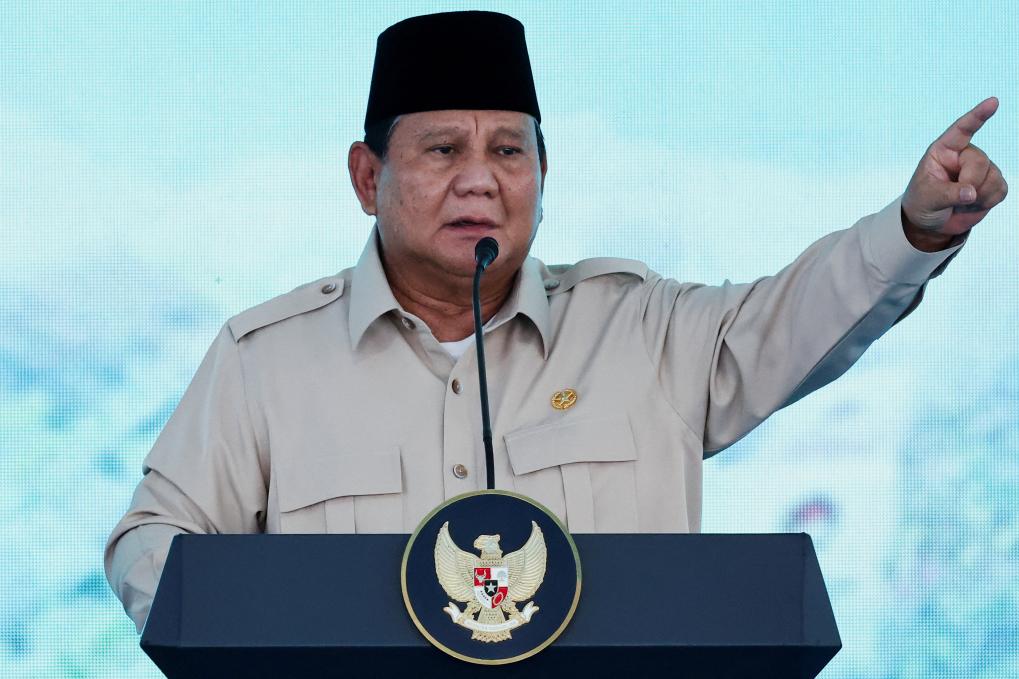
Group 1 - The trade agreement between the United States and Indonesia, reached in July, is facing potential collapse due to disagreements over key commitments [1][2] - U.S. Trade Representative Jamison Greer has accused Indonesia of "backtracking" on multiple commitments, particularly regarding non-tariff barriers and digital trade issues [2][4] - Indonesia's President Prabowo has not moved forward with the domestic approval process for the agreement, citing domestic political factors [4] Group 2 - The trade agreement includes a reduction of U.S. tariffs on Indonesian goods from 32% to 19%, with Indonesia committing to purchase $15 billion in U.S. energy, $4.5 billion in U.S. agricultural products, and 50 Boeing aircraft [5] - The U.S. exports to Indonesia would benefit from tariff and non-tariff barrier exemptions, but local content requirements have raised concerns among Indonesian business groups about their competitiveness [7] - The U.S. has attempted to include "poison pill" clauses in the agreement, which Indonesia rejects, arguing that such clauses infringe on its economic sovereignty [7]
海南“十五五”规划建议:加快培育中间品贸易、跨境电商等 积极推进离岸贸易发展
Zheng Quan Shi Bao Wang· 2025-12-10 02:28
Core Viewpoint - The Hainan Provincial Committee of the Communist Party of China has released recommendations for the 15th Five-Year Plan, emphasizing the need to enhance the flow of goods and factors in an open economy, particularly focusing on foreign investment, foreign trade, and foreign personnel [1] Group 1: Foreign Investment - The plan aims to improve the service mechanism and public platform for foreign investment, enhancing the brand of "Investment Free Trade Port" [1] - A push for the establishment of several landmark foreign investment projects is highlighted as a key initiative [1] Group 2: Foreign Trade - The recommendations stress the importance of improving the quality and efficiency of foreign trade, promoting market diversification, and integrating domestic and foreign trade [1] - There is a focus on consolidating traditional trade advantages while innovating in digital trade and accelerating the development of intermediate goods trade and cross-border e-commerce [1] Group 3: Foreign Personnel - The plan includes measures to improve living conveniences for foreign personnel, such as residence, healthcare, education, and payment systems [1] - The goal is to significantly increase the number of foreign tourists and expatriates in Hainan [1]
下一步,贸易强国
清华金融评论· 2025-12-09 01:15
Core Viewpoint - The article emphasizes the importance of promoting trade innovation development as a key strategy for overcoming challenges and seizing opportunities during the "14th Five-Year Plan" period, aiming to transition from a trade power to a trade strong nation [4][11]. Group 1: Significance of Promoting Trade Innovation Development - The "14th Five-Year Plan" period saw steady progress in China's foreign trade, with an optimized import-export structure and a reinforced position as a trade power. The "15th Five-Year Plan" period is crucial for achieving modernization and transitioning to a trade strong nation [5]. - Promoting trade innovation is essential for high-quality development, as it expands new spaces and advantages for economic growth, meets domestic industrial and consumption upgrades, and enhances the role of foreign trade in stabilizing growth and promoting employment [6]. - Trade innovation supports the construction of a new development pattern, facilitating the dual circulation of domestic and international markets, leveraging China's large market and supply capabilities [6]. - It is necessary to respond proactively to changes in the international economic landscape, maintaining a commitment to free trade and multilateral trade systems while promoting trade innovation for cooperative win-win outcomes [7]. Group 2: Basic Requirements for Promoting Trade Innovation Development - A balanced approach between goods trade and service trade is essential, as service trade is becoming a significant growth driver in the global economy. China aims to enhance both goods and service trade to improve competitiveness [8]. - Expanding both exports and imports is crucial for high-quality development, with a focus on optimizing import structures and enhancing the role of foreign investment in driving trade [9]. - The integration of traditional and emerging trade dynamics is necessary, supporting the transformation of traditional industries while fostering new growth points in trade [10]. Group 3: Main Tasks for Promoting Trade Innovation Development - The focus is on optimizing and upgrading goods trade, enhancing product structure and market layout, and promoting the integration of domestic and foreign trade [12]. - There is a strong emphasis on developing service trade, encouraging exports of knowledge-intensive services, and improving the regulatory environment for cross-border service trade [14][15]. - Innovation in digital trade is prioritized, with efforts to expand market access and establish mechanisms for safe data flow, while also supporting the development of digital products and services [16]. - Strengthening the trade promotion system and enhancing the functions of trade promotion platforms are essential for supporting trade growth and international competitiveness [17]. - A robust trade risk prevention system is necessary to address various risks in the trade sector, ensuring economic security while promoting trade innovation [18].
推动贸易创新发展(学习贯彻党的二十届四中全会精神)
Ren Min Ri Bao· 2025-12-08 22:10
党的二十届四中全会通过的《中共中央关于制定国民经济和社会发展第十五个五年规划的建议》,强 调"推动贸易创新发展"。这是以习近平同志为核心的党中央统筹国内国际两个大局作出的重大战略部 署,为今后一个时期进一步扩大高水平对外开放、加快建设贸易强国指明了前进方向,提供了根本遵 循。我们要认真学习领会,全面贯彻落实。 一、充分认识推动贸易创新发展的重大意义 "十四五"时期,我国外贸稳中有进,进出口结构持续优化,贸易大国地位进一步巩固。"十五五"时期是 我国基本实现社会主义现代化夯实基础、全面发力的关键时期,也是我国实现从贸易大国向贸易强国加 快转变的关键时期。推动贸易创新发展,对于建设更高水平开放型经济新体制,以高水平开放促进高质 量发展,具有重大而深远的意义。 (一)贸易创新发展是全面推动高质量发展的内在要求。习近平总书记指出,高质量发展是全面建设社 会主义现代化国家的首要任务。对外贸易是我国开放型经济的重要组成部分,是拉动经济增长的"三驾 马车"之一。对外贸易与生产生活息息相关,2024年我国有进出口实绩的外贸企业近70万家,直接和间 接带动一大批就业。推动贸易创新发展,有利于为我国经济高质量发展拓展新空间、培育 ...
杭州综试区十周年遇亚马逊入华十年,“下一代跨境链”开启出海黄金十年
Guo Ji Jin Rong Bao· 2025-12-08 15:59
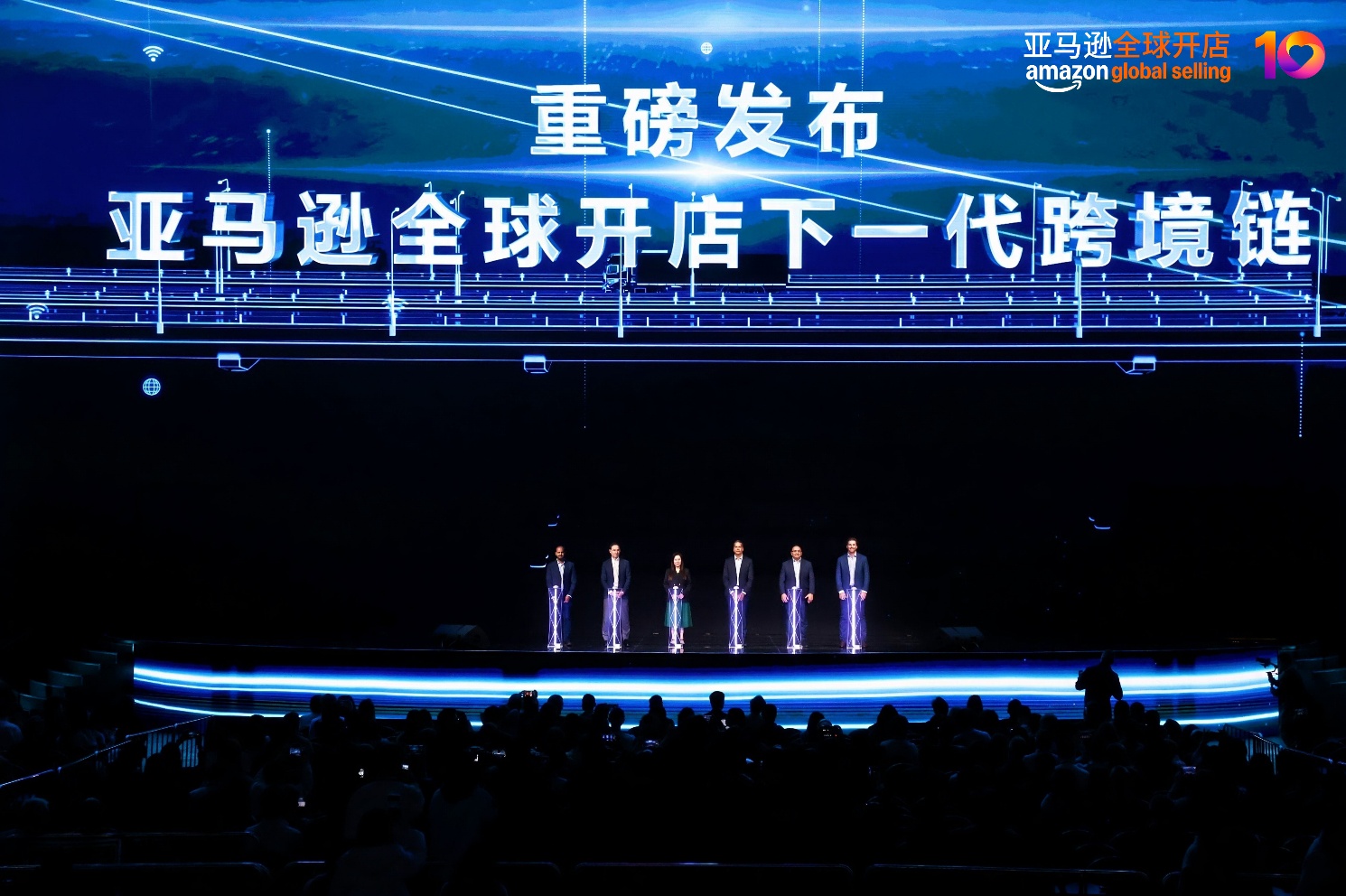
Core Insights - The establishment of the first cross-border e-commerce comprehensive pilot zone in China, Hangzhou, marks its tenth anniversary alongside Amazon's global selling operations in China, highlighting significant milestones in cross-border e-commerce development [1][3] Group 1: Industry Developments - Hangzhou has seen the growth of 65,000 cross-border e-commerce enterprises, establishing a complete industry chain that supports high-quality international expansion for local businesses [3] - The "Next Generation Global Selling" initiative by Amazon aims to simplify and enhance cross-border sales, promoting a vision of "one listing, one warehouse, global sales" [3][5] - Amazon's new logistics model, featuring the Global Warehouse Distribution (GWD) system, will provide integrated services such as warehousing and customs clearance, with the first warehouse set to launch in Shenzhen by March 2026 [4] Group 2: Technological Innovations - The application of AI technology across various stages of cross-border e-commerce is driving significant efficiency improvements, supporting the "Next Generation Global Selling" framework [5] - Amazon introduced groundbreaking AI innovations and a new seller platform designed to transform how sellers manage their businesses on the platform, enhancing the online sales journey [6] Group 3: Historical Context - The collaboration between Amazon and Hangzhou began in 2015, with the establishment of the cross-border e-commerce pilot zone and the launch of Amazon's global selling business in China [7] - The Amazon Global Selling Hangzhou Cross-Border E-Commerce Park was established in 2019, serving as a hub for operational, tax, and logistics services, thereby providing a comprehensive service ecosystem for sellers [7]

盛秋平副部长会见老挝工业与贸易部副部长占塔本
Shang Wu Bu Wang Zhan· 2025-12-08 12:30
Core Viewpoint - The meeting between Chinese and Laotian officials highlights the ongoing deepening of economic and trade cooperation between China and Laos, emphasizing the importance of practical collaboration in areas such as e-commerce and infrastructure development [1] Group 1: Economic Cooperation - The year marks the 50th anniversary of the establishment of the Lao People's Democratic Republic, with Chinese leadership sending congratulatory messages [1] - The Chinese Ministry of Commerce expresses willingness to work with Laos to implement the leaders' consensus on building a community of shared future, focusing on practical cooperation in e-commerce and infrastructure [1] Group 2: Infrastructure Development - The China-Laos Railway is mentioned as a key facility that will enhance policy communication, trade facilitation, financial connectivity, and people-to-people ties [1] - The emphasis is placed on creating a favorable business environment through infrastructure projects [1] Group 3: Trade and Investment - Laos welcomes Chinese enterprises to invest in its economy, indicating a desire for increased bilateral trade and investment [1] - The Lao Ministry of Industry and Commerce appreciates China's support for Laos' economic and social development, recognizing China's leading position in global e-commerce [1]
《广东外经贸报告2025》发布:外贸结构加速重塑 新兴市场成为增长主引擎
Zhong Guo Jing Ying Bao· 2025-12-07 05:32
Core Insights - The report highlights the resilience of the global economy despite uncertainties from new U.S. tariff policies, with emerging economies like China maintaining growth momentum, contributing to an expansion in global trade [1] - The Guangdong Foreign Trade Research Report 2025 aims to address how China's largest foreign trade province can maintain its advantages and build new growth drivers amid global supply chain restructuring and rising geopolitical risks [1] Group 1: Economic Context - The external trade sector is under pressure to "improve quality and efficiency" due to weak global economic recovery and heightened supply chain security concerns, necessitating structural upgrades and rule innovations for new growth sources [2] - Guangdong's foreign trade performance serves as a regional and national demonstration effect, reflecting its role as a frontier of reform and opening up [2] Group 2: Trade Performance - Guangdong's foreign trade resilience is supported by stable performance in key industries, with electromechanical products and audio-visual equipment accounting for 55.68% of the province's total import and export value, with both scale and growth rates ranking among the best in the country [2] - The structure of trade methods is evolving, with general trade remaining dominant while logistics in customs special supervision areas and bonded supervision sites seeing growth rates exceeding 20%, indicating improved supply chain efficiency through institutional openness [2] Group 3: Trade Partner Dynamics - The trade partner structure shows Guangdong's deep integration into the global network, with stable trade with traditional markets like Hong Kong, the U.S., Japan, and South Korea, while also experiencing rapid growth in emerging markets such as the UAE, Brazil, and Poland, with Brazil becoming a new highlight [2] Group 4: Challenges and Opportunities - The horizontal comparison reveals transformation pressures in traditional sectors like textiles and chemicals, as new productivity standards become crucial for trade competitiveness [3] - Emerging fields such as artificial intelligence, digital trade, and Belt and Road cooperation are reshaping the global economic landscape, with the report outlining paths for Guangdong's foreign trade upgrade through digital infrastructure development, service trade expansion, and innovative enterprise "going global" models [3] Group 5: Future Research Directions - The report marks a significant step in the systematic, data-driven, and forward-looking study of Guangdong's foreign trade, with a commitment to focus on global trade pattern evolution, new productivity, AI integration, digital trade rules, and high-quality Belt and Road cooperation for actionable insights to support government decision-making and enterprise globalization [3]