金融服务实体经济

Search documents
21社论丨金融服务实体经济质效齐升,积极助力高质量发展
2 1 Shi Ji Jing Ji Bao Dao· 2025-09-22 23:41
Core Insights - The financial sector in China has achieved significant accomplishments during the "14th Five-Year Plan" period, focusing on high-quality service for economic and social development, deepening financial reforms, and enhancing governance capabilities [1][4] - By June 2023, China's banking sector total assets reached nearly 470 trillion yuan, ranking first globally, with stock and bond market sizes ranking second [1] - The financial services' capacity and quality to support the real economy have significantly improved, with a focus on technology innovation, advanced manufacturing, green development, and support for small and micro enterprises [1][2] Financial Support to the Real Economy - Over the past five years, the banking and insurance sectors have provided an additional 170 trillion yuan in funding to the real economy through various means [2] - Loans for scientific research, long-term manufacturing, and infrastructure have seen annual growth rates of 27.2%, 21.7%, and 10.1% respectively [2] - The balance of inclusive loans for small and micro enterprises reached 36 trillion yuan, which is 2.3 times that of the end of the "13th Five-Year Plan" [2] Support for Technological Innovation - The financial system is increasingly focused on supporting technology innovation, with over 90% of newly listed companies being technology-oriented [2] - The market capitalization of the A-share technology sector exceeds 25%, significantly higher than the combined market capitalization of banking, non-banking financial, and real estate sectors [2] - Insurance funds have invested over 5.4 trillion yuan in stocks and equity funds, an 85% increase from the end of the "13th Five-Year Plan" [2] Financial Market Reforms and Internationalization - The financial sector has deepened reforms and opened up, with high-level institutional openness in capital markets and steady progress in the internationalization of the renminbi [2][3] - By the end of July 2023, foreign institutions and individuals held over 10 trillion yuan in domestic stocks, bonds, and deposits [2] - The issuance of panda bonds by foreign institutions exceeded 1 trillion yuan, enhancing the internationalization of China's financial markets [2] Risk Management and Financial Stability - The period has also focused on preventing and mitigating financial risks, with significant achievements in cracking down on illegal financial activities and managing high-risk small financial institutions [3] - By June 2023, the number of financing platforms had decreased by over 60%, and the scale of financial debt had dropped by over 50% compared to the beginning of the year [3] - Policies have been adjusted to stabilize the real estate market, ensuring reasonable financing needs for various types of real estate enterprises [3] Future Outlook - The financial sector aims to maintain a prudent policy framework and a systematic risk prevention mechanism, enhancing service quality and efficiency to support the real economy and technological innovation [4] - The ongoing efforts in high-level financial openness and the steady advancement of renminbi internationalization are expected to lay a stronger foundation for high-quality development in the "15th Five-Year Plan" [4]
人民银行行长潘功胜:货币政策坚持以我为主 兼顾内外均衡
Zhong Guo Zheng Quan Bao· 2025-09-22 23:40
Core Viewpoint - The People's Bank of China (PBOC) emphasizes the significant achievements in China's financial sector under the strong leadership of the Communist Party, highlighting the importance of maintaining financial stability and preventing systemic risks [1][2]. Financial Sector Achievements - As of June 2023, China's banking sector total assets reached nearly 470 trillion yuan, ranking first globally; the stock and bond markets are the second largest in the world; and foreign exchange reserves have been the largest for 20 consecutive years [2]. - The effectiveness of financial services to the real economy has significantly improved, with an average annual growth rate of over 20% in loans to technology-based SMEs, inclusive small and micro enterprises, and green loans during the "14th Five-Year Plan" period [2]. Risk Management and Financial Stability - The PBOC is actively addressing prominent risk points in the financial sector as per central directives, effectively mitigating external risks and protecting the interests of depositors and small investors [2]. - The overall financial system remains stable, with financial institutions in good health and the financial market operating smoothly [2]. Monetary Policy and Economic Support - The current monetary policy stance is supportive and moderately accommodative, aimed at ensuring ample liquidity, reducing overall financing costs, and promoting consumption and effective investment [3]. - The PBOC plans to utilize various monetary policy tools based on macroeconomic conditions to maintain stability in the financial markets and keep the RMB exchange rate at a reasonable and balanced level [3]. Long-term Financial Development Goals - Building a strong financial nation requires sustained efforts, and the PBOC will continue to implement central decision-making and high-standard planning for the development of the financial sector during the "15th Five-Year Plan" [3].
金融服务实体经济质效齐升,积极助力高质量发展
2 1 Shi Ji Jing Ji Bao Dao· 2025-09-22 22:52
Core Insights - The financial sector in China has achieved significant accomplishments during the "14th Five-Year Plan" period, focusing on high-quality service for economic and social development, deepening financial reforms, and enhancing governance capabilities [1][2][4] - By the end of June 2023, China's banking sector total assets reached nearly 470 trillion yuan, ranking first globally, with stock and bond market sizes ranking second [1] - The financial services provided to the real economy have greatly improved, with new funding of 170 trillion yuan over five years, and significant growth in loans for scientific research, manufacturing, and infrastructure [2] Financial Sector Achievements - The banking and insurance sectors have provided substantial new funding to the real economy, with annual growth rates of 27.2% for scientific research loans, 21.7% for manufacturing loans, and 10.1% for infrastructure loans [2] - The balance of inclusive loans for small and micro enterprises reached 36 trillion yuan, which is 2.3 times that of the end of the "13th Five-Year Plan" [2] - The A-share market's technology sector now accounts for over 25% of the total market capitalization, significantly higher than the combined market cap of banking, non-banking financial, and real estate sectors [2] Financial Market Reforms - The financial industry has deepened reforms and opened up further, with high-level institutional openness in capital markets and steady progress in the internationalization of the renminbi [2][3] - By the end of July 2023, foreign institutions and individuals held over 10 trillion yuan in domestic stocks, bonds, and deposits, with panda bond issuance exceeding 1 trillion yuan [2][3] Risk Management and Financial Stability - The period has been crucial for transforming old and new growth drivers and adjusting economic structures, with a strong focus on preventing and mitigating financial risks [3][4] - There has been a significant reduction in the number of high-risk financial institutions and assets, with some provinces achieving "dynamic zero" for high-risk small financial institutions [3] - The number of financing platforms has decreased by over 60%, and the scale of financial debt has dropped by over 50% compared to early 2023, indicating a substantial reduction in local government financing platform risks [3] Future Outlook - The financial sector aims to continue enhancing service quality and efficiency, supporting real economy and technological innovation, while promoting high-level financial openness and the internationalization of the renminbi [4]
中国银行业总资产位居世界第一(锐财经)
Ren Min Ri Bao· 2025-09-22 21:04
Core Insights - The Chinese banking industry has achieved significant growth, with total assets nearing 470 trillion yuan, ranking first globally, and the insurance market solidifying its position as the second largest [1][2] - The financial sector has effectively supported the real economy, with annual growth rates for loans to technology SMEs, inclusive small and micro enterprises, and green loans exceeding 20% [2][3] - The financial risk management capabilities have improved, with key regulatory indicators such as non-performing loans and capital adequacy remaining stable and within healthy ranges [3][4] Financial Development Achievements - Over the past five years, the banking and insurance sectors have provided an additional 170 trillion yuan in funding to the real economy, with insurance payouts reaching 9 trillion yuan, a 61.7% increase from the previous five-year period [2][3] - The A-share market has shown resilience, with the Shanghai Composite Index's annualized volatility decreasing by 2.8 percentage points compared to the previous five years [2][3] - The total assets of the banking and insurance sectors have surpassed 500 trillion yuan, reinforcing China's position as the largest credit market globally [2] Risk Management Enhancements - The disposal of non-performing assets has increased by over 40% compared to the previous five-year period, with total capital and provisions exceeding 50 trillion yuan [3] - Regulatory frameworks have been strengthened, with a focus on early identification and management of financial risks, leading to a reduction of financing platforms by over 60% and a decrease in financial debt by over 50% [3] - The China Securities Regulatory Commission has intensified efforts to combat financial fraud, establishing a comprehensive deterrent system against such activities [3] Support for High-Quality Economic Development - Financial support for infrastructure projects has been significant, with over 36 billion yuan provided for the Baotou to Huinong high-speed rail project, reducing travel time significantly [4] - The balance of infrastructure loans has grown by 62% compared to the end of the previous five-year period, reaching 54.5 trillion yuan [4] - Direct financing through stock and bond markets has totaled 57.5 trillion yuan, with the proportion of direct financing increasing by 2.8 percentage points to 31.6% [4] Foreign Exchange and Trade Facilitation - The State Administration of Foreign Exchange has enhanced the efficiency of foreign exchange services and facilitated cross-border investment, processing over 5.6 billion transactions since the beginning of the current five-year period [5] - The financial system has maintained overall stability, supporting high-quality economic development during the "14th Five-Year Plan" period [5]

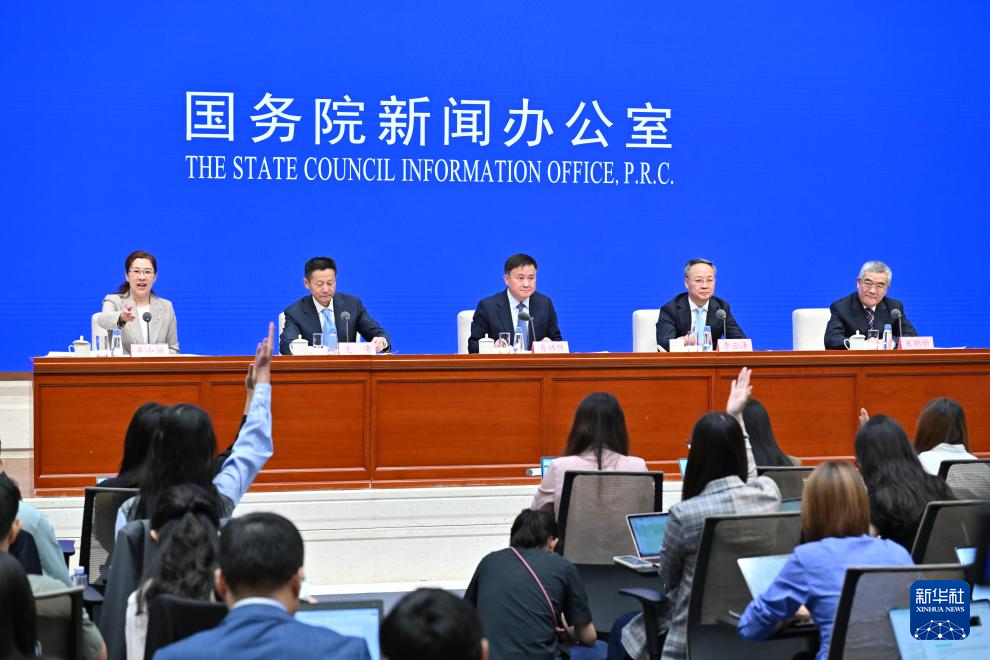
综合实力更加雄厚 服务质效显著提升——国新办发布会聚焦“十四五”时期金融业发展成就
Xin Hua She· 2025-09-22 16:10
Core Viewpoint - The press conference highlighted the significant achievements of China's financial industry during the "14th Five-Year Plan" period, emphasizing the enhanced international competitiveness and the improved quality of financial services to the real economy [1][2]. Group 1: Industry Strength - As of June 2023, China's banking sector total assets reached nearly 470 trillion yuan, ranking first globally; the stock and bond market sizes ranked second globally; and foreign exchange reserves have maintained the top position for 20 consecutive years [2]. - Under the leadership of the central government, China's financial sector has made substantial progress, with comprehensive reforms and improved governance systems [2]. - The capital market has seen a steady increase in direct financing, with the total market capitalization of A-shares surpassing 100 trillion yuan for the first time in August 2023 [2]. Group 2: Financial Services to the Real Economy - Over the past five years, the banking and insurance sectors have provided an additional 170 trillion yuan in funding to the real economy through various financing methods [3]. - The direct financing ratio has increased by 2.8 percentage points compared to the end of the "13th Five-Year Plan," reaching 31.6% [3]. - The balance of inclusive loans to small and micro enterprises has reached 36 trillion yuan, 2.3 times that of the end of the "13th Five-Year Plan," with interest rates decreasing by 2 percentage points [3]. Group 3: Risk Prevention and Resolution - The financial system remains generally stable, with significant reductions in the number of high-risk institutions and assets, making risks manageable [5]. - As of June 2023, the number of financing platforms has decreased by over 60% compared to the beginning of the year, and policies have been optimized to reduce interest payments for over 50 million households by approximately 300 billion yuan annually [5]. - The A-share market has shown enhanced resilience and risk resistance, with the annualized volatility of the Shanghai Composite Index at 15.9%, down 2.8 percentage points from the "13th Five-Year Plan" period [5]. Group 4: Ongoing Financial Reform and Opening-up - The financial supply-side structural reform continues, with significant progress in the reform of the Sci-Tech Innovation Board and the Growth Enterprise Market [6]. - By the end of August 2023, various long-term funds held approximately 21.4 trillion yuan in A-share market capitalization, a 32% increase from the end of the "13th Five-Year Plan" [6]. - The financial sector has seen substantial foreign participation, with 43 of the world's top 50 banks establishing operations in China and over 10 trillion yuan held by foreign institutions and individuals in domestic stocks, bonds, and deposits [6].
相当部分省份高风险中小机构“动态清零”!李云泽详解金融化险成效
Bei Jing Shang Bao· 2025-09-22 14:38
Core Viewpoint - The article highlights the significant progress made in financial risk prevention and resolution during the "14th Five-Year Plan" period, emphasizing the reduction of high-risk institutions and assets, as well as improvements in the banking sector's ability to support the real economy [1][3]. Financial Risk Management - The number of high-risk institutions and the scale of high-risk assets have been significantly reduced from their peak levels, with a notable portion of provinces achieving "dynamic zero" for high-risk small and medium-sized institutions [3][4]. - Regulatory authorities have implemented tailored reform plans for key regions, utilizing methods such as mergers, restructuring, and market exits to effectively manage risks [3][4]. - Key regulatory indicators such as non-performing loans, capital adequacy, and solvency are showing positive trends, indicating a healthy banking and insurance sector [3][4]. Support for the Real Economy - During the "14th Five-Year Plan," the banking and insurance sectors provided an additional 170 trillion yuan to the real economy through various financing methods [7]. - The annual growth rates for loans in key areas such as scientific research, manufacturing, and infrastructure are 27.2%, 21.7%, and 10.1%, respectively [7]. - The balance of inclusive loans for small and micro enterprises reached 36 trillion yuan, which is 2.3 times that of the end of the "13th Five-Year Plan," with interest rates decreasing by 2 percentage points [7]. Reform of Financial Institutions - The reform of rural financial institutions, particularly rural credit cooperatives, is a core focus, with over half of the provinces establishing provincial-level legal entities [5][6]. - The number of banking financial institutions in China decreased to 4,295 by the end of 2024, a reduction of 195 from 2023, reflecting the central government's push for consolidation among small banks [5][6]. - The ongoing reforms aim to enhance capital adequacy and risk management capabilities through mergers, capital increases, and improved governance structures [6][8]. Regulatory Enhancements - The financial regulatory framework has been significantly strengthened, with 171 regulations issued across banking, insurance, and asset management sectors over the past five years [9]. - The recent discussions on the revised draft of the Banking Supervision Law indicate a move towards a more comprehensive regulatory system that integrates macro and micro-prudential oversight [9]. - While stricter regulations may increase compliance costs in the short term, they are expected to foster a healthier and more sustainable financial environment in the long run [9].

“十四五”金融业答卷亮眼:170万亿精准滴灌实体经济
Di Yi Cai Jing· 2025-09-22 14:06
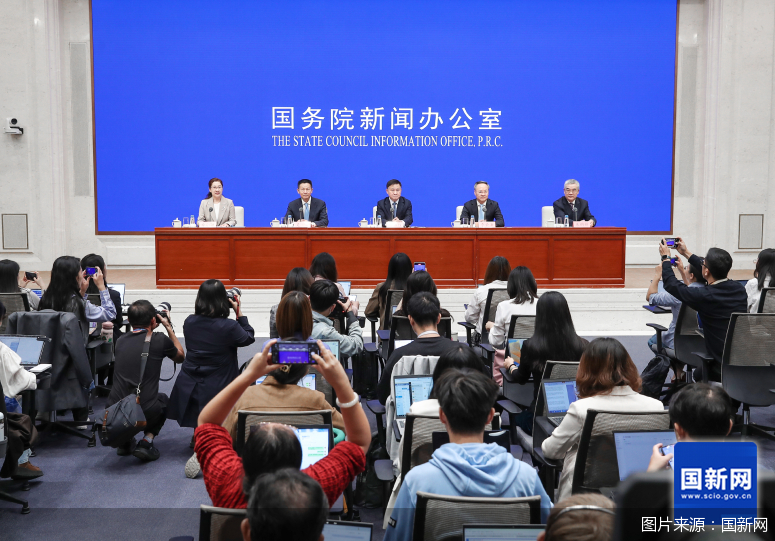
Core Viewpoint - The press conference highlighted the achievements of the financial sector during the "14th Five-Year Plan" period, emphasizing the simultaneous enhancement of the "strength" and "precision" of financial support for the real economy [1][5]. Financial Support for the Real Economy - Over the past five years, the banking and insurance sectors have injected a total of 170 trillion yuan into the real economy through various financing methods, with significant growth in loans for scientific research, manufacturing, and infrastructure [6][7]. - The balance of inclusive finance loans for small and micro enterprises reached 36 trillion yuan, 2.3 times that of the end of the "13th Five-Year Plan," with interest rates decreasing by 2 percentage points [6]. - The insurance sector has paid out 9 trillion yuan in claims, a 61.7% increase compared to the "13th Five-Year Plan" period [6]. Risk Management and Regulatory Reforms - The financial regulatory system has undergone significant reforms, with a high-pressure stance on illegal activities leading to 2,214 administrative penalties in the capital market, totaling 41.4 billion yuan [6][7]. - The number of financing platforms has decreased by over 60% since the beginning of 2023, and the scale of financial debt has dropped by over 50% [7]. Financial Sector Openness - The financial sector has made substantial progress in opening up, with significant reforms in capital markets, foreign exchange management, and international financial governance [9][10]. - As of now, 43 of the world's top 50 banks have established operations in China, and half of the 40 largest insurance companies have entered the Chinese market [10]. Capital Market Developments - The capital market has experienced profound changes, including the implementation of new securities laws and the establishment of a more robust legal framework [12][13]. - The total market capitalization of A-shares has surpassed 100 trillion yuan, with a significant increase in the proportion of technology sector market capitalization [14]. Future Monetary Policy Outlook - The monetary policy is expected to become more flexible and precise, focusing on maintaining liquidity and supporting consumption and effective investment [15][16]. - The People's Bank of China aims to enhance macro-prudential and financial stability functions to prevent systemic financial risks [16].
我国金融服务实体经济质效大幅提升
Xin Hua She· 2025-09-22 13:28
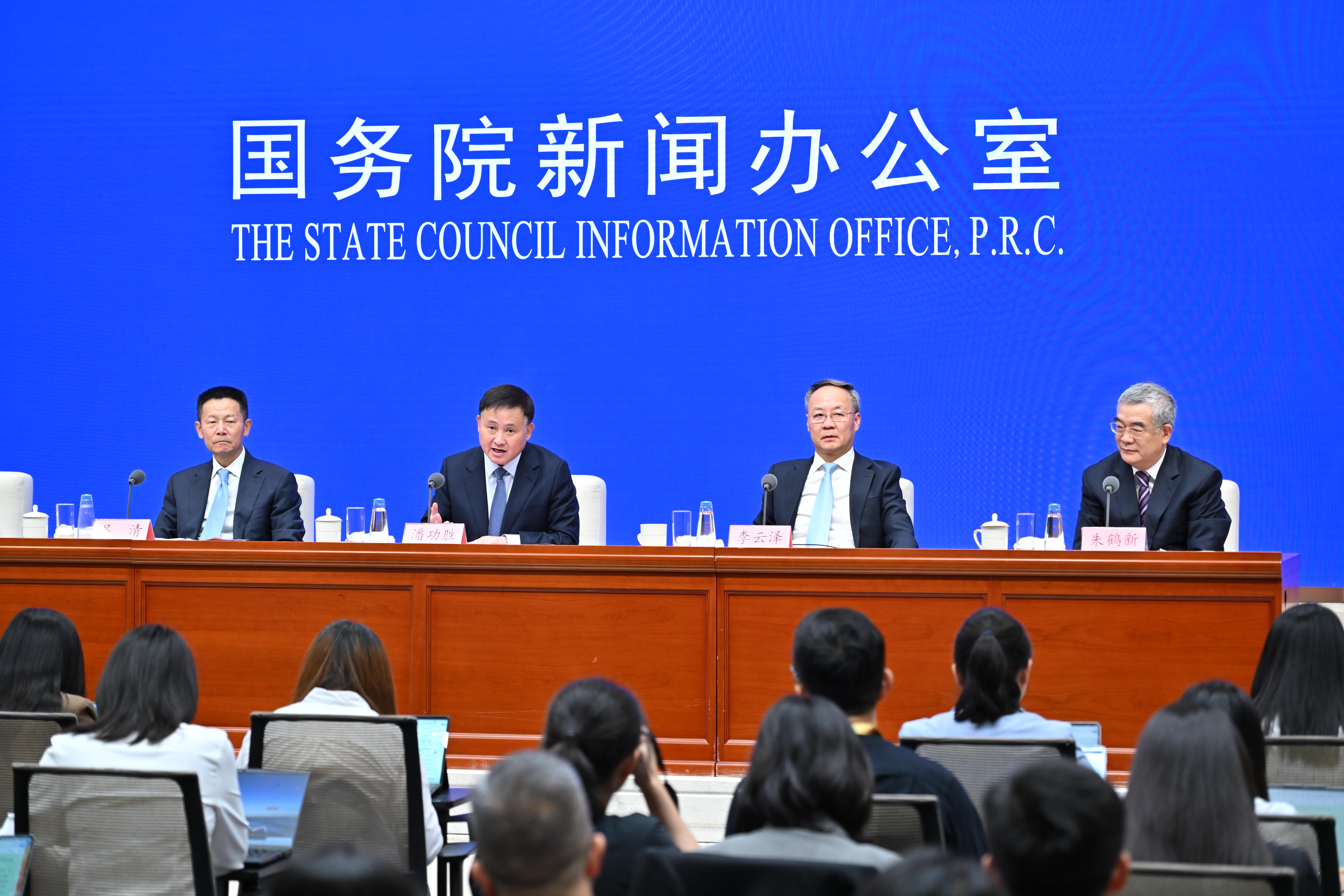
新华社北京9月22日电(记者 任军)"十四五"期间,我国金融服务实体经济质效大幅提升,推动经 济持续回升向好和高质量发展。这是记者从国新办9月22日举行的"高质量完成'十四五'规划"系列主题 新闻发布会上了解到的。 5年来,银行业保险业通过信贷、债券、股权等多种方式,为实体经济提供新增资金170万亿元;近 5年,交易所市场股债融资合计达到57.5万亿元,直接融资比重较"十三五"末提升2.8个百分点,达 31.6%…… 金融管理部门最新数据显示,"十四五"期间,金融部门扎实做好金融"五篇大文章",有力支持国家 重大战略、经济社会发展的重点领域和薄弱环节,有效稳定市场预期、提振信心。 "中国人民银行坚持支持性的货币政策立场,中国特色现代货币政策框架初步形成,实施和传导更 为有效,助力'十四五'经济社会发展主要目标顺利完成。"中国人民银行行长潘功胜表示。 金融监管总局局长李云泽表示,通过增供给、优结构、补短板,金融监管总局全力支持完成经济社 会发展目标。 发布会数据显示,"十四五"期间,科技型中小企业贷款、普惠小微贷款、绿色贷款年均增速均超过 20%。5年来,科研技术贷款、制造业中长期贷款、基础设施贷款年均增长27 ...
金融监管巨头齐聚!“十四五”答卷亮眼:170万亿输血实体、3.4万亿外资持仓
Di Yi Cai Jing· 2025-09-22 12:15
Core Insights - The banking and insurance sectors have injected a total of 170 trillion yuan into the real economy over the past five years through various financial instruments [1][5]. Financial Sector Achievements - The financial industry has achieved significant growth, with total assets surpassing 500 trillion yuan, averaging a 9% annual growth rate over five years [4]. - The scale of trust, wealth management, and insurance asset management institutions has doubled compared to the end of the 13th Five-Year Plan, reaching nearly 100 trillion yuan [4]. - China has solidified its position as the world's largest credit market and the second-largest insurance market, with 143 Chinese banks listed among the global top 1,000 [4]. Support for the Real Economy - Financial support for the real economy has improved in both intensity and precision, with annual growth rates for loans in key areas such as scientific research, manufacturing, and infrastructure reaching 27.2%, 21.7%, and 10.1% respectively [5]. - The balance of inclusive finance loans for small and micro enterprises has reached 36 trillion yuan, 2.3 times that of the end of the 13th Five-Year Plan, with interest rates decreasing by 2 percentage points [5]. - The insurance sector has paid out a total of 9 trillion yuan in claims, a 61.7% increase compared to the 13th Five-Year Plan period [5]. Risk Management and Regulatory Reforms - The financial regulatory system has undergone significant reforms, with a focus on enhancing governance and maintaining a high-pressure stance against illegal activities [5]. - Over the past five years, the capital market has seen 2,214 administrative penalties for financial misconduct, totaling 41.4 billion yuan, marking increases of 58% and 30% respectively compared to the 13th Five-Year Plan [5]. - The number of high-risk small banks has been significantly reduced, and over 7,000 "zombie" private equity firms have been cleared [6]. Financial Opening and International Cooperation - The financial sector has made substantial progress in opening up, with 43 of the world's top 50 banks establishing operations in China [7][8]. - The cancellation of foreign ownership limits in the banking sector and improvements in cross-border investment mechanisms have been highlighted as key achievements [8]. - The foreign capital held in A-shares has reached 3.4 trillion yuan, with 269 companies listed abroad [8]. Future Outlook - The monetary policy will remain flexible and precise, focusing on maintaining liquidity and supporting consumption and effective investment [10]. - The financial regulatory authorities will continue to enhance macro-prudential and financial stability functions to prevent systemic financial risks [12]. - The emphasis will be on creating a market-oriented, law-based, and internationalized foreign exchange environment to support high-quality economic development during the 15th Five-Year Plan [12].
高质量完成“十四五”规划丨我国金融服务实体经济质效大幅提升
Xin Hua Wang· 2025-09-22 11:55
Core Viewpoint - During the "14th Five-Year Plan" period, China's financial services have significantly improved in quality and efficiency, effectively supporting the economy's recovery and high-quality development [3]. Financial Support to the Real Economy - Over the past five years, the banking and insurance sectors have provided an additional 170 trillion yuan to the real economy through various means such as credit, bonds, and equity [3]. - The total financing from the exchange market for stocks and bonds reached 57.5 trillion yuan, with the proportion of direct financing increasing by 2.8 percentage points to 31.6% compared to the end of the "13th Five-Year Plan" [3]. Monetary Policy and Economic Goals - The People's Bank of China has maintained a supportive monetary policy stance, contributing to the successful achievement of the main goals of economic and social development during the "14th Five-Year Plan" [4]. Financial Regulation and Support for Key Sectors - The Financial Regulatory Administration has focused on increasing supply, optimizing structure, and addressing weaknesses, supporting the completion of economic and social development goals [5]. - Loans to technology-based small and medium-sized enterprises, inclusive small and micro loans, and green loans have all seen annual growth rates exceeding 20% [5]. - Research and technology loans, medium to long-term loans for manufacturing, and infrastructure loans have experienced average annual growth rates of 27.2%, 21.7%, and 10.1%, respectively [5]. Capital Market Developments - More than 90% of newly listed companies in recent years are technology enterprises or have high technological content [5]. - The market capitalization of the technology sector in A-shares now accounts for over one-fourth of the total market, with the number of technology companies in the top 50 by market capitalization increasing from 18 at the end of the "13th Five-Year Plan" to 24 currently [5]. Foreign Exchange and High-Quality Development - The State Administration of Foreign Exchange has advanced deep reforms and high-level opening in the foreign exchange sector, enhancing the efficiency of trade foreign exchange receipts and payments, as well as the convenience of cross-border investment and financing [5].