产教融合

Search documents
南明区高校毕业生秋季专场活动 走进贵州师范大学
Xin Lang Cai Jing· 2026-01-08 22:05
Group 1 - The core event is the autumn job fair held at Guizhou Normal University, part of the 2025 national urban joint recruitment initiative for college graduates in Nanming District [1] - A total of 36 quality enterprises participated in the job fair, covering various industries such as education, finance, modern services, retail, cultural media, tourism, and renewable energy, offering 122 job positions and planning to recruit 987 individuals [1] - The event was organized by Guizhou Normal University and local government offices, effectively creating a platform for employers and graduates to connect, thereby enhancing employment opportunities for graduates [1] Group 2 - In 2025, Nanming District has conducted 12 specialized recruitment events in Guiyang, involving 575 companies, providing 1,536 job positions, and planning to recruit 18,485 individuals, with 4,477 resumes received and 1,557 preliminary employment intentions established [2] - The district aims to deepen collaboration between schools and local industries, continuously optimize employment service mechanisms, and inject sustained momentum into regional economic development and talent cultivation [2]
“通衢”已开,新质生产力驰骋而来
Xin Lang Cai Jing· 2026-01-08 22:04
Core Insights - The article emphasizes the theme of "breaking walls" between academia and industry, highlighting the integration of educational institutions with technological and industrial advancements [1][7] - It discusses the establishment of a collaborative ecosystem where universities and enterprises work together to foster innovation and practical applications of research [3][4] Group 1: Integration of Academia and Industry - The Nanjing University Suzhou campus has established a close relationship with local industries, achieving 300 million yuan in collaborative projects and 30 cutting-edge technology initiatives [1] - The introduction of talent from top tech companies into academia is reshaping the educational landscape, with 20% of new faculty having industry experience, thus accelerating the pace of innovation [2] - The transformation of professors into entrepreneurs, exemplified by Professor Zhang Chenyu, illustrates the need for scientists to adapt to market demands and navigate complex systems involving capital and management [2] Group 2: Institutional Innovations - The establishment of the first regional technology transfer center in Jiangsu serves as a national platform for collaboration, facilitating the conversion of academic research into practical applications [3] - Innovative funding mechanisms, such as a 1 billion yuan "Courage Fund," are designed to support startups and mitigate risks associated with new ventures [3] - A professional service team of over 400 members has been created to assist researchers in navigating the commercialization process, enhancing the connection between academia and industry [3] Group 3: Educational Reforms - Suzhou University has initiated programs to educate professors on market dynamics and financial literacy, moving away from traditional academic focuses [4] - A standardized compliance conversion agreement has been introduced to clarify the process of technology transfer, exemplified by a sodium-ion battery project that secured nearly 300 million yuan in funding [4] - A significant reform allows graduate students from top engineering colleges to earn engineering titles alongside their degrees, emphasizing practical experience and real-world applications [6] Group 4: Broader Implications - The integration of knowledge creation with industry needs signifies a paradigm shift in how education and innovation are perceived, with universities becoming key drivers of industrial progress [7] - The article concludes that the dismantling of barriers between academia and industry is essential for fostering a new generation of talent and innovation [8]
教育部出大招!新增15所本科高校 直击“产教脱节”痛点
Yang Shi Xin Wen· 2026-01-08 13:58
Core Viewpoint - The Ministry of Education has announced the approval of 15 new undergraduate institutions, marking a significant shift towards expanding vocational education into bachelor's degree programs, particularly in response to industry demands for skilled labor [1][3]. Group 1: Characteristics of New Institutions - Among the 15 new institutions, 7 are vocational schools that have transitioned to undergraduate status, such as Tianjin Vocational University and Nanchang University of Technology, indicating a focus on enhancing vocational education [3][5]. - The transition to undergraduate status is governed by specific standards, including a minimum enrollment of 8,000 full-time students and a requirement for at least 50% of faculty to be "dual-qualified" with both teaching and industry experience [3][5]. Group 2: Industry Demand and Educational Response - The approval of these vocational universities signifies a shift from pilot programs to a large-scale promotion of vocational education, driven by urgent industry needs for skilled workers in advanced manufacturing and information technology sectors [5][7]. - The new institutions aim to address the disconnect between education and industry, ensuring that graduates are equipped with practical skills that meet current labor market demands [7][9]. Group 3: Focus on Emergency Management - The establishment of the Emergency Management University, resulting from the merger of two institutions, highlights the government's commitment to developing a modern safety management system, addressing a significant talent gap in this field [9][11]. - The demand for emergency management professionals is substantial, with a reported shortfall of 5.5 million qualified individuals, emphasizing the need for targeted educational programs to fill this gap [9][11]. Group 4: Broader Implications for Education - The upgrades in vocational education and the establishment of specialized institutions reflect a broader shift in talent cultivation, aligning educational outcomes with national development strategies and industry needs [13]. - This evolution in the educational landscape offers more diverse opportunities for students, allowing for a wider range of career paths and enhancing the overall talent pool available to industries [13].

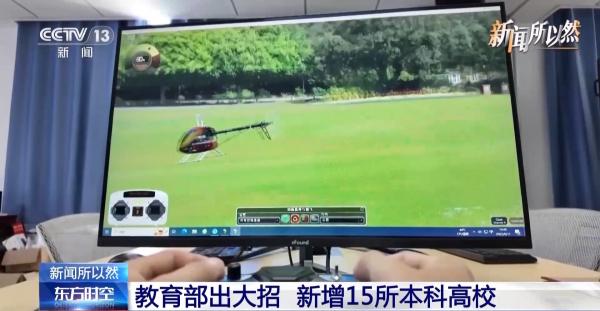
邦德学院:跨境电商赛事聚英才,产教融合育新质
Sou Hu Cai Jing· 2026-01-08 13:42
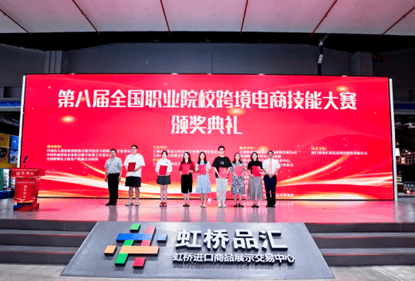
Core Insights - The 8th National Vocational Colleges Cross-Border E-Commerce Skills Competition was held in Shanghai, attracting 6,424 students from 202 schools across 29 provinces and cities [1] - The competition aimed to enhance practical skills in cross-border e-commerce, with 3,820 participants reaching the finals after initial selections [1] - The event was supported by various industry associations and institutions, ensuring professionalism and fairness in the competition [1] Group 1 - Shanghai Bond Vocational and Technical College has been organizing the competition for eight consecutive years, focusing on integrating education with industry needs [2] - The competition serves as a platform for students to showcase their skills and connect theoretical knowledge with practical applications through real business scenarios [2] - The event has seen participation from over 15,000 individuals, highlighting the growing interest and talent in the field of cross-border e-commerce [2] Group 2 - The chairman of Shanghai Bond emphasized the importance of vocational skills competitions in enhancing educational quality and promoting professional development [4] - The competition has gained recognition for its contribution to improving the quality of cross-border e-commerce education and has established a significant brand effect [4] - The competition's innovative format aligns closely with industry demands, incorporating modules on cross-border live streaming and digital marketing [5] Group 3 - Shanghai Bond is set to acquire land in Qingpu District to build a new campus, which will facilitate collaboration with Huawei Group for talent development [5] - The new campus will focus on integrating advanced technology resources and establishing a cloud computing application center, enhancing the training of skilled professionals [5] - This strategic move aims to align educational offerings with industry needs, supporting the digital economy's growth in the Yangtze River Delta region [5]
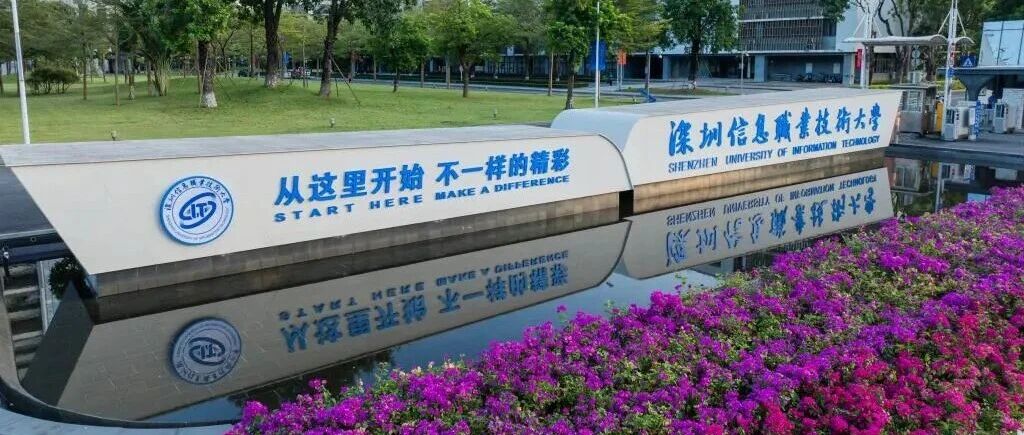
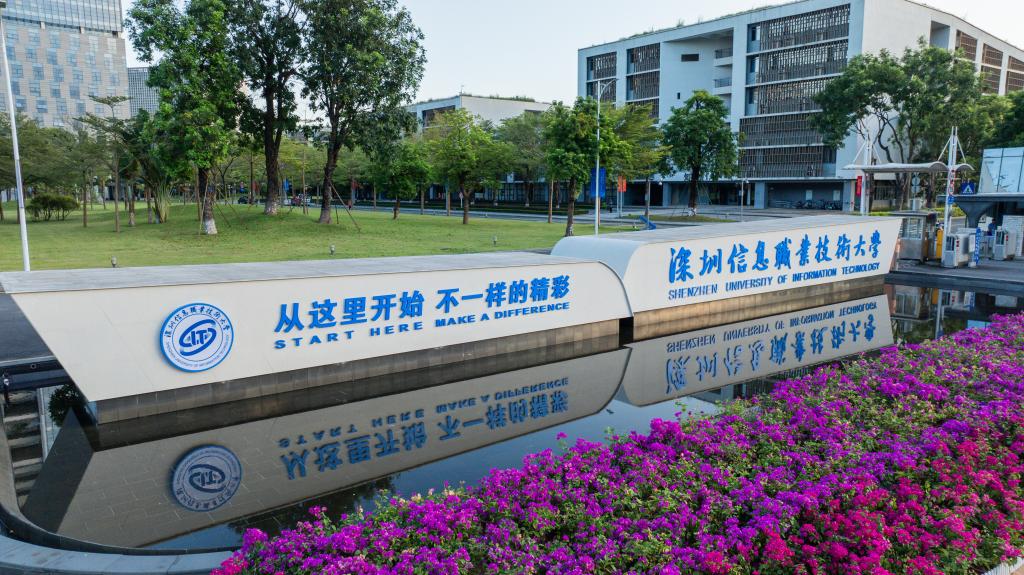
深圳再添一所职业本科,投档线超本科线百分
21世纪经济报道· 2026-01-08 12:12
Core Viewpoint - The establishment of Shenzhen Information Vocational University marks a new phase in vocational undergraduate education in Shenzhen, reflecting strong societal recognition of the "Shenzhen Path" in vocational education and its integration with regional industries [1][4][5]. Group 1: Establishment and Development of Vocational Universities - Shenzhen Information Vocational University was officially established on January 8, 2023, following the approval from the Ministry of Education in June 2022, transitioning from Shenzhen Information Vocational College [1][4]. - The university offers five undergraduate programs: Software Engineering Technology, Modern Communication Engineering, Integrated Circuit Engineering Technology, Intelligent Manufacturing Engineering Technology, and Embedded Technology, with admission scores ranging from 566 to 600 [1][4]. - Shenzhen Vocational University, which also transitioned to a vocational university, plans to expand its undergraduate programs from 6 to 26 by 2025, with an admission capacity of 1,268 students [5][6]. Group 2: Industry Collaboration and Educational Integration - Both universities are actively engaging in industry collaboration, signing agreements with major companies like Tencent, Huawei, and DJI to enhance educational integration and practical training [5][6]. - Shenzhen Information Vocational University has established four higher engineering colleges and 16 industry-specific colleges in collaboration with leading enterprises, emphasizing a strong focus on information technology [4][5]. - The vocational universities are recognized for their effective integration of education and industry, with a focus on producing skilled talent that meets the demands of the modern industrial landscape [6][10]. Group 3: Trends in Vocational Education - The rise of vocational undergraduate education is part of a broader trend to elevate the status of vocational education in China, aiming to create a seamless educational pathway from secondary vocational to higher vocational and undergraduate levels [8][9]. - By 2025, the enrollment scale of vocational undergraduate education is expected to reach at least 10% of the higher vocational education enrollment, translating to approximately 500,000 students annually [8][9]. - The demand for skilled engineers is increasing as China's industrial system evolves towards higher-end and intelligent manufacturing, necessitating a new generation of innovative and versatile technical talent [9][10].
陕西国防职院:校企协同育“工匠” 产教融合强赋能
Xin Lang Cai Jing· 2026-01-08 11:36
Core Viewpoint - The article highlights the successful integration of education and industry at Shaanxi National Defense Industrial Vocational Technical College, showcasing the development of a talent cultivation system that meets the needs of high-end manufacturing sectors, particularly in defense technology and equipment manufacturing [3][6][17]. Group 1: Educational Initiatives - The college has established over 40 specialized classes, including order classes and craftsman classes, training more than 2,000 high-quality technical talents in the past three years [6][14]. - The "Talent Class" adopts a selective, small-class, project-based training model, aligning educational content with real tasks from enterprises, allowing students to transition into "quasi-professionals" [4][12]. - The college collaborates with over 30 key enterprises to create seven specialized industry colleges, forming a distinctive layout of "one professional group, one industry college" [3][14]. Group 2: Industry Collaboration - The college has completed over 450 technical projects for regional enterprises and trained more than 6,000 employees, demonstrating a successful model of school-enterprise cooperation [7][15]. - A management committee has been established jointly by the college and enterprises, with enterprise technical leaders participating in professional planning and course development [6][14]. - The college has received over 20 million yuan in advanced equipment investments from enterprises, enhancing the practical training environment [6][14]. Group 3: Future Development - The college is actively expanding its "multi-dimensional integration" platform to improve talent cultivation quality, including partnerships with companies like BYD for specialized training programs [8][16]. - Since the 14th Five-Year Plan, Shaanxi Province has secured 1.24 billion yuan in central budget investments to support the construction of 18 industry-education integration training bases [9][17]. - The college aims to continue deepening school-enterprise cooperation and integrating education with industry needs, contributing to the high-quality development of China's manufacturing sector [17].
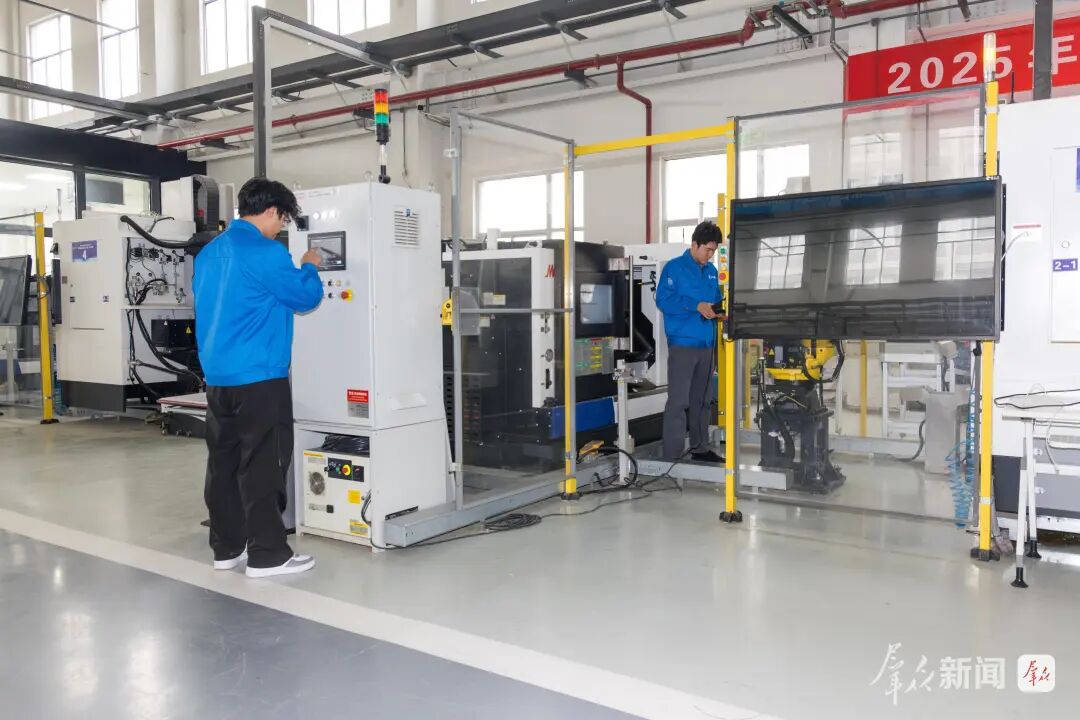
投档线超本科线百分 职业本科何以成升学新贵
2 1 Shi Ji Jing Ji Bao Dao· 2026-01-08 10:47
Core Viewpoint - The establishment of Shenzhen Information Vocational University marks a significant step in the development of vocational undergraduate education in Shenzhen, reflecting a growing recognition of the "Shenzhen model" for integrating education with industry [2][4][5] Group 1: Establishment and Development of Vocational Universities - Shenzhen Information Vocational University was officially established on January 8, 2023, transitioning from Shenzhen Information Vocational College, which was founded in April 2002 [4][5] - The university has launched five undergraduate programs, including Software Engineering Technology and Modern Communication Engineering, achieving a successful first admission with scores exceeding the control line by 32 points and the undergraduate line by 130 points [2][4] - Shenzhen Vocational University has also expanded its undergraduate offerings, planning to increase its programs to 26 by 2025, with a total enrollment of 1,268 students [5][6] Group 2: Industry Collaboration and Educational Integration - Both universities are actively engaging in industry partnerships, with Shenzhen Information Vocational University signing cooperation agreements with major companies like Tencent and Huawei to enhance practical training and curriculum relevance [5][6] - The integration of education and industry is emphasized, with Shenzhen Vocational University collaborating with leading firms to create specialized industry colleges and engineering institutes [4][6] - The educational model aims to produce skilled talent that meets the demands of high-tech industries, with a focus on cultivating innovative and adaptable professionals [14] Group 3: National Context and Future Trends - The rise of vocational undergraduate education aligns with national policies aimed at enhancing the status of vocational training and addressing the demand for skilled labor in a modernizing economy [11][12] - By 2025, vocational undergraduate enrollment is expected to reach at least 500,000 students annually, reflecting a significant shift in educational focus [11][12] - The demand for engineers and skilled professionals is increasing, particularly in Shenzhen, which has been recognized as a hub for advanced manufacturing and technology [13][14]
课题从国家需求中来 成果到产业应用中去
Shan Xi Ri Bao· 2026-01-07 23:22
2025年12月31日,西安电子科技大学南校区会议中心气氛热烈。学校信息交叉学部、网络安全与密 码学部、语言智能学部揭牌成立,集成电路学部迎来优化升级。这是西安电子科技大学围绕国家战略发 展需求和科技产业变革形势,以制度创新面向未来"大信息+"学科发展的新举措。 近年来,陕西高校在推进教育科技人才一体发展方面不断探索创新,通过"未来技术学院"、"卓越 工程师学院"、学部制改革等加快学科交叉融合发展,促进在重大科研攻关中培养人才,产出更多一流 成果。 建平台 打造交叉创新高地 西安电子科技大学新一轮学部制改革聚焦学部、学科、学院一体化建设,打造集学科特区、人才特 区、科研特区、项目特区于一体的创新集聚平台,全力打造复合型拔尖创新人才培养中心与学科交叉创 新高地。 "学科交叉融合是驱动科技创新发展、催生重大原创成果的核心引擎。"西安电子科技大学党委书记 任小龙表示,此次学部制改革是应对学校科技革命和产业变革形势、加快学科交叉融合的现实之需,是 学校在推进"双一流"建设、服务国家战略需求方面的重要举措。 近年来,西安电子科技大学围绕国家需求强化有组织科研,在一体抓好学校6个全国重点实验室高 质量发展的同时,2025 ...
砀山县:强基赋能书写教育提质新答卷
Xin Lang Cai Jing· 2026-01-07 17:12
Group 1 - The core viewpoint is that the education sector in Dazhang County has shown a positive trend in quality and efficiency since 2025, driven by initiatives that address public needs and enhance educational quality [1] - A total of 43,764 students across various educational stages received financial assistance in 2025, ensuring that economically disadvantaged families have access to education [1] - The county has implemented a "Safe Nursery Action," with 41.22% of kindergartens offering classes for 2-3 year-olds to alleviate the difficulty of enrollment [1] - An investment of 1.5 million yuan was made to implement the "Classroom Light Environment Standard Project," exceeding the target by completing 366 renovations [1] - The "Sunshine Sports Action" was executed, ensuring students have 2 hours of physical activity each day [1] - The "Learning for the Elderly Action" saw an increase of 11,000 elderly learners, with a total of 56,600 elderly individuals participating in educational activities, enriching their cultural lives [1] Group 2 - The implementation of a quality resource expansion project and the promotion of the "Strong School+" model are underway [2] - Several primary and secondary schools are collaborating to establish two expansion bases, promoting resource sharing and balanced development through the creation of new quality schools [2] - In high school education, four specialty project schools are being developed, with curriculum reforms and the creation of 20 school-based courses [2] - An investment of 11.981 million yuan was allocated to improve the conditions of three high schools, covering an area of 39,000 square meters to enhance educational quality [2] - The integration of industry and education has been deepened, with the addition of two internal and external training bases to provide students with practical training opportunities [2]
全球迎减招停招文科博士潮
21世纪经济报道· 2026-01-07 11:15
作者丨王峰 编辑丨陈洁 博士生培养是高等教育的"高精尖"部分,一场全球博士生培养变革正在加速推进。 麦可思研究院近日发布《中国—世界高等教育趋势报告(2026)》(下称《报告》),这是麦 可思连续第四年发布高等教育趋势报告。 《报告》指出,过去数十年间,全球博士生培养规模持续扩张,其中新兴经济体的博士群体更 是呈现爆发式增长态势。 一方面,学术界与产业界的吸纳空间趋于饱和,直接导致博士人才 供需失衡;另一方面,传统博士培养偏重学术理论型模式,与产业界强调的问题导向的工程思 维型模式脱节。 《报告》因此认为,全球博士培养变革已迫在眉睫。 值得注意的是,中国的博士生培养与发达国家相比有明显差异,一方面中国的博士学历人口占 比远远落后于主要发达国家,博士生培养仍需加力;另一方面中国的工程博士培养试点正给全 球教育评价改革贡献经验。 全球减招文科博士潮 根据经济合作与发展组织(OECD)数据,其38个成员国的博士或同等学力水平毕业生数量在 2013—2021年间整体呈现增长趋势。特别是在一些新兴经济体,增长更为迅猛。 比如在墨西哥,博士或同等学力水平毕业生人数从2013年的5013人快速增长至2021年的14587 ...