
加密资产

Search documents
美国银行业监管机构发布蓝皮书,贷款机构涉足加密资产更加灵活
Hua Er Jie Jian Wen· 2025-07-14 21:16
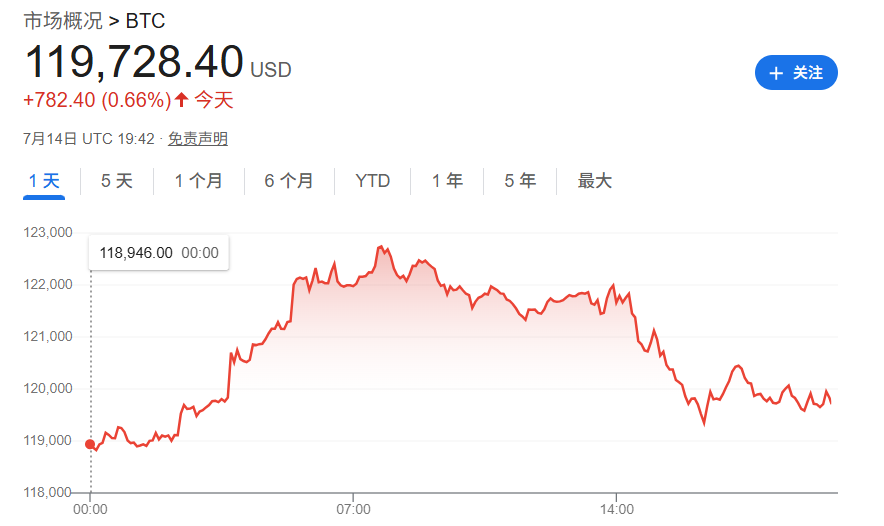
Group 1 - The U.S. banking regulators have released a blueprint for loan institutions holding cryptocurrencies, providing a new roadmap for traditional banks to enter the crypto asset space [1] - The Federal Reserve, FDIC, and OCC jointly issued guidelines for banks to offer cryptocurrency custody services without violating regulations, marking a significant shift in regulatory stance since the "Trump 2.0 era" [1] - The new guidelines come after the withdrawal of previous risk guidelines related to the crypto industry, allowing banks' crypto activities to be supervised under regular regulatory processes, interpreted as a signal of regulatory "relaxation" [1] Group 2 - Market sentiment has been boosted by the upcoming "Crypto Week" in Congress, where three key bills will be reviewed, leading to a surge in Bitcoin prices, which briefly surpassed $123,000 [2] - The dual benefits of regulatory and legislative developments are reshaping market expectations for the crypto asset ecosystem, with participants believing that clearer rules will bring long-term stability [5] - Analysts warn that the current price surge is heavily reliant on policy outlooks, and any legislative setbacks could trigger significant market corrections [5]

比特币疯牛狂奔!创历史新高!全球超10万人爆仓!
Sou Hu Cai Jing· 2025-07-13 04:37
Core Insights - Bitcoin price surged to a historic high of $112,000, leading to a temporary market euphoria, but resulted in significant losses for investors, with over 108,800 liquidations totaling $541 million within 24 hours [1][2] Group 1: Market Dynamics - The recent Bitcoin bull market was driven by institutional investments, with over $50 billion flowing into Bitcoin-related products since the approval of Bitcoin spot ETFs in the U.S. [3] - The largest single liquidation occurred on the HTX exchange, amounting to $51.56 million, primarily affecting short sellers who bet against Bitcoin's rise [2] - Ethereum and Solana also experienced significant price increases of 6.52% and 4.24% respectively, alongside Bitcoin's surge [2] Group 2: Economic Factors - The Federal Reserve's dovish signals regarding interest rate cuts have increased liquidity expectations, providing a boost to risk assets like Bitcoin [4] - The tech stock surge, particularly with Nvidia's market cap surpassing $4 trillion, has led investors to view Bitcoin as a beneficiary of the growing data processing demand [4] - Regulatory advancements, such as the upcoming "Genius Act" for stablecoins, are expected to provide a more secure framework for cryptocurrency investments [4] Group 3: Investment Behavior - Institutional investors are increasingly viewing Bitcoin as a dual asset class, combining characteristics of "digital gold" and "tech growth stocks," which has led to a structural shift in purchasing behavior [3] - The volatility of Bitcoin is heightened by its correlation with tech stocks, as evidenced by significant price drops during geopolitical tensions [6] - Over 80% of liquidation losses stem from contract trading, particularly high-leverage trades, indicating the risks associated with such strategies in volatile markets [6]

全球另类投资热度不减 比特币价格再创新高
Zhong Guo Jing Ying Bao· 2025-07-12 09:54
Core Viewpoint - Bitcoin's price has surged to a new historical high of $118,804.6, reflecting a significant increase in market interest and investment in cryptocurrencies, driven by various macroeconomic factors and institutional participation [1][2]. Group 1: Market Performance - Bitcoin's price increased by over 6.83% in a single day, reaching $118,804.6, and has shown a cumulative rise of over 20% since the beginning of 2025 [1]. - As of July 12, 2025, Bitcoin's price was $117,293.96, indicating a slight correction after the peak [1]. Group 2: Macroeconomic Influences - The rise in Bitcoin's price is attributed to changes in the global macroeconomic environment, including increased political uncertainty and concerns over traditional assets [2]. - The digital currency sector has become a significant source of funding in the 2024 U.S. presidential election, with contributions from the cryptocurrency industry nearing 43% of corporate donations [2]. Group 3: Institutional Investment - Institutional investors have significantly increased their participation in Bitcoin, with over $50 billion flowing into Bitcoin ETFs since the approval of the first U.S. spot Bitcoin ETF in early 2024 [4][5]. - More than 260 companies and institutions globally hold Bitcoin, with a total holding of nearly 3.5 million BTC, indicating a broad acceptance of Bitcoin as an investment asset [4]. Group 4: Regulatory Developments - The introduction of the GENIUS Act is expected to provide a clearer regulatory framework for the cryptocurrency market in the U.S., enhancing market confidence [3][6]. - Ongoing global regulatory policies, such as MiCA and licensing systems in Hong Kong, may further solidify Bitcoin's status as a digital reserve asset [6]. Group 5: Investment Risks - The cryptocurrency market is highly influenced by market sentiment and can experience significant volatility, necessitating caution among investors [6][7]. - Investors are advised to be aware of the differences in risk attributes and management between Bitcoin and traditional financial products, emphasizing the need for thorough understanding before investing [7].
屡刷历史新高!比特币逼近12万美元,“加密政策周”即将来临
Hua Xia Shi Bao· 2025-07-11 10:19
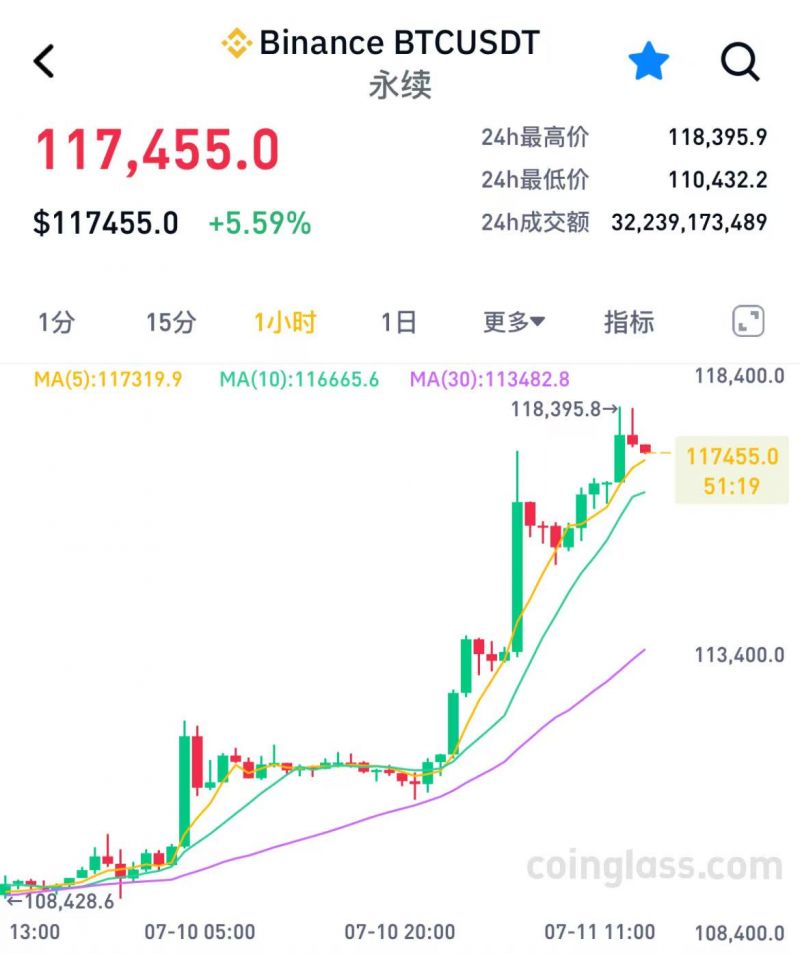
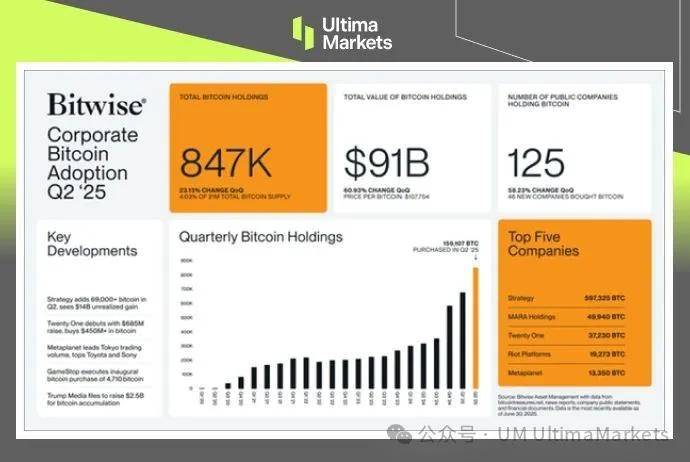
Core Viewpoint - Bitcoin prices have reached new historical highs, with significant increases in the cryptocurrency market, driven by institutional investments and favorable regulatory expectations [2][4][9]. Market Performance - Bitcoin price surpassed $117,455, with a daily increase of 5.59% and a year-to-date increase of approximately 20% [2]. - The total market capitalization of cryptocurrencies reached $3.7 trillion, with Bitcoin holding a market share of 62.5% [2]. - Ethereum also saw a price increase, surpassing $3,000 with a daily rise of about 7% [4]. Institutional Investment - Institutional investments have been a key driver of the recent price surge, with significant inflows into Bitcoin and Ethereum ETFs [4]. - As of July 10, the net inflow into Bitcoin ETFs reached $1.176 billion, marking six consecutive days of inflows, while Ethereum ETFs saw $383 million in inflows over five days [4]. - A report indicated that 125 publicly traded companies hold a total of 847,000 Bitcoins, representing 4.03% of the total supply, with a quarterly increase of 60.93% [5]. Regulatory Environment - Upcoming legislation in the U.S. is expected to provide a more favorable regulatory framework for cryptocurrencies, which may further support Bitcoin prices [7]. - The anticipation of the "GENIUS Act" and the "CLARITY Act" is contributing to positive market sentiment [7]. Market Sentiment and Risks - The market sentiment is currently characterized by "greed," with a fear and greed index reading of 71 [2]. - Despite the positive outlook, there are warnings about the inherent volatility of cryptocurrencies and the need for investors to remain cautious [3][5]. - The correlation between Bitcoin prices and the performance of tech stocks suggests that macroeconomic factors will play a significant role in Bitcoin's future price movements [6][8]. Future Projections - Analysts predict that Bitcoin could reach $135,000 in Q3 and potentially $200,000 by the end of 2025, driven by increased demand and limited supply [9]. - The ongoing influx of institutional capital is expected to significantly influence Bitcoin's price trajectory [9].
政策支持推动加密市场,比特币突破116,000美元新高
Sou Hu Cai Jing· 2025-07-11 09:27
Group 1 - Bitcoin surged to a historic high, surpassing $116,000, while Ethereum broke above $2,900, driven by improved global risk sentiment and accelerated institutional inflows into the crypto market [1] - The rebound in the cryptocurrency market is significantly supported by the Trump administration's public backing of digital assets, including plans to establish a strategic Bitcoin reserve to enhance the U.S.'s long-term competitiveness in decentralized finance [2] - The total market capitalization of cryptocurrencies has approached $3.45 trillion, with 97 out of the top 100 cryptocurrencies experiencing price increases [4] Group 2 - The upcoming U.S. Senate review of new digital asset legislation could profoundly impact the regulatory environment, focusing on crypto tax guidelines, custody rules, and the structure of spot Bitcoin ETFs, potentially opening greater space for institutional investment [5] - Bitcoin's price movements remain highly correlated with major U.S. stock indices, with a correlation coefficient of approximately 0.87, indicating that macroeconomic factors will continue to significantly influence the performance of the crypto market [5] - From a technical perspective, Bitcoin has broken through its previous historical high of $112,000, confirming bullish momentum and paving the way for a potential rise towards the psychological level of $125,000 [7][9] Group 3 - Ethereum is also showing strong upward momentum, currently trading above $2,800, which was a key resistance level, and if it maintains this level, it is expected to rise further in the short term [12] - The technical outlook for both Bitcoin and Ethereum remains broadly positive, supported by growing institutional demand and a favorable risk environment [12]
比特币盘中升破116000美元大关
第一财经· 2025-07-11 03:26
Core Viewpoint - The recent surge in Bitcoin prices, reaching a historical high of $116,488.83, is attributed to U.S. policy support and institutional buying, with a year-to-date increase of over 20% [1]. Group 1: U.S. Policy and Institutional Involvement - The establishment of a "National Strategic Cryptocurrency Reserve" by the U.S. government marks the first official introduction of a digital asset strategy [1]. - Key appointments of cryptocurrency supporters to critical positions, including SEC Commissioner Paul Atkins and Technology Advisory Committee Chair David Sacks, indicate a favorable regulatory environment [1]. - The Trump Media & Technology Group plans to launch a cryptocurrency ETF named "Truth Social Crypto Blue Chip ETF," which will invest in various digital assets including Bitcoin and Ethereum [1]. Group 2: Institutional Investment Trends - Since the approval of the first spot Bitcoin ETFs in January 2024, over $50 billion has flowed into related products, with net inflows exceeding $1.2 billion in the first two weeks of July 2025 [2]. - The BlackRock IBIT fund has seen its assets under management grow to $76 billion, doubling since the beginning of the year [2]. Group 3: Market Sentiment and Economic Factors - Analysts caution about the high volatility of Bitcoin prices and their strong correlation with stock market performance, particularly during market downturns [2]. - The outcome of trade negotiations set for August 1 may influence market sentiment and Bitcoin's ability to maintain high prices [2][3]. - The dovish signals from the Federal Reserve regarding potential interest rate cuts have enhanced market risk appetite, indirectly benefiting high-volatility assets like Bitcoin [3]. - A weakening U.S. dollar has also positively impacted Bitcoin, as it is priced in dollars [3]. Group 4: Broader Market Context - The U.S. stock market has also seen gains, with both the S&P 500 and Nasdaq indices reaching new closing highs [4].

全球加密资产监管实践及潜在影响
Sou Hu Cai Jing· 2025-07-11 02:36
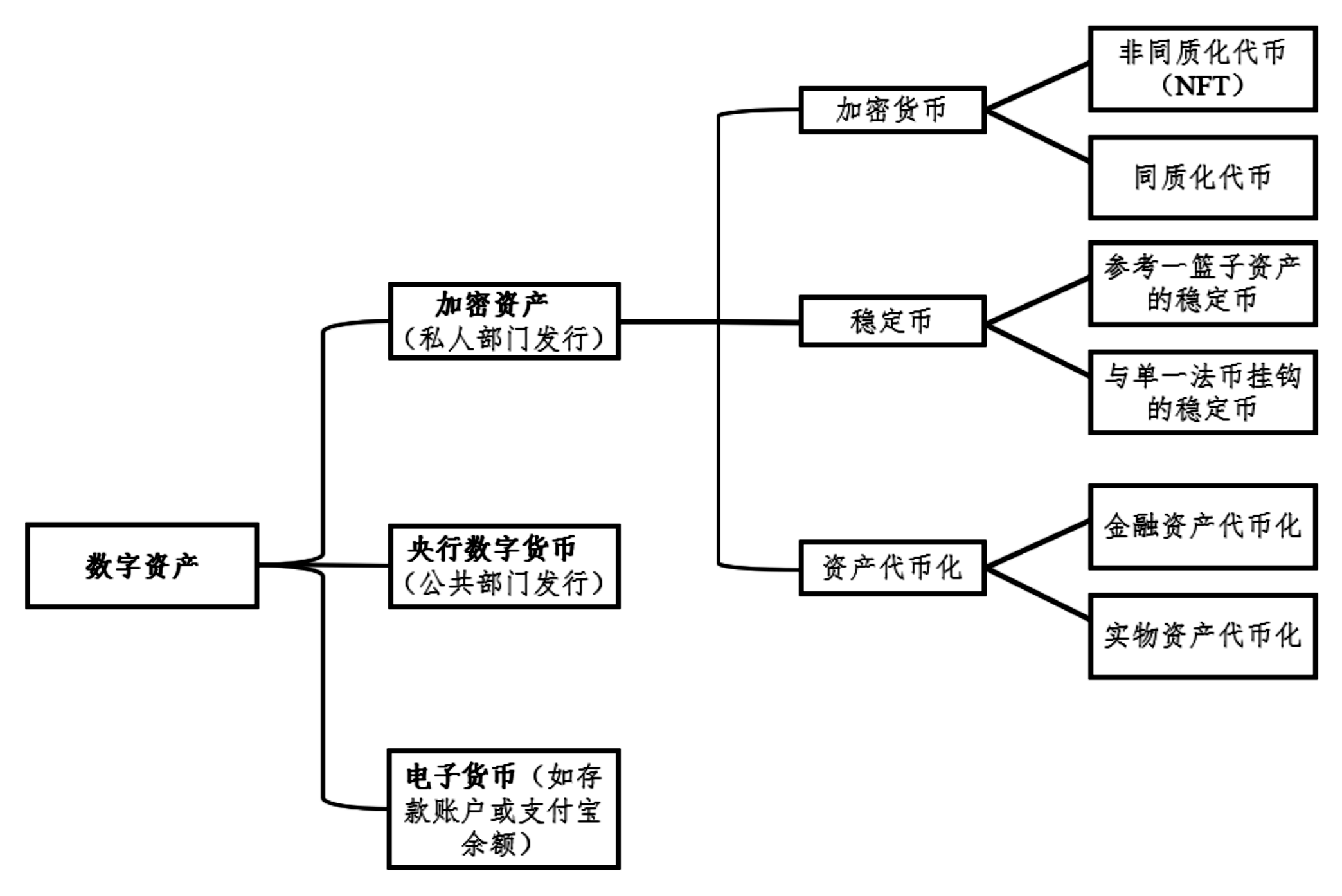
Core Viewpoint - The article discusses the evolving regulatory landscape for cryptocurrency assets globally, highlighting a trend towards more lenient regulations, particularly in the United States under Trump's administration, which is expected to influence other economies [1][18][22]. Group 1: Definition and Classification of Cryptocurrency Assets - There is no unified definition of cryptocurrency assets globally; terms like "cryptocurrency," "crypto assets," "virtual assets," and "digital assets" are often used interchangeably. The Financial Stability Board (FSB) defines crypto assets as private sector digital assets primarily relying on cryptography and distributed ledger technology (DLT) [2][6]. - Cryptocurrency assets are categorized into three main types: cryptocurrencies (e.g., Bitcoin, Ethereum), stablecoins (which have value stabilization mechanisms), and asset tokenization (where off-chain assets are represented on the blockchain) [5][6]. Group 2: Regulatory Positions of Major Economies - Regulatory stances on cryptocurrency assets can be classified into three categories: prohibition (e.g., China, Bangladesh), open attitude with minimal regulation (e.g., Switzerland, UAE), and regulated environments (e.g., the US, EU, Japan, UK) [7][8]. - The US lacks a unified federal regulatory framework, with 32 states being friendly towards crypto assets and 18 states imposing strict regulations. The EU's MiCA regulation, effective from June 30, 2023, is the most comprehensive framework to date [8][9]. Group 3: Specific Regulatory Developments - The US is moving towards a more supportive regulatory framework for cryptocurrency assets, with Trump signing an executive order to establish a digital asset market working group and develop a federal regulatory framework within 180 days [11][12]. - The EU's MiCA requires crypto asset issuers to disclose project information, maintain sufficient reserve assets, and meet minimum capital requirements, while also mandating licensing for service providers [12][13]. - Japan is considering easing tax requirements on crypto assets and aligning them with existing financial product regulations, while the UK plans to introduce a comprehensive regulatory framework by 2026 [14]. Group 4: International Regulatory Standards - International standard-setting bodies are working to create global regulatory benchmarks to avoid fragmentation and regulatory gaps in cryptocurrency asset oversight. The FSB has issued high-level recommendations for regulating crypto assets and global stablecoins [15][17]. Group 5: Dynamic Regulatory Landscape - The global regulatory environment for cryptocurrency assets is shifting towards leniency, influenced by the US government's supportive stance, which may encourage other countries to follow suit. This trend is evident as countries like Russia and several Middle Eastern nations are relaxing their regulations [18][21][23].
美参议院批准乔纳森·古尔德担任货币监理署署长
news flash· 2025-07-10 21:20
Core Viewpoint - The U.S. Senate confirmed Jonathan Gould as the head of the Office of the Comptroller of the Currency, indicating a shift towards less regulatory oversight for national lending institutions and support for cryptocurrency assets [1] Summary by Relevant Sections - **Senate Confirmation** - The Senate approved Gould's position with a vote of 50 in favor and 45 against [1] - **Regulatory Philosophy** - Gould has expressed that since 2008, banking regulators have sometimes aimed to eliminate risks rather than manage them, which has hindered banks' ability to perform their functions [1] - **Policy Changes** - Earlier this year, the Office of the Comptroller of the Currency announced it would no longer review the risks associated with banks conducting business with controversial clients [1]
全球经济治理新范式|新刊亮相
清华金融评论· 2025-07-08 10:00
Core Viewpoint - The global economic governance paradigm is undergoing profound evolution, characterized by the shift from a single power structure to a more collaborative and shared governance model, emphasizing multilateral participation and institutional restructuring [6][10]. Group 1: Global Economic Governance Changes - The current global economic governance is influenced by geopolitical conflicts, rising protectionism, and the acceleration of digital and green transformations, leading to a weakening of global growth momentum [6][12]. - The restructuring of financial order is a significant manifestation of adjustments in global governance, highlighting the need for a diversified sovereign currency coexistence and orderly competition [7][12]. - The role of the International Monetary Fund (IMF) and Special Drawing Rights (SDR) is evolving from crisis response to regular operation, enhancing their integration into trade, financing, and reserve systems [7][21]. Group 2: China's Role in Global Governance - China is transitioning from a rule-taker to a rule-maker in global economic governance, promoting high-level opening-up and aligning with international high-standard trade rules [8][12]. - The country is developing a comprehensive policy framework around digital payments, green finance, and data regulation, aiming to create replicable international governance solutions [8][12]. - China's commitment to multilateralism and shared development is evident in its efforts to enhance institutional compatibility and participation depth within the global governance system [7][8]. Group 3: Future Governance Paradigms - The future of global economic governance remains undefined, with key variables including the restructuring of multilateral mechanisms, the rule-based advancement of technological governance, and the diversification of the international monetary system [8][10]. - Balancing national sovereignty with global cooperation, efficiency with fairness, and risk prevention with innovation will be crucial for the effectiveness and sustainability of future governance frameworks [8][12].

稳定币引发全球金融主导权博弈
Guo Ji Jin Rong Bao· 2025-07-04 07:31
Core Insights - The implementation of the "Stablecoin Regulation Draft" in Hong Kong and the passage of the "Genius Act" in the U.S. Senate signify a growing global focus on stablecoin policies, potentially leading to more countries adopting similar innovations [1][15][16] - Stablecoins are emerging as a significant force in the digital currency landscape, with their unique attributes allowing for stability and efficiency in transactions compared to traditional fiat currencies [3][4][5] Regulatory Developments - Hong Kong's stablecoin regulation will take effect on August 1, while the U.S. "Genius Act" is awaiting a vote in the House of Representatives before being signed by President Trump [1] - The European Union and other regions are also working on stablecoin regulations, aiming to redefine the digital financial order [15][16] Market Growth - The stablecoin market has experienced explosive growth, with total market capitalization rising from $20 billion five years ago to $260 billion currently, and projections suggest it could reach $400 billion by the end of 2025 [6] - Over 95% of stablecoins are currently dollar-pegged, highlighting the dominance of U.S. dollar stablecoins in the market [5][17] Technological Advantages - Stablecoins leverage blockchain technology, providing decentralized features that enhance transaction speed and reduce costs, with cross-border payments being completed in minutes compared to traditional methods that can take days [4][10] - The unique mechanism of stablecoins allows for flexible supply adjustments based on market demand, distinguishing them from traditional cryptocurrencies like Bitcoin [4][5] Application Scenarios - Stablecoins are increasingly used in various applications, including cross-border trade settlements, daily payments, and decentralized finance (DeFi) innovations, with annual transaction volumes reaching $28 trillion [9][10] - They serve as a crucial bridge between traditional finance and digital assets, facilitating liquidity and risk management in the cryptocurrency market [11][12] Competitive Landscape - Major financial institutions and tech companies are entering the stablecoin space, with firms like JPMorgan, PayPal, and various banks in Brazil and the UAE exploring their own stablecoin offerings [13] - The competition is intensifying as traditional and new financial players seek to capitalize on the growing demand for stablecoins [13] Global Financial Dynamics - The U.S. aims to maintain its dominance in the global currency system through the promotion of dollar stablecoins, which are expected to play a critical role in international trade and payments [16][18] - China's initiatives, including the issuance of a digital yuan and stablecoin regulations, indicate a strategic move to enhance the internationalization of the renminbi [18][19]