机器人技术

Search documents
踝关节康复革命!仿生绳索机器人如何精准复刻人体螺旋密码?
机器人大讲堂· 2026-01-02 10:05
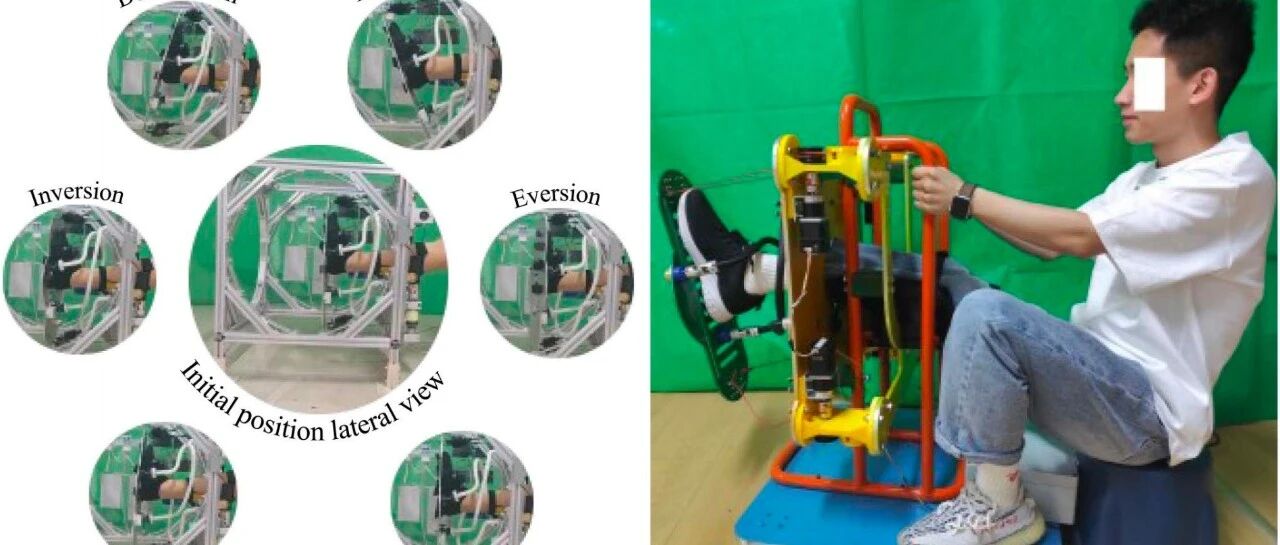
当机器人读懂踝关节的运动密码,康复训练不再是一场生硬的拉扯。 踝关节受伤有多麻烦,运动爱好者最有发言权。 一次崴脚后,漫长的恢复期、疼痛的拉伸训练、理疗师短缺且成本高昂 ……即便投入大量时间金钱,康复后 依然容易再受伤。据统计,约 40% 的踝关节损伤患者会遗留功能障碍。 近年来,踝关节康复机器人被寄予厚望。可市面上的大多数机器人像个刚硬的铁架子,用电机硬推脚踝做固定 轨迹运动,常带来不适甚至二次伤害。 这背后的根本矛盾在于: 大多数机器人将踝关节简化为一个 " 球铰 " 或 " 万向节 " ,而真实的人体踝关节运 动远比这复杂 。 近日,河北工业大学团队在 权威期刊 《 IEEE TBME 》 上发表了一项突破性研究,他们开发了一款像肌肉 一样灵活、能学习踝关节真实运动方式的绳索驱动机器人。 研究团队融合了螺旋理论、运动捕捉与并联机构设计,首次系统揭示并模拟了踝关节的瞬时有限螺旋运动,让 机器人不再是强行掰脚,而是引导运动。 ▍ 破解密码: 踝关节的运动,不是 "转 " 而是 "旋" 要设计出真正贴合人体的康复机器人,首先必须精确理解踝关节究竟如何运动。 你或许以为踝关节就像门轴 一样转动,实则不然。 研究 ...

马斯克为自动驾驶欢呼雀跃,特斯拉销量前景却愈发黯淡
Xin Lang Cai Jing· 2026-01-02 09:10
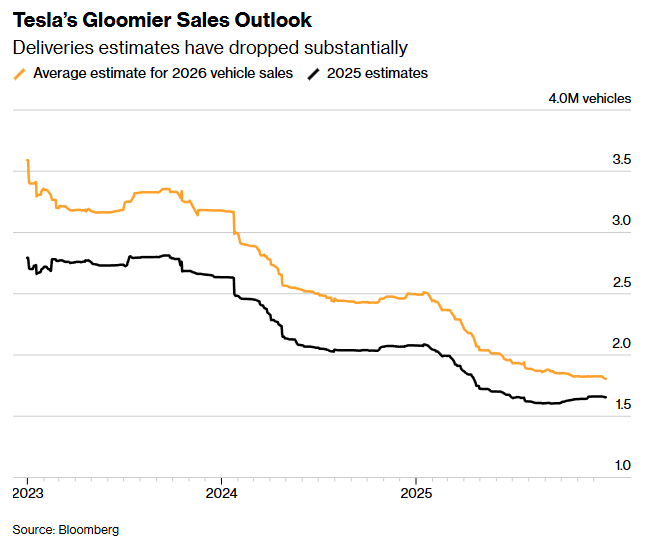
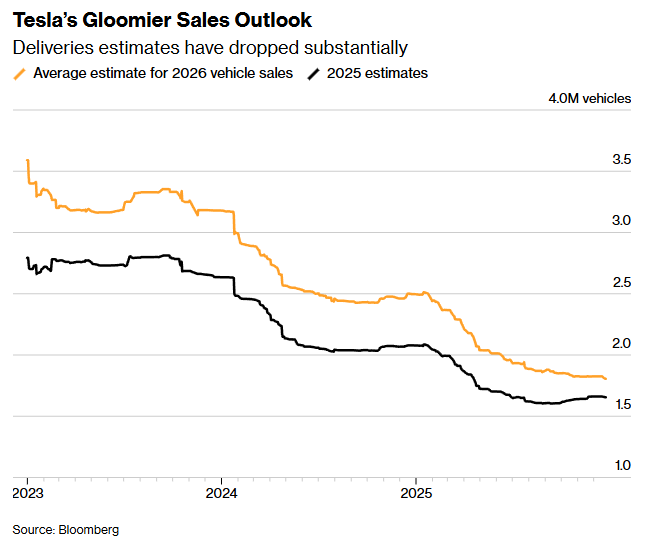
Core Viewpoint - Tesla's strong momentum at the end of last year is overshadowed by challenges in converting investor enthusiasm into actual vehicle sales, despite a significant rise in stock price driven by Elon Musk's optimistic vision for autonomous vehicles [1][7]. Group 1: Sales Performance - Tesla is expected to report fourth-quarter deliveries of approximately 440,900 vehicles, reflecting an 11% year-over-year decline, with internal forecasts suggesting a more pessimistic 15% drop [1][7]. - Analysts have drastically reduced their expectations for Tesla's 2026 delivery numbers from over 3 million vehicles two years ago to around 1.8 million vehicles [1][7]. - The company is facing a likely year-over-year decline in vehicle sales for the second consecutive year, with challenges anticipated in 2026 due to the termination of federal tax credits for electric vehicle purchases [6][13]. Group 2: Investor Sentiment - Investors are increasingly focused on Tesla's long-term growth prospects rather than short-term performance, although concerns about financial challenges are growing [1][7]. - The stock price saw a significant rebound after Musk shifted focus back to core objectives, including the development of a fully autonomous ride-hailing service [3][10]. Group 3: Consumer Concerns - Despite investor excitement about Tesla's robotaxi prospects, consumer interest remains cautious, particularly regarding the fully autonomous driving system (FSD), which still requires human oversight [5][12]. - Tesla faces stiff competition in the Chinese electric vehicle market, where local companies like BYD and Xiaomi are gaining market share with similar features as standard offerings [5][12]. Group 4: Future Challenges - The end of federal support for electric vehicle purchases may lead to several difficult quarters for Tesla, as warned by Musk [6][13]. - The company is also navigating regulatory scrutiny related to its autonomous driving claims, which have led to legal challenges and temporary sales license suspensions in California [5][12]. - Analysts predict that Tesla's electric vehicle business may see flat growth or only a 5% increase in sales next year, emphasizing the need for stability in the automotive segment to meet investor expectations [6][13].

特斯拉Q4交付恐大跌15%,华尔街大幅下调2026年销量预期至180万辆
Hua Er Jie Jian Wen· 2026-01-02 04:17
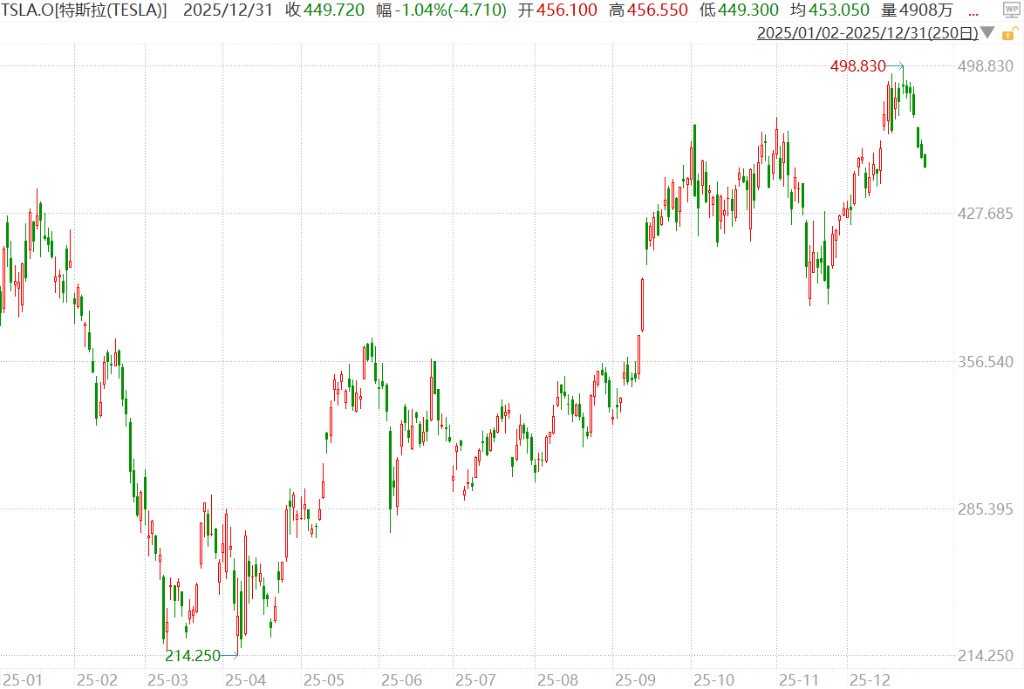
周五特斯拉即将公布第四季度交付量数据。据彭博社数据,预计特斯拉第四季度交付约44.09万辆汽车,同比下降11%,这意味着公司下半年销量 将低于去年同期水平。 华尔街见闻此前提及,特斯拉本周发布了分析师预测汇总,该数据更为悲观,预期特斯拉第四季度交付量为422850辆,同比下降15%。 此外根据彭博汇编的数据,华尔街对特斯拉2026年的交付预期已从超300万辆大幅下调至约180万辆。 尽管该公司股价在2025年下半年大涨,但主要驱动力来自CEO马斯克宣扬的人工智能和机器人技术进展,而非电动车的销售业绩。 分析师指出,投资者目前将焦点放在特斯拉未来5至15年的发展潜力上,而忽视了短期财务表现。但随着美国联邦电动车税收抵免取消、全球市场 竞争加剧以及欧洲监管审批受阻等不利因素显现,这一策略面临考验。 特斯拉在投资者热捧其自动驾驶愿景的同时,正面临实际汽车销量的持续下滑。 此外,特斯拉第三季度交付量远超产量44.745万辆,这种库存消耗也对第四季度销售构成压力。 交付数据将显著走低 特斯拉预计第四季度交付量将显著低于去年同期的49.6万辆和第三季度创纪录的49.7万辆。 特斯拉周一在其网站上罕见发布了分析师预测汇总, ...
马斯克“自动驾驶狂热”难掩销量寒冬,特斯拉2026年面临更严峻考验
Zhi Tong Cai Jing· 2026-01-02 00:17
Core Viewpoint - Tesla's stock surged over 11% by the end of 2025, driven by investor confidence in Elon Musk's vision for autonomous vehicles, despite disappointing sales figures and a projected decline in deliveries [1][4]. Group 1: Sales Performance - Tesla is expected to announce approximately 440,900 vehicle deliveries for Q4, representing an 11% year-over-year decline, with a more pessimistic forecast suggesting a 15% drop [1]. - Analysts have drastically reduced their 2026 delivery forecasts for Tesla from over 3 million vehicles two years ago to around 1.8 million [1]. Group 2: Investor Sentiment - Investors are focused on Tesla's long-term prospects rather than short-term performance, although concerns about financial headwinds are growing [2]. - Despite the challenges, some investors remain optimistic that maintaining stability in the automotive business could satisfy market expectations [10]. Group 3: Market Challenges - Tesla's sales have been impacted by production line upgrades for the Model Y and backlash against Musk's political actions [4]. - The cessation of federal tax credits for electric vehicle purchases in the U.S. is expected to create further challenges for Tesla in 2026 [10]. Group 4: Competition - Competitors like BYD are outpacing Tesla in sales, particularly in China, where Tesla's Full Self-Driving (FSD) system has not gained regulatory approval [6]. - Analysts predict that BYD's electric vehicle sales will surpass Tesla's globally for the fifth consecutive quarter [6].
马斯克“自动驾驶狂热”难掩销量寒冬!特斯拉2026年面临更严峻考验
Zhi Tong Cai Jing· 2026-01-02 00:05
Core Insights - Tesla's stock surged over 11% by the end of 2025, driven by investor confidence in Elon Musk's vision for autonomous vehicles and advancements in AI and robotics [1] - Despite record delivery numbers in Q3, Tesla's overall vehicle sales in the past six months are likely lower than the same period last year, indicating a disconnect between investor sentiment and consumer demand [1][6] - Analysts have significantly downgraded their forecasts for Tesla's vehicle deliveries in 2026, with estimates dropping from over 3 million to around 1.8 million [1][2] Group 1: Sales Performance - Tesla is expected to announce approximately 440,900 vehicle deliveries for Q4, reflecting an 11% year-over-year decline, with some estimates predicting a 15% drop [1] - The company's sales outlook for 2025 has been bleak, with early-year performance hampered by factory upgrades and external political backlash against Musk [4][10] - Analysts predict that Tesla will face further challenges in 2026, particularly after the U.S. ceased federal tax credits for electric vehicle purchases [10] Group 2: Investor Sentiment - Investors are focused on Tesla's long-term vision rather than short-term performance, but concerns about financial headwinds are growing [2] - Musk's efforts to pivot towards a long-term goal of launching a fully autonomous ride-hailing service have helped stabilize stock prices after a significant drop earlier in the year [5] - The introduction of a new compensation plan for Musk, tied to ambitious delivery milestones, has contributed to a rebound in Tesla's stock price [5] Group 3: Competitive Landscape - Tesla's attempts to differentiate itself in the crowded EV market through advanced driver-assistance features have not resonated with consumers as expected, especially in China [6] - Competitors like BYD are outperforming Tesla in sales, with analysts forecasting that BYD will surpass Tesla's global electric vehicle sales for the fifth consecutive quarter [6][9] - The withdrawal of U.S. policy support for electric vehicles may create opportunities for Tesla as other manufacturers scale back their EV investments [10]
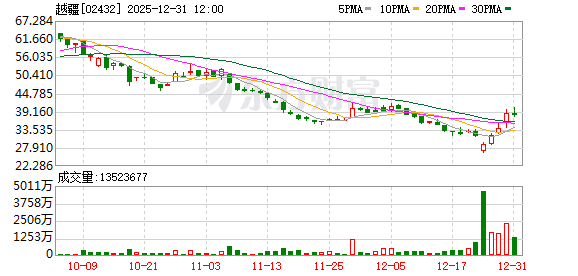
协作机器人越疆拟H回A 会选何种路径?
2 1 Shi Ji Jing Ji Bao Dao· 2025-12-31 10:47
Core Viewpoint - The company YUEJIANG (2432.HK), known as the "first stock of collaborative robots," has completed its IPO counseling filing with the Shenzhen Securities Regulatory Bureau, aiming to enhance its competitiveness and achieve long-term development goals through an A-share listing plan [2][3]. Group 1: Company Overview - YUEJIANG was established on July 30, 2015, with a registered capital of 439.9554 million yuan [3]. - The controlling shareholder is Liu Peichao, who directly holds 21.79% of the company's shares and has control over 25.43% of the voting rights through partnerships [3]. - The company operates in the general equipment manufacturing industry (C34) [3]. Group 2: Financial Performance - In the first half of 2023, YUEJIANG reported a revenue of 153 million yuan, representing a year-on-year increase of 27.08%, while the net loss narrowed by 31.75% to 40.87 million yuan [4]. - For the year 2024, the company expects revenue to reach 374 million yuan, a year-on-year growth of 30.3%, with a net loss of 95.36 million yuan, which is a 7.6% reduction compared to the previous year [5]. Group 3: Business Developments - YUEJIANG has launched several new products, including the industrial-grade humanoid robot Dobot Atom and the consumer-grade robotic dog Rover X1 [6]. - The company has formed strategic partnerships with various firms, including a commitment from Lens Technology to purchase 1,000 humanoid robots by 2025 and a collaboration with Green Source Group to apply 5,000 robotic dogs in smart stores [6]. - YUEJIANG is also exploring innovative applications of robotics in vehicle cleaning and maintenance through a partnership with Cao Cao Mobility [6]. Group 4: Market Position and IPO Plans - YUEJIANG's stock price reached a high of 83.8 HKD per share earlier this year, closing at 37.88 HKD per share on December 31, with a total market capitalization of 16.666 billion HKD [8]. - The company is likely to adopt the third set of standards for the ChiNext board to return to the A-share market, which does not require profitability but mandates a minimum market value of 5 billion yuan and recent annual revenue of at least 300 million yuan [7][9].

马斯克:未来几乎所有价值,都将集中在AI、机器人、太空公司
Sou Hu Cai Jing· 2025-12-31 09:41
马斯克点名,像谷歌这样的公司已为创造巨大价值奠定基础。他表示:"从事人工智能和机器人技术以 及太空飞行的公司将压倒性地获得几乎所有的价值。" 这意味着,这些领域的所产生的经济效能,将使 得其他传统经济部门"相形见绌"。 近日,埃隆·马斯克在接受媒体访谈时指出,绝大多数经济价值将被少数前沿科技公司所主导,尤其是 AI、机器人和太空公司。 ...
润华服务(02455) - 变更全球发售所得款项用途及延长所得款项用途的预期时间表
2025-12-31 09:39
香港交易及結算所有限公司及香港聯合交易所有限公司對本公告的內容概不負 責,對其準確性或完整性亦不發表任何聲明,並明確表示,概不對因本公告全部 或任何部份內容而產生或因倚賴該等內容而引致的任何損失承擔任何責任。 Runhua Living Service Group Holdings Limited 潤華生活服务集團控股有限公司 (於開曼群島註冊成立的有限公司) (股份代號:2455) 變更全球發售所得款項用途 及延長所得款項用途的預期時間表 茲提述(i)潤華生活服务集團 控 股 有 限 公 司(「本公司」,連 同 其 附 屬 公 司 統 稱「本 集 團」)日 期 為2022年12月30日內容有關本公司股份於香港聯合交易所有限公司 上 市(「上 市」)的 招 股 章 程(「招股章程」),當 中 詳 述(其 中 包 括)本 公 司 從 本 公 司 全 球 發 售(「全球發售」)中 獲 得 的 所 得 款 項 淨 額(「所得款項淨額」)擬 定 用 途;及(ii) 本公司截至2025年6月30日 止 六 個 月 的 中 期 報 告(「中期報告」),當 中 已 披 露 截 至 2025年6月30日所得款項淨額的使用情況 ...
通力科技(301255.SZ):峦启机器人的机器人灵巧手可应用于人形机器人上
Ge Long Hui· 2025-12-31 08:08
Group 1 - The core viewpoint of the article is that Tongli Technology (301255.SZ) is actively engaged in the research, development, manufacturing, and sales of medical prosthetic hands and robotic dexterous hands through its wholly-owned subsidiary, Hangzhou Luanqi Robot Technology Co., Ltd [1] - The company has reached the mass production stage for its products, indicating a significant advancement in its operational capabilities [1] - The robotic dexterous hands developed by the company can be applied in humanoid robots, showcasing the potential for integration into advanced robotic systems [1]
大叶股份(300879.SZ):已建立机器人事业部,正在研究、部署和储备相关技术
Ge Long Hui A P P· 2025-12-31 07:35
Group 1 - The company has established a robotics division to research, deploy, and reserve relevant technologies for application in landscaping machinery products [1] - The company has future plans and layouts in this related business area [1] - The company will strictly adhere to information disclosure requirements and fulfill its obligations in a timely manner [1]