耐心资本

Search documents
2025科技与资本报告|对话刘昊飞:科技公司价值被更多资本认可
Bei Jing Shang Bao· 2025-12-14 08:19
Group 1 - The Shanghai Composite Index has reached the 4000-point mark in October 2023, indicating a significant boost in market confidence and a new level of adaptability between China's capital market and technological innovation [1] - The current market rally is characterized by structural features, driven by "policy foundation, technological empowerment, and capital resonance," with technology being the core engine of this growth [1] - The dual empowerment mechanism has matured, with reforms in the Sci-Tech Innovation Board and the Growth Enterprise Market facilitating financing for hard-tech companies, directing capital towards key areas like AI computing power and semiconductors [1] Group 2 - The "Tech Bull" market is driven by multiple factors, with technology playing a central role, supported by national policies, funding, and domestic demand stimulation [4] - Capital markets are crucial for the development of technology, as tech companies often do not generate stable cash flows initially, making venture capital (VC) a vital funding source [5] - The current environment requires a positive cycle between capital markets and technology development, with the recent reintroduction of the fifth set of standards for the Sci-Tech Innovation Board seen as a positive signal [4][5] Group 3 - Equity financing, including VC and private equity (PE), is a mature model in China, characterized by risk-sharing and no rigid repayment requirements, making it an effective way for startups to secure funding [5] - Challenges such as slow commercialization and profitability in tech companies may lead to capital withdrawal, but this is viewed as a normal market phenomenon where investors seek better-performing companies [6] - The supply mechanism for "patient capital" needs improvement, particularly in the context of VC and PE, which are currently the main forms supporting innovation [7] Group 4 - Future investment opportunities are expected in AI across all sectors, especially in embodied intelligence, which is anticipated to play a significant role in the physical world [8] - Other promising areas include the integration of AI with healthcare, resulting in smart medical devices and robotics, as well as applications in cell gene technology and low-altitude economy [8]


2025普惠金融报告|专访田轩:耐心资本成普惠金融关键
Bei Jing Shang Bao· 2025-12-14 06:20
Core Viewpoint - The development of inclusive finance in China is transitioning from "scale expansion" to "quality improvement," while facing challenges such as long credit repair cycles for low-income groups and high credit risks for small and micro enterprises [1][2]. Group 1: Challenges in Inclusive Finance - Low-income groups experience long credit repair cycles and unstable expectations, affecting their refinancing and consumption expansion capabilities [1]. - Small and micro enterprises and farmers face high credit risks, with traditional collateral models being insufficient, hindering sustainable credit [1]. - Insufficient insurance coverage and relatively stagnant development in the securities industry further complicate the situation [1]. Group 2: Role of Patient Capital - Patient capital aligns well with the financing needs of small and micro enterprises, individual businesses, and low-income groups in the inclusive finance sector [1]. - It is suggested to guide patient capital into the inclusive finance ecosystem through mechanisms of risk sharing, revenue matching, and ecological collaboration [1][9]. - The establishment of a risk compensation fund and the promotion of credit information sharing platforms are recommended to enhance the participation of patient capital [2][9]. Group 3: Transformation of Inclusive Finance - The inclusive finance system is evolving towards diversified service providers, technology-driven operations, and systematic ecological collaboration [4]. - The focus is shifting from single credit support to comprehensive financial services, including payment, insurance, and wealth management, enhancing precision and sustainability [4]. - The application of big data and artificial intelligence in risk control and customer engagement is improving service efficiency and reducing costs [4]. Group 4: Policy Recommendations - A multi-level collaborative mechanism is suggested to balance service delivery and risk coverage, involving central and local governments, regulatory bodies, and market participants [2][11]. - Establishing a risk compensation fund shared by central and local finances is proposed to support inclusive loans in rural areas [12]. - The creation of a development fund for inclusive finance, guided by government initiatives and supported by social capital, is recommended to enhance investment in key areas [9][13]. Group 5: Credit Relief Policies - The People's Bank of China's one-time personal credit relief policy is seen as a significant step towards optimizing the credit ecosystem and boosting consumer confidence [6][7]. - This policy aims to provide a clear path for credit repair for residents facing genuine difficulties, enhancing their future expectations and consumption potential [6][7]. - It is essential to establish clear boundaries and mechanisms to prevent moral hazards and ensure fairness in the implementation of this policy [7]. Group 6: Role of Small and Medium Banks - Small and medium banks are encouraged to deepen the application of asset securitization (ABS) to broaden funding sources and optimize their asset-liability structures [8]. - They should focus on stable cash flow loans from small and micro enterprises and explore combination ABS products to enhance their competitive edge in county markets [8]. - The issuance of small micro-financial bonds and the exploration of diverse capital market tools are recommended to support inclusive finance initiatives [8].

让耐心资本敢于投入气候科技领域 2025中国可持续投资发展论坛在沪举行
Zheng Quan Shi Bao Wang· 2025-12-13 02:51
高金执行院长、会计学讲席教授、可持续投资研究中心理事长程仕军表示,当前,我们正站在一个由科 技重构未来的关键节点。全球可持续发展进程不断深化,以人工智能为代表的科技革命浪潮正蓬勃兴 起,这两股深刻影响未来世界发展格局的力量融合交汇。这就要求从根本上超越"先污染,后治理"的传 统路径,转而依托科技的颠覆性力量与金融的系统性赋能,共同构建一个更具韧性、更富效率、更为包 容的可持续发展新范式。在他看来,可持续未来的构建,离不开科技创新与绿色金融的协同共进。 联合国开发计划署可持续发展目标影响力指导委员会委员、招商银行原行长马蔚华说,攻克气候难题的 核心在于气候科技。气候科技是联合国气候变化框架公约定义的特定概念,指能减少温室气体排放、适 应气候变化影响、促进绿色低碳发展的一系列技术,覆盖能源生产、消费、存储、碳减排等全产业链。 针对全球气候融资缺口超2万亿美元、国内缺口同样较大的现状,马蔚华表示,气候科技攻关周期长、风 险高,部分基础理论研究可能长期无直接回报,需动员更多资本成为"耐心资本",不追求短期收益,注 重长期价值,与气候科技企业价值观保持一致,做好长期陪跑。他呼吁建立长期主义价值观、完善激励 约束机制与容 ...
王卉:以“耐心资本”助力硬科技企业穿越周期
Zhong Guo Jing Ying Bao· 2025-12-12 20:53
王卉指出,在业务实践中,建信投资突出以耐心资本支持新质生产力的功能作用,积极融入国家级产业 集群,通过股权投资助力新兴产业发展和未来产业培育。以新质生产力为主线,围绕现代化产业体系建 设主动布局,优先支持国家急需的"卡脖子"领域,坚持投向"硬科技、真创新"企业,持续巩固优化"国 家所需、建行所长、股权所宜、公司所能"的投资布局。业务模式上,建信投资背靠建行集团,通过联 动各地分行,因地制宜深耕当地新质生产力企业,推动商投行一体化,探索科技金融的母子协同的工作 模式,为客户提供全面的金融服务方案,切实服务实体经济。 面对新质生产力培育周期长、不确定性高的特点,建信投资通过设立存续期较长的AIC试点基金,提供 匹配企业成长周期的"耐心资本",陪伴企业在长周期中不断实现迭代进步和发展壮大。在价值评估体系 上,王卉表示,公司密切关注政策及市场变化,在切实落实监管和建行总行相关要求前提下,针对不同 行业、不同区域、不同业务类型等制定相应的投资策略。同时,通过制定尽职免责管理办法、完善投资 业务审批机制等规章制度,逐步建立长期导向的内部考核激励机制,调整传统短期回报考核,转向注重 长期价值投资。 此外,针对新质生产力跨领 ...

中国银行保险资产管理业协会秘书长贺竹君:银行保险资管业迈入协同发展新阶段|2025华夏机构投资者年会
Hua Xia Shi Bao· 2025-12-12 13:16
银行理财与保险资管双支柱作用显著 本报(chinatimes.net.cn)记者吴敏 北京报道 12月12日,由华夏时报社主办的第十九届华夏机构投资者年会暨华夏金融(保险)科技论坛在北京成功 举办。 本届论坛以"活力与韧性 拓新与赋能"为核心主题,由中央财经大学数字经济融合创新发展中心、华夏 时报金融思想荟、华夏时报金融研究院联合提供智力支持,意在回应时代之问,凝聚发展共识,探寻未 来路径。 中国银行保险资产管理业协会党委委员、秘书长贺竹君发表致辞指出,我国大资管行业正步入发展黄金 期,银行理财与保险资管合计受托管理规模约70万亿元,已成为资本市场稳定运行的"压舱石"和实体经 济长期资金的重要供给者。 他强调,行业将持续聚焦服务国家战略、培育耐心资本与支持新质生产力。同期,协会完成更名换届, 标志着我国资管行业自律管理进入协同发展的新阶段。 重点投向国家重大战略、新质生产力及耐心资本领域 贺竹君特别介绍了保险资金服务国家战略与赋能新质生产力的进展。在重大战略领域,保险资金通过债 权、股权投资计划支持长江经济带、京津冀协同发展、大湾区建设等项目,登记规模超3万亿元;同时 加大对医疗健康、绿色环保、新能源、半导体 ...

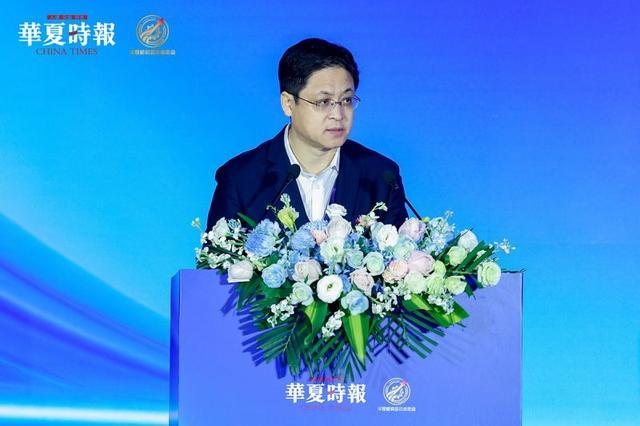
信银理财贺晋:谱写科技金融大文章,赋能区域经济高质量发展
Di Yi Cai Jing Zi Xun· 2025-12-12 09:29
"科技创新的成功需要长期稳定的'耐心'。"贺晋强调,信银理财正着力构建覆盖企业"初创期引导、成长 期加速、成熟期跨越、转型期升级"的全生命周期服务体系。公司持续深化"财富管理—资产管理—综合 融资"价值链,通过"融资+投资""标+非标"并举的综合方案,为科技型企业穿越创新周期、实现技术转 化保驾护航。 在11月27日于山东济南举办的第三届济南科技金融论坛上,信银理财党委副书记贺晋出席并作主旨发 言。他表示,"十五五"时期是推动科技金融深度赋能实体经济的关键阶段,银行理财作为连接居民财富 与科技创新的重要桥梁,应积极培育"耐心资本",全周期、多维度服务科技型企业成长,深度融入"科 技—产业—金融"良性循环。 本届论坛以"科技金融 深度赋能"为主题,由财新传媒主办、齐鲁银行承办,汇聚了来自金融管理部 门、学术机构、领军金融机构及科创企业的众多嘉宾,共同探讨高质量科技金融如何更好支持高水平科 技自立自强。 贺晋在发言中指出,当前科技金融政策支持力度持续强化,引导金融资源"投早、投小、投长期、投硬 科技"已成为明确方向。截至2025年三季度末,理财产品存续规模达32万亿元,服务投资者超1.39亿 人,前三季度为投资者 ...
信银理财贺晋:谱写科技金融大文章,赋能区域经济高质量发展
第一财经· 2025-12-12 09:15
在 11 月 27 日于山东济南举办的第三届济南科技金融论坛上,信银理财党委副书记贺晋出席并作主 旨发言。他表示, " 十五五 " 时期是推动科技金融深度赋能实体经济的关键阶段,银行理财作为连 接居民财富与科技创新的重要桥梁,应积极培育 " 耐心资本 " ,全周期、多维度服务科技型企业成 长,深度融入 " 科技 — 产业 — 金融 " 良性循环。 本届论坛以 " 科技金融 深度赋能 " 为主题,由财新传媒主办、齐鲁银行承办,汇聚了来自金融管理 部门、学术机构、领军金融机构及科创企业的众多嘉宾,共同探讨高质量科技金融如何更好支持高水 平科技自立自强。 在财富管理端 ,信银理财打造了多元化科技主题产品矩阵。其中,作为行业股权投资先行者,累计 发行科技领域股权类私募理财 14 亿元;同时创设 " 蔚蓝智享 " 系列科技主题公募产品,规模已突破 23 亿元,并持续加强多资产多策略研究,进一步打造 " 固收 + 、混合、权益 " 等产品矩阵,加速培 育第二增长曲线。 在资产管理端 ,信银理财科学配置理财资金,积极投资科创票据、科创债,专项支持 " 投早、投 小、投硬科技 " ,助力打通股权基金的中长期资金供给通道。强化 ...

建信人寿张广华:保险资金可为新质生产力企业提供全生命周期的资金支持
Zhong Guo Jing Ying Bao· 2025-12-12 02:52
据张广华介绍,建信人寿充分发挥保险资金作为长期耐心资本的优势,将资金精准投向高端制造、人工 智能、芯片等重点科技领域,通过股权、债权等多种形式为新质生产力提供强有力的投融资支持。 其中,依托建信领航战略性新兴产业发展基金及国家制造业转型升级基金股权投资计划等"拳头"项目, 助推战略性新兴产业发展与现代化基础设施建设。截至2025年9月末,建信人寿已累计投入245.67亿元 支持科技金融领域发展,较上年年末增长19.43%。从负债端保障来看,截至2025年9月末,建信人寿共 计为全国1761家"专精特新"类科创企业提供专属保险保障服务,总保障金额接近1800亿元。 张广华进一步认为,要真正成为"耐心资本",保险机构需在业务模式、投研能力和价值评估体系上进行 深刻变革,以全方位适配科技创新企业的成长、发展规律。 中经记者 陈晶晶 北京报道 建信人寿资产管理部总经理张广华 2025年12月9日,由《中国经营报》主办的"新跨越 新征程 2025卓越竞争力金融论坛"上,建信人寿保险 股份有限公司(以下简称"建信人寿")资产管理部总经理张广华表示,在我国金融市场中,保险资金作 为重要的"耐心资本",在助力"五篇大文章"落 ...
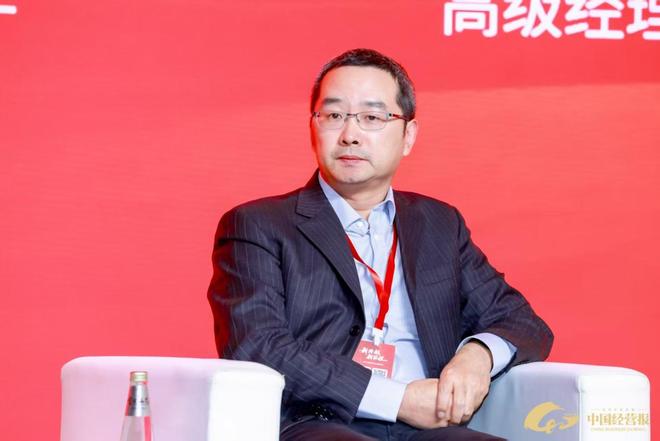
人保资本谭国彬:随着耐心资本壮大,险资另类投资将进一步加大实体经济投入
Sou Hu Cai Jing· 2025-12-12 02:26
Core Insights - Alternative investments are rapidly expanding and play a crucial role in stabilizing investment returns, with a projected annual growth rate of approximately 13.1% from 2000 to 2024, expected to reach $35 trillion by 2032, accounting for 24% of the global asset management total [3] - The shift in China's financing methods from incremental to stock-based models necessitates the activation of existing assets through securitization products [3] - Insurance capital is increasingly focusing on alternative investments, with a notable shift towards asset-backed plans and equity investments over the past three years, despite a decline in the growth rate of debt-related products [4] Industry Trends - The current trend in alternative investments among domestic insurance capital is characterized by a transition from traditional debt products, which currently account for over 50% of investments, to more diverse categories such as asset-backed plans and equity investments [4] - The overall growth rate of alternative investments in the insurance sector has decreased to 8%, influenced by factors such as debt resolution and declining interest rates [4] - Human Insurance Capital's investment strategy focuses on three main areas: stable debt investment, quality physical asset investment, and strong private equity investment [4] Regional Focus - Human Insurance Capital has invested nearly 10 billion yuan in the Henan market in recent years, including projects like the Zhengzhou Airport debt investment plan and the Henan High-speed debt investment plan [4]
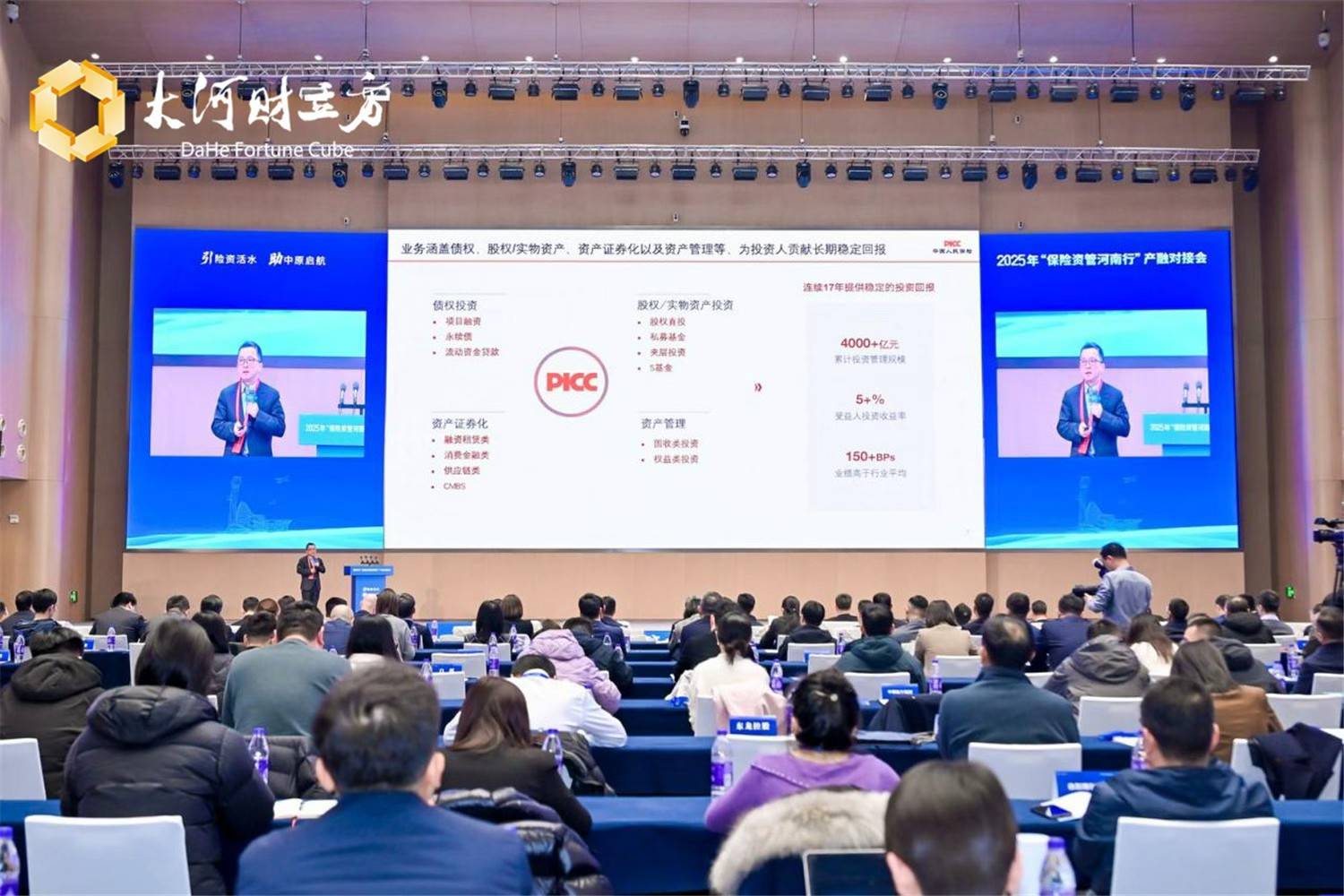
沈联涛:中国新发展模式的金融强国基石
Sou Hu Cai Jing· 2025-12-11 10:49
Group 1 - The core idea emphasizes that finance should serve the real economy rather than exploit it, advocating for a financial development path that is deep, inclusive, green, resilient to risks, and supportive of innovative technology [2][7] - The "14th Five-Year Plan" (2026-2030) aims to focus on technological self-reliance and the establishment of a new economic model based on innovation and a strong industrial foundation, which is crucial for resisting external threats [2][3] - The financial system in China is expected to enhance risk prevention, strengthen regulation, promote high-quality development, and facilitate high-level opening-up during the "14th Five-Year Plan" period [2][3] Group 2 - The "14th Five-Year Plan" suggests achieving significant accomplishments in high-quality development, technological self-reliance, and social progress, with an average GDP growth rate projected at around 4.17% until 2035 [3][4] - By 2030, China's per capita GDP is expected to reach approximately $20,000, aligning with the World Bank's classification of middle-income countries, with a total GDP projected at $27.7 trillion [3][4] - The International Monetary Fund predicts that by 2030, China's nominal GDP will be $25.8 trillion, which could represent about 76% to 82% of the U.S. nominal GDP, while its GDP at purchasing power parity could exceed the U.S. by 39.5% [4][5] Group 3 - The U.S. has maintained its leading position due to financial support for innovative technology, which China aims to replicate by deepening its pension, insurance, and private equity markets to absorb high-risk innovative projects [5][6] - A strong financial system is fundamentally built on a stable monetary foundation, with the U.S. dollar's dominance in global trade and reserves highlighting the risks associated with reliance on foreign currencies [6][7] - There is a growing trend among countries to consider alternatives to the dollar due to its potential weaponization, as evidenced by increased gold purchases by central banks [7][8]