
绿色制造

Search documents
事关绿色工厂,工信部通知!
中国能源报· 2025-10-09 11:05
Core Viewpoint - The Ministry of Industry and Information Technology (MIIT) has initiated the 2025 Green Factory Recommendation Work to enhance energy conservation and carbon reduction, focusing on 53 key industries to improve the green competitiveness of enterprises [1][5]. Group 1: Overall Requirements - The recommendation work includes both green factories and green industrial parks, with enterprises or parks voluntarily conducting self-evaluations based on new evaluation criteria [5][6]. - Provincial industrial and information departments will select enterprises or parks that meet the requirements, ensuring that recommended entities are at least at the average level of existing national green factories and parks in their regions [5][6]. Group 2: Specific Requirements - New applicants for national green factories and parks must register on the Industrial Energy Conservation and Green Development Management Platform and complete self-evaluations without needing third-party evaluation reports [6][7]. - Existing national green factories and parks are required to conduct self-evaluations against new criteria, with those scoring in the bottom 5% for three consecutive years being removed from the list [6][7]. Group 3: Work Requirements - Provincial departments must ensure the authenticity and accuracy of data and supporting materials submitted by enterprises or parks, with a deadline for submission set for November 7, 2025 [7]. - The MIIT will review the recommended lists and publicize the final list of 2025 green factories and parks, with penalties for any falsification of data [7]. Group 4: Key Industries - The 53 key industries supported in this initiative include sectors such as steel, petrochemicals, non-ferrous metals, building materials, machinery, light industry, textiles, and electronics [14][15][16][17][18][19][20].


农行山西阳泉分行 多措并举助力制造业焕新升级
Zheng Quan Ri Bao Zhi Sheng· 2025-09-27 15:39
Core Viewpoint - Agricultural Bank of China (ABC) Shanxi Yangquan Branch actively supports the development of the manufacturing industry in Yangquan through comprehensive financial services, facilitating the transformation of traditional manufacturing towards high-end, intelligent, and green development [1][4]. Group 1: Financial Support for Manufacturing - Yangquan Valve Co., Ltd., a key player in large-caliber valve production, has benefited from a close partnership with ABC Yangquan Branch, which has provided various financial services including corporate annuity business that covers 190 employees with an annual contribution scale of over 700,000 yuan [1][2]. - As of June 2025, the manufacturing loan balance of ABC Yangquan Branch reached 4.441 billion yuan, an increase of 2.52 billion yuan since the beginning of the year, demonstrating effective financial support for technology research, equipment upgrades, and market expansion [2][3]. Group 2: Innovative Financial Products - ABC Yangquan Branch has introduced a series of innovative loan products such as "Technology Easy Loan," "Mortgage e-Loan," and "Tax e-Loan" to meet the diverse financing needs of manufacturing enterprises, enhancing their access to capital [2][3]. - "Technology Easy Loan" targets technology-oriented manufacturing companies, offering high limits, low rates, and diverse collateral options to alleviate financing difficulties due to lack of collateral [2]. Group 3: Digital Transformation and Service Efficiency - The branch leverages financial technology to enhance service efficiency, allowing enterprises to submit loan applications anytime through online platforms like "Huinong e-Loan" and "Zhangyin App," with automated credit assessments using big data [3]. - Mobile business equipment enables client managers to provide on-site services, ensuring a "zero-distance" financial service experience for enterprises [3]. Group 4: Commitment to Green Development - ABC Yangquan Branch is increasing credit support for green manufacturing projects, promoting energy conservation, emission reduction, and transformation upgrades within the manufacturing sector [3]. - The branch is also involved in the construction of industrial parks in Yangquan, offering "one-stop" financial services to manufacturing enterprises, which helps enhance regional industrial competitiveness [3]. Group 5: Future Outlook - The branch emphasizes its responsibility to support the manufacturing sector, planning to continue enhancing financial innovation and optimizing services to contribute to the high-quality development of Yangquan's manufacturing industry [4].
山东智能制造“新引擎”强劲驱动制造业强省建设
Zhong Guo Jin Rong Xin Xi Wang· 2025-09-27 04:26
Core Viewpoint - Shandong Province is focusing on high-quality development by promoting intelligent manufacturing as a key direction for building a strong advanced manufacturing province, supported by policy guidance, technological innovation, and ecosystem construction [1] Policy Framework - The Shandong Provincial Government has issued several top-level design documents, including the "Advanced Manufacturing Strong Province Action Plan" and the "Manufacturing Digital Transformation Action Plan," establishing a clear policy framework for intelligent manufacturing development [2] - Local governments have responded with supportive policies, with 15 cities implementing measures and 7 cities providing financial support, such as one-time rewards for enterprises recognized as intelligent manufacturing pilots [2] Enterprise Transformation - Shandong has developed a gradient cultivation system for intelligent factories, guiding enterprises through a structured process of "cultivation—recognition—promotion," ensuring precise resource allocation and helping enterprises identify transformation entry points [2][3] Technological Innovation - The province emphasizes innovation-driven development, focusing on breakthroughs in key core technologies for intelligent manufacturing, with approximately 30 major technological equipment and key components cultivated annually [4] - Shandong has established a local standard system for intelligent manufacturing, with 13 national-level pilot projects, contributing to the standardization of the industry [4] Green and Intelligent Development - Intelligent manufacturing is being integrated with green manufacturing, enhancing sustainable development, as seen in energy cost reductions and waste conversion initiatives by various companies [5][6] Future Planning - Looking ahead to the "15th Five-Year Plan," Shandong aims to further promote intelligent transformation, targeting over 100 excellent factories and 1,000 advanced factories, while fostering core suppliers and replicable solutions [7]
研判2025!中国真空封口机行业产业链、市场规模及重点企业分析:健康饮食与非食品需求双引擎驱动,行业迎来技术升级与场景拓展新纪元[图]
Chan Ye Xin Xi Wang· 2025-09-27 02:23
Core Insights - The Chinese vacuum sealing machine industry is experiencing rapid growth, with a market size projected to reach 17.157 billion yuan in 2024, representing a year-on-year increase of 19.90% [1][4][8] - The demand for vacuum sealing machines is significantly driven by the health food trend, with pre-packaged meals and fresh e-commerce contributing to increased consumer focus on food freshness and safety [1][4] - Non-food sectors, such as pharmaceuticals and electronics, are also expanding the application scenarios for vacuum sealing machines, leading to higher performance and reliability requirements [1][4] Industry Overview - Vacuum sealing machines are designed to remove air from packaging to extend the shelf life of products, primarily by inhibiting microbial growth and oxidation [2][4] - The machines are widely used across various sectors, including food, pharmaceuticals, electronics, and more, categorized into internal and external vacuum sealing machines based on their vacuuming methods [2][4] Industry Value Chain - The upstream of the vacuum sealing machine industry includes materials like plastics, metals, electronic components, and rubber, while the midstream focuses on manufacturing [4] - The downstream applications span food, electronics, pharmaceuticals, hardware, chemicals, and cosmetics [4] Market Size - The vacuum sealing machine market in China is set to grow significantly, with a projected market size of 17.157 billion yuan in 2024, driven by health trends and increased investment in vacuum packaging equipment [1][4][8] Key Companies' Performance - Major players like Midea, Supor, and Bear are leading the market, leveraging technology and brand advantages to capture significant market shares [8] - Midea has introduced innovative products with features like high suction power and multiple preservation modes, achieving a revenue of 251.124 billion yuan in the first half of 2025, up 15.58% year-on-year [8][9] - Tai Li Technology focuses on smart operations and eco-friendly materials, reporting a revenue of 577 million yuan in the first half of 2025, though its net profit declined by 21.86% [8][10] Industry Development Trends 1. **Technological Innovation and Smart Upgrades** - The industry is expected to integrate AIoT technologies for enhanced operational efficiency, with companies like Midea and Tai Li leading in smart product development [11][12] 2. **Green Manufacturing and Circular Economy** - Under the "dual carbon" policy, the industry is shifting towards low-carbon production, with companies implementing recycling initiatives and sustainable practices [11][12] 3. **Market Segmentation and Global Expansion** - The market is witnessing a dual trend of high-end and mass-market products, with companies expanding internationally to enhance competitiveness [11][12]





马可波罗(001386):注册制新股纵览:国内建筑陶瓷头部厂商
Shenwan Hongyuan Securities· 2025-09-26 15:15
Investment Rating - The report assigns a rating of "Neutral" to Marco Polo, with an AHP score of 1.87, placing it in the 25.2% percentile of the non-Science and Technology Innovation Board AHP model [7][8]. Core Insights - Marco Polo is a leading player in the domestic building ceramics industry, holding the top position in revenue for nearly three consecutive years and maintaining the highest brand value for 13 years [8][9]. - The company has a robust distribution network with over 1,400 dealers and more than 8,200 terminals, implementing a market penetration strategy and actively expanding into the internet home decoration and rock slab home sectors [8][10]. - Technological innovation drives product development, with over 45 advanced technologies and a wide range of products, including the introduction of new categories like cultural ceramics [8][15]. - Despite a shrinking new housing market, the demand for renovation and cross-industry applications is expected to rise, creating new opportunities for building ceramics [8][18]. - The company has experienced a decline in revenue and profit due to market conditions, with a reported revenue drop of 11.82% and a net profit decrease of 7.90% in the first half of 2025 [8][22]. Summary by Sections AHP Score and Expected Allocation Ratio - Marco Polo's AHP score, adjusted for liquidity premium factors, is 1.87, indicating a mid-to-lower tier position in the market [7][8]. Fundamental Highlights and Features - Marco Polo is recognized as a top domestic building ceramics manufacturer, leveraging brand strength and distribution channels to create competitive barriers [8][9]. - The company emphasizes technological advancements and green manufacturing practices to enhance efficiency and reduce costs [8][15]. - The shift towards renovation and innovative product applications is anticipated to stimulate demand in the building ceramics sector [8][18]. Comparable Company Financial Metrics - Marco Polo's revenue and net profit figures are higher than those of comparable companies, although it has faced a decline in sales volume and revenue due to market conditions [8][22]. - The company maintains a higher profit margin compared to peers, benefiting from cost control measures and strong bargaining power [8][25]. - Cash flow ratios are stable but below industry averages, while the company's debt ratio has improved over the years [8][28]. Fundraising Projects and Development Vision - The company plans to raise funds for several projects aimed at enhancing production capacity and upgrading manufacturing processes to green and intelligent standards [8][35][36].
全球与中国倒置荧光显微镜市场现状及未来发展趋势-2025版
QYResearch· 2025-09-25 03:50
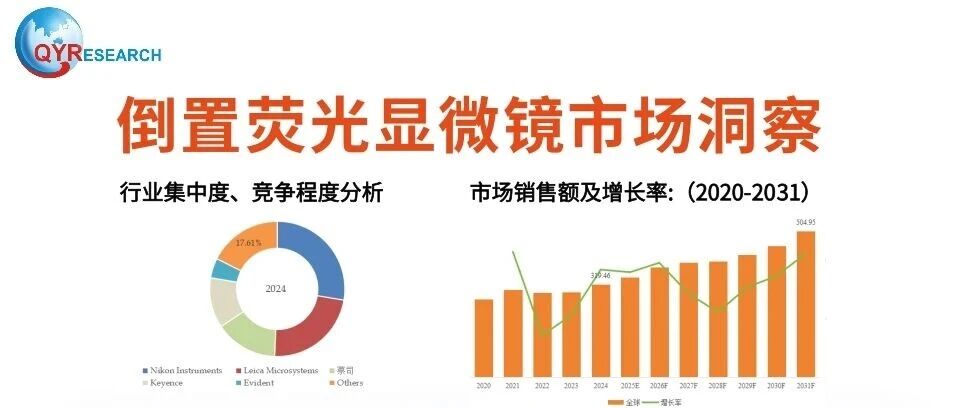
Core Viewpoint - The inverted fluorescence microscope industry is experiencing rapid development characterized by simultaneous technological upgrades and market expansion, with a projected global market sales of $319 million in 2024 and $505 million by 2031, reflecting a CAGR of 6.54% from 2025 to 2031 [2][7]. Industry Current Status - The current market is driven by technological innovations such as super-resolution technology, AI algorithms for automatic focusing and image analysis, and multi-modal imaging techniques that enhance dynamic observation of cells [2]. - The primary application areas are biomedical research, focusing on live cell observation, drug screening, and cancer mechanism studies, while the demand in materials science and industrial testing is declining due to a shift towards biomedical applications [2]. - The competitive landscape is dominated by international giants like Evident, Zeiss, Nikon, and Leica, but domestic brands are gaining market share due to policy support and cost advantages [2][10]. Industry Challenges - The industry faces challenges such as reliance on imported high-end optical components, lagging domestic super-resolution technology, and high pricing of advanced equipment, which restricts procurement by small and medium-sized institutions [3]. Development Trends - The development trends focus on five core areas: super-resolution imaging, intelligence and automation, multi-modal integration, domestic technology upgrades, and expansion of application scenarios [4]. - Super-resolution imaging is pushing the resolution to the nanoscale, enabling high-precision observation of cellular dynamics and molecular interactions [4]. - The integration of AI technology enhances automation in tasks like sample recognition and image analysis, significantly improving experimental efficiency [4]. - Domestic technology is advancing, with companies narrowing the gap with international brands and increasing market share through policy support [4]. Global Market Overview - The global inverted fluorescence microscope market is projected to reach $319 million in 2024, with China accounting for approximately 20% of the market share [7]. - North America is the largest consumer market, expected to maintain a leading position with a market share of 36.8% in 2024, followed by Europe and China [7]. - In terms of production, China and Japan are significant regions, each holding around 33.9% and 33.0% of the market share in 2024, respectively [7]. Product and Application Insights - The three-microscope type is expected to dominate the market, with a projected share of 79.6% by 2031 [8]. - Hospitals are anticipated to hold a market share of approximately 43.5% in 2024, with a CAGR of about 7.27% in the coming years [8]. - Major global manufacturers include Evident, Leica Microsystems, Nikon Instruments, and others, with the top tier holding around 82.39% of the market share [8]. Policy Analysis - China's policies are strongly driving domestic substitution and technological breakthroughs, with significant funding and tax incentives to support the development of biomedical imaging equipment [12]. - The "14th Five-Year Plan" emphasizes high-end scientific instruments as a strategic industry, aiming for a domestic production rate of over 60% by 2025 [12]. - Internationally, the industry faces challenges from regulatory barriers and trade protectionism, impacting market entry and competition [12][13].
AI赋能新型工业化 从工博会看制造业基因重构
Zheng Quan Shi Bao Wang· 2025-09-24 11:38
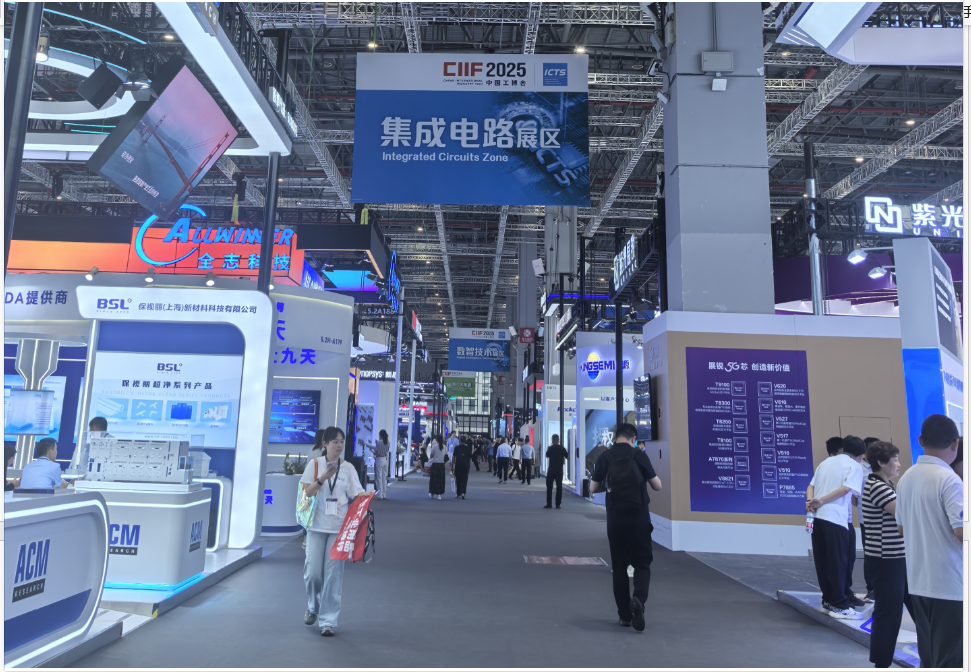
Core Insights - The manufacturing industry is undergoing a profound genetic reconstruction amid a new wave of technological revolution and industrial transformation, highlighted by the 25th China International Industry Fair showcasing innovations from around 3,000 exhibitors across 28 countries and regions [1] Group 1: AI and Manufacturing Transformation - The AI-enabled insulin portable vacuum pump by Haizhi Online exemplifies how AI tools can assist small and medium enterprises in transformation, enhancing production capabilities significantly [3] - Haizhi Online's AI tools have helped over 280,000 clients in 107 countries produce millions of components, demonstrating AI's role in global industrial chain collaboration [3] - Sugon Network's industrial programming platform and other tools aim to make complex network operations more transparent and enhance performance in critical scenarios [3] Group 2: Green Manufacturing Initiatives - The fair highlighted green manufacturing, with Shanghai Fuzhi Technology showcasing projects on green fuel production, including green methanol and hydrogen [4] - Fuzhi Technology is leading a project to develop key technologies for converting biogas into green methanol, aiming for large-scale industrial application [4] Group 3: Digitalization Trends in Industry - The concept of "integration of computing, control, and security" is expected to provide a pathway for building a digital foundation for the manufacturing industry [5] - The establishment of the Shanghai Yangtze River Delta Advanced Manufacturing Development Research Institute aims to support the development of advanced manufacturing through research and technology transfer [5] - Future trends in industrial digitalization in China include the gradual improvement of independent technology systems, accelerated collaborative ecosystem building, and a focus on safety and performance [6]

麦肯锡全球资深董事合伙人艾家瑞(Karel Eloot):钢铁行业数字化转型的五大趋势
麦肯锡· 2025-09-24 09:49
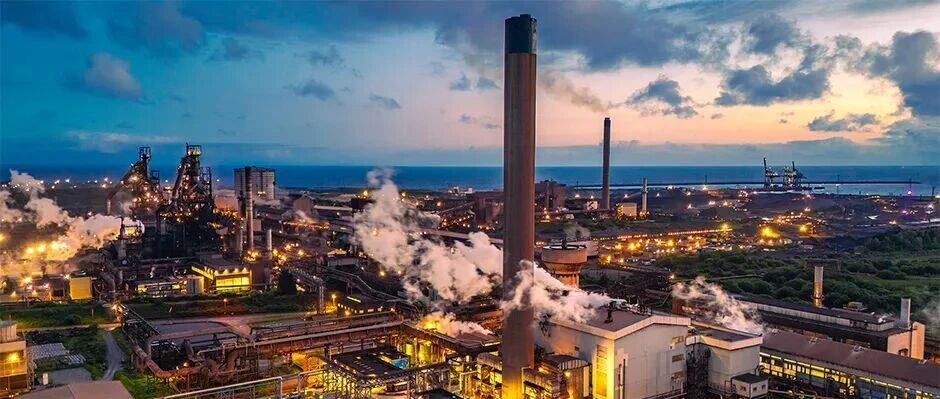
Core Viewpoint - The steel industry is accelerating its digital transformation, particularly in the application of artificial intelligence, as it undergoes structural upgrades and seeks to enhance operational efficiency and value creation [2]. Group 1: Major Trends in the Steel Industry - **Trend 1: End-to-End Value Stream Restructuring** The focus is shifting from operational efficiency and cost reduction to co-creating value across the supply chain, with examples like Shougang's digital initiatives enhancing product quality and customer experience [3]. - **Trend 2: Accelerated Value Realization through Scalable Deployment** Lighthouse enterprises are overcoming the "pilot trap" and facing challenges in scaling solutions, leading to productization and customization for various operational units, which reduces costs and development time [4]. - **Trend 3: Rapid Penetration of Cutting-Edge Technologies** Nearly 80% of the top use cases in lighthouse enterprises involve artificial intelligence, with 10% utilizing generative AI, significantly improving operational efficiency across various domains [5]. - **Trend 4: Skill Restructuring and Empowerment through Diverse Means** The introduction of employee empowerment metrics aims to enhance safety and stability, with advanced training systems and smart tools improving organizational efficiency and productivity [6]. - **Trend 5: Digital Technology Driving Sustainable Development** Digital technologies are essential for building green manufacturing systems, helping the steel industry, which accounts for 7% of global industrial carbon emissions, to achieve emission reduction and circular economy goals [7].
从单点突破到生态共生:武汉打造制造业绿色转型“标杆样本”
2 1 Shi Ji Jing Ji Bao Dao· 2025-09-24 06:30
Core Viewpoint - Wuhan is establishing a benchmark for green transformation in manufacturing by creating a new ecosystem that integrates green factories, green supply chains, and green parks, promoting high-quality industrial development and achieving carbon neutrality goals [1][8]. Group 1: Green Manufacturing System - Wuhan is breaking the traditional high-carbon path of manufacturing by systematically constructing a three-dimensional manufacturing ecosystem focused on green factories, green supply chains, and green parks [1]. - The city has accelerated the construction of green factories, guiding enterprises to implement comprehensive clean production transformations [2][3]. - As of now, Wuhan has built 82 national-level green factories, accounting for over 30% of the output value of regulated industries, which is a significant support for the city's green development [3]. Group 2: Lotus Global Smart Factory - The Lotus Global Smart Factory in Wuhan was completed in 2022 and has implemented eight major carbon reduction measures, achieving a 72.8% reduction in solid waste generation per vehicle in 2024 compared to 2023 [2][4]. - Lotus has established strict carbon emission requirements for its suppliers, with 95% of its 183 first-tier suppliers having an operational environmental management system [4]. Group 3: Green Supply Chain and Circular Economy - The factory promotes a circular economy by ensuring that waste materials are sent directly to smelting plants for recycling, and actively engages in the dismantling and reuse of scrapped vehicles [5]. - The collaboration across the supply chain enhances overall carbon reduction and boosts the green competitiveness of the manufacturing industry [5][8]. Group 4: Green Industrial Parks - Green parks serve as collaborative platforms that integrate green factories and supply chains, achieving more systematic resource recycling and energy utilization [6]. - The Han Nan Economic Development Zone has established itself as a model green industrial park, with energy output rates reaching 73,300 yuan per ton of standard coal in 2024, significantly exceeding national standards [7]. Group 5: Policy and Support Mechanisms - Wuhan's government has implemented a "green diagnosis + transformation + demonstration" model to support enterprises in building green factories, providing tailored diagnostic services [2][3]. - Financial support is provided for energy efficiency and green low-carbon transformation projects, with up to 30 million yuan allocated for leading enterprises [3].
工信部:建立未来产业投入增长机制
Zhong Guo Zheng Quan Bao· 2025-09-23 20:16
Group 1 - The Ministry of Industry and Information Technology emphasizes the importance of achieving new industrialization during the 14th Five-Year Plan, focusing on high-quality development and the integration of technological and industrial innovation [1] - The plan includes fostering emerging industries and future industries, with actions to create new driving forces through technology innovation, large-scale development, and application scenario construction [1] - Key areas for future industries include humanoid robots, brain-computer interfaces, the metaverse, and quantum information, with the establishment of pilot zones for these industries [1] Group 2 - Traditional industries are encouraged to undergo renewal and upgrading, focusing on high-end, intelligent, and green development, while enhancing value creation [2] - The manufacturing sector is set to undergo digital transformation, with initiatives like "Artificial Intelligence + Manufacturing" to promote smart, green, and service-oriented manufacturing [2] - There is a commitment to building a mutually beneficial industrial ecosystem, optimizing the business environment, and deepening international industrial cooperation to ensure a stable and efficient global supply chain [2]