绿色消费

Search documents
市场监管总局:纵深推进制止餐饮浪费,鼓励互联网平台企业上线“绿色餐饮”服务标识
Sou Hu Cai Jing· 2026-01-06 18:57
Core Viewpoint - The Ministry of Commerce and nine other departments have released a notice on implementing green consumption initiatives, emphasizing the importance of enhancing green product supply, innovating consumption models, and optimizing the consumption environment [1] Group 1: Standards and Regulations - The national standard system for green products has been continuously improved, with 40 green product evaluation standards and 66 energy and water efficiency standards published [3] - The organization has proposed 217 items related to green consumption in international standardization and has led the revision of 178 standards [3] - A total of 2.6 million enterprises and 400 million product models have been registered under energy efficiency labeling, impacting 76 million consumers who purchased 188 million energy-saving products [3] Group 2: Food Waste Prevention - Measures to curb food waste include enhanced supervision during holidays, urging businesses to fulfill their responsibilities regarding food safety and waste prevention [4] - An initiative to stop food waste has been launched, guiding industry associations and delivery platforms to promote responsible practices during the Spring Festival [4] - Ten measures have been proposed to optimize the supply structure of food delivery services, along with guidelines to regulate marketing behaviors of delivery merchants [4] Group 3: Future Initiatives - The market regulatory authority plans to accelerate the update of national standards and support participation in international standardization activities in the green sector [4] - The energy and water efficiency labeling system will be further improved to support the implementation of "old-for-new" policies [4] - There will be a continued push to prevent food waste, encouraging internet platforms to introduce "green dining" service labels [4]

商务部:已培育绿色商场1161家 绿色饭店3500家
Yang Shi Wang· 2026-01-06 18:31
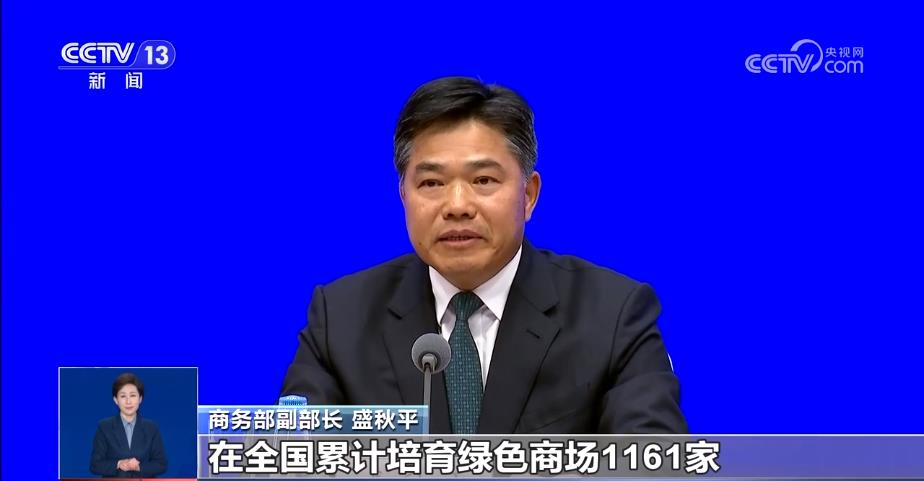
Group 1 - The core viewpoint of the articles emphasizes the Chinese government's commitment to promoting green consumption through various initiatives and policies aimed at enhancing sustainable practices in the retail and service sectors [1][3] Group 2 - The Ministry of Commerce plans to focus on key areas and links of green consumption, particularly through the implementation of a trade-in program for consumer goods, which includes subsidies for high-efficiency green appliances, green home products, green building materials, and new energy vehicles [1] - As of now, the Ministry of Commerce has guided the establishment of 1,161 green malls and 3,500 green hotels across the country, indicating significant progress in fostering green businesses [3] - Multiple e-commerce platforms are collaborating with upstream and downstream merchants to form green cooperation alliances and establish low-carbon operational standards, encouraging small and medium-sized enterprises to participate in the green transition [3]
【好评中国】消费添“绿韵”,让发展沐春风
Xin Lang Cai Jing· 2026-01-06 17:29
Core Viewpoint - The recent announcement by the Ministry of Commerce and nine other departments regarding the implementation of green consumption initiatives outlines a clear roadmap for the development of green consumption in China, addressing current challenges while aiming for long-term sustainable economic and social development [1] Group 1: Current Challenges in Green Consumption - Despite the initial scale of the green consumption market in China, there are significant challenges, including a disconnect between supply and consumer demand for green products, the continued misuse of single-use plastic products, and an inadequate recycling system [1] - The lack of effective incentives for green consumption has resulted in low public participation, highlighting the need for targeted measures to address these issues [1] Group 2: Supply and Demand Dynamics - Strengthening the supply base is essential for ensuring that green consumption has accessible options, with initiatives aimed at increasing the supply of green agricultural products and promoting green dining practices to reduce food waste [2] - The introduction of a green consumption points system is a market-driven approach to encourage public participation by providing tangible rewards for environmentally friendly choices [2] Group 3: Policy Support and Implementation - Effective policies are crucial for the sustainable development of green consumption, with the initiative focusing on optimizing the green consumption environment, solidifying the foundation for green consumption, and increasing policy support [3] - Financial support for green industries, reduction of single-use plastics, and the establishment of a green consumption standard system are key components of the policy framework designed to facilitate the growth of green consumption [3] Group 4: Broader Implications for Society - The transition to green consumption is interconnected with public welfare and broader developmental goals, with various initiatives from agricultural practices to community recycling efforts contributing to high-quality development [3] - As the green consumption initiatives are implemented effectively, a lifestyle characterized by simplicity, moderation, and low carbon emissions is expected to become a new social norm, positioning green consumption as a new engine for economic growth [3]
年货采购升温 农业农村部:加大绿色农产品供应
Zhong Guo Jing Ying Bao· 2026-01-06 17:18
Core Viewpoint - The article emphasizes the increasing demand for green and high-quality agricultural products during the upcoming Spring Festival, highlighting government initiatives to promote green consumption and enhance the supply of quality agricultural goods [1][5]. Group 1: Government Initiatives - The Ministry of Agriculture and Rural Affairs has launched a campaign themed "Taste Local Products, Seek New Year Flavor" to promote consumption of green and high-quality agricultural products during the New Year and Spring Festival [1][3]. - A joint notification from nine government departments, including the Ministry of Commerce and the National Development and Reform Commission, aims to increase the supply of green agricultural products as a primary measure [1][5]. - The "Five Initiatives" proposed include publishing a directory of local specialty brands, organizing themed consumption activities, enhancing cultural and tourism integration, promoting healthy consumption, and facilitating support for underdeveloped regions [2][3]. Group 2: Consumer Engagement - The government aims to meet the diverse consumption needs of urban and rural residents by promoting high-quality and varied festive products through the "Five Initiatives" [3][4]. - Over 200 provincial-level activities have been launched to promote green and high-quality agricultural products, including large-scale markets and local fairs [3][5]. Group 3: Market Supply and Quality Assurance - The article notes that the demand for green and high-quality agricultural products is rapidly growing, necessitating an expansion of market supply and improved consumer experience [5][6]. - The notification encourages enterprises to increase procurement of green food, organic products, and geographical indication products, and to engage in direct sourcing from production bases [5][6]. - Establishing dedicated sales areas for green agricultural products with quality certification and traceability is emphasized to ensure consumer confidence [6][7]. Group 4: Achievements and Future Goals - By the end of 2025, the total number of certifications for agricultural products under the "Three Products and One Standard" initiative is expected to exceed 88,000, with standardized production areas for green food reaching 20.5 million acres [7]. - Activities like the Farmers' Harvest Festival and Autumn Consumption Season have successfully driven sales of green and high-quality agricultural products, totaling over 160 billion yuan [7].

九部委放大招推绿色消费行动,深圳24小时“食物银行”获赞
Nan Fang Du Shi Bao· 2026-01-06 17:15
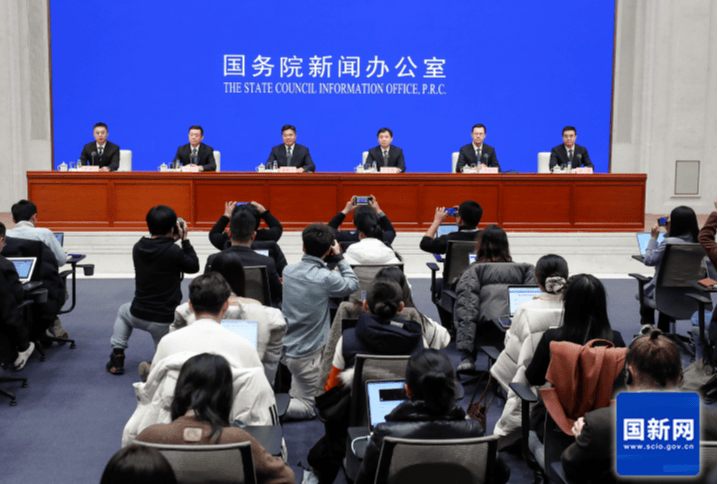
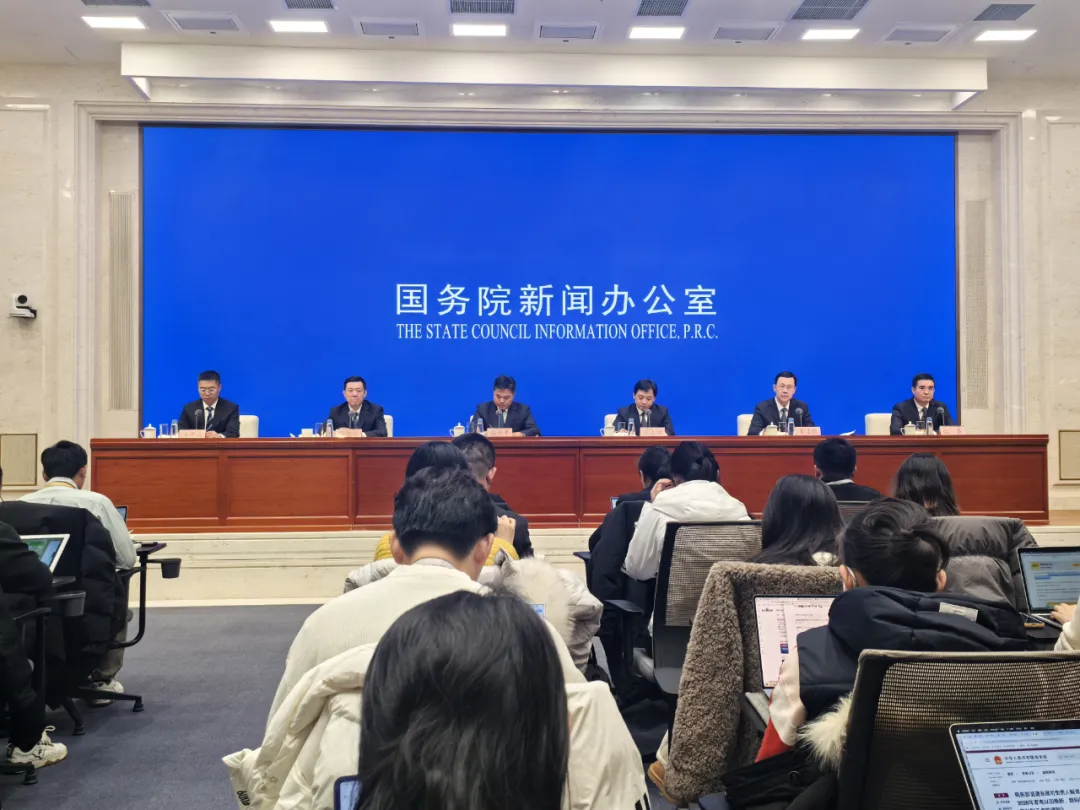
南都讯记者潘珊菊发自北京近日,商务部等九部门发布《关于实施绿色消费推进行动的通知》。1月6日,国新办 举行绿色消费推进行动新闻发布会,商务部副部长盛秋平在介绍政策最新举措时,专门点赞了深圳等地推出的24 小时"食物银行"模式。 南都N视频记者了解到,这一创新模式通过规范利用临期食品,为困难群体及有需要的市民提供免费膳食支援, 上线三年多来已节约食物195吨、减少碳排放390吨,成为政策叠加效应下绿色消费与民生保障有机结合的生动范 例。 1月6日,国新办举行绿色消费推进行动新闻发布会。 谈及为鼓励绿色消费中方会采取哪些激励措施或限制性措施时,盛秋平从三个方面展开阐述。在强化政府引导作 用方面,商务部将会同国家发展改革委等部门进一步发挥消费品以旧换新政策对丰富绿色产品供给的拉动作用, 对个人消费者购买1级能效或水效标准的6类家电产品,以及单价不超过6000元的4类数码和智能产品,符合条件的 新能源乘用车、燃油乘用车给予补贴。同时,推动消费商业设施、节能降碳环保等设备更新纳入大规模设备更新 政策支持范围。 值得关注的是,除了激励性措施以外,最新通知还明确了一些限制性措施,例如制止餐饮浪费,鼓励消费者适量 点餐,践行 ...
实施绿色消费推进行动 四部门“剧透”最新工作计划
Zheng Quan Ri Bao· 2026-01-06 16:11
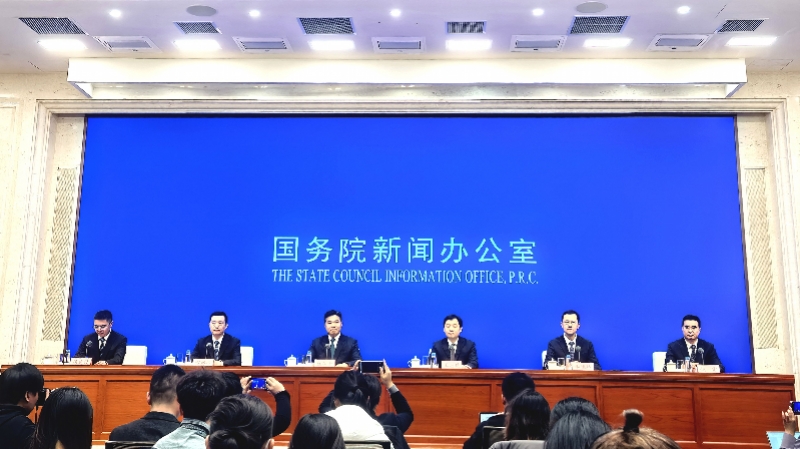
Core Viewpoint - The recent joint announcement by the Ministry of Commerce and nine other departments aims to implement green consumption initiatives during the 14th Five-Year Plan period, emphasizing the importance of green consumption in promoting low-carbon development and economic transformation [1][2]. Group 1: Green Consumption Initiatives - The Ministry of Commerce plans to implement a large-scale replacement policy for consumer goods, targeting the replacement of 18.3 million cars, with nearly 60% being new energy vehicles, and 192 million home appliances, with 90% being of first-level energy efficiency [2]. - The green consumption market is expected to grow significantly, with the replacement policy projected to drive sales of consumer goods to 3.92 trillion yuan, benefiting approximately 494 million consumers [2]. - The announcement outlines 20 specific measures across seven areas to enhance green consumption, including increasing the supply of green agricultural products and promoting green services [2][3]. Group 2: Regulatory and Support Measures - The State Administration for Market Regulation is focusing on enhancing the supply of green products and optimizing the consumption environment, having already issued 40 green product evaluation standards and 66 energy and water efficiency standards [4][5]. - The administration has also implemented measures to prevent food waste in the catering industry and is working on improving the management of energy efficiency labels [4][5]. Group 3: Environmental Initiatives - The Ministry of Ecology and Environment is promoting the construction of "waste-free cities" to facilitate the recycling of waste materials, aiming to transform waste into valuable resources [6]. - Approximately 200 cities are targeted for the "waste-free city" initiative during the 14th Five-Year Plan period, enhancing the recycling and reuse of waste materials [6]. Group 4: Agricultural Contributions - The Ministry of Agriculture and Rural Affairs is increasing the supply of high-quality green agricultural products, with over 88,000 certifications expected by the end of 2025 [7][8]. - Collaborative efforts with other departments have led to the development of 23 specific measures to boost green agricultural product consumption, including the establishment of direct sales platforms for agricultural products [7][8]. - The ministry is also promoting the integration of agriculture with tourism to enhance the sales of green agricultural products, with over 160 billion yuan in sales generated from related activities [8].
九部门推20项新政,春节消费将掀绿色热潮
Xin Lang Cai Jing· 2026-01-06 15:26
Core Viewpoint - The Chinese government is actively promoting green consumption as part of its broader strategy for sustainable development, with specific policies and initiatives aimed at enhancing consumer awareness and participation in environmentally friendly practices [3][4]. Group 1: Green Consumption Definition and Importance - Green consumption, also known as sustainable consumption, encompasses three main aspects: prioritizing pollution-free and health-beneficial products, adopting green principles while ensuring comfort and health, and emphasizing proper waste disposal throughout the consumption process [3]. - The promotion of green consumption aligns closely with national development strategies, as highlighted in the 2025 government work report, which emphasizes the acceleration of green and low-carbon economic development [3]. Group 2: Achievements in Green Consumption - From 2024 to 2025, the nationwide implementation of vehicle trade-in programs resulted in 18.3 million vehicles being replaced, with nearly 60% being new energy vehicles; the home appliance trade-in program reached 192 million units, with over 90% being first-level energy-efficient products [4]. - These initiatives collectively generated a sales volume of 3.92 trillion yuan, benefiting approximately 494 million consumers [4]. Group 3: Challenges in Green Consumption - Current challenges in the development of green consumption include the lack of unified standards for green products, the need for improved incentive mechanisms, and the urgent requirement to enhance public awareness of green consumption [4]. Group 4: Policy Initiatives for Green Consumption - A joint notification issued by nine government departments outlines 20 measures across seven areas to promote green consumption, providing a clear roadmap for the 14th Five-Year Plan period [5]. - Key initiatives include increasing the supply of green agricultural products, promoting energy-efficient home appliances, and enhancing the quality of green service consumption [7]. Group 5: Enhancing the Green Consumption Environment - Efforts to optimize the green consumption environment will involve accelerating the promotion of energy-saving equipment, increasing the proportion of green electricity usage, and advocating for green travel [8]. - The government plans to strengthen financial support through subsidies, credit support, and innovative financial products to bolster green consumption [8]. Group 6: Seasonal Promotion of Green Consumption - The upcoming 2026 Spring Festival is seen as a significant opportunity to advocate for green consumption, with various promotional activities planned to encourage the purchase of green and high-quality agricultural products [10][11]. - Collaborative efforts among multiple provinces and cities have led to the launch of over 200 provincial-level key activities aimed at promoting green agricultural products during the festive season [11].
农业农村部提出“五个一批”促“两节”消费
Sou Hu Cai Jing· 2026-01-06 15:26
Core Viewpoint - The Chinese government is promoting green consumption ahead of the Spring Festival, aiming to meet diverse consumer demands for high-quality green products during the holiday season [1]. Group 1: Initiatives for Green Consumption - The Ministry of Agriculture and Rural Affairs has launched a campaign themed "Special Products, Seeking New Year Flavor" to encourage green consumption during the New Year and Spring Festival [3]. - Five key initiatives have been proposed: 1. Release a directory of "local specialty" brand products to guide consumers in selecting green and unique New Year goods [3]. 2. Organize festive-themed consumption activities, including New Year markets and live-streaming sales to promote high-quality agricultural products [3]. 3. Enhance cultural and tourism integration activities to create immersive and experiential holiday consumption scenarios [3]. 4. Introduce health-focused consumption activities to promote green and healthy dietary habits during the festive season [3]. 5. Conduct consumer assistance activities to encourage the purchase of high-quality agricultural products from underdeveloped regions [3]. Group 2: Collaborative Efforts and Local Activities - Recent collaborative efforts include the launch of the "Special Products, Seeking New Year Flavor" campaign in major cities, with various financial institutions and e-commerce platforms introducing consumer support policies [4]. - Over 200 provincial-level activities promoting green agricultural products have been initiated, including 20 "New Year Market" events in Tianjin and over 50 "Farmers' Markets" in Nanjing [4]. - The government encourages media participation in these events to raise awareness and promote the stories behind green agricultural products [4].
商务部:从五方面聚焦绿色消费
Qi Huo Ri Bao· 2026-01-06 14:44
Group 1 - The core viewpoint of the article emphasizes the promotion of green consumption through various initiatives led by the Ministry of Commerce, focusing on enhancing the "green content" of consumption and establishing a sustainable consumption cycle [1][2][3][4] Group 2 - The first initiative involves the implementation of a trade-in policy to boost green consumption, with subsidies for high-efficiency green appliances, green home products, green building materials, and new energy vehicles. From 2024 to 2025, it is projected that 17.673 million scrapped vehicles will be recycled, with an annual growth rate of 45.8% [1] - The second initiative focuses on building a green supply chain and enhancing the green circulation system. The use of standardized pallets in logistics is expected to reduce loading and unloading time by 80%, decrease damage rates by over 50%, and lower supply chain costs by approximately 20% [2] - The third initiative aims to improve the recycling system for used resources, with a target of 380 million tons of recycled resources by 2025. This includes the establishment of a network for recycling used home appliances and furniture, as well as promoting the use of reusable packaging in e-commerce [3] - The fourth initiative is about cultivating green circulation enterprises, with the goal of promoting green stores, restaurants, and hotels. As of now, 1,161 green stores and 3,500 green hotels have been cultivated across the country [3] - The final initiative promotes a green lifestyle and aims to create a positive social atmosphere. Various trade fairs will showcase green products and services, while campaigns will encourage consumers to adopt green consumption habits and reduce single-use plastic products [4]
惠及4.94亿人次!一组数据看中国绿色消费亮眼成绩单!
Yang Guang Wang· 2026-01-06 14:14
Group 1 - The core viewpoint of the article highlights the significant impact of the "old-for-new" policy in China, which is expected to drive substantial consumer spending and promote green consumption [3][10]. - In 2024 to 2025, China aims to achieve the replacement of 1.83 million vehicles under the "old-for-new" program, with nearly 60% being new energy vehicles [3]. - The "old-for-new" policy is projected to boost sales of consumer goods to 3.92 trillion yuan, benefiting approximately 494 million consumers [3]. Group 2 - The standardization rate of pallets in China has reached 37.8%, with around 50 million reusable pallets in circulation, potentially saving 250 million single-use pallets and protecting 50 million trees from deforestation [6]. - The number of green warehouses in China has reached 1,092, covering an area of approximately 65 million square meters [6]. - The Ministry of Ecology and Environment is advancing the construction of "waste-free cities" in about 200 cities, promoting the recycling and reuse of waste materials to support green consumption [11][12].