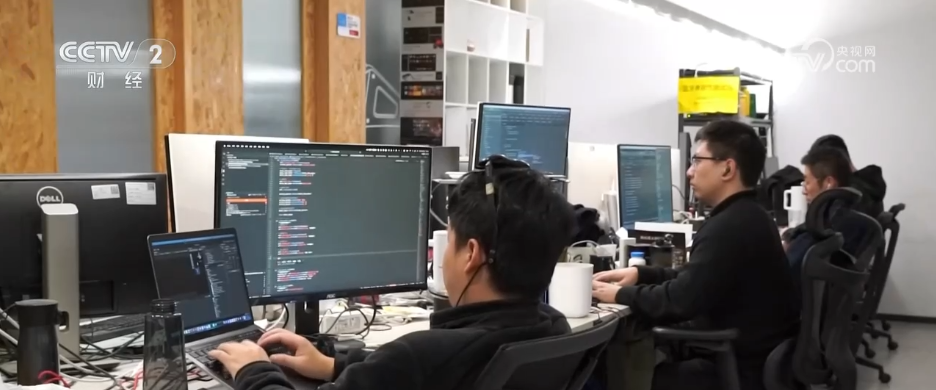
创新驱动

Search documents
走好创新驱动“先手棋”
Xin Lang Cai Jing· 2025-12-21 17:38
转自:成都日报锦观 走好创新驱动"先手棋" 当前,全球科技竞争格局正经历深度重构,新质生产力加速培育,城市竞争的底层逻辑也随之发生显著 变化。对成都而言,创新驱动不仅是四大发展战略之一,更是为城市发展注入强劲动能的"新内核":坚 持以科技创新为核心,涵盖思路创新、方法创新、工作创新、机制创新等全方位创新。 这也意味着,要让创新真正成为成都发展最鲜明的特色,就需要以其进一步激活发展动能、拓展发展空 间。 科技创新是塑造城市功能与空间格局的决定性变量。《锦观》认为,科技创新是城市持续开辟新赛道、 培育新优势的核心引擎。 12月16日,随着轨道交通13号线一期、30号线一期正式开通初期运营,成都轨道交通线网运营里程突破 750公里。与里程数同样具有突破意义的,还有两条线路上的"首"字印记——13号线一期是成都首条交 流制式全自动运行城轨快线,30号线一期为全国首条"常规全自动+车车通信"地铁线路。 这些创新成果,不仅令市民出行更便捷,也增强了区域间的联动效应,更是成都在轨道交通产业系统性 创新的体现。 《锦观》注意到,在成都,从高校院所、科研机构有组织的创新,到全市层面有体系的撮合,这类发力 于转化质效的创新实践并 ...
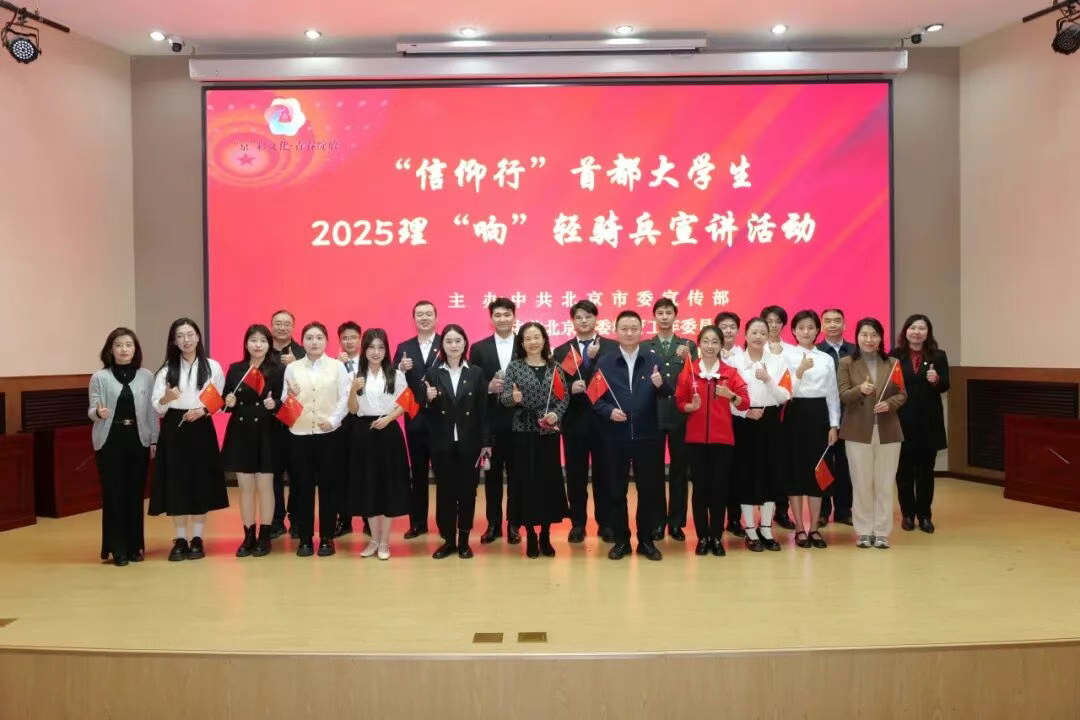
2025年“信仰行”首都大学生理“响”轻骑兵宣讲活动圆满收官
Xin Lang Cai Jing· 2025-12-21 12:30
Core Viewpoint - The "Faith in Action" series of presentations for university students in the capital culminated in a successful event at Beijing Institute of Technology, emphasizing the importance of faith and responsibility among the youth in the context of national development [1][14]. Group 1: Event Overview - The final presentation of the year took place on December 20, featuring over 260 participants from various universities, including Beijing Institute of Technology and China Media University, who engaged with the theme of faith and youth [1][3]. - The event included presentations from three universities, focusing on the spirit of the 20th National Congress and Xi Jinping's thoughts on socialism with Chinese characteristics, showcasing the vibrant spirit of the youth [3][9]. Group 2: Presentation Highlights - Beijing Institute of Technology students presented on the theme "Determined to Serve the Country and Forge Ahead," reflecting on the contributions of past scientists in national defense and technology, culminating in a powerful poetry recitation that inspired a commitment to national strength [5][9]. - Northern Industrial University students discussed "Decoding New Productive Forces," highlighting advanced manufacturing practices and encouraging youth to engage in high-quality development [6]. - The presentation from Renmin University focused on the significance of the victory in the Anti-Japanese War, using historical context to illustrate the responsibilities of the youth in carrying forward the spirit of that era [8]. Group 3: Impact and Future Directions - The presentations effectively combined theory, storytelling, and artistic expression, resonating strongly with the audience and fostering a sense of shared responsibility among students [9]. - The event concluded with the awarding of lecturer certificates to members of the Beijing Institute of Technology Youth Presentation Team, encouraging them to continue promoting innovative theories among their peers [14][16]. - The "Faith in Action" initiative will continue in 2026, aiming to guide youth in theoretical learning and practical engagement, contributing to the modernization of China [16].

食品饮料周报(25年第47周):把握成本红利与效率提升主线,关注创新与困境反转机会-20251221
Guoxin Securities· 2025-12-21 08:22
Investment Rating - The report maintains an "Outperform the Market" rating for the food and beverage sector [4][5][69]. Core Views - The food and beverage sector is expected to benefit from cost advantages and efficiency improvements, with a focus on innovation and opportunities for turnaround [3][5]. - The report highlights a positive outlook for 2026, emphasizing four main investment themes: cost benefits, efficiency improvements, innovation-driven growth, and turnaround opportunities in the liquor segment [3][5]. Summary by Relevant Sections Market Performance - The food and beverage sector (A-shares and H-shares) rose by 1.97% this week, with A-shares outperforming the CSI 300 by approximately 2.29 percentage points [1]. - The top five gainers in the food and beverage sector this week were: Huanlejia (44.42%), Zhuangyuan Ranch (35.96%), Huangshi Group (21.16%), Junyao Health (17.02%), and Sunshine Dairy (14.72%) [1]. Subsector Insights - **Liquor**: Demand remains weak, with premium liquor companies focusing on supply-side optimization. Recommended stocks include Luzhou Laojiao, Shanxi Fenjiu, and Kweichow Moutai [2][10]. - **Beverages**: The beverage sector shows continued prosperity, with leading companies outperforming. Recommended stocks include Nongfu Spring and Dongpeng Beverage [2][14]. - **Food**: The snack segment is highlighted for its strong growth potential, particularly in konjac snacks, with key recommendations being Weidong and Yanjinpuzi [2][11]. Key Company Earnings Forecasts - Kweichow Moutai: EPS forecast for 2025E is 72.12, with a PE ratio of 19.6 [4]. - Shanxi Fenjiu: EPS forecast for 2025E is 9.73, with a PE ratio of 18.4 [4]. - Dongpeng Beverage: EPS forecast for 2025E is 8.85, with a PE ratio of 30.8 [4]. - Wuliangye: EPS forecast for 2025E is 6.61, with a PE ratio of 16.7 [4]. - Babi Food: EPS forecast for 2025E is 1.14, with a PE ratio of 25.6 [4]. - Weidong: EPS forecast for 2025E is 0.61, with a PE ratio of 18.4 [4]. Investment Recommendations - The recommended investment portfolio includes Babi Food, Dongpeng Beverage, Weidong, and Shanxi Fenjiu, which have shown an average increase of 3.55%, outperforming the food and beverage sector by 1.54 percentage points [15].





食品饮料周报(25年第47周):手握成本红利与效率提升主线,关注创新与困境反转机会-20251221
Guoxin Securities· 2025-12-21 07:53
Investment Rating - The report maintains an "Outperform the Market" rating for the food and beverage sector [4][5]. Core Views - The food and beverage sector is expected to benefit from cost advantages and efficiency improvements, with a focus on innovation and opportunities for turnaround [3][5]. - The report highlights a positive outlook for 2026, emphasizing four main investment themes: cost benefits from low raw material prices, efficiency improvements through supply chain optimization, innovation-driven growth, and potential recovery in the liquor sector [3][5]. Summary by Sections Market Performance - The food and beverage sector (A-shares and H-shares) rose by 1.97% this week, with A-shares outperforming the CSI 300 by approximately 2.29 percentage points [1]. - The top five gainers in the food and beverage sector this week were: Huanlejia (44.42%), Zhuangyuan Ranch (35.96%), Huangshi Group (21.16%), Junyao Health (17.02%), and Sunshine Dairy (14.72%) [1]. Subsector Analysis - **Liquor**: Demand remains weak, with premium liquor companies focusing on supply-side optimization. Recommended stocks include Luzhou Laojiao, Shanxi Fenjiu, and Kweichow Moutai [2][10]. - **Beverages**: The beverage sector shows continued growth, with strong performance from leading companies like Nongfu Spring and Dongpeng Beverage. The report recommends these companies for their market expansion and innovation capabilities [2][14]. - **Food**: The snack segment is highlighted for its strong growth potential, particularly in konjac snacks, with leading companies like Weidong and Yanjinpuzi recommended for their competitive advantages [2][11]. Key Companies and Earnings Forecasts - **Kweichow Moutai**: Rated "Outperform the Market" with an estimated EPS of 72.12 CNY for 2025 and 75.79 CNY for 2026 [4]. - **Shanxi Fenjiu**: Also rated "Outperform the Market," with an estimated EPS of 9.73 CNY for 2025 and 10.22 CNY for 2026 [4]. - **Dongpeng Beverage**: Rated "Outperform the Market," with an estimated EPS of 8.85 CNY for 2025 and 11.21 CNY for 2026 [4]. - **Weidong**: Rated "Outperform the Market," with an estimated EPS of 0.61 CNY for 2025 and 0.74 CNY for 2026 [4]. Investment Recommendations - The recommended investment portfolio includes Baba Foods, Dongpeng Beverage, Weidong, and Shanxi Fenjiu, which have shown strong performance and growth potential [15].
2025年北方GDP10强城市预测:北京超5.2万亿,济南第5,唐山第8
Sou Hu Cai Jing· 2025-12-20 23:43
Core Insights - The 2025 GDP forecast for northern cities highlights Beijing leading with 52,630.15 billion yuan, followed by Tianjin and Qingdao at 18,600.42 billion yuan and 17,890.31 billion yuan respectively, showcasing strong economic growth in the region [1][9] - The total GDP increment across these cities exceeds 800 billion yuan, indicating robust economic vitality in northern China [1] - Cities are focusing on innovation-driven development and industrial upgrades, contributing to regional collaborative growth and revitalization [1] Beijing - Beijing's GDP is projected to surpass 5.2 trillion yuan, with an increment of nearly 2,800 billion yuan and a growth rate of 5.59%, maintaining its position as the second-highest in the nation [3] - The city is recognized as a technology innovation hub, with the AI industry growing at 12% annually, creating over 500,000 jobs [3] - Digital transformation is advancing, with a 5G coverage rate of 98% and investments in smart city projects exceeding 100 billion yuan [3] Jinan - Jinan ranks fifth in northern cities with a GDP of 14,330.55 billion yuan, an increment of 803 billion yuan, and a growth rate of 5.94%, leading among provincial capitals [5] - The city benefits from a robust transportation network, with logistics growing by 18%, which supports manufacturing upgrades [5] - The green economy is thriving, with a forest coverage rate of 25% and a 30% increase in clean energy installed capacity [5] Tangshan - Tangshan's GDP is projected to exceed 1 trillion yuan, reaching 10,481.92 billion yuan, with an increment of 478 billion yuan and a growth rate of 4.78% [7] - The city has successfully transformed its steel industry, with high-end steel exports increasing by 10% and green steel technology application rates exceeding 80% [7] - The port economy is expanding, with a 15% increase in throughput at Caofeidian Port and over 30 billion yuan in foreign investment [7] Overall Northern Cities - The northern city cluster is rapidly emerging, with cities like Jinan and Tangshan shining as new stars, while Beijing leads the innovation wave [9] - The collective economic growth is expected to contribute significantly to national economic momentum [9]
依靠创新培育壮大新动能
Jing Ji Ri Bao· 2025-12-20 22:04
在近期召开的中央经济工作会议上,"坚持创新驱动,加紧培育壮大新动能"被明确为明年经济工作的重 点任务之一,并列出"制定一体推进教育科技人才发展方案""强化企业创新主体地位,完善新兴领域知 识产权保护制度""实施新一轮重点产业链高质量发展行动"等关键举措。 创新始终是引领发展的第一动力。接受经济日报记者采访的专家认为,加快培育和发展新质生产力,增 强高质量发展新动能,必须把科技创新作为有力支撑,这也是当前和今后应对发展环境变化、增强发展 动力、把握发展主动权的根本之策。 过去一年,我国各类大模型赋能千行百业,大批机器人进厂"打工",生物制造产业规模近万亿元,新能 源汽车产业领跑全球……活力充沛的创新实践背后,是高质量科技供给的坚实支撑。 黄群慧认为,2026年以创新培育壮大新动能要把准两大着力点。一是面对新一轮科技革命和产业变革, 必须加快推动科技创新与产业创新深度融合,用数智化、绿色化、高端化技术赋能传统产业,培育壮大 新兴产业,超前布局建设未来产业,不断培育发展新产业、新业态、新商业模式,加快建设现代化产业 体系。 当前,国际形势复杂多变,战略机遇和风险挑战并存。全球创新中心总干事、中国社会经济系统分析研 ...
「新思想引领新征程」协同聚力 京津冀科技创新开启新征程
Xin Lang Cai Jing· 2025-12-20 13:56
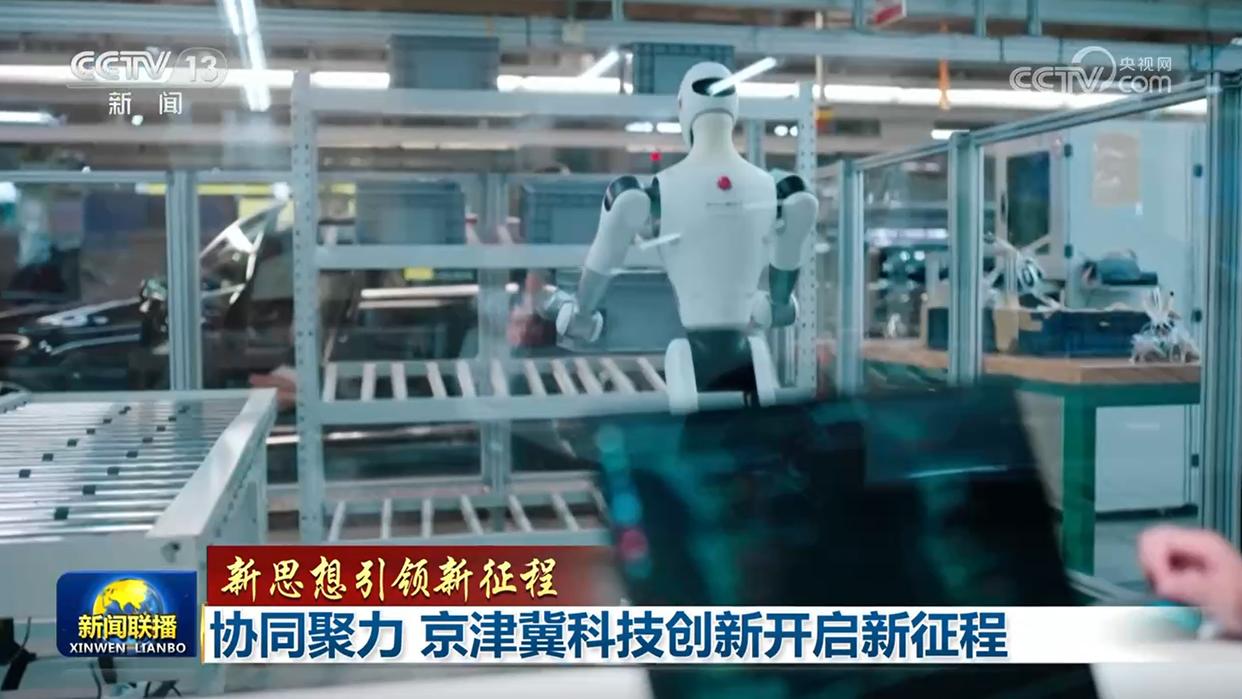
Core Insights - The Chinese government emphasizes the acceleration of building Beijing as an international technology innovation center and a high-level talent hub, aiming to enhance the country's independent innovation capabilities [1][5] - Beijing's Zhongguancun area, which occupies less than 4% of the city's area, contributes approximately one-third of the city's GDP, showcasing its role as a significant innovation hub [3] - The region has produced over 200 domestic large models, accounting for nearly 30% of the national total, with breakthroughs in quantum technology and artificial intelligence [3] - The number of "unicorn" companies in Zhongguancun exceeds 90, indicating a robust growth in innovative enterprises [3] - By 2025, total revenue from Zhongguancun enterprises is expected to surpass 10 trillion yuan, highlighting its leading role in innovation [3] - Beijing has established 145 national key laboratories and 10 new R&D institutions, maintaining a research funding intensity of around 6% [6] - The city has formed three trillion-level industrial clusters in new-generation information technology, technology services, and pharmaceutical health, along with seven hundred-billion-level clusters in areas like intelligent manufacturing and artificial intelligence [6] - The Beijing-Tianjin-Hebei region is collaborating on over 220 basic research projects, fostering a cooperative innovation ecosystem [8] - The central government has decided to expand the Beijing International Technology Innovation Center to include the Beijing-Tianjin-Hebei region, enhancing regional collaboration [8][10]
珠三角观察丨布局“十五五”,九城市委全会划重点
Xin Lang Cai Jing· 2025-12-20 13:55
Core Insights - The Pearl River Delta (PRD) region is entering a new phase of development, focusing on innovation-driven and collaborative growth as part of the "14th Five-Year Plan" and the upcoming "15th Five-Year Plan" [1] - The region aims to transform its industrial structure from factor-driven to innovation-driven, enhancing regional cooperation and urban development quality [1] Group 1: Industrial Development - The PRD cities are prioritizing the development of new productive forces, with a strategic focus on technological innovation to lead the modernization of the industrial system [1] - Guangzhou is constructing a "12218" modern industrial system, emphasizing the consolidation of existing industries while exploring new sectors like low-altitude economy and artificial intelligence [2] - Shenzhen is focusing on the integration of digital, network, platform, and financial services to upgrade its manufacturing sector, with a strong emphasis on artificial intelligence and green technologies [5] - Foshan is targeting a transformation from a manufacturing hub to an intelligent manufacturing city, particularly in the fields of artificial intelligence and robotics [5] - Dongguan is building an "8+8+4" key industrial system, enhancing traditional manufacturing through digitalization while expanding into semiconductor and new energy sectors [7] - Huizhou aims to achieve a "trillion GDP" target by strengthening industrial collaboration with neighboring cities and developing an AI and robotics industrial belt [9][10] Group 2: Regional Cooperation - The "14th Five-Year Plan" has accelerated the integration of the Guangdong-Hong Kong-Macao Greater Bay Area, with a focus on both hard and soft connectivity to optimize regional development [12] - Guangzhou and Shenzhen are leading the creation of a world-class urban agglomeration, with initiatives to enhance international competitiveness and cooperation with Hong Kong and Macau [12][14] - The construction of urban circles and the promotion of "same city" development are becoming increasingly important, with cities like Huizhou and Zhuhai actively participating in these efforts [14][16] Group 3: Urban Development and Quality of Life - The PRD cities are shifting their focus from scale expansion to high-quality, efficient, and livable urban development, aiming to create modern, resilient, and civilized cities [17] - Guangzhou is emphasizing urban renewal and village renovation, with a focus on enhancing urban quality and functionality [22] - Dongguan is pursuing a strategy of "intelligent creation and livability," aiming to improve governance and urban experience [18] - Each city is developing unique urban brands and characteristics, with a focus on creating high-quality living environments [20][22]
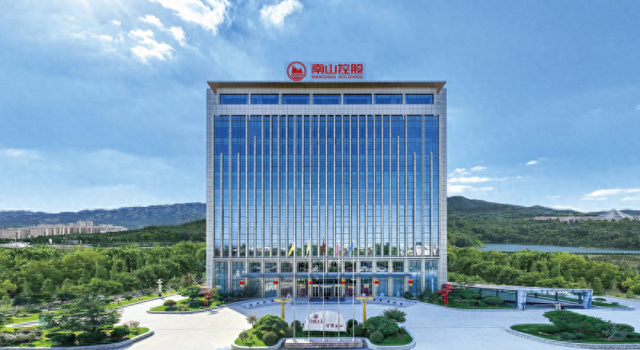
南山集团荣登双榜单
Xin Lang Cai Jing· 2025-12-20 09:50
Group 1 - The core report titled "2025 Shandong Large Enterprises Development Research Report" was jointly released by Shandong Enterprise Federation and Shandong Entrepreneurs Association, revealing the rankings of the top 200 enterprises, top 100 industrial enterprises, and top 50 service enterprises in Shandong for 2025 [1] - Nanshan Group ranked 11th in the 2025 Shandong Top 200 Enterprises and 9th in the 2025 Shandong Top 100 Industrial Enterprises [1][3] Group 2 - Nanshan Group has developed over 47 years into a multi-industry conglomerate, with key sectors including Nanshan Aluminum, Nanshan Zhishang, Hengtong Co., Yulong Petrochemical, New Nanshan Chemical, finance, education, cultural tourism, health, real estate, and public aviation [3] - The company operates four major industrial parks: Nanshan Industrial Park, Donghai Tourism Resort, Yulong Petrochemical Industrial Park, and Qimu Island Port Industrial Park, and has established subsidiaries in multiple countries, accelerating its internationalization process [3] Group 3 - In 2023, Nanshan Group was ranked 148th in the China Top 500 Enterprises, 38th in the China Top 500 Private Enterprises, 3rd in the Shandong Top 200 Private Enterprises by Comprehensive Strength, and 1st among Yantai's Top 100 Enterprises [5] - The company aims to continue its core strategies of innovation-driven and international development, steadily advancing technology research and industrial upgrades, while actively cultivating new productive forces to contribute to the high-quality development of Shandong's economy [5]

从科技“盆景”到“创新雨林” 科创企业背后有怎样的成长土壤?
Yang Shi Wang· 2025-12-20 09:23
Group 1 - The core viewpoint of the article highlights the emergence of innovative companies in Hangzhou, referred to as the "Six Little Dragons," which symbolize the achievements of technological innovation in Zhejiang [1] - Companies like Lingban Technology have gained significant attention, with their smart glasses receiving over 200,000 orders this year, showcasing rapid growth supported by a favorable business environment [4][6] - The Hangzhou Future Technology City has transformed from rural land to a core area for digital economy, life health, and intelligent manufacturing, with over 70,000 registered companies and more than 1,800 national high-tech enterprises established [8] Group 2 - The "Run Seed Plan" was launched in November to support promising startups, with an initial fund of 2 billion yuan aimed at nurturing technological innovation [10] - Challenges such as lack of funding and talent are common among tech startups, and the "Run Seed" fund focuses on early-stage investments in hard technology and talent [12] - The role of technology in Hangzhou's economic reform has shifted from a supporting element to a driving force for growth, emphasizing innovation-driven development [14]