
粮食安全

Search documents
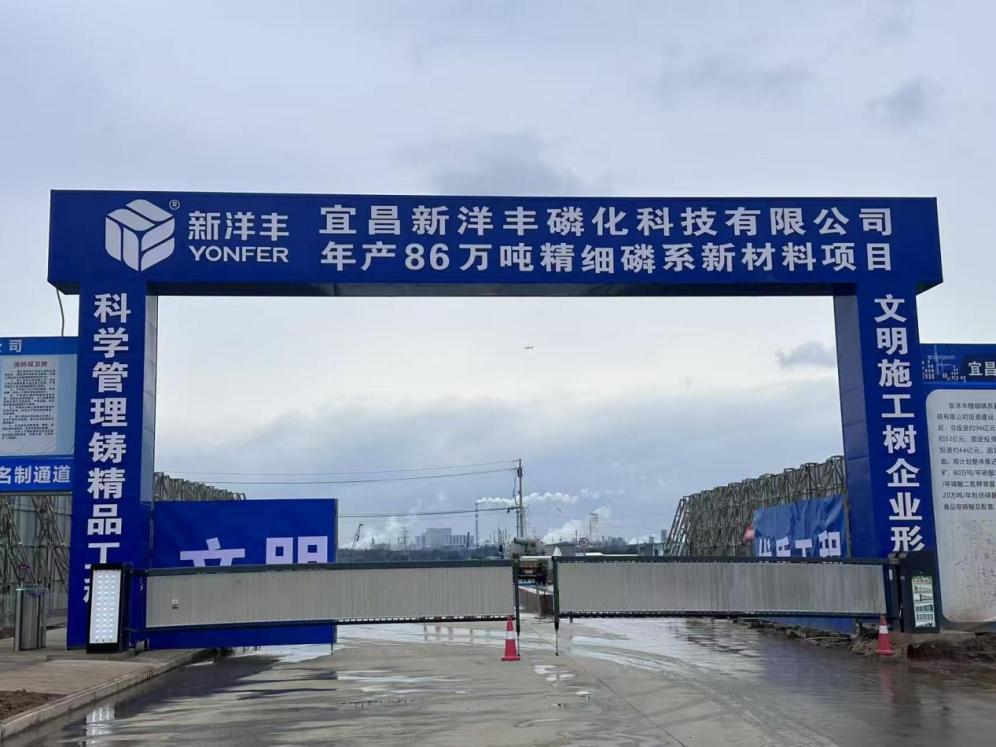
筑牢“粮食安全”压舱石,新洋丰全产业链谱写“丰收答卷”
Zhong Guo Jing Ji Wang· 2025-12-18 05:47
Core Viewpoint - Food security is a critical national priority, and the company is committed to supporting this through its comprehensive agricultural strategies and innovations [1] Group 1: Industry Context - The Chinese government emphasizes the importance of food security as a foundation for national security, aiming to increase grain production from 1.4 trillion jin to 1.5 trillion jin [1] - The company recognizes the need for stable supply and efficient use of fertilizers as part of the strategy to enhance food security [1] Group 2: Company Strategy - The company has strategically positioned its production facilities close to phosphate resources and key agricultural markets to ensure a stable supply chain [2] - A new project in Hubei, set to begin in May 2025, aims to create a comprehensive phosphate resource utilization chain, enhancing production stability and cost control [2] Group 3: Market Development - The company has established modern fertilizer production bases across major agricultural provinces, allowing for tailored fertilizer solutions based on regional soil characteristics and crop types [4] - An investment agreement for a new specialized fertilizer project in Anhui is set to produce 1 million tons annually, further expanding the company's market presence [4] Group 4: Innovation and Product Development - The company has developed over 200 specialized fertilizer products tailored to various crops, addressing the need for high-efficiency and environmentally friendly solutions [5] - Collaborations with research institutions have led to significant advancements, such as a compound fertilizer that reduces toxin levels in oilseed crops by 80% [5] Group 5: Service and Support - The company emphasizes the importance of service alongside product sales, employing over 240 agronomists to provide comprehensive support to farmers [7] - The agronomists offer technical guidance on soil testing, planting management, and pest control, ensuring effective fertilizer application [7] Group 6: Future Outlook - The company aims to integrate its resource assurance, innovative product offerings, and extensive service network into the national food security strategy, contributing to agricultural strength [9] - The mission is to enhance agricultural productivity and ensure food security through a robust and efficient supply chain [9]


中经评论:抓住粮食增产创造的回旋空间
Jing Ji Ri Bao· 2025-12-18 00:08
Core Insights - China's grain production reached 14,297.5 billion jin this year, an increase of 1.2% or 167.5 billion jin from the previous year, ensuring food security while highlighting structural shortages in grain supply [1] - The structural contradictions in grain supply are linked to resource constraints, consumption upgrades, and planting habits, leading to an imbalance in grain varieties and insufficient high-quality grain supply [1][2] - Continuous optimization of grain planting structure is essential to address the imbalance in grain varieties, with significant progress seen in corn and soybean production [2] - The promotion of high-quality grain varieties faces challenges such as high technical barriers and market integration issues, necessitating a market-oriented approach to enhance quality and sustainability [3] - A dynamic balance between grain production increase and structural optimization is crucial for achieving long-term goals in food security and quality [4] Group 1: Grain Production and Security - China's grain production reached 14,297.5 billion jin, marking a 1.2% increase from last year [1] - Structural shortages in grain supply pose potential risks to food security despite high production levels [1] Group 2: Structural Issues in Grain Supply - The imbalance in grain varieties and insufficient supply of high-quality grains are major issues [1][2] - High dependency on imports for soybeans, exceeding 80%, remains a challenge for national food security [2] Group 3: Optimization Strategies - Continuous efforts are needed to optimize grain planting structure through various methods such as intercropping and improved varieties [2] - The promotion of high-quality grain varieties requires addressing technical challenges and ensuring market demand alignment [3] - A balanced approach between increasing production and optimizing structure is necessary to avoid reducing overall grain output [4]
【粮食大事】抓住粮食增产创造的回旋空间
Jing Ji Ri Bao· 2025-12-17 20:50
Core Viewpoint - China's grain production has reached a high level again this year, with a total output of 14,297.5 billion jin, an increase of 16.75 billion jin or 1.2% from the previous year, ensuring food security while structural shortages remain a potential risk [2] Group 1: Grain Production and Structure - The structural imbalance in grain types and insufficient supply of high-quality grains are major issues affecting food security in China, influenced by resource constraints, consumption upgrades, and planting habits [2] - The government aims for "basic self-sufficiency in grains and absolute safety in staple foods," leading to prioritization of limited arable land for staple crops like rice, wheat, and corn, which results in shortages of soybeans and other feed grains [2] - The rapid increase in demand for feed grains due to rising consumption of meat, eggs, and milk has outpaced domestic production growth, with soybean dependency on imports exceeding 80% [2][3] Group 2: Progress in Grain Production - Recent initiatives have led to improvements in grain planting structure, with corn production reaching 6,024.7 billion jin, an increase of 12.64 billion jin or 2.1%, and soybean production at 418.1 billion jin, up by 5.2 billion jin or 1.3% [3] - Despite these gains, the high dependency on imported soybeans remains a structural challenge for national food security [3] Group 3: Quality of Grain Supply - Efforts to promote high-quality domestic wheat and rice have made some progress in replacing imported varieties, but challenges such as high technical barriers and production risks hinder sustainable quality improvements [4] - A market-oriented approach is necessary, focusing on technological agriculture, green agriculture, quality agriculture, and brand agriculture, to enhance the entire supply chain from farm to table [4] Group 4: Long-term Strategy and Balance - Optimizing grain planting structure is a dynamic process that requires a combination of short-term goals and long-term planning to achieve better structure, quality, efficiency, and resilience [5] - The balance between increasing production and optimizing structure is crucial, ensuring that production increases do not lead to reductions in output of structurally deficient varieties [4][5]

阿尔及利亚两个月内采购超过 160 万吨制粉小麦
Shang Wu Bu Wang Zhan· 2025-12-16 16:31
(原标题:阿尔及利亚两个月内采购超过 160 万吨制粉小麦) El Watan 网站 2025 年 12 月 7 日报道,最新消息显示,阿尔及利亚粮食跨行业局(OAIC)在近期 的国际招标中大幅提高了采购规模,在不到两个月时间内采购了超过 160 万吨制粉小麦。此次招标原定 名义数量为 5 万吨,但最终成交量远超预期,这一情况反映出该机构在粮食安全方面采取积极策略,以 稳定国内供应。 在 2025 年 10 月至 12 月期间,OAIC 连续完成多次采购。虽然全球粮食市场波动较大,但阿选择集中 采购以确保面粉供应稳定。本轮招标采购量约为 81 万至 90 万吨,成交价格约为每吨 256 美元(含运 费),采购规模和节奏均明显加快。这些小麦将于 2026 年分批发运,根据原产地不同,具体发运时间 有所调整,来自欧洲的货物安排在 2 月上半月和下半月装运;若原产地为南美或澳大利亚,则提前至 1 月。交易商还提及从黑海地区或阿根廷发运的可能性,以进一步丰富供应来源。在本次采购之前, OAIC 已于 10 月底采购约 60 万吨制粉小麦,11 月中旬又完成约 15 万至 17 万吨的采购。与 12 月初的 采购量合计 ...
粮食安全看山东”之烟台:“安全储粮”迈向“绿色优储
Zhong Guo Fa Zhan Wang· 2025-12-16 05:08
Group 1 - Yantai City is implementing a transformation from "safe grain storage" to "green and efficient storage" in line with national and provincial policies on grain storage and management [1] - During the 14th Five-Year Plan period, Yantai has upgraded and transformed grain storage capacity by 340,400 tons and newly built 203,200 tons, involving multiple storage areas [1] - The city has achieved a total grain storage capacity of 2,256,000 tons with a completion rate of 98.9%, including 673,400 tons of modern standardized storage in state-owned enterprises [1] Group 2 - Yantai City is optimizing its grain storage logistics facilities to align with national food security strategies, planning to build 43,700 tons of new storage capacity and upgrade 302,800 tons during the 15th Five-Year Plan [2] - The city has secured over 64 million yuan in provincial funding to support multiple upgrade and new construction projects, including a high-standard grain storage project in Haiyang [2] Group 3 - Yantai has established a standardized management system for grain storage enterprises, issuing various regulatory documents to enhance safety and management standards [3] - In 2023, an assessment of 13 grain storage enterprises was conducted, with 11 achieving excellent standards and 2 meeting good standards, promoting compliance and good management practices [3] Group 4 - The city aims to improve its storage management system and conditions, integrating new construction with the renovation of old facilities to enhance modernization [4] - Yantai is advancing the application of digital technologies to promote integrated, intelligent, and systematic management in grain storage [4]
“粮食安全看山东”之烟台:“绿色+智慧”助力仓储节粮减损
Zhong Guo Fa Zhan Wang· 2025-12-16 05:04
Core Viewpoint - Yantai Grain Reserve Company is implementing a comprehensive green storage enhancement initiative to strengthen regional food security and promote high-quality development in the grain industry through facility upgrades, technological empowerment, and management innovation [1][2][3] Group 1: Facility Upgrades - The company is focusing on upgrading storage facilities by adding insulation layers, reflective coatings, and replacing airtight doors and windows, significantly improving heat insulation, moisture resistance, and airtight performance [1] - The average grain temperature is maintained below 20°C year-round, ensuring long-term preservation of grain quality and reducing losses during storage [1] - The daily grain intake capacity has been increased to 1,200 tons, and unloading time per truck has been reduced by approximately 50%, enhancing operational efficiency and minimizing grain breakage and impurity increase during handling [1] Group 2: Technological Empowerment - The company is advancing the information technology infrastructure to create a smart management system that covers the entire lifecycle of grain circulation [2] - A "one card" system has been implemented for comprehensive data collection and monitoring throughout the grain storage process, ensuring traceability and control at every step [2] - Real-time monitoring and intelligent early warning systems for temperature and humidity in storage areas effectively prevent risks of condensation, mold, and pest infestations, maintaining storage loss rates below 0.5% [2] Group 3: Management Standards - The company strictly adheres to national and local food security laws and regulations, establishing a comprehensive safety storage management system that provides clear guidelines for employee behavior [3] - All staff involved in grain management have undergone professional training to master information management skills and emergency response capabilities [3] - A multi-level grain inspection system has been established to ensure early detection and resolution of issues, contributing to stable grain reserves and high quality without any safety incidents [3] - The company is actively planning to collaborate with higher education institutions to enhance green storage technology standards and explore advanced working models for sustainable food reserve security [3]
阿尔及利亚推进粮食供应多元化体系建设
Shang Wu Bu Wang Zhan· 2025-12-16 03:18
Core Viewpoint - Algeria is enhancing its food security by diversifying high-quality hard wheat import sources, optimizing food supply chain management, and strengthening international cooperation [1] Group 1: International Cooperation - A food cooperation exchange meeting between Algeria and Canada was held in Algiers, showcasing the quality of Canada's new harvest hard wheat and discussing supply stability, logistics assurance, and quality control [1] - The Canadian delegation highlighted North America's practices in wheat breeding, quality testing, and supply chain management, emphasizing improved yield and quality this year, which can provide Algeria with long-term and reliable supply assurance [1] Group 2: Domestic Supply Chain Management - Algeria's grain management department and procurement agencies (OAIC) shared technical training and value chain collaboration plans, indicating a commitment to enhance cooperation with Canadian companies in grain storage, port shipping, and quality monitoring [1] - Algeria is accelerating the adjustment of its import structure to ensure stable food supply, increasing the procurement ratio from North America while maintaining existing European and Black Sea supply channels to reduce single-source risk [1] Group 3: Procurement and Inventory - Recently, Algeria procured approximately 810,000 to 900,000 tons of soft wheat through international tender, with contract prices around $256 per ton (including freight), expected to arrive in batches by February 2026 [1] - With key batches arriving and supply chain arrangements progressing steadily, Algeria's food inventory security is further enhanced, providing stability for domestic market prices and supply [1]
筑牢“三农”根基 绘就振兴画卷 交通银行全力支持农业强国建设
Jin Rong Shi Bao· 2025-12-16 02:46
Core Viewpoint - The modernization of agriculture and rural areas is crucial for China's overall modernization, and the focus is on accelerating rural revitalization through financial innovation and support for key agricultural sectors [1][9]. Group 1: Financial Support for Agriculture - The company has established a dedicated leadership group for rural revitalization, ensuring a solid management system from strategic decision-making to grassroots execution [2]. - A "Four Special Mechanism" has been implemented to enhance credit support, including specialized policy guidelines and a dedicated approval channel for agricultural loans [2][3]. - The company has developed innovative financial products such as "Yinong e-loan" and "Agricultural Trade e-loan" to support agricultural product development and enhance supply security [3]. Group 2: Technology and Risk Management - The company utilizes big data risk control models to automate loan approvals, significantly reducing approval times and enhancing service accessibility in rural areas [3]. - A proactive credit service model has been introduced, leveraging mobile banking to extend financial services to rural communities [3]. Group 3: Food Security Initiatives - The company emphasizes food security as a national priority, supporting the agricultural supply chain in key grain-producing regions like Hebei, which produces over 700 billion jin of grain annually [6]. - A comprehensive financial ecosystem has been established to support the entire grain industry chain, from seed research to market circulation [6]. Group 4: Support for Local Industries - The company focuses on activating local特色产业 (characteristic industries) by providing tailored financial support to align with local resources and promote unique agricultural products [7]. - The "Agricultural Breeding Loan" product has been developed to assist livestock farmers in overcoming financing challenges through a data-driven approach [8]. Group 5: Future Commitment - The company is committed to continuing its support for rural revitalization and aligning its strategies with national development plans, aiming to contribute to the modernization of rural areas in China [9].


程国强:扛稳保障国家粮食安全重任
Jing Ji Ri Bao· 2025-12-16 00:05
Core Viewpoint - Food security is a critical strategic issue related to economic development and social stability, emphasized by the Chinese leadership as a top priority for governance [1][2]. Importance of Food Security - Food security is the cornerstone of national security and is essential for economic development and social stability, especially for a country with over 1.4 billion people [2][3]. - China's grain production has remained stable above 650 million tons for ten consecutive years, with projections to exceed 700 million tons in 2024, ensuring basic self-sufficiency in grains [2]. Enhancing Agricultural Production Capacity - The country is focused on improving agricultural land quality and efficiency, with significant investments in high-standard farmland construction and water management [5]. - By 2024, the effective utilization coefficient of irrigation water has increased from 0.523 in 2013 to 0.58, with annual water savings reaching 2.4 billion cubic meters [5]. Food Reserve and Regulation System - A comprehensive food reserve system is being established, combining central and local reserves, as well as government and enterprise reserves [6][7]. - By 2024, nearly 7,000 emergency processing enterprises will be operational, with daily processing capacity exceeding 1.7 million tons, sufficient to meet the food needs of residents for over two days [7]. Responsibility Mechanism for Food Security - The implementation of a dual responsibility system for food security has been emphasized, with clear accountability for local governments to ensure grain production and quality [8][13]. - Policies are being developed to stabilize farmers' incomes and encourage grain production through subsidies and insurance [14]. Addressing Risks and Challenges - Despite improvements, challenges remain, including land degradation and the need for technological advancements in agricultural practices [9][10]. - The mismatch between food supply and consumption demands highlights the need for better alignment in agricultural production, particularly in protein feed sources [11]. Technological Innovation and Support - There is a need for a more robust agricultural technology system to enhance productivity, with a focus on commercial breeding and mechanization [12][16]. - The integration of technology in agriculture is crucial for improving efficiency and ensuring sustainable food production [16].
扛稳保障国家粮食安全重任
Jing Ji Ri Bao· 2025-12-15 22:50
Core Viewpoint - Food security is a critical strategic issue related to economic development and social stability, emphasized by the Chinese government as a top priority for governance [1][2]. Importance of Food Security - Food security is the cornerstone of national security and is essential for economic development and social stability, especially for a country with over 1.4 billion people [2][3]. - China's grain production has remained stable at over 650 million tons for ten consecutive years, with projections to exceed 700 million tons in 2024, ensuring basic self-sufficiency in grains [2]. Enhancing Agricultural Production Capacity - The government is focused on improving agricultural land quality and efficiency, with significant investments in high-standard farmland construction and water management [5]. - By 2024, the effective utilization coefficient of irrigation water is expected to increase from 0.523 in 2013 to 0.58, with annual water savings reaching 2.4 billion cubic meters [5]. Food Reserve and Regulation System - A comprehensive food reserve system is being established, combining central and local reserves, as well as government and enterprise reserves, to ensure stability in food supply [6][7]. - By 2024, nearly 7,000 emergency processing enterprises will be operational, with a daily processing capacity exceeding 1.7 million tons [7]. Responsibility Mechanism for Food Security - The implementation of a dual responsibility system for food security is crucial, with clear accountability for local governments to ensure grain production and quality [8][14]. - Policies are being developed to stabilize farmers' incomes through price support, subsidies, and insurance, ensuring that grain production remains profitable [14]. Addressing Risks and Challenges - Despite improvements, challenges remain in food supply, including land degradation and reliance on imports for certain feed ingredients [9][10][11]. - The agricultural sector faces technological and infrastructural bottlenecks, with a need for enhanced mechanization and digitalization to improve efficiency [12]. Strengthening Agricultural Technology and Innovation - The government aims to foster agricultural innovation through a collaborative approach between enterprises and research institutions, focusing on high-yield crop varieties and advanced farming techniques [16]. - By 2024, the contribution rate of agricultural technology is expected to reach 63.2%, with a significant increase in mechanization levels across major crops [5][16].