美国优先

Search documents
全球美军将领下周罕见集结 细节曝光
Mei Ri Jing Ji Xin Wen· 2025-09-28 00:20
据知情人士透露,这项"极不寻常的指令"几乎发给了美军在全球驻扎的高级指挥官。该指令于本周早些时候发布,而几个 月前,赫格塞思在五角大楼的团队宣布了对最高军事指挥部进行全面整合的计划。 据央视新闻9月25日报道,美国国防部长赫格塞思下令数百名美国军方将领下周在弗吉尼亚州的一个海军陆战队基地紧急集 结,且未说明原因。 美国国防部发言人肖恩·帕内尔25日在一份声明中确认,赫格塞思"将于下周初与高级军事领导人进行会谈",但并没有提供 更多细节。 据参考消息援引路透社9月26日报道,两名不愿透露姓名的美国官员说,这次会议的讨论重点将是赫格塞思所说的在整个军 队中秉持"勇士精神"的必要性。其他官员则说,这次将持续约一个小时的会议可能会涉及其他领域。 还有一位官员说,考虑到将有多名高级官员在同一地点开会,会议可能会讨论一些实质性问题,比如政府的新国防战略以 及预计将裁减最高军阶人员等问题——尽管这些问题并没有被正式纳入议程。 官员们对记者说,该活动预计将在位于弗吉尼亚州匡蒂科的海军陆战队大学举行。一些最高级别的将领预计将乘飞机抵达 马里兰州的安德鲁斯联合基地。 本月早些时候,美国总统特朗普签署了一项行政命令,将国防部重新命 ...

终于被打疼了,特朗普上台后,欧洲都纷纷醒悟:不要介入中美冲突
Sou Hu Cai Jing· 2025-09-27 12:31
Core Points - Trump's re-election in 2025 is causing significant concern in Europe due to the potential reimplementation of his "America First" trade policies, which previously included high tariffs on EU goods [2][4] - The EU is already facing economic stagnation, and Trump's tariffs could exacerbate existing challenges, particularly in key sectors like automotive and aerospace [4][6] - The EU's response to Trump's aggressive trade measures is fragmented, with member states divided on how to retaliate without jeopardizing security cooperation with the U.S. [4][6] Economic Impact - Germany's automotive industry, particularly brands like Mercedes and BMW, is expected to suffer from reduced competitiveness due to increased tariffs [4] - France's aerospace sector, including Airbus, is also at risk of losing orders as tariffs escalate [4] - The EU's trade surplus with the U.S. exceeded €300 billion in 2024, highlighting the economic stakes involved in the trade relationship [4] Strategic Shifts - The EU is reassessing its economic positioning, with French President Macron advocating for stronger ties with China to mitigate the impact of U.S. tariffs [7][10] - EU Commission President von der Leyen has indicated a willingness to negotiate on electric vehicle tariffs with China, reflecting a pragmatic shift in strategy [7][10] - The EU's internal divisions and lack of unified leadership post-Merkel complicate its ability to respond effectively to U.S. trade pressures [6][10] Future Outlook - Analysts suggest three potential scenarios for the EU: making concessions to the U.S., fully decoupling from China, or allowing Trump to act unilaterally, each with significant economic implications [10][12] - The EU's strategic autonomy is becoming increasingly important as it navigates the complexities of U.S.-China relations while trying to maintain its economic interests [11][12] - The ongoing trade tensions are prompting the EU to seek a balance between cooperation with China and managing its relationship with the U.S. [11][12]
“最高100%关税”!特朗普突然宣布
Sou Hu Cai Jing· 2025-09-27 08:14
Core Viewpoint - The new tariff measures announced by President Trump are expected to have significant impacts across various industries, continuing the "America First" policy from his first term [1][8]. Group 1: Tariff Details - The new tariffs cover four main categories: 1. Kitchen cabinets, bathroom sinks, and related building materials will face a 50% tariff [2]. 2. Imported furniture will incur a 30% tariff [2]. 3. Patent and brand-name drugs will be subject to a 100% tariff [2]. 4. Imported heavy trucks will see a 25% tariff [2]. - The most notable measure is the 100% tariff on patent drugs, which is unprecedented [2]. Group 2: Rationale Behind Tariffs - Trump justified the tariffs on furniture and cabinets by claiming that foreign countries are flooding the U.S. market with these products, which he deems unfair [5]. - National security is cited as a reason for the heavy truck tariffs, similar to the rationale used for previous steel and aluminum tariffs [6]. Group 3: Industry Impact - The tariffs are expected to lead to price increases in the U.S. market, with furniture prices already rising by 4.7% year-over-year as of August 2025 due to previous tariffs [6]. - The 100% tariff on patent drugs could effectively block many of these products from the U.S. market unless companies establish manufacturing facilities in the U.S. [11]. - Companies in the automotive, pharmaceutical, and furniture sectors will need to reassess their supply chain strategies, with some potentially absorbing costs while others may pass them on to consumers [11]. Group 4: Legal Challenges - The new tariff policies are facing legal challenges, with the U.S. Supreme Court set to review the legality of many tariffs imposed by the Trump administration [11].
就在刚刚,美国突然宣布了 9月27日,美高层用三个字把全球市场砸醒,印度难受了
Sou Hu Cai Jing· 2025-09-27 07:58
Group 1 - The U.S. government's announcement of a 100% tariff on patented drugs has caused significant turmoil in global markets, leading to declines in U.S. stock futures and a drop in pharmaceutical stocks across Asia-Pacific, with Australia's CSL reaching a six-year low [1][3] - Pharmaceutical companies are faced with a dilemma: to maintain access to the U.S. market, they must invest heavily in relocating production facilities to the U.S., or risk losing profits due to the 100% tariff [3] - Indian pharmaceutical companies are particularly affected, with $8.7 billion in drug exports to the U.S. in FY2024, accounting for 31% of their total exports, and over 30% of their revenue dependent on the U.S. market [4] Group 2 - The U.S. strategy of imposing tariffs to gain economic advantage is likely to backfire, potentially leading to retaliatory measures from other countries and harming normal trade relations, which could isolate the U.S. and diminish its economic benefits [6]
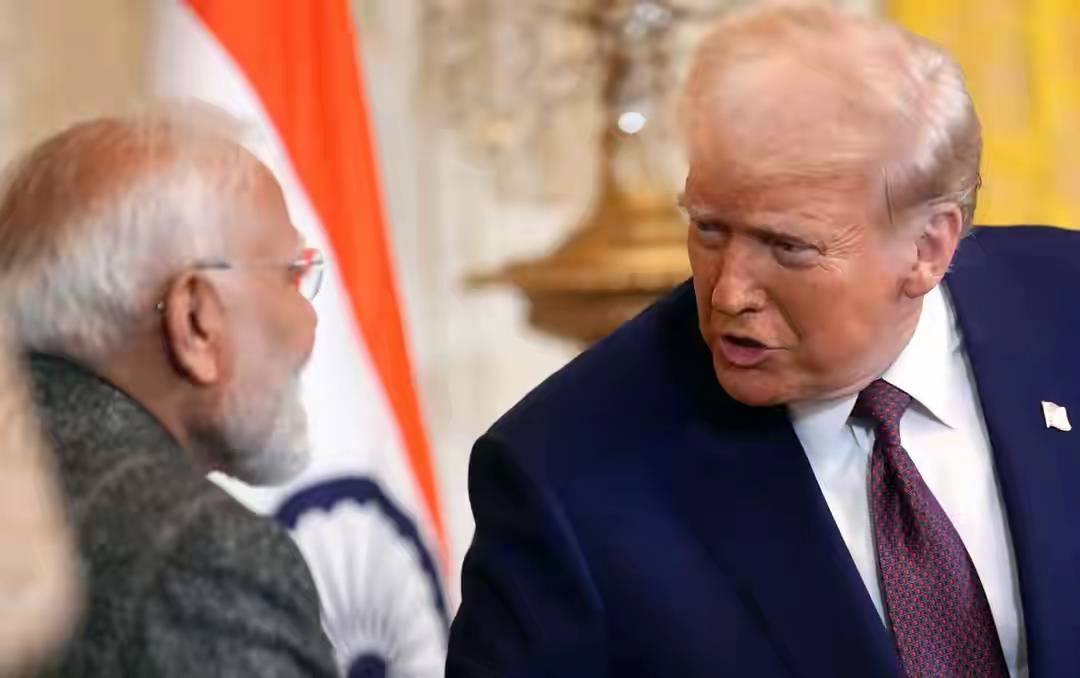
集体大跌!特朗普宣布:100%关税!
券商中国· 2025-09-26 01:06
Core Viewpoint - The article discusses the new high tariffs imposed by the Trump administration on various imported products, particularly focusing on pharmaceuticals, and the potential implications for the industry and patients in the U.S. Tariff Details - Starting from October 1, the U.S. will impose a 100% tariff on all branded and patented pharmaceutical products, a 50% tariff on kitchen cabinets, bathroom sinks, and related building materials, a 30% tariff on imported furniture, and a 25% tariff on all imported heavy trucks [2][3][4]. Market Reaction - Following the announcement, pharmaceutical stocks in Japan, South Korea, and Australia experienced significant declines, with CSL down over 4%, and several other companies like Sumitomo Pharma and Samsung Biologics also facing drops of more than 3% [2]. Economic Implications - Analysts warn that the high tariffs on pharmaceuticals could increase costs and disrupt the drug supply chain, potentially putting U.S. patients at risk. The new tariffs may exacerbate inflationary pressures in an already high-inflation environment, impacting economic growth and creating new uncertainties for businesses [2][5]. Industry Response - The Trump administration aims to encourage pharmaceutical companies to relocate production back to the U.S., as domestic production has significantly declined, with a 70% reliance on imports. Major companies like Johnson & Johnson and GlaxoSmithKline have announced plans to increase investments in U.S. manufacturing [5][6]. Long-term Considerations - The article highlights the need for the U.S. government to balance domestic industry interests with global trade relations and patient welfare. Failure to find this balance could lead to chaos in the global pharmaceutical industry and increased drug costs for patients [6]. Policy Context - Throughout the year, the Trump administration has focused on lowering drug prices and reshaping the pharmaceutical supply chain. Previous proposals included reducing drug prices by 30%-80% and imposing even higher tariffs on imported drugs [7][8]. Future Initiatives - The government is considering creating a direct sales platform for prescription drugs, allowing patients to purchase discounted medications directly from manufacturers. This initiative aims to align U.S. drug prices with those in other developed countries [8][9].


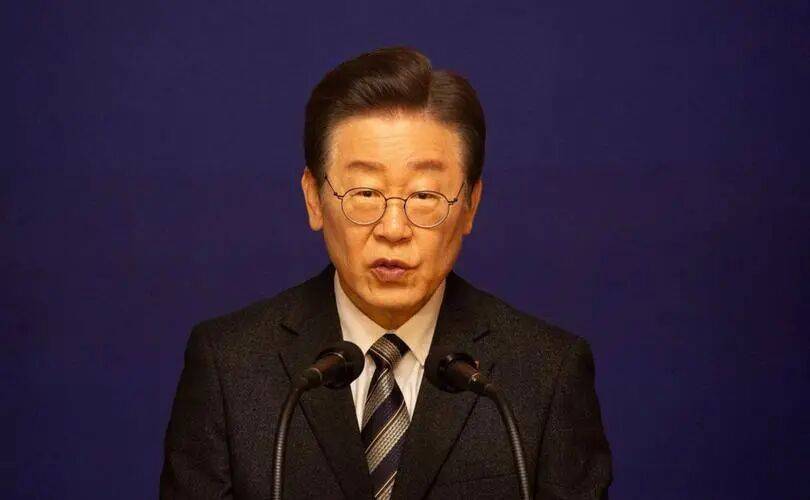
特朗普又一次失算了,韩国算了一笔账,国内群喊“不谈了,不如硬抗关税”
Sou Hu Cai Jing· 2025-09-25 16:56
Core Points - The US-Korea trade negotiations have reached an impasse due to the stringent conditions imposed by the Trump administration, putting the South Korean government under significant pressure [1][4] - South Korean President Lee Jae-myung has expressed concerns about the potential political risks of compromising with Trump's demands, indicating a shift from a pro-US stance to a more confrontational approach [2][8] Group 1: Negotiation Stalemate - Since July 8, the US-Korea trade agreement negotiations have stalled, with both sides failing to reach consensus despite intensive discussions [4] - Trump's demands include a $350 billion investment from South Korea, a 15% increase in auto tariffs, and a commitment to purchase $100 billion in US natural gas over four years, which are seen as excessive by South Korea [4][11] - The request for the transfer of land ownership of US military bases in Korea to the US has particularly angered South Korean officials, reflecting Trump's aggressive negotiation style [4][10] Group 2: Domestic Reactions - The strong demands from the US have sparked significant backlash within South Korea, with rising anti-American sentiment among the public [6][11] - The detention of over 300 South Korean employees in the US on visa issues has further fueled public outrage, leading to large-scale protests in cities like Seoul and Busan [7] - President Lee Jae-myung is aware that further concessions could lead to political repercussions, including potential impeachment [2][8] Group 3: Strategic Responses - In response to Trump's demands, Lee has employed a humorous approach to deflect pressure while asserting South Korea's position, indicating a strategic shift in negotiations [8][9] - There is a growing sentiment among South Korean officials that accepting a 25% tariff on exports to the US may be more manageable than complying with Trump's $350 billion investment demand [11][13] - Lee's administration is also exploring diplomatic adjustments to balance relations between the US and China, including visa exemptions for Chinese tourists [14][16]
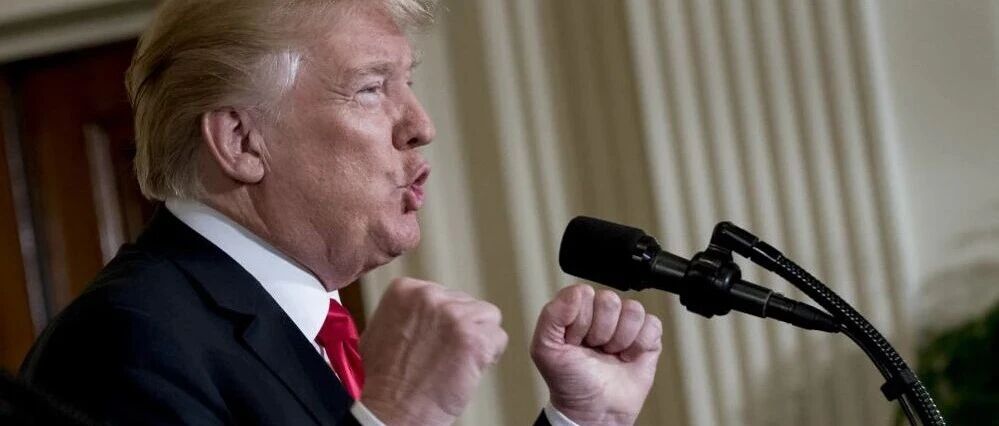
“赢回全部乌克兰!” 特朗普撂狠话,信息量很大 | 国际识局
Zhong Guo Xin Wen Wang· 2025-09-25 12:01
Core Viewpoint - President Trump's recent statement indicates a significant shift in his stance towards Ukraine, suggesting that Ukraine has the potential to regain its territory with the support of the EU and NATO, contrasting with his previous approach of urging negotiations and concessions from Ukraine [1][4]. Group 1: Strategic Considerations - Trump's change in perspective is not based on Ukraine's military capabilities but rather as a tactic to exert pressure on Russia [4]. - The current U.S. policy towards Russia prioritizes maintaining strategic stability and preventing the escalation of the Ukraine crisis, with a focus on short-term economic benefits for the U.S. [4][7]. - The shift may signal a change in the U.S. approach to negotiations, moving from active mediation to a more passive stance, potentially abandoning dialogue if Russia does not compromise [4][10]. Group 2: Impact on European Relations - Trump's strong rhetoric aims to alleviate European concerns regarding security threats from Russia, especially following recent incidents in Poland, Estonia, and Romania [5][6]. - The initial lukewarm response from Trump to these incidents raised doubts among NATO's European members about the reliability of U.S. commitments to collective security [6]. Group 3: Economic Implications - The ongoing conflict may provide short-term economic benefits to the U.S. through sustained pressure on Russia, aligning with Trump's shift from seeking a Nobel Peace Prize to focusing on energy and military gains [7]. - There is potential for the U.S. to expand military sales to Ukraine, supported by European funding, which could become a long-term strategy [8]. Group 4: Potential for Conflict Escalation - Trump's assertion that Ukraine could reclaim its territory may provoke a renewed wave of Western support for Ukraine, raising concerns about escalating tensions with Russia [9]. - Despite the potential for increased conflict, the likelihood of direct military engagement between NATO and Russia remains low due to Trump's cautious diplomatic approach [9]. Group 5: Future Policy Directions - The sustainability of Trump's new policy remains uncertain, as it may be more tactical than strategic, with the possibility of further adjustments based on geopolitical developments [10]. - Trump's approach reflects a desire to maximize options in negotiations, indicating that he may continue to shift his stance as circumstances evolve [10].
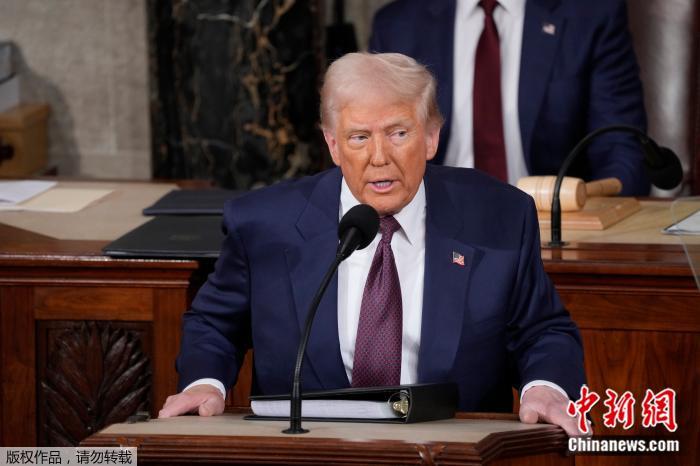
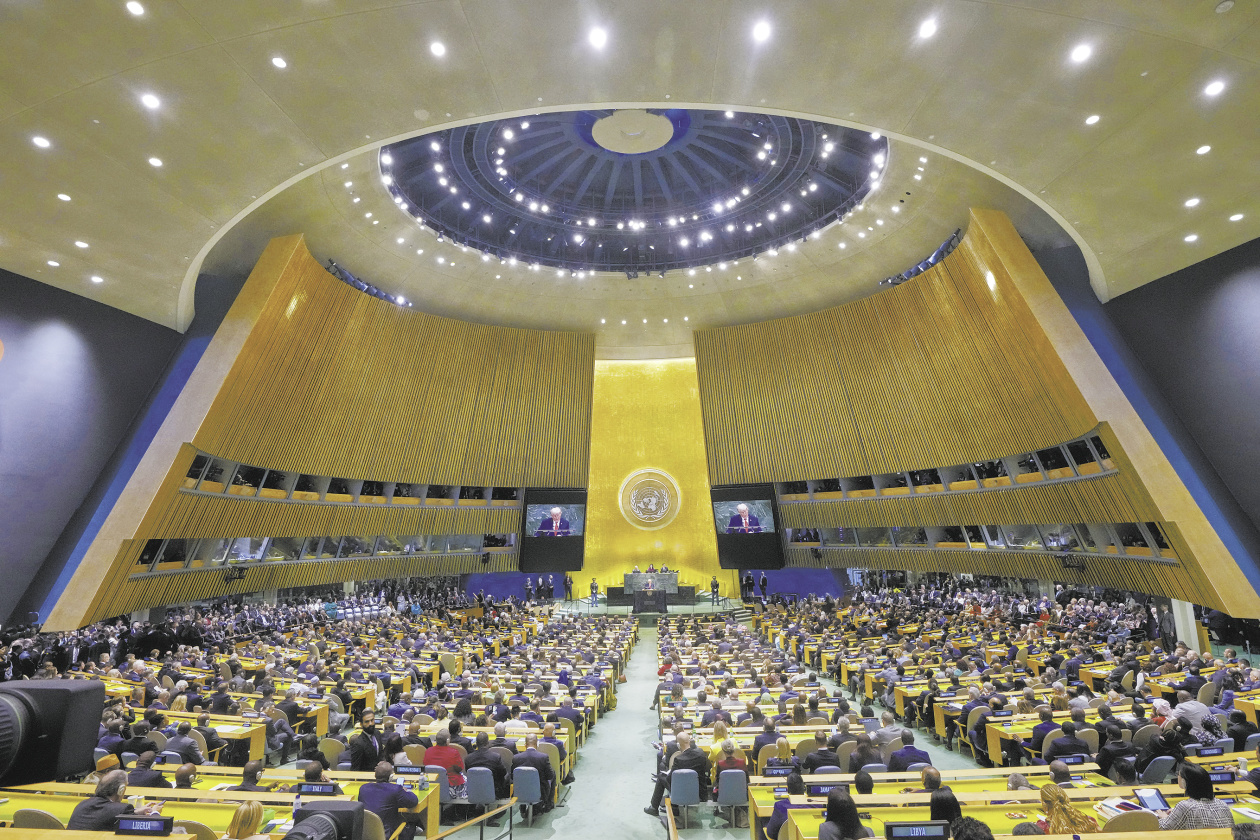
卢拉特朗普火药味开场,巴以和俄乌引持续交锋,上百位元首首脑在联大展开辩论
Huan Qiu Shi Bao· 2025-09-23 23:02
Core Viewpoint - The UN Secretary-General António Guterres emphasized the necessity of international cooperation in addressing global challenges, stating that no single country can tackle issues like pandemics or climate change alone [1][10]. Group 1: International Cooperation - Guterres highlighted that international cooperation is a pragmatic approach, as global issues require collective action [1]. - He pointed out that the principles of the UN are under attack, indicating a need to strengthen the UN's role in global governance [1][10]. Group 2: US Position and Criticism - Former President Trump criticized the UN, claiming it has failed to resolve global conflicts and that he has had to take on these challenges himself [4][5]. - Trump's "America First" policy contrasts sharply with the UN's mission of global decision-making, leading to significant cuts in US foreign aid and withdrawal from various international agreements [5]. Group 3: Global Challenges and Responses - The ongoing geopolitical crises, such as the Russia-Ukraine conflict and the Israel-Palestine situation, were highlighted as pressing issues during the UN General Assembly [1][7]. - The recognition of Palestine as a state was a significant topic, with 152 out of 193 UN member states already acknowledging it, which could have economic implications for Israel [8]. Group 4: UN's Current State - The UN is facing unprecedented funding shortages, exacerbated by the US's failure to pay dues since Trump's administration [9]. - Despite criticisms, the UN remains a vital platform for international cooperation, especially for developing countries seeking solutions to global issues [9].
中印还没妥协,普京先让步了,全球收到通告,石油能源向美敞开大门
Sou Hu Cai Jing· 2025-09-21 09:25
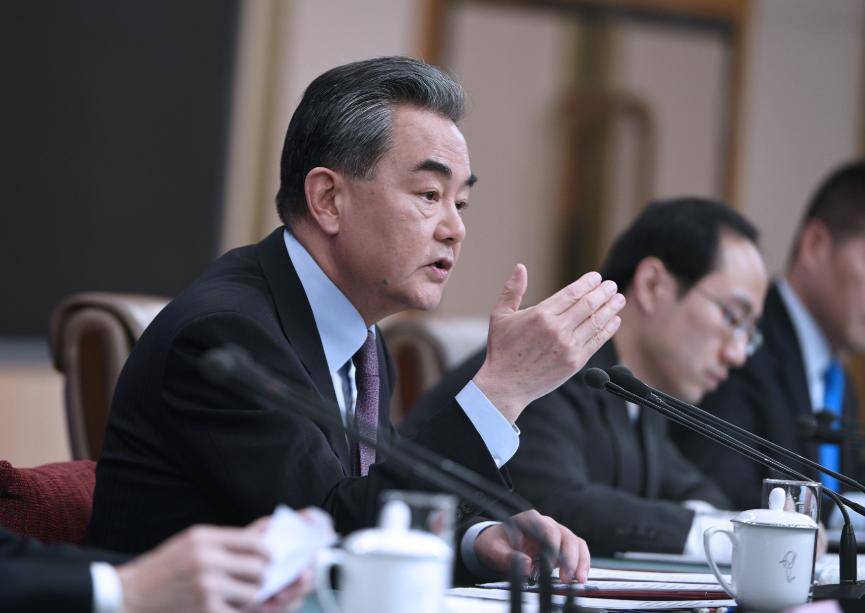
Group 1 - The article discusses the strategic maneuvers between the US, China, and Russia amid ongoing geopolitical tensions, particularly focusing on the US's attempts to pressure China through tariffs and the unexpected overture from Russia towards the US [1][3]. - The US is pushing for a maximum 100% tariff on Chinese goods, aiming to deepen the rift between China and the EU, while leveraging EU support against China in the context of the Russia-Ukraine conflict [1][3]. - China's Foreign Minister Wang Yi emphasizes that the abuse of tariffs will harm all parties involved, indicating that economic sanctions will not resolve issues but may lead to greater losses [3][5]. Group 2 - Russia's unexpected willingness to discuss energy cooperation with the US, including the "Sakhalin-1" project, raises questions about its strategic intentions amidst the ongoing Ukraine conflict [3][5]. - The Russian economy is under pressure from Western sanctions and high interest rates, prompting a need for new economic partnerships, particularly with the US [3][5]. - From a geopolitical perspective, restoring energy cooperation with the US could provide Russia with more leverage in international negotiations, allowing it to navigate between major powers like China, India, and the US [5][6]. Group 3 - The US's dual approach of pressuring China while seeking energy collaboration with Russia highlights a contradiction in its foreign policy, particularly under the "America First" agenda [5][6]. - The article suggests that the US may be looking for a temporary solution to maintain its advantageous position in a volatile international market, potentially using cooperation with Russia to counterbalance China's influence [5][6]. - China is actively seeking to maximize its strategic interests in this complex geopolitical landscape, aiming to reduce energy costs and promote the internationalization of the Renminbi amidst the US-Russia dynamics [6][8]. Group 4 - The current international situation is characterized by intricate interactions among nations, with the US-China and US-Russia dynamics being a significant part of the broader geopolitical web [8]. - The article concludes that the ability to seize opportunities in this environment will determine which countries gain an advantage in future negotiations, emphasizing the importance of strategic decision-making [8].
“AUKUS的协议还有更严苛条件?特朗普想榨干盟友”
Guan Cha Zhe Wang· 2025-09-21 07:42
Core Points - The AUKUS partnership's future remains uncertain, with the Biden administration conducting a comprehensive review that may impose stricter conditions on technology transfer and cost-sharing [1][4][6] - Recent assurances from U.S. Secretary of State Rubio indicate that the AUKUS agreement will continue, but adjustments to the agreement's content are likely to prioritize U.S. industrial and military interests [4][5][6] - Australia is investing approximately AUD 12 billion (around USD 8 billion) to develop a defense center in Perth, which is expected to support U.S. submarine maintenance and demonstrate Australia's commitment to the AUKUS project [5][6][10] Summary by Sections AUKUS Partnership Overview - The AUKUS partnership was established during the Biden administration, with ongoing scrutiny from the U.S. government regarding its alignment with "America First" policies [4][10] - The partnership involves the U.S. and U.K. providing nuclear submarine technology to Australia, with a total estimated cost of USD 245 billion for the entire program [10][11] U.S. Review and Adjustments - The U.S. Department of Defense is reviewing the AUKUS project to ensure it aligns with national interests, which may lead to a re-negotiation of terms rather than a complete cancellation [4][6][7] - Analysts suggest that the review may focus on enhancing protections for technology transfer and cost-sharing arrangements, reflecting a shift towards U.S. priorities [4][5][6] Australia's Commitment - Australia is actively seeking to strengthen its defense capabilities and has announced significant investments in infrastructure to support the AUKUS initiative [5][6] - The development of the Henderson defense precinct is expected to facilitate the construction of naval vessels and maintenance of submarines, aligning with U.S. strategic goals in the region [6][10] Strategic Implications - The AUKUS partnership is viewed as a critical component of deterrence in the Indo-Pacific region, with bipartisan support in the U.S. Congress [4][5][7] - Concerns have been raised regarding the potential for renegotiation of agreements and the implications for regional security dynamics, particularly in relation to China [11][12]