去美元化

Search documents
2026年2月24日申万期货品种策略日报-黄金白银-20260224
Shen Yin Wan Guo Qi Huo· 2026-02-24 02:39
2026 年 2 月 24 日申万期货品种策略日报-黄金白银 | | 申银万国期货研究所 | | | 陈梦赟(从业资格号:F03147376;交易咨询号:Z0022753) | | | | --- | --- | --- | --- | --- | --- | --- | | | | | chenmy@sywgqh.com.cn | 021-50585911 | | | | | | 沪金 2606 | 沪金 2604 | 沪银 2606 | 沪银 2604 | | | | 昨日收盘价 | 1113.46 | 1110.100 | 19570 | 19782 | | | 期 | 前日收盘价 | 1129.74 | 1126.120 | 20348 | 20626 | | | 货 | 涨跌(收盘价) | -16.28 | -16.020 | -778 | -844 | | | 市 | 涨跌幅(收盘价) | -1.44% | -1.42% | -3.82% | -4.09% | | | 场 | 持仓量 | 92475 | 153140 | 128713 | 181220 | | | | 成交量 | 63719 | ...
申万期货品种策略日报-铂、钯-20260224
Shen Yin Wan Guo Qi Huo· 2026-02-24 02:39
Report Industry Investment Rating - The report maintains a bullish outlook on platinum and palladium [4] Core Viewpoint of the Report - The long - term core logic for platinum and palladium remains unchanged, but short - term fluctuations are intensified due to technical corrections and Fed personnel changes. Although prices have rebounded from the lows in late January, they have not fully recovered the previous declines. The nomination of Kevin Warsh by Trump as the next Fed Chair is a core disturbance. Macro factors and industry - end fundamentals support the long - term upward trend [4] Summary by Relevant Catalogs Futures Market - **Prices and Changes**: For platinum futures (pt2606, pt2608, pt2610), the current prices are 523.80, 517.10, and 509.20 respectively, with price drops of - 21.35, - 22.15, and - 25.40 and percentage drops of - 3.92%, - 4.11%, and - 4.75%. For palladium futures (pd2606, pd2608, pd2610), the current prices are 416.80, 410.00, and 409.15 respectively, with price drops of - 13.35, - 17.60, and - 18.45 and percentage drops of - 3.10%, - 4.12%, and - 4.31% [1] - **Trading Volume and Open Interest**: The open interest for platinum futures is 12639 for all three contracts, and the trading volumes are 6333, 216, and 118 respectively. For palladium futures, the open interest is 4196 for all three contracts, and the trading volumes are 3225, 57, and 93 respectively [1] - **Spot Premium**: The spot premiums for platinum futures are 1.25, 7.95, and 15.85 respectively, and for palladium futures are - 6.8, 0, and 0.85 respectively [1] Spot Market - **Prices and Changes**: The previous closing prices of Shanghai platinum, London platinum, Chow Tai Fook platinum, Lao Fengxiang platinum, Chinese palladium, and Russian palladium are 525.05, 2145.00, 836.00, 960.00, 410.00, and 4123.41 respectively. The price changes are - 15.99, 24.00, 31.00, 0.00, - 9.00, and - 136.93 respectively, and the percentage changes are - 0.030%, 0.011%, 0.039%, 0.000%, - 0.021%, and - 0.032% respectively [1] - **Price Ratios**: The current values of platinum/palladium, Shanghai platinum/London platinum, pt2608 - pt2606, pt2610 - pt2606, Chinese palladium/Russian palladium, and pd2608 - pd2606 are 1.28, 1.06, - 6.70, - 14.60, 1.08, and - 6.80 respectively, with corresponding previous values of 1.78, - 2.88, - 9.10, - 11.10, 0.72, and 0.00 [1] Inventory - **Platinum and Palladium Inventory**: The current NYMEX platinum inventory is 578,195.22 ounces, the registered warehouse receipts are 313,567.94 ounces, the Shanghai Gold Exchange's trading volume is 0.00 (in ten thousand yuan), and the trading volume is 0.00 (in kilograms). The current NYMEX palladium inventory is 186,268.54 ounces, and the registered warehouse receipts are 148,317.64 ounces. There are no changes compared to the previous values [1] Related Derivatives and Market Indicators - **Market Indicators**: The current values of the US dollar index, S&P 500 index, US Treasury yield, Nasdaq index, Dow Jones index, and US dollar - RMB exchange rate are 97.74, 6,837.75, 4.03, 22,627.27, 48,804.06, and 0.00 respectively. The changes compared to the previous values are 0.00, - 71.76, - 0.05, - 258.80, - 821.91, and 0.00 respectively [1] - **Futures of Gold and Silver**: The current prices of Shanghai gold futures (2604, 2606, 2608) are 1110.10, 1113.46, and 1116.38 respectively, with price drops of - 16.02, - 16.28, and - 15.44. The current prices of Shanghai silver futures (2604, 2606, 2608) are 19782.00, 19570.00, and 19432.00 respectively, with price drops of - 844, - 778, and - 608 [1] Macro News - **Fed Policy**: The Fed maintains the benchmark interest rate at 3.50% - 3.75%, pausing after three consecutive 25 - basis - point rate cuts, which is in line with market expectations. Fed Chair candidate Waller supports a 25 - basis - point rate cut, consistent with Trump - appointed director Milan [2] - **Fed Chair Nomination**: Trump nominates former Fed governor Kevin Warsh as the next Fed Chair, but the nomination needs Senate approval. Some senators oppose the nomination [2] - **China's Economic Data**: In January 2026, China's manufacturing market demand tightened, but production expanded, and the industrial structure continued to optimize. The manufacturing PMI was 49.3%, down 0.8 percentage points from the previous month. The PMIs of the equipment manufacturing and high - tech manufacturing industries were 50.1% and 52% respectively, showing stable and positive development [2] - **PBOC Meeting**: The People's Bank of China requires promoting the high - quality development of the modern payment system in 2026, including accelerating the construction of the RMB cross - border payment system, strengthening regulatory measures, and improving payment services [3] Comments and Strategies - **Price Trends**: As of February 24, 2026, NYMEX platinum and palladium prices have rebounded from the lows in late January, but have not fully recovered the previous declines. The nomination of Kevin Warsh has short - term impacts on prices [4] - **Macro Factors**: The judicial investigation of Powell shakes the US dollar's credit, the global central bank gold - buying wave continues, and the geopolitical risks in Greenland provide support. The expectation of a Fed rate cut in June remains unchanged [4] - **Industry - End Fundamentals**: There is a clear supply - demand gap for platinum, with surging hydrogen energy demand and South African production constraints. Palladium supply is rigid, and demand is supported by hybrid vehicle demand and strict emission policies [4]
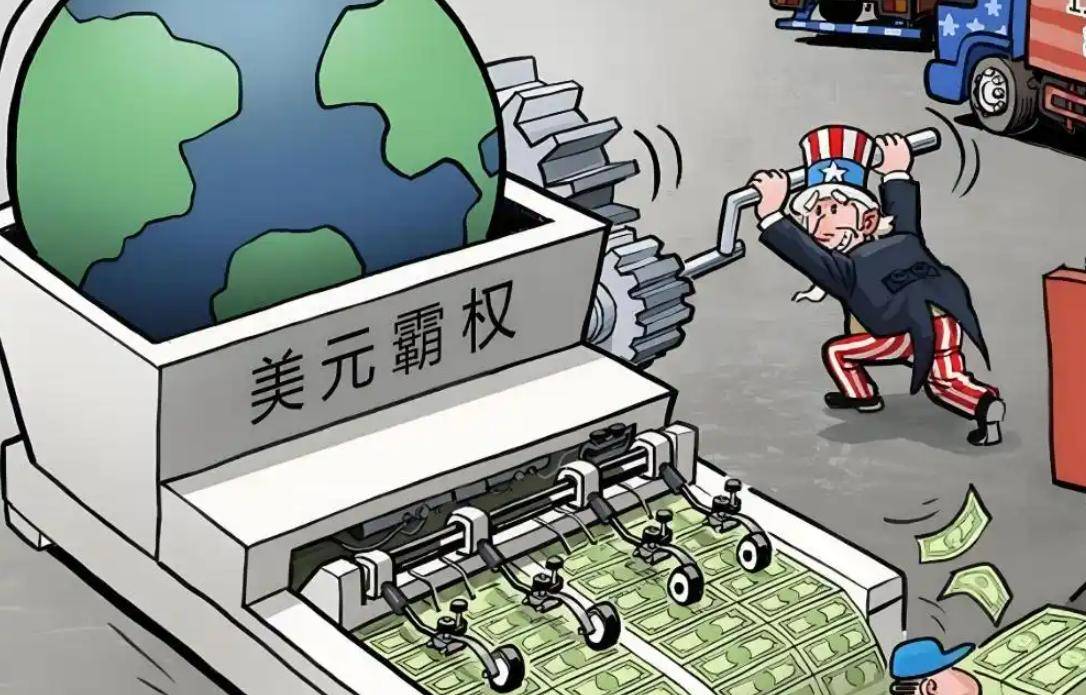
美元霸权黄昏已至,全球货币革命正在上演,人民币迎来黄金时代
Sou Hu Cai Jing· 2026-02-24 02:35
Core Viewpoint - A significant shift in the global monetary system is underway, characterized by the decline of the US dollar's dominance and the rise of the Chinese yuan, marking the onset of a "great diversion" in the global currency landscape [2][4]. Group 1: Decline of Dollar Dominance - The foundation of dollar hegemony was established post-World War II through the Bretton Woods system, which linked the dollar to gold and other currencies to the dollar, making it the global reserve and settlement currency [2]. - The dollar's dominance has been undermined by the US's excessive money supply growth, which has led to global inflation and financial sanctions that have made other countries wary of relying on the dollar [2][4]. - The share of the dollar in global foreign exchange reserves has fallen from over 70% at its peak to below 50%, indicating a continuous decline in its reserve currency status [4]. Group 2: Rise of the Yuan - The internationalization of the yuan is experiencing a golden period, with significant growth in cross-border yuan transactions, reaching 32.4 trillion yuan in 2025, a 9% increase year-on-year [4][5]. - Many countries are increasingly using the yuan for trade and investment, with major commodities like oil and iron ore being settled in yuan, reducing exposure to dollar sanctions [5]. - China's economic and industrial strength supports the yuan's rise, positioning it as a credible alternative to the dollar, based on strength, integrity, and cooperative growth rather than military threats [7]. Group 3: Future of Global Currency System - The transition in the international monetary system reflects a multipolar global economy, where the economic power of the US is no longer singular, and countries like China, Russia, and the EU are gaining influence [7]. - The rise of the yuan is not aimed at replacing the dollar but rather at breaking its monopoly to create a more equitable and diverse global monetary system, allowing all nations equal opportunities in the financial realm [7].

节后投点啥?黄金资源品投资价值凸显,关注矿业ETF(561330)
Mei Ri Jing Ji Xin Wen· 2026-02-24 02:17
Core Viewpoint - The global macro environment has been filled with uncertainty since the beginning of the year, highlighting the investment value of gold and resource commodities. The metal sector has become a high-quality asset characterized by strong underlying data support, high prosperity, and anti-inflation properties [1]. Group 1: Gold and Resource Commodities - Gold ETFs and mining-related products have seen sustained trading activity, benefiting from global risk aversion and de-dollarization trends, maintaining high investment enthusiasm for gold [1]. - Basic metals like copper and aluminum are experiencing cyclical benefits, with copper prices expected to rise due to tightening raw material supply from global smelting capacity expansion between 2025 and 2027 [1]. - The aluminum industry is benefiting from domestic capacity policies and increased investments in new energy and power grids, with a long-term trend towards the value of "green electricity aluminum" [1]. Group 2: Mining ETFs - Mining ETFs (561330) focus on upstream resources, covering various commodities such as copper, gold, lithium, rare earths, and aluminum, providing stronger performance elasticity and diversified risk management [2]. - The constituent stocks are primarily leading companies directly owning mineral resources, benefiting significantly during commodity price upcycles [2]. - The product structure often achieves balanced allocation to drive both industrial and precious metals, allowing investors to capture the benefits of new energy and AI industry upgrades while maintaining a hedging function [2].
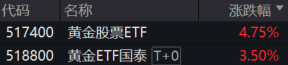
春节期间金价震荡走高,黄金ETF国泰(518800)、黄金股票ETF(517400)大涨
Sou Hu Cai Jing· 2026-02-24 02:13
Group 1 - Gold prices have strongly broken through the $5200 per ounce mark, driven by two main catalysts: Trump's increase of global import tariffs to 15% and escalating tensions between the U.S. and Iran [1][3] - The increase in tariffs has raised inflation expectations and heightened concerns over U.S. fiscal discipline and the credibility of the dollar, leading to a weaker dollar index and a surge in gold prices [3][6] - The geopolitical situation in the Middle East is at a critical point, with the U.S. considering limited military strikes against Iran, which adds to market risk premiums [3][8] Group 2 - The recent performance of gold is a typical case of macro narratives resonating with short-term events, particularly the impact of tariff policies and geopolitical tensions [3] - The market has seen a significant increase in gold-related ETFs, with the Gold Stock ETF (517400) rising by 4.75% and the Gold ETF (518800) increasing by 3.50% [2] - Historical patterns suggest that after confirming a mid-term bottom, gold often experiences a new upward trend during periods of declining volatility [5][11] Group 3 - The long-term investment logic for gold remains strong, supported by three core pillars: the Federal Reserve's interest rate cut cycle, global de-dollarization, and ongoing geopolitical risks [7][12] - Central banks, including the People's Bank of China, have been increasing their gold reserves, indicating a strategic shift in asset allocation [7][12] - The demand for gold as a safe-haven asset is expected to rise due to ongoing geopolitical uncertainties and the challenges facing the dollar credit system [12] Group 4 - Investors are encouraged to consider both gold ETFs and gold stock ETFs, with the latter offering higher earnings elasticity during rising gold price phases [9][10] - The current valuation of gold stocks remains within a historically reasonable range, suggesting potential for performance and valuation recovery as gold prices rise [10][11] - The market is witnessing a shift from "precious metals" to "precious metal equity assets," highlighting the growing appeal of gold stocks in a recovering risk appetite environment [10]
光大期货0224黄金点评:美伊局势紧张,黄金延续强势运行
Xin Lang Cai Jing· 2026-02-24 01:56
Core Viewpoint - COMEX gold prices have shown a significant upward trend, closing at $5247.9 per ounce with a 3.29% increase, driven by market reactions to U.S. economic data and geopolitical tensions [2][7]. Market Analysis - The gold market experienced two phases during the Spring Festival. The first phase was characterized by a market focus on the re-evaluation of the Federal Reserve's policy, influenced by unexpectedly strong U.S. non-farm payroll data and persistent inflation as indicated by the CPI. This led to a temporary drop in gold prices below the psychological level of $5000 per ounce [2][7]. - The second phase saw a recovery in gold prices due to rising geopolitical tensions, particularly with the U.S. military deployment in the Middle East and concerns surrounding the Iran nuclear negotiations. This was compounded by disappointing U.S. GDP growth estimates for Q4 2025 at 1.4% and weak PMI data, which reignited "stagflation" fears [2][7]. Future Outlook - The themes of "de-dollarization" and "Federal Reserve rate cuts" are expected to dominate the market narrative for the year. The complexity and persistence of geopolitical issues are likely to prevent a significant decline in gold prices, suggesting a short-term bullish outlook for gold [3][8].

地缘风险再升级,美伊博弈助推油价上行
Mei Ri Jing Ji Xin Wen· 2026-02-24 01:39
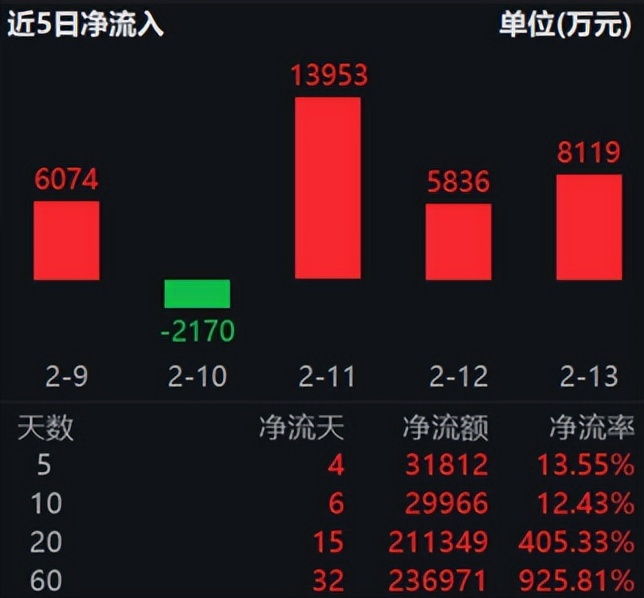
Core Viewpoint - Geopolitical risks are escalating, with the U.S. increasing military presence in the Middle East amid ongoing tensions with Iran, which is driving oil prices above $70, leading to significant inflows into oil-related ETFs [1][3][10] Group 1: Geopolitical Tensions and Oil Prices - The U.S. and Iran's second round of indirect negotiations highlighted ongoing divisions, with the U.S. dispatching a second aircraft carrier strike group to the region, intensifying threats [3][5] - The simultaneous escalation of conflicts in the Middle East and Ukraine has raised market concerns about potential supply disruptions, translating into risk premiums for oil prices [3][6] Group 2: Market Dynamics and Oil Pricing - Current oil pricing is increasingly influenced by geopolitical events rather than fundamental supply-demand metrics, with market participants focusing on the likelihood of future supply interruptions [6][7] - The transition from a "supply surplus" narrative to a "tight balance" in oil supply is underway, driven by factors such as declining U.S. shale oil production and OPEC+ adherence to production cuts [8][10] Group 3: Long-term Investment Outlook - The perception of oil is shifting from a mere industrial commodity to a strategic asset, influenced by macroeconomic factors such as the Kondratiev wave and the de-dollarization trend [11][13] - The historical high of the gold-oil ratio indicates a divergence in asset valuation, suggesting that oil is still primarily viewed as an industrial commodity, presenting a potential for valuation correction [13] Group 4: Investment Opportunities in Oil ETFs - Oil ETFs are emerging as a preferred investment vehicle, providing exposure to the entire oil and gas industry chain while mitigating risks associated with direct oil futures trading [14][16] - Recent inflows into oil ETFs, exceeding 2.1 billion yuan in the past 20 days, indicate a growing interest from global investors in the oil and gas sector's recovery [18]
黄金期货价格大涨超3%,券商认为“去美元化”叙事仍难以证伪
Huan Qiu Wang· 2026-02-24 01:16
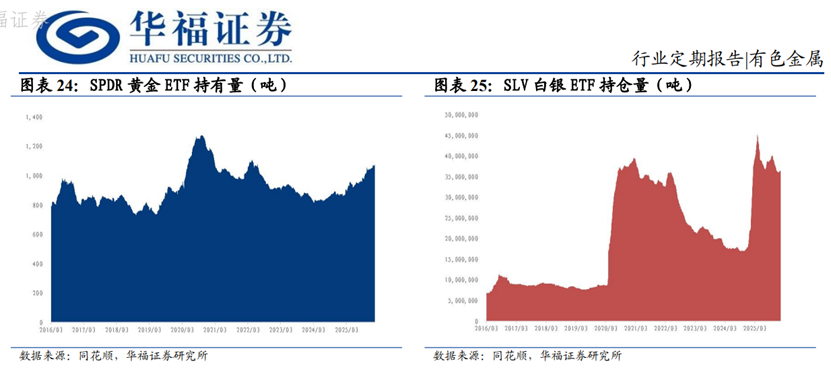
Group 1 - International precious metals futures saw a general increase, with COMEX gold futures rising by 3.29% to $5247.90 per ounce and COMEX silver futures increasing by 6.87% to $88.00 per ounce [1] - Huafu Securities noted that a series of macroeconomic data releases in the U.S. and resilient employment figures, along with hawkish comments from Federal Reserve officials, have weakened market expectations for interest rate cuts, pushing the anticipated first rate cut from June to July [1] - Despite strong non-farm payroll data, concerns about the underlying fragility of the U.S. economy persist, leading to a belief that the Fed is managing expectations for future policy space [1] Group 2 - Dongwu Securities believes that the narrative of "de-dollarization" remains difficult to disprove, indicating that gold is still in an upward range [2] - Concerns over the U.S. fiscal deficit have been heightened due to falling expectations for tariff revenue, with Q4 GDP growth significantly below market expectations, leading to increased inflationary stagnation expectations [2] - Precious metals, as representatives of anti-inflation assets, are expected to benefit from the rising stagnation expectations [2]
不确定性强化,黄金资源品投资价值凸显,布局矿业ETF(561330)
Mei Ri Jing Ji Xin Wen· 2026-02-24 01:05
Group 1 - The global macro environment has been uncertain since the beginning of the year, highlighting the investment value of gold and resource commodities [1] - The metal sector has undergone significant repricing and is now considered a high-quality asset with strong data support, characterized by high prosperity and anti-inflation properties [1] - Gold ETFs and mining-related products have seen active trading, benefiting from global risk aversion and de-dollarization trends, maintaining high investment enthusiasm for gold [1] Group 2 - The copper and aluminum industries are experiencing cyclical benefits, with copper prices expected to rise due to tightening raw material supply from global smelting capacity expansion between 2025 and 2027 [1] - The aluminum sector is benefiting from domestic capacity policies and increased investments in new energy and power grids, with a long-term trend towards the value of "green electricity aluminum" [1] - Emerging demand driven by AI servers is pushing tin prices upward, with global refined tin supply and demand expected to remain in a tight balance through 2026 [1] Group 3 - Mining ETFs (561330) focus on upstream resources, covering various commodities such as copper, gold, lithium, rare earths, and aluminum, providing stronger performance elasticity and diversified risk management [2] - The constituent stocks are primarily leading companies that directly own mineral resources, benefiting significantly during commodity price upcycles [2] - Investors are advised to maintain rationality in high-volatility resource markets and consider a phased investment approach, balancing long-term growth logic with short-term volatility [2]
特朗普拟上调关税至15%:申万期货早间评论-20260224
申银万国期货研究· 2026-02-24 00:44
Group 1: Trade and Tariff Developments - The U.S. Supreme Court ruled that the government's imposition of tariffs under the International Emergency Economic Powers Act was illegal, prompting China to call for the removal of unilateral tariffs and expressing concerns over U.S. trade policies [1] - Following the ruling, President Trump announced an increase in tariffs on global imports from 10% to 15%, raising concerns about U.S. fiscal sustainability and trade policy uncertainty, which supports gold prices [2][19] Group 2: Commodity Market Insights - Gold prices showed a strong upward trend during the Spring Festival, driven by three main factors: changes in U.S. tariff policies affecting dollar credibility, ongoing tensions in Iran boosting safe-haven demand, and rising inflation risks enhancing gold's appeal as an inflation hedge [2][19] - Oil prices increased by over 5% during the holiday period due to geopolitical tensions, particularly between the U.S. and Iran, with potential military actions being considered by the U.S. government [3][13] Group 3: Industry-Specific Developments - The National Energy Administration plans to implement a new energy system and various energy sector plans starting in 2026, focusing on renewable energy projects and advanced technologies [8] - The domestic methanol market is expected to remain strong due to reduced imports and increased demand from downstream sectors, with prices likely to stabilize [14] Group 4: Financial Market Trends - The U.S. 10-year Treasury yield remained stable at 4.037% during the holiday, reflecting economic concerns and inflationary pressures, with expectations for interest rate cuts being pushed back [12] - The A50 futures market showed fluctuations influenced by U.S. stock performance, with potential implications for the A-share market post-holiday [11]