国货美妆

Search documents
行业点评报告:医美化妆品8月月报:锦波生物胶原蛋白冻干纤维获药用辅料登记,珀莱雅拟赴港上市-20250927
KAIYUAN SECURITIES· 2025-09-27 15:19
Investment Rating - The industry investment rating is "Positive" (maintained) [1] Core Viewpoints - The report highlights the strong performance of the retail and beauty sectors, with a focus on the growth potential of domestic brands in the beauty industry [6][44] - The medical beauty segment is expected to see new growth drivers from innovative products, while the cosmetics sector is benefiting from the rise of domestic brands and consumer trends towards self-care [6][44] Summary by Sections 1. Market Review - The beauty and personal care index rose by 6.84% in August 2025, ranking 15th among all primary industries, underperforming the broader market which saw a 7.97% increase [12][15] - In the medical beauty sector, notable stock performances in August included Meili Tianyuan Medical Health (+32.4%), Kedi (+31.7%), and Yisi Health (+22.7%) [16] - In the cosmetics sector, leading performers were Jiaheng Home (+55.4%), Shuiyang Co. (+36.3%), and Ruoyu Chen (+29.0%) [20] 2. Medical Beauty - Jinbo Biological's "Recombinant Type III Humanized Collagen Freeze-Dried Fiber" received drug auxiliary material registration, marking a significant advancement in the medical field [26] - Longzi Co. plans to acquire 67.5% of Chongqing Milan Baiyu for 92.475 million yuan, with performance commitments ensuring net profits of at least 9.29 million yuan, 9.89 million yuan, and 11.83 million yuan from 2025 to 2027 [28] 3. Cosmetics - Proya plans to list in Hong Kong, potentially becoming the first A+H share beauty company, which would enhance its international business development [32] - Proya's investment in Huazhi Xiao will strengthen its position in the makeup sector, leveraging Huazhi Xiao's content operations and overseas channels [35] - The launch of the NAN beauty brand by Shangmei Co. represents a strategic move to enhance its presence in the mid-to-high-end market [40] 4. Investment Recommendations - The report recommends focusing on leading domestic beauty brands that are continuously evolving and capitalizing on high-growth segments [44] - Key recommendations include Shangmei Co., Maogeping, Proya, and Runben Co., with an emphasis on their strong market positions and growth potential [48]


美妆赛道上半年成绩单出炉,谁掉队、谁赶超?
Zhong Guo Ji Jin Bao· 2025-08-30 11:55
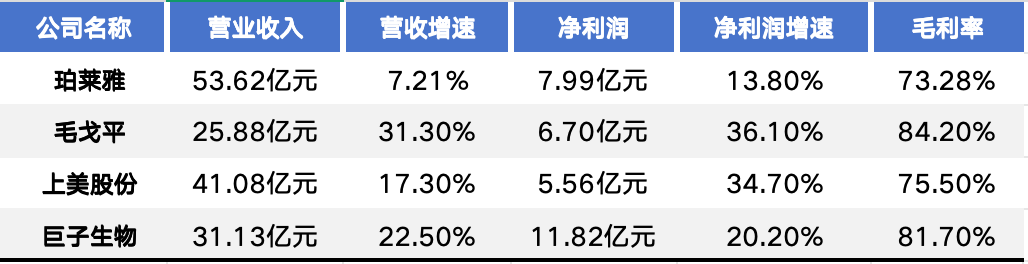
Core Insights - The beauty industry in China is experiencing a significant performance divergence among leading companies, with a notable emphasis on quality improvement amidst a deep industry adjustment [1][2]. Group 1: Industry Performance - In the first half of 2025, retail sales of cosmetics in China increased by 2.9% year-on-year, with domestic brands capturing over 55% market share [2]. - Exports of cosmetics surged by 12% to 25.8 billion yuan, indicating strong overseas growth potential [2]. Group 2: Leading Companies - Leading companies like Proya, Mao Geping, and Shangmei continue to excel, while others like Huaxi Biological and Fulejia are lagging behind [2]. - Proya reported revenue of 5.362 billion yuan, a 7.21% increase, and a net profit of 799 million yuan, up 13.8% [4]. - Mao Geping achieved a revenue of 2.588 billion yuan, with a remarkable growth rate of 31.3%, and a net profit of 670 million yuan, reflecting a 36.1% increase [5]. - Shangmei's revenue reached 4.108 billion yuan, growing by 17.3%, with a net profit of 556 million yuan, up 34.7% [5]. - Juzhi Biological reported revenue of 3.113 billion yuan, a 22.5% increase, and a net profit of 1.182 billion yuan, up 20.2% [5]. Group 3: Underperforming Companies - Huaxi Biological reported a significant decline, with revenue dropping nearly 19.57% to 2.261 billion yuan and net profit falling 35.38% to 221 million yuan [6]. - Fulejia's revenue decreased by 8.15% to 863 million yuan, with a net profit decline of 32.54% to 230 million yuan, largely due to increased marketing expenses [9][11]. Group 4: Second-Tier Companies - Second-tier companies like Shanghai Jahwa, Marubi, and Shuiyang are showing improved performance [13]. - Shanghai Jahwa's revenue was 3.478 billion yuan, up 4.8%, with a net profit of 270 million yuan, increasing by 11.7% [14]. - Marubi achieved revenue of 1.769 billion yuan, a 30.83% increase, but net profit growth was only 5.21% [14]. - Shuiyang reported revenue of 2.5 billion yuan, a 9.02% increase, and a net profit of 123 million yuan, up 16.54% [14].

美妆赛道上半年成绩单出炉,谁掉队、谁赶超?
中国基金报· 2025-08-30 11:52
Core Viewpoint - The beauty industry in China is experiencing a significant performance divergence among leading companies, with a notable increase in quality, as evidenced by the half-year reports of domestic beauty brands [2]. Group 1: Leading Companies Performance - Leading beauty companies such as Proya, Mao Geping, and Shangmei continue to outperform, while Huaxi Biological and Fulejia are lagging behind [2][4]. - Proya reported a revenue of 5.362 billion yuan, a year-on-year increase of 7.21%, and a net profit of 799 million yuan, up 13.8%. However, its main brand experienced a slight revenue decline of 0.08% [5][6]. - Mao Geping, known as the "first stock of high-end domestic beauty," achieved a revenue of 2.588 billion yuan, with a net profit of 670 million yuan, both showing over 30% growth. The gross margin reached 84.2% [6]. - Shangmei's revenue was 4.108 billion yuan, growing 17.3%, with a net profit of 556 million yuan, up 34.7%. The "newpage" brand saw a revenue increase of 146.5% [6][7]. - Juzhi Biological reported a revenue of 3.113 billion yuan, a 22.5% increase, and a net profit of 1.182 billion yuan, up 20.2%, although growth rates have slowed compared to the previous year [7]. Group 2: Underperforming Companies - Huaxi Biological, referred to as the "first stock of hyaluronic acid," reported a revenue decline of 19.57% to 2.261 billion yuan and a net profit drop of 35.38% to 221 million yuan, marking its worst interim report since listing [9]. - The decline in Huaxi's revenue is attributed to a significant drop in its functional skincare business, which saw a 31.62% year-on-year decrease in 2024 [9]. - Fulejia's revenue was 863 million yuan, down 8.15%, with a net profit of 230 million yuan, a decrease of 32.54%. The company faced a substantial increase in sales expenses, which rose by 39.56% [11][12]. Group 3: Second-Tier Companies - Second-tier beauty companies such as Shanghai Jahwa, Marubi, and Shuiyang are showing improved performance [13][14]. - Shanghai Jahwa achieved a revenue of 3.478 billion yuan, a 4.75% increase, and a net profit of 266 million yuan, up 11.66%, attributed to online channel growth [15]. - Marubi reported a revenue of 1.769 billion yuan, a 30.83% increase, but its net profit only grew by 5.21%, indicating a potential profitability challenge [15][16]. - Shuiyang's revenue reached 2.5 billion yuan, a 9.02% increase, with a net profit of 123 million yuan, up 16.54%. The company is transitioning to a global high-end beauty brand management model [16].

2025年第一批广东省名优高新技术产品名单公布 传奇今生两款产品入选
Zhong Guo Jing Ji Wang· 2025-08-29 10:36
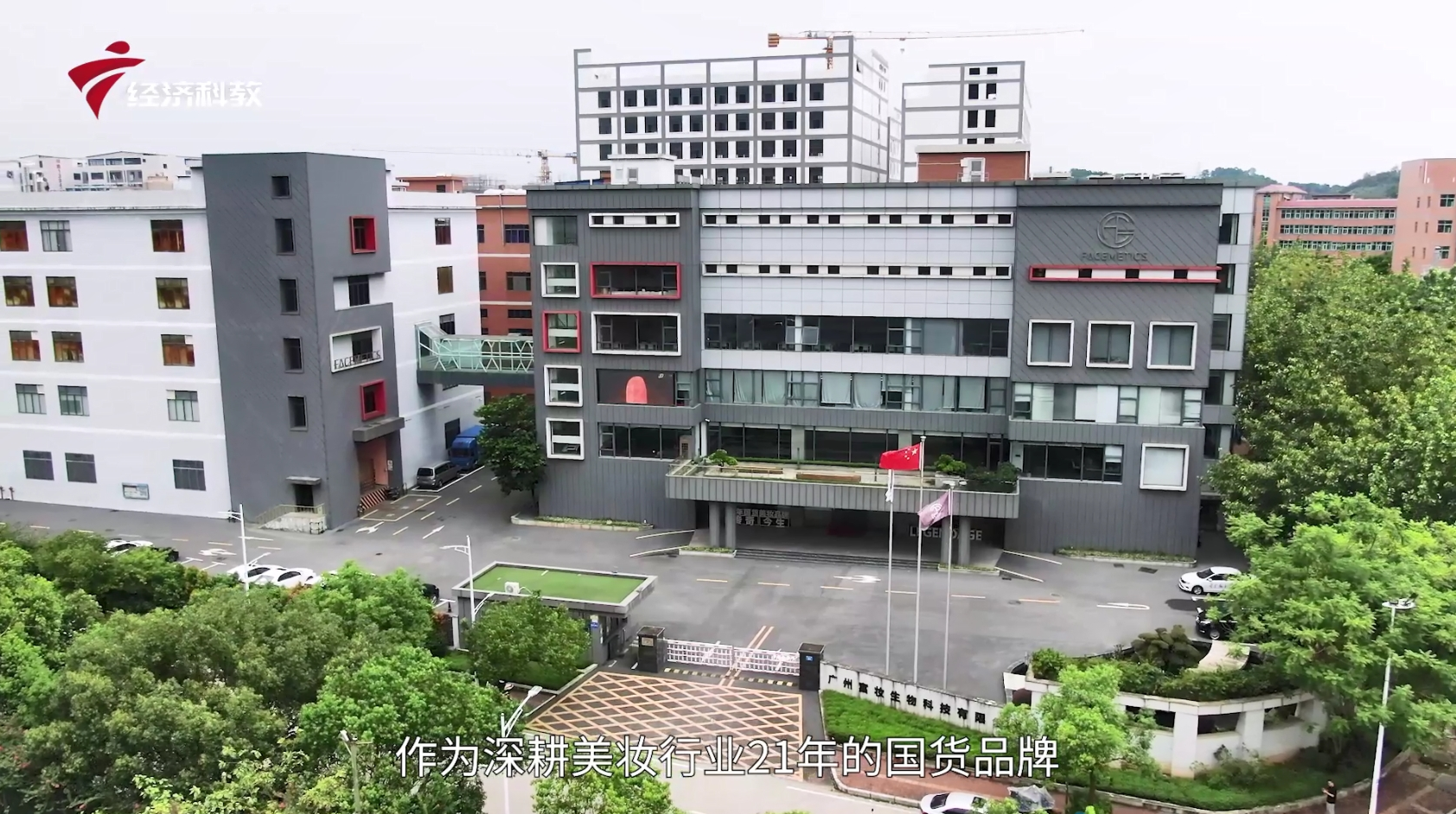
Group 1 - The Guangdong Provincial High-tech Enterprise Association announced the first batch of outstanding high-tech products for 2025, with the domestic beauty brand Legend of Today’s Lipstick and Legend of Today’s Floral Essence both making the list, indicating official recognition of product innovation and showcasing the brand's advancement in technology research and development [1][3] - Legend of Today has been deeply engaged in the beauty industry for 21 years, viewing technological innovation as a core driving force, investing heavily in resources to build smart factories, and obtaining "National High-tech Enterprise" certification [3] - The brand has established the Legend of Today Research Institute and plans to collaborate with Beijing Technology and Business University to set up an "Innovation Technology Research Center" by the end of 2024, while its products are sold in over 70 countries and regions globally [3] Group 2 - In the context of the booming domestic beauty market, Legend of Today aims to continue focusing on innovative research and development, closely tracking global beauty technology trends, and increasing R&D investment to enhance product competitiveness [3] - With a strong brand foundation, ongoing independent innovation capabilities, and a commitment to excellence, Legend of Today is expected to play a more active leading role in advancing the globalization process of domestic beauty products towards higher quality and added value [3]
毛戈平(01318.HK):国货高端美妆业绩高增 品牌势能强劲上扬
Ge Long Hui· 2025-08-29 03:02
Core Viewpoint - The company reported strong performance in the first half of 2025, with significant revenue and profit growth, indicating a positive outlook for the business. Group 1: Overall Performance - In H1 2025, the company achieved revenue of 2.59 billion yuan, representing a year-on-year increase of 31% [1] - Net profit for H1 2025 reached 670 million yuan, up 36% year-on-year [1] - Gross margin stood at 84.2%, slightly down by 0.7 percentage points year-on-year, while net margin improved to 25.9%, up 0.9 percentage points [1] Group 2: Segment Performance - Makeup segment revenue in H1 2025 was 1.42 billion yuan, growing by 31.1% year-on-year, driven by strong sales of key products [2] - Skincare segment revenue reached 1.09 billion yuan, with a year-on-year increase of 33.4%, supported by high-performing products [2] - Fragrance segment generated revenue of 11.41 million yuan, showing strong performance from the "Wen Dao Dong Fang" series [2] - Makeup training revenue declined by 5.9% year-on-year to 67.31 million yuan [2] Group 3: Channel Performance - Offline revenue in H1 2025 was 1.224 billion yuan, up 26.6% year-on-year, with a total of 437 stores [3] - Online revenue reached 1.297 billion yuan, growing by 39% year-on-year, accounting for 51.4% of total revenue [3] - The company has 19 million members, a 53% increase year-on-year, with a repurchase rate of 26.8% [3] Group 4: Growth Drivers - The company is focusing on product innovation and international expansion, with new skincare and makeup lines launched in mid-2025 [3] - Plans for a research and development center in Hangzhou by the end of 2026 aim to support product diversification and market penetration [3] - The company is prioritizing entry into European and Asia-Pacific markets with localized teams and high-end channels [3] Group 5: Brand Positioning - The company is positioned as a leading domestic beauty brand, focusing on the mid-to-high-end makeup segment [4] - Strong brand premium and unique positioning in Oriental aesthetics contribute to long-term growth potential [4] - Profit forecasts for 2025-2027 are 1.184 billion, 1.542 billion, and 1.953 billion yuan, with corresponding PE ratios of 37, 29, and 23 [4]
毛戈平(01318):国货高端美妆业绩高增,品牌势能强劲上扬
Shenwan Hongyuan Securities· 2025-08-28 08:34
Investment Rating - The investment rating for the company is "Buy" (maintained) [1][6][22] Core Insights - The company has shown strong performance in the high-end domestic beauty market, with significant revenue growth and brand momentum [6][10] - The company reported a revenue of 2.59 billion RMB in H1 2025, representing a year-on-year increase of 31%, and a net profit of 670 million RMB, up 36% year-on-year [6][10] - The gross margin for H1 2025 was 84.2%, with a net profit margin of 25.9%, indicating effective cost control [6][10] Financial Data and Profit Forecast - Revenue projections for the company are as follows: - 2023: 2,886 million RMB - 2024: 3,885 million RMB - 2025E: 5,173 million RMB - 2026E: 6,852 million RMB - 2027E: 8,533 million RMB - Year-on-year growth rates for revenue are projected at 58% for 2023, 35% for 2024, and gradually decreasing to 25% by 2027 [5][13] - Net profit forecasts are as follows: - 2023: 662 million RMB - 2024: 881 million RMB - 2025E: 1,184 million RMB - 2026E: 1,542 million RMB - 2027E: 1,953 million RMB - The projected PE ratios are 64.7 for 2023, decreasing to 22.5 by 2027 [5][13] Segment Performance - The company experienced double-digit growth in both color cosmetics and skincare, with significant contributions from new product launches [6] - In H1 2025, color cosmetics revenue reached 1.42 billion RMB (up 31.1% YoY), while skincare revenue was 1.09 billion RMB (up 33.4% YoY) [6] - The fragrance segment also showed promising growth, with revenue of 11.41 million RMB, while the makeup training segment saw a decline of 5.9% [6] Channel Performance - The company has effectively released its potential across all channels, with offline revenue of 1.22 billion RMB (up 26.6% YoY) and online revenue of 1.297 billion RMB (up 39% YoY) [6] - The number of members reached 19 million, with a repurchase rate of 26.8%, indicating strong customer loyalty [6] Research and Development - The company is focused on innovation and international expansion, with new product launches planned and a research center set to support growth [6] - The company aims to penetrate the European and Asia-Pacific markets with localized teams and high-end channels [6] Brand Positioning - The company is positioned as a leading domestic beauty brand, capitalizing on the high-end color cosmetics market with a strong emphasis on unique aesthetics and product innovation [6]
艺恩数据:2025年国货美妆消费趋势洞察报告
Sou Hu Cai Jing· 2025-08-27 02:30
Core Insights - The report from Yien Data indicates that the Chinese beauty market is experiencing steady growth and has entered a stable development phase, with domestic beauty brands rapidly gaining market share, projected to reach 55.2% by 2024, an increase of 2.9% from previous figures, surpassing foreign brands [1][11][13]. Group 1: Domestic Beauty Market Analysis - The domestic beauty market's social media presence remains robust, with a volume of 39.313 million and an interaction count of 485 million from August 2024 to July 2025, reflecting a 20% increase [1][14][16]. - The primary consumer demographic consists of women born in the 1990s, with nearly 30% of consumers being male; over 90% of consumers have purchased domestic beauty products, with younger consumers showing a higher preference for domestic brands [1][20][22]. Group 2: Domestic Skincare Market Insights - In the domestic skincare market, 80% of consumers are female, with 62% aged between 18-34, primarily located in high-tier cities. The demand for facial masks and serums is notably increasing, with brands like Proya leading in social media heat [2][36]. - Key consumer demands focus on anti-aging, repair, and whitening, with specific needs such as anti-aging eye creams and acne-controlling cleansers each accounting for 33% of consumer interest [2][35]. Group 3: Domestic Makeup Market Insights - The domestic makeup market also sees a significant female consumer base at 74%, with 68% aged 18-34, concentrated in high-tier cities. There is a rising interest in base makeup products, with a shift towards more advanced categories like blush and contour [2][36]. - The industry is witnessing three major trends: multifunctional products gaining popularity, a focus on niche markets, and a consensus on combining makeup and skincare functionalities [2][36]. Group 4: Emerging Trends in Domestic Beauty - The domestic skincare market is experiencing four key trends: the expansion of the men's skincare market, increased focus on Chinese ingredients, refined consumer demands, and the rise of short drama marketing strategies [2][36][38]. - The men's skincare market is projected to exceed 10 billion yuan, with brands launching dedicated product lines to capture this growing segment [2][39].

千亿市场待开拓,国货美妆在细分赛道竞逐突围
Sou Hu Cai Jing· 2025-08-21 07:45
Core Insights - The domestic beauty market in China is experiencing diverse and robust growth, with a focus on niche segments driven by consumer demand for personalization and refinement [1][2] - The facial cleansing segment is projected to exceed 150 billion yuan by 2026, with specific market sizes for facial cleansing, hair care, and body cleansing expected to reach 52.5 billion yuan, 70.3 billion yuan, and 33.3 billion yuan respectively [1] - Despite the large market potential, foreign brands dominate the top-selling products on major e-commerce platforms, indicating significant growth opportunities for domestic brands [1] Market Dynamics - The historical development of the facial cleansing segment was limited by low average transaction values and thin profit margins, but recent consumer upgrades and market changes are bringing this category to the forefront [2] - The demand for makeup removal products has evolved from basic cleansing to a comprehensive consideration of efficacy, experience, and brand, with a focus on "deep cleansing" and "gentle on the skin" [5] Product Development - The brand "Hongzhi" launched its first cleansing product, "Xiao Qin Jing" cleansing milk, in 2020, featuring 30% amino acid surfactants, which has become a best-seller across major e-commerce platforms [5][6] - Hongzhi has built a comprehensive product matrix covering makeup removal, facial cleansing, and hair care, with its olive enzyme makeup remover achieving cumulative sales of over 27 million units [5] Brand Strategy - Successful brands in the beauty industry, both international and domestic, rely on classic products as a core engine for sustained growth, as evidenced by long-standing bestsellers from brands like Estée Lauder and Perfect Diary [6] - Hongzhi's focus on classic products, such as "Xiao Qin Jing" cleansing milk and "Bu Jiu Jie" 2.0 makeup remover oil, has supported revenue growth and established a brand identity centered on "scientific cleansing" [6] Emerging Trends - Beyond the cleansing segment, other areas such as anti-aging, whitening, and repair in functional skincare, as well as various categories in color cosmetics, are witnessing the emergence of new brands and products [7] - Domestic brands are innovating by addressing unmet consumer needs with new product concepts and technologies, particularly in the anti-aging and color cosmetics sectors [7] - The value of classic products extends beyond immediate sales, serving as a key communication tool between brands and consumers, helping to build trust and create differentiation in a competitive market [7]

毛戈平(1318.HK):以专业筑高端 打造东方之美
Ge Long Hui· 2025-08-19 02:57
Core Insights - The company, founded by Mr. Mao Ge Ping in 2000, focuses on integrating art and products to create a competitive cosmetics brand with a revenue of 3.885 billion yuan in 2024, including 2.304 billion yuan from color cosmetics, 1.429 billion yuan from skincare, and 0.152 billion yuan from makeup training, achieving a net profit of 0.881 billion yuan [1] Group 1: Brand Positioning and Development - The company is positioned as a high-end brand, leveraging Mr. Mao's extensive experience as a renowned makeup artist to enhance brand perception and marketing efforts [2] - The brand has a high customer retention rate, with an overall repurchase rate of 30.9% and a higher offline repurchase rate of 34.9% in 2024 [2] Group 2: Growth Drivers - The company has expanded its distribution channels significantly, with 409 offline counters by the end of 2024, including 378 direct-operated counters, and online sales accounting for 47.8% of total product sales [2] - Color cosmetics remain the core product line with sales of 2.304 billion yuan in 2024, a year-on-year increase of 42.04%, while skincare sales reached 1.429 billion yuan, up 23.21% year-on-year [2] Group 3: Future Outlook and Financial Projections - The company is expected to continue its growth trajectory, with projected net profits of 1.16 billion yuan, 1.53 billion yuan, and 1.96 billion yuan for 2025, 2026, and 2027 respectively, corresponding to price-to-earnings ratios of approximately 37, 28, and 22 times based on current market valuation [3]
林清轩IPO:雅戈尔突击入股,高毛利低净利,依赖单款爆品
Xin Lang Cai Jing· 2025-08-14 02:30
Core Insights - The company Lin Qingxuan, despite a high gross margin of 82.5% on its Camellia oil priced at 749 yuan, faces serious issues including false advertising, hollow R&D, and a halved valuation [2][3] - Regulatory scrutiny has intensified, with the Beijing Chaoyang District Market Supervision Bureau imposing fines for misleading claims about product efficacy [2][8] - The company is under pressure to go public due to multiple agreements with investors, leading to significant share sell-offs by founders and early investors [3][6][7] Group 1: Financial Performance and Valuation - Lin Qingxuan's valuation peaked at 3.175 billion yuan during its B round financing in 2021 but plummeted to 1.559 billion yuan by August 2024 [4][6] - The company has seen significant cash-outs by its founder and early investors, totaling 226 million yuan from August 2024 to May 2025 [3][6] - The financial data reveals a troubling reliance on a few core products, with nearly 40% of revenue coming from a single item [3][15] Group 2: Marketing vs. R&D - The marketing expenditure for 2024 was 365 million yuan, while R&D investment was only 30.4 million yuan, indicating a 12-fold disparity [10][11] - Over the years, the company has spent 760 million yuan on marketing but only 71.2 million yuan on R&D, which is less than 3% of total revenue [10][11] - The workforce is heavily skewed towards sales and marketing, with 85.2% of employees in these roles and only 64 in R&D [11] Group 3: Product Dependency and Market Challenges - The Camellia oil product accounted for 37% of total revenue in 2024, highlighting a lack of diversification in the product lineup [15] - The company has struggled to establish a foothold in lower-tier markets, with sales in these areas only reaching 60% of those in first-tier cities [15] - The franchise model has faced setbacks, with the number of franchise stores decreasing from 35 to 32, and average revenue per store significantly lower than that of direct-operated stores [15] Group 4: Regulatory and Market Pressures - The company has a history of regulatory violations, including a recent fine for false advertising regarding its anti-aging claims [8][9] - The upcoming deadline for a public listing in December 2026 poses a significant risk, as failure to meet this could result in substantial financial liabilities for the founder [19][20] - New regulations on cosmetic efficacy claims are tightening, which could further impact the company's marketing strategies [19][20]