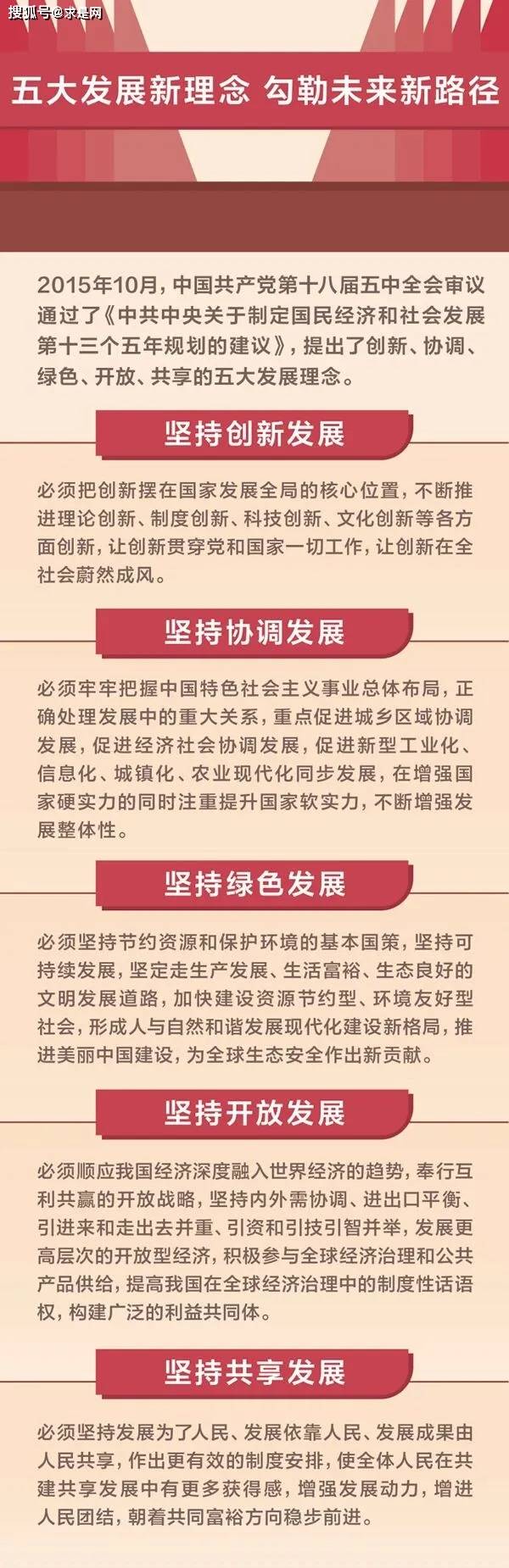
开放

Search documents
如何让优秀企业“落得下、长得好” 深圳给出解题答案
2 1 Shi Ji Jing Ji Bao Dao· 2025-12-15 13:41
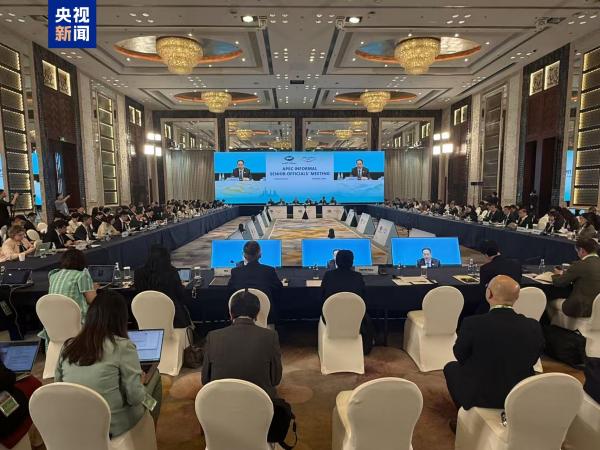
12月5日,2025深圳全球招商大会落下帷幕。 大会洽谈签约项目超340个,涉及投资总额超7700亿元,以丰硕成果彰显深圳作为全球投资热土的强大 吸引力。会上,深圳向全球企业家、科学家、投资者及各类优秀人才来发出"城市合伙人"的邀请。 "开放链全球,创新领未来"。从"链全球"到"领未来",是姿态,更是行动。这不仅是一场汇聚全球资本 与智慧的盛会,更是一次对深圳城市特质与发展势能的集中展示。 12月11日,2026年亚太经合组织非正式高官会举行,APEC"中国年"正式拉开序幕。这场国际盛会选择 深圳,既是对城市综合实力的高度认可,更是全球赋予深圳的重大发展机遇。 站在"十四五""十五五"交汇的历史关口,作为APEC第三城的深圳再次成为世界瞩目的焦点。开放创新 的深圳以其雄厚的产业生态和一流的营商环境,向世界发出了携手共赢的时代强音。 创新不问出身的活力 创新,是深圳最鲜明的标识,也是其吸引全球投资者的核心优势。 一组数据足以佐证:全社会研发投入强度达6.67%,跃居全国城市首位;深圳-香港-广州创新集群登顶 全球;国家级专精特新"小巨人"企业数量突破1300家,居全国第一……这些"硬核实力"的背后,是深圳 历经 ...
韩国总统府迁回青瓦台后将施行“低调”安保
Xin Hua She· 2025-12-15 03:02
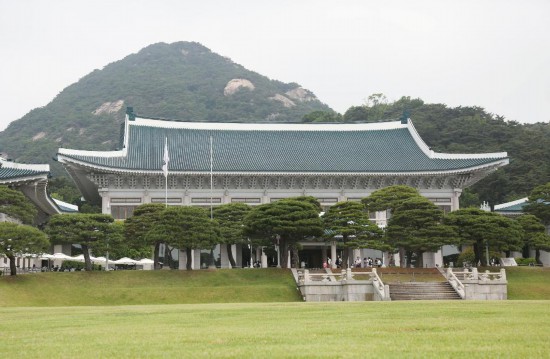
自1948年以来,青瓦台一直是韩国历任总统的官邸和办公场所。尹锡悦2022年5月就任总统后,将办公 地点搬迁至首尔市龙山区国防部大楼的新设总统府,青瓦台面向公众开放。今年6月,现任总统李在明 政府宣布将把总统府迁回青瓦台。 本月早些时候,韩国总统秘书室表示,为期数月的青瓦台整修工作已完成,总统府预计12月25日前后迁 回青瓦台,正式结束"龙山时代"。(林芮竹) 2024年5月24日,游客在韩国首尔的青瓦台参观。新华社记者姚琪琳摄 韩国总统警卫处当天发表声明说,相关安保区域已依据法律标准和安全评估,按最小必要范围重新划 定。根据新安保方案,青瓦台周边区域以及光化门、景福宫、三清洞、钟路和清溪川一带的热门跑步路 线仍可供民众正常使用,附近登山步道也将"尽可能保持开放"。 在交通管理方面,警卫处将在青瓦台五个出入口部署人员,对车流进行疏导和管控,但不会恢复过去设 置检查点、核查市民去向或检查个人随身物品的做法。 新华社北京12月15日电 韩国总统府预计于本月晚些时候从龙山迁回青瓦台。韩国总统警卫处14日说, 在加强青瓦台周边安全的同时,将秉持"开放、低调"的安保原则,尽量减少对公众日常生活的影响。 ...

明年11月18日至19日APEC领导人非正式会议将在深圳举行
Zhong Guo Xin Wen Wang· 2025-12-12 12:38
Group 1 - The APEC Leaders' Informal Meeting will be held in Shenzhen on November 18-19, 2026, marking the beginning of China's hosting year for APEC [1][2] - The theme for APEC cooperation next year, "Building an Asia-Pacific Community and Promoting Common Prosperity," was proposed by China and received unanimous approval from all parties [1] - China has identified three priority areas for APEC cooperation: openness, innovation, and collaboration, which align with the demands of all parties involved [1] Group 2 - Approximately 300 events are expected to be held throughout the year in various cities across China, including the informal leaders' meeting and accompanying events such as a business leaders' summit and ministerial meetings [2] - High-level meetings will take place in Guangzhou, Shanghai, and Dalian in February, May, and August, with around 10 specialized ministerial meetings starting in May covering various sectors [2] - Representatives expressed admiration for the achievements in Shenzhen and the Guangdong-Hong Kong-Macao Greater Bay Area's modernization during the meetings [2]
亚太经合组织第三十三次领导人非正式会议将于2026年11月18日至19日在深圳举行
Xin Hua She· 2025-12-12 10:31
Group 1 - The APEC 33rd Leaders' Informal Meeting will be held in Shenzhen, Guangdong Province, from November 18 to 19, 2026, marking the beginning of the "China Year" for APEC [1] - The theme for APEC cooperation next year has been set as "Building the Asia-Pacific Community and Promoting Common Prosperity," which received high praise and unanimous approval from all parties [1] - China has identified "Openness, Innovation, and Cooperation" as the three priority areas for APEC cooperation next year, addressing new opportunities and challenges faced by the Asia-Pacific region [1] Group 2 - Approximately 300 events are expected to be held during the "China Year," with locations across multiple cities in China [2] - The informal leaders' meeting in Shenzhen will be accompanied by a Business Leaders' Summit and a dual ministerial meeting on diplomacy and trade, among other activities [2] - The informal senior officials' meeting included visits that showcased the achievements of Shenzhen and the Guangdong-Hong Kong-Macao Greater Bay Area [2]
中国提出APEC“中国年”主题和优先领域
Yang Shi Xin Wen· 2025-12-12 07:11
Group 1 - The core theme of the APEC "China Year" is to "build an Asia-Pacific community and promote common prosperity" [1] - The three priority areas for APEC "China Year" are "openness, innovation, and cooperation" [1]
中国宏观经济展望与数据前瞻-政策支持温和;11 月增长疲软但走势分化-China Economic Comment _ CEWC and data preview_ modest policy support; weak but mixed growth in Nov
2025-12-08 00:41
Summary of Key Points from the Conference Call Industry Overview - The conference call primarily discusses the **Chinese economy** and its macroeconomic policies, particularly in the context of the upcoming **Central Economic Work Conference (CEWC)** scheduled for mid-December 2025. Core Insights and Arguments 1. **Macroeconomic Policy Direction**: - The CEWC will set the macro policy tone for 2026, with expectations for a GDP growth target of **4.5-5%**. The consensus among market participants leans towards "around 5%", which is considered challenging due to slowing exports and a downturn in the property market [2][6][7]. 2. **Fiscal and Monetary Policy**: - A modest support tone in fiscal and monetary policy is anticipated, with a focus on innovation, consumption, and housing market stabilization. The government may confirm the extension of consumption subsidies in 2026 to mitigate disruptions from high base effects [6][8][10]. 3. **Property Market Dynamics**: - The property market is experiencing significant weakness, with **30-city property sales** declining by **-33% YoY** in November, worsening from **-27% YoY** in October. Contract sales from the top 100 developers also fell by **-37% YoY** [3][14][25]. 4. **Investment and Consumption Trends**: - Property investment is expected to contract by **-23% YoY**, while infrastructure investment may see a slight improvement. Retail sales growth is projected to be around **3.2% YoY**, showing some resilience despite the overall economic slowdown [4][31][26]. 5. **High Frequency Data**: - Manufacturing PMIs indicate subdued growth, with the NBS manufacturing PMI at **49.2** and non-manufacturing PMI at **49.5**. This reflects ongoing challenges in the manufacturing sector [12][13]. 6. **Trade and Export Performance**: - Export growth is expected to improve to **2% YoY** on a low base, with port cargo throughput growth increasing to **3% YoY**. However, the overall trade environment remains cautious due to global economic conditions [32][32]. 7. **Inflation and Credit Growth**: - CPI is projected to rise to **0.9% YoY**, while PPI is expected to be less negative at **-2% YoY**. Total social financing (TSF) credit growth is anticipated to decline to **8.4% YoY** [34][33]. Additional Important Insights - **Structural Reforms**: The CEWC is expected to emphasize structural reforms, particularly in technology and social welfare, aiming to enhance the social safety net and income distribution [9]. - **Household Consumption Support**: There is a strong focus on boosting household consumption through both supply and demand-side measures, with potential for earlier subsidy disbursements in Q1 2026 [8]. - **Long-term Economic Outlook**: The overall economic outlook remains cautious, with expectations of continued challenges in the property sector and broader economic growth [10][10]. This summary encapsulates the key points discussed in the conference call, highlighting the current state and future expectations of the Chinese economy and its various sectors.

第七届世界客商大会今日在梅州举行
Nan Fang Nong Cun Bao· 2025-11-24 07:05
Core Viewpoint - The 7th World Business Conference is being held in Meizhou, Guangdong Province, focusing on enhancing cooperation and development among global business leaders and promoting investment in Guangdong [2][38]. Group 1: Event Overview - The conference opened on November 24, 2023, at the World Business Center in Meizhou, with over 1,200 attendees, including leaders from national ministries and business associations, renowned overseas Chinese leaders, and university presidents [2][4][3]. - The opening ceremony featured a cultural performance and a symbolic torch-lighting ceremony, representing unity and collaboration among global business leaders [5][6][7]. Group 2: Activities and Initiatives - A torch relay activity was innovatively introduced for the first time, involving 22 torchbearers from home and abroad, aimed at promoting the spirit of business continuity and inspiring new and old business leaders [9][12][11]. - The conference included promotional activities for investment in Guangdong's Hakka regions, showcasing 100 major projects that are either under construction or have been launched [13][16][17]. Group 3: Strategic Goals - The conference emphasizes the principles of openness, innovation, cooperation, and win-win outcomes, aiming to enhance the willingness of enterprises to invest in Guangdong and strengthen their confidence in deepening operations in the region [15][16]. - Various promotional events, including the "Invest in Guangdong" series and a tourism promotion meeting, were organized to strengthen connections and cooperation among overseas Chinese business leaders and associations [21][23][24]. Group 4: Historical Context - Meizhou is known as a significant hometown for overseas Chinese, with over 5 million overseas Chinese distributed across more than 80 countries and regions [32]. - The World Business Conference was initiated by the Meizhou municipal government in 2009 and has been held biennially since 2011, becoming a key platform for fostering patriotism and deepening economic cooperation among global business leaders [33][34][35][37].

外国媒体热议中共二十届四中全会——中国是全球进步的重要贡献者
Ren Min Ri Bao· 2025-11-11 22:41
Core Points - The 20th Central Committee of the Communist Party of China has approved the "15th Five-Year Plan" proposal, which has garnered significant international attention for its focus on high-quality development and long-term strategic planning [1][2][4] Group 1: Economic Development - The "15th Five-Year Plan" emphasizes the importance of domestic circulation and the role of the private economy in driving China's economic growth [2][4] - The plan aims to enhance the quality, sustainability, and inclusiveness of economic growth, shifting focus from mere expansion to quality improvement [3][6] - Strategic emerging industries such as biomanufacturing, brain-computer interfaces, and 6G mobile communication are identified as new growth points for the economy [2][5] Group 2: Innovation and Technology - The plan highlights the necessity of technological self-reliance and innovation as key drivers for economic development, aiming to improve the overall effectiveness of the national innovation system [5][6] - There is a strong emphasis on integrating advanced technologies like artificial intelligence and green manufacturing into the industrial system [5][6] - The plan also calls for a balance between boosting consumption and effective investment, promoting a virtuous cycle between supply and demand [6][7] Group 3: Global Engagement - The "15th Five-Year Plan" is seen as a signal of China's commitment to open up and engage with the global economy, aiming to create new opportunities for international cooperation [7][8] - China's development strategy is expected to contribute positively to global economic stability and growth, reinforcing its role as a key player in the international arena [8][9] - The plan outlines a vision for a "beautiful China," focusing on green transformation and sustainable development [5][7]
大宗商品:图说大宗:地缘博弈风险上升
2025-11-11 01:01
Summary of Key Points from the Conference Call Industry Overview - **Industry Focus**: The report primarily discusses the commodities market, with a specific focus on oil and soybean markets, amidst rising geopolitical risks [5][16]. Core Insights and Arguments Macroeconomic Context - **China's 14th Five-Year Plan**: The recent discussions highlighted advancements in technological innovation, adjustments in the real estate sector, and significant geopolitical changes. The new plan emphasizes the importance of technology, expanding domestic demand, and enhancing openness [3]. - **U.S. Economic Indicators**: The U.S. WEI index shows signs of recovery, suggesting a potential GDP growth rate of over 3% in Q3. However, employment levels remain low due to structural changes in hiring needs [4]. Oil Market Dynamics - **Sanctions on Russian Oil**: The U.S. and EU have intensified sanctions against Russian oil companies, significantly impacting oil supply dynamics. The U.S. has sanctioned 75% of Russian oil supplies, with a notable impact on Asian markets, particularly India [5]. - **Price Movements**: Following the sanctions, Brent crude oil prices surged approximately 7% to around $65 per barrel. The market is still cautious about fully pricing in the risks associated with Russian oil supply disruptions [9]. - **Supply Outlook**: The report anticipates a global oil supply surplus of about 1.7 million barrels per day in Q4 2025, with Brent prices expected to remain in the range of $65-$70 per barrel unless significant supply shocks occur [10]. Soybean Market Insights - **Price Volatility**: The soybean market is experiencing increased price fluctuations due to uncertainties in U.S.-China trade policies. Recent data indicates strong domestic demand for U.S. soybeans, alleviating concerns over export demand [6][16]. - **Trade Negotiations**: The upcoming U.S.-China trade negotiations are expected to influence soybean pricing significantly, with current expectations of tight supply in the first quarter of 2026 [16]. Commodity Price Movements - **Recent Price Changes**: Over the past two weeks, various commodities have shown significant price changes, with domestic thermal coal increasing by 9.3% and iron ore decreasing by 1.5% [7][20]. - **Black Metal Sector**: The black metal sector is facing mixed signals, with steel inventory levels shifting from accumulation to depletion, indicating potential demand recovery [11][12]. Geopolitical Risks - **Geopolitical Tensions**: The report emphasizes the rising geopolitical risks affecting commodity markets, particularly in energy and agricultural sectors, which could lead to increased volatility and price adjustments [5][9]. Other Important Insights - **Market Sentiment**: The overall market sentiment remains cautious, with traders awaiting clearer signals from geopolitical developments and trade negotiations [9][18]. - **Long-term Trends**: The report suggests that while immediate price movements are influenced by geopolitical events, long-term trends will depend on structural changes in supply and demand dynamics across various commodities [12][15]. This summary encapsulates the key points discussed in the conference call, providing a comprehensive overview of the current state and outlook of the commodities market, particularly focusing on oil and soybeans amidst geopolitical uncertainties.
全球经济发展中的理念嬗变
Sou Hu Cai Jing· 2025-11-10 06:09
Core Viewpoint - The article discusses the evolution of development theories and practices across different historical contexts, emphasizing the need for innovative and adaptive approaches to economic development in response to changing global conditions [1][2][14][15]. Group 1: Historical Context of Development Theories - The transition to capitalism and industrialization in Western countries set a precedent for economic development, leading to the emergence of various economic theories that influenced global policies [1]. - Post-World War II, development economics emerged to address the urgent economic development needs of newly independent nations, drawing from Western industrialization experiences [2]. - Structuralism dominated development economics from the 1940s to the 1960s, advocating for government intervention and capital accumulation, but faced challenges in the 1970s leading to stagnation in developing countries [2]. Group 2: Shift to Neoliberalism - The rise of neoliberal economic theories in the 1980s, particularly the "Washington Consensus," promoted market liberalization and reduced government intervention, which ultimately led to significant failures in many developing nations [2]. - The period termed the "lost two decades" for developing countries highlighted the inadequacies of applying Western industrialization models to diverse economic contexts [2]. Group 3: New Development Concepts - The introduction of new development concepts by Xi Jinping emphasizes innovation, coordination, green development, openness, and sharing as essential for high-quality economic growth [14]. - These new concepts aim to address the contradictions and challenges faced by China in the context of rapid development and changing global dynamics, moving beyond traditional development paradigms [14][15]. - The new development philosophy is positioned as a solution to contemporary global issues such as economic inequality, environmental degradation, and the challenges of globalization [15].