
普惠托育服务

Search documents
扩内需有何新举措?如何实施好“人工智能+”行动?——国家发展改革委解读当前经济热点
Xin Hua Wang· 2025-08-29 13:22
Group 1: Strengthening Domestic Demand - Domestic demand is a crucial engine for economic growth, with retail sales in July increasing by 3.7% year-on-year and fixed asset investment growing by 1.6% in the first seven months [2] - The National Development and Reform Commission (NDRC) aims to implement strategies to strengthen domestic circulation, optimize external circulation, and enhance the dual circulation system [2] - Key initiatives include boosting consumption through vocational training, promoting policies for old-for-new consumption, and accelerating the development of digital consumption and "AI + consumption" [2] Group 2: Artificial Intelligence Action Plan - The NDRC has launched the "AI +" action plan to accelerate the development of new productive forces and transition to an intelligent economy [4] - Three main areas of focus include developing supporting policies, promoting major projects, and establishing demonstration models to showcase successful applications of AI [4][5] - Specific actions involve creating implementation plans for key industries, issuing AI vouchers, and encouraging collaboration between enterprises and research institutions [4][5] Group 3: Early Childhood Care Services - The development of a universal childcare service system is essential for building a family-friendly society, addressing issues such as insufficient resources and uneven service quality [6] - The NDRC plans to conduct a comprehensive assessment of the demand for childcare services and develop a systematic plan to address supply and structural gaps [7] - Future efforts will prioritize regions with strong local support and effective implementation plans for childcare services [7] Group 4: Tendering and Bidding Market - The tendering and bidding market is a vital part of the national unified market, with ongoing reforms aimed at addressing barriers and illegal practices [8] - From January to July, the number of private enterprises winning bids in the construction sector reached 366,000, a year-on-year increase of 11.9%, with private projects accounting for 76% of total bids [8] - The NDRC will continue to advance reforms in the bidding law, enhance management systems, and promote the application of AI technologies in the bidding process [8]
国家发改委:梳理婴幼儿数量和分布,支持城市公办托育服务建设
2 1 Shi Ji Jing Ji Bao Dao· 2025-08-29 04:17
Core Points - The National Development and Reform Commission (NDRC) is implementing a new policy to enhance inclusive childcare services in urban areas, aiming to meet the growing demand for childcare resources [1] - The initiative involves a five-year plan to assess the number and distribution of eligible infants and toddlers, and to systematically plan projects and policies to address the supply-demand gap in childcare services [1] - Funding will be prioritized for regions with high-quality implementation plans and strong local support, focusing on three main areas of public childcare facility construction [1][2] Group 1 - The NDRC, in collaboration with the National Health Commission, has developed a notification to promote inclusive childcare services based on urban units [1] - The plan includes a comprehensive review of the number and distribution of infants and toddlers to better understand the demand for childcare services [1] - The initiative aims to effectively address the supply-demand gap and structural shortcomings in inclusive childcare services during the 14th Five-Year Plan period [1] Group 2 - Funding will support the construction of comprehensive childcare service centers in prefecture-level cities and populous counties, which will serve as regional hubs for childcare services [1][2] - The initiative will also establish community-based inclusive childcare facilities, including community childcare centers and employer-sponsored childcare points, to increase the availability of affordable and accessible childcare options [2] - The plan supports the renovation and expansion of integrated childcare institutions, utilizing idle kindergarten resources to efficiently manage childcare resources for children aged 0-6 [2]
托育服务如何更普惠?
Ren Min Ri Bao· 2025-08-03 02:38
Core Viewpoint - The article emphasizes the importance of developing affordable and high-quality childcare services in China to support the healthy growth of infants and toddlers, which is crucial for the well-being of families and the future of the nation [1][2]. Group 1: Policy Initiatives - The Chinese government is focusing on enhancing the inclusive childcare service system as part of its long-term population development strategy, as highlighted in the 20th Central Committee's third plenary session [1]. - The Central Political Bureau meeting stressed the need to implement policies that ensure the well-being of citizens and improve access to affordable childcare services [1]. Group 2: Supply and Infrastructure Development - A "1+N" childcare service system is being established, which includes comprehensive service centers and various types of childcare facilities, such as community-based services and employer-sponsored care [2]. - The government is encouraging the integration of childcare services within existing residential areas and promoting the renovation of idle properties to create more childcare facilities [2]. Group 3: Financial Support and Subsidies - In 2022, a personal income tax deduction for childcare expenses for children under three was introduced, with an increase in the deduction standard in 2023 to lower family childcare costs [2]. - A new subsidy program was launched, providing 3,600 yuan per year for each child under three years old, effective from January 1, 2023 [2]. Group 4: Standards and Quality Improvement - The National Health Commission is developing standards for childcare institutions, covering management, care, safety, and nutrition, to ensure quality and safety in childcare services [3]. - There is a push for the integration of medical and educational services to enhance the quality of childcare, with guidelines issued for healthcare institutions to support childcare services [3].
托育服务如何更普惠?(政策问答·回应关切)
Ren Min Ri Bao· 2025-08-02 21:43
Core Viewpoint - The article emphasizes the importance of developing affordable and high-quality childcare services in China, particularly for children under three years old, to support family welfare and national population development [1][2]. Group 1: Policy Initiatives - The Chinese government is focusing on enhancing the inclusive childcare service system as part of its broader social welfare strategy, as highlighted in the 20th National Congress and subsequent meetings [1][2]. - A comprehensive "1+N" childcare service system is being established, which includes various types of childcare facilities and services to meet the diverse needs of families [2]. Group 2: Financial Support Measures - In 2022, a personal income tax deduction for childcare expenses for children under three was introduced, with an increase in the deduction standard in 2023 to lower family childcare costs [2]. - A new subsidy program was launched, providing 3,600 yuan per year for each child under three, effective from January 1, 2023, to support families financially [2]. Group 3: Standards and Quality Improvement - The National Health Commission is developing standards for childcare institutions, covering management, care, safety, and nutrition to ensure quality service delivery [3]. - There is a push for integrating medical and educational services to enhance the quality of childcare, with guidelines issued for healthcare institutions to support childcare services [3].
焦点访谈|多地推进普惠托育服务体系建设 稳稳托住这个“最柔软群体”
Yang Shi Wang· 2025-07-14 13:23
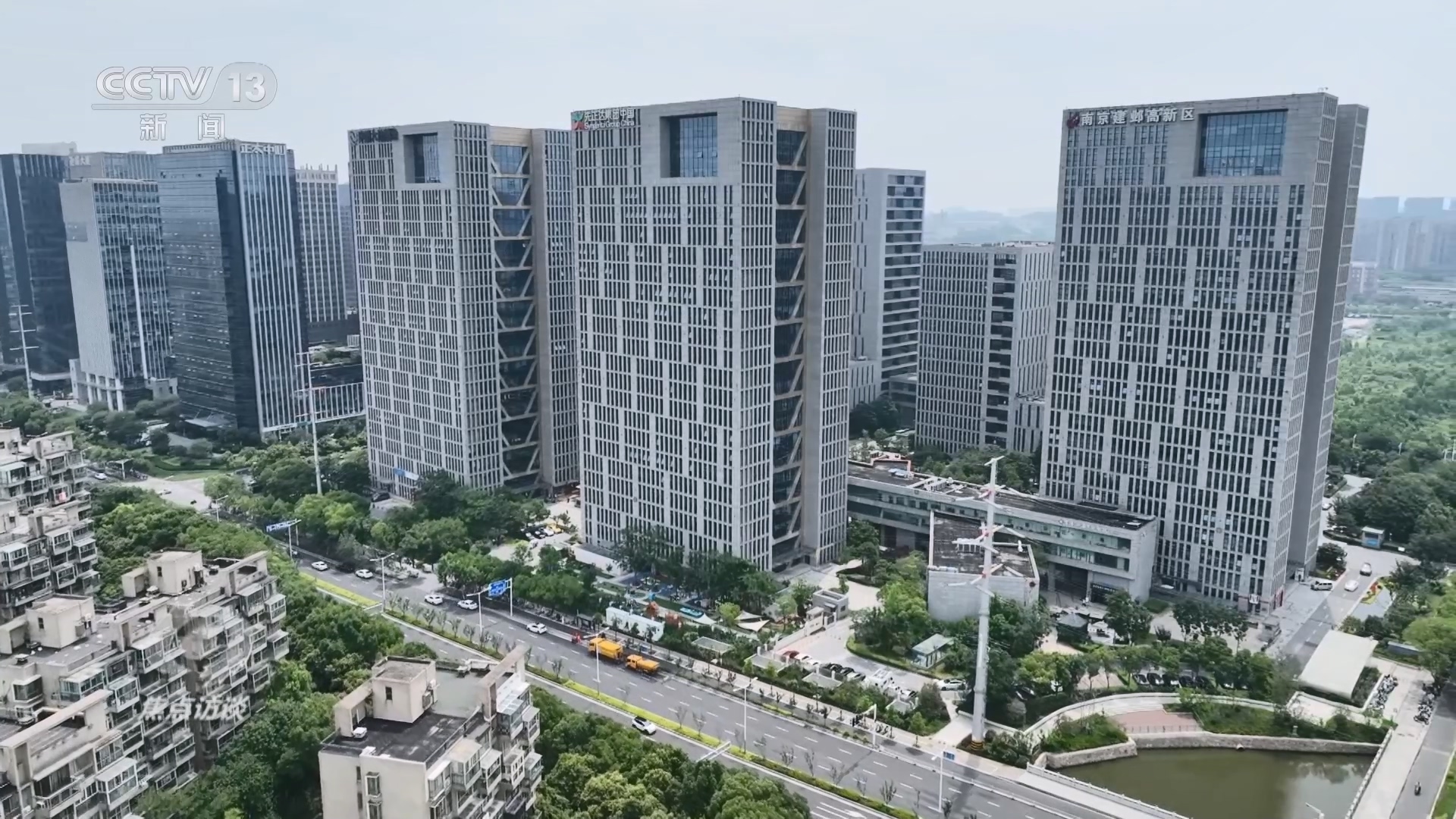
Core Viewpoint - The article emphasizes the importance of providing affordable and quality childcare services for infants and toddlers, particularly in dual-income families, to alleviate parenting burdens and enhance family well-being [1][4][12]. Group 1: Policy Initiatives - The Chinese government has introduced policies to develop inclusive childcare services, integrating them into employee welfare systems to support families with children under three years old [3][4]. - The "Opinions" issued on June 9, 2025, call for the expansion of inclusive childcare services and the establishment of a sustainable operational model for service providers [3][4]. - The National Health Commission and other departments have also released guidelines to accelerate the construction of inclusive childcare service systems [3][8]. Group 2: Local Implementation - In Nanjing's Jianye District, a public childcare center was established in collaboration with local educational institutions, serving over 900 companies and enhancing the area's business environment [6][8]. - Other cities like Shanghai, Hangzhou, and Xiamen are also implementing similar childcare services to support working parents [8][10]. Group 3: Community-Based Solutions - The development of community-embedded childcare services aims to create a "15-minute childcare circle," making it easier for parents to access services close to home [8][12]. - In Beijing's Changping District, a pilot program has reduced childcare costs significantly, with monthly fees ranging from 1,200 to 3,700 yuan, demonstrating a more affordable option for families [10][12]. Group 4: Special Needs and Holistic Care - Some childcare centers are expanding their services to include special needs children, providing integrated medical and educational support [12][14]. - Early intervention and responsive care are highlighted as crucial for the development of children with delays, showcasing the importance of quality care in these settings [14]. Group 5: Societal Impact - The shift towards inclusive childcare services represents a societal commitment to share parenting responsibilities, moving from individual family burdens to a collective support system [4][12]. - The article concludes that inclusive childcare is not only a solution for family challenges but also a significant step towards social progress and improved quality of life for families [12][14].

国元证券晨会纪要-20250709
Guoyuan Securities2· 2025-07-09 01:52
Core Insights - The report highlights the potential impact of Trump's proposed 50% tariff on imported copper and up to 200% on pharmaceuticals, effective from August 1, which could significantly affect related industries and market dynamics [4] - The Australian central bank's unexpected decision to maintain interest rates could influence investment strategies and economic forecasts in the region [4] - The World Gold Council reported that global gold ETFs saw inflows of $38 billion in the first half of the year, setting a record for average daily trading volume [4] - The new energy passenger vehicle market in China recorded retail sales of 1.111 million units in June, representing a year-on-year growth of 29.7% [4] - SpaceX achieved an estimated valuation of approximately $400 billion during a stock sale, indicating strong investor confidence in the company [4] Economic Data Summary - The Baltic Dry Index closed at 1436.00, remaining unchanged [5] - The Nasdaq Composite Index closed at 20418.46, up by 0.03%, while the Dow Jones Industrial Average decreased by 0.37% to 44240.76 [5] - Crude oil (ICE) was priced at $70.03, reflecting a 0.65% increase, while the London gold spot price fell by 1.07% to $3300.64 [5] - The US dollar index closed at 97.49, down by 0.06% against the Chinese yuan, which was priced at 7.17, a decrease of 0.02% [5] - The Hang Seng Index rose by 1.09% to 24148.07, and the Hang Seng Tech Index increased by 1.84% to 5325.95 [5]
今日,重要发布会!盘前重要消息一览
证券时报· 2025-07-09 00:02
Group 1 - Trump threatens to impose high tariffs on copper and pharmaceuticals, with a potential 200% tariff on imported drugs and a 50% tariff on copper starting from August 1, 2025 [3][4] - The State Council issued an opinion on enhancing the mechanism for efficiently completing key tasks, emphasizing the management of key task lists and inter-departmental collaboration [3][4] Group 2 - GAC Fiat announced bankruptcy, marking a significant event in the automotive industry [9] - Huayin Electric has seen a significant trading volume, with an 80.95% turnover rate over the past six trading days, indicating heightened investor interest [10] - Juhua Co. expects a net profit increase of 136% to 155% year-on-year for the first half of the year, reflecting strong financial performance [13] - Shenhua Development anticipates a net profit increase of 732.89% to 830.88% year-on-year for the first half of 2025, indicating robust growth [20]




家庭托育点,如何不负所“托”?
Ren Min Ri Bao· 2025-06-17 00:00
Core Viewpoint - The article discusses the rise of family childcare points in China, highlighting their advantages such as lower costs, flexibility, and community trust, while also addressing the regulatory framework and standardization efforts being implemented to ensure safety and quality in childcare services [4][10][17]. Group 1: Family Childcare Points Overview - Family childcare points utilize residential spaces to provide various childcare services for children under three years old, including full-day, half-day, and temporary care [3]. - The model is gaining attention in cities like Jinan, Taizhou, and Chongqing due to its smaller scale and adaptability [5]. Group 2: Advantages of Family Childcare Points - Family childcare points offer controllable costs, flexible operations, proximity to homes, and affordable pricing, making them attractive to working parents [6][9]. - For example, a family in Taizhou found a local childcare point charging 2,200 yuan per month, significantly lower than the 4,000 yuan charged by larger institutions [7][9]. Group 3: Regulatory Framework and Standardization - In October 2023, the National Health Commission issued guidelines for managing family childcare points, covering registration, service content, personnel qualifications, and safety standards [4]. - Jinan has initiated the "泉心托" (Qianxin Tuo) brand to promote standardized and regulated family childcare points, ensuring they meet specific safety and operational criteria [17][20]. Group 4: Community Integration and Support - Family childcare points are encouraged to integrate into their communities, addressing residents' concerns about noise and resource usage through open communication and community events [23][24]. - In Taizhou, the local government supports family childcare points with subsidies and operational assistance, enhancing their viability [10]. Group 5: Training and Professionalization - There is a growing emphasis on professional training for caregivers at family childcare points, with programs focusing on safety, emergency response, and child development [25][26]. - In Chongqing, vocational education institutions are collaborating with family childcare points to provide practical training and support for future caregivers [29].
每日市场观察-20250611
Caida Securities· 2025-06-11 09:30
Market Overview - The market experienced a decline on June 10, with the Shanghai Composite Index falling by 0.44%, the Shenzhen Component down by 0.86%, and the ChiNext Index decreasing by 1.17% [3] - The trading volume increased to 1.45 trillion yuan, up approximately 140 billion yuan from the previous trading day, indicating a resilient market despite the overall downturn [1] Sector Performance - Most sectors saw declines, with notable losses in technology-related industries such as military, computing, electronics, and communications, while banking, pharmaceuticals, transportation, media, and non-ferrous metals showed slight gains [1] - The banking sector remains stable as a low-valuation, high-dividend segment, while the innovative drug sector is gradually gaining momentum supported by fundamental industry factors and market interest [1] Capital Flow - On June 10, net inflows into the Shanghai Stock Exchange amounted to 6.638 billion yuan, while the Shenzhen Stock Exchange saw net inflows of 9.642 billion yuan. The top three sectors for capital inflow were chemical pharmaceuticals, state-owned large banks, and shipping ports, whereas the semiconductor, IT services, and software development sectors experienced significant outflows [4] Policy Developments - The Ministry of Finance is accelerating the establishment of a childcare subsidy system to enhance elderly and childcare services, reflecting a commitment to improving social welfare [5] - A recent policy document issued by multiple government departments aims to address pressing public concerns regarding living standards, proposing ten specific measures to improve social welfare [7] Industry Dynamics - Huawei's CEO Ren Zhengfei highlighted the potential for China to develop hundreds or thousands of operating systems to support advancements in various sectors, including industry, agriculture, and healthcare [9][10] - The National Health Commission plans to increase the supply of inclusive childcare services through multiple channels, emphasizing a people-centered development approach [11] - The China Iron and Steel Association called for a collective effort to resist "involutionary" competition within the industry, stressing the importance of industry-wide benefits over individual company interests [11] Fund Dynamics - Major private equity firms are actively increasing their positions in A-shares, with the index for billion-yuan private equity positions surpassing 80%, reflecting a positive outlook for the market [12][13] - The private equity market has seen a significant recovery, with the number of newly registered private equity securities investment funds increasing by over 45% compared to the same period last year, indicating a growing interest in equity strategies [14]
刚刚,六部门重磅发声
Jin Rong Shi Bao· 2025-06-10 08:13
Core Viewpoint - The recently released "Opinions" by the Central and State Offices focus on enhancing and improving people's livelihoods, addressing urgent issues of public concern through ten policy measures across four main areas [1] Group 1: Childcare Services - The government aims to increase inclusive childcare services through a "1+N" service system, enhancing the quality and accessibility of childcare [2] - There will be a push for integrated childcare and education services, allowing kindergartens to offer childcare classes and improving resource allocation for 0-6 year-olds [2] - Measures will be taken to improve the quality of childcare services, including facility upgrades and staff training [2] Group 2: Social Security Expansion - The "Opinions" emphasize expanding social security coverage, particularly for flexible workers, migrant workers, and new employment forms [3] - Policies will be refined to ensure precise implementation for vulnerable groups, ensuring that those in need receive adequate support [3][4] - Efforts will be made to enhance the accessibility of social security services through streamlined processes and a unified online platform [4] Group 3: Social Assistance Mechanisms - The government plans to enhance social assistance mechanisms to better support low-income groups, including dynamic monitoring and timely aid [5][6] - A focus will be placed on digital empowerment to improve the precision of aid distribution and the identification of beneficiaries [6] - Coordination among various departments will be strengthened to create a comprehensive social assistance framework [7] Group 4: Education Resource Improvement - The government aims to expand and improve the quality of educational resources, particularly in basic education, by building over 1,000 new high-quality high schools [8] - In higher education, there will be an expansion of enrollment in "Double First-Class" universities and improvements in educational conditions [9] Group 5: Healthcare Resource Sharing - The government is committed to enhancing healthcare resource sharing to address public concerns about medical access, focusing on reducing the need for patients to travel for care [10] - Initiatives will include the establishment of urban medical groups and the promotion of integrated healthcare services at the county level [10] Group 6: Financial Investment in Livelihoods - By 2025, financial investment in education, social security, and health will reach approximately 4.5 trillion yuan, with significant increases in budget allocations [12] - The central government will enhance support for employment policies, including subsidies and training programs for vulnerable groups [12] - The minimum standard for urban and rural residents' basic pensions will be increased, benefiting over 300 million elderly individuals [12][13]