租金回报率

Search documents
特写:香港租金上涨背后的“深港通勤族”
Zheng Quan Shi Bao· 2025-11-18 16:28
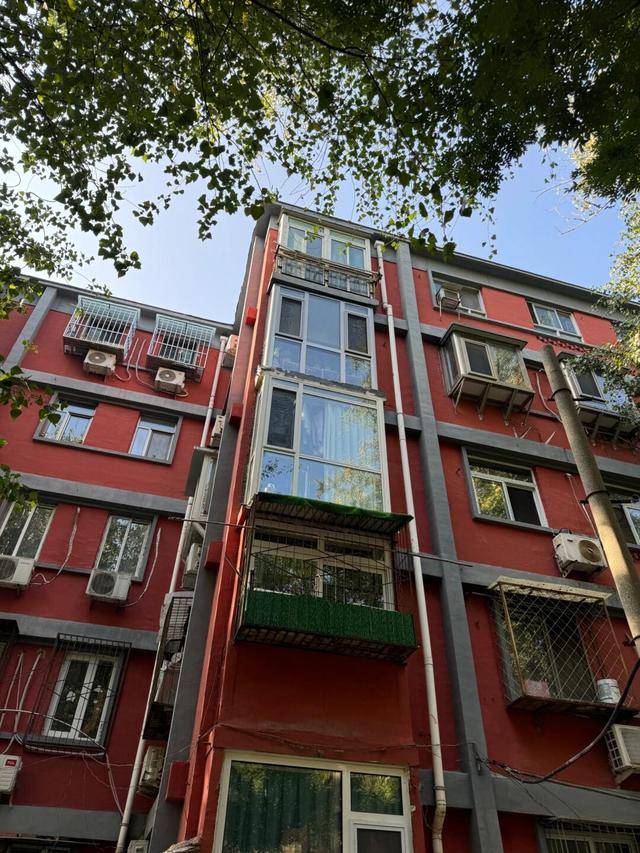
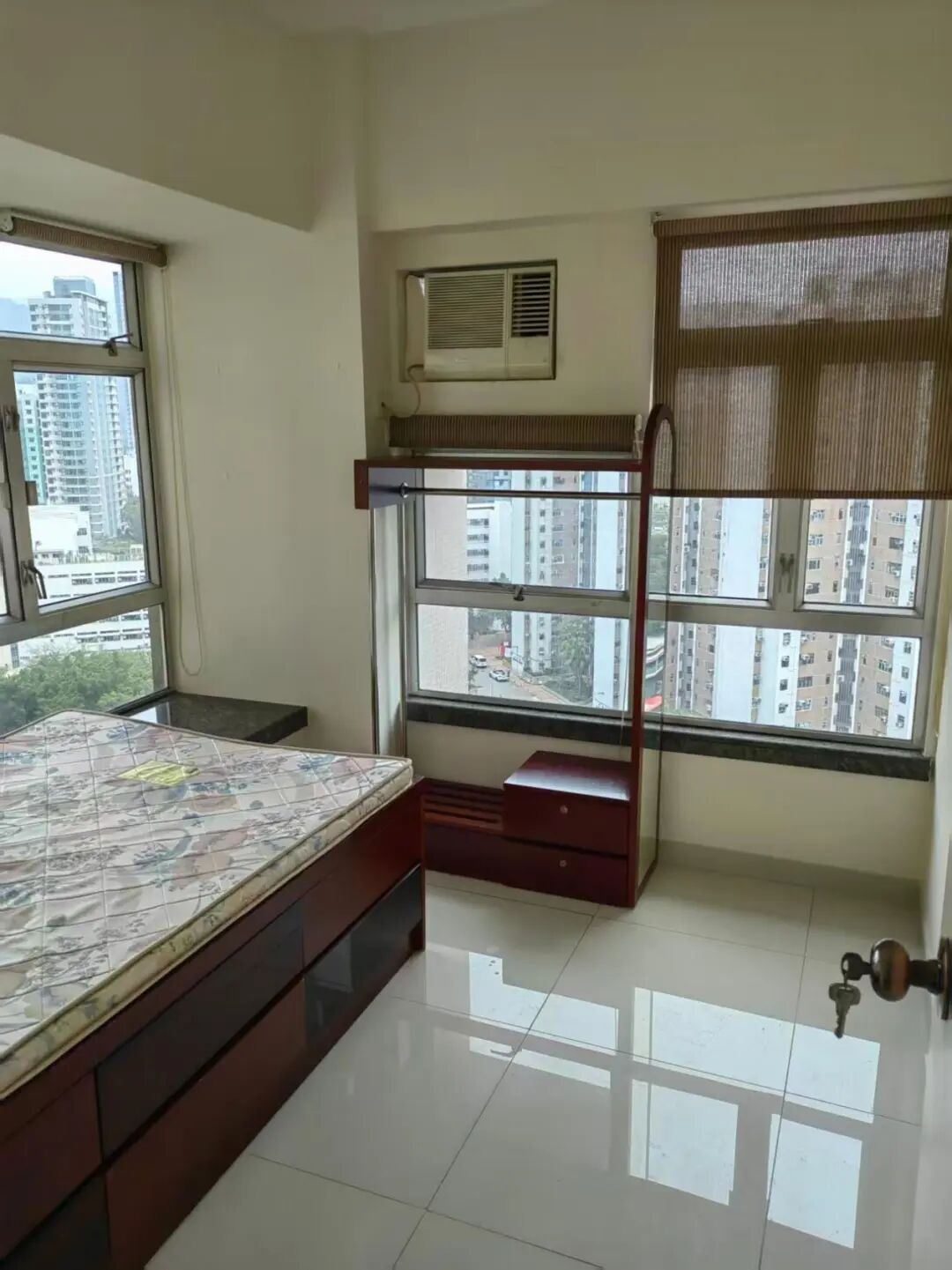
香港楼市正在逐步复苏。 清晨,罗湖口岸的过关人流已开始涌动。"我每天早上7点出门,从罗湖口岸过关去香港上班,全程算下来接近一个小时左右,即便是麻烦了点,但可以省 下不少钱。"在香港工作的陈胜(化名)之前租住在香港大学附近。现在,尽管每天需要花费两个小时在通勤上,但他并不后悔这一选择。 越来越多的数据显示,香港楼市正稳步复苏,租金也跟着水涨船高。美联"租金走势图"显示,今年10月以实用面积计算的私人住宅平均呎租报约38.71港 元,环比微跌约0.18%,连升8个月后稍作调整。不过,美联物业分析师岑颂谦认为,传统的租赁旺季结束,租金也仅仅轻微回落,今年前10个月香港租 金仍累计上涨2.76%,高于2019年7月的纪录高位38.33港元。"随着香港本地住屋需求增加,加上政府积极吸纳人才,私人住宅平均呎租短期内会高位震 荡,明年有望继续上升。" 陈胜告诉记者,自己之前在香港大学附近租住的房源,月租金较去年同期上涨近1000港元,相当于不到深圳40平方米的户型,租金要1.5万港元到1.6万港 元左右,而且那边租住的客源很多来自于通过香港高才通、优才计划赴港的人士。 (香港出租房源吴家明/摄) 现在,陈胜搬回了罗湖口岸旁 ...

关于房价波动、转型探底这两个问题,国家统计局给出回应
Jing Ji Guan Cha Wang· 2025-11-16 15:41
Core Viewpoint - The real estate market in China is showing signs of stabilization due to various supportive policies implemented by local governments, although challenges remain during the transition from old to new market models [1][2]. Group 1: Real Estate Market Performance - The decline in new residential property sales has narrowed, with sales area and sales revenue down by 6.8% and 9.6% year-on-year respectively from January to October, showing improvement compared to the previous year [1]. - The inventory of unsold properties is decreasing, with the total unsold area at 75,606 million square meters by the end of October, a reduction of 3.22 million square meters from September, marking eight consecutive months of decline [1]. - The financial situation of real estate companies has improved, with the year-on-year decline in funds received by developers narrowing by 9.5 percentage points compared to the same period last year [2]. Group 2: Land Market and Sales Data - In October, the land transaction volume decreased significantly, with the area and value of land transactions down by 13% and 20% month-on-month, and by 25% and 33% year-on-year, respectively, marking the highest year-on-year decline this year [2][3]. - The top 100 real estate companies experienced a substantial sales decline of 41.9% in October, with total sales for the first ten months amounting to 28,967.1 billion yuan, a year-on-year decrease of 16.3% [3]. Group 3: Rental Market and Policy Recommendations - The national rental yield is at 2.37%, with expectations to stabilize between 2.4% and 2.8% by the second quarter of 2026, while first-tier cities show lower yields of 1.8% to 2.2% [3]. - Recommendations for policy adjustments include lowering mortgage rates and enhancing tax incentives for personal housing to stimulate the market [5].
楼市企稳背后,香港租售比到了什么水平,对一线城市意味着什么?
Hua Er Jie Jian Wen· 2025-11-11 08:38
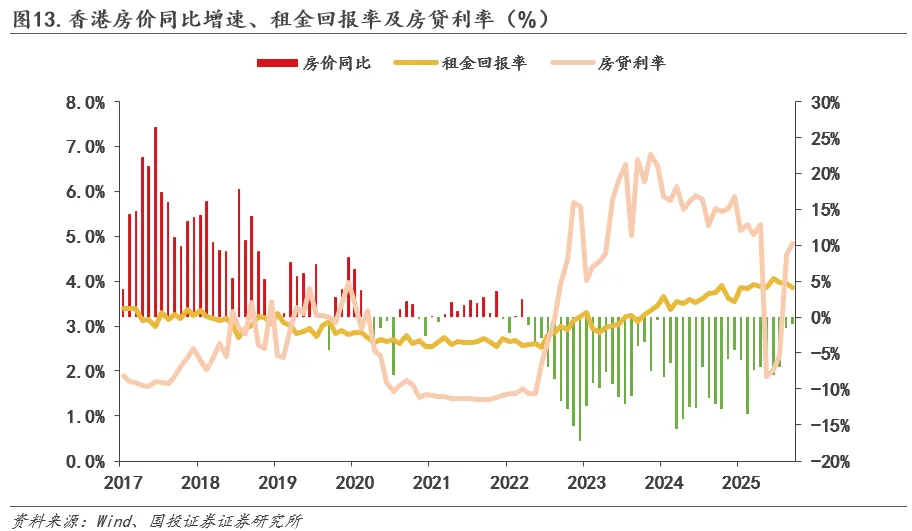
Core Insights - The rental yield ratio, a key indicator for property valuation, is gaining attention in the context of Hong Kong's stabilizing real estate market, providing a reference for observing first-tier cities in mainland China [1][5][15] - The report from Guotou Securities indicates that the second-hand housing market in first-tier cities is undergoing price adjustments, with new homes showing resilience in price [1][7] - Hong Kong's real estate market is experiencing a significant recovery, with private residential price indices rising for four consecutive months and rental indices reaching historical highs [1][8][10] Group 1: Market Trends - The second-hand housing prices in first-tier cities have adjusted by 4.4% since April 2025, while new home prices have seen a smaller decline of 0.7% year-on-year [7] - Hong Kong's rental yield has improved, with net rental yields for mid-to-high-end residential properties at 3.04% and older properties at 3.59% [1][15] - The rental index in Hong Kong has increased for ten consecutive months, indicating strong demand and market recovery [1][8] Group 2: Policy Impact - The Hong Kong government's policy shift in February 2024, which removed various property demand management measures, significantly reduced transaction costs, contributing to market recovery [10][13] - The reduction in loan costs, driven by a strong Hong Kong dollar and liquidity injections, has further stimulated housing demand [13][10] - The report emphasizes that stabilizing housing prices is crucial and is largely influenced by macroeconomic inflation expectations [22] Group 3: Comparative Analysis - The rental yield ratios in major international cities like Tokyo, New York, and Hong Kong are around 3%, highlighting the comparative attractiveness of these markets [15][16] - The analysis of rental yields provides insights into the valuation of properties, with Hong Kong's mid-to-high-end properties showing a rental yield of approximately 3.63% [15][16] - Historical patterns indicate that during housing price adjustments, rental yields tend to revert to historical highs, reflecting a common trend across various economies [19][22]
不靠江景也能租6万+?杭州潮博、Eic又带起一波网红“迁徙”潮
3 6 Ke· 2025-11-06 07:15
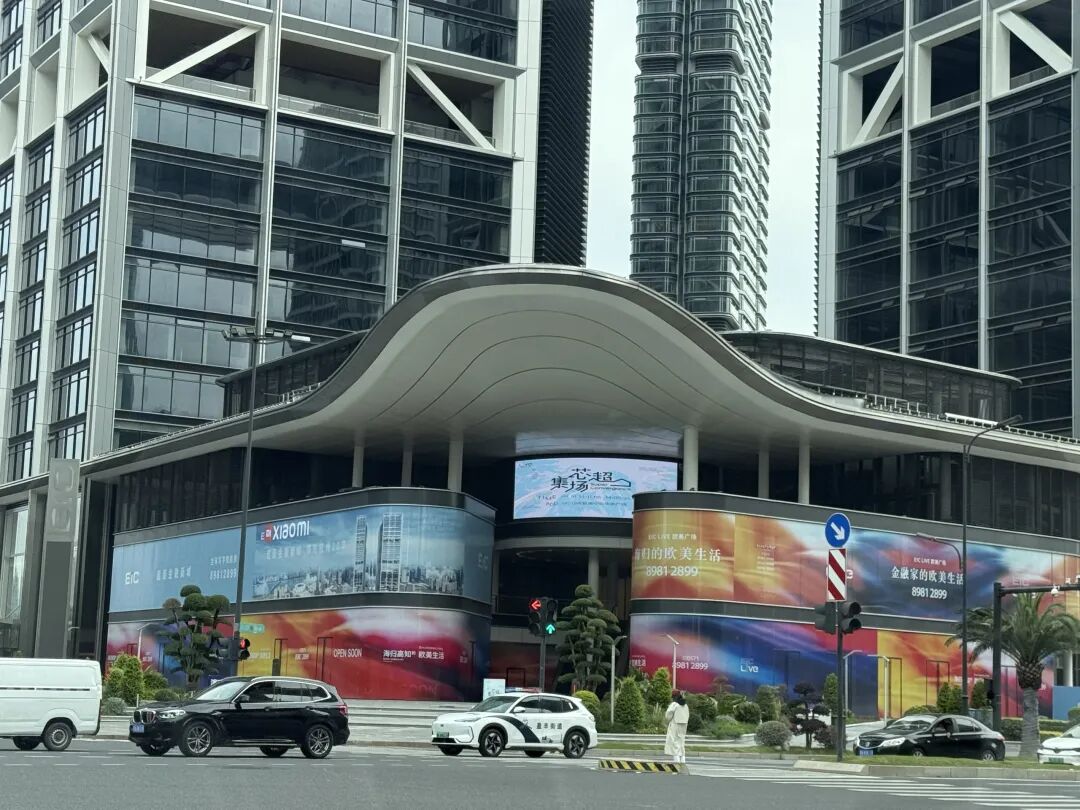
Core Insights - The recent delivery of two large commercial properties, T-ONE and EIC, in Century City has generated significant attention, particularly due to extravagant handover gifts and high rental prices [1][2] - The rental prices for these properties have reached new heights, with T-ONE's 330㎡ units renting for 500,000 to 600,000 CNY annually, translating to a rental yield of 4.5%, which is three times higher than the average residential yield in Hangzhou [2][10] - EIC's 375㎡ units are even more expensive, with monthly rents exceeding 60,000 CNY, indicating a strong demand despite the lack of scenic views [2][3] Rental Price Analysis - T-ONE's 330㎡ units can achieve annual rents of 600,000 CNY, while EIC's 375㎡ units are quoted at 65,000 CNY annually, showcasing a competitive rental market [2][3] - The rental market for large units in Century City is thriving, with some properties nearing 100,000 CNY per month, indicating a robust demand from high-end clients [8][9] - The highest reported rent in the area was 250,000 CNY per month for a 700㎡ unit, highlighting the extreme rental potential for luxury properties [9] Market Demand Factors - The high rental prices are supported by the convenience of lifestyle amenities, with T-ONE featuring over 70,000㎡ of commercial space and EIC focusing on fine dining and upscale living [3][5] - The properties' design and quality, including high ceilings and luxury finishes, contribute to their appeal, making them attractive to affluent renters [6][7] - The target demographic primarily consists of top influencers and high-income individuals, who view these properties as both living spaces and essential tools for their content creation [9][10] Future Considerations - While current demand is strong, there are concerns that an increase in supply could lead to higher vacancy rates in the future, potentially impacting rental prices [11]
量价齐升 香港楼市持续回暖
Zheng Quan Shi Bao Wang· 2025-11-03 09:14
Core Insights - The Hong Kong real estate market is showing signs of stabilization after experiencing multiple cycles, with a notable increase in private residential price index by approximately 1.3% month-on-month in September, marking four consecutive months of price growth [1] - Factors contributing to the rise in property prices include a "super rebound" from previous declines, optimistic expectations regarding economic recovery, and a decrease in mortgage rates encouraging buyers to enter the market [2] Group 1: Market Performance - The private residential price index reached 292.5 points in September, reflecting a month-on-month increase of about 1.3% [1] - Over 45 transactions of new homes exceeding 100 million HKD were recorded in the second half of the year, totaling 10.2 billion HKD [1] Group 2: Buyer Sentiment and Trends - The number of negative equity residential mortgage loans decreased to 31,449, involving 156.8 billion HKD, with a quarterly reduction of 6,357 loans, attributed to rising property values [1] - Increased buyer interest from mainland China is noted, with a 7% rise in transactions by Mandarin-speaking buyers in Q3 compared to Q2, totaling 3,797 transactions [2] Group 3: Policy and Economic Factors - Continuous optimization of talent and investment policies in Hong Kong is attracting professionals, entrepreneurs, and high-net-worth individuals, injecting new vitality into the real estate market [2] - The high rental yield in Hong Kong remains a significant factor for mainland buyers considering property investments [2]
房价跌到啥时候能抄底?两个公式+2个关键观点,别再盲目跟风
Sou Hu Cai Jing· 2025-11-02 07:36
Core Insights - The article emphasizes that simply looking at the price drop of real estate is not sufficient for making investment decisions; factors like rental income, costs, and risks must also be considered [1][2][20] - It introduces a more reliable formula for determining the bottom price for buying property, which includes calculating costs and potential returns [8][12] Summary by Sections Understanding the Market - Many individuals are experiencing significant losses in real estate investments, with properties purchased at high prices now valued much lower, leading to negative equity situations [1][2] - The focus should shift from merely observing price declines to evaluating whether the investment can generate profit through rental income [2][20] Investment Return Considerations - The article critiques a popular formula for determining the bottom price based solely on rental income and target return rates, arguing it overlooks important factors like property residual value and opportunity costs [4][5][6] - It suggests that a realistic return rate should account for the residual value of the property after a certain period, which can significantly enhance actual returns [5][11] Revised Bottom Price Formula - A new formula is proposed to assess whether a property purchase is worthwhile, factoring in annual rental income, bank interest rates, holding period, and property residual value [8][12] - This formula helps clarify the financial viability of real estate investments, especially in a declining market [12][20] Conditions for a True Bottom Buying Opportunity - Three key conditions are outlined for identifying a genuine bottom buying opportunity: rental yield must be at least 5%, low vacancy rates, and stable property prices without further decline [13][14][15][16] - The article stresses the importance of ensuring that rental income can cover mortgage costs and other expenses to avoid financial strain [14][20] Differentiating Buyer Types - The article distinguishes between first-time homebuyers and investors, noting that their motivations and criteria for purchasing differ significantly [17][19][20] - First-time buyers should focus on affordability and personal needs, while investors must prioritize rental yield and market stability to ensure profitability [19][20]
特写:租金回报率回升 买房收租比存钱好?
Zheng Quan Shi Bao Wang· 2025-10-27 12:40
Group 1 - The article highlights a shift in investment preferences among individuals in Shenzhen, with a notable interest in purchasing small apartments for rental income due to declining interest rates on large time deposits [1] - Real estate agents in Shenzhen are promoting small apartments, suggesting that rental yields can exceed 3%, which is more attractive compared to current deposit rates below 2% [1] - The average transaction price for second-hand apartments in Shenzhen is significantly lower than that of residential properties, with a median price of 1.38 million yuan, making them appealing for investors [1] Group 2 - Rental yield, defined as the ratio of rental income to property cost, is becoming a key indicator for real estate investment, especially as some cities show rental yields surpassing deposit rates [2] - Data from the China Index Academy indicates that the rental-to-price ratio in 50 key cities has increased, with Shenzhen, Beijing, and Shanghai still below 2%, while cities like Wuhan and Chengdu range between 2.0% to 2.5% [2] - Despite rising rental yields, the ongoing decline in rental prices and changing tenant acceptance levels pose challenges for potential investors, highlighting the need for careful consideration of vacancy rates and tenant turnover [2]
楼市见底可能并不遥远(国金宏观张馨月)
雪涛宏观笔记· 2025-10-26 00:19
Core Viewpoint - The real estate market is expected to stabilize in the first half of next year, based on indicators such as second-hand housing transaction ratios, rental yield rates, and housing price-to-income ratios [2][34]. Group 1: Second-hand Housing Transaction Ratio - Since 2022, the transaction area for new and second-hand residential properties has stabilized around 1.5 billion square meters, with second-hand housing increasingly replacing new housing [5]. - The average annual increase in the second-hand housing transaction ratio is projected to be 8-10 percentage points from 2022 to 2024, with expectations for it to reach around 50% by 2025 [5][12]. - In the first three quarters of this year, the second-hand housing transaction ratio in 18 sample cities reached 57.2%, an increase of 5.8 percentage points year-on-year [12][34]. Group 2: Rental Yield Rate - The rental yield rate is a key indicator of the stability of second-hand housing prices, with a current national average of 2.37%, which is still 10-20 basis points below the reasonable level of around 2.5% [22][23]. - A rental yield rate that approaches the public housing loan interest rate of approximately 2.5%-2.6% is considered reasonable, indicating a balance between renting and buying [17][20]. - If rental prices stabilize, the rental yield rate is expected to reach a reasonable level by the second quarter of next year, potentially leading to a stabilization in housing prices [22][27]. Group 3: Housing Price-to-Income Ratio - The housing price-to-income ratio in major cities like Beijing and Shanghai is reported at 12.3 and 9.6, respectively, indicating a return to a relatively reasonable range [28][30]. - The overall housing price has returned to levels seen in 2016, while disposable income has increased by nearly 70% during the same period, contributing to a more favorable housing price-to-income ratio [30][34]. - The current housing price-to-income ratios suggest that the market has significantly digested previous bubbles, with major cities showing ratios below 15 [28][30]. Group 4: Market Stabilization Timeline - The real estate market is anticipated to stabilize in the first half of next year, with the second-hand housing transaction ratio and rental yield rate approaching reasonable levels [34][37]. - The sequence of stabilization is expected to be new good houses, old small houses, improvement houses, and finally old existing houses, with new good houses stabilizing first due to their strong product appeal [39][41]. - The overall stabilization of the real estate market will depend on macroeconomic conditions and social expectations, alongside the internal dynamics of the real estate market [34][37].

催买房没成功,国家终于出手!2025年楼市将迎两大变局
Sou Hu Cai Jing· 2025-10-23 10:26
Core Insights - The real estate market in 2025 is experiencing a significant shift from a focus on price increases to an emphasis on quality and service in housing [1][10] - Government policies are actively aimed at making home buying easier and more secure rather than simply stimulating demand [9] Group 1: Market Changes - The supply side is shifting from blind expansion to revitalizing existing land, with a 20% reduction in residential land supply nationwide and a 30% reduction in second-tier cities [3] - Cities with a de-stocking cycle exceeding 36 months will see a halt in new land supply, while those with cycles between 18 to 36 months must first activate existing land [3] - The government is implementing innovative solutions like purchasing existing homes for relocation, which helps reduce inventory and provides better options for displaced residents [3] Group 2: Developer Strategies - Real estate companies are moving away from quantity-focused expansion to prioritizing service and quality, with many firms restructuring debt and reducing leverage [4] - Developers are now competing on the comfort and intelligence of homes rather than just speed and volume of construction [4] - New regulations in cities like Shanghai and Chengdu are allowing for more practical housing options, indicating a shift in consumer preferences towards better living conditions [4] Group 3: Consumer Behavior - Homebuyers are increasingly considering rental yields and overall living quality rather than just price appreciation, with rental yields in major cities returning to around 2% [6] - The housing price-to-income ratio has improved, making home buying more about securing a living space rather than speculating on price increases [6] - The focus has shifted from merely purchasing homes to ensuring they meet quality standards, with a growing interest in "smart homes" and sustainable living [7] Group 4: Policy Direction - The government is transitioning from a focus on risk prevention to actively supporting market confidence and sustainable development in the real estate sector [9] - Policies are being adjusted to reduce restrictions on home purchases, indicating a long-term commitment to easing access to housing [9] - The emphasis is now on creating a healthy and sustainable real estate market rather than simply driving up prices [9][10]
炒房时代终结!普通家庭租金回报率才是王道,别再被中介忽悠了
Sou Hu Cai Jing· 2025-10-22 23:40
Core Insights - The shift in focus from property price appreciation to rental income generation is evident among investors, with a growing emphasis on monthly rental returns and payback periods [1][22]. Group 1: Investor Behavior - Investors like Zhang Qiang are now prioritizing rental income over capital gains, indicating a change in investment strategy in the real estate market [1][22]. - The trend shows that individuals are more cautious and prefer properties that can provide stable rental income, especially in uncertain economic conditions [22][30]. Group 2: Market Dynamics - There is a notable demand for small, affordable properties with high rental yields, as evidenced by the increased transaction volume of units under 70 square meters [16][20]. - The market is seeing a shift where institutional investors are also beginning to focus on residential properties due to rising rental yields, contrasting with previous preferences for commercial real estate [20][24]. Group 3: Investment Calculations - Investors are calculating returns based on net rental income, factoring in costs such as property management fees, maintenance, and potential vacancy losses, which can significantly affect perceived profitability [26][28]. - The internal rate of return (IRR) is becoming a critical metric for long-term investors, emphasizing the importance of holding periods in determining overall investment success [28][30].