
美国政治极化

Search documents
两党对峙难破 美联邦政府"停摆"进入第三周
Ren Min Ri Bao· 2025-10-16 00:38
Core Points - The U.S. federal government has entered its fifteenth day of a shutdown, marking the longest shutdown in nearly seven years, with no substantial progress in negotiations to restart the government [1][2] - The shutdown began on October 1 due to the Senate's failure to pass a new temporary funding bill before federal funds were exhausted, highlighting increasing political polarization and a lack of compromise between the two parties [2][3] - Public services are significantly impacted, with many federal employees furloughed and essential services halted, affecting vulnerable populations and international visitors [4][5] Group 1: Political Dynamics - The Senate has failed to pass the funding bill after eight votes, with the latest vote resulting in 49 in favor and 45 against, indicating a deepening political stalemate [2][3] - The ongoing political battle has led to public frustration, with nearly two-thirds of respondents in a recent poll believing the country is severely divided and unable to resolve its issues [3] Group 2: Economic Impact - The shutdown is expected to reduce the annual GDP growth rate by approximately 0.1% for each week it continues, with previous shutdowns causing significant economic output losses [6][7] - The lack of federal operations has created a "data blind spot," delaying key economic reports and complicating monetary policy decisions for the Federal Reserve [6][7] Group 3: Public Services and Social Assistance - Numerous public services have come to a halt, including the closure of museums and research centers, and disruptions in food assistance programs, which are struggling due to a lack of federal funding [5][6] - The shutdown has led to increased anxiety among military personnel and veterans regarding food security and financial obligations, indicating widespread societal impact [6][7]
两党对峙难破 民生经济承压 美国联邦政府“停摆”进入第三周(国际视点)
Ren Min Ri Bao· 2025-10-15 22:09
Core Points - The U.S. federal government has entered its fifteenth day of a shutdown, marking the longest shutdown in nearly seven years, with no substantial progress in negotiations to restart the government [1][2] - The shutdown began on October 1 due to the Senate's failure to pass a new temporary funding bill before federal funds were exhausted, highlighting increasing political polarization and a lack of compromise between the two parties [2][3] - Public services are significantly impacted, with many federal employees furloughed and essential services halted, affecting vulnerable populations and international visitors [4][5] Group 1: Government Shutdown Details - The shutdown is a result of the Senate's repeated failure to pass a funding bill, with the latest vote resulting in 49 votes for and 45 against, failing to meet the required 60 votes [2] - The political standoff is characterized by intense partisan conflict, particularly over healthcare-related spending, with Democrats refusing to support government reopening without extending certain tax credits [2][3] - Historical context shows that government shutdowns have occurred over 20 times since 1974, often as a result of budgetary disputes, with the longest previous shutdown lasting 35 days [3] Group 2: Impact on Public Services - The shutdown has led to significant disruptions in public services, including air traffic control, resulting in thousands of flight delays due to staff shortages [4] - Over 75,000 federal employees are on unpaid leave, with additional layoffs expected as the shutdown continues [4][6] - Various public services, including museums and food assistance programs, are facing operational challenges, with food banks struggling due to loss of federal support [5][6] Group 3: Economic Implications - The economic impact of the shutdown is becoming evident, with estimates suggesting a 0.1% reduction in annual GDP growth for each week the government remains closed [6][7] - The shutdown creates a "data blind spot" as key economic reports are delayed, complicating decision-making for the Federal Reserve regarding interest rate adjustments [6][7] - The Treasury Secretary has indicated that the situation is worsening, affecting both the agricultural sector and businesses that rely on timely economic data for planning [7]
美国政府“关门”危机陷入持久战,影响有多大?
2 1 Shi Ji Jing Ji Bao Dao· 2025-10-10 13:32
Core Points - The U.S. government shutdown is expected to last over 15 days due to a political stalemate between the Democratic and Republican parties regarding temporary funding bills [1] - President Trump plans to cut federal programs favored by Democrats, indicating a potential for permanent layoffs if the deadlock continues [1][3] - Historical context shows that government shutdowns have occurred over 20 times since the 1970s, often due to partisan disagreements [1][3] Political Dynamics - The ongoing impasse reflects increasing political polarization in the U.S., driven by value conflicts, power struggles, and institutional flaws [2] - The core issue revolves around the Democratic demand to extend subsidies under the Affordable Care Act, while Republicans seek to cut border security spending [2][3] - Achieving the necessary 60 votes for any temporary funding bill in the Senate is challenging given the current partisan divide [2] Economic Implications - Prolonged shutdowns could lead to job losses for federal workers and disruptions in public services, negatively impacting consumer spending and short-term economic growth [6] - The Labor Department's suspension of key economic data releases could create an "information vacuum," complicating monetary policy decisions by the Federal Reserve [6][7] - Historical data suggests that government shutdowns have a limited impact on GDP, primarily affecting public sector income and policy uncertainty [7][8] Market Reactions - The stock market's response to shutdowns has been mixed, with the S&P 500 historically showing resilience during such periods [8][9] - Government shutdowns typically lead to a mild decline in Treasury yields, with a notable drop in short-term rates [8] - The dollar may experience short-term strength due to safe-haven demand, but long-term pressures from fiscal challenges and Fed easing expectations could suppress its value [9] Asset Performance - Gold prices have shown volatility during shutdowns, with historical patterns indicating potential support for gold as a hedge against uncertainty [8][9] - Different asset classes are reacting variably, with tech stocks likely to benefit from rate cut expectations, while cyclical and utility stocks may face declines [9]
国际观察|美国联邦政府再次“停摆”与以往有三个不同
Xin Hua She· 2025-10-03 13:49
Core Points - The current government shutdown in the U.S. is marked by heightened political hostility and a more aggressive approach from the Trump administration against the Democratic Party, differing significantly from previous shutdowns [1][2][5] - The Democratic Party is displaying unusual unity and determination to fight for healthcare cost reductions, contrasting with their previous fragmented responses [4][5] - The ongoing political polarization is leading to severe economic and social impacts, with approximately 750,000 federal employees affected and public services disrupted [5][7] Group 1: Trump's Aggressive Tactics - Trump is leveraging the shutdown to eliminate programs favored by Democrats, including terminating 223 energy projects across 16 states, totaling approximately $7.56 billion [2] - The administration plans to implement a federal workforce reduction, targeting employees perceived as Democratic supporters [2][5] - Former House Speaker Newt Gingrich describes Trump's strategy as unprecedented, aiming to dismantle the Democratic agenda through a calculated political offensive [2][3] Group 2: Democratic Unity and Strategy - The Democratic Party is presenting a rare moment of solidarity, with members committed to resisting Trump's actions during the shutdown [4] - Analysts suggest that this shutdown is a critical test for the Democratic Party to regain support and prepare for the upcoming midterm elections [4][5] - The party's previous failures to stand firm against Republican pressures have led to a significant drop in their approval ratings, prompting a more aggressive stance this time [4] Group 3: Escalating Political Hostility - The current political climate is characterized by increased animosity between the two parties, with the shutdown expected to have prolonged economic and political ramifications [5][6] - The shutdown has already resulted in significant disruptions, including unpaid leave for federal employees and halted public services, exacerbating uncertainty in the economic outlook [5][7] - The political conflict has overshadowed critical discussions on issues like gun control, as both parties focus on attacking each other rather than addressing pressing national concerns [5][6]
美政府面临关门危机,两党为拨款法案争执,特朗普紧急会晤党领袖
Sou Hu Cai Jing· 2025-10-03 04:41
Group 1 - The core issue is the dramatic 92% drop in soybean imports from the U.S. to China, which has severely impacted the agricultural sector and shaken the confidence of voters in the Midwest who previously supported Trump [1][13][24] - The crisis is exacerbated by a combination of factors including the trade war's backlash, significant damage to the agricultural economy, and increasing partisan divisions, leading to a potential government shutdown affecting around 800,000 federal employees [5][11][21] - The political landscape is shifting, with Trump needing to negotiate with Democrats to pass funding bills, indicating a significant weakening of his authority and support within the Republican Party [17][18][20] Group 2 - The agricultural market is facing a critical situation as the U.S. soybean exports to China have nearly ceased, with South American countries like Brazil and Argentina filling the void, leading to a collapse in soybean prices and threatening the viability of many family farms [14][24] - The government's inability to maintain basic functions raises questions about the U.S. political system's resilience and its capacity to respond to global challenges, highlighting a disconnect between governance and public needs [21][22][26] - The trade war initiated by Trump, aimed at reshaping international trade dynamics, has backfired, resulting in significant harm to the U.S. agricultural market and demonstrating the consequences of policies that disregard market realities [24][26]

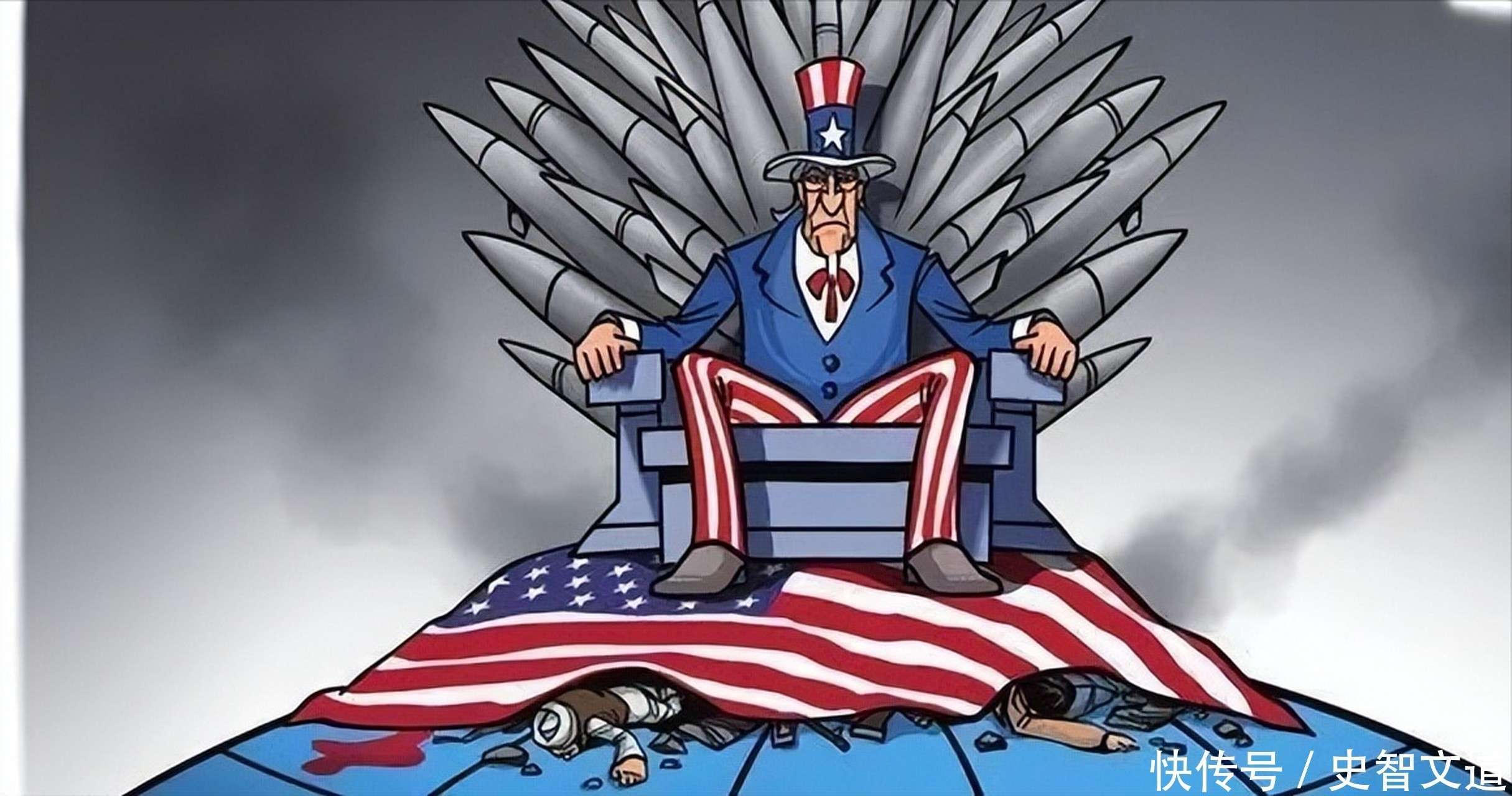
北美观察丨7年再停摆:美财政困局与制度痼疾的恶性循环
Yang Shi Xin Wen· 2025-10-01 06:27
Core Points - The U.S. federal government has shut down for the first time in nearly seven years due to the Senate's failure to pass bipartisan funding bills, affecting hundreds of thousands of federal employees and halting services across various departments [1][4] - This shutdown is part of a recurring fiscal crisis that has plagued Washington for the past 40 years, with a total of 14 government shutdowns recorded since 1980 [4][12] Economic Impact - Historical data shows that government shutdowns have resulted in significant economic losses, ranging from hundreds of millions to over a hundred billion dollars, with the 2018-2019 shutdown alone costing approximately $11 billion, of which $3 billion is unrecoverable [5][11] - Industries closely tied to federal procurement, such as tourism, aviation, and defense contracting, are particularly vulnerable, with small businesses facing cash flow issues due to halted government contracts [5][11] Systemic Issues - The U.S. budget process is characterized by its fragility and complexity, requiring Congress to pass twelve regular appropriations bills each fiscal year. Failure to do so leads to government shutdowns [12][13] - Political polarization and the influence of a minority within the parties exacerbate the budget impasse, as seen in past shutdowns where ideological differences have led to prolonged negotiations and deadlock [12][14] Future Outlook - The likelihood of a short-term shutdown followed by emergency temporary funding is high, as both parties face increasing public and market pressure to reach a compromise [14][15] - If the deadlock extends beyond two weeks, the economic repercussions could escalate, prompting a need for bipartisan intervention to resolve the crisis [15]
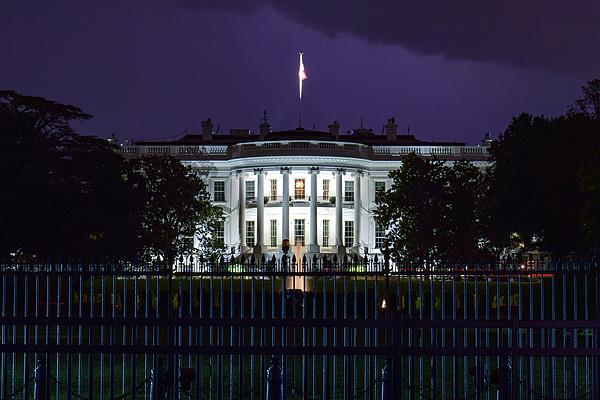
美国政府停摆:一场“可预见却难避免”的自我伤害
Xin Hua Cai Jing· 2025-09-30 03:23
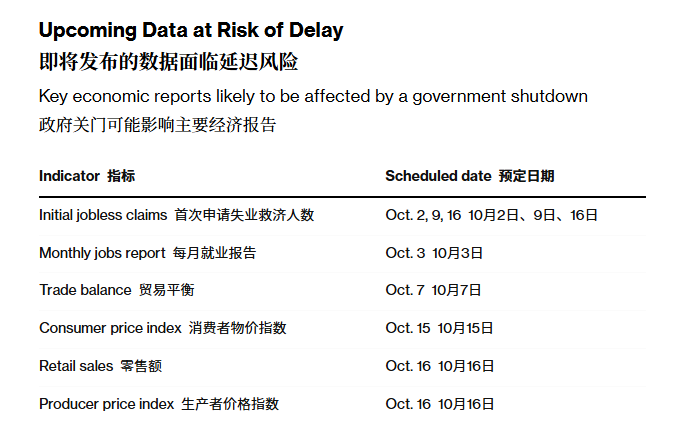
Core Points - The U.S. federal government faces its most severe shutdown risk since 2019, with a predicted probability of approximately 70% for a partial shutdown on October 1 due to a lack of consensus on short-term funding legislation, particularly regarding healthcare policies [1][2][4] - The political deadlock reflects deep polarization in U.S. politics, which could lead to economic data voids, disruptions in public services, and long-term fiscal uncertainty [1][2] Funding Legislation - The House passed a temporary funding bill aimed at maintaining government operations until November 21, but it failed to gain the necessary support in the Senate, receiving only 44 votes [4][5] - The Democratic proposal included significant healthcare policy demands, such as a $350 billion extension of tax credits under the Affordable Care Act (ACA) and the repeal of recent Medicaid cuts, which they view as non-negotiable [4][5] - The Republican leadership firmly opposes any policy attachments to the funding bill, insisting on a "clean" bill to avoid a shutdown before discussing healthcare issues [5][6] Economic Impact - The Labor Department has prepared to halt operations, which will delay the release of key economic reports, including the non-farm payroll report originally scheduled for October 3 [7][10] - A potential shutdown could disrupt essential services, affecting federal facilities, passport processing, and assistance programs for low-income families [10][11] - Historical data indicates that previous shutdowns have led to significant economic losses, with the 2018-2019 shutdown causing an estimated $11 billion loss [11][12] Political Dynamics - The current budget standoff is not merely a fiscal issue but a clash over healthcare policy direction and election strategies, with both parties using the situation to shape their narratives ahead of the 2026 midterm elections [13] - The political impasse is characterized by a lack of trust between parties, with Democrats fearing that without securing healthcare provisions in the funding bill, future negotiations will lack leverage [5][6][13]
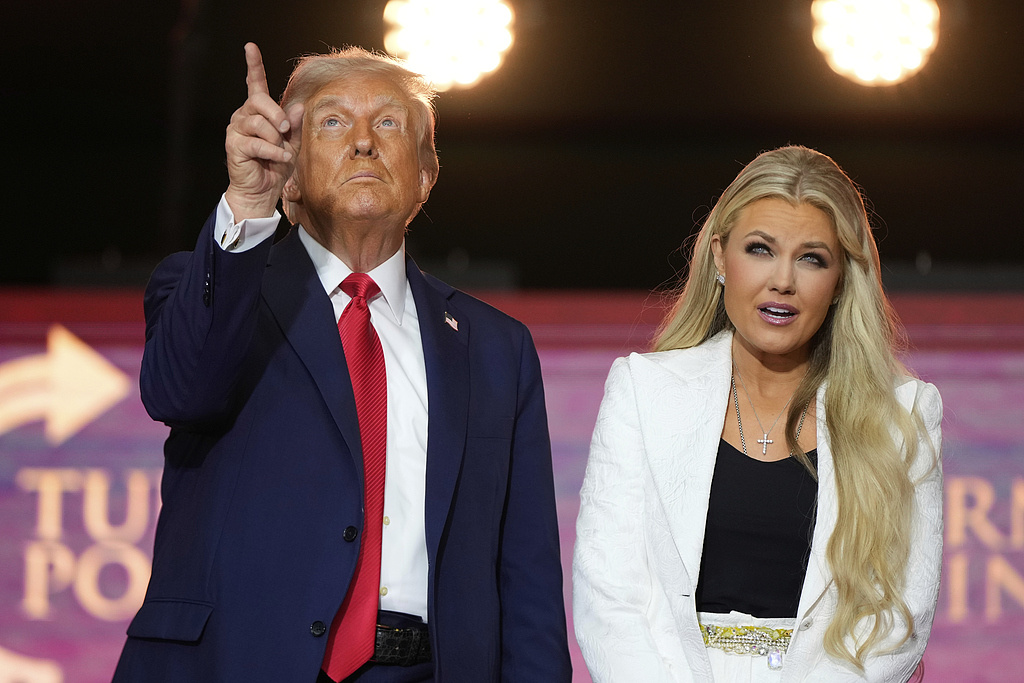
特朗普痛斥“激进左派”,民主党批评“借机煽情”,柯克追悼会成了5小时集体动员
Huan Qiu Shi Bao· 2025-09-22 22:43
Core Points - The memorial service for Charlie Kirk, a prominent conservative activist, turned into a politically charged rally attended by high-profile figures including President Trump and Vice President Vance [1][3] - Trump referred to Kirk as a "martyr for American freedom" and called for supporters to continue his mission, while also criticizing the "radical left" [3][4] - The event highlighted the polarization in American politics, with conservatives viewing Kirk's death as a consequence of leftist attacks on free speech, while liberals warned against politicizing individual actions [4][5] Group 1 - The memorial service lasted for five hours and was described as a large-scale gathering filled with political rhetoric [1] - Trump's speech lasted half an hour, emphasizing Kirk's legacy and calling for continued activism against perceived leftist threats [3] - Kirk's widow, Erica Kirk, expressed her intention to carry on her husband's legacy and took over leadership of the organization he founded, "Turning Point USA" [3] Group 2 - The event attracted numerous Republican figures, including current and former lawmakers, and notable business leaders like Elon Musk [4] - The assassination of Kirk has intensified discussions around political polarization and free speech in the U.S., with heightened security measures at the memorial [4] - Democrats condemned the violence but criticized Trump and right-wing politicians for allegedly exploiting Kirk's death to incite further division [5]
仅一票之差,美投票结果出炉,特朗普去英国,美军击沉3艘船
Sou Hu Cai Jing· 2025-09-22 19:59
Group 1 - The narrow vote of 48 to 47 for the Federal Reserve Board appointment highlights the severe polarization in American politics, raising concerns about the stability of major economic decisions that impact global markets [2][4] - The appointment of a single individual to both the Federal Reserve and the White House Economic Advisory Council is unprecedented, creating potential conflicts of interest and risks of power abuse [4][11] - The political climate in the U.S. is characterized by extreme polarization, which can lead to instability in decision-making processes that affect the global economy [22][25] Group 2 - The visit of President Trump to the UK following the contentious vote serves as a political maneuver to divert attention from domestic issues, showcasing a strategy of crisis management [8][9] - The U.S. military actions against Venezuela, framed as a response to crime, are seen as a tactic to shift focus from internal economic challenges and the controversial Federal Reserve appointment [15][16] - The geopolitical implications of U.S. military actions in Venezuela reflect a desire to assert dominance and secure energy resources, while also reinforcing Trump's strongman image domestically [16][18] Group 3 - The ongoing political turmoil in the U.S. presents both opportunities and challenges for major powers like China, Russia, and the EU, as they reassess their relationships with an increasingly unpredictable America [23][26] - The concept of "coin politics" in the U.S. raises questions about the reliability of its political system, which could lead to a reevaluation of global alliances and strategies [22][25] - The historical context of political instability leading to decline suggests that the U.S. must either restore institutional integrity or risk further descent into chaos [25][26]
全世界权力最大的网红遭枪击身亡,特朗普为他降半旗
Hu Xiu· 2025-09-14 06:59
Core Points - The assassination of Charlie Kirk, a prominent figure in the MAGA movement, has intensified political tensions in the United States, leading to a national outcry and a divided response from both Republican and Democratic parties [1][17][18]. Group 1: Incident Overview - Charlie Kirk was shot on September 10, 2025, while addressing a crowd of 3,000 students at Utah Valley University [2][3][4]. - The shooting occurred around 12:20 PM, with Kirk being struck in the neck by a bullet from a rooftop approximately 200 yards away [7][8]. - Following the incident, chaos ensued on campus, and Kirk succumbed to his injuries later that evening [10][11]. Group 2: Political Reactions - President Trump ordered flags to be flown at half-mast across federal buildings until September 14, expressing deep sorrow over the loss of a close ally [14][15]. - Vice President Vance personally retrieved Kirk's body, highlighting the significance of his death within the political landscape [15][16]. - The assassination quickly became a contentious political issue, with both parties blaming each other for fostering a climate of violence [17][18]. Group 3: Charlie Kirk's Influence - Kirk, born in 1993, founded the organization "Turning Point USA" at the age of 18, aiming to combat liberal ideologies on college campuses [20][22]. - He gained prominence as a key figure in the MAGA movement, leveraging social media to mobilize young conservative voters [24][48]. - Kirk's organization has expanded to over 3,000 schools nationwide, significantly increasing its influence and financial resources, with annual revenue soaring from $4.3 million in 2016 to $92.4 million in 2023 [60]. Group 4: Broader Implications - Kirk's assassination has raised concerns about the rising political violence in the U.S., with experts warning of a "vicious cycle" where political polarization leads to hate speech and violence [70][71]. - The incident has sparked discussions about the potential for further escalation in political conflicts, with some commentators suggesting it could mark a turning point in American politics [19][81]. - The political landscape is increasingly characterized by extreme rhetoric and division, as evidenced by the reactions from both sides of the aisle following Kirk's death [78][80].
