
职业伤害保障

Search documents
稳岗位、护权益、拓新职,人社部回应热点话题
Zhong Guo Xin Wen Wang· 2025-09-26 08:05
Group 1: Employment Promotion Measures - The Ministry of Human Resources and Social Security (MoHRSS) emphasizes the importance of employment as a fundamental aspect of people's livelihoods, particularly during the "14th Five-Year Plan" period, which is characterized by rapid development and significant challenges in employment [3][4] - MoHRSS has implemented a comprehensive employment priority policy framework, including fiscal incentives, tax reductions, and financial support, to stabilize and increase employment [3][4] - As of August, the cumulative number of new urban jobs reached 59.21 million, exceeding the target of 55 million, with an average urban survey unemployment rate of 5.3%, below the expected control target of 5.5% [3][4] Group 2: Protection of New Employment Forms - The scale of new employment forms, such as delivery workers and ride-hailing drivers, is expanding, prompting MoHRSS to enhance the protection of their rights through improved institutional frameworks and policy implementation [4][5] - MoHRSS has introduced a pilot program for occupational injury protection in seven provinces, covering industries like delivery and transportation, with over 20 million new employment form workers participating in the insurance scheme [4][5] Group 3: New Occupations and Skills Development - During the "14th Five-Year Plan" period, 72 new occupations have been introduced, reflecting the structural optimization of China's economy and creating new employment opportunities [5] - The introduction of new occupations aims to meet the high-quality development needs of the economy, adapting to technological advancements and changes in industrial structure [5] - MoHRSS is focusing on training for new occupations by developing national standards, encouraging social participation in training, and enhancing training efforts to support workers in transitioning to these new roles [5]

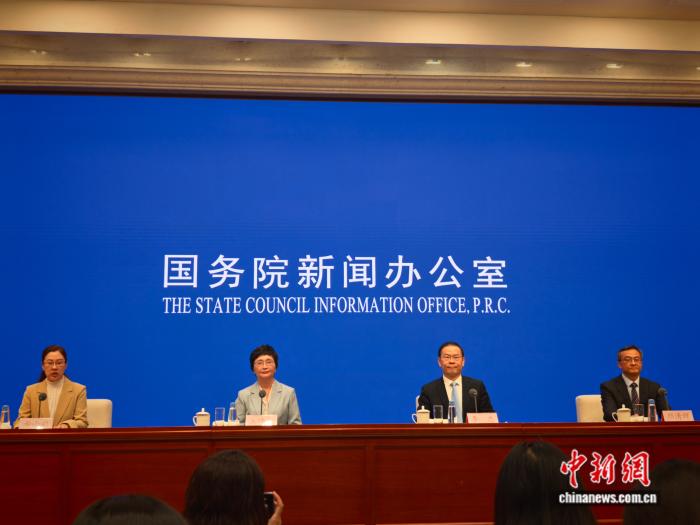
年均投资收益率5.15%!人力资源社会保障部最新发布
Sou Hu Cai Jing· 2025-09-26 07:37
Group 1: Pension Fund Management - The Ministry of Human Resources and Social Security has expanded the scale of entrusted investment and improved investment returns during the "14th Five-Year Plan" period, with the basic pension fund investment operation scale reaching 2.6 trillion yuan, doubling from the end of the "13th Five-Year Plan" [1][3] - The basic pension fund has achieved positive returns for eight consecutive years since its investment operation began at the end of 2016, with an average annual investment return rate of 5.15%, successfully meeting the goal of preserving and increasing value [1][5] - As of the end of August, the cumulative balance of the three social insurance funds (pension, unemployment, and work injury) reached 9.81 trillion yuan, indicating a surplus in fund income over expenditure [5][3] Group 2: Employment and Job Creation - The employment situation has remained stable during the "14th Five-Year Plan" period, with urban new employment reaching 59.21 million, exceeding the target of 55 million [6][8] - The average urban survey unemployment rate over the first four years was 5.3%, lower than the expected control target of 5.5% [6][8] - A comprehensive policy framework has been established to support employment, including fiscal incentives, tax reductions, and financial support, with an average annual entrepreneurial guarantee loan balance of 300 billion yuan [6][8] Group 3: New Occupations and Industry Adaptation - During the "14th Five-Year Plan" period, 72 new occupations have been published, covering industries such as digital economy, modern services, and intelligent manufacturing [9][10] - The development of new occupations is aimed at meeting the new talent demands arising from high-quality economic development, technological advancements, and changes in industrial structure [9][10] - Pilot programs for occupational injury protection have been expanded to 17 provinces, covering various industries and ensuring that over 20 million new employment form personnel are insured [10]
我国职业伤害保障覆盖超2000万新就业形态人员
Zheng Quan Shi Bao Wang· 2025-09-26 06:25
Group 1 - The core viewpoint of the article highlights the expansion of occupational injury protection coverage for new employment forms in China, which now includes over 20 million workers [1] - During the "14th Five-Year Plan" period, China has developed guidelines to protect the labor rights of new employment form workers, including specific policies for delivery personnel and ride-hailing drivers [1] - The responsibility of companies for labor protection has been clarified, and basic rights protection systems for labor remuneration, rest, and safety have been established [1] Group 2 - The pilot scope for occupational injury protection has been expanded to 17 provinces, covering industries such as transportation, food delivery, instant delivery, and local freight [1]
人社部:目前在职业伤害保障试点地区累计有超过2000万新就业形态人员缴费参保
Zhong Zheng Wang· 2025-09-26 04:21
Core Viewpoint - The Ministry of Human Resources and Social Security is expanding occupational injury protection for new employment forms, particularly for delivery riders and ride-hailing drivers, through innovative insurance models that focus on orders rather than traditional labor relationships [1] Group 1: Occupational Injury Protection - The Ministry has initiated pilot programs in seven provinces since 2022, covering industries such as ride-hailing, food delivery, instant delivery, and local freight [1] - The pilot includes seven major platform companies: Cao Cao Mobility, Meituan, Ele.me, Dada, Flash Delivery, Huo Lala, and Kuaigou Taxi, achieving positive results [1] - The innovative insurance model allows for daily coverage and order-based billing, ensuring better protection for these workers [1] Group 2: Expansion of Pilot Programs - In July, the Ministry announced plans to gradually expand the pilot program to 17 provinces, incorporating larger platform companies like Didi Chuxing, SF Express, Didi Freight, and Manbang [1] - Over 20 million new employment form workers have registered for insurance coverage in the pilot areas, ensuring comprehensive protection under the new system [1]

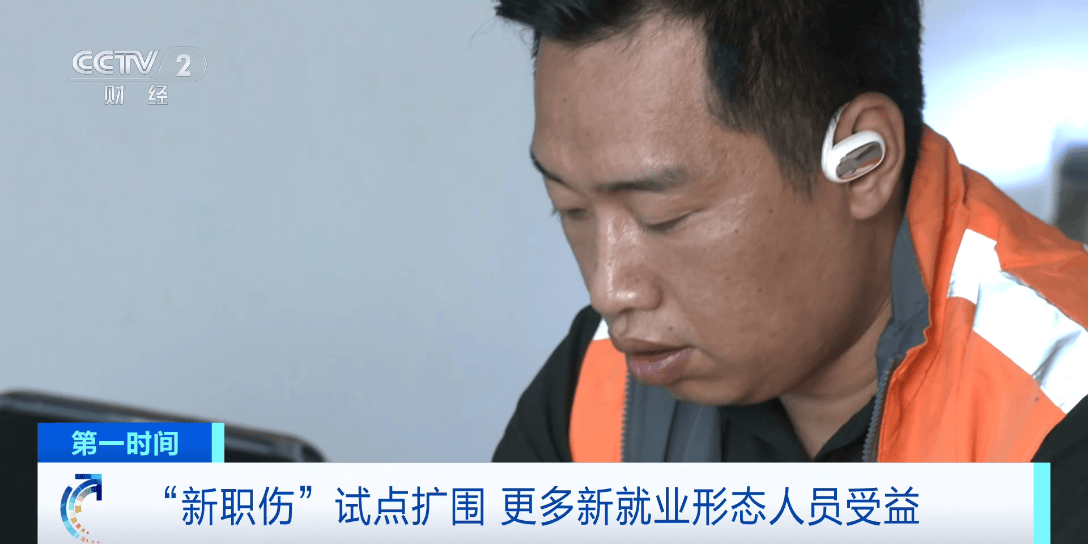
更多新就业形态人员受益!“新职伤”试点扩围政策落地情况如何?
Sou Hu Cai Jing· 2025-08-13 08:51
Core Viewpoint - The "New Occupational Injury" policy aims to provide occupational injury protection specifically for workers relying on internet platforms, with an expansion of the pilot program to include ten provinces and larger platform enterprises, significantly increasing the number of beneficiaries [1][5]. Group 1: Policy Implementation - As of July 1, the Ministry of Human Resources and Social Security and nine other departments have decided to expand the pilot program for occupational injury protection, including provinces like Hebei, Zhejiang, and Shandong [1]. - The new pilot program has been in effect for over a month, and its implementation is being closely monitored [1]. Group 2: Beneficiary Experiences - Yang Dongdong, a truck driver in Shandong, was able to apply for "New Occupational Injury" protection after injuring himself while working, highlighting the program's accessibility and efficiency [3]. - The program covers all costs associated with occupational injuries, funded entirely by the platform, without distinguishing between full-time and part-time workers [5]. Group 3: Participation and Future Plans - As of June this year, 12.35 million people have participated in the "New Occupational Injury" program across seven pilot provinces [5]. - By 2027, the Ministry plans to explore including other high-risk industries and platform enterprises in the occupational injury protection pilot, aiming to enhance safety for new employment forms [5]. - Local human resources departments are working to strengthen the safety net for new employment forms, ensuring comprehensive coverage [5][7].
“投资于人” 投向美好生活
Liao Ning Ri Bao· 2025-08-13 01:06
Group 1: Infrastructure Development - The improvement of rural roads, specifically the renovation of the Kuai Er Line, has significantly enhanced the operational efficiency of local farms, leading to increased income for farmers and workers [1] - Over the past few years, over 1,400 kilometers of rural roads have been constructed in the Pulan District, improving transportation for 240,000 residents [1] Group 2: Social Welfare and Employment - The provincial government has maintained a high level of public spending on social welfare, with 77.6% of the general public budget allocated to various social programs in the first half of the year [2] - A new pilot program for occupational injury insurance has been implemented to protect gig economy workers, enhancing job security and peace of mind for delivery and ride-hailing drivers [3] - The province has allocated 94.6 billion yuan to support employment initiatives, including subsidies for job training and social insurance for key employment groups [3] Group 3: Healthcare Investment - The province has increased funding for healthcare services, with 69 billion yuan allocated to enhance public health services and improve medical insurance coverage [4] - The per capita subsidy for basic public health services has been raised to 99 yuan per year, reflecting a commitment to improving healthcare access [4] Group 4: Elderly Care and Pension Support - The province has ensured timely pension payments for over 1.4 million retirees, with a total of 2049.6 billion yuan allocated for pension support [5] - Financial support for elderly care services has been increased, with 5.5 billion yuan dedicated to various initiatives aimed at improving the quality of life for seniors [5] Group 5: Support for Vulnerable Groups - A total of 38.4 billion yuan has been allocated for the support of low-income individuals and families, ensuring basic living standards for vulnerable populations [6] - Additional funding of 4.7 billion yuan has been designated for the development of services for people with disabilities, including various subsidies [6]
护工骑手受伤谁买单 劳务关系赔偿有规则
Bei Jing Qing Nian Bao· 2025-08-04 00:22
Core Viewpoint - The article discusses the legal implications and responsibilities in labor and service relationships, highlighting the differences in liability and compensation in cases of injury during work, particularly in informal labor arrangements [12][13]. Group 1: Labor and Service Relationships - Labor relationships are governed by strict regulations under labor laws, while service relationships are more flexible and based on civil agreements, suitable for temporary or non-core work [1][12]. - Service relationships often lack formal contracts, leading to potential disputes over responsibilities and compensation in case of injuries [13]. Group 2: Case Studies - Case 1: A caregiver at a nursing home was awarded compensation after slipping on a wet floor, with the nursing home held 90% responsible due to inadequate safety measures [2][3]. - Case 2: A demolition worker fell from a ladder and was found 70% responsible for his injuries due to lack of safety equipment, while the employer was held 30% responsible for not providing safety measures [5][7]. - Case 3: An online food delivery rider sustained injuries during delivery and was awarded compensation, with the platform company held 50% responsible for not ensuring adequate safety measures [9][10]. Group 3: Legal Responsibilities - Both parties in a service relationship have a duty of care regarding safety, with the service provider expected to ensure a safe working environment and the labor provider responsible for their own safety [3][7]. - The court emphasizes the importance of written agreements in service relationships to clarify responsibilities and reduce disputes [13].
四部门发文:为运输途中意外伤亡和突发重疾货车司机提供帮扶
Nan Fang Du Shi Bao· 2025-07-07 16:01
Group 1 - The core viewpoint of the news is the implementation of measures to enhance support and protection for truck drivers facing occupational hazards and unexpected incidents during transportation [1][2][3]. - The Ministry of Transport, Ministry of Civil Affairs, Ministry of Human Resources and Social Security, and the All-China Federation of Trade Unions jointly issued a notification to strengthen occupational injury protection and explore mutual assistance insurance for truck drivers [1][2]. - A special action named "Warm Journey" aims to provide health care, emotional support, cargo escort, and post-incident assistance for truck drivers affected by accidents or serious illnesses [2][3]. Group 2 - Seventeen provinces, including Beijing, Tianjin, and Guangdong, are designated as pilot areas for occupational injury protection for new employment forms, focusing on ensuring comprehensive coverage for urban freight drivers [3]. - Local civil affairs departments are encouraged to utilize big data and on-site investigations to identify eligible truck drivers and their families for social assistance, addressing needs in medical care, housing, education, and employment [3][4]. - Transportation industry organizations are urged to regularly provide warm services to truck drivers, including health check-ups, legal services, and psychological counseling, while enhancing facilities at service areas for truck drivers [4].
四部门:加强运输途中意外伤亡货车司机帮扶救助
news flash· 2025-07-07 10:07
Core Viewpoint - The notice issued by multiple government departments emphasizes the need to strengthen support and assistance for truck drivers who suffer accidents during transportation, focusing on enhancing occupational injury protection and exploring mutual assistance mechanisms [1] Group 1: Support and Assistance Measures - The initiative aims to develop assistance activities, enhance occupational injury protection, and improve basic living assistance measures for truck drivers [1] - It encourages the expansion of assistance channels, creating a collaborative effort involving government leadership, social participation, policy coordination, and robust safety nets for truck drivers [1] Group 2: Implementation and Pilot Programs - The notice outlines that 17 provinces, including Beijing, Shanghai, and Guangdong, will pilot occupational injury protection for new employment forms, specifically targeting the logistics and transportation sector [1] - It mandates that platform companies like Didi Freight and Kuaigou Dache implement the expanded occupational injury protection measures and ensure comprehensive coverage for drivers in the same-city freight industry [1]
先建立职业伤害保险,再渐进完善社会保险,更符合平台经济的弹性特征
Di Yi Cai Jing· 2025-06-11 14:44
Core Viewpoint - The prioritization of occupational injury protection for delivery riders can mitigate immediate risks while accumulating experience for comprehensive social security reform. The gradual reform of the social security system should focus on national coordination and flexible contributions to avoid conflicts between rigid systems and flexible employment [1][17]. Group 1: Occupational Injury Risks - Delivery riders face significant occupational injury risks, including traffic accidents, overwork-related health issues, and extreme weather threats. Statistics indicate that riders average over 50 kilometers of cycling daily, leading to a high-pressure work environment that increases the likelihood of accidents [2][3]. - The occupational injuries of riders not only affect them but also impose external costs on society, such as increased public healthcare burdens and traffic congestion due to accidents [2][3]. Group 2: Policy Development and Implementation - In December 2021, the Ministry of Human Resources and Social Security and ten other departments introduced the "Occupational Injury Protection Measures for New Employment Forms (Trial)" to support and regulate the rights of new employment form workers [4]. - The core of the Measures is to recognize the unique employment status of platform workers and establish an occupational injury protection system that provides medical expenses and compensation for disability or death [5][6]. Group 3: Challenges and Risks in Policy - Despite the Measures, there are potential risks of companies evading their responsibilities through outsourcing or changing order mechanisms, which could undermine the effectiveness of the occupational injury protection [9][10][11]. - The flexibility of platform operations and the evolving nature of employment relationships pose challenges to the implementation of the Measures, as companies may exploit loopholes to minimize their obligations [8][12]. Group 4: Balancing Rights and Industry Sustainability - The debate on whether to prioritize social insurance or occupational injury insurance reflects the need to balance immediate risk coverage with long-term institutional development. Prioritizing occupational injury insurance could provide immediate relief while allowing for gradual improvements in social insurance [14][16][17]. - The proposed pathways for policy implementation suggest that establishing occupational injury insurance first could stabilize the industry and facilitate a smoother transition to comprehensive social security reforms [15][16][17].