
资源型城市转型

Search documents
煤炭大市鄂尔多斯的十足底气与华丽转型
Xin Hua She· 2025-10-14 12:18
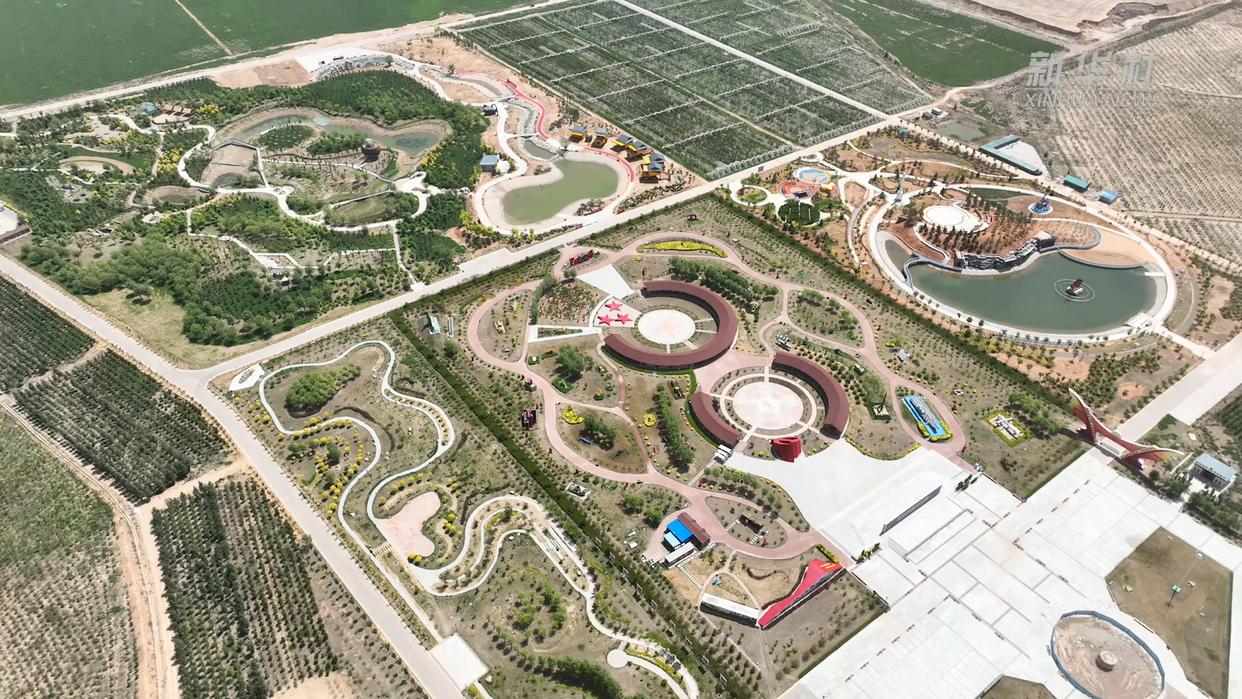
Group 1 - The core viewpoint is that Ordos, Inner Mongolia, has successfully transformed from a coal-dominated economy to a diversified resource-based city, embracing new energy and modern coal chemical industries [1][3] - Ordos serves as a vibrant example for other resource-based cities in China, showcasing how to leverage traditional resources while embracing innovation and change [3] Group 2 - The city has shifted from relying solely on coal for supply security to a dual-driven model that includes modern coal chemical and new energy sectors [3] - The transformation is characterized by a commitment to green development and innovation, indicating a strategic pivot towards sustainable practices [3]


从一滴油到千度电,玉门能源转型的“铁人答卷”
Zhong Guo Fa Zhan Wang· 2025-10-11 07:17
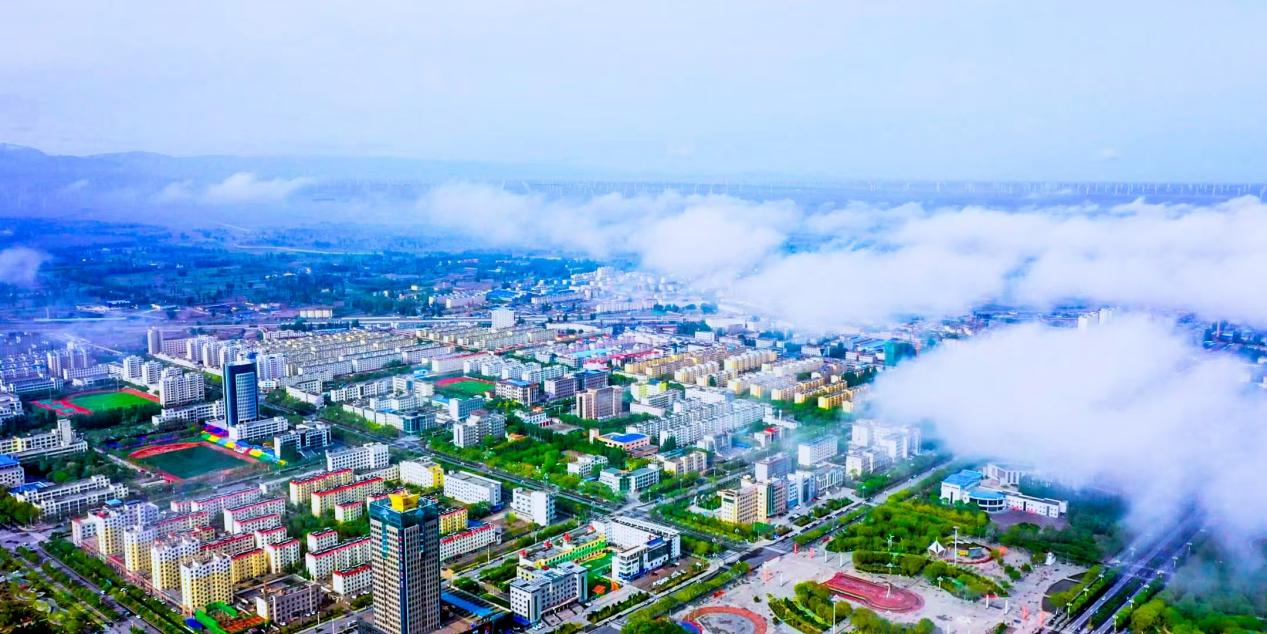
Core Viewpoint - The article highlights the transformation of Yumen from a resource-dependent economy to a diversified energy hub, showcasing resilience and innovation in the face of challenges [1][4][9]. Group 1: Historical Context and Challenges - Yumen's economy was historically reliant on oil, leading to vulnerability when oil production declined, illustrating the risks of a single-resource economy [4]. - The city faced a critical turning point in the 1990s, prompting key decisions to relocate and diversify its economic base before resources were depleted [4][5]. Group 2: Transition and Development - Yumen has leveraged its natural wind and solar resources to become a leading site for renewable energy, establishing itself as a significant player in China's energy transition [5][7]. - By the end of 2024, Yumen's total installed power capacity is projected to reach 7.19 million kilowatts, with cumulative renewable energy generation exceeding 76 billion kilowatt-hours [5][7]. Group 3: Industry and Infrastructure - The city is developing a comprehensive energy infrastructure, including a 750 kV substation and a robust transmission network to facilitate energy distribution [7]. - Yumen has attracted nine renewable energy equipment manufacturing companies, creating a core industrial chain that supports wind, solar, and energy storage technologies [7][8]. Group 4: Broader Economic Impact - The transformation has led to a diversified industrial structure, with investments in modern chemical projects and the growth of the tertiary sector, enhancing economic resilience [8]. - Yumen has received multiple accolades, including recognition as a national garden city and an advanced ecological civilization city, reflecting its commitment to sustainable development [8].
黄金“狂飙”,两个东部县城没有对手
Mei Ri Jing Ji Xin Wen· 2025-09-11 13:48
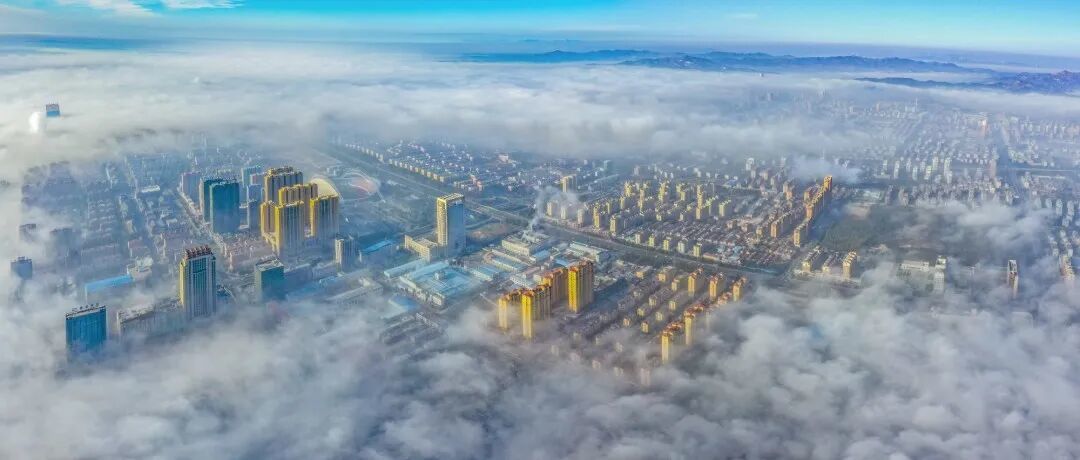
Core Viewpoint - Resource-based cities in China, such as Jinchang and Yichun, are at a crossroads, leveraging new industries like new energy and materials to reshape their economic futures, particularly through the development of strategic mineral resources like copper and lithium [2] Group 1: Gold Industry Overview - International spot gold prices have reached a new high of over $3,650 per ounce, surpassing the inflation-adjusted historical peak from January 1980 [4] - China remains the world's largest gold producer, with a projected output of 377 tons in 2024, maintaining its position for 18 consecutive years [4][5] - Shandong province leads in gold production, contributing approximately 50% of the national output, with Yantai city being a significant contributor [7][8] Group 2: Key Gold-Producing Regions - The top gold-producing provinces in China include Shandong, Henan, and Gansu, with respective outputs of 186.07 tons, 93.88 tons, and 66.17 tons [5] - The counties of Laizhou and Zhaoyuan in Shandong are pivotal, accounting for 90% of Yantai's gold production and ranking among the top gold-producing counties in the country [13][15] Group 3: Economic Impact and Future Strategies - The gold industry in Yantai achieved a revenue of 2,443.3 billion yuan in 2024, reflecting a year-on-year growth of 26.5% [12] - Zhaoyuan and Laizhou are focusing on enhancing their industrial ecosystems by expanding into high-value-added processing and creative design, aiming to transform into modern industrial cities [21] - The local government is promoting a strategy to integrate new industries alongside traditional gold production, targeting a GDP of over 1 trillion yuan by 2026 [21]

陕西榆林:能源之城书写转型答卷
Shan Xi Ri Bao· 2025-09-11 13:42
Group 1: Ecological Achievements - Yulin City has reported significant improvements in ecological indicators, including an increase in days of good air quality, all 16 national monitoring sections meeting water quality standards, and a forest coverage rate exceeding 36% [1] - The annual sediment inflow into the Yellow River has been reduced to 212 million tons, showcasing effective ecological governance [1] Group 2: Water Resource Management - The East Line Yellow River Diversion Project is underway, aimed at resolving water scarcity issues for Yulin's energy and chemical industry [2] - The city has implemented the "Four Waters and Four Determinations" principle to enhance water resource management, with a significant increase in the comprehensive utilization rate of drainage water to 66.1% [2] - Rural drinking water safety has improved, with 1392 out of 1399 seasonal water shortage issues resolved [2] Group 3: Afforestation and Land Management - Yulin has completed afforestation and grass planting over 1.4757 million acres, significantly increasing vegetation coverage from 3% to 65% in certain areas [3] - The city has maintained a record of zero forest and grassland fires for 35 months, demonstrating effective management practices [3] Group 4: Carbon Reduction and Waste Utilization - The Yulin Chemical Company has adopted a coal quality utilization project that maximizes resource efficiency while reducing energy consumption and carbon emissions [4] - The city captures 300,000 tons of CO2 annually through CCUS technology, equivalent to planting 16.68 million trees, contributing to both environmental and economic benefits [4] - The overall solid waste utilization rate in Yulin has increased to 53%, with 20 demonstration projects promoting the conversion of waste into high-value products [6] Group 5: Land Rehabilitation and Renewable Energy - The Shen Dong Coal Mine area has been transformed from a mining subsidence zone into ecological green spaces and photovoltaic bases, showcasing successful land rehabilitation efforts [7] - Yulin's approach to managing mining subsidence includes a "three-in-one" model and targeted strategies for each mining site, converting abandoned pits into ecological parks or solar energy bases [7] Group 6: Soil and Water Conservation - The city has initiated comprehensive soil and water loss management under the "Yulin City Forest and Grass Protection Three-Year Action Plan (2023-2025)," with over 10,973 sedimentation dams inspected and 1,667 new or reinforced [8] - The "Gao Xi Gou Experience" demonstration area has achieved over 75% ecological coverage through integrated management practices [8]
内蒙古乌海市大气污染防治问题集中整治取得阶段性进展
Zhong Guo Jing Ji Wang· 2025-09-04 06:42
Core Viewpoint - The central government has highlighted significant air pollution issues in Wuhai City, prompting immediate and comprehensive rectification efforts that have shown positive results in environmental governance [1][2]. Group 1: Rectification Efforts - Wuhai City has initiated a concentrated rectification campaign, treating problem-solving as a major political task, and has made substantial progress in addressing air pollution issues [1]. - A total of 83 environmental remediation tasks were identified from 13 problem enterprises, with 82 tasks completed as of now, and the remaining task expected to be completed by the end of September [2]. - The city has established a "call response" mechanism for public feedback on environmental issues, ensuring timely handling and responses to complaints [1]. Group 2: Regulatory and Enforcement Actions - The local government has intensified law enforcement, conducting over 400 inspections of open coal mines, non-coal mines, and 20 air-polluting enterprises, identifying 322 issues, with 193 already rectified [3]. - A total of 10 criminal cases have been initiated, with 14 suspects apprehended, and administrative penalties imposed in some cases [1]. - The establishment of a robust leadership system has been crucial in maintaining ongoing environmental governance and achieving tangible results [2]. Group 3: Future Challenges and Commitment - Despite the progress made, the transition of resource-based cities and comprehensive environmental governance remains a daunting task, with a commitment to uphold high standards and rigorous requirements throughout the rectification process [4]. - The local government expresses confidence in continuing efforts to improve ecological quality fundamentally and to advance the transformation of resource-based cities [4].
戈壁“风光”变“绿金”——甘肃玉门新能源产业崛起实录
Zhong Guo Fa Zhan Wang· 2025-08-01 06:55
Core Insights - The article highlights the transformation of Yumen City from a traditional oil-based economy to a green energy hub, leveraging its natural resources for renewable energy development [1][4] - Yumen has established a significant renewable energy industry system, with installed capacity exceeding 7.2 million kilowatts and cumulative power generation reaching 76 billion kilowatt-hours by the end of 2024 [1] - The city has implemented a "chain-long" investment strategy to attract businesses in wind, solar, and energy storage sectors, resulting in a complete industrial chain [2][4] Investment and Economic Growth - The renewable energy and equipment manufacturing industry in Yumen has seen a year-on-year growth of 9.9% from January to May 2025, contributing 1 percentage point to the overall industrial growth [2] - Yumen's government provides comprehensive support for businesses, including streamlined project approvals and dedicated service teams, enhancing the investment environment [2][6] - The city plans to implement 70 key industrial projects by 2025, with 24 focused on renewable energy and equipment manufacturing, totaling an investment of 49.497 billion yuan [4] Technological Advancements - Yumen is home to innovative projects such as the "green hydrogen" production from renewable energy, which integrates the entire process from production to application [4] - The city has attracted various new technologies and products in the renewable energy sector, including the world's largest "solar thermal + energy storage" project [2][4] Workforce Development - Yumen has developed a talent cultivation strategy to meet the workforce needs of the renewable energy sector, collaborating with local vocational schools to train over 1,200 skilled workers annually [6] - The local government provides housing subsidies and other support to retain talent, fostering a conducive environment for business growth [6]
7.0%,进步最快的百强市跑慢了
Mei Ri Jing Ji Xin Wen· 2025-07-23 14:54
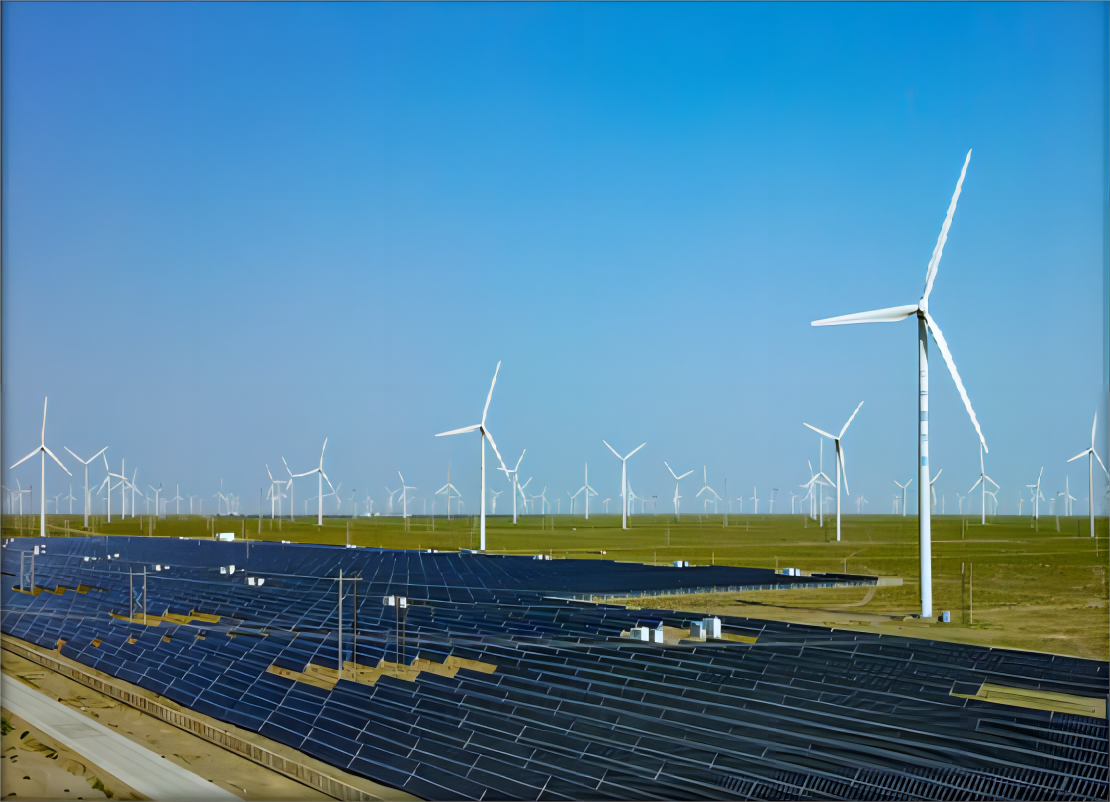
Economic Performance - In the first half of the year, Baotou's GDP reached 232.28 billion yuan, with a year-on-year growth of 7.0%, outperforming the national growth rate of 5.3% and the regional rate of 5.4% by 1.7 and 1.6 percentage points respectively [1] - The contribution rates to economic growth from the primary, secondary, and tertiary industries were 0.8%, 60.7%, and 38.5% respectively, with the secondary industry showing a significant increase of 9.6% [1] Industrial Development - Baotou has four trillion-yuan industries: rare earth, crystalline silicon photovoltaic, steel, and aluminum, with significant growth in rare earth (16.7%), crystalline silicon photovoltaic (14.1%), and onshore wind power equipment (32.6%) [2] - The industrial added value of Baotou's new industries, including fluorochemical, carbon fiber, and hydrogen energy storage, grew by 12.5%, slightly above the overall industrial growth rate [2] Investment Trends - Investment in the wind power industry increased by 300% year-on-year, contributing 12.0 percentage points to total investment growth, while investment in the rare earth industry surged by 93.4%, adding 2.9 percentage points [3] - Baotou aims to achieve a total GDP of around 500 billion yuan by the end of the year, marking a significant step towards reaching its historical peak [2]
城市24小时 | 7.0%,进步最快的百强市跑慢了?
Mei Ri Jing Ji Xin Wen· 2025-07-23 14:53
Economic Performance - Baotou's GDP for the first half of the year reached 232.28 billion yuan, with a year-on-year growth of 7.0%, surpassing national (5.3%) and regional (5.4%) averages by 1.7 and 1.6 percentage points respectively [2] - The GDP composition by industry shows the primary sector at 2.2 billion yuan (4.9% growth), secondary sector at 109 billion yuan (9.6% growth), and tertiary sector at 121.08 billion yuan (4.9% growth), with respective contributions to economic growth of 0.8%, 60.7%, and 38.5% [2] Industrial Growth - The industrial output value in Baotou increased by 12.3% year-on-year, significantly higher than the national (6.4%) and regional (7.1%) averages, marking 58 consecutive months of double-digit growth [3] - Key industries include rare earth, crystalline silicon photovoltaic, steel, and aluminum, with respective growth rates of 16.7%, 14.1%, and 32.6% for rare earth, crystalline silicon photovoltaic, and onshore wind power equipment [3] Investment Trends - Baotou is focusing on wind power and rare earth industries, with wind power investments increasing by 300% year-on-year and rare earth investments growing by 93.4% [4] - The city aims to achieve an economic total of around 500 billion yuan by the end of the year, indicating a significant step towards reaching its historical peak [4] Strategic Transition - Baotou is actively seeking a "second growth curve" by transforming its resource-based economy, leveraging its rich resources and financial strength [5]
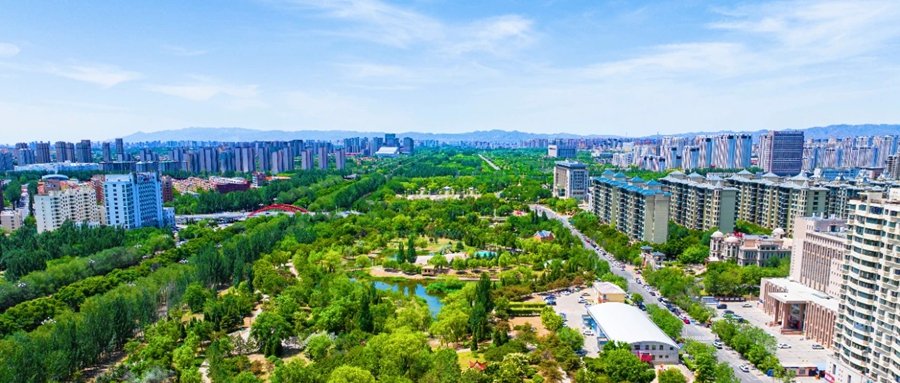
重庆万盛经开区推进资源型地区转型发展 稳就业保安居 民生福祉持续增进(经济聚焦·关注资源型城市转型)
Ren Min Ri Bao· 2025-07-20 21:43
Core Viewpoint - The transformation of Wansheng Economic Development Zone from a coal-dependent economy to a thriving new energy industry, particularly in lithium battery production, showcases successful adaptation to changing economic conditions and the importance of improving living standards for local residents [1][2][4]. Employment and Economic Transition - Wansheng Economic Development Zone has organized over 500 job fairs to address the employment challenges faced by over 9,000 coal industry workers due to the closure of 34 coal mines since 2015 [2]. - The local government has implemented various measures to ensure job placement and support for displaced workers, aiming for "one person displaced, one person placed, one family secured" [1][2]. Living Conditions Improvement - The area has invested over 50% of its general public budget into improving living conditions, resulting in the construction and renovation of 2.6 million square meters of housing and the establishment of 3,000 units of affordable rental housing [2]. - More than 80,000 residents have transitioned from inadequate housing to spacious and well-equipped homes, significantly enhancing their quality of life [2]. Community Engagement and Health - The development zone has created a vibrant community atmosphere, with increased participation in sports and recreational activities, evidenced by a 62% rate of regular physical exercise among residents [3]. - The area boasts a per capita sports facility area of 3.94 square meters, ranking first in Chongqing for seven consecutive years, and a national physical fitness test pass rate of 95.4% [3]. Overall Development - The ongoing transformation of Wansheng Economic Development Zone reflects a successful shift from outdated coal mining practices to a focus on new energy and improved community welfare, paving the way for a more sustainable and prosperous future [4].
甘肃:以高度负责的精神和严之又严的作风抓好校园食品安全工作
Xin Jing Bao· 2025-07-11 12:29
Group 1 - The meeting emphasized the importance of implementing Xi Jinping's important speeches and directives, focusing on technological innovation to lead industrial innovation and accelerate the transformation of resource-based cities [1][2] - The meeting highlighted the need to enhance cultural tourism integration and promote the construction of a culturally strong province through four major actions: improving cultural heritage protection, research breakthroughs, innovative utilization, and safety measures [1] - The meeting discussed the importance of consolidating poverty alleviation achievements and increasing employment support, particularly through the "Pairing Assistance · Caring Gansu" initiative to enhance public satisfaction and happiness [1] Group 2 - The meeting addressed emergency management, stressing the need for comprehensive training for emergency management personnel and improving the emergency management capabilities of officials at all levels [2] - The meeting outlined the importance of flood prevention and disaster reduction, focusing on risk identification and management, particularly in vulnerable areas such as dry channels and reservoirs [2] - The meeting underscored the extreme importance of campus food safety, calling for rigorous responsibility enforcement and the establishment of a robust regulatory mechanism to ensure food safety in schools [3]