超级人工智能(ASI)

Search documents
阿里巴巴CEO吴泳铭乌镇峰会开幕式致辞:AI发展将经历三个阶段
Ge Long Hui A P P· 2025-11-07 05:53
Core Viewpoint - The development of AI will undergo three stages: emergence of intelligence, transition to AGI, and realization of ASI [1] Group 1: Stages of AI Development - The first stage is characterized by "emergence of intelligence," where AI learns from vast human knowledge and begins to solve real-world problems [1] - The second stage is the transition to "Artificial General Intelligence (AGI)," where AI agents can perform numerous tasks in the digital world and connect to the physical world [1] - The third stage aims for "Artificial Superintelligence (ASI)," where AI will have the ability to autonomously learn and iterate using comprehensive real-world data, which is expected to take a long time to achieve [1]

阿里巴巴吴泳铭:加大投入打造超级AI云
Shang Hai Zheng Quan Bao· 2025-11-07 04:50
Core Viewpoint - AI will significantly enhance productivity and liberate humanity, presenting new opportunities in the era of technology inclusivity [3][4]. Group 1: AI Development Stages - The development of AI will progress through three stages: 1. Emergence of intelligence, where AI learns from vast human knowledge to solve real-world problems, characterized as "learning human" [3]. 2. Transition to Artificial General Intelligence (AGI), where AI can perform numerous digital tasks and connect with the physical world, characterized as "assisting human" [3]. 3. Achievement of Artificial Superintelligence (ASI), where AI autonomously learns and iterates using comprehensive real-world data, characterized as "surpassing human" [3]. Group 2: Technology Inclusivity - Technology inclusivity is viewed as a new opportunity in the AI era, allowing various demographics, including the elderly, children, and disabled individuals, to benefit from technological advancements [4]. - The industry must proactively address the needs of vulnerable groups, using digital technology as a means to bridge the digital divide [4]. Group 3: Alibaba's AI Initiatives - Alibaba is constructing large-scale AI infrastructure and investing in a super AI cloud to provide leading AI services to global developers [3]. - The "Mota" community, established three years ago, has become the largest AI open-source community in China, offering comprehensive services for AI developers [4]. - As of mid-October, the "Mota" community has gathered over 120,000 open-source models and served more than 20 million users, with a significant portion of developers coming from small organizations and independent developers [5].

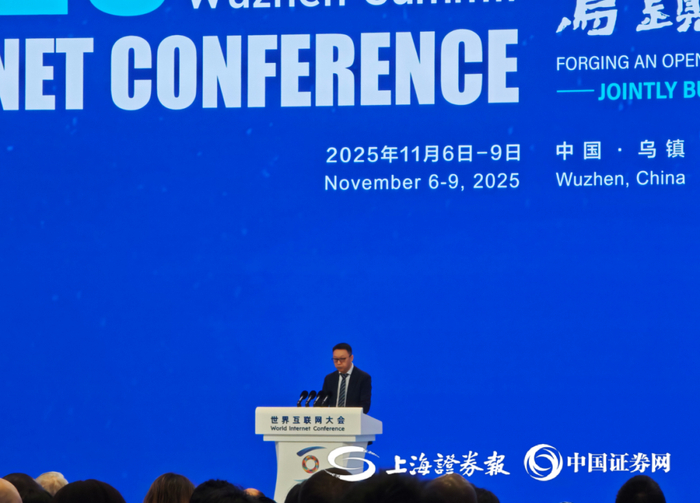
阿里巴巴CEO吴泳铭乌镇峰会开幕式致辞:打造超级AI云 推动开源开放和技术普惠
Xin Lang Ke Ji· 2025-11-07 03:43
Core Insights - The 2025 World Internet Conference in Wuzhen highlighted the rapid evolution of AI technology towards Artificial General Intelligence (AGI) and eventually Artificial Super Intelligence (ASI) [1][2] - Alibaba is significantly investing in building a super AI cloud to enhance open-source and technology accessibility, with its "Tongyi Qianwen" model being a leading open-source model globally [1][3] Group 1: AI Development Stages - AI development is categorized into three stages: emergence of intelligence, transition to AGI, and realization of ASI, with the current focus on AGI where AI can assist in various digital tasks [2] - The Chinese government aims for a transition to an intelligent economy and society by 2035, with Alibaba expressing confidence in achieving this goal through AI advancements [2] Group 2: Open-source AI Initiatives - "Tongyi Qianwen" is recognized as a leading large model, dominating the Hugging Face community model rankings, with over 300 open-source models and more than 600 million downloads globally [3][4] - Alibaba has established "Mota," the largest AI open-source community in China, which has over 120,000 open-source models and serves more than 20 million users [4] Group 3: Inclusivity and Social Impact - The AI era presents opportunities for technology inclusivity, allowing various demographics, including the elderly and disabled, to benefit from AI advancements [4] - Alibaba's "Mota" community has initiated the "Small but Significant" AI open-source public innovation challenge, focusing on social issues like rural education and accessibility for disabled individuals [4]
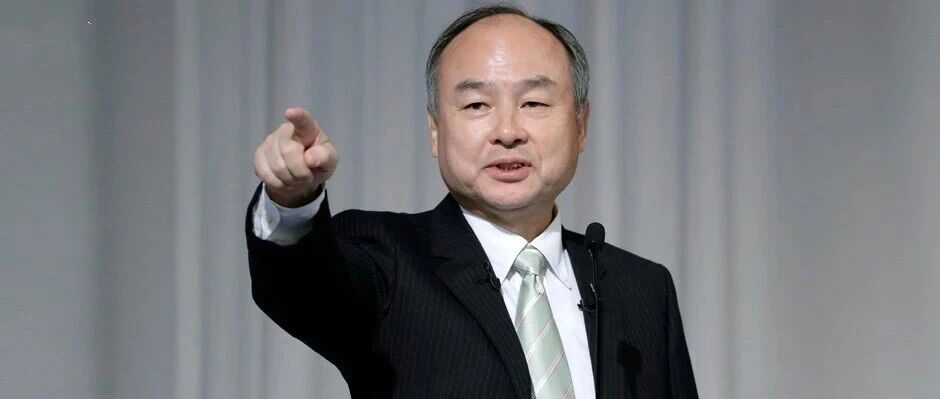
2900亿,孙正义又开赌了
创业家· 2025-11-03 10:10
Group 1 - OpenAI has completed a capital restructuring, transforming from a non-profit to a profit-oriented entity, with a new non-profit foundation retaining control [10][11] - The restructuring allows the non-profit OpenAI Foundation to hold 26% of the equity, valued at approximately $130 billion based on OpenAI's estimated valuation of $500 billion [11] - Microsoft has secured about 27% equity in OpenAI, valued at around $135 billion, confirming OpenAI's significant valuation and indicating a nearly tenfold increase in Microsoft's initial investment of $13.8 billion [11][12] Group 2 - The new agreement between Microsoft and OpenAI extends their collaboration until 2032, granting Microsoft priority access to OpenAI's latest AI models and products [12] - OpenAI has committed to purchasing $250 billion worth of Azure cloud services from Microsoft, while also entering a significant partnership with Oracle for $300 billion in cloud services over five years [13][30] - The restructuring has led to a 2% increase in Microsoft's stock price, bringing its market capitalization back to $4 trillion, reflecting positive market sentiment regarding the partnership [14] Group 3 - SoftBank's investment in OpenAI amounts to approximately $30 billion, with a total financing round led by SoftBank reaching $41 billion, marking a historic investment in the AI sector [19][20] - SoftBank aims to secure a strategic position within OpenAI, participating in the entire development and deployment process of AI technologies [20] - The "Stargate" initiative, announced by Trump, involves a $500 billion investment over four years to build next-generation AI supercomputing infrastructure across the U.S., with SoftBank playing a key role [20] Group 4 - OpenAI's transformation from a non-profit to a profit-driven entity raises concerns about its commitment to its original mission of benefiting humanity, as it faces pressure to deliver financial returns [24][25] - The restructuring has sparked criticism from AI ethics organizations and co-founder Elon Musk, who argues that OpenAI has deviated from its altruistic goals [25][26] - The balance between profit motives and ethical considerations remains a challenge for OpenAI's leadership, as they navigate the complexities of commercialization while maintaining their foundational principles [26][28] Group 5 - The U.S. AI industry is evolving into a collaborative ecosystem where major players like NVIDIA, Microsoft, and Oracle are interlinked through investments and partnerships, creating a closed-loop system [29][30] - Companies are increasingly investing in each other to secure resources and capabilities, with OpenAI acting as a central node in this ecosystem, influencing the pace of technological advancement [32] - The integration of capital, hardware, software, and data within the AI sector has led to a rapid accumulation of market value and production capacity, highlighting the interconnected nature of the industry [33][34]


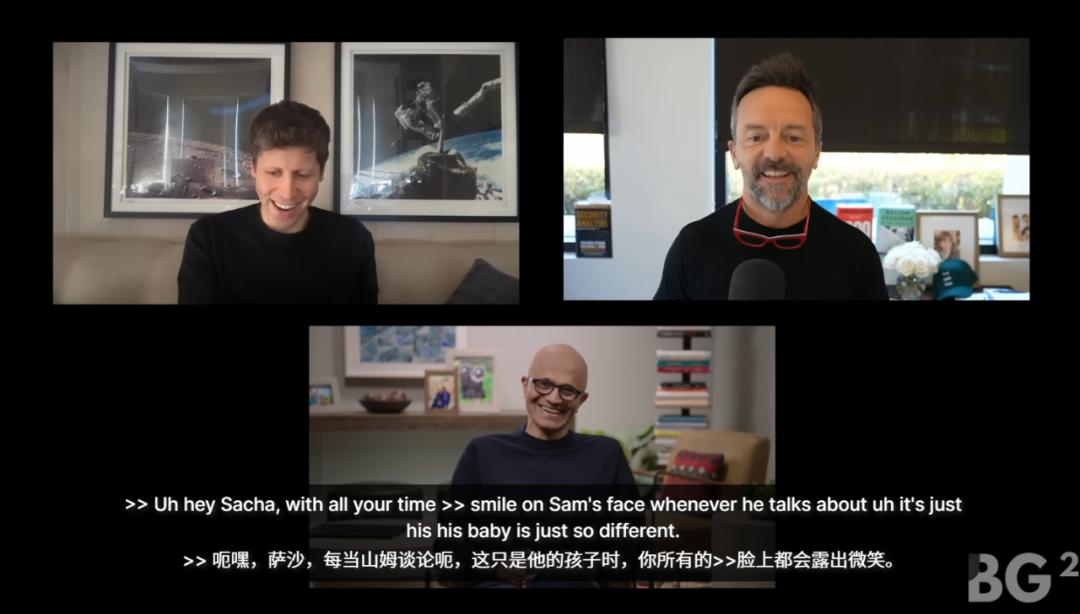
奥特曼和纳德拉,艰难重组后首次对谈:「我们是天作之合」
3 6 Ke· 2025-11-03 00:23
Group 1 - The core of the article revolves around the significant partnership between Microsoft and OpenAI, which aims to reshape the future of AI through a newly established agreement [3][8][60] - The partnership began in 2019 when Microsoft invested $1 billion in OpenAI, providing essential funding and cloud computing resources to support AI model training [5][7] - The recent agreement marks a new phase in their relationship, with OpenAI restructuring to create a Public Benefit Corporation (PBC) under its non-profit foundation, allowing for both profit and public good [8][10] Group 2 - OpenAI's foundation now holds shares valued at $130 billion, making it one of the largest charitable foundations globally, with plans to invest $25 billion in healthcare and AI safety [10][12] - Microsoft holds approximately 32.5% of OpenAI's shares, valued at around $135 billion, binding the fates of both companies together [15][16] - The partnership has evolved into one of the most successful collaborations in the industry, with both leaders expressing optimism about the future value of OpenAI [17][18] Group 3 - The new agreement includes exclusive deployment of OpenAI's advanced AI models on Microsoft's Azure cloud platform for the next seven years, making Azure a central hub for AI development [19][20] - Microsoft reported a 27% year-over-year revenue increase in its intelligent cloud segment, driven by Azure's growth, particularly in AI-related contracts [20][23] - OpenAI has committed to a $250 billion pre-purchase contract for Azure resources, ensuring ample computing power for its AI model training [20][22] Group 4 - Both companies face challenges related to computing power shortages, which have limited OpenAI's ability to onboard new users and expand its models [24][26] - Microsoft has significantly increased its capital expenditures to build data centers and acquire AI chips, yet still struggles to meet the soaring demand for computing resources [26][27] - The leaders predict that AI computing power will remain tight for the next few years, despite potential future advancements in technology [28][29] Group 5 - The partnership is also driving a transformation in software paradigms, with AI changing how users interact with applications, moving from traditional interfaces to conversational agents [33][34] - Microsoft is integrating AI capabilities into its Office products, enhancing their value and user engagement, while also exploring new business models for AI assistants [36][39] - The collaboration is expected to boost productivity and economic growth, with predictions of a potential return to 4% annual growth in the U.S. economy due to AI advancements [52][53] Group 6 - The partnership between Microsoft and OpenAI is not just about profit but also focuses on ensuring that AI benefits humanity as a whole [64][65] - Both companies are actively involved in shaping regulations and standards for AI to promote safe and responsible development [62][64] - The collaboration exemplifies a blend of idealism and pragmatism, aiming to harness technological innovation for the greater good [64]
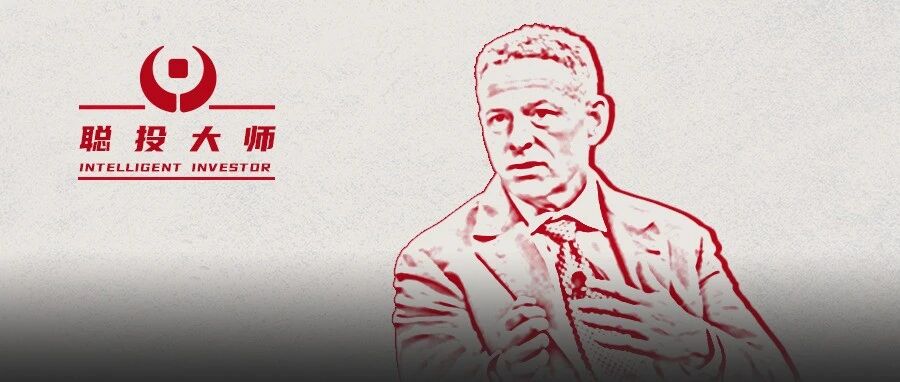
AI这笔账算不过来!“老价投”绿光资本艾因霍恩最新持有人信:我们决定不参与这波过热的狂欢
聪明投资者· 2025-10-30 07:10
Core Viewpoint - Greenlight Capital's founder David Einhorn acknowledges the transformative potential of AI but expresses concerns about the underlying financials and sustainability of the current tech hype, emphasizing that profits are the true measure of valuation when the narrative fades [5][6][19]. AI Investment Analysis - Einhorn critiques the financial viability of the "Big Seven" tech companies (Apple, Microsoft, Google, Amazon, Nvidia, Meta, and Tesla), highlighting their significant capital expenditure needs and the limited growth potential in advertising and subscription markets [6][10][11]. - The projected capital expenditures for AI are staggering, with estimates suggesting that by 2030, global spending on data centers will reach $6.7 trillion, primarily for AI capabilities [10][11]. - Despite the hype, the current free cash flow generated by these companies is insufficient to cover their future AI investments, leading to potential reliance on debt financing [10][11][12]. Market Performance - In Q3 2025, Greenlight Capital reported a net return of -3.6%, underperforming the S&P 500, which rose by 8.1% during the same period [9][38]. - The fund's macro strategy contributed positively, while short positions significantly detracted from overall performance [38]. Investment Strategy - Einhorn maintains a bullish stance on gold as a hedge against high fiscal deficits and declining trust in fiat currencies, viewing it as a crucial asset in the current economic climate [7]. - A notable new position is in PG&E, a California utility company, which was undervalued following the wildfires, with Einhorn betting on state support for disaster management reforms [8][42]. Individual Stock Performance - The fund's long positions faced challenges, with Kyndryl Holdings dropping 28% and Lanxess declining 16%, while the macro environment remains uncertain for real estate investments [41][42]. - The decision to exit Teck Resources was made after achieving a 52% net internal rate of return, reflecting a strategic shift in response to market conditions [45]. Conclusion on AI and Investment Risks - Einhorn warns that the current AI investment landscape is fraught with risks, as many companies are overvalued and the true financial returns remain uncertain [19][32][34]. - The narrative surrounding AI may lead to significant capital destruction if the anticipated returns do not materialize, echoing past market bubbles [32][34].



OpenAI重组:软银砸2900亿破局,微软放手“云权”
阿尔法工场研究院· 2025-10-30 00:07
Core Insights - SoftBank, led by Masayoshi Son, is making a significant investment of approximately $41 billion (around 290 billion RMB) in OpenAI, marking a shift from being a passive investor to an active participant in the AI industry [4][13]. - OpenAI has restructured from a non-profit to a profit-oriented entity, with a new non-profit foundation retaining control, reflecting a transformation in its operational model [6][17]. - The valuation of OpenAI is estimated at around $500 billion, with the non-profit foundation holding 26% of the equity, valued at approximately $130 billion [6][17]. Investment Dynamics - Microsoft is a major beneficiary of OpenAI's restructuring, acquiring about 27% equity, which is valued at approximately $135 billion, indicating a nearly tenfold increase from its initial investment of around $13.8 billion [6][7]. - The new agreement between Microsoft and OpenAI extends their collaboration until 2032, allowing Microsoft to maintain priority access to OpenAI's latest AI models and products [7][8]. - OpenAI has entered into a significant cloud service agreement with Oracle, committing to purchase up to $300 billion in cloud services over five years, indicating a shift to a dual-cloud strategy [7][8]. Strategic Implications - The restructuring reflects a balance between Microsoft's interests and OpenAI's need for autonomy, as both parties navigate their evolving relationship from close partners to potential competitors [11][12]. - SoftBank's investment strategy involves a phased approach, with an initial commitment of $10 billion and an additional $22.5 billion contingent on OpenAI's successful restructuring [14][15]. - The "Stargate" initiative, a collaboration involving SoftBank, Microsoft, and Oracle, aims to invest $500 billion over four years to build next-generation AI supercomputing infrastructure across the U.S. [15][27]. Ethical Considerations - OpenAI's shift towards profit-making has raised concerns about its commitment to its original mission of benefiting humanity, with critics questioning the implications of prioritizing profit over public good [17][19]. - The internal dynamics at OpenAI reflect a tension between maintaining its altruistic goals and the pressures of commercial success, as highlighted by the contrasting views of co-founders like Elon Musk [17][19]. - Regulatory scrutiny has played a role in shaping OpenAI's new structure, ensuring that the non-profit foundation retains significant control and oversight [18][19]. Industry Ecosystem - The AI industry is evolving into a complex ecosystem characterized by interdependencies among major players, including chip manufacturers like NVIDIA and AMD, cloud service providers, and AI model developers [22][24]. - The capital flow within this ecosystem is cyclical, with investments and contracts binding various stakeholders together, facilitating rapid growth and innovation in the AI sector [26][27]. - The contrasting approaches of the U.S. and China in AI development highlight differences in market dynamics, with the U.S. fostering collaborative investments while Chinese tech giants tend to operate independently [28][29].
今年双11,淘宝天翻地覆
Sou Hu Cai Jing· 2025-10-21 02:45
Core Insights - The 17th Double 11 shopping festival is facing skepticism regarding its necessity and effectiveness, with both merchants and consumers showing signs of fatigue [1] - The intersection of large consumption and AI presents unprecedented opportunities and challenges for participants in this year's Double 11 [1] - Alibaba's Taobao and Tmall are not merely iterating on past strategies but are undergoing significant transformations in traffic logic and service experience, potentially redefining future e-commerce promotions [1][10] AI Integration - Alibaba's CEO emphasized the inevitability of achieving Artificial General Intelligence (AGI) and the ultimate goal of developing Super Artificial Intelligence (ASI), which will enhance human capabilities [2][4] - The e-commerce sector, particularly Taobao and Tmall, is positioned as a prime testing ground for AI applications, leveraging a vast consumer base and extensive product offerings [5] - This year's Double 11 marks the first fully AI-integrated event, with AI expected to revolutionize traffic distribution and merchant operations [5][6] Merchant Benefits - AI will enhance the efficiency of traffic matching, with improvements such as a 20% increase in search relevance and a 12% boost in advertising ROI for merchants [6] - The integration of AI across the entire operational chain for brands on Tmall is projected to save merchants hundreds of billions in costs [6] - AI tools have already generated millions of reports and images, significantly improving product visibility and operational efficiency for merchants [6] Consumer Experience - A total of 50 billion yuan in consumer vouchers will be distributed, with AI optimizing the distribution process to enhance conversion rates by 15% [7] - New AI-driven shopping tools, such as AI Universal Search and AI Assistant, have been introduced to improve user decision-making and streamline the shopping process [8] - Features like AI Try-On and personalized AI Lists are designed to enhance the shopping experience, making it more interactive and tailored to individual needs [8] Instant Retail and Market Dynamics - The entry of instant retail players has transformed the landscape of e-commerce promotions, with platforms like Meituan and Taobao Flash Sale offering rapid delivery options [11][15] - Taobao Flash Sale has integrated with Tmall, allowing for a seamless shopping experience that combines e-commerce and local services [16] - The collaboration between e-commerce and instant retail is expected to drive significant growth, with brands reporting over 290% increase in sales through Taobao Flash Sale compared to the previous year [22] Future Considerations - The Double 11 event is at a crossroads of "AI + large consumption," with the need to address consumer fatigue and the effectiveness of promotional strategies [23] - The focus is shifting from price competition to enhancing user experience, precision, and convenience, which may lead to more stable benefits for merchants [24] - Continuous innovation and value creation for consumers will be essential for maintaining the vitality of the Double 11 festival in the long term [25]

孙正义吞下ABB机器人,一场380亿的AI霸权豪赌
Tai Mei Ti A P P· 2025-10-16 02:54
Group 1 - ABB Group has sold its robotics business unit to SoftBank for $5.375 billion, with the transaction expected to be completed in mid-2026 pending regulatory approval [1][2] - The sale is seen as a strategic move by ABB to create immediate value for its shareholders, as the robotics division has been underperforming, with a 39% year-on-year profit decline in 2024 [2][3] - SoftBank's acquisition aims to enhance its ambitions in physical AI, which focuses on the application of artificial intelligence in the real world, moving beyond traditional software algorithms [1][6] Group 2 - The robotics market has become increasingly competitive, with ABB's profit margins in this sector dropping to 12.1%, below the overall group profit margin of 18.1% [3][4] - The decline in ABB's robotics business is attributed to reduced orders from key industries like automotive and electronics, as companies delay automation investments due to economic conditions [4][5] - The rise of domestic Chinese brands in the robotics market, which increased their market share from 47% in 2023 to 58% in 2024, has also pressured ABB's pricing strategies [4][5] Group 3 - SoftBank's previous investments in robotics, such as Aldebaran and Boston Dynamics, faced challenges, but the acquisition of ABB's robotics business is seen as a more strategic fit due to its established market presence [6][7] - SoftBank aims to create a comprehensive ecosystem that integrates hardware, AI capabilities, and data feedback loops to develop a self-learning physical intelligence network [7][10] - The acquisition positions SoftBank as a more active player in the robotics industry, transitioning from an "ecosystem investor" to an "ecosystem leader" [10][11]

超级智能时代,人是不是不用工作了?
3 6 Ke· 2025-10-15 12:27
Core Insights - The article discusses the convergence of science fiction and technology, particularly focusing on the implications of Artificial Super Intelligence (ASI) and its impact on human work and the software industry [1][15]. Group 1: Software Industry Transformation - Traditional commercial software companies will not disappear but will undergo "integration" into the ecosystem of large models, shifting from product-based to service-oriented models [6][8]. - The core logic of traditional software, which is "function encapsulation," will become obsolete as large models can understand natural language and execute tasks directly, making user interfaces less relevant [6][7]. - Companies like SAP are already adapting by prioritizing AI and integrated suites to facilitate seamless business processes, indicating a fundamental shift in the role of software companies [7][8]. Group 2: Future of Work - While humans may not need to perform traditional work, they will need to engage in continuous learning to adapt to new roles that involve decision-making and ethical oversight of AI outputs [9][13]. - The rapid advancement of AI capabilities suggests that many high-skill jobs could be partially or fully automated within the next five years, necessitating a shift in human roles towards oversight and judgment [10][12]. - New job roles may emerge, such as "Agent ethics auditors" and "digital empathy coaches," emphasizing the need for ongoing education and skill development [13][14]. Group 3: Philosophical Implications - The article raises existential questions about human purpose in a future where ASI resolves all problems, suggesting that while life may become easier, deeper questions about meaning and value will persist [1][15]. - The concept of a utopian society, where all needs are met without labor, is contrasted with the reality of human evolution and societal challenges, indicating that the arrival of ASI will not eliminate complexity or conflict [15][16].