
车路云一体化

Search documents
北汽研究总院张洋:L3车型准入将多维度重塑汽车产业
Bei Ke Cai Jing· 2026-01-30 08:19
Core Viewpoint - The transition from L2 to L3 autonomous driving represents a significant shift in responsibility from the driver to the system, posing challenges for automotive companies in developing L3 vehicles [1][6]. Group 1: Challenges in L3 Development - The three main challenges in developing L3 vehicles are the shift in responsibility, the generalization of long-tail scenarios, and the safety of human-machine interaction [6]. - The shift in responsibility involves a dynamic and contextual process where the system takes charge in specific scenarios, requiring the driver to be ready to intervene when necessary [6]. - Long-tail scenario generalization refers to the system's ability to make safe and reliable decisions in low-probability but high-risk situations, such as extreme weather or unexpected obstacles [7]. Group 2: Safety and User Education - L3 systems must meet higher functional safety standards, encompassing both hardware and software safety redundancy designs [8]. - Companies should establish a user education mechanism to ensure proper use of L3 features, including training and informed consent regarding operational design domain (ODD) and takeover responsibilities [10]. - Effective human-machine interaction (HMI) is crucial, with mandatory alerts to inform users when the system is in driving mode and when a takeover is required, allowing at least 10 seconds for the driver to respond [10]. Group 3: Future Outlook - The commercialization of L3 vehicles is accelerating, with mass production expected to begin by the end of 2025 and widespread adoption anticipated around 2030 [11]. - The entry of L3 vehicles into the market will reshape the intelligent connected vehicle industry in China across regulatory, technical, market, and responsibility dimensions [11]. - To support the healthy development of autonomous driving, there is a need for integrated infrastructure, clear legal frameworks, and public awareness to prevent over-reliance on automated systems [11].



从高频词到热度下降 V2X遭遇阶段性阵痛?
Huan Qiu Wang· 2026-01-30 03:20
Core Insights - The V2X (Vehicle-to-Everything) market in China is experiencing a significant growth in the number of vehicles equipped with this technology, but it still lags behind the adoption of 5G technology, which has seen a much higher penetration rate [2][3] - The contribution of joint venture brands to V2X is substantial, while domestic brands are focusing more on 5G technology [2] - The V2X market is currently facing challenges, indicating a phase of stagnation despite previous hype [2][7] V2X Market Performance - In the first eleven months of 2025, the delivery of passenger cars equipped with V2X reached 662,300 units, marking a year-on-year increase of 59.67%, with a penetration rate of 3.20% [2] - In contrast, 5G-equipped vehicles delivered 5,619,000 units during the same period, showing a year-on-year growth of 91.09% and a penetration rate of 27.14% [2] - Joint venture brands accounted for 77.50% of V2X contributions, while domestic brands contributed 73.21% to 5G installations [2] Challenges in V2X Development - The V2X market is hindered by unclear business models and difficulties in achieving investment returns, leading to slow development [7][8] - The lack of a unified standard for "vehicle-road-cloud integration" complicates investment and operational models [8][10] - The current V2X applications face issues such as fragmented scenarios and low maturity, which restrict market advancement [8] Advances in Single Vehicle Intelligence - The rapid development of single vehicle intelligence is attributed to technological advancements and cost reductions, with significant improvements in hardware and software capabilities [4][5] - The penetration of automated navigation systems (NOA) in urban settings is increasing, with 3.129 million vehicles equipped with this feature by November 2025, representing a 15.1% penetration rate [5] - The cost of key technologies, such as LiDAR, has significantly decreased, facilitating broader adoption [6] Future Directions for V2X - Industry experts suggest that the current challenges in V2X are not purely technical but stem from a lack of ecosystem participation [9] - There is a need for collaboration between single vehicle intelligence and V2X to enhance the overall driving experience and address specific scenarios [9][10] - Government involvement is crucial for advancing infrastructure and developing diverse business models to stimulate market activity [10]
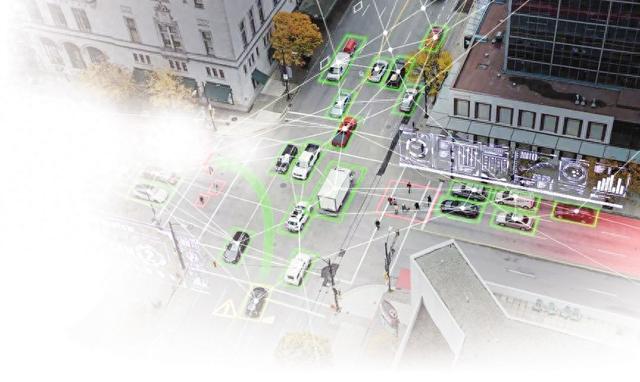
中国自动驾驶加速驶向城市道路
Zheng Quan Ri Bao· 2026-01-28 16:30
Core Viewpoint - The launch of L3-level autonomous driving vehicles in Beijing marks a significant milestone in the development of the autonomous driving industry, transitioning from closed testing to compliant road operation and real-world application [4] Group 1: Industry Development - The first batch of L3-level autonomous vehicles, including 30 units of the Arcfox Alpha S (L3 version), has begun trial operations on designated highways in Beijing, indicating a shift towards integrating autonomous driving into everyday traffic systems [1][3] - The approval of L3-level vehicles by the Ministry of Industry and Information Technology signifies a regulatory framework that supports the commercial rollout of autonomous driving technology [1][5] - The operational strategy for these vehicles will prioritize safety and will initially focus on B-end (business) users before gradually opening to individual consumers by the second quarter of 2026 [2] Group 2: Technological Advancements - L3-level autonomous driving allows the vehicle system to take over primary driving tasks under certain conditions, reducing the need for constant driver monitoring, which is a key advancement from L2-level systems [2][3] - The Arcfox Alpha S (L3 version) is equipped with three LiDAR sensors and 34 high-precision sensors, creating a 360-degree perception network to enhance safety and operational reliability [3] - The cost of LiDAR technology is decreasing, with current prices dropping below 1500 yuan, which is expected to further improve the commercial viability of autonomous driving systems [6][7] Group 3: Policy and Regulatory Environment - Recent policies in various regions, such as Guangdong and Shanghai, are aimed at promoting the safe and orderly deployment of autonomous driving technologies, reflecting a supportive regulatory environment [5] - The implementation of the Beijing Autonomous Driving Vehicle Regulations in April 2025 has expanded the testing area significantly, providing valuable practical experience for nationwide L3-level operations [5] Group 4: Industry Challenges - Despite advancements, L3-level autonomous driving faces challenges related to software maturity, regulatory frameworks, and infrastructure development, which are critical for widespread adoption [9][10] - The transition from demonstration operations to full-scale deployment requires addressing issues such as the legal definition of responsibility and the integration of vehicle-to-infrastructure communication systems [9][10] - The industry recognizes that the path to commercializing L3-level autonomous driving will be gradual, with a focus on single-vehicle operations complemented by collaborative systems [10]
车诊云“握手”国家级战略“车路云一体化”,激活汽车后市场沉睡的数据资产
Zhong Guo Qi Che Bao Wang· 2026-01-28 02:53
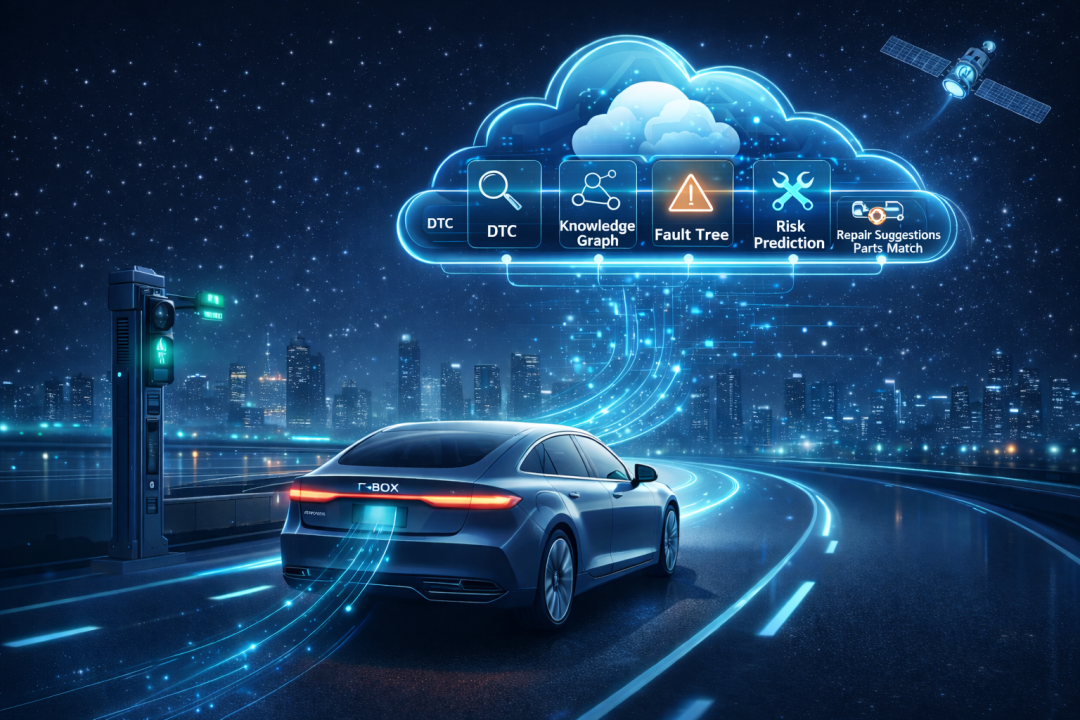
近日,车诊云(成都)智能科技有限公司与北京城市科学技术研究院签署合作协议,标志着车包包(车诊云公司智诊技术注册商标)"智诊"技术得到国家级 战略认可和准入。 据悉,由北京城市研究院陈海飞执行院长总架构设计的《智能网联汽车城市"车路云一体化"公共服务平台深化汽车电子档案系统综合应用》已启动,车诊云 与"车路云"无缝对接。 车诊云创始人、"智诊"专利技术发明人王茂告诉记者,此举不但帮助车企实现车辆全生命周期健康管理服务,还为其铺设了一条更宽广的售后服务路线图。 车企通过车包包"智诊"技术,触达技术实力、服务能力俱佳的社会独立维修企业、社区门店,从而打通更广更深的售后市场。 陈海飞说,"车路云一体化"是国家级战略,总架构思想是"让聪明的车跑上智慧的路,云控出行无事故"。"智驾+智诊"是智能汽车的主体功能,双方的"握 手"也为"车路云一体化"提供"上路"和"出行"的技术保障。北斗导航提供我国自主知识产权的智驾技术,为车辆出行安全保驾护航,目前已接入47个车企品 牌。而车诊云公司具有自主知识产权的"智诊"技术,可为车辆上路的健康安全保驾护航。"智诊"技术接入车辆T-BOX后,以合规安全的方式实时读取故障码 数据,自动进 ...
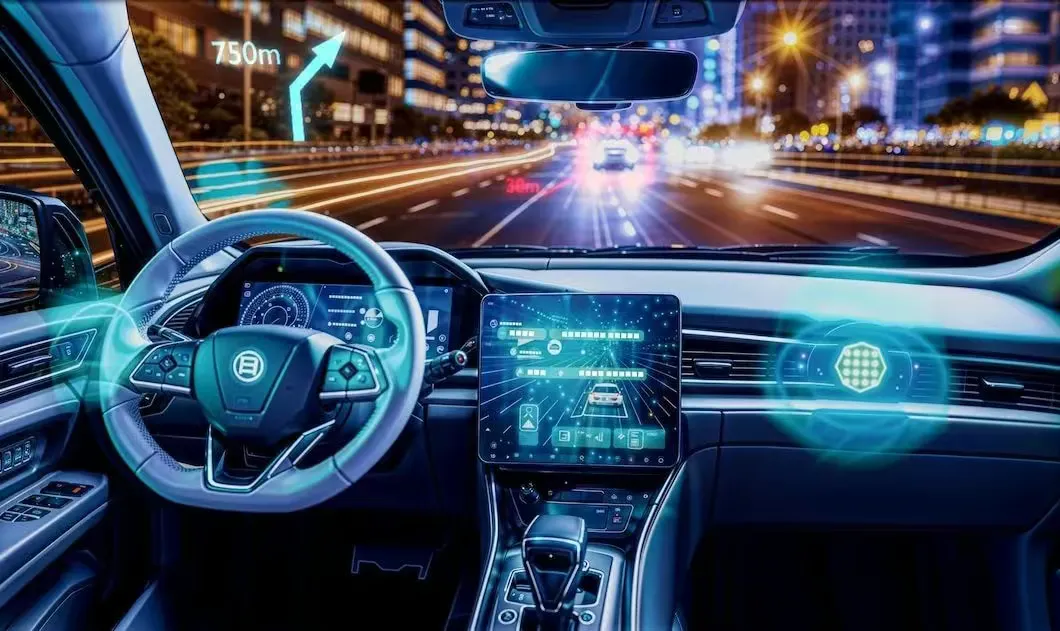
自动泊车系统安全要求强标公开征求意见;英伟达L4级自动驾驶出租车将于2027年上路 | 1月智驾热搜
Zhong Guo Qi Che Bao Wang· 2026-01-26 02:12
Core Insights - The global competition in automotive intelligence is accelerating in 2026, driven by policy breakthroughs and commercial implementations [2] Domestic News - The Ministry of Transport issued an implementation opinion to promote the development of public data resources to support intelligent driving and new energy vehicle industries, aiming to create typical demonstration scenarios through data integration [3][4] - The Ministry of Industry and Information Technology is soliciting opinions on seven mandatory national standards for intelligent connected vehicles, including safety requirements for automatic parking systems, which will provide clear standards for the industry [5] - Guangdong is exploring the development of intelligent driving liability insurance products to support the new energy vehicle industry, aiming to establish a risk-sharing and social trust system [6] - Hong Kong's Transport Department is promoting unmanned testing of autonomous vehicles, having issued six pilot licenses for testing in various regions [7][8] - Jiangsu Province is advancing the "vehicle-road-cloud integration" application pilot, focusing on the development of high-level autonomous driving systems and intelligent infrastructure [10][11] - Guangdong is strengthening pilot applications for intelligent connected vehicles, encouraging technological innovation and cross-city testing [12] - Shanghai is emphasizing the development of intelligent connected new energy vehicles as a key emerging industry, focusing on soft and hard collaboration and data-driven approaches [13] Overseas Developments - NVIDIA announced plans to test its first full-stack autonomous vehicle in the U.S. in early 2026, with a goal to launch L4 autonomous taxi services by 2027 [14] - Mobileye plans to acquire humanoid robot manufacturer Mentee for $900 million, aiming to enhance its capabilities beyond autonomous driving [15] - Hyundai appointed a former executive from NVIDIA and Tesla to lead its autonomous driving business, highlighting the importance of this sector [17] - Bosch unveiled a new AI smart cockpit platform at CES 2026, showcasing advancements in personalized vehicle experiences [19] - The U.S. House Committee is reviewing legislation to simplify the deployment of autonomous vehicles, potentially increasing the annual exemption limit for companies [21] Corporate Dynamics - GAC Group signed a comprehensive cooperation framework agreement with Huawei to deepen collaboration in intelligent vehicle technologies [22][23] - Black Sesame Intelligence's Huashan A2000 chip passed U.S. scrutiny, allowing for global sales and marking a significant milestone for Chinese autonomous driving technology [24][25] - Geely received a license for L3 autonomous driving road testing in Hangzhou, indicating progress in the competitive landscape for L3 vehicles [26] - BAIC's L3 model has begun large-scale pilot operations, marking a significant step towards commercial deployment of autonomous driving [28] - Lantu Motors and Yiwang signed a strategic cooperation agreement to jointly develop intelligent driving and cockpit technologies [29] - Geely and Qianli Zhijia launched a new brand for smart driving solutions, covering a range of autonomous driving capabilities [30][31] - Hesai Technology was selected by NVIDIA as a lidar partner for its autonomous driving platform, enhancing its role in the global supply chain [33][34] - Chery showcased its AI advancements, indicating a shift towards a more AI-driven automotive strategy [35][36] - WeRide announced that its Robotaxi fleet has surpassed 1,000 vehicles, achieving commercial viability in multiple cities [37]



万集科技:预计2025年净亏损1.35亿元-1.85亿元
Ge Long Hui· 2026-01-23 10:45
Core Viewpoint - The company expects a net profit attributable to shareholders in 2025 to be between -185 million and -135 million yuan, with operating revenue projected to be between 1.075 billion and 1.115 billion yuan [1] Group 1: Financial Performance - The company anticipates a significant improvement in operating revenue, achieving over 15% growth in 2025, driven by the integration of vehicle-road-cloud systems and the digital transformation of highway infrastructure [1] - Revenue from smart connected vehicles, LiDAR, and dynamic weighing businesses is expected to grow by more than 20% year-on-year [1] - Despite improvements in net profit and operating cash flow, the company will still report a net loss in 2025 due to ongoing high investments in market and research and development [1] Group 2: Cost Management and Receivables - The company has implemented stronger cost control measures, resulting in a decrease in period expenses year-on-year [1] - Efforts to enhance the collection of accounts receivable have led to a reduction in credit impairment provisions compared to the previous year [1]
万集科技(300552.SZ):预计2025年净亏损1.35亿元-1.85亿元
Ge Long Hui A P P· 2026-01-23 10:45
Core Viewpoint - The company expects a net profit attributable to shareholders in 2025 to be between -185 million and -135 million yuan, with operating revenue projected to be between 1.075 billion and 1.115 billion yuan [1] Group 1: Financial Performance - The company anticipates a significant improvement in operating revenue, achieving over 15% growth in 2025, driven by the integration of vehicle-road-cloud systems and the digital transformation of highway infrastructure [1] - Revenue from smart connected vehicles, LiDAR, and dynamic weighing businesses is expected to grow by more than 20% year-on-year [1] - Despite improvements in operating cash flow and net profit, the company will still report a loss in 2025 due to ongoing high investments in market and research and development [1] Group 2: Cost Management and Strategy - The company has implemented measures to strengthen cost control, reduce the rapid growth of expenses, and enhance the collection of accounts receivable, leading to a decrease in period expenses year-on-year [1] - Improved collection of accounts receivable has resulted in a reduction in credit impairment provisions compared to the previous year [1] - The company remains committed to its long-term development strategy, maintaining substantial investments in market expansion and R&D [1]
万集科技:预计2025年全年净亏损1.35亿元—1.85亿元
2 1 Shi Ji Jing Ji Bao Dao· 2026-01-23 09:21
Core Viewpoint - The company anticipates a significant net loss for the year 2025, despite expecting over 15% revenue growth and improvements in operational cash flow due to strategic cost management and market expansion efforts [1] Financial Performance - The projected net profit attributable to shareholders for 2025 is estimated to be between -135 million and -185 million yuan [1] - The net profit after excluding non-recurring gains and losses is expected to range from -215 million to -165 million yuan [1] - The overall revenue for 2025 is expected to grow by more than 15%, with specific segments such as intelligent networking, lidar, and dynamic weighing expected to see revenue growth exceeding 20% [1] Strategic Initiatives - The company is focusing on the integration of vehicle-road-cloud systems and the digital transformation of highway traffic infrastructure, driven by relevant national policies [1] - There is an emphasis on cost control, with efforts to suppress rapid expense growth and enhance accounts receivable collection, leading to a decrease in period expenses year-on-year [1] - The company maintains a commitment to long-term development strategies, resulting in sustained high levels of market and R&D investment [1] Cash Flow and Credit Management - Improvements in accounts receivable recovery have led to a reduction in credit impairment provisions year-on-year [1] - Both net profit and operating cash flow are expected to show significant year-on-year improvement, despite the company still being in a loss position for 2025 [1]
自动驾驶行业遭遇剧烈洗牌,车路云一体化面临“四道坎”
Xin Hua Cai Jing· 2026-01-23 01:36
Core Insights - The autonomous driving industry is undergoing significant upheaval, highlighted by the suspension of operations at the unicorn company Haomo Technology, which had previously achieved a valuation exceeding $1 billion [1] - Safety concerns are intensifying public distrust in autonomous driving, with notable incidents such as a fatal accident involving Tesla's Autopilot and a pedestrian collision involving a Robotaxi in China [1] - The current landscape features nearly 500 domestic autonomous driving companies, indicating a seemingly thriving sector, yet underlying challenges such as capital withdrawal, technological bottlenecks, and safety anxieties persist [1] Group 1: Technology and Safety - The debate over the technical route of intelligent driving centers on how to safely advance towards full autonomy, with Tesla's pure vision approach contrasting with the multi-sensor fusion strategies of companies like Huawei and Momenta [1][2] - Tesla's data collection capabilities from mass-produced vehicles support algorithm iteration, but its reliance on cameras presents limitations in recognizing static objects and performing in low-visibility conditions [2] - Multi-sensor fusion solutions, while addressing some of Tesla's shortcomings, face challenges such as complex data calibration between different devices [2] Group 2: Levels of Automation - The "Automated Driving Classification" standard categorizes driving automation from L0 to L5, with L3 being a critical threshold for human intervention and system dominance [3] - Companies are cautious in their claims about automation levels, with Huawei referring to its system as "L2.9999," while some Robotaxis boldly claim L4 capabilities despite ongoing safety concerns [3] - The rapid expansion of low-speed autonomous vehicles in urban areas raises significant safety issues, as these vehicles often violate traffic regulations and create hazards [3] Group 3: Vehicle-Road-Cloud Integration - The industry is recognizing the need for vehicle-road-cloud integration to address coordination gaps that lead to safety issues, such as blind spots and outdated traffic signals [5] - This integration aims to enhance the capabilities of autonomous systems by providing superior perception and decision-making through real-time data sharing [5] - Successful implementation of this integration has been demonstrated in Wuxi, where a vehicle-road-cloud system has improved traffic efficiency by approximately 15%-20% [6][7] Group 4: Challenges Ahead - Despite the promise of vehicle-road-cloud integration, challenges remain, including the need for standardized data governance and the alignment of investment returns with operational costs [8] - The collaboration among various stakeholders, including government, automotive companies, and tech firms, is essential to avoid fragmented efforts in the development of intelligent transportation systems [8] - The diverse conditions across Chinese cities complicate the scalability of successful models, necessitating tailored approaches for different urban environments [9]


【新华财经调查】自动驾驶行业遭遇剧烈洗牌 车路云一体化面临“四道坎”
Xin Hua Cai Jing· 2026-01-23 01:20
Core Insights - The automatic driving industry is facing a significant reshuffle, highlighted by the suspension of operations at the unicorn company Haomo Zhixing, which was once valued over $1 billion and seen as a leader in high-level autonomous driving in China [1] - Safety concerns are intensifying public trust issues in autonomous driving, with recent accidents involving autonomous vehicles in both China and the U.S. [1] - The current landscape shows nearly 500 domestic companies in the autonomous driving sector, indicating a seemingly prosperous market but underlying challenges due to capital withdrawal, technological bottlenecks, and safety anxieties [1] Technology Pathways - The debate over the technical routes for intelligent driving centers on how to safely advance towards full autonomy, with Tesla's pure vision approach contrasting with the multi-sensor fusion strategies of companies like Huawei and Momenta [2][3] - Tesla's advantage lies in its vast data collection from mass-produced vehicles, but it faces limitations in recognizing static objects and performing in low-visibility conditions [2] - Multi-sensor fusion solutions, while addressing some of Tesla's shortcomings, also present challenges such as complex data calibration between different devices [2] Levels of Automation - The "Automated Driving Classification" standard categorizes driving automation from L0 to L5, with L3 being a critical threshold for human intervention and system dominance [3] - Companies are cautious in their claims about automation levels, with some, like Huawei, using terms like "L2.9999" to describe their systems, while others boldly label their autonomous taxis as "L4" [3] Industry Challenges - The rapid expansion of low-speed autonomous vehicles in urban areas raises safety concerns, as these vehicles often violate traffic rules and create hazards [3] - The reliability of autonomous taxis is still dependent on multiple backup strategies and remote control, indicating that full operational capability is not yet achieved [3] Integration of Vehicle, Road, and Cloud - The industry is recognizing the need for a "vehicle-road-cloud" integration to address coordination gaps that lead to operational failures [5] - This integration aims to enhance safety and efficiency by providing advanced perception and decision-making capabilities beyond what individual vehicles can achieve [5][6] Pilot Projects and Efficiency Gains - Wuxi has emerged as a pilot city for vehicle-road-cloud integration, demonstrating significant improvements in traffic efficiency, with average traffic flow increasing by 15%-20% [6][7] - The cost-effectiveness of digital infrastructure is highlighted, as it requires only 1% of the investment compared to new road construction while achieving substantial efficiency gains [7] Future Challenges - Despite the potential of vehicle-road-cloud integration, challenges remain in data quality, investment returns, multi-party collaboration, and scalability across diverse urban environments [8][9] - The lack of unified data standards and governance can hinder the effective use of collected information, while the need for clear operational mechanisms and quantifiable benefits is critical for long-term success [8][9]