
高铁经济

Search documents
高铁贯西北 开启新时空——包银高铁全线投运联通西北高铁环形路网
Xin Hua She· 2025-12-23 13:22
Core Viewpoint - The opening of the Baoyin High-Speed Railway marks a significant development in China's high-speed rail network, connecting the northwest region and enhancing transportation efficiency and economic integration [1][2]. Group 1: Infrastructure Development - The Baoyin High-Speed Railway connects Baotou to Yinchuan, reducing travel time from over 6 hours to approximately 2.5 hours [1][3]. - The railway fills the last gap in the northwest high-speed rail network, creating a major transportation artery that links the northwest, north, and northeast regions of China [1][3]. - The railway's total length is about 519 kilometers, featuring significant engineering challenges such as crossing the Yellow River and navigating complex geological conditions [4][5]. Group 2: Economic Impact - The high-speed railway is expected to stimulate regional economic growth by facilitating easier travel for business, tourism, and commuting, thus enhancing the quality of life for residents [3][6]. - It is projected to improve the flow of production factors and support the development of various industries, including agriculture and tourism, by enabling faster transportation of goods and services [6][7]. - The railway is anticipated to connect with the China-Europe Railway Express and the new western land-sea corridor, transforming the region from an "inland hinterland" to an "open frontier" [6][7]. Group 3: Environmental and Technological Considerations - The construction of the Baoyin High-Speed Railway emphasized ecological protection, with measures taken to ensure the preservation of local flora, including the relocation of protected plant species [4][5]. - Innovative construction techniques were developed to address challenges posed by the harsh climatic conditions of the region, ensuring both structural safety and environmental sustainability [5].
西北高铁网再添“新动脉” 交通赋能特色产业发展“加速度”
Yang Shi Wang· 2025-12-23 04:42
Core Points - The final section of the Baotou-Yinchuan high-speed railway has officially opened, completing the full operation of the Baoyin high-speed railway and marking the entry of Bayannur and Wuhai into the high-speed rail era [1][3] Group 1: Infrastructure Development - The Baoyin high-speed railway starts from Baotou Station and spans 519 kilometers, connecting several cities in Inner Mongolia and Ningxia, with a design speed of 250 km/h [3] - The railway significantly reduces travel time, allowing passengers to travel from Baotou to Yinchuan in just 2 hours and 38 minutes, cutting down the previous travel time by 3 hours and 20 minutes [3] Group 2: Regional Connectivity - The Baoyin high-speed railway, along with the Beijing-Baotou and Yinchuan-Lanzhou high-speed railways, enhances the connectivity of the "Eight Vertical and Eight Horizontal" high-speed rail network in China, particularly improving the layout of the northwest region [4] - This railway forms part of a larger 2400-kilometer high-speed rail loop connecting Northwest and North China, integrating six major rail lines [4] Group 3: Economic Impact - The opening of the high-speed railway injects new momentum into local industries, particularly agriculture, by facilitating faster logistics for agricultural products from Bayannur and Wuhai [6] - High-value agricultural products such as honeydew melons, high-quality flour, sunflower seeds, tomato sauce, and lamb can now reach major markets like Beijing and Tianjin within 12 hours, and coastal cities like Guangzhou and Shanghai within 48 hours, enhancing brand value and market competitiveness [8] Group 4: Tourism and Local Economy - The favorable climate and irrigation in Wuhai have led to the cultivation of high-quality grapes, which are recognized as a national geographical indication product, boosting local tourism through grape-picking and wine-tasting experiences [11] - The high-speed railway facilitates the transportation of local wines, promoting sales and brand recognition, while also leveraging increased tourist traffic to develop cultural tourism projects centered around wine [14]

包银高铁明日贯通 西北迈入“北上东出”快时代
Zhong Guo Jing Ji Wang· 2025-12-22 09:22
中国经济网银川12月22日讯(记者 魏金金)包银高铁作为国家"八纵八横"高速铁路网京兰通道的关键 一环,即将于12月23日迎来全线贯通。这条全长519公里、设计时速250公里的交通动脉,横跨了西北、 华北、东北三大区域。全线贯通后,将与银兰高铁、银西高铁、京包高铁等紧密相连,共同构筑起宁夏 内联外通的"十字型"高铁主骨架,西北地区"北上东出"的高铁大通道。 12月21日,"坐着高铁看中国•行走黄河流域"采访团走进中国铁路兰州局集团有限公司银川车站, 实地探访这一重大工程为区域发展带来的新机遇。 年客流预计增加60万左右 始建于1958年的银川车站,是连接西北与华北、华东地区的重要交通节点。随着包银高铁的贯通, 这座集普速、高速、城际铁路于一体的高普混合型一等站,枢纽功能将进一步增强。 "此次全线贯通后,京兰通道实现无缝衔接,包头至银川的运行时间由原来的6小时缩短至2小时左 右,银川至北京的最快运行时间将压缩至6小时左右。"银川车站副站长沈兴涛谈到,这不仅让宁夏与京 津冀、呼包鄂榆城市群形成"一日生活圈",更使沿黄经济带与丝绸之路经济带的联动驶入"快车道"。据 测算,包银高铁贯通后,银川站及全站管辖各站年客流量 ...

东西翼齐飞!两条350时速高铁大动脉重塑广东经济地理版图
Nan Fang Du Shi Bao· 2025-12-22 06:32
"昔日开车回家,最快的话也要六七个小时才能吃上爸爸做的海鲜杂鱼煲、白切鸡。广湛高铁的到来, 将两地思念浓缩为1.5小时!这是一条意义非凡的高铁线路。"在广州工作的周小姐,是一名湛江人,过 去两年她无比期待广湛的开通,如今终于等来。 2025年岁末,广东迎来交通发展史上的里程碑时刻——一次性迎来两条350公里时速高铁的全线贯通。 12月22日,广湛高铁佛山至湛江段(以下简称"广湛高铁")与汕汕高铁汕头南至汕头段同步开通运营。 这不仅意味着广州至湛江、汕头两大省域副中心的旅行时间将历史性地压缩至1.5小时左右,更标志着 广东谋划已久的"沿海经济带"与"一核一带一区"区域发展格局,获得了最关键的物理骨架支撑。 根据规划,未来广湛高铁和汕汕高铁将通过广汕高铁实现贯通运营。这意味着湛江和汕头两大省域副中 心城市将能通过高铁直串联,形成一个环绕广东沿海的"高铁环线",极大地促进粤东粤西两翼的协调发 展。 "A字型"战略骨架崛起 晋级湾区1.5小时圈 一头深入粤西的沃土,一头连接粤东的潮涌,两条设计时速350公里的高铁大动脉,将引领广东区域协 调发展进入一个前所未有的"同频共振"新阶段。 长期以来,粤东、粤西地区虽坐拥绵长 ...
低至4折! 沈白高铁票价打折
Zhong Guo Jing Ji Wang· 2025-12-12 03:51
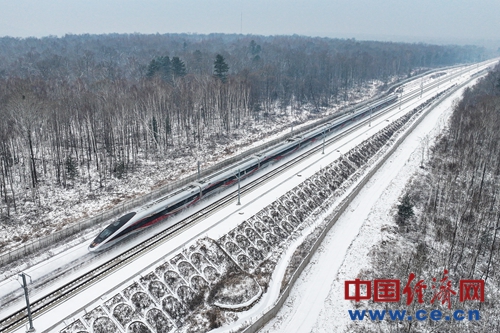
铁路部门日前宣布,沈白高铁(沈阳——长白山)50余趟动车组的票价进行打折优惠让利,在"冰雪之 旅"成为当下热点的情况下,高铁的打折,为冰雪旅游热潮再添助力,低至4折的超高优惠,让人十分惊喜。 这种差异化策略效果显著,以4折优惠,成功激活了沈阳至抚顺的城际通勤客流,兼顾了通过周末8折溢 价平衡旅游旺季需求,现如今,京哈、沈丹等300余趟列车全部纳入动态调价体系,沈白高铁的实践正为全 国高铁市场化运营积累宝贵经验,通过票价灵活调整让高铁运力与群众需求更匹配,避免资源浪费。 在"高铁+冰雪"的联动模式下,稳定增长的客流迅速转化为区域经济发展动能。通化万峰滑雪度假 区、长白山和平滑雪场均出现"一板难求"的火爆场景,根据吉林文旅数据显示,滑雪场门票收入同比增长 42%,而当地旅游资源正通过"高铁+冰雪"模式从"单点爆款"向全域旅游升级。 沈白高铁的探索启示我们,基础设施的价值不仅在于互联互通,更在于通过机制创新释放资源潜力。 期待以此次试点为契机,让灵活定价机制在更多线路推广,让高铁经济的辐射效应持续放大,为东北全面振 兴注入更多交通动能。(中国经济网记者 佟明彪 通讯员 金博学 高奇) 一列复兴号智能动车组列车行驶在 ...
沈白高铁激发吉林发展新动能
Jing Ji Ri Bao· 2025-11-20 22:14
Core Insights - The opening of the Shenyang to Changbai Mountain high-speed railway (Shenbai High-speed Railway) significantly enhances transportation efficiency in Northeast China, connecting key cities and promoting regional development [1][3]. Transportation Efficiency - Travel time from Shenyang to Changbai Mountain is reduced to under 2 hours, saving nearly 2 hours compared to previous travel methods [2]. - The railway connects major cities such as Beijing, Shenyang, and Changchun, creating a closed-loop high-speed rail network in Northeast China [3]. - Since its opening, the Shenbai High-speed Railway has transported approximately 986,600 passengers by November 19 [3]. Tourism Growth - The high-speed railway has transformed Changbai Mountain into an accessible weekend destination for residents of the Beijing-Tianjin-Hebei region, leading to a surge in tourist numbers [2]. - During the National Day and Mid-Autumn Festival holidays, Changbai Mountain received 221,700 visitors, a 33% increase year-on-year [3]. - The convenience of the railway has led to a rise in "weekend short trips," with a significant increase in travel frequency and expanded travel radius for tourists [2]. Economic Opportunities - The Shenbai High-speed Railway has stimulated new business opportunities, particularly in local agriculture and tourism-related industries [4][5]. - Local products such as ginseng, blueberries, and wine have gained popularity among tourists, enhancing local farmers' incomes [5]. - The establishment of integrated tourism experiences, such as vineyard tours and wine tasting, has been facilitated by improved access [5]. Hospitality and Service Sector - The opening of the railway has led to a boom in the hospitality sector, with over 9,500 new dining and accommodation establishments planned along the railway line by the end of 2024 [6]. - Local governments are investing in tourism infrastructure to meet the growing demand for accommodations and services [6]. Cultural and Recreational Development - The railway's opening has revitalized cultural tourism in cities like Tonghua, with increased visitor numbers to historical sites and cultural spaces [7]. - Local governments are developing diverse winter tourism products, integrating cultural and recreational activities to attract more visitors [7][8]. - The railway has also enhanced rural tourism, with local communities benefiting from increased visitor engagement and income [8].
21深度丨粤东加速度:高铁如何改写区域经济版图
2 1 Shi Ji Jing Ji Bao Dao· 2025-10-31 13:47
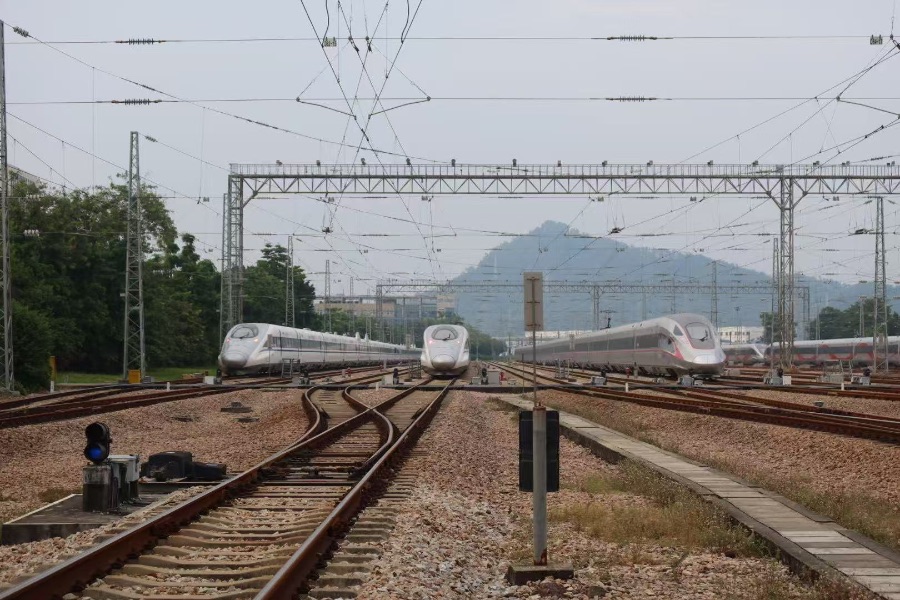
Core Insights - The development of high-speed rail networks in the eastern Guangdong region is enhancing its integration into the Greater Bay Area's economic landscape, transforming it from a "remote" area to a more connected and accessible region [1][3][4] Transportation Infrastructure - The completion of high-speed rail lines such as Ganshen, Guangshan, and Meilong is creating a "half-hour traffic circle" among cities in eastern Guangdong, facilitating access to the Greater Bay Area's "one-hour traffic circle" [3][4] - The Shantou station, set to open a new terminal in September 2024, will feature 11 platforms and 24 tracks, significantly increasing its capacity to handle approximately 31,300 passengers daily [3] - The Meizhou West station, connected to the Greater Bay Area, has seen daily passenger numbers exceed 21,000 since the opening of the Meilong high-speed rail [4] Economic Development - High-speed rail is driving economic growth in eastern Guangdong by enhancing tourism, with a 25% year-on-year increase in tourism cooperation projects between eastern Guangdong and the Greater Bay Area in the first half of the year [1] - The opening of high-speed rail has transformed South Australia into a national tourist destination, with visitor numbers exceeding 10 million in 2024, reflecting a significant increase in tourism revenue [7][8] Industry Coordination - The high-speed rail network is fostering a coordinated industrial development model, where core cities focus on knowledge-intensive industries while surrounding smaller cities support manufacturing [10][11] - Companies in the toy industry, such as Guangdong Hongteng Business Exhibition Co., are experiencing improved business efficiency due to reduced travel times for clients, enhancing order response times and collaboration [10][11] Talent and Resource Flow - High-speed rail is facilitating the flow of talent, capital, and technology across regions, promoting a more integrated economic environment [6][12] - The Meilong high-speed rail has significantly reduced travel time between Meizhou and Guangzhou, enhancing decision-making speed and market responsiveness for local businesses [12]
粤东加速度:高铁如何改写区域经济版图
2 1 Shi Ji Jing Ji Bao Dao· 2025-10-31 13:45
Core Insights - The development of high-speed rail networks in the eastern Guangdong region is enhancing its integration into the Greater Bay Area's economic framework, transforming it from a "remote" area to a more connected economic hub [1][3][4] Transportation Infrastructure - The completion of high-speed rail lines such as Ganshen, Guangshan, and Meilong is creating a "half-hour traffic circle" among cities in eastern Guangdong, facilitating access to the Greater Bay Area's "one-hour traffic circle" [3][4] - The Shantou station, set to open a new terminal in September 2024, will feature 11 platforms and 24 tracks, significantly increasing its capacity to handle approximately 31,300 passengers daily [3] - The Meizhou West Station, connected to the Greater Bay Area, has seen daily passenger numbers exceed 21,000 since the opening of the Meilong high-speed rail [4] Economic Development - The high-speed rail is driving economic growth in eastern Guangdong by enhancing tourism, with a 25% year-on-year increase in tourism cooperation projects between eastern Guangdong and the Greater Bay Area in the first half of the year [1] - The opening of high-speed rail has transformed South Australia into a national tourist destination, with visitor numbers exceeding 10 million in 2024, reflecting a significant increase in tourism due to improved connectivity [7][8] Industry Coordination - High-speed rail is fostering a coordinated industrial development model, where core cities focus on knowledge-intensive industries while surrounding smaller cities support manufacturing [10][11] - The "high-speed economy" is enhancing the operational efficiency of businesses, as exemplified by a toy company in Shantou that has significantly reduced client visit times, leading to faster order processing and increased collaboration [10][11] Talent and Resource Flow - The high-speed rail network facilitates the flow of talent, capital, and technology across regions, enhancing the ability of cities to attract and retain skilled workers [4][12] - The improved transportation infrastructure is enabling a more integrated labor market, allowing residents to live in surrounding areas while working in core cities, thus alleviating housing pressures in urban centers [5]
雅万高铁累计发送旅客超1200万人次
Ren Min Ri Bao· 2025-10-17 20:00
Core Viewpoint - The Jakarta-Bandung High-Speed Railway in Indonesia has been operational for two years, significantly enhancing passenger transport and contributing to regional economic development [1] Group 1: Operational Performance - As of October 17, the railway has transported over 12 million passengers, with a peak daily capacity of 26,700 passengers [1] - The average number of trains operating daily has increased from 14 at the start to 62 during peak periods [1] - The total safe operation mileage of the trains has exceeded 5.65 million kilometers [1] Group 2: Economic Impact - The railway has attracted over 500,000 international travelers, promoting models such as "high-speed rail + tourism" and "high-speed rail + urban development" [1] - It has accelerated the formation of the Indonesian high-speed rail economic corridor, serving as a new engine for regional economic growth [1] Group 3: Environmental Benefits - The Jakarta-Bandung High-Speed Railway is marked by its green and low-carbon travel, with a per capita carbon dioxide emission of only 6.9 grams per kilometer, significantly lower than that of fuel-powered cars [1] Group 4: Infrastructure and Connectivity - The railway, built through cooperation between China and Indonesia, spans 142.3 kilometers with a maximum speed of 350 kilometers per hour, reducing travel time between Jakarta and Bandung from over 3 hours to 46 minutes [1] - It has reshaped the travel dynamics between Jakarta and Bandung and stimulated socio-economic development along the route [1]
【环球财经】雅万高铁开通两年累计发送旅客超1200万人次
Xin Hua She· 2025-10-17 13:59
Core Insights - The Jakarta-Bandung High-Speed Railway (J-BHSR) has been operational for two years, with over 12 million passengers transported and a peak daily ridership of 26,700 [1][2] - The railway has significantly increased train frequency from an initial 14 trains per day to a peak of 62 trains [1] - The J-BHSR has attracted over 500,000 international travelers, contributing to the development of "high-speed rail + tourism" and "high-speed rail + urban development" models in Indonesia [1] - The railway is recognized for its low carbon emissions, with a per capita CO2 emission of only 6.9 grams per kilometer, much lower than that of fuel-powered cars [1] - The J-BHSR has a punctuality rate of over 95%, having operated 36,747 trains in two years [2] Operational and Economic Impact - The J-BHSR spans 142.3 kilometers with a maximum speed of 350 km/h, reducing travel time between Jakarta and Bandung from over 3 hours to 46 minutes [2] - The railway has reshaped travel dynamics between Jakarta and Bandung and has stimulated economic and social development along its route [2] - The service includes flexible pricing, multiple payment options, and various amenities at major stations, enhancing the travel experience for passengers [1]