
黄金税收新政

Search documents
深夜突发,金价暴跌!
Sou Hu Cai Jing· 2025-11-15 14:38
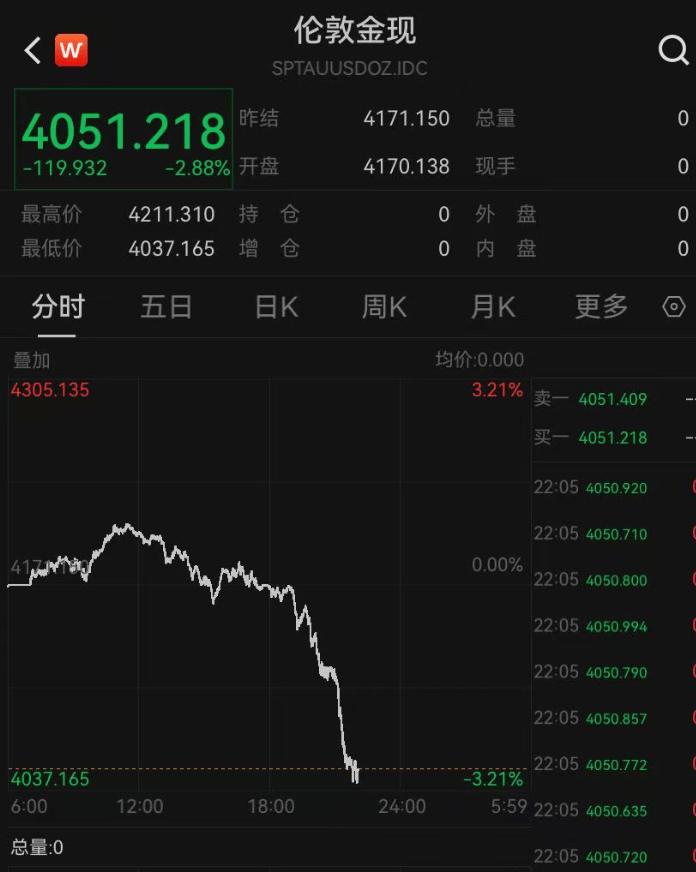
Group 1: Market Reaction - Gold prices experienced a significant drop, with spot gold falling by 3.21% to $4,051.22 per ounce and futures down by 3.53% to $4,046.40 per ounce [1] - Silver prices also saw a sharp decline, with futures dropping over 5% and spot silver down more than 3.4% [3] - The main contracts for gold and silver on the Shanghai Futures Exchange (SHFE) fell by over 3% [4] Group 2: Stock Market Impact - Gold mining stocks in the U.S. pre-market trading declined, with Kinross Gold and Harmony Gold dropping over 4%, and Agnico Eagle Mines down by 3.8% [6] Group 3: Consumer Behavior and Market Dynamics - Consumers are utilizing time differences to purchase gold bars through runners in Shenzhen's Shui Bei market during price increases, raising questions about the risks involved [7] - A new tax policy on gold, effective November 1, 2025, alters tax deduction rules for non-investment gold, impacting transaction costs and prices in the Shui Bei market [9] - Some consumers have found that certain vendors in the Shui Bei market sell gold below real-time prices, leading to discussions about the viability of offline purchasing methods [11] Group 4: Legal and Risk Considerations - Legal experts warn that using runners for gold purchases poses significant risks, including potential financial security issues and money laundering concerns [19][21] - The high value and small size of gold make it a high-risk item during shipping, with potential for loss, damage, or substitution [23]

实探丨回收价差拉大、“悦己”作用更为明显 金饰消费格局正在改变
证券时报· 2025-11-15 13:22
Core Insights - The consumption pattern of gold jewelry is changing significantly due to high gold prices and new tax regulations affecting the market [2][3][4] Group 1: Market Dynamics - International gold prices have recently surged, leading to increased gold jewelry prices, with quotes in Shenzhen's Shui Bei market exceeding 1100 yuan per gram and branded gold jewelry surpassing 1300 yuan per gram [2] - Following a sudden drop in international gold prices by over 3% on November 14, 2023, local gold jewelry prices in Shui Bei fell to around 1082 yuan per gram [2] - The new tax policy implemented on November 1 has directly impacted gold trading in the Shui Bei market, causing price adjustments and a significant decrease in business volume, with sales dropping over 30% month-on-month [2][3] Group 2: Consumer Behavior - Consumers are increasingly hesitant to sell gold jewelry due to a widening gap between buying and selling prices, which has grown from a typical 30 yuan to a much larger difference [2] - The perception of gold jewelry is shifting from a traditional investment for value preservation to a more personal accessory, with younger consumers viewing gold jewelry as a daily fashion item [3][4] Group 3: Product Trends - The World Gold Council reports a growing contribution of lightweight gold products to retail sales, with products weighing 10 grams or less accounting for 45% of sales in the first half of 2025, up from 37% in 2023 [4] - The focus of gold jewelry manufacturers is shifting towards hard gold products, which are lighter and have higher added value, as well as innovative designs that appeal to younger consumers [3][6]

金价、银价大跳水!
Sou Hu Cai Jing· 2025-11-15 07:44
Group 1: Market Reaction - Gold prices experienced a significant drop, with spot gold falling by 3.21% and later narrowing to a 2.88% decline, priced at $4051.22 per ounce, while futures dropped by 3.53% to $4046.4 per ounce [1] - Silver prices also saw a sharp decline, with futures down over 5% and spot silver dropping more than 3.4% [3] - Both Shanghai gold and silver futures main contracts fell by over 3% [4] Group 2: Mining Stocks Impact - Gold mining stocks in the U.S. pre-market trading also declined, with Kinross Gold and Harmony Gold dropping over 4%, and Agnico Eagle Mines down by 3.8% [5] Group 3: Consumer Behavior and Market Dynamics - Consumers have been utilizing a time-lag strategy to purchase gold bars through runners in Shenzhen's Shui Bei market during rising gold prices, raising questions about potential risks [7] - A new tax policy effective November 1, 2025, alters tax deduction rules for non-investment gold, impacting transaction costs and prices in the Shui Bei market [7] - Some consumers reported finding sellers in the Shui Bei market offering gold below real-time prices, leading to discussions about the viability of offline gold purchasing [9] Group 4: Legal and Risk Considerations - Legal experts warn that using runners for gold purchases poses significant risks, including potential financial fraud and money laundering concerns [13][15] - The high value and small size of gold make it a high-risk item during shipping, with risks of loss, damage, or substitution [16]
黄金“代购”火了!律师紧急提醒:风险极高
新华网财经· 2025-11-15 06:30
Core Viewpoint - The article discusses the emerging trend of consumers using personal shoppers to purchase gold bars in Shenzhen, highlighting the associated risks and regulatory changes impacting the gold market. Group 1: Market Dynamics - Recent changes in tax regulations for non-investment gold, effective November 1, 2025, have led to increased costs and price adjustments in the Shenzhen gold market [4] - Some merchants in the Shui Bei market are reportedly selling gold below real-time prices, prompting consumers to save significant amounts, with one individual saving nearly 10,000 yuan [6] Group 2: Consumer Perspectives - Local consumers express a preference for formal transactions, indicating a belief that regulated purchases are safer [8] - Consumers believe that the logistics and transparency of current delivery systems reduce concerns about the safety of purchasing gold through personal shoppers [10] - Some consumers argue that the cost of traveling to Shenzhen to buy gold directly is high, making the use of personal shoppers a practical solution [12] Group 3: Legal and Security Risks - Legal experts warn that using personal shoppers for gold purchases carries significant risks, including potential legal liabilities for all parties involved [14] - There are concerns about financial security, as dishonest personal shoppers could abscond with funds, and the separation of goods and money raises money laundering risks [16] - Experts caution that gold, being high-value and small in size, poses risks during shipping, including loss, damage, or tampering, and recommend purchasing from reputable banks or gold retailers [18]
金价银价,大跳水
Sou Hu Cai Jing· 2025-11-15 04:12
11月14日晚间,金价、银价突然大幅跳水。 现货黄金价格一度大跌3.21%,报4051.22美元/盎司;期货黄金跌幅为3.53%,报4046.4美元/盎司。 银价同样大跌,期货白银大跌超5%,现货白银跌超3.4%。 同时,沪金、沪银期货主力合约下挫,现均跌超3%。 | < W | | | SHFETTA | | | | | --- | --- | --- | --- | --- | --- | --- | | | AU.SHF | | | | | | | 925.94 昨年 | 959.12 息手 | | | 9.65万 | 万得 福山 | | | -33.18 | -3.46% + 倍 | | 940.88 现手 | 3 | | | | 最高价 | 940.88 | 仓 | 外 雷 11.24万 | | 4.64万 | | | 最低价 | 923.00 | 墙 仓 | -1200 内 营 | | 5.01万 | | | 分时 | 五日 | | 周K 月K | 車名 | (0) | | | 营加 | | | 均价:930.95 | | | | | 995.24 | | | | 3.77% 卖五 926.06 ...
广东深圳:黄金代购明显增多 律师提示有风险
Sou Hu Cai Jing· 2025-11-14 13:05
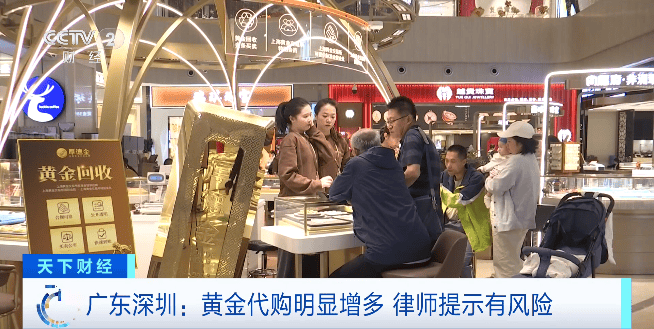
Group 1 - The recent rise in gold prices has led consumers to utilize delivery services for purchasing gold bars in Shenzhen's Shui Bei market, raising questions about the associated risks [1][3]. - A new tax policy on gold, effective from November 1, 2025, has adjusted tax deduction rules for non-investment gold, impacting transaction costs and prices in the Shui Bei market [3]. - Some consumers have reported saving nearly 10,000 yuan by using delivery services to purchase gold below real-time prices, sparking public discussion about this purchasing method [3]. Group 2 - The process of using delivery services for gold purchases requires a foundation of trust, as each step—verification, packaging, and shipping—relies on integrity [5]. - Legal experts warn that using delivery services for gold purchases carries significant risks, including potential legal liabilities for consumers, delivery personnel, and courier companies [7]. - There are concerns about financial security when using delivery services, as dishonest couriers could abscond with funds, and the separation of goods and money raises money laundering risks [9]. - Experts highlight that gold, being high in value and small in size, poses risks during shipping, including loss, damage, or tampering, and recommend purchasing from reputable banks or physical gold stores [11].
周大生20251113
2025-11-14 03:48
Summary of the Conference Call for Zhou Dasheng Company Overview - **Company**: Zhou Dasheng - **Industry**: Jewelry and Gold Retail Key Points and Arguments Impact of New Tax Policy - The new tax policy has had a minimal impact on terminal sales, with consumers showing a high acceptance of rising gold prices. Sales data from the week following the policy announcement indicated no decrease in gold jewelry sales, contrary to initial expectations [3][4][5] Price Adjustments - Retail guidance prices have been adjusted from 1.3 times to 1.37 times the Shanghai gold base, with wholesale prices also increasing to cover additional costs. The tax deduction for jewelry has decreased from 13% to 6%, adding approximately 7% to costs, which will be passed down to consumers [2][7][11] Consumer Behavior - The average transaction value at terminals is currently around 4,000 to 5,000 yuan, reflecting an increase from the previous year. Although consumer purchasing power has risen with gold prices, the overall sales volume has slightly declined due to a shift towards smaller items [5][16] Self-Operated Store Performance - Zhou Dasheng's self-operated stores are expected to see high revenue and gross profit growth in 2025, maintaining a strong performance even amid challenges in the franchise business. The company plans to focus on expanding high-quality direct stores in first- and second-tier cities in 2026 [14][15] Inventory and Supply Chain Management - As of the end of Q3, Zhou Dasheng's gold inventory was over 3 tons, primarily located in self-operated stores. Franchisees can reduce procurement costs by exchanging old materials for new ones, which currently accounts for about 50% of self-operated store transactions [12][25] Product Strategy - The company is focusing on lightweight products to reduce price sensitivity and enhance emotional value, while also upgrading high-end product lines to improve single-customer gross margins in response to declining sales volumes [17] Franchisee Dynamics - Franchisees are currently adjusting their store opening intentions due to the new tax policy, which is seen as a positive development that may help eliminate poorly performing stores and improve overall franchise quality [28] Future Plans and Developments - Zhou Dasheng plans to open new stores in cities like Zhengzhou and Xi'an, with a focus on ensuring that these locations align with the brand's strategic vision. The company is also exploring the launch of the "National Treasure" series stores, which have shown promising initial results [20][23] Financial Outlook - The mid-term dividend for 2025 has been issued, showing a decrease compared to 2024. Future dividends will depend on the stability or growth of profits [26] Sales Performance During Promotions - Sales during the Double Eleven shopping festival met expectations but did not exceed them. The impact of returns on revenue and gross profit is still being assessed [27] Revenue and Profit Projections - Revenue and profit projections for 2026 have not yet been finalized, with specific ranges expected to be communicated around April of the following year [29] Additional Important Information - The company has implemented a direct sales model for investment gold bars, which is currently being adjusted to enhance online sales capabilities [8][9] - The brand licensing fee model remains unaffected by the new tax policy, although suppliers will face increased costs that may be passed on to franchisees and consumers [11] This summary encapsulates the essential insights from the conference call, highlighting the company's strategic responses to market changes and consumer behavior in the jewelry industry.

“想买的不敢买,想卖的不敢卖”!直击税改冲击下的水贝黄金市场:买卖价差拉大至151元
Hua Xia Shi Bao· 2025-11-12 10:32
Core Viewpoint - The new tax policy on gold transactions has significantly impacted the market, leading to decreased trading activity and increased price volatility as both buyers and sellers adopt a wait-and-see approach [1][4][6]. Summary by Sections Market Reaction - Following the implementation of the new tax policy on November 1, the trading volume in the Shenzhen Shui Bei gold market has noticeably decreased compared to September, with fewer customers visiting the stalls [1][4]. - The current gold price is reported at 1084 yuan per gram, which includes approximately 70 yuan per gram in taxes, resulting in a widened buy-sell price gap of 151 yuan per gram, compared to only 22 yuan three months prior [4][6]. Tax Policy Changes - The new tax policy differentiates between "investment" and "non-investment" gold, increasing the tax burden on non-investment transactions, which is expected to stabilize the market in the long run by addressing previous issues like false invoicing [1][6]. - The input tax for non-investment gold has decreased from 13% to 6%, leading to an effective tax burden increase of about 7 percentage points for small and medium-sized businesses in the Shui Bei market [6]. Industry Adaptation - In response to the new regulations, some merchants are promoting a "material exchange" settlement method, where customers provide old gold for processing, thus avoiding tax implications [7][9]. - The market is witnessing a shift towards "old-for-new" transactions, as consumers consider trading in old gold to offset the high prices of new jewelry, which may lead to a more vibrant secondary market [9]. Long-term Implications - The new tax structure is expected to enhance market transparency and encourage transactions through compliant channels like the Shanghai Gold Exchange, while reducing the scale of off-market transactions [6]. - The high gold prices combined with increased tax costs are altering consumer purchasing behavior, with many opting for investment-grade gold products or delaying purchases altogether [9].
深圳水贝“大盘价”明确上浮 黄金产业链寻求破局
Zheng Quan Shi Bao Wang· 2025-11-11 23:10
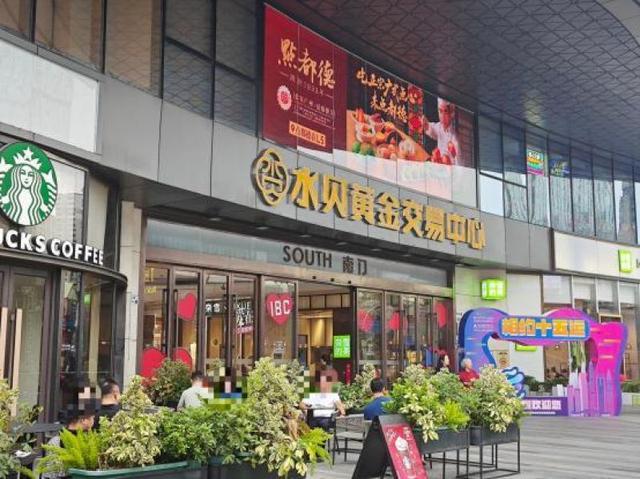
Core Viewpoint - The recent announcement of tax policies related to gold by the Ministry of Finance and the State Taxation Administration has led to significant changes in the gold market, particularly in Shenzhen's Shui Bei market, where pricing dynamics are being adjusted to reflect new tax implications [1][5]. Group 1: Market Reactions - Following the implementation of the new tax policy, the gold jewelry market in Shui Bei experienced a period of pricing confusion, but prices are now stabilizing, with the average price for gold jewelry reported at 1,099 RMB per gram, which includes tax [2]. - The pricing in Shui Bei has become more uniform across various trading centers, with quotes around 1,097 to 1,098 RMB per gram, indicating a move towards clearer cost structures [2]. - A notable decrease in transaction volumes has been observed since the sudden price increase on November 3, leading to a cautious approach from consumers [2]. Group 2: Banking Sector Involvement - Banks are emerging as significant channels for consumers to purchase gold bars, with various weight options available, including 10g, 20g, and larger sizes, although prices are slightly higher than those on the Shanghai Gold Exchange [3]. - The demand for gold bars is evident, as certain products have already sold out, indicating a strong interest from consumers despite the recent market fluctuations [3]. Group 3: Industry Adjustments - The gold jewelry industry is facing pressure to enhance product value through creative design and improved craftsmanship in response to the new tax environment [4]. - The World Gold Council has noted that the tax policy changes will significantly impact the gold jewelry sector, exacerbating existing challenges in attracting consumers, particularly younger demographics [5]. - The widening gap between the purchase price and repurchase price of gold jewelry may reduce the incentive for consumers to sell back their gold, potentially leading to a faster consolidation process within the retail gold market [5].
食品饮料及新消费行业跟踪报告:黄金税收新政落地,头部企业份额有望提升
Shanghai Aijian Securities· 2025-11-10 10:53
Investment Rating - The industry investment rating is "Outperform the Market" [22] Core Viewpoints - The overall performance of the liquor industry has significantly declined, entering a rapid clearing phase, but demand is expected to show weak recovery as policy pressures ease [3] - The industry is currently at a low valuation level, with pessimistic expectations fully priced in, indicating a clearer direction for future industry clearing [3] - The introduction of new tax policies in the gold sector is expected to benefit companies with brand and channel advantages, leading to a concentration of demand towards leading enterprises [4] Summary by Sections Industry Performance - The food and beverage industry index decreased by 0.56%, underperforming the Shanghai Composite Index, which increased by 1.08% [4][6] - Among the sub-sectors, pre-processed foods led with a gain of 2.26%, while soft drinks saw the largest decline at -1.20% [4][9] Liquor Sector Insights - Guizhou Moutai announced a mid-term dividend of approximately 30 billion yuan and a buyback plan of 15-30 billion yuan, enhancing shareholder returns [4] - Guizhou is promoting a shift in the liquor industry from "selling liquor" to "selling lifestyle," aiming to upgrade the industry from traditional manufacturing to cultural experience [4] Gold Sector Developments - The new tax policy for gold sales, effective from November 1, is expected to increase costs for non-member companies, potentially shifting demand towards leading firms with membership qualifications [4] Consumer Goods Focus - The report suggests focusing on high-growth consumer goods companies, such as Wancheng Group and Dongpeng Beverage, which are expected to receive valuation premiums due to their growth trajectories [5]



