卫星互联网

Search documents
半导体赛道,新进展!
Zhong Guo Zheng Quan Bao· 2026-01-18 00:17
Group 1: Financial Policies and Market Trends - The People's Bank of China and the National Financial Regulatory Administration announced that the minimum down payment ratio for commercial property loans is adjusted to no less than 30% [1] - The National Energy Administration reported that by 2025, China's total electricity consumption is expected to exceed 10 trillion kilowatt-hours, reaching 10.4 trillion kilowatt-hours, with a year-on-year growth of 5% [3] - The first industry electricity consumption reached 1,494 billion kilowatt-hours, growing by 9.9%, while the second industry consumed 66,366 billion kilowatt-hours, growing by 3.7% [3] Group 2: Technological Advancements - Researchers from Xi'an University of Electronic Science and Technology achieved a breakthrough in semiconductor materials, enhancing chip heat dissipation efficiency and overall performance by converting "island-like" connections into atomically flat "films" [2] - This research transforms aluminum nitride from a specific "adhesive" into a versatile "integrated platform," addressing global challenges in high-quality semiconductor material integration [2] Group 3: Company News - Micron Technology announced plans to acquire PSMC's P5 facility for $1.8 billion, which includes a 300,000 square foot cleanroom, to expand production capacity and meet growing demand for memory solutions [6] - The acquisition is expected to significantly increase Micron's DRAM wafer production starting in the second half of 2027 [6] - Zhongke Aerospace has completed its counseling work and is now in the acceptance phase for its IPO, marking a significant step for the commercial aerospace sector [7] Group 4: Industry Developments - The Ministry of Industry and Information Technology revised the management measures for cultivating high-quality small and medium-sized enterprises, now including technology-based SMEs in the cultivation scope [3] - The report indicates that the electric vehicle charging service industry and information transmission sectors have seen significant electricity consumption growth rates of 48.8% and 17.0%, respectively [3]
58岁山西教授造火箭,公司已完成IPO辅导,估值超110亿
2 1 Shi Ji Jing Ji Bao Dao· 2026-01-17 15:38
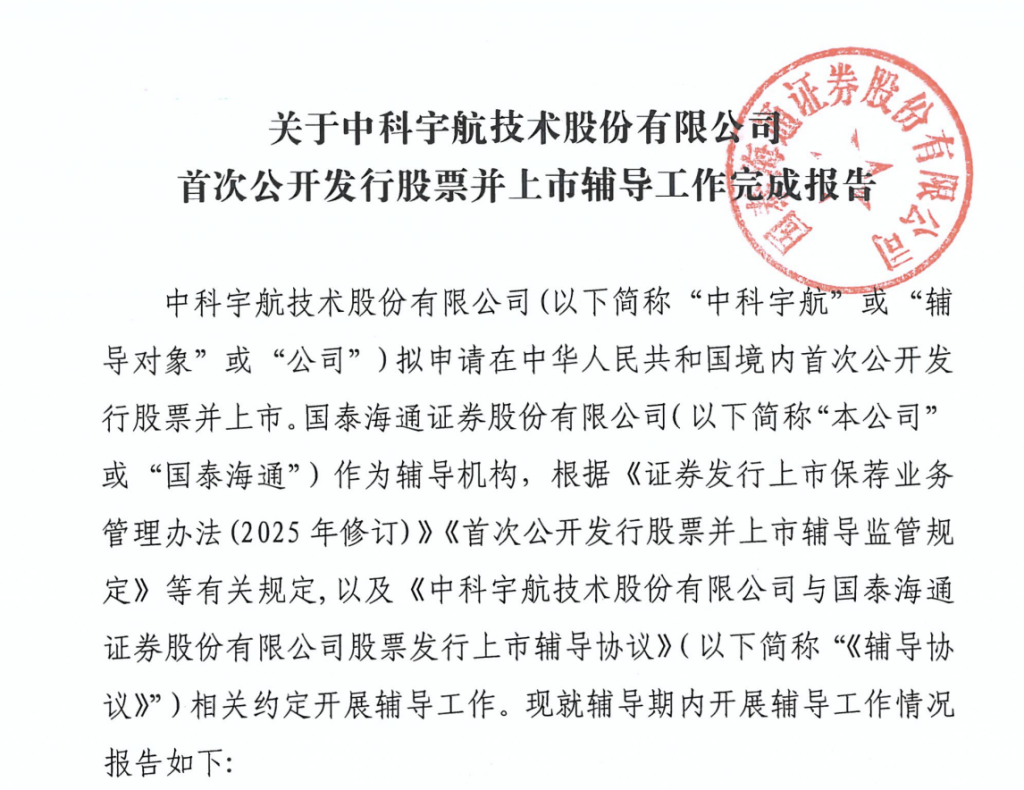
Core Viewpoint - Zhongke Aerospace Technology Co., Ltd. has transitioned its IPO guidance status to acceptance, marking it as one of the fastest commercial aerospace companies to pursue an IPO in China [1][3]. Company Overview - Zhongke Aerospace, founded in December 2018 and headquartered in Guangzhou, specializes in the development of medium to large rockets, customized space launches, suborbital scientific experiments, and space tourism, with its main product being the "Lijian" series of launch vehicles [3]. - The controlling shareholder is Beijing Pengyi Junlian Space Technology Center (Limited Partnership), holding a 27.7476% stake, with the actual controller being the founder and chairman, Yang Yiqiang [3]. - Yang Yiqiang, aged 58, previously served as the chief commander of China's first solid-fueled launch vehicle, Long March 11, and is currently a doctoral advisor at the University of Chinese Academy of Sciences [3]. Financial Performance - As of June 30, 2025, Zhongke Aerospace reported total assets of 2.073 billion yuan, total liabilities of 1.273 billion yuan, and owner's equity of 800.1 million yuan [4]. - In 2024, the company achieved a revenue of 243.29 million yuan but incurred a net loss of 748.48 million yuan [5]. - For the first half of 2025, the revenue was 36.24 million yuan, with a net loss of 31.1 million yuan [5]. Industry Context - The number of commercial aerospace companies in China has exceeded 600, covering the entire industry chain from rocket development to satellite manufacturing and application services [6]. - The market size of China's commercial aerospace sector has grown from 1.02 trillion yuan in 2020 to an estimated 2.34 trillion yuan in 2024, with a compound annual growth rate of 23.5%, projected to reach between 7 trillion to 10 trillion yuan by 2030 [6].

58岁山西教授造火箭,公司已完成IPO辅导,估值超110亿
21世纪经济报道· 2026-01-17 14:46
Core Viewpoint - Zhongke Aerospace has completed its IPO counseling acceptance, becoming one of the fastest commercial aerospace companies to proceed with an IPO in China [1][3]. Company Overview - Zhongke Aerospace, founded in December 2018 and headquartered in Guangzhou, focuses on the development of medium to large rockets, customized space launches, suborbital scientific experiments, and space tourism, with its main product being the "Lijian" series of launch vehicles [3]. - The controlling shareholder is Beijing Pengyi Junlian Space Technology Center (Limited Partnership), holding a 27.7476% stake, with the actual controller being the founder and chairman Yang Yiqiang [3]. - Yang Yiqiang, aged 58, previously served as the chief commander of China's first solid-fueled carrier rocket, Long March 11, and is currently a doctoral supervisor at the University of Chinese Academy of Sciences [3]. Financial Performance - Zhongke Aerospace has completed eight rounds of financing, with an estimated valuation of approximately 111 billion yuan as of August 2025 [5]. - In 2024, the company reported revenues of 243.27 million yuan and a net loss of 748.48 million yuan. For the first half of 2025, revenues were 36.24 million yuan with a net loss of 31.10 million yuan [5][6]. - As of June 30, 2025, total assets were 2.07 billion yuan, total liabilities were 1.27 billion yuan, and owner's equity was 800.51 million yuan [6]. Industry Context - The number of commercial aerospace companies in China has exceeded 600, covering the entire industry chain from rocket development to satellite manufacturing and application services [7]. - The market size of China's commercial aerospace sector has grown from 1.02 trillion yuan in 2020 to an estimated 2.34 trillion yuan in 2024, with a compound annual growth rate of 23.5%. It is projected to reach between 7 trillion and 10 trillion yuan by 2030, driven by the explosion of demand for satellite internet and continuous policy support [7].

事关“星链”,马斯克急爆粗口
Huan Qiu Wang· 2026-01-17 05:22
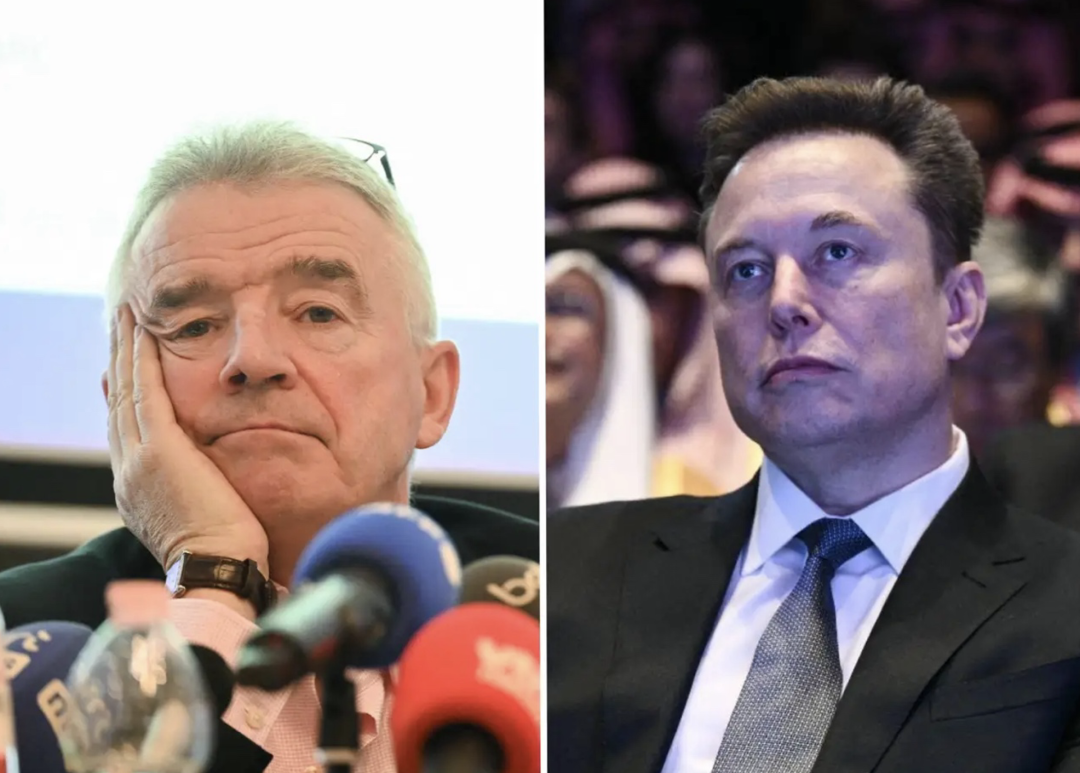
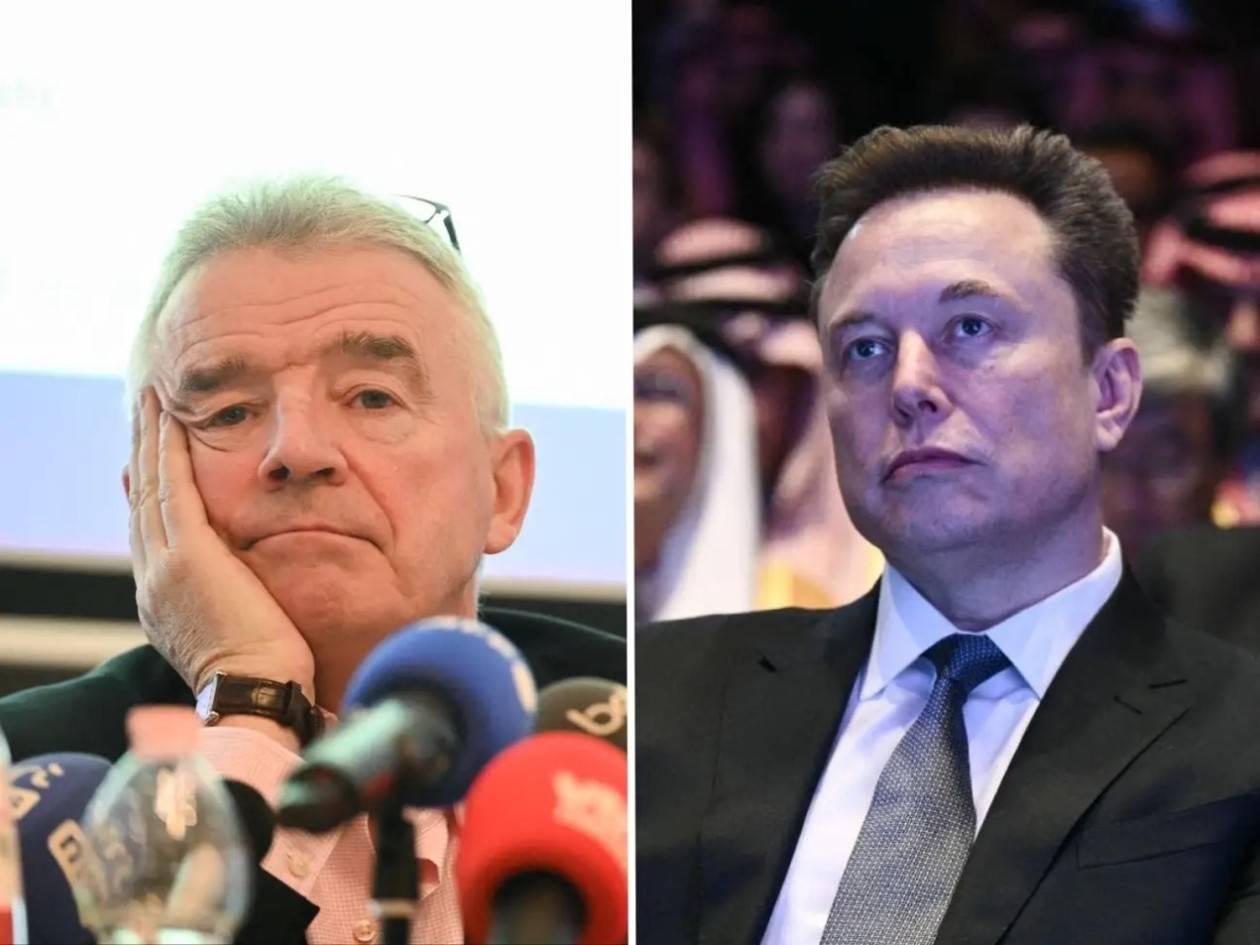
Group 1 - The core conflict arises from Ryanair CEO Michael O'Leary's refusal to install SpaceX's Starlink satellite internet service on over 600 Ryanair aircraft, citing increased fuel costs due to the weight and drag of the equipment [2][1] - O'Leary estimates that implementing Starlink would increase Ryanair's annual operating costs by $200 million to $250 million [2][1] - Elon Musk criticized O'Leary's understanding of aviation and drag, labeling him as "a fool" and suggesting that Ryanair may not accurately assess the fuel impact of Starlink installation [2][1] Group 2 - The dispute highlights the growing importance of airlines as potential customers for Starlink's services, indicating a strategic market for SpaceX [2][1] - Ryanair, headquartered in Ireland, has transformed from a lesser-known regional airline into Europe's largest low-cost carrier under O'Leary's leadership for over 30 years [2][1]

隔空对骂!马斯克与瑞安航空CEO就“星链”安装问题爆发口水战
Sou Hu Cai Jing· 2026-01-17 04:41
Group 1 - Elon Musk and Ryanair CEO Michael O'Leary engaged in a public dispute over the installation of Starlink equipment on Ryanair's aircraft, with both parties exchanging insults [1][3] - O'Leary stated that he would not consider equipping Ryanair's fleet of over 600 aircraft with Starlink due to concerns about increased fuel costs from the weight and drag of the equipment [3] - Musk countered O'Leary's claims, suggesting that Ryanair lacks the understanding to accurately assess the fuel impact of installing Starlink [3] Group 2 - O'Leary estimated that the Starlink service would increase Ryanair's annual operating costs by $200 million to $250 million [3] - Musk referred to O'Leary as a "fool" on social media, indicating a strong disagreement between the two [3] - Ryanair, headquartered in Ireland, is a major low-cost airline operating primarily short-haul flights in Europe, and has become an important customer segment for Starlink [3]
“星链”成地缘冲突工具 订阅规模4年半激增114倍!起底马斯克SpaceX“吸金”逻辑
Mei Ri Jing Ji Xin Wen· 2026-01-17 04:22
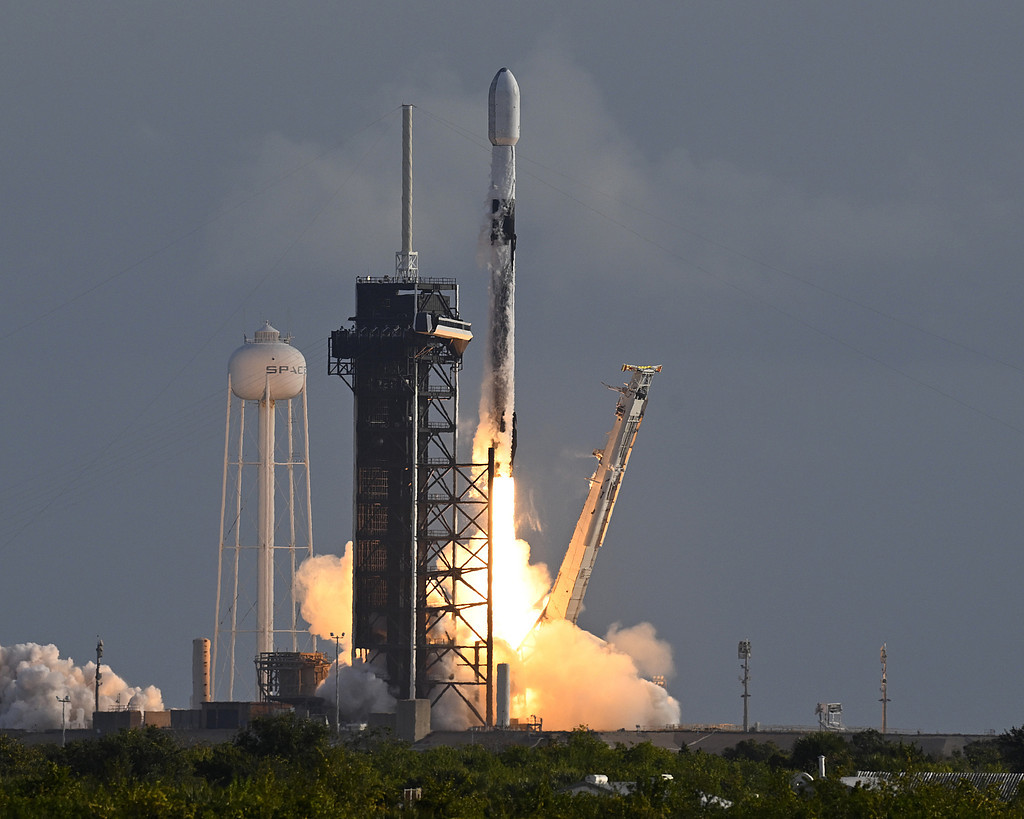
Core Viewpoint - SpaceX's Starlink has become a significant tool in global geopolitical conflicts, receiving over $9 billion in funding and contracts from the U.S. government, and its valuation has surged nearly threefold to $800 billion by the end of 2025, positioning it towards a trillion-dollar empire [1][6][12]. Group 1: Geopolitical Involvement - Starlink has been increasingly involved in international conflicts, providing free internet services in Venezuela and Iran amid unrest, and has been described as a "tool of intervention" for U.S. geopolitical goals [3][4]. - Following the outbreak of the Russia-Ukraine conflict, Starlink was activated in Ukraine to replace destroyed communication networks, supporting both civilian and military operations [3][4]. - In the recent Israel-Palestine conflict, Starlink's involvement raised concerns from Israel, which feared that Hamas could exploit the service for terrorist activities [4][10]. Group 2: Financial Backing and Contracts - SpaceX has secured over $9 billion in contracts and funding from U.S. government agencies, including significant contributions from NASA and the Department of Defense [11][12]. - The funding ecosystem for Starlink has diversified, with contributions from various governments and organizations, including Poland, which has provided a substantial number of terminals to Ukraine [9][10]. Group 3: User Growth and Valuation - Starlink's user base has exploded, growing from approximately 69,420 subscribers in June 2021 to 8 million by November 2025, marking a 114-fold increase in just over four years [16][22]. - The rapid growth in users and the strategic military applications have driven SpaceX's valuation from around $210 billion at the beginning of 2024 to $800 billion by the end of 2025 [12][22]. - Analysts predict that Starlink could reach over 1 billion users by 2040, potentially generating significant revenue and becoming a cornerstone of SpaceX's business model [22]. Group 4: Technological and Market Position - Starlink operates the largest low Earth orbit satellite constellation with over 9,400 active satellites, creating a competitive barrier for potential entrants [22]. - The service has developed a multi-tiered monetization strategy, catering to consumers, businesses, and government clients, with a focus on high-margin, long-term contracts [22][26]. - Starlink's technological advancements, including the V2.0 Mini satellites, have significantly improved capacity and reduced costs, enhancing its market position [22].
“星链”成地缘冲突工具,订阅规模4年半激增114倍!起底马斯克SpaceX“吸金”逻辑
Mei Ri Jing Ji Xin Wen· 2026-01-17 03:41
Core Viewpoint - SpaceX's Starlink has increasingly become a tool for U.S. geopolitical interference, receiving over $9 billion in government contracts and funding, while its valuation has surged nearly threefold to $800 billion by the end of 2025, positioning it as a potential trillion-dollar enterprise [1][10][12]. Group 1: Geopolitical Involvement - Starlink has been involved in various international conflicts, acting as a "interference assistant" for the U.S. government, particularly in Ukraine, Venezuela, and Iran [5][6]. - Following the outbreak of the Ukraine conflict, SpaceX activated Starlink services to replace destroyed communication networks, which have been utilized for military operations by Ukrainian forces [5][10]. - In response to the recent Gaza conflict, Starlink offered free internet services to recognized aid organizations, despite initial opposition from Israel [5][9]. Group 2: Financial Growth and Valuation - SpaceX's valuation has skyrocketed from approximately $210 billion at the beginning of 2024 to $800 billion by the end of 2025, driven by the explosive growth of Starlink's user base [12][15]. - The number of Starlink subscribers increased from 69,420 in June 2021 to 8 million by November 2025, marking a 114-fold growth in just over four years [15][21]. - The U.S. government has been a significant client for SpaceX, providing over $9 billion in contracts and funding, which has contributed to the company's financial stability and growth [10][11]. Group 3: Strategic Developments - The U.S. Federal Communications Commission (FCC) approved SpaceX's plan to deploy 7,500 new generation satellites, enhancing its satellite broadband capabilities [4]. - SpaceX established a new division called "Starshield" to provide services specifically for the U.S. military and national security, leading to substantial government contracts [10]. - Starlink's technology and resource advantages have created high barriers to entry for competitors, with over 9,400 active satellites in orbit, making it the largest low Earth orbit satellite constellation [21]. Group 4: Business Model and Revenue Streams - Starlink has developed a multi-tiered monetization system, catering to consumers, businesses, and government clients, with significant revenue expected from its satellite broadband services and the Starshield division [21][25]. - The introduction of Direct-to-Cell services aims to connect ordinary smartphones to satellite networks, potentially tapping into a vast market [26].
中国首创!攻克涉半导体世界难题
Guan Cha Zhe Wang· 2026-01-16 23:33
Core Insights - The semiconductor industry faces a fundamental contradiction: while the performance of next-generation materials is known to be superior, the manufacturing process remains uncertain [1] - A significant breakthrough has been achieved by a research team led by Academician Hao Yue and Professor Zhang Jincheng, transforming "island-like" connections between materials into atomically smooth "films," enhancing chip thermal efficiency and overall performance [1][5] - This innovation marks a historic leap, breaking a two-decade technical stagnation and showcasing immense potential in cutting-edge technology [1] Group 1: Technical Breakthrough - The quality of interfacial layers in semiconductor devices directly impacts overall performance, particularly in third and fourth-generation semiconductors like Gallium Nitride (GaN) and Gallium Oxide (Ga2O3) [2] - Traditional methods using aluminum nitride as an intermediate "adhesive layer" resulted in uneven "island" formations, creating significant thermal resistance and leading to performance degradation [2][4] - The research team developed an "ion implantation-induced nucleation" technique, transforming the growth process from random to controlled, resulting in a uniform single-crystal film that significantly reduces interface defects [4][6] Group 2: Performance Enhancement - The new aluminum nitride film technology has led to a remarkable performance increase of 30% to 40% in GaN microwave power devices, achieving output power densities of 42 W/mm and 20 W/mm in the X-band and Ka-band, respectively [6] - This advancement allows for increased detection ranges without enlarging chip sizes and enhances signal coverage and energy efficiency for communication base stations [6] - The technology's benefits will gradually manifest in consumer devices, potentially improving signal reception and battery life in mobile phones, especially in remote areas [6][9] Group 3: Future Implications - The research establishes aluminum nitride as a versatile integration platform, addressing global challenges in high-quality semiconductor material integration and providing a replicable model for future advancements [7][8] - The team aims to explore even more efficient materials, such as diamond, which could further enhance power handling capabilities by an order of magnitude [8] - This achievement reflects over two decades of dedicated research, marking a significant shift for China in the semiconductor field from following to leading, and offering a new paradigm for global semiconductor technology advancement [8][9]

我国卫星星座规划出炉 申请数量超20万颗
Zhong Guo Jing Ying Bao· 2026-01-16 19:36
Core Insights - China's commercial space industry has set ambitious goals for 2026, with over 200,000 satellites planned for deployment, marking a record number of applications to the International Telecommunication Union (ITU) [2][3] - The majority of applications, over 94%, come from the newly established "Radio Spectrum Development and Technology Innovation Research Institute," indicating a strategic push for resource allocation in low Earth orbit [3][4] Group 1: Satellite Deployment Plans - China has submitted applications for more than 200,000 satellites, significantly surpassing the 42,000 satellites deployed by SpaceX's Starlink [2] - The two largest applications, CHN2025-79441 and CHN2025-79398, each include 96,714 satellites, showcasing the scale of China's ambitions [2] - The applications are still subject to ITU review and must meet specific deployment timelines to secure rights to the frequency and orbital resources [4] Group 2: Strategic Importance - The strategic significance of this application extends beyond mere deployment, as low Earth orbit resources are becoming increasingly valuable [4] - Analysts suggest that without early applications, Chinese companies may face challenges in securing critical frequency resources in the future [4] - The ITU's rules dictate that satellite deployment must occur within strict timelines, emphasizing the urgency of these applications [4] Group 3: Industry Growth and Support - The commercial space industry in China is projected to reach a scale of 2.5 to 2.8 trillion yuan by 2025, with a financing total of 18.6 billion yuan, reflecting a 32% year-on-year growth [5] - The establishment of a 2 billion yuan industry fund by the National Space Administration in 2025 supports the development of reusable rockets and smart satellites [5] - The satellite internet market in China is expected to reach 44.7 billion yuan by 2025, with a compound annual growth rate of 11% over the next five years [5] Group 4: Technological Advancements - China's satellite manufacturing capabilities are advancing, with production cycles for low Earth orbit satellites reduced from years to months, and costs decreasing significantly [5][6] - The "Qianfan Constellation" and "National Grid Constellation" are accelerating their deployment, with the former already achieving multiple satellite launches [6] - Breakthroughs in low-power laser link technology and direct mobile connections to satellites are enhancing service capabilities, with major smartphone brands integrating satellite broadband features [6]
火箭回收,卫星量产:中国商业航天的“降本增效”之战
材料汇· 2026-01-16 15:41
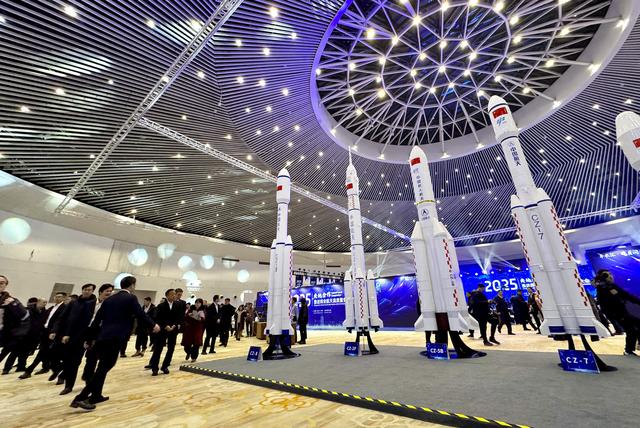
Group 1: Launch Vehicles - The main types of launch vehicles include solid rockets, liquid rockets, and hybrid rockets, classified by their propulsion systems [4][5][6] - Launch vehicles can also be categorized by payload capacity: small (less than 2 tons), medium (2-20 tons), large (20-100 tons), and heavy (over 100 tons) [5][6] - The structure of a launch vehicle generally consists of three main parts: the airframe, propulsion system, and control system [6] Group 2: Cost Reduction in Commercial Rockets - The hardware costs of first and second stage rockets are significant, with engines accounting for over 50% of total costs in some cases, indicating that reusability could be a key to cost reduction [19][21] - SpaceX's Falcon 9 rocket has demonstrated substantial cost savings through reusability, with the total cost for a new rocket at $50 million, while reused rockets can significantly lower costs per launch [25][24] - The cost structure of Falcon 9 shows that hardware costs dominate, making up approximately 60% of the total launch cost, while operational costs can be reduced through effective reuse strategies [21][24] Group 3: Development of China's Space Industry - China's launch frequency has rapidly increased, with the number of launches rising from 39 in 2018 to 68 in 2024, positioning China as a leader in global launch activities [32][34] - In 2024, the China Aerospace Science and Technology Corporation conducted 51 launches, accounting for 75% of the total, while private companies contributed 12 launches, indicating a growing role for the private sector [41][42] - The proportion of commercial launches in China has surged, with 43 commercial launches in 2024, representing 63.2% of total launches, a significant increase from previous years [45] Group 4: SpaceX Starlink Program - The Starlink project aims to deploy 42,000 satellites in low Earth orbit to provide global high-speed internet services and support future Mars missions [47][48] - Starlink has undergone multiple iterations, with advancements in satellite technology, including the introduction of inter-satellite laser links and improved ground terminals [59][60] - The deployment of Starlink satellites is structured in phases, with the first phase involving 1,584 satellites for initial coverage, followed by additional satellites to complete global coverage [54][57]