
现代化产业体系

Search documents
今年制定人工智能发展促进条例
Nan Fang Du Shi Bao· 2026-01-27 23:13
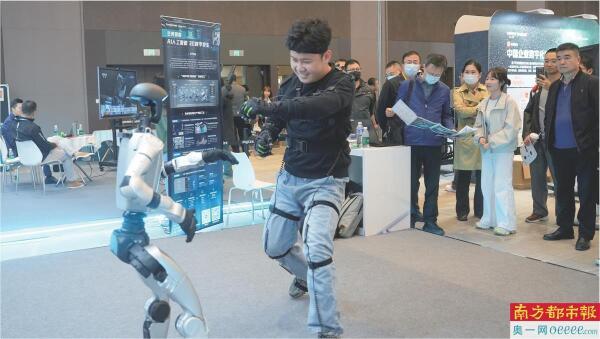
2025广东省人工智能与机器人技能大赛上,人形机器人的表演吸引观众们关注。 南方日报记者 张令 摄 2026年 制定县域经济振兴条例 2026年,省人大常委会预安排审议法规16件。主动加强粤港澳三地立法协作,继续审议促进粤港澳大湾 区海上搜寻救助合作条例,制定促进粤港澳大湾区商事调解条例。出台加快建设现代化产业体系专项立 法计划,制定人工智能发展促进条例、数据条例、低空经济发展条例,研究制定智能网联汽车发展促进 条例等。聚焦助力"百县千镇万村高质量发展工程"深入实施,制定县域经济振兴条例,研究制定农村集 体经济组织条例。还将继续审议快递条例、消费者权益保护条例,制定无障碍环境建设条例,修改未成 年人保护条例等。统筹省级和设区的市立法资源,制定规范性文件制定和管理监督条例。 报告指出,2025年,省人大常委会共审议法规、决定24件,通过19件,审查批准设区的市法规、决定和 自治县单行条例66件,备案深圳、珠海、汕头经济特区法规34件,备案审查规范性文件147件;听取审议 报告19个,开展执法检查5项、共检查23件法律法规实施情况,开展专题调研8项,首次同步开展专题询 问和满意度测评,继续开展民生实事评议;作出重 ...

亮出“成绩单” 敲定“路线图”
Xin Lang Cai Jing· 2026-01-27 23:08
Core Viewpoint - The report presented at the 14th Provincial People's Congress outlines the economic and social development plans for Fujian Province, highlighting achievements and setting goals for 2026, with a projected GDP of 60,199.45 billion yuan and a growth rate of 5% for 2025 [1] Group 1: Economic Development - The province aims to stabilize employment, businesses, and market expectations, ensuring overall economic stability and progress [1] - The industrial value added for large-scale industries is expected to grow by 6.5%, with the manufacturing sector's contribution to GDP ranking second nationally [2] - Investment in key projects reached 739.8 billion yuan, exceeding annual targets [6] Group 2: Education and Innovation - The establishment of Fujian Fuyou University and the approval of regional technology transfer centers enhance educational support [3] - R&D investment is projected to exceed 130 billion yuan, with over 1.5 million national high-tech enterprises [3][4] Group 3: Consumption and Investment - Retail sales of consumer goods increased by 4.4%, supported by initiatives to boost consumption [5] - The province's focus on new consumption models, such as instant retail, positions it among the top nationally [5] Group 4: Reform and Business Environment - The introduction of the "Fujian Provincial Private Economy Promotion Regulations" aims to enhance the development of the private sector [7] - The province has implemented a long-term plan to optimize the business environment, achieving top rankings in project approval reforms [7] Group 5: External Relations and Trade - The "Maritime Silk Road" initiative has accelerated trade and maritime integration, with 367 members in the alliance [8] - The province is expanding its international trade and investment, with a focus on cross-border e-commerce [8] Group 6: Social Development and Welfare - Urban employment remains stable, with 545,800 new jobs created and a 4.7% urban unemployment rate [11] - Public services have improved, with new educational and elderly care facilities established [11] Group 7: Environmental and Safety Measures - The province has made significant progress in pollution prevention and ecological conservation, with a 66.1% share of clean energy in installed capacity [10] - Safety measures have been enhanced, with a 15.2% reduction in workplace accidents [14]
袁家军会见市政协港澳委员及侨界特邀人士
Xin Lang Cai Jing· 2026-01-27 17:52
1月27日上午,市委书记袁家军会见了参加市政协六届四次会议的港澳委员及侨界特邀人士。 市政协主席程丽华,市领导刘尚进、商奎、黄茂军、王昱参加。 全国政协委员,市政协常委、港澳台侨外事委副主任马浩文介绍市政协港澳委员2025年履职情况。宋碧 琪、黄威林、许小哲、林玉春、赵章傲5名港澳委员及侨界特邀人士代表发言,就服务社会民生、促进 青年成长、培育新型消费、助力渝企渝品出海等提出意见建议。 袁家军代表市委、市人大常委会、市政府、市政协和全市人民向长期以来关心支持重庆发展的港澳台同 胞、海外侨胞致以诚挚问候。袁家军说,2025年是很不平凡的一年。全市上下牢记习近平总书记殷殷嘱 托,聚焦做实"两大定位"、发挥"三个作用",纵深推进"六区一高地"建设,统筹做好高质量发展、高品 质生活、高效能治理各项工作,落实国家重大战略成效明显,产业结构加快优化升级,发展动力活力持 续激发,民生福祉不断改善,探索超大城市现代化治理新路子取得重要进展,奋力谱写中国式现代化重 庆篇章迈出新的坚实步伐。各位港澳委员和侨界人士情系巴渝热土,认真履职尽责,为助力现代化新重 庆建设、更好服务国家发展大局贡献了智慧和力量。 袁家军指出,今年是"十五 ...
策马扬鞭拼开局
Xin Lang Cai Jing· 2026-01-27 16:54
本报讯 今年作为封关首年,该怎么干?政府工作报告指出,今年是"十五五"开局之年,也是海南自由 贸易港全面实施封关运作开局之年,必须迈好第一步、展现新气象。报告部署了十个"聚力"的重点任 务:聚力促进更高水平开放、聚力释放有效需求潜力、聚力构建现代化产业体系、聚力激发教育科技人 才活力、聚力强化区域协调发展、聚力推动城乡融合发展、聚力打造美丽中国样板、聚力提高人民生活 品质、聚力落实宏观经济政策、聚力筑牢安全发展底线。记者 钟起的 王小武 今年经济社会发展主要预期目标: 固定资产投资增长7%左右 社会消费品零售总额增长6%左右 城镇调查失业率控制在5.5%左右 居民消费价格增长2%左右 这些亮点值得期待 ●推动出台实施岛内居民消费进境商品"零关税"政策 ●推动进一步放宽空域管制和航路航权限制 ●新引进国际创新药械100种 ●全年新开工亿元以上项目43个以上,竣工38个以上 ●新增25个"高效办成一件事"重点事项 地区生产总值增长6%左右 ●城镇新增就业17万人左右 今年政府工作总体要求: 以习近平新时代中国特色社会主义思想为指导,深入贯彻党的二十大和二十届历次全会、中央经济工作 会议精神,以及习近平总书记关于海 ...
广东省人大常委会:2026年预安排审议省级法规16件
Nan Fang Du Shi Bao· 2026-01-27 12:28
Group 1 - The Guangdong Provincial People's Congress plans to review 16 provincial regulations and 35 supervision projects in 2026, focusing on legislative collaboration among Guangdong, Hong Kong, and Macau [1][2] - The legislative agenda includes the promotion of artificial intelligence, data regulations, and low-altitude economy development, as well as rural economic revitalization and consumer protection [2][3] - The Provincial People's Congress aims to enhance the rigidity and effectiveness of supervision, particularly in economic operations, budget reviews, and asset management [3] Group 2 - The report highlights the completion of 24 legislative reviews and the approval of 19 regulations in 2025, contributing to the solid institutional guarantee for the successful conclusion of the 14th Five-Year Plan [1] - The Provincial People's Congress will continue to implement measures to optimize the business environment and promote high-quality development in the Greater Bay Area [3] - The introduction of thematic activities such as "Supporting the Optimization of the Business Environment" and the promotion of digital tools for public engagement are planned for the new year [3]
广东人大代表李霖:粤东西北产业环境持续优化
Nan Fang Du Shi Bao· 2026-01-27 08:50
"作为一名来自先进制造业一线工作者,您认为粤东西北地区要如何推动制造业高质量发展,加快构建 现代化产业体系?" 1月27日下午,在广东省十四届人大五次会议举行的第二场"代表通道"上,广东省人大代表、广东微容 电子科技股份有限公司自动化工程师李霖答南都记者问。 李霖表示,构建现代化产业体系是推动高质量发展的必然要求。近年来,广东加快构建以先进制造业为 支撑的现代化产业体系。云浮市积极落实省委、省政府部署要求,大力发展先进制造业,成功培育1家 全球独角兽企业,1家国家级制造业单项冠军企业,4家省级制造业单项冠军企业、8家广东省制造业500 强企业。 李霖所在的微容科技,是粤东西北地区首家且全球唯一的独角兽企业,也是国家电子元器件产业核心企 业、省级制造业单项冠军企业。 深耕制造业20多年,李霖见证了微容科技成长为全球独角兽企业的辉煌历程。 "近年来,我感到粤东西北地区产业发展环境持续优化,吸引了越来越多的企业愿意扎根这里发展。"李 霖现场分享了一个小故事。 微容科技落户罗定之初,面临严峻的"招工难"问题,受薪资待遇等各方面因素影响,李霖发现本地年轻 人更倾向于前往珠三角地区工作,这让他深感焦虑。 经过深入走访调研 ...
11项重点任务擘划陕西“十五五”蓝图
Zhong Guo Fa Zhan Wang· 2026-01-27 06:42
Core Viewpoint - The recent meeting of the Shaanxi Provincial Committee emphasizes the importance of high-quality development during the 14th Five-Year Plan period, outlining key tasks for the 15th Five-Year Plan to enhance industrial development, technological innovation, and regional coordination [1][4]. Industrial Development - The focus is on constructing a modern industrial system with Shaanxi characteristics, prioritizing the development of trillion-level industrial clusters in modern energy, advanced manufacturing, strategic emerging industries, cultural tourism, and modern services [2][3]. - The strategy includes promoting "chain-based" development and enhancing the integration of production services, with a strong emphasis on advanced manufacturing and the digital economy [2]. Innovation System - The proposal aims to enhance the overall effectiveness of the innovation system by advancing the construction of the Xi'an regional science and technology innovation center and optimizing the "Qin Chuang Yuan" innovation-driven platform [3]. Regional Coordination - The plan outlines a strategy for regional coordinated development, emphasizing the roles of Xi'an and Yulin as growth poles and promoting complementary development among the three major regions of Guanzhong, Shaanbei, and Shaannan [4]. Economic Integration - The proposal highlights the importance of integrating into the new development pattern, focusing on stimulating domestic demand and enhancing the role of Shaanxi as a strategic link in domestic and international dual circulation [5][6]. Social Welfare - The plan emphasizes improving the quality of life for residents, focusing on employment, income, education, healthcare, and social security, with specific measures to promote high-quality employment and increase residents' income levels [7]. Environmental Sustainability - The proposal includes measures to strengthen ecological security and promote green, low-carbon development, while also addressing pollution prevention and enhancing safety in key areas [8].
地方两会时间开启 敲定2026年稳增长“施工图”
Xin Lang Cai Jing· 2026-01-27 06:28
国家发展改革委副主任王昌林日前在国新办发布会上表示,当前,我国经济运行存在供强需弱的问题, 供给到了从"有没有"到"好不好"的阶段。下一步,宏观政策的发力点将放在做强国内大循环上,重点适 应需求升级的趋势。记者了解到,下一步,我国将制定出台2026-2030年扩大内需战略实施方案。为重 点推进服务消费,今年相关部门还将推动实施服务业扩能提质行动。 扩大内需的同时,强化科技创新支撑引领、构建现代化产业体系也在各地2026年重点工作中居于重要位 置。其中,在创新方面,多地重点提及"科技成果应用转化"。 (来源:经济日报) 转自:经济日报 近日,浙江、北京、广东等地陆续召开地方两会,于"十五五"开局的关键节点,谋划未来五年发展蓝图 和2026年全年重点目标任务。翻看今年各地政策着力点,强化科技创新支撑引领、构建现代化产业体 系、挖掘有效需求潜力居于重要位置,"服务消费潜力""科技成果转化应用""新兴支柱产业"等成为各地 政府工作报告中的高频词。 敲定经济增长预期目标是地方两会的一项重要内容。目前,浙江、北京、河南、天津、广东、河北等地 两会已陆续召开,并公布了2026年经济增长预期目标。其中,天津的目标是4.5%, ...
新华社:从“贡献超四成”读懂现代产业的分量
Xin Hua She· 2026-01-27 05:58
Core Insights - The contribution of the industrial and information sectors to China's economic growth exceeds 40%, highlighting the importance of these sectors in the modernization of the industrial system [1] - In 2025, China's industrial added value is projected to reach 41.7 trillion yuan, contributing 35% to economic growth, an increase of 1.8 percentage points from the previous year [1] - The manufacturing sector continues to dominate, maintaining the world's largest added value for 16 consecutive years, while the information transmission, software, and IT services sector achieved a value of 7.06 trillion yuan, showing double-digit growth [1] Group 1 - The industrial sector's core components include traditional industries and digital economy-related sectors, emphasizing the need for a modernized industrial system [1] - In response to international trade changes, Chinese industrial enterprises are diversifying market layouts and upgrading product structures, showcasing resilience amid external challenges [2] - The growth of advanced manufacturing and the optimization of industrial structure are evident, with significant increases in new energy vehicle sales and industrial robot production [3] Group 2 - The integration of information technology and industrialization is a key path for building a modern industrial system, with 5G and industrial internet technologies being widely adopted across various economic sectors [3] - Recent initiatives, such as the "Industrial Internet and Artificial Intelligence Integration Empowerment Action Plan," aim to deepen the integration of digital technologies with the real economy [4] - The focus on solidifying the foundation of the real economy and seizing opportunities for digital transformation is crucial for maintaining a competitive edge in the global market [4]
保持定力精心运筹赢得战略主动——论学习贯彻习近平总书记在省部级专题研讨班开班式上重要讲话
Jing Ji Ri Bao· 2026-01-27 03:33
Group 1 - The core viewpoint emphasizes the importance of maintaining strategic initiative amidst the evolving international landscape and domestic development challenges [1] - The confidence in strategic stability stems from a solid economic foundation, various advantages, resilience, and significant potential, which are supported by the unique strengths of socialism with Chinese characteristics [2][3] - The "14th Five-Year Plan" has seen China's economy surpass key milestones, providing a robust foundation for future goals, with a focus on strategic decision-making and leadership from the central government [2] Group 2 - The "15th Five-Year Plan" outlines development goals for the next five years, emphasizing the continuity of ideas from the "14th Five-Year Plan" while adapting to future trends [3] - A primary strategic task is to build a modern industrial system to strengthen the foundation of the real economy, which is crucial for China's development advantages [3] - The plan promotes an economic model driven by domestic demand, consumption, and endogenous growth, which is essential for responding to external uncertainties and maintaining economic vitality [4]