
内需主导经济发展模式

Search documents
保持定力精心运筹赢得战略主动——论学习贯彻习近平总书记在省部级专题研讨班开班式上重要讲话
Jing Ji Ri Bao· 2026-01-27 03:33
Group 1 - The core viewpoint emphasizes the importance of maintaining strategic initiative amidst the evolving international landscape and domestic development challenges [1] - The confidence in strategic stability stems from a solid economic foundation, various advantages, resilience, and significant potential, which are supported by the unique strengths of socialism with Chinese characteristics [2][3] - The "14th Five-Year Plan" has seen China's economy surpass key milestones, providing a robust foundation for future goals, with a focus on strategic decision-making and leadership from the central government [2] Group 2 - The "15th Five-Year Plan" outlines development goals for the next five years, emphasizing the continuity of ideas from the "14th Five-Year Plan" while adapting to future trends [3] - A primary strategic task is to build a modern industrial system to strengthen the foundation of the real economy, which is crucial for China's development advantages [3] - The plan promotes an economic model driven by domestic demand, consumption, and endogenous growth, which is essential for responding to external uncertainties and maintaining economic vitality [4]
“五十万亿元”展现的中国大市场(和音) ——解码数字里的“机遇清单”④
Ren Min Ri Bao· 2026-01-22 21:57
Core Viewpoint - China aims to transition from being the "world's factory" to becoming the "world's market," accelerating its development as a major consumer economy, which will inject strong new momentum into mutually beneficial cooperation with countries worldwide [1][3]. Group 1: Domestic Demand and Economic Growth - Domestic demand has become the main driving force and stabilizing anchor for China's economic growth, contributing an average of 93.1% to economic growth from 2013 to 2024 [2]. - In 2025, final consumption expenditure is expected to contribute 52% to economic growth, an increase of 5 percentage points from the previous year [2]. - The share of service consumption expenditure in per capita consumption is projected to reach 46.1% in 2025, indicating a structural optimization in consumption [2]. Group 2: Investment Opportunities and Market Potential - China's market is characterized by its large scale, diverse levels, and significant potential, with substantial investment opportunities in new urbanization, technology industries, and improving livelihoods [3]. - The current consumer rate in China is about 40%, with a potential increase of 10-20 percentage points compared to developed countries, indicating room for growth [3]. - The "old-for-new" consumption policy is expected to benefit over 360 million people, showcasing market size and policy effectiveness [3]. Group 3: Global Economic Impact - Over the past five years, China has imported goods and services worth over $15 trillion, establishing itself as the world's second-largest consumer market [3]. - As income levels rise and demand for a better quality of life increases, new consumption trends will emerge, driving new supply and investment opportunities [3]. - China's commitment to expanding domestic demand will create new opportunities for global cooperation, enhancing its role as a major consumer market [3][4].
新华视点丨解读2025经济数据:稳中向好 向新向优
Xin Hua Wang· 2026-01-21 06:02
Economic Performance Overview - In 2025, China's GDP surpassed 140 trillion yuan, marking a 5.0% increase from the previous year [1] - China maintains its position as the world's second-largest economy, with growth rates among the top of major economies [2] Economic Stability and Growth - The industrial added value above designated size grew by 5.9%, with an average urban unemployment rate of 5.2% [4] - The total value of goods trade reached a new high, and foreign exchange reserves exceeded 3.3 trillion USD [4] - High-tech manufacturing's added value accounted for 17.1% of the total industrial added value, with final consumption contributing over 50% to economic growth [4] Quality of Development - China's economy is transitioning from quantity accumulation to quality enhancement, showcasing stronger resilience and confidence in high-quality development [6] Foreign Trade Dynamics - The total import and export value increased by 3.8%, with exports rising by 6.1% and imports reaching a record high of 18.48 trillion yuan [8] Domestic Demand and Consumption - The total retail sales of consumer goods surpassed 50 trillion yuan, growing by 3.7% year-on-year, highlighting the importance of domestic consumption in economic stability [10] - Service consumption emerged as a significant highlight in the economic performance of 2025 [10]

保持战略定力 把握发展主动
Xin Lang Cai Jing· 2026-01-20 21:56
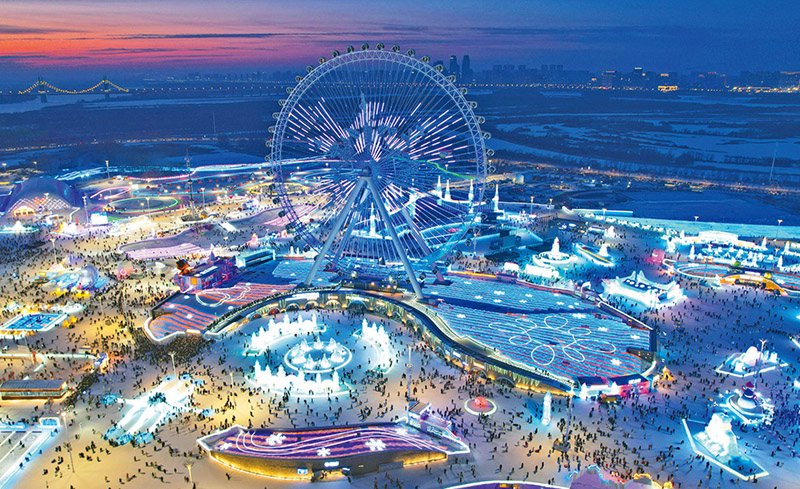
Economic Growth and Development - China's GDP has surpassed 140 trillion yuan for the first time, and the total retail sales of consumer goods have exceeded 50 trillion yuan, marking significant economic milestones [1] - The 2025 Central Economic Work Conference has outlined measures to boost consumption, including the implementation of special actions to stimulate consumption and expand the supply of quality goods and services [2][4] Investment and Infrastructure - Various regions are launching major projects to enhance investment, such as the modernization of irrigation systems and the construction of new energy facilities, which are crucial for high-quality development [3][4] - Recent advancements in major projects include the construction of nuclear power plants and high-voltage transmission lines, which support investment stability and high-quality growth [4] Consumer Market Activation - Harbin is promoting ice and snow tourism by launching themed travel routes and enhancing urban landscapes to attract visitors, highlighting the importance of consumer spending as a driver of economic growth [2] - Regions like Sichuan and Yunnan are introducing specialized trains and financial incentives to stimulate consumption and meet market demands [3] Innovation and Reform - The emphasis on innovation is evident in the establishment of testing platforms and financial tools to support technology-driven enterprises, aiming to enhance productivity and market competitiveness [7] - Local governments are implementing reforms to improve the business environment, such as optimizing service processes and reducing barriers to entry for new businesses [6][7] Employment and Social Welfare - Employment services are being digitized to better assist job seekers, with initiatives in various provinces to provide job training and create job opportunities for vulnerable groups [8][10] - The distribution of childcare subsidies in Changsha demonstrates efforts to enhance social welfare and support families, with funds being directly transferred to beneficiaries [9][10]
求是专访 | 如何认识和充分挖掘大国经济潜能
Xin Lang Cai Jing· 2026-01-17 06:24
Core Viewpoint - The article emphasizes the importance of fully tapping into the economic potential of China as a developing major country, highlighting the need for strategic considerations in economic work to ensure long-term growth and stability [1][2]. Economic Potential Understanding - Economic potential is defined as the unutilized productive forces, including labor and resources, and is constrained by institutional mechanisms [1]. - The three core elements determining economic potential are supply capacity, demand scale, and institutional environment, which interact to shape long-term growth [2]. Current Economic Context - China has entered a stage of high-quality development, necessitating a shift from traditional growth models reliant on cheap labor and resource input to efficiency enhancement [3]. - The country faces complex external environments and must work to cultivate new growth points to maintain economic stability [5]. Future Economic Goals - By 2035, China aims to achieve a per capita GDP level comparable to that of moderately developed countries, requiring an average annual growth rate of at least 4.17% during the 14th and 15th Five-Year Plans [5]. Characteristics of Major Economy - China's economic potential is characterized by a strong domestic market, a complete industrial system, and a large educated workforce, which provide a solid foundation for growth [6][7]. Areas of Economic Potential - There is significant potential in expanding the domestic market, particularly in service consumption, and optimizing traditional industries could create an estimated market space of around 10 trillion yuan during the 14th Five-Year Plan [7]. - Urban-rural integration and regional coordinated development also present substantial opportunities for growth [7]. International Context - China's economic resilience and development prospects have been positively assessed by international institutions, with expectations for increased growth rates in the coming years [8]. Systematic Approach to Economic Potential - The release of economic potential is a systemic project that requires a focus on policy support and reform innovation, balancing short-term stability with long-term growth [19][20]. - Strengthening the integration of various economic policies and ensuring a conducive institutional environment are essential for effectively releasing economic potential [20].
清华五道口陆毅:构建内需主导经济发展模式,是“十五五”时期的战略抉择
Sou Hu Cai Jing· 2025-12-18 10:01
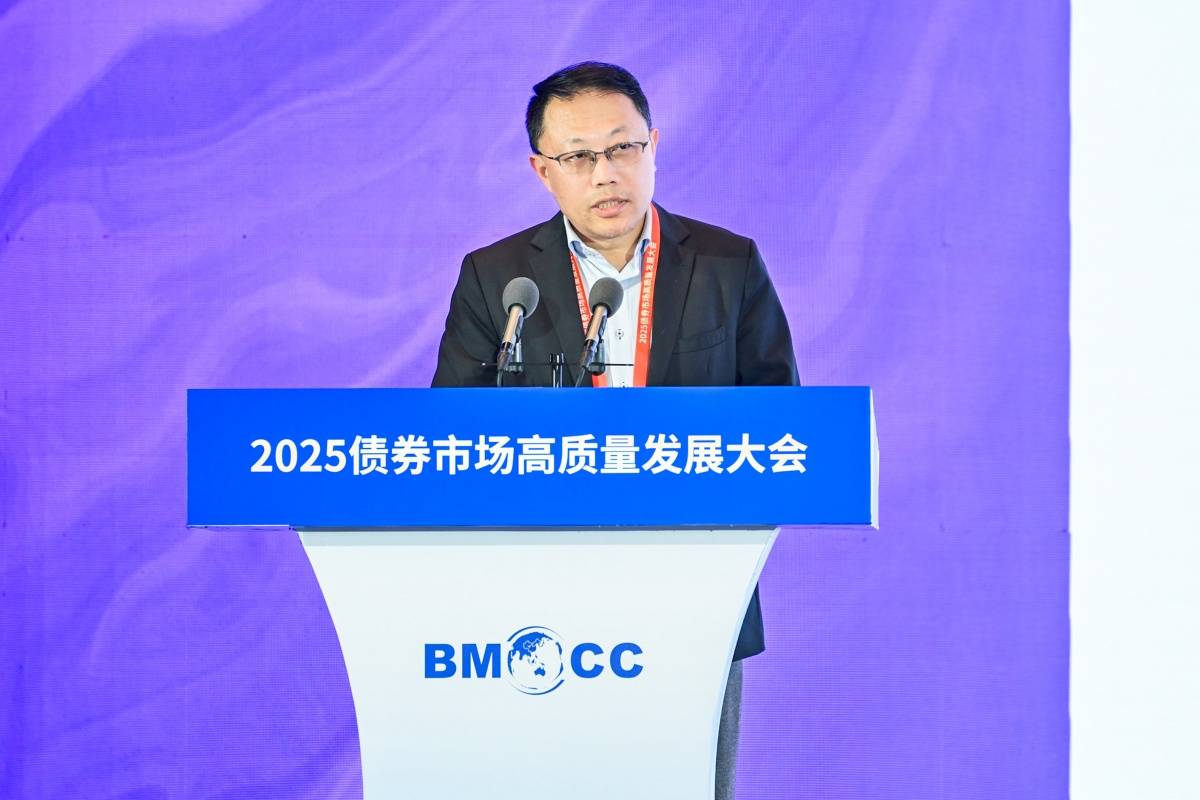
Core Viewpoint - The conference highlighted the transition of China's economy from high-speed growth to high-quality development, emphasizing the need for a new development model that focuses on domestic circulation and consumption-driven growth [3]. Group 1: Economic Transition - China's economy has shifted from a phase of high-speed growth to one of high-quality development, undergoing a profound transformation in its development model [3]. - The period before 2002 was characterized as an exploratory phase, establishing the foundation for a market economy [3]. - From 2002 to 2010, the economy was driven by external demand and investment, leading to rapid urbanization and infrastructure development, but also creating supply-demand mismatches [3]. - Since 2010, the focus has shifted to consumption-led growth, with decreasing reliance on external demand and increasing importance of domestic circulation [3]. Group 2: Challenges and Opportunities - During the "14th Five-Year Plan" period, China is still in a significant strategic opportunity phase, but faces new challenges such as external uncertainties and domestic imbalances [3]. - The "14th Five-Year Plan" emphasizes the need for coordinated development and security, promoting a new development pattern that prioritizes domestic circulation while facilitating international circulation [3]. Group 3: Demand-Side Strategies - To address insufficient domestic demand, the strategy should focus on expanding internal demand and creating a favorable policy environment for consumption [4]. - Key measures include increasing labor compensation in initial distribution, expanding the middle-income group, and enhancing public investment in education, healthcare, and childcare [4]. - The plan also calls for increasing the share of quality consumer goods and services while removing unreasonable consumption restrictions [4]. Group 4: Supply-Side Strategies - The "14th Five-Year Plan" prioritizes the establishment of a modern industrial system, emphasizing an entity economy approach and the modernization of industrial chains [4]. - In the field of technological innovation, it is crucial to strengthen national strategic technological capabilities and focus on key core technology breakthroughs in areas like artificial intelligence and quantum information [4]. - The plan advocates for deep integration of industry, academia, and research to foster strategic emerging industries and accelerate the rise of new productive forces [4]. Group 5: Strategic Choices - The construction of an economy driven by domestic demand and consumption is a strategic choice for the "14th Five-Year Plan" period [4]. - This requires deepening fiscal and tax reforms, optimizing tax structures, and balancing direct and indirect tax ratios [4]. - Investment should be coordinated between physical capital and human capital, enhancing infrastructure while increasing investments in education, health, and skills training to address social welfare gaps [4].
居民消费率明显提高,将带来哪些改变?(这些新提法,写入“十五五”规划建议)
Ren Min Ri Bao· 2025-11-25 22:55
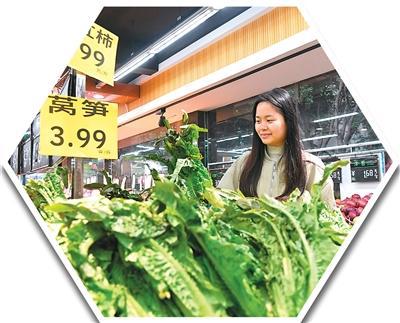
Core Viewpoint - The "14th Five-Year Plan" emphasizes significantly increasing the resident consumption rate, aiming to enhance domestic demand and drive economic growth through consumption [4][8]. Group 1: Economic Development Strategy - The "14th Five-Year Plan" outlines new goals and measures for economic and social development, focusing on enhancing the role of domestic demand and consumption in economic growth [3][4]. - The plan indicates a shift towards a consumption-driven economic model, with a clear target for improving the resident consumption rate [4][8]. Group 2: Current Consumption Landscape - China's resident consumption rate is currently at 39.9% in 2024, an increase of 4.3 percentage points since 2012, indicating a growing trend in consumer spending [7]. - Over the past decade, resident consumption expenditure has more than doubled, from 26.7 trillion yuan in 2015 to 53.9 trillion yuan in 2024 [7]. Group 3: Future Consumption Potential - There is significant potential for increasing the resident consumption rate, with estimates suggesting that a 1 percentage point increase could represent a market space worth trillions [8]. - The middle-income group in China is projected to grow from over 400 million to 800 million in the next decade, further supporting the potential for increased consumption [8]. Group 4: Strategies for Consumption Growth - Key strategies to boost consumption include optimizing the environment, innovating consumption scenarios, and reducing restrictions, particularly in service consumption [9][10]. - The government aims to enhance service consumption, which currently lags behind other countries, with projections indicating that service consumption could exceed 50% of total consumption by 2030 [10]. Group 5: Policy Implications for Consumer Welfare - The "14th Five-Year Plan" emphasizes the integration of consumer welfare and consumption promotion, highlighting the importance of improving living standards to stimulate consumption [11][12]. - Recent policies, such as subsidies for replacing old products, have already benefited over 300 million consumers, indicating a strong government push to enhance consumer spending [12][13].
(经济观察)“十五五”规划建议清晰勾勒“确定的中国”
Zhong Guo Xin Wen Wang· 2025-10-28 20:39
Economic Growth Certainty - The "15th Five-Year Plan" aims for China's economy to reach approximately 140 trillion RMB by the end of 2025, continuing the momentum from the "14th Five-Year Plan" [2] - The focus remains on high-quality development, emphasizing the importance of the real economy and promoting new growth points such as quantum technology and biomanufacturing [2] - The plan encourages a shift towards an economy driven by domestic demand, consumption, and endogenous growth, with detailed measures across various sectors to ensure sustained economic growth [2] Quality Development Certainty - The plan emphasizes the need for a balance between qualitative improvements and reasonable quantitative growth, with a focus on ensuring that growth translates into tangible benefits for the public [3] - Key goals include significantly enhancing technological self-reliance and advancing the construction of a unified national market, alongside achieving high-quality employment and synchronized growth in residents' income and the economy [3][4] Open Economy Certainty - In response to rising unilateralism and protectionism, the plan advocates for creating a win-win cooperation framework and sharing opportunities with countries worldwide [6] - China's vast market will continue to open up, fostering cross-border trade cooperation and providing significant opportunities for other nations [6] - The plan emphasizes maintaining a multilateral trade system and expanding bilateral investment cooperation, aiming to inject stability into the global economic landscape [6] Reform Deepening Certainty - The plan outlines the goal of achieving breakthroughs in comprehensive reforms during the "15th Five-Year Plan" period, with over 300 important reform measures targeted for completion by 2029 [7][8] - Key reform initiatives include unifying market rules, eliminating local protectionism, and enhancing the market-oriented allocation of resources, reflecting a commitment to overcoming systemic barriers and fostering internal growth [8]