
绿色化

Search documents
中远海能早盘涨近3% 机构看好国内船队新一轮升级有望开启
Xin Lang Cai Jing· 2025-12-15 02:40
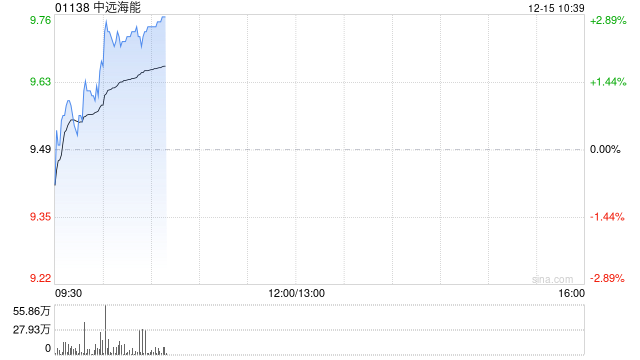
Group 1 - COSCO Shipping Energy (01138) shares rose nearly 3%, with a current price of HKD 9.76 and a trading volume of HKD 56.08 million [6] - The company announced a shipbuilding contract for one ethylene carrier and eighteen oil tankers with a total value of RMB 7.882 billion, scheduled for December 12, 2025 [6] - Recently, China Shipbuilding Group and China COSCO Shipping Group signed a cooperation agreement in Shanghai for a new shipbuilding project involving 87 vessels, exceeding RMB 50 billion, marking the highest single contract value for domestic shipbuilding companies [6] Group 2 - According to Founder Securities, this contract signifies a milestone in the strategic collaboration between top global shipbuilding and shipping companies, occurring against the backdrop of the industry's shift towards green and intelligent technologies [6] - The agreement is expected to lead to a new round of fleet upgrades and industry collaboration [6]

中远海能涨近3% 近日签订近80亿元造船合同 机构看好国内船队新一轮升级有望开启
Zhi Tong Cai Jing· 2025-12-15 02:36
Core Viewpoint - China Cosco Shipping Energy Transportation Co., Ltd. (中远海能) has seen its stock rise nearly 3%, currently trading at HKD 9.71 with a transaction volume of HKD 39.83 million, following the announcement of a shipbuilding contract worth RMB 7.882 billion for one ethylene ship and eighteen oil tankers [1] Group 1: Company Developments - The company has signed a shipbuilding contract with Dalian Cosco Shipping Heavy Industry, Yangzhou Cosco Shipping Heavy Industry, and Guangdong Cosco Shipping Heavy Industry, with a total value of RMB 7.882 billion [1] - The contract is set to be completed by December 12, 2025, indicating a long-term commitment to expanding its fleet [1] Group 2: Industry Context - Recently, China State Shipbuilding Corporation (中船集团) and China Cosco Shipping Group completed a cooperation agreement in Shanghai for new shipbuilding projects involving 87 vessels, with a total value exceeding RMB 50 billion [1] - This agreement marks the highest single domestic cooperation contract amount signed by Chinese shipbuilding companies and signifies a milestone in the strategic collaboration between top global shipbuilding and shipping enterprises, amidst a shift towards greener and smarter shipping solutions [1]
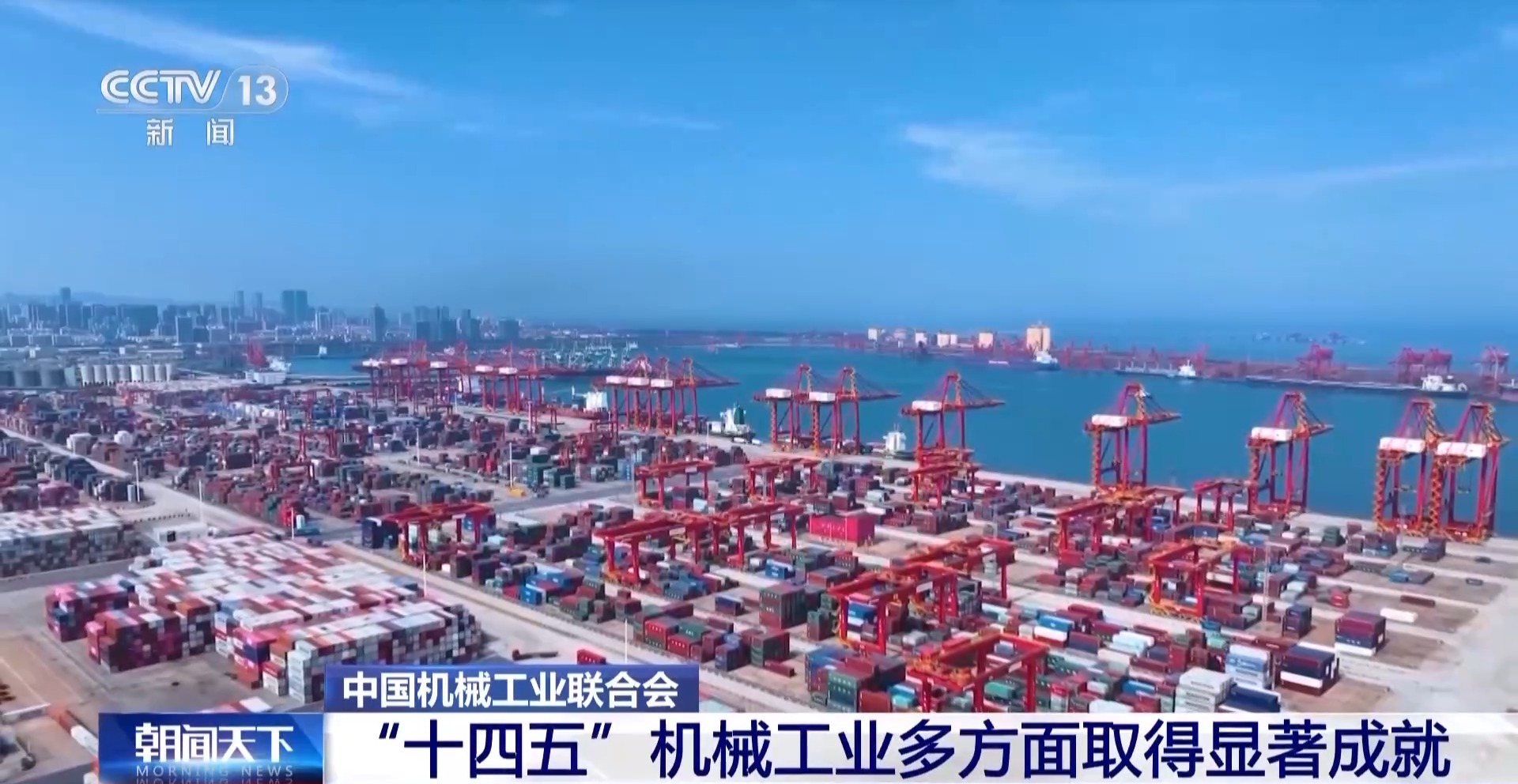
“十四五”期间我国机械工业增加值年均增速超7.1%
Yang Shi Wang· 2025-12-14 11:49
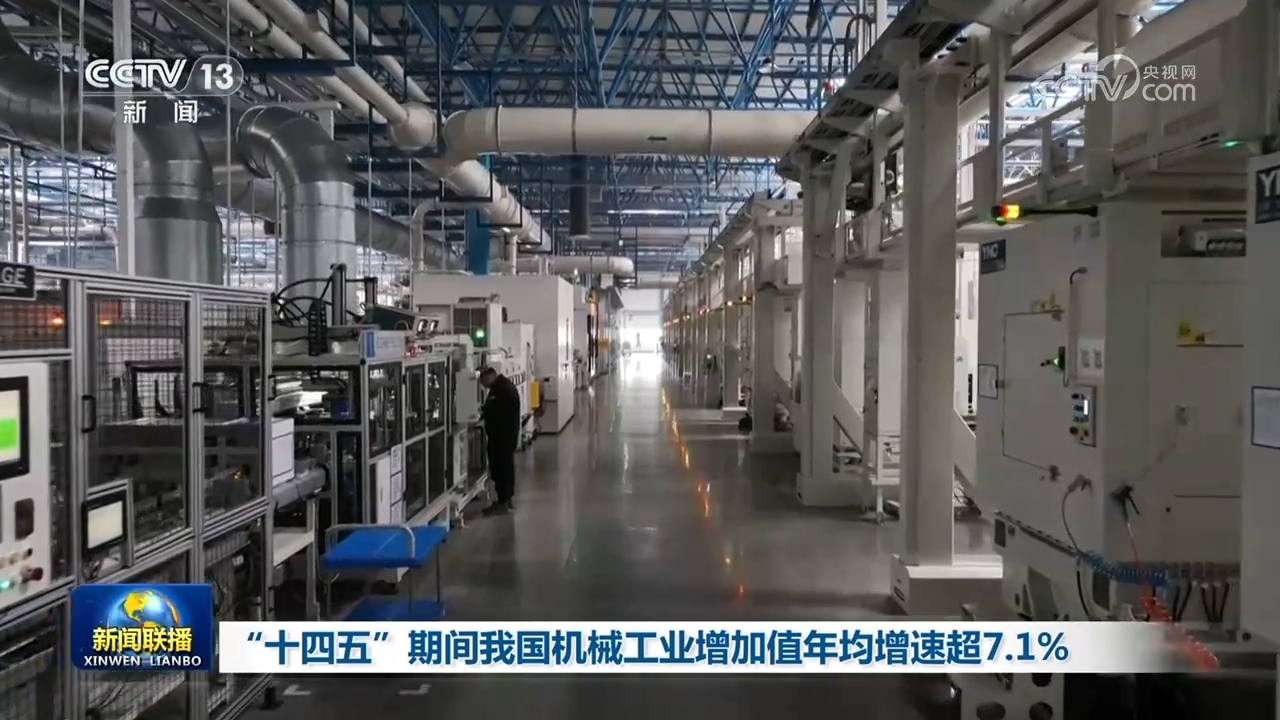
Core Insights - The mechanical industry in China has experienced rapid development during the "14th Five-Year Plan" period, establishing a solid foundation for advancing new industrialization [1] Group 1: Industry Growth - The average annual growth rate of the mechanical industry's added value exceeded 7.1%, surpassing the national average for industrial and manufacturing sectors during the same period [3] - The number of large-scale enterprises increased from 92,000 to 137,000 by the end of October 2025 [3] - The import and export volume has consistently exceeded $1 trillion for five consecutive years [3] Group 2: Innovation and Standards - The industry has enhanced its innovation capabilities, with 4,487 national and industry standards published during the "14th Five-Year Plan" period, achieving an international standard conversion rate of over 92% [5] - China has become one of the countries with the most comprehensive range of product categories, with 13 companies entering the global top 50 engineering machinery manufacturers [5] - The advantages of industrial clusters are increasingly prominent, with mechanical industry enterprises accounting for 25% of 300 national-level characteristic industrial clusters of small and medium-sized enterprises [5] Group 3: Future Directions - The focus for the mechanical industry during the "15th Five-Year Plan" period will be on enhancing the resilience and security of the industrial and supply chains, as well as accelerating the development of new productive forces, emphasizing the transformation towards intelligence, greenness, and integration [7]
7.1%、13.7万家,基础坚实!多维度“数”看机械工业新亮点、新成就
Yang Shi Wang· 2025-12-14 03:40
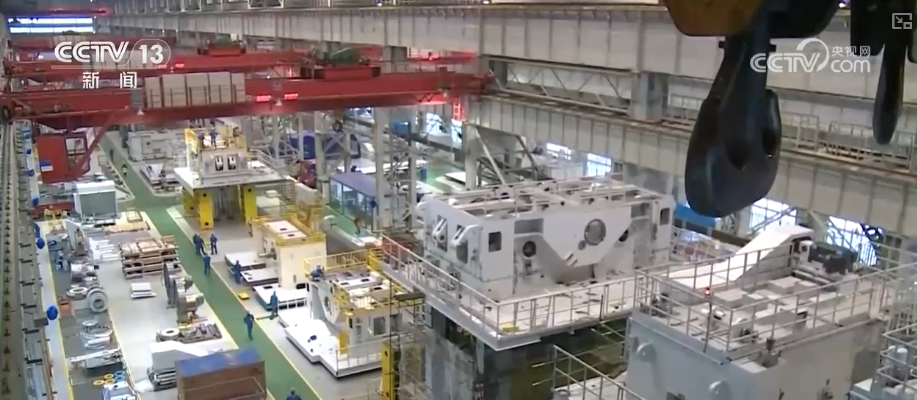
Core Viewpoint - During the "14th Five-Year Plan" period, China's machinery industry has achieved significant accomplishments in industrial scale, foreign trade, and innovation capabilities, laying a solid foundation for promoting new industrialization [1] Industrial Scale - The average annual growth rate of the added value of China's machinery industry during the "14th Five-Year Plan" period is 7.1%, with a growth rate of 8.7% in the first three quarters of 2025, both exceeding the national average levels for industry and manufacturing [4] - The number of enterprises above designated size increased from 92,000 to 137,000 by the end of October 2025 [4] Foreign Trade - The machinery industry has achieved a historic leap in foreign trade during the "14th Five-Year Plan," with import and export volumes exceeding $1 trillion for five consecutive years [6] - From January to October 2025, the total import and export volume of goods reached $1.03 trillion, a year-on-year increase of 7.6% [6] - The total import and export volume for the machinery industry in 2025 is expected to set a new record, becoming a key factor driving industry growth [6] Innovation Capability - The innovation capability of the machinery industry has continuously strengthened, with 4,487 national and industry standards planned for release during the "14th Five-Year Plan," and an international standard conversion rate exceeding 92% [12] - The advantages of industrial clusters are increasingly prominent, with machinery industry enterprises accounting for one-fourth of the 300 national-level characteristic industrial clusters for small and medium-sized enterprises [12] Product and Service Transformation - During the "14th Five-Year Plan," the production and sales of new energy vehicles, electric engineering machinery, and new energy agricultural machinery have significantly increased [15] - Enterprises are accelerating the transformation from single product manufacturing to integrated solutions of "products + services" [15] Future Outlook - Looking ahead to the "15th Five-Year Plan," the machinery industry will focus on enhancing the resilience and safety of the industrial supply chain, accelerating the cultivation of new productive forces, and emphasizing the transformation towards intelligence, greening, and integration [18] - The goal is to form a new development pattern characterized by the upgrading of traditional industries, the leadership of emerging industries, and the layout of future industries [18]
从卖机器到卖方案 我国机械工业成就显著
Yang Shi Xin Wen Ke Hu Duan· 2025-12-14 02:45
Core Viewpoint - During the "14th Five-Year Plan" period, China's machinery industry has achieved significant accomplishments in industrial scale, foreign trade, and innovation capabilities, laying a solid foundation for advancing new industrialization [1][3][5] Industrial Scale - The average annual growth rate of the added value of China's machinery industry during the "14th Five-Year Plan" is 7.1%, with a growth rate of 8.7% in the first three quarters of this year, both exceeding the national average levels for industry and manufacturing [1] - The number of large-scale enterprises in the machinery industry increased from 92,000 to 137,000 by the end of October 2025 [1] Foreign Trade - The machinery industry has achieved a historic leap in foreign trade, with import and export volumes exceeding $1 trillion for five consecutive years [3] - From January to October 2025, the total import and export volume of goods reached $1.03 trillion, a year-on-year increase of 7.6% [3] - The total import and export volume for the machinery industry is expected to reach a new high in 2025, becoming a key driver for industry growth [3] Innovation Capability - The innovation capability of the machinery industry has been continuously enhanced, with 4,487 national and industry standards planned for release during the "14th Five-Year Plan," and an international standard conversion rate exceeding 92% [7] - The advantages of industrial clusters are increasingly prominent, with machinery enterprises accounting for one-fourth of the 300 national-level characteristic industrial clusters of small and medium-sized enterprises [7] - The production and sales of new energy vehicles, electric engineering machinery, and new energy agricultural machinery have significantly increased, with enterprises accelerating the transition from single product manufacturing to integrated solutions of "products + services" [7] Future Outlook - Looking ahead to the "15th Five-Year Plan," the machinery industry will focus on enhancing the resilience and safety of industrial and supply chains, accelerating the cultivation of new productive forces, and emphasizing the transformation towards intelligent, green, and integrated development [9]
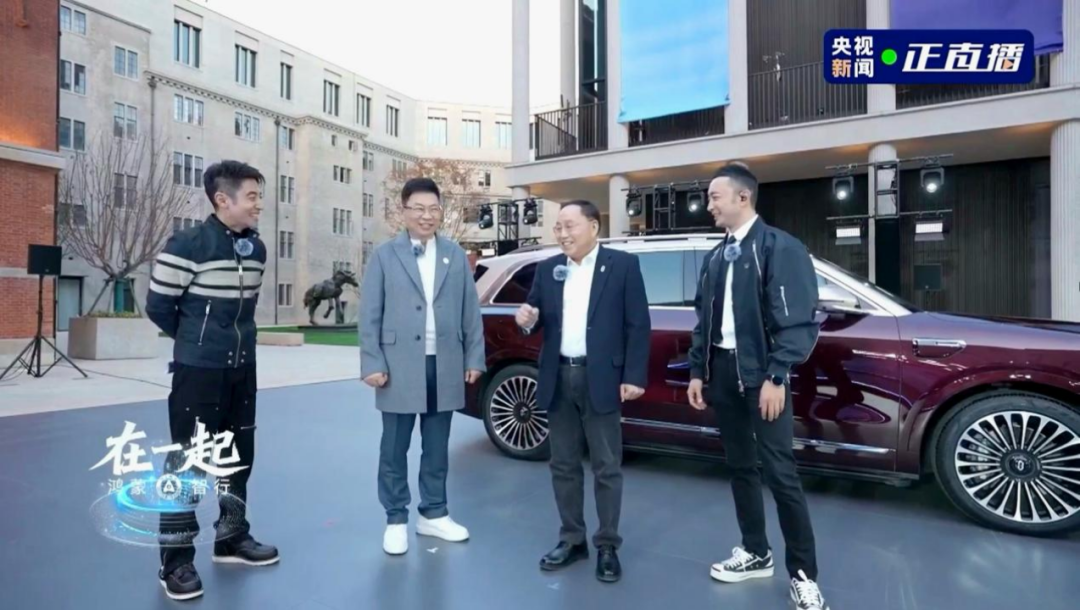
两年26万辆 问界M9为豪华车立下新标尺
2 1 Shi Ji Jing Ji Bao Dao· 2025-12-13 12:09
Core Insights - The AITO M9 has achieved cumulative deliveries exceeding 260,000 units, maintaining its position as the best-selling model in the 500,000 yuan market segment since its launch [1] - The traditional luxury car market, dominated by brands like BBA, is facing significant disruption as consumer preferences shift towards technology integration and value comparison rather than brand loyalty [2][4] - The redefinition of luxury in the automotive industry is highlighted by the AITO M9's focus on intelligent safety and digital ecosystem integration, moving beyond traditional passive safety measures [6] Market Dynamics - High-net-worth consumers are increasingly scrutinizing the value of vehicles beyond brand prestige, leading to a decline in sales for traditional luxury brands in China [4] - By 2025, several German luxury brands are expected to experience sales declines in the Chinese market, prompting a shift towards a more conservative multi-power strategy [4] Brand Positioning - AITO has established itself as a significant player in the high-end market, with its brand perception evolving to be on par with traditional luxury brands [9] - The brand has engaged in strategic partnerships and high-visibility events, such as collaborations with national media and cultural institutions, to enhance its brand image and connect emotionally with consumers [7] Consumer Sentiment - Research indicates that AITO's brand index has successfully entered the "high-end brand" category, aligning it with German luxury brands in consumer perception [9] - AITO's commitment to user-centric service, exemplified by innovative delivery models and customer support initiatives, has contributed to its positive market reception and brand loyalty [9]

“十四五”山东粮食总产连续四年稳定在1100亿斤以上,蔬菜、肉蛋奶年产量居全国首位
Qi Lu Wan Bao· 2025-12-12 08:27
Core Viewpoint - Shandong Province is accelerating agricultural modernization during the "14th Five-Year Plan" period, achieving significant production stability and growth in key agricultural products, contributing to national food security and supply stability [1][2][3] Group 1: Agricultural Production Achievements - Shandong's total grain production has remained above 110 billion jin for four consecutive years, with vegetable, meat, egg, and milk production ranking first in the country, and fruit and aquatic products ranking second [1] - The province has cumulatively increased grain production by 5.268 billion jin since the beginning of the "14th Five-Year Plan," equivalent to the annual grain output of a major grain-producing city [1] Group 2: Agricultural Production System - Shandong has established a "1+4" agricultural production system, focusing on large-scale yield improvement of grain crops, with innovative strategies combining various crops and production methods [1] - The province has initiated a yield improvement action, achieving historical breakthroughs in summer grain production, with both yield levels and total production increases ranking first in the country [1] Group 3: Potential in Various Agricultural Sectors - The province is tapping into four major potentials: facility agriculture, animal husbandry, marine fisheries, and comprehensive utilization of saline-alkali land, promoting a coordinated approach to food and protein production [2] - Facility agriculture is rapidly transitioning to smart, green, and standardized practices, with vegetable production maintaining over 90 million tons and fruit production around 32 million tons [2] Group 4: Saline-Alkali Land Utilization - Shandong is enhancing the production potential of saline-alkali land, with significant improvements in average grain yield, particularly in regions with high saline-alkali land coverage [3] - The province has developed salt-tolerant crop varieties and is promoting high-yield specialty agricultural products from saline-alkali areas, transforming these lands into stable production zones [3]
中方谈多家国际机构上调中国经济增速预期:“看好中国”日益成各方共识
Zhong Guo Xin Wen Wang· 2025-12-12 08:23
Group 1 - The core viewpoint is that multiple international institutions have raised their economic growth forecasts for China, indicating a growing consensus on the positive outlook for the Chinese economy [1][2] - The World Bank, IMF, and ADB have adjusted their 2025 growth forecasts for China by 0.4, 0.2, and 0.1 percentage points respectively, highlighting China's resilience despite global challenges [1] - The recent Central Economic Work Conference has outlined key tasks for the upcoming year, focusing on domestic demand, strong domestic market construction, and promoting win-win cooperation through openness [1] Group 2 - China's new productive forces are expected to flourish, with advancements in high-end, intelligent, and green manufacturing, leading to a global leadership role in innovation and sustainable development [2] - The country is committed to deepening high-level openness and expanding institutional openness, which will enhance reform and development through a multilateral trade system [2] - In an uncertain global environment, China is positioned as a significant source of certainty and will continue to be a vital engine for global growth, inviting other countries to benefit from its large market [2]
记者去哪儿·迈向“十五五” 从“车轮上的变化”看中国制造强链突围
Ren Min Wang· 2025-12-12 03:32
坚持把发展经济的着力点放在实体经济上,坚持智能化、绿色化、融合化方向。 "几年前,谁能想到中国汽车在产品形态、能源结构和全球地位上会发生如此巨变?'十五五'时期同样 充满想象空间。"在东风日产汽车销售有限公司市场部部长孙豪看来,真正的无人驾驶、氢能源的实用 化进程、固态电池的快速突破……这些前沿领域,正是中国汽车人凭借拼搏精神,有望持续引领全球的 关键赛道。 市场的理性化与法规的完善化,被视为产业健康发展的"好兆头"。上汽大众汽车有限公司党委书记、总 经理陶海龙说,作为产业中的一分子,有责任从自身做起,不仅助力发展,更要引导行业健康前行。这 份自觉,正是产业走向成熟的重要标志。 车展勾勒的蓝图,正在一座座"超级工厂"里变为现实。以人工智能、大数据、工业互联网为代表的数字 技术,已成为驱动产业变革的核心力量。在吉利汽车位于湖州长兴的"新四化"高端制造工厂,已实现每 分钟下线一台车的高效产能,这背后,是现代化产业体系的强力支撑。 吉利汽车集团长兴公司总经理赵德刚介绍,这主要得益于三点:一是数字化赋能全链路,实现精准决策 与管理;二是数字化系统打通上下游,与供应商实现产能共享与无缝协作;三是柔性化制造能力,既能 大 ...

中招协成立20周年暨招标投标法实施25周年大会举行
Zhong Guo Jing Ji Wang· 2025-12-12 03:29
Core Insights - The principles of "openness, fairness, justice," and "honesty and credit" established by the Bidding Law have become fundamental guidelines in market economic activities in China, marking significant contributions to the country's legal and economic development [1][2] Group 1: Legislative and Institutional Framework - The "Bidding Law of the People's Republic of China" has been in effect since January 1, 2000, and has now been implemented for 25 years, serving as a basic transaction system that enhances the market economy, promotes fair competition, prevents corruption, optimizes resource allocation, ensures project quality, and improves economic efficiency [1] - The China Bidding and Tendering Association (中招协) has over 110,000 bidding agencies and more than 1 million practitioners, with a market scale exceeding 50 trillion yuan [1] Group 2: Industry Development and Future Directions - The association emphasizes the importance of political direction, economic development, regulatory improvement, innovation, self-discipline, and collaborative goals in guiding the industry [2] - The association plans to focus on "digitalization, greening, standardization, transparency, and marketization" in alignment with the 14th Five-Year Plan to continue advancing the industry [2] - The recent conference featured various events, including a national bidding procurement skills competition and the launch of innovative reports and standards, showcasing the industry's shift towards digital and intelligent processes [2]