港股IPO

Search documents
港股三大指数调整运行 IPO市场热度不减
Zhong Guo Xin Wen Wang· 2025-10-17 13:13
Group 1 - The Hong Kong stock market indices are currently in a correction phase, with the Hang Seng Index down 641.41 points, or 2.48%, closing at 25,247.1 points as of October 17 [1][3] - The trading volume on the main board reached 314.62 billion HKD for the day, indicating active market participation despite the index decline [3] - The Hang Seng China Enterprises Index fell by 247.49 points, or 2.67%, closing at 9,011.97 points, while the Hang Seng Tech Index dropped 243.18 points, or 4.05%, closing at 5,760.38 points [1][3] Group 2 - Despite the index adjustments, the overall activity in the Hong Kong IPO market remains strong, with 73 companies listed in 2023 as of October 16, and several new listings performing exceptionally well [3] - Notably, 10 companies have seen their first-day closing prices more than double their offering prices, and 8 companies have experienced a cumulative stock price increase exceeding 100% since their listings [3] - The Financial Secretary of the Hong Kong Special Administrative Region, Paul Chan, highlighted the robust IPO market, with over 200 companies currently in the pipeline to list in Hong Kong, positioning it as an ideal platform for international expansion [3] Group 3 - Research from Shenwan Hongyuan indicates that leading brokerage firms actively engaging in international business are expected to see significant performance growth in Q3 due to the active trading and IPO environment [3] - Cathay Securities also noted that the substantial increase in IPOs in the Hong Kong market is likely to further drive revenue growth in investment banking services [3]

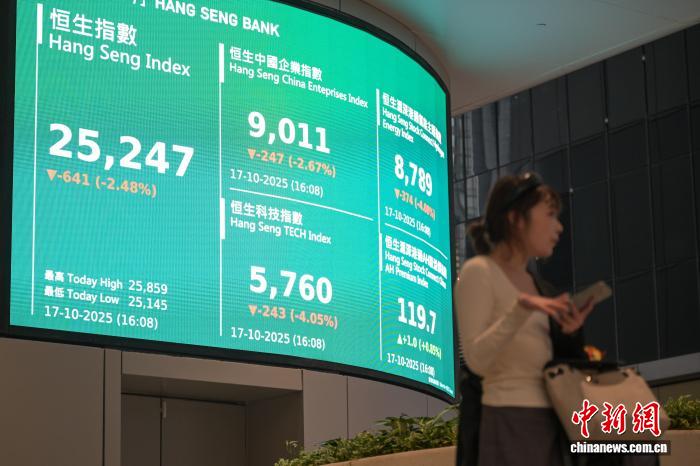
香港财政司司长:超过200家企业正排队等待在香港上市
Hua Er Jie Jian Wen· 2025-10-17 00:20
"(IPO)非常强劲。" 近日,香港财政司司长陈茂波在接受公开采访时表示,目前有超过200家企业正排队等待在香港进行首 次公开募股(IPO)。 陈茂波指出,这一趋势背后的主要驱动力,是中国内地企业日益增长的全球化需求。 对于走向全球的内地企业而言,利用香港作为平台来筹集资金和招揽人才,以帮助它们进行 海外扩张,是一个非常好的商业选择。 在市场活动升温的背景下,外界正密切关注即将在下月由香港金融管理局(HKMA)主办的全球银行 家峰会。此次峰会将成为衡量国际金融界对香港信心的重要指标。 港股IPO持续火热,三季度募资额创四年新高 陈茂波对此表示,目前峰会的反响"极其热烈",已有约100位首席执行官或董事长级别的高管计划出 席。 他将此次活动形容为"亚洲商界领袖不容错过的盛会"。 风险提示及免责条款 市场的热烈反应印证了这一观点。香港股市自去年底以来大幅反弹,基准的恒生指数在2025年已上涨 29%,成为全球表现最佳的发达市场之一。这股涨势得到了全球投资者的积极参与,据陈茂波透露,目 前市场交易量的一半来自欧洲、美国、中东及亚洲其他地区的投资者,另一半则来自中国内地。 香港的股票发行市场在2025年迎来了丰收年。 ...
国信服务港股IPO:近半收入靠母公司输血 区域集中、应收账款激增下的增长挑战
Xin Lang Zheng Quan· 2025-10-16 08:30
Core Viewpoint - Guoxin Service Holdings Limited has submitted its main board listing application to the Hong Kong Stock Exchange, marking its entry into the capital market. The company has experienced rapid revenue growth but faces challenges in profitability and high dependency on its parent company [1][2][3]. Financial Performance - Revenue increased from 88.12 million to 196 million from 2022 to 2024, with a compound annual growth rate of 49.1%. However, in the first half of 2025, revenue growth slowed to 8.6%, reaching 89.1 million [1]. - Net profit decreased from 14.1 million in 2024 to 12.2 million in the first half of 2025, a decline of 13.6% [1]. - Gross margin fell from 44.0% in 2023 to 33.3% in the first half of 2025, while net margin dropped from 22.9% in 2022 to 13.7% in the first half of 2025, reflecting ongoing pressure on cost control and profitability [1]. Dependency on Parent Company - Revenue from the controlling shareholder, Guoxin Group, accounted for 83.6%, 83.5%, and 55.3% from 2022 to 2024, and remained high at 48.7% in the first half of 2025. Income from properties developed by the parent company was 100% in 2022 and 68.7% in the first half of 2025 [2]. - This high dependency ties the company's performance closely to the operational status of the parent company, posing risks if the parent company's project development or delivery capabilities decline [2]. Operational Challenges - Trade receivables surged from 43,000 in 2022 to 30.2 million by June 2025, an increase of over 700 times. The accounts receivable turnover days extended from 4 days in 2022 to 111 days in June 2025 [2]. - The days for receivables from related companies also increased from 119 days to 210 days, indicating a significant deterioration in cash flow and collection capabilities [2]. Industry Context - The property management industry in China is highly fragmented, with over 350,000 service providers, leading to intense competition [2]. - Regulatory uncertainties, such as government-guided pricing for residential property management fees, limit pricing flexibility for companies [2]. - Rising labor costs due to annual minimum wage increases continue to pressure profit margins for labor-intensive businesses [2]. Geographic Concentration - Guoxin Service's operations are highly concentrated in Guangdong and Hunan provinces, with all 42 property management projects located in these areas as of June 2025. This concentration makes the company vulnerable to regional economic fluctuations and policy changes [3]. IPO and Future Prospects - The IPO, sponsored by Fosun International Capital, aims to raise funds for market expansion, business growth, and potential acquisitions. However, the company's heavy reliance on its parent, declining profitability, and worsening accounts receivable may raise concerns during the Hong Kong Stock Exchange's review process [3]. - The IPO represents a critical step for the company to address industry challenges and seek growth opportunities, but its ability to leverage the capital market to mitigate risks remains to be seen [3].
快讯|港股IPO月度透视:9月IPO募资超516亿港元
Sou Hu Cai Jing· 2025-10-16 05:59
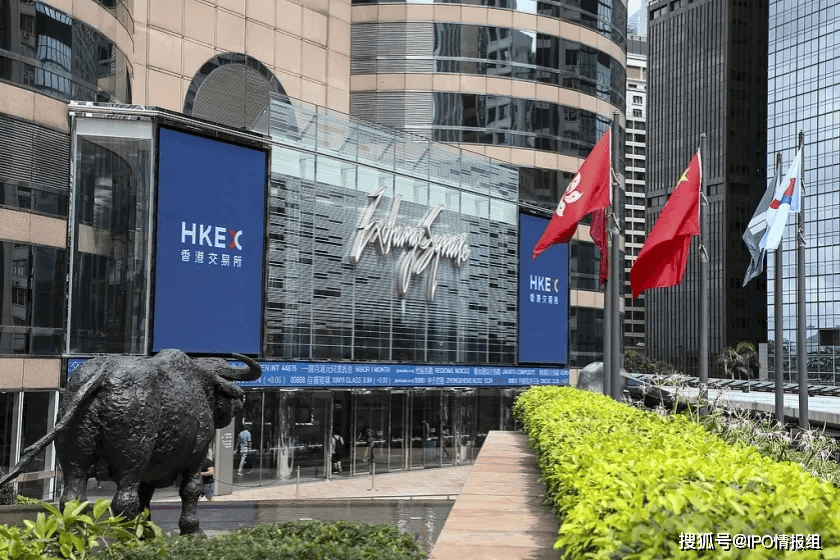
Core Insights - In September, the Hong Kong Stock Exchange (HKEX) saw 10 new IPOs, raising a total of HKD 51.641 billion, representing a quarter-on-quarter increase of 66.67% and a year-on-year increase of 787.24% [1] - Zijin Mining International and Chery Automobile led the fundraising efforts, with total amounts of HKD 28.732 billion and HKD 9.145 billion, respectively [1] - As of October 13, 2025, there are 283 companies queued for IPOs in the Hong Kong market, with 275 on the main board and 11 having passed the hearing [1]
快讯 | 港股IPO月度透视:9月IPO募资超516亿港元
Sou Hu Cai Jing· 2025-10-16 05:59
Core Insights - In September, the Hong Kong Stock Exchange (HKEX) saw 10 new IPOs, raising a total of HKD 51.641 billion, representing a quarter-on-quarter increase of 66.67% and a year-on-year increase of 787.24% [1] - Zijin Mining International and Chery Automobile led the fundraising efforts, with amounts of HKD 28.732 billion and HKD 9.145 billion, respectively [1] - As of October 13, 2025, there are 283 companies queued for IPOs in Hong Kong, with 275 on the main board and 11 having passed the hearing [1]
“港股IPO,至少能火到2026年”
Sou Hu Cai Jing· 2025-10-16 02:23
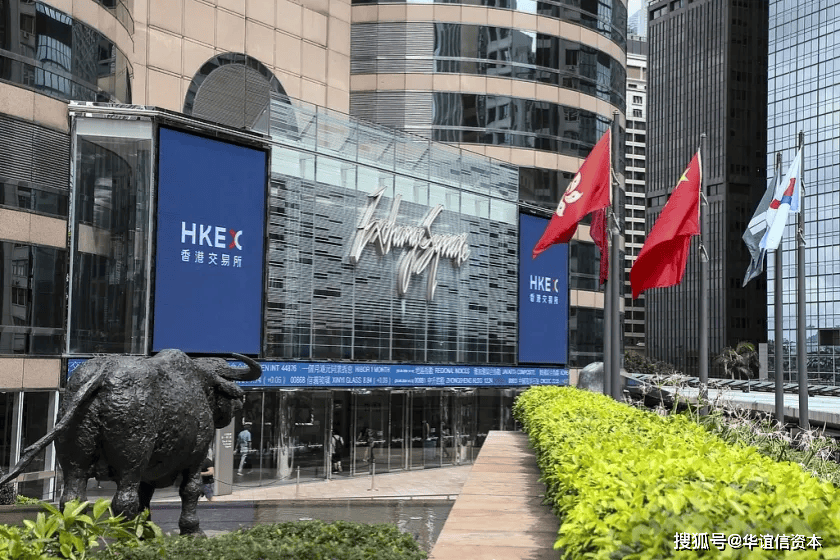
Core Viewpoint - The consensus among investment bankers is that the Hong Kong IPO market will remain strong until at least 2026, driven by a combination of policies, capital influx, and market sentiment [2][4][11]. Group 1: Market Dynamics - As of October 13, 2025, a record 269 companies have submitted IPO applications to the Hong Kong Stock Exchange (HKEX) this year, with June and September being the peak months for submissions [2]. - The sectors with the highest representation in IPO applications since 2025 include information technology, healthcare, industrials, consumer discretionary, materials, and consumer staples [2]. Group 2: Policy Support - The surge in Hong Kong IPOs is attributed to multiple favorable policies introduced in 2025, including the establishment of the "Chapter 18C" for unprofitable tech and biotech firms, and a reduction in listing thresholds for specialized technology companies [5]. - The China Securities Regulatory Commission and the Hong Kong Securities and Futures Commission have streamlined the approval process for A-share companies seeking to list in Hong Kong, enhancing the "dual listing" mechanism [5]. Group 3: Market Efficiency - The average review period for Hong Kong IPOs in the first half of 2025 was 4.2 months, significantly shorter than the 8-12 months typical for A-share listings [6]. Group 4: International Appeal - Hong Kong's unique position as a Special Administrative Region of China provides a blend of internationalization and stability, making it an attractive destination for companies, especially in light of geopolitical tensions [7]. - The high valuation of companies listed in Hong Kong, such as an AI chip company with a price-to-earnings ratio of 45 times, contrasts favorably with similar firms in the A-share market [7]. Group 5: Return of Chinese Companies - Over 20 Chinese concept stocks have completed secondary listings in Hong Kong in 2025, with the market becoming the preferred destination for these companies [9]. - The return of these companies is seen as a valuation recovery, with many investors acknowledging the role of former President Trump in this trend [10]. Group 6: Investment Trends - The influx of capital into the Hong Kong market has been substantial, with over 450 billion HKD net inflow recorded by October 10, 2025, aligning with the sectors seeing the most IPO activity [12]. - A significant portion of private equity and venture capital firms are preparing for Hong Kong listings, indicating the market's operational viability as an exit strategy [13].

市值缩水超300亿!“投影仪第一股”,港股IPO破局
Sou Hu Cai Jing· 2025-10-16 02:01
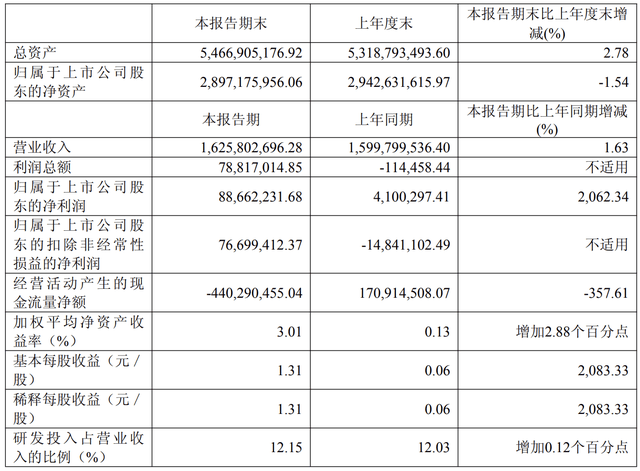
Core Viewpoint - The company, XGIMI Technology, is showing signs of performance recovery with a significant increase in net profit, but the market remains skeptical due to overall industry challenges and competition [1][3][12]. Financial Performance - In the first half of the year, XGIMI achieved revenue of 1.626 billion yuan and a net profit of 88.66 million yuan, with growth rates of 1.63% and 2062.35% respectively [2][12]. - The total assets at the end of the reporting period were approximately 5.467 billion yuan, reflecting a 2.78% increase compared to the previous year [2]. - The company's net profit margin has improved significantly, with a weighted average return on net assets increasing from 0.13% to 3.01% [2]. Market Position and Challenges - Despite being the top player in the projector market for five consecutive years, the overall market is contracting, with negative growth observed in the first half of 2025 [3][12]. - The competitive landscape is intensifying, with a notable shift towards lower-priced projectors, where models priced below 1000 yuan accounted for 54% of sales in 2024 [3][14]. - XGIMI's sales of long-focus projectors, which contribute over 80% of its revenue, declined by 13.64%, leading to a revenue drop of 21.54% in this segment [12][14]. Strategic Initiatives - To counteract market challenges, XGIMI is pursuing an IPO in Hong Kong to enhance its brand image and valuation, which could benefit its actual controller, who holds 18.79% of the shares [5][16]. - The company has seen an increase in overseas revenue, rising from 6% in 2020 to 32% in 2024, with international sales reaching 1.086 billion yuan, a growth of 18.94% [15][16]. - XGIMI is actively launching lower-priced models to compete in the price-sensitive segments of the market, which has impacted its gross margins [14][16].
上市前豪掷2.9亿分红!又一户外品牌闯IPO,年入13亿
Sou Hu Cai Jing· 2025-10-16 00:08
Core Viewpoint - The outdoor market in China continues to attract domestic brands, with local outdoor apparel companies like Tambor actively pursuing capital market opportunities, including an IPO on the Hong Kong Stock Exchange. Financial Performance - Tambor's revenue has shown significant growth, increasing from 732 million RMB in 2022 to 1.302 billion RMB in 2024, with a remarkable 85% year-on-year growth in the first half of 2025 [2][8][10] - However, net profit has been volatile, with figures of 86 million RMB in 2022, 139 million RMB in 2023, and a decline to 107 million RMB in 2024, resulting in a net profit margin decrease from 11.7% in 2022 to 5.5% in the first half of 2025 [10][17] Marketing and Sales Channels - The company has significantly increased its marketing expenses, with sales and distribution costs reaching 508 million RMB in 2024, accounting for 39% of revenue, up nearly 12 percentage points from 2022 [11][12] - Online sales have become a crucial growth driver, with revenue from online channels rising from 226 million RMB in 2022 to 626 million RMB in 2024, representing 48.1% of total revenue [11][12] Inventory Issues - Tambor faces a severe inventory challenge, with inventory value skyrocketing from 257 million RMB at the end of 2023 to 930 million RMB by mid-2025, a 262% increase [13][14] - The inventory turnover days have also worsened, increasing from 242 days in 2023 to 485 days in the first half of 2025, indicating a significant delay in selling products [13][14] Controversial Dividend Distribution - Prior to its IPO, Tambor distributed a substantial dividend of 290 million RMB, which is over eight times the 35 million RMB distributed in 2022, raising concerns about the financial implications of such a large payout [15][17] - This dividend distribution has led to a notable decrease in the company's net assets, dropping from 741 million RMB at the end of 2024 to 487 million RMB by mid-2025 [17][18] Future Plans and Market Sentiment - The company plans to use the funds raised from the IPO for technology research and development, brand building, and network upgrades, but concerns exist regarding the potential use of funds to address short-term liquidity issues due to the recent dividend payout [18][19]

港股IPO火热 新股首日强劲
Sou Hu Cai Jing· 2025-10-15 23:05
Core Viewpoint - The Hong Kong IPO market has shown remarkable performance in the second half of the year, with a significant increase in the number of new listings and a decrease in the proportion of stocks that have fallen below their offering price [1][2]. Group 1: IPO Performance - In the second half of the year, 29 new stocks have been listed in Hong Kong, with only 3 experiencing a drop in price on their first trading day, a significant improvement compared to the first half of the year [1][2]. - The number of new IPOs in the first three quarters reached 66, representing a year-on-year increase of 46.7%, with total fundraising amounting to 1,824 billion HKD, up 228% year-on-year [1]. - The average participation in new stock subscriptions exceeded 100,000 per stock, with 14 out of 15 new stocks attracting over 100,000 participants [1][2]. Group 2: Subscription Trends - There were 15 new stocks with subscription multiples exceeding 1,000 times in the first three quarters, with the highest being 7,558 times for a specific stock [1]. - In October, a new stock, Jin Ye International Group, achieved an extraordinary subscription multiple of 11,500 times [1][2]. Group 3: Regulatory Changes - The Hong Kong Stock Exchange implemented new IPO pricing regulations on August 4, allowing issuers to allocate at least 40% of the shares to institutional investors, enhancing their influence on pricing [2][3]. - The new rules enable issuers to set a public subscription ratio between 10% and 60%, which increases the difficulty for retail investors to secure shares [3].

股东频繁套现,“不差钱”的东鹏饮料急于港股IPO,是融资还是“圈钱”?
Sou Hu Cai Jing· 2025-10-15 10:00
Core Viewpoint - Dongpeng Beverage has re-applied for a mainboard listing on the Hong Kong Stock Exchange after its initial application expired, indicating a strong desire for international capital expansion despite its robust financial performance [2][3]. Group 1: Capital Strategy - Dongpeng Beverage's journey to capital markets has been complex, transitioning from a state-owned enterprise to a private company and then listing on the Shanghai Stock Exchange in 2021, raising 1.85 billion yuan [2]. - The company has previously attempted to list in Switzerland and is now focused on Hong Kong to enhance its international presence [2][3]. - The funds raised from the Hong Kong IPO are intended for expanding overseas operations, improving production capacity, and enhancing brand development [3]. Group 2: Financial Performance - Dongpeng Beverage has shown impressive growth, with revenue increasing from 3.038 billion yuan in 2018 to 15.839 billion yuan in 2024, and net profit rising from 216 million yuan to 3.327 billion yuan during the same period [4]. - In the first half of 2025, the company reported revenue of 10.737 billion yuan, a year-on-year increase of 36.37%, and a net profit of 2.375 billion yuan, up 37.22% [4]. - The company's gross margin has improved from 41.6% in 2022 to 44.4% in the first half of 2025 [4]. Group 3: Marketing and R&D Expenditure - Sales expenses have been increasing significantly, with a compound annual growth rate of 36.01% from 2022 to 2024, reaching 2.681 billion yuan in 2024 and 1.682 billion yuan in the first half of 2025 [5]. - In contrast, R&D spending has been relatively low, with a compound annual growth rate of 19.68%, indicating a potential imbalance in investment focus [6]. Group 4: Product Dependency and Market Challenges - Dongpeng Beverage heavily relies on its energy drink product, which accounted for 96.6% of total revenue in 2022, though this has decreased to 77.9% in the first half of 2025 [7]. - The company has introduced new products to diversify its offerings, with the electrolyte water "Dongpeng Bushi La" showing significant growth, achieving 1.493 billion yuan in sales in the first half of 2025 [7]. - Regulatory changes regarding energy drinks may pose long-term risks to the company's core products [7]. Group 5: Financial Management and Cash Flow - Dongpeng Beverage has engaged in significant cash management activities, investing up to 11 billion yuan in safe, liquid financial products, while also increasing its short-term borrowing by 118.69% to 6.551 billion yuan in 2024 [8]. - The company's net cash flow from operating activities decreased by 23.24% year-on-year in the first half of 2025, raising concerns about cash conversion efficiency [9]. Group 6: Shareholder Actions and Dividends - Major shareholders have realized over 5 billion yuan through share reductions and high cash dividends, with the company distributing a total of 6.6 billion yuan in cash dividends since its IPO [10][11]. - The controlling family has benefited significantly from these capital activities, receiving approximately 4.28 billion yuan from dividends alone [11]. Group 7: Market Position and Future Outlook - Dongpeng Beverage has been a market leader in China's functional beverage sector, with a market share increasing from 15% in 2021 to 26.3% in 2024 [4]. - Despite its high growth trajectory, the company faces challenges such as market saturation, increased competition, and a potential growth ceiling due to its product dependency [12].