赛事经济

Search documents
两座“城”何以吸引世界目光?
Hai Nan Ri Bao· 2025-09-26 01:29
Core Insights - The article highlights the development of Hainan's Boao Lecheng International Medical Tourism Pilot Zone and Wanning Riyue Bay as emerging destinations attracting global attention through innovative healthcare and vibrant sports tourism [1][3][4]. Group 1: Medical Tourism - Boao Lecheng is recognized as China's only "medical special zone," facilitating the introduction of 512 types of international innovative drugs and medical devices, with 21 products accelerated for market entry in China [3][4]. - The zone has seen a significant increase in medical tourism, with visitors rising from approximately 51,000 in 2019 to 413,700 by 2024 [5]. Group 2: Sports Tourism - Wanning is becoming a hub for sports tourism, offering diverse activities such as surfing, diving, and skydiving, contributing to a vibrant tourism atmosphere with events held monthly [3][5]. - The city effectively utilizes sports events to drive tourism, with the upcoming 2025 Wanning Marathon expected to attract over 17,000 participants and generate direct tourism spending of 26.9 million yuan, alongside indirect spending of nearly 30 million yuan [5]. Group 3: Economic Impact - Wanning's tourism sector has shown growth, with 6.67 million visitors recorded from January to August this year, marking a 4.75% increase, and total tourism expenditure reaching 6.34 billion yuan, up 8.35% [6]. - The integration of sports events and tourism experiences is creating a new consumption model, enhancing visitor engagement and extending their stay [5][6].


国庆中秋双节将至,网友期待——新玩法“拉满”体验感
Xin Hua Wang· 2025-09-25 23:37
Core Insights - The upcoming National Day and Mid-Autumn Festival have prompted various regions to launch diverse new consumption scenarios and activities, particularly in cultural tourism, sports economy, and creative consumption, attracting significant public interest [1][7][8]. Group 1: Cultural Tourism Innovations - Chongqing has introduced a unique "Hot Pot Special Train" to enhance holiday consumption, featuring cultural elements and interactive experiences that resonate with local identity [7]. - Beijing plans to host over 2,400 distinctive cultural tourism activities, including a lantern festival and various performances, to celebrate the dual festivals [8]. - Fujian's Wuyishan city has developed a series of cultural tourism products and policies to enhance the autumn travel experience, including night economy events and immersive tea experiences [8]. Group 2: Sports and Events Integration - The 2025 Qilu Football Super League in Shandong has integrated local culture and tourism with sports, creating a platform for diverse economic benefits through events [12][13]. - The "City Super" football invitation tournament in Guiyang aims to convert sports traffic into economic growth by promoting local tourism and business [13]. - Zhejiang's Zhuji city is leveraging a basketball event to create a multi-faceted market platform, combining sports, culture, and local products to stimulate consumption [13]. Group 3: Creative Consumption Trends - The National Library's commercial store in Beijing has successfully blended traditional culture with modern consumer products, attracting significant interest from the public [16]. - The city of Pinghu has gained attention for its unique watermelon lanterns, showcasing local culture and creativity, which has become a popular attraction [16][17]. - The integration of AR technology in cultural events in Pinghu demonstrates a successful fusion of local history and modern technology, enhancing visitor engagement [17].
新玩法“拉满”体验感
Ren Min Ri Bao Hai Wai Ban· 2025-09-25 22:31
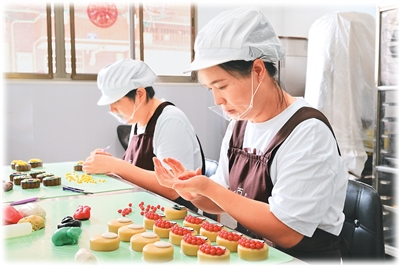
Core Insights - The upcoming National Day and Mid-Autumn Festival have prompted various regions in China to launch diverse new consumption scenarios and activities, particularly in cultural tourism, sports events, and creative consumption, attracting significant public interest [4][10][15] Group 1: Cultural Tourism and Events - Huangshan's Xidi Ancient Village in Anhui is hosting a creative autumn sun-drying event to enhance cultural tourism integration [2] - In Beijing, over 2,400 unique cultural tourism activities will be launched under the theme "Jingcai Qiu Yun Double Festival Celebration," including a lantern festival and performances at the Great Wall [6] - Fujian's Wuyishan is introducing a series of cultural tourism products and policies to enhance the autumn travel experience, including a food carnival and tea-related events [6] Group 2: Innovative Consumption Models - Chongqing has introduced a "Hot Pot Special Train" to celebrate the holidays, showcasing local culture and enhancing the festive atmosphere [5] - The "Ru Super" football league in Shandong integrates sports with local culture and tourism, offering unique travel routes and local product exhibitions [10][11] - Zhejiang's Zhuji is hosting a "Common Prosperity Market" that combines sports, tourism, and local products, promoting consumption growth across various sectors [12] Group 3: Creative Consumption - The National Library's first commercial store in Beijing has successfully blended traditional culture with modern consumer products, attracting significant interest [15] - The city of Pinghu in Zhejiang is gaining attention for its unique watermelon lanterns, which symbolize local culture and community spirit [16] - The integration of AR technology in cultural events in Pinghu showcases the fusion of historical culture with modern technology, enhancing visitor engagement [16]
“购在中国·四川站”暨第四届中国(四川)国际熊猫消费节启幕,这个秋天邀您共享“美好生活”
Sou Hu Cai Jing· 2025-09-25 14:50
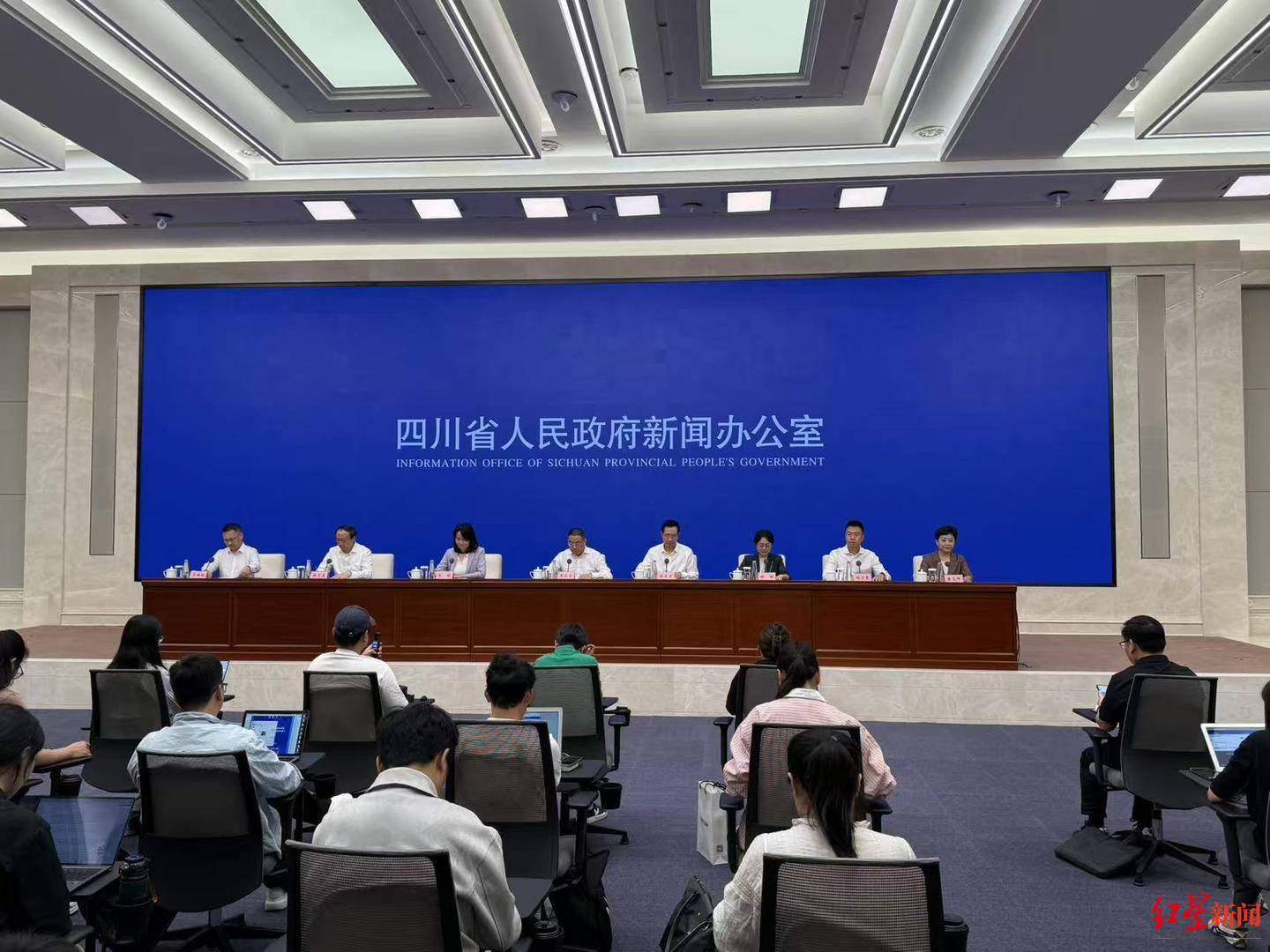
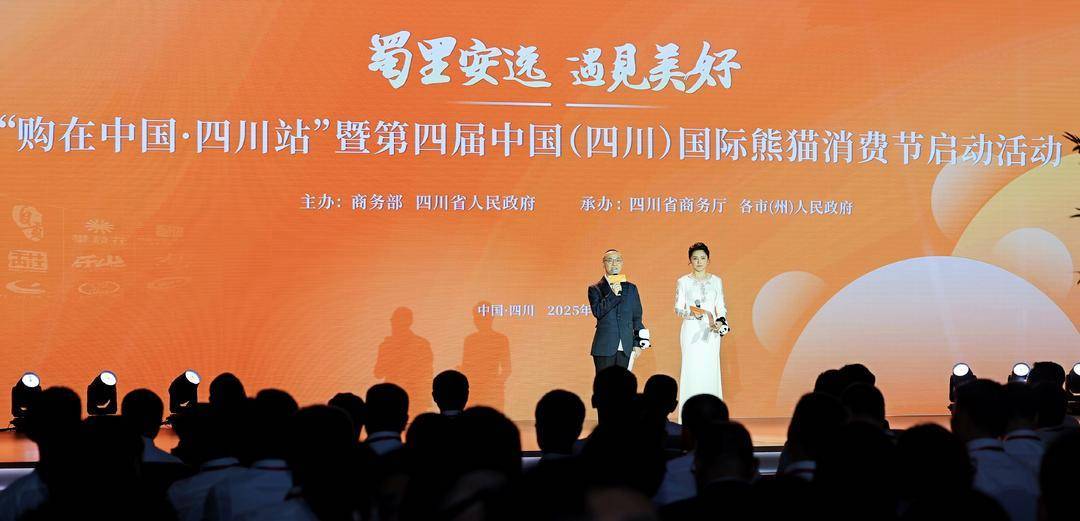
"蜀里安逸"哪里安逸?奉上官方消费场景指南 封面新闻记者 易弋力 9月25日晚,由商务部和四川省人民政府共同主办,四川省商务厅与各市(州)人民政府承办的"购在中国·四川站"暨第四届中国(四川)国际熊猫消费节 在成都盛大启幕。 本次熊猫消费节以"蜀里安逸·遇见美好"为主题,在成都市设立主会场、举办启动活动,在宜宾市、达州市设立分会场,构建形成举办1场启动活动,集中 开展12个标杆IP活动,在全省范围全面铺开促消费配套活动的"1+12+N"的梯度活动框架。消费节聚焦"首发经济、夜间经济、假日经济、银发经济、赛事 经济"等,突出国际化、品质化、绿色化导向,让国内外消费者更好感受四川消费市场的蓬勃活力。活动将从9月25日持续至11月30日。 川渝联手发布"夜生活图鉴",点亮不眠夜 启动活动上,四川省商务厅发布了40个2025年"蜀里安逸"消费新场景,涵盖"潮品乐购""不夜天府""味美四川""乐游蜀地""悦动健康"五大类别,包括成都 SKP、宜宾E·PARK宜公园、达州花仙谷等具有代表性的消费场景,为消费者献上一份兼具引领性与实用性的"消费打卡地图"。 如果您正在为国庆、中秋去哪游玩而发愁,欢迎在"蜀里安逸"消费新场景 ...
“全域宠粉”为球迷提供多元消费场景 赛事经济燃动消费“新”热力
Yang Shi Wang· 2025-09-25 07:17
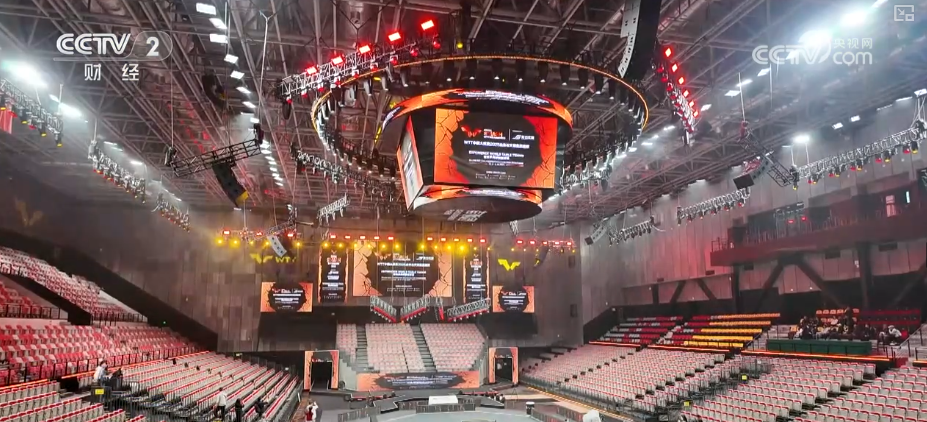
央视网消息:2025年WTT中国大满贯将于9月25日至10月5日在北京举行。比赛期间,WTT大满贯公园将同步开放,800多家商户专 属优惠同步上线,为球迷提供多元化的消费场景。 WTT中国大满贯赛事主场馆"八极场"由首钢冰球馆改造而成。相比2024年,主场馆"八极场"对灯光舞美系统进行了全面升级,还配 备了全新的沉浸式环绕音响,将为观众带来更优质的观赛视听体验。 北京市石景山区2025年还推出了"全域宠粉行动",球迷凭赛事票根可享受京津冀800余家商户的专属折扣优惠,在交通、住宿等方面 也可享受定制化服务保障。 WTT中国大满贯赛事将于9月25日至27日率先展开资格赛较量,9月28日赛事将进入正赛阶段。 同时,场馆内的观众坐席已升级为四面台布局,相较2024年的三面台,座位数量增加10%,能让更多观众走进场馆,近距离欣赏这 场顶级乒乓赛事。 ...
石景山区领导检查WTT中国大满贯筹备情况
Bei Jing Ri Bao Ke Hu Duan· 2025-09-23 13:58
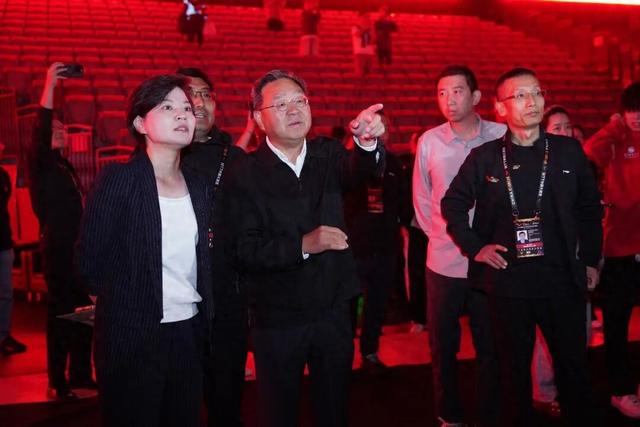
转自:北京日报客户端 9月23日,区委书记常卫检查WTT中国大满贯筹备情况。 常卫一行先后来到首钢滑雪大跳台南广场、首钢冰球馆和秀池智选假日酒店,了解大满贯公园整体布 设、八极场赛事运行、酒店住宿就餐等情况。 常卫指出,WTT中国大满贯是继服贸会之后在我区举办的又一国际重大活动,恰逢中秋国庆假期。要 高度重视,落实落细各项筹备工作,做优做好各项服务保障,丰富赛事周边活动内容和商业业态,不断 擦亮"北京服务""石景山服务""首钢服务"品牌,确保本次WTT赛事精彩、圆满举办。 来源:北京石景山微信公众号 作者: 廉栋 封翔 靳晶 常卫强调,要全力以赴做好赛事筹备各方面工作。抓好赛事经济,加强比赛场馆与大满贯公园和永定河 集联动,实现以赛事引流带动区域消费提升,助力区域发展再上新台阶。抓好交通保障,结合赛事观众 流量,完善安检查验和交通疏导管控,优化导行标识、流线设计,方便观众有序顺畅通行。抓好城市运 行,坚持以赛事为中心,强化城市精细化管理,全面做好水、电、气、通信等城市"生命线"服务保障。 抓好接待服务,细化完善接待服务工作方案,展现我区专业化接待服务水平。抓好食品安全,紧盯采 购、加工、备餐等关键环节,加强安 ...
明星车手齐聚CTCC 力盛体育助力赛车运动破圈
Zheng Quan Ri Bao Wang· 2025-09-23 03:41
Group 1 - The 2025 CTCC China Automobile Circuit Professional League was successfully held in Shanghai, featuring four major racing events and attracting over 40,000 spectators [1] - The event included participation from celebrity drivers, enhancing the visibility and appeal of motorsport [1] - The "ticket root economy" model was implemented, promoting tourism alongside the racing experience, allowing fans to explore local attractions [1] Group 2 - Lisheng Sports has developed various public events like the Lisheng Super Track Festival, creating a "festival for car enthusiasts" [2] - The company has a strong focus on the sports industry, particularly in motorsports, and has operated 55 sports events in the first half of the year, generating revenue of 192 million yuan, a 30.20% increase year-on-year [2] - Lisheng Sports holds exclusive operational promotion qualifications for multiple top-tier events, establishing a multi-level ecological matrix in the sports event industry [2]

第四届中国(四川)国际熊猫消费节25日启幕 购在中国 蜀里安逸
Si Chuan Ri Bao· 2025-09-23 00:16
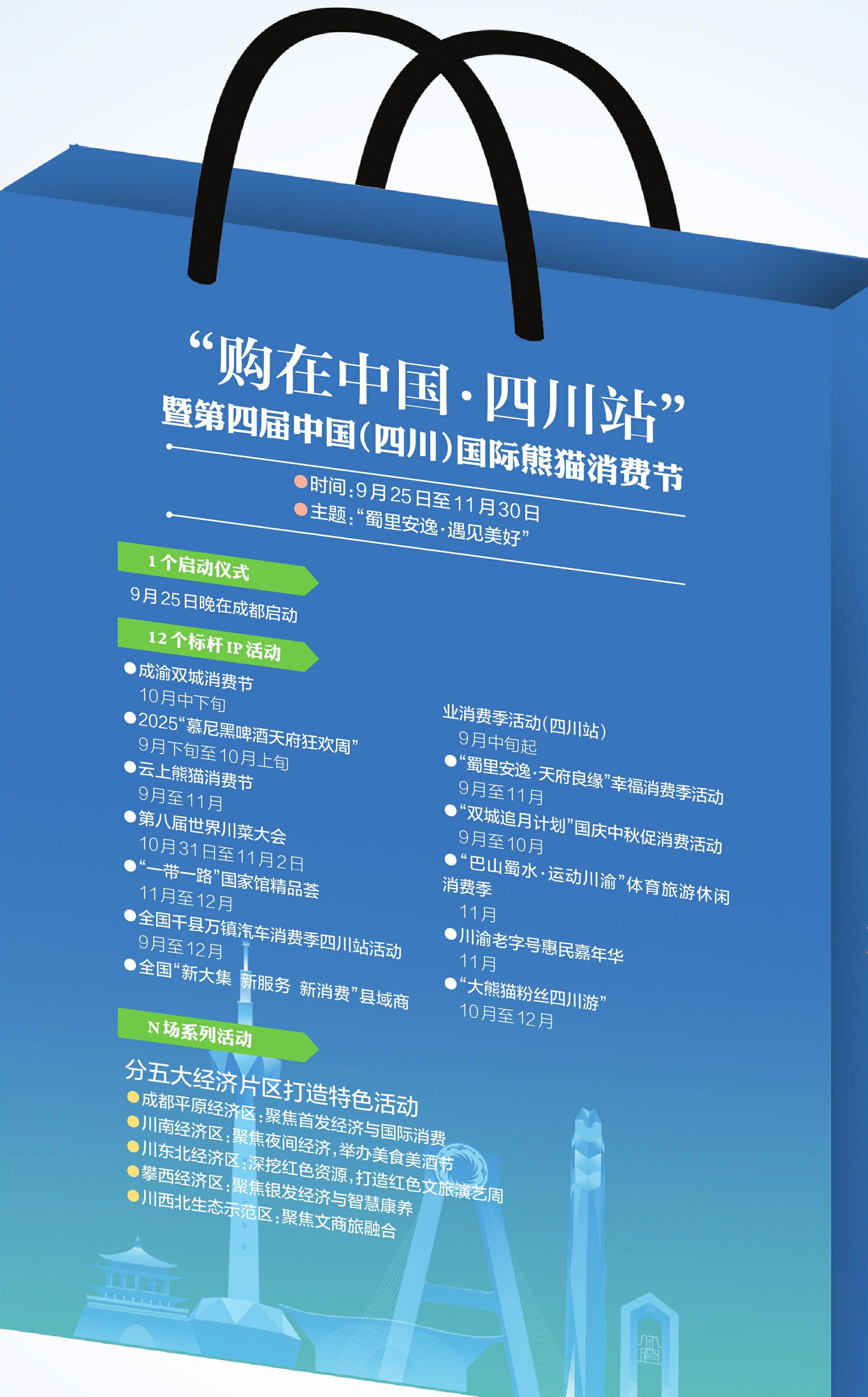
Core Viewpoint - The "Buy in China · Sichuan Station" and the Fourth China (Sichuan) International Panda Consumption Festival will take place from September 25 to November 30, featuring a variety of international and local activities aimed at boosting consumer spending and enhancing the shopping experience in Sichuan [4][10]. Group 1: Event Overview - The festival will include a main venue in Chengdu and sub-venues in Yibin and Dazhou, with a total framework of "1+12+N" activities [4][10]. - The event will feature 12 flagship IP activities focusing on various economic sectors, including the Chengdu-Chongqing Twin City Consumption Festival and the Eighth World Sichuan Cuisine Conference [4][5]. Group 2: Economic Focus Areas - Five major economic zones will host unique activities: - Chengdu Plain Economic Zone will focus on international consumption and launch events like the Import Carnival [5]. - Southern Sichuan Economic Zone will emphasize nighttime economy with food and wine festivals [6]. - Northeastern Sichuan Economic Zone will explore red tourism and cultural performances [7]. - Panzhihua Economic Zone will target the silver economy and wellness tourism [8]. - Northwestern Sichuan Ecological Demonstration Zone will integrate culture and commerce [9]. Group 3: Consumer Incentives - A total of 400 million yuan in "Shu Li An Yi" consumption vouchers will be distributed, with additional promotional activities expected to exceed 1 billion yuan in benefits for consumers [10][11]. - The festival will introduce the "Most Beautiful Sichuan West Scenic Road" self-driving travel package, along with wedding and vacation routes to attract tourists [4][10]. Group 4: Cultural and Tourism Activities - Over 1,300 cultural and tourism activities will be organized, including 50 major international and domestic events [15][17]. - The festival will feature more than 100 unique exhibitions across various cultural venues, enhancing the overall visitor experience [16]. Group 5: Sports and Entertainment Integration - Major sporting events, including the NBA Celebrity Game and the League of Legends World Championship finals, will be held in Chengdu, aiming to drive consumer engagement through sports [18]. - The integration of sports events with local consumption will be emphasized, with special packages for fans and promotional activities in major commercial areas [14][17].
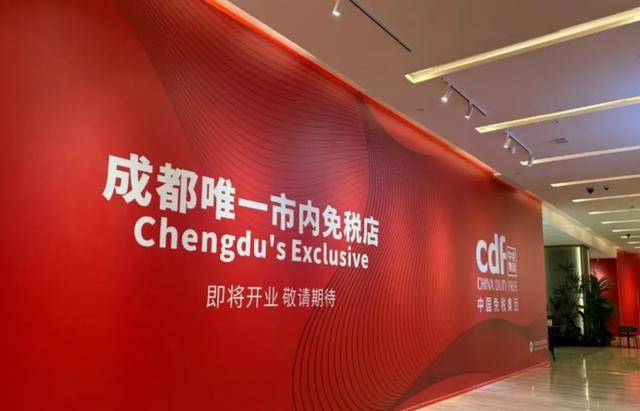
信息量巨大!四川4亿元消费券、成都市内免税店要来了
Sou Hu Cai Jing· 2025-09-22 16:04
Core Points - The "Purchase in China · Sichuan Station" and the Fourth China (Sichuan) International Panda Consumption Festival will be held from September 25 to November 30, with the theme "Comfort in Shu, Encountering Beauty" [1] - The event aims to stimulate new consumption, expand quality consumption, and attract inbound consumption, with a framework of "1+12+N" activities [1][4] - A total of 400 million yuan will be allocated for consumption vouchers during the festival, with a total benefit exceeding 1 billion yuan for consumers [2][5] Group 1 - The festival will feature a main venue in Chengdu and sub-venues in Yibin and Dazhou, along with a series of supporting activities across other cities [1] - The event will include the launch of the "Most Beautiful Western Sichuan Scenic Road" self-driving consumption package, targeting consumers traveling along National Highway 318 [2] - The festival will promote diverse consumption scenarios, integrating retail, dining, technology, and fitness, to create a vibrant consumption atmosphere [3] Group 2 - The festival will kick off with a launch ceremony on September 25, showcasing new consumption vitality from Chengdu, Yibin, and Dazhou [4] - Twelve benchmark IP activities will be held, focusing on night economy, event economy, and internationalization, including the Chengdu-Chongqing Consumption Festival and the Eighth World Sichuan Cuisine Conference [4] - Various themed activities will be organized across five economic regions, each highlighting local characteristics and cultural connotations [4] Group 3 - The festival aims to enhance the quality of consumer offerings, launching initiatives like the "Hundred Products Thousand Stores" plan to promote local culture and small businesses [5] - The province is accelerating the implementation of tax refund policies for outbound tourists, aiming for coverage in 21 cities and states, with a 190% increase in tax refund sales [6][8] - The Fourth International Panda Consumption Festival will emphasize international, quality, and green elements, aiming to create a premier shopping destination [8]
这个秋天,四川“好买、好耍、好安逸”!第四届中国(四川)国际熊猫消费节即将启动
Sou Hu Cai Jing· 2025-09-22 13:10
Core Viewpoint - The "Buy in China · Sichuan Station" and the Fourth China (Sichuan) International Panda Consumption Festival will take place from September 25 to November 30, aiming to stimulate new consumption and meet consumer demand in Sichuan [1][3]. Event Framework - The event is structured around a "1+12+N" framework, featuring one main launch ceremony, twelve benchmark IP activities, and numerous series of local events [3][4]. - The main launch ceremony will occur on the evening of September 25 in Chengdu, showcasing new consumption vitality and releasing the "Shu Li An Yi" consumption scenarios for 2025 [3][6]. Benchmark Activities - Twelve benchmark IP activities will focus on various economic themes, including night economy and international consumption, with events like the Chengdu-Chongqing Consumption Festival and the Eighth World Sichuan Cuisine Conference [3][4]. Regional Focus - Different economic regions will host tailored activities: - Chengdu Plain Economic Zone will emphasize international consumption and host events like the Import Carnival [4]. - Southern Sichuan will focus on night economy with food and wine festivals [5]. - Northeastern Sichuan will promote red tourism and local products [5]. - Western Sichuan will integrate cultural and commercial tourism [5]. Financial Incentives - A total of 400 million yuan will be allocated for issuing consumption vouchers, with an expected benefit exceeding 1 billion yuan for consumers through various promotional activities [6][7]. Diverse Consumption Scenarios - The festival will feature over 120 new consumption scenarios, promoting a variety of sectors including retail, dining, and technology [7]. - Initiatives like the "Hundred Products Thousand Stores" plan will enhance local small businesses, fostering a vibrant consumer atmosphere [7].