
营商环境优化

Search documents
上海优化营商环境“9.0”:从一项行动,到一种文明
Xin Lang Cai Jing· 2026-01-04 05:31
Core Viewpoint - Shanghai has introduced the "9.0" version of its action plan for optimizing the business environment, emphasizing a deeper level of iterative upgrades and cultural integration in its approach to creating a world-class business environment [3][5][6]. Group 1: Action Plan Overview - The "9.0" action plan consists of 26 measures organized into four main areas: government services, market competition, industrial ecology, and social governance, highlighting a comprehensive approach to improving the business environment [5][6]. - The plan emphasizes the importance of fostering a culture that respects business and promotes open innovation, aiming to create a supportive social atmosphere for enterprises [5][14]. Group 2: Fairness and Market Competition - A key focus of the "9.0" plan is to establish a fair and just market competition environment, with specific measures to strengthen competition reviews, regulate monopolistic behaviors, and prevent malicious low-bid practices [7][8]. - The plan aims to ensure that all market participants, regardless of size, are treated equally, promoting a stable and predictable competitive environment [8][9]. Group 3: Mechanism and Ecosystem - The "9.0" plan highlights the importance of a good ecosystem, which is derived from effective mechanisms that facilitate government-market relations and internal government processes [10][11]. - The plan includes initiatives to enhance collaboration between different government departments and improve the granularity of policies to reduce bureaucratic flexibility and promote a better market environment [12][13]. Group 4: Details and Cultural Integration - The "9.0" plan emphasizes the significance of details in optimizing the business environment, requiring professionalism and proactive engagement from all levels of government [13][14]. - The integration of cultural elements into the business environment optimization process is seen as essential, with attention to social and public service aspects that contribute to a vibrant and innovative urban atmosphere [14][15].


《企业名称申报指引(2025年版)》的制定背景是什么?主要内容有哪些?解读来了
Yang Shi Wang· 2026-01-04 03:45
Core Viewpoint - The article discusses the implementation of the "Enterprise Name Declaration Guidelines (2025 Edition)" aimed at standardizing enterprise name declaration processes, enhancing administrative efficiency, and protecting legal rights of enterprises in China [1][3]. Group 1: Background and Purpose of the Guidelines - The guidelines were developed to address issues of inconsistent standards and unclear rules in enterprise name declarations, facilitating better service for businesses and the public [3]. - The establishment of a self-declaration system for enterprise names is part of broader reforms to optimize the business environment and has received positive feedback from stakeholders [1][3]. Group 2: Main Considerations in Developing the Guidelines - The guidelines aim to promote a unified national market by standardizing enterprise name registration rules and enhancing the management of the entire registration process [3][4]. - They also seek to improve the level of lawful administration by providing clear reference standards for common issues encountered during name declaration [4]. - The guidelines are designed to enhance government service efficiency by clarifying requirements and helping businesses understand and comply with regulations [4]. Group 3: Key Contents of the Guidelines - The guidelines apply to the declaration of names for enterprises and can be referenced by individual businesses and agricultural cooperatives [5]. - They detail the name declaration process, including preparation, submission methods, and name retention rules [5][6]. - The guidelines specify general rules for name composition, including the use of standard Chinese characters and the arrangement of elements [6]. - They outline the comparison rules for similar names and provide warnings about potential risks associated with name similarity [6]. - Key issues in name declaration are highlighted, including prohibitive regulations and the obligation to respect prior rights [6]. - The guidelines clarify that they serve as general reference and do not impose mandatory requirements [6]. Group 4: Expected Outcomes of the Guidelines - The guidelines are anticipated to enhance the convenience of name declarations and improve registration efficiency [7]. - They aim to standardize market order by preventing unfair practices and maintaining fair competition [7]. - The guidelines are expected to strengthen rights protection and reduce infringement disputes while guiding enterprises to respect existing rights [7]. - They will contribute to optimizing the business environment by lowering institutional transaction costs for enterprises [7]. Group 5: Implementation Strategies for the Guidelines - The regulatory authority plans to enhance publicity and training to improve service levels and assist enterprises in the name declaration process [8]. - There will be an emphasis on optimizing system functionalities to improve user experience and satisfaction [8]. - The guidelines will be dynamically adjusted based on legal revisions and practical experiences to ensure they remain relevant [8].
上海新年第一会“抢跑”营商环境,出海、反内卷等今年要突破
Di Yi Cai Jing· 2026-01-04 02:59
Core Viewpoint - The Shanghai government is prioritizing the optimization of the business environment by launching the "Action Plan for Accelerating the Creation of a World-Class Business Environment in Shanghai (2026)" during the first working day of the new year, marking a shift from previous years' timing [1] Group 1: Business Environment Improvement - Shanghai has maintained 22 indicators of its business environment at a global best level, surpassing cities like Singapore, New York, London, and Hong Kong as of December 2025 [2] - The 2026 action plan introduces 26 measures across four major environments: government service, market competition, industrial ecology, and social governance, focusing on efficiency, fairness, adaptability, and collaboration [2][3] - The plan emphasizes the need for transparency in new business models and regulatory efficiency, addressing concerns from enterprises about going global and platform economy regulation [1][3] Group 2: Policy Implementation and Accessibility - The 2026 action plan aims to implement a "no application, direct enjoyment" policy for inclusive measures, allowing businesses to receive funds without the need for applications, thus reducing administrative burdens [6][7] - By the end of November 2025, 643 policy projects had achieved "no application, direct enjoyment," serving over 611 million instances for businesses [7] - The plan aims to enhance the efficiency of policy implementation, with nearly 90% of "direct enjoyment" projects ensuring rapid fund disbursement within 24 hours [8] Group 3: Fair Competition and Regulatory Measures - The action plan includes eight measures to promote fair competition, optimize regulatory checks, protect intellectual property, and combat malicious reporting practices [10][11] - It aims to strengthen oversight against monopolistic and unfair competition behaviors, enhance platform governance, and regulate malicious bidding practices [10][12] - The plan also addresses the need to clear overdue payments to businesses, with a focus on ensuring zero arrears from government entities [12] Group 4: Support for Internationalization and Data Management - The action plan emphasizes enhancing support for businesses going global, including establishing a comprehensive service platform for international operations and improving legal services for overseas investments [13][14] - Shanghai is implementing a negative list for data export security management, which will be expanded citywide in 2026, aiming to balance compliance costs with business development [15]
上海“营商环境8.0版”发布一年,我们调研了企业获得感最强的八项
Sou Hu Cai Jing· 2026-01-04 02:55
Core Viewpoint - Shanghai is set to release the 9.0 version of its business environment optimization action plan, following the successful completion of the 8.0 version, which included 58 initiatives aimed at improving the business climate in the city [1][2]. Group 1: Business Environment Optimization - The 8.0 action plan was launched in 2025 and successfully completed all 58 initiatives by the end of last year [2]. - Shanghai maintained the top global ranking in 22 business environment evaluation metrics according to World Bank data [2]. - The "no application required" policy allows companies to quickly access benefits without the need for extensive paperwork, significantly reducing administrative burdens [3][4]. Group 2: Service Improvements - By November 30 of last year, 643 policy projects had implemented the "no application required" service, benefiting over 6.11 million enterprises [5]. - The "smart handling" service simplifies the approval process by reducing unnecessary expert reviews and streamlining evaluation standards, leading to faster service delivery [5]. - Shanghai's power supply reliability metrics, including zero power outages, highlight the city's advanced service levels in electricity access [5]. Group 3: Intellectual Property Protection - In 2025, Shanghai's police arrested 32 individuals and seized over 10,200 counterfeit products, with the total value exceeding 45 million yuan, as part of ongoing efforts to combat intellectual property crimes [9]. - The city has launched a series of special actions to protect intellectual property, successfully resolving nearly 600 cases of infringement [24]. Group 4: Regulatory Reductions - The introduction of the AEO (Authorized Economic Operator) list aims to reduce inspections for companies with good credit ratings, thereby minimizing operational disruptions [12]. - By November 2025, the number of inspections had decreased by over 40%, with a 99.8% approval rating from businesses regarding administrative checks [12][25]. Group 5: Employment Services - Shanghai established 506 community employment service stations in 2025, providing tailored solutions for 2,959 key enterprises and addressing over 12,000 employment needs [14][28]. - The "15-minute employment service circle" initiative enhances job matching and support services at the community level [13]. Group 6: Online Environment and Anti-fraud Measures - The "Clear and Bright Pujiang" campaign was launched to combat online fraud and misinformation affecting businesses, resulting in the removal of over 430,000 pieces of infringing information [29]. - The initiative also led to the closure of accounts involved in extortion, with significant actions taken against offenders [18]. Group 7: Social Security Integration - The establishment of over 2,100 "social security and banking" service points aims to enhance the accessibility of social security services across communities [19][20]. - The first social security-themed bank in Shanghai was launched to streamline service delivery, allowing users to access various social security functions easily [20].

从“答好题”到“树标杆”——上海淬炼国际一流营商环境赋能高质量发展
Xin Hua Wang· 2026-01-04 02:45
Core Viewpoint - The new version of the Shanghai Business Environment Optimization Regulations, effective January 1, 2026, represents a significant step in enhancing the business environment in Shanghai, aiming to support the city's development as a global financial and innovation hub [1][14]. Group 1: Business Environment Improvements - The Shanghai business environment has evolved from "point breakthroughs" to "ecological construction," focusing on market-oriented, legal, and international standards to enhance the experience of enterprises [3][4]. - By the end of 2025, all 58 tasks of the 8.0 version of the Shanghai Business Environment Optimization Plan were implemented, with 22 indicators achieving global best levels according to World Bank assessments [4]. - Key initiatives include the launch of a unified planning resource system, a "five-in-one" construction acceptance process, and significant reductions in customs clearance times for medical devices [4][11]. Group 2: Support for Innovation and Technology - Shanghai has seen a surge in technology companies, with notable IPOs such as Muxi Co., which focuses on high-performance GPU chips, and the establishment of a supportive policy framework for high-growth enterprises [9][10]. - The Shanghai government has created a "tropical rainforest" innovation ecosystem, fostering collaboration among leading AI companies and enhancing the overall technological landscape [10]. - The establishment of three major industry mother funds, totaling approximately 89 billion yuan, aims to support sectors like integrated circuits, biomedicine, and artificial intelligence [10]. Group 3: Financial Sector Developments - The approval of foreign asset management companies, such as AIA and Hualian, marks a significant advancement in Shanghai's financial sector, reflecting the city's commitment to high-level financial openness [14]. - The Shanghai Financial Regulatory Bureau's rapid approval process exemplifies the city's efficiency in enhancing its financial ecosystem [14]. Group 4: Systematic and Inclusive Growth - The focus on creating a friendly and adaptable industrial ecosystem is a key action in Shanghai's new round of business environment construction, emphasizing long-term commitment and human-centered design [5][11]. - The city has implemented measures to ensure that small and medium-sized enterprises (SMEs) can thrive, including seamless financing solutions and regulatory support [11][16].
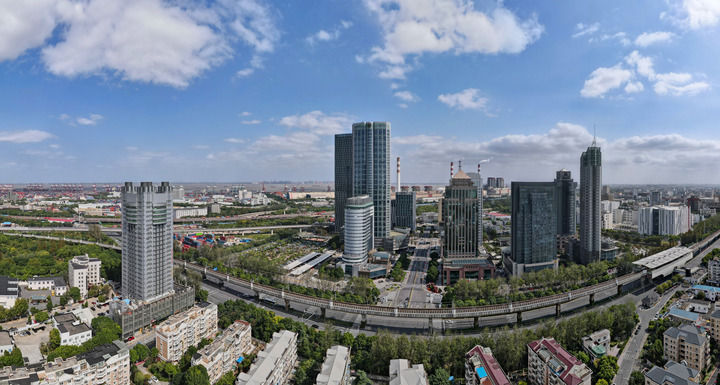
优化营商环境大会首次“提前”至新年第一个工作日 让各类企业扎根沃土共同生长 一年一更新 上海营商环境多维升级
Jie Fang Ri Bao· 2026-01-04 01:41
Core Insights - Shanghai is prioritizing the optimization of its business environment, with a new annual conference scheduled for January 4, 2026, to expedite the implementation of initiatives aimed at improving the business climate [1] - The city has introduced eight versions of action plans since 2018, resulting in over 1,200 measures to enhance the business environment, leading to significant improvements in global rankings [1][3] - The upcoming 2026 Action Plan will focus on deeper, more specialized, and broader aspects of the business environment, including fair competition, industry ecology, and grassroots engagement [2][6][9] Group 1: Business Environment Optimization - Shanghai has achieved notable success in its business environment, with 22 out of 59 evaluation points reaching global best levels, surpassing cities like Singapore and New York [1] - The city has nearly 3 million registered enterprises, equating to 119 enterprises per 1,000 people, maintaining its position as the leader in the country [1] - The 2026 Action Plan will include 26 measures across four key areas: government services, market competition, industry ecology, and social governance [3][4] Group 2: Fair Competition and Intellectual Property Protection - A significant focus will be on enhancing fair competition, with measures to combat intellectual property infringement, as demonstrated by a recent high-profile case involving 1.1 billion yuan in damages [3][4] - The plan aims to refine existing measures, such as the "inspection code" system and regulations on profit-driven whistleblowing, to better protect enterprises' rights [4][5] Group 3: Industry Ecology - The concept of "industry ecology" is introduced as a standalone section in the 2026 Action Plan, emphasizing tailored support for different industries [6][7] - The plan will promote the establishment of specialized parks and communities to foster innovation and entrepreneurship, particularly in high-tech sectors [6][7] - A new mobile financing service platform, "Sui Shen Rong," will be launched to assist small and medium-sized enterprises with integrated policy support and funding options [8] Group 4: Grassroots Engagement - The "grassroots business" concept aims to address local business needs more effectively, with mechanisms in place for local governments to respond to enterprise demands [9][10] - The plan emphasizes collaboration with various grassroots entities, including business associations and educational institutions, to enhance communication and support for small and micro enterprises [10][11] - The focus on grassroots engagement reflects a shift in strategy to ensure that both large and small enterprises can thrive within the business ecosystem [11]
打造营商环境最佳口碑省,辽宁需要“代表作”
Xin Lang Cai Jing· 2026-01-03 10:00
2026年第一个工作日,辽宁将召开优化营商环境大会。新年第一会聚焦营商环境,辽宁"打造市场化法 治化国际化一流营商环境,短期内实现明显好转、根本好转,全力打造营商环境最佳口碑省"的决心显 而易见。 在辽宁,营商环境建设从来不是一个新话题,各种方案文件出台不少,但必须清醒认识到,营商环境的 优劣最终要靠实效说话,政策举措的价值终究要由市场主体的获得感来检验。辽宁打造一流营商环境, 需要一批"代表作",市场需要在这些"代表作"里感知变化、改善预期。 所谓营商环境"代表作",本质上是支持服务市场主体的具体案例和生动故事。它不是空洞的口号,也不 是抽象的数据,而是能让市场主体直观看到、真切体会到的成果——可以是企业发展困境被精准破解的 过程,可以是政务服务效率大幅提升的体验,也可以是公平竞争环境得到保障的案例。 "代表作"应该是对企业全生命周期的有效服务,需要精准对接。再好的政策若不能精准触达企业,也只 是纸上谈兵。领导干部进企业,是实现精准对接的好办法。2025年,辽宁出台省级领导联系企业制度帮 助协调解决问题,截至11月底,全省省级领导共联系企业280家,收集诉求1260条,解决率达92%,企 业满意度95%以上 ...
人气街区,如何让商户暖心又省心?|出发,2026
Xin Lang Cai Jing· 2026-01-02 23:47
【编者按】 我们总是在路上,出发,抵达,再次出发。 前方有风景,心中有期盼——这也是出发最为动人的理由。 2026年,我们与你一同出发,迈出有力的步伐,拥抱火热的生活,感受跃动的脉搏。 新一年,看上海。 每到周末和节假日,上海茂名北路便切换为限时步行街。人潮从南京西路、吴江路一路蔓延至张园、丰 盛里,国际品牌、网红店铺与快闪活动在此交织,宛如一个城市秀场。 撑起这片繁华热闹的,有一家家商户,还有一套高效有温度的政务服务系统。从门店开业筹备到日常运 营,从外摆位管理到夜经济激活,政府与物业的主动服务和精准支持贯穿始终,不少商户感受到,在上 海做生意既省心又暖心。 一家2025年在丰盛里开业的新疆菜餐厅负责人表示,街区活力吸引了门店入驻,而精细高效的政务与物 业服务让他们坚定了留下的信心。她说:"我感觉到,他们(政府部门和物业)对商户既有管理,又充 满了上海市井的人情味。" 2025年6 2025年9月,游牧Bistro小酒馆by耶里夏丽(以下简称"游牧")在丰盛里开业。这家将草原毡房搬进石库 门里弄的新疆菜餐厅,选择走出商场、落地街边,正是看中了丰盛里年轻、潮流与国际化的氛围。 由于门店位于石库门巷弄内,开业初 ...
对标国际一流,推动沈阳市营商环境持续优化
Xin Lang Cai Jing· 2026-01-02 22:39
日前,市营商局党组书记、局长李艳露在接受本报记者专访时表示,市营商局将认真贯彻落实市委经济 工作会议精神,按照市委、市政府关于"对标国际一流,持续优化营商环境"的工作部署要求,与各地 区、各有关部门一道,坚持把优化营商环境作为生命线,紧盯在全国副省级城市中名列前茅的目标,系 统谋划、综合施策、强力推进,着力解决营商环境中的突出问题,打造市场化、法治化、国际化一流营 商环境。 坚持系统思维,强化体系引领作用。健全完善营商环境"十五五"规划,深度谋划各重点领域、关键环节 改革任务。开展营商环境建设对标改革提升行动,做到营商环境在全国副省级城市中名列前茅。持续开 展"亲清会客厅"、营商环境体验监督等活动,畅通政企沟通服务渠道,听真话、解难题、聚合力,以精 准服务护航企业发展,营造"尊商重商亲商爱商"浓厚氛围。 深化政务服务改革,提升行政审批效能。认真贯彻落实关于优化政务服务、提升行政效能的决策部署, 推动政务服务数字化转型,加快人工智能应用,在全国率先推出一批"一件事""一类事"首创场景,线上 客服实现1分钟响应,平均申报时间压缩至20分钟以内,"数字员工"替代率达到30%。落实"高效办成一 件事",深化"只提交一 ...
创新开放 活力涌动
Xin Lang Cai Jing· 2026-01-02 18:29
Group 1 - In 2024, the foreign trade import and export volume of the Twelve Division increased by 215% year-on-year, with continued high growth expected in 2025 [1] - The Xinjiang Free Trade Zone is not merely focused on trade but aims to deeply cultivate its advantageous industries [1] - The Fourth Division is building a modern industrial system characterized by silicon-based aluminum, agricultural and mineral processing, and modern services, with significant contributions from leading enterprises [1] Group 2 - The total industrial output value of the Fourth Division reached 3.26 billion yuan from January to November 2025, representing a 20% year-on-year growth, while the total import and export volume increased by 48% [1] - As of October 2025, the Xinjiang Free Trade Zone's contribution to the total import and export volume of the Corps was 42%, despite occupying only 0.05% of the land area [1] Group 3 - The Corps is focusing on market-oriented, legal, convenient, and international approaches to enhance the business environment, emphasizing institutional innovation [2] - The construction of a dedicated railway line at the Horgos Port aims to reduce transfer time by over 50%, facilitating smoother trade [2] Group 4 - The Twelve Division has improved service efficiency, with the time from material submission to business license issuance reduced to under one hour, reflecting a commitment to enhancing the business environment [3] - Since 2025, the Corps has implemented 73 reform pilot tasks and streamlined 40 provincial-level permissions to improve administrative efficiency [3] Group 5 - Various divisions are introducing tailored measures to enhance the business environment, such as the "five-in-one" exchange rate risk service mechanism in the Fourth Division [4] - The Corps aims to deepen institutional openness and expand its cooperative mechanisms to foster economic exchanges and connectivity [4]