
美国优先

Search documents
西方投资政策收紧,中企如何破局?
Guo Ji Jin Rong Bao· 2025-08-04 11:42
在全球贸易冲突持续升级的背景下,国际资本的配置逻辑正发生深刻变化。美国、欧盟等发达经济 体不断强化外资审查制度,以国家安全为由收紧投资准入,而与之形成鲜明对比的是,中国正坚持在强 化合规监管的同时,加快推进高水平制度型开放。今年以来,多项便利外商股权投资的新政相继落地。 这种分化格局促使全球企业,特别是中国企业,在"走出去"过程中重新审视地缘风险、政策合规等新变 量。 富而德律师事务所反垄断业务合伙人杜宁(Ninette Dodoo)在接受《国际金融报》记者采访时指 出,"越来越多的外国监管机构在使用外资审查、反垄断等工具时,会参考现任政府的政策取向和优先 目标,某种程度上,这些监管工具已经被政治化。" "但是在某些产品或行业领域,中国的技术水平已经处于领先地位。"杜宁表示,例如在生物医药和 汽车行业,许多外国投资者已经通过投资、成立合资企业或持有少数股权等方式与中国企业展开合 作。"一方面,他们遵循'在中国,为中国'的策略,利用中国庞大的市场需求;另一方面,他们也认识 到中国在产品研发和工程能力方面的优势。这种趋势正在得到越来越多企业的支持,因为他们看到了与 中国企业合作的益处,以及中国企业海外投资带来的积 ...
385亿美元逆差,对应39%关税!瑞士联邦主席“惊呆了”、荒谬啊
Sou Hu Cai Jing· 2025-08-04 10:48
Group 1 - The U.S. has imposed a 39% import tax on Switzerland, surprising many Swiss media outlets who expected a lower rate [1][3] - The Swiss Federal President, Simonetta Sommaruga, expressed shock at the high tax rate and predicted it could reduce Switzerland's GDP by approximately 0.6%, potentially more if the pharmaceutical sector is included [3][4] - The tax rate was derived from a trade deficit of approximately $38.5 billion between the U.S. and Switzerland, with the figure being rounded to create the 39% rate [3][6] Group 2 - The decision to impose a 39% tariff is seen as arbitrary and lacking a rational basis, with criticism from the Swiss manufacturing association highlighting the absurdity of the calculation method [6][9] - The trade deficit with the U.S. has increased by 56.9% over the past four years, coinciding with a strong Swiss franc and robust exports of precision instruments, which the Trump administration interprets as "unfair trade" [7][9] - The timing of the tariff announcement, coinciding with optimistic predictions of a lower tax rate, reflects a strategic pressure tactic by the Trump administration [7][9] Group 3 - The imposition of the tariff on Switzerland illustrates a broader trend in U.S. trade policy, where even traditional allies are not immune to unilateral actions based on perceived trade imbalances [9][11] - The situation underscores the fragility of the global trade system, as arbitrary decisions can undermine trust and fairness in international trade relations [9][11] - Countries are advised to prepare for potential adverse outcomes, recognizing that in U.S. trade policy, there are no permanent allies, only shifting interests [11]


赖清德社交账号被网民评论灌爆了
Huan Qiu Shi Bao· 2025-08-04 04:28
Group 1 - The U.S. White House announced on July 31 that Taiwan's "equivalent" tax rate will be adjusted to 20%, leading to ongoing controversy within Taiwan [1] - Taiwan's Vice Premier Zheng Lijun stated that negotiations will continue to seek better tax rates, following the U.S. government's notification of the tax rate reduction from 32% to 20% [1] - The Taiwanese government claims the new tax rate is a "temporary adjustment" and has achieved "stage results," but there are concerns about potential upward adjustments if negotiations do not meet U.S. expectations [1] Group 2 - The Taiwanese media reports that compared to other major trade deficit countries, Taiwan's tax rate remains high, raising concerns about the potential for increased tariffs if negotiations fail [1] - There are indications that Taiwan may consider increasing purchases of U.S. beef and grains in exchange for lower tariffs, highlighting the transactional nature of the negotiations [1] - Public sentiment is critical, with netizens questioning the effectiveness of the government's negotiation strategy and expressing concerns about the implications of the new tax rate on Taiwan's economy [2]
败局已定,美国公布全球关税,6国对特朗普投降,全是中国的邻居,其中3国牺牲中方利益
Sou Hu Cai Jing· 2025-08-02 12:02
Core Viewpoint - The U.S. government has implemented a new policy imposing "reciprocal tariffs" on multiple countries, with rates ranging from 10% to 41%, effective within seven days, raising concerns about its impact on the global economic landscape [1][9]. Group 1: Neighboring Countries' Responses - Japan has aligned with the U.S. on the tariff issue, compromising its relations with China and supporting U.S. strategies in the region, particularly regarding the South China Sea [3]. - South Korea has reached an agreement with the U.S. to lower tariffs to 15% in exchange for significant investments and energy purchases, indicating a shift in its economic cooperation dynamics with China [3]. - Cambodia has agreed to reduce import tariffs on U.S. goods to nearly zero and purchase $500 million worth of U.S. wheat and up to 75 Boeing aircraft, reflecting its dependence on the U.S. market [4]. - India is facing a 25% tariff on imports from the U.S. and has taken provocative actions against China, attempting to gain favor with the U.S. in trade negotiations [6]. - The Philippines has also chosen to align with the U.S. for economic benefits, compromising its relations with China over territorial disputes [6]. - Vietnam has made concessions to the U.S. regarding tariffs on textiles and electronics, while simultaneously engaging in activities in the South China Sea that challenge China's sovereignty [7]. Group 2: Economic Implications - The U.S. tariff policy is seen as a continuation of its "America First" strategy, aiming to reshape global trade rules and maintain economic dominance, which could lead to significant uncertainty in the global economy [9]. - The International Monetary Fund (IMF) has downgraded the global GDP growth forecast to 2.8% for 2025, attributing a 0.9 percentage point reduction to the U.S. "reciprocal tariff" policy [9]. - The actions of these six neighboring countries in yielding to U.S. pressure may jeopardize regional cooperation and stability, raising questions about the long-term benefits of such compromises [9].
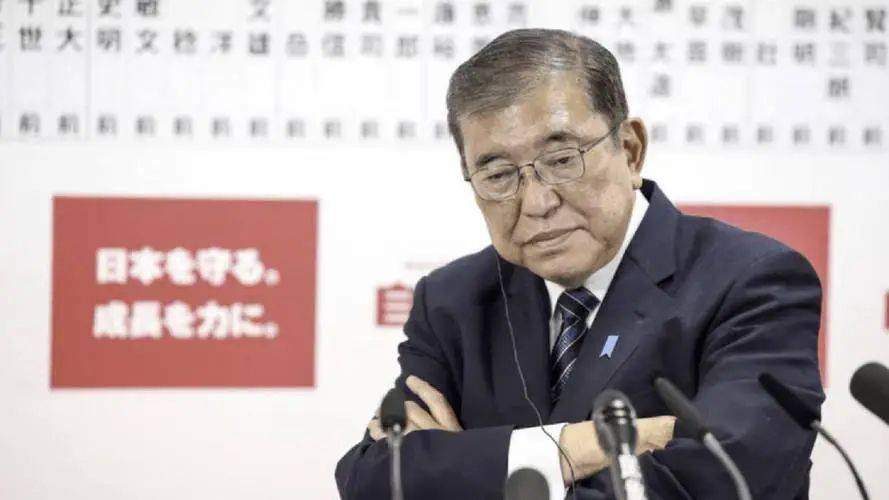
美国可能从欧洲撤军30% 此举意欲何为?
Yang Shi Xin Wen· 2025-08-02 07:24
Core Viewpoint - The article discusses the potential withdrawal of 30% of U.S. military forces from Europe, amounting to approximately 20,000 personnel, as part of a significant military reduction by the Pentagon, which is described as the largest since the Cold War [1] Group 1: Military Presence in Europe - The U.S. currently has around 85,000 military personnel stationed in Europe, with numbers fluctuating between 75,000 and 105,000 due to temporary deployments [1] - Following the outbreak of the Russia-Ukraine conflict, President Biden ordered an additional 20,000 troops to Europe to bolster defense capabilities in countries bordering Ukraine [1] Group 2: Historical Context and Political Implications - Previous U.S. administrations have considered reducing military deployments in Europe, but former President Trump had a stronger "America First" ideology, advocating for Europe to manage its own defense [1] - The likelihood of U.S. troop withdrawal is high, but the extent and speed of the reduction remain uncertain; a gradual and limited withdrawal may not significantly weaken NATO's deterrent capability, while a substantial cut could have major implications [1]
韩国被迫“屈膝”,特朗普称霸世界!全球仅剩三国死不低头
Sou Hu Cai Jing· 2025-08-02 00:57
Core Viewpoint - The article discusses the implications of the Trump administration's "security for economy" strategy, using South Korea as a case study, highlighting how economic concessions were made under the pressure of security threats from the U.S. [1][18] Economic Concessions - South Korea agreed to a 15% tariff on exports to the U.S., which, although lower than the initially threatened 25%, still undermines the competitiveness of South Korean companies in the U.S. market [3] - South Korea was compelled to invest $350 billion in the U.S., with $150 billion specifically allocated for the U.S. shipbuilding industry, adversely affecting South Korea's own leading shipbuilding sector [3] - An additional $100 billion in U.S. liquefied natural gas purchases was mandated, leading to significant capital outflow and compromising South Korea's energy security strategy [3] Security Pressure - The U.S. military's potential withdrawal of 4,500 troops from South Korea created significant political turmoil, leading to heightened fears beyond mere economic threats [5] - The U.S. justified the troop withdrawal as a strategic adjustment to reduce vulnerability in front-line deployments, which was perceived as a form of extreme pressure on South Korea [8] Global Trade Dynamics - South Korea's concessions are part of a broader trend where allies have succumbed to U.S. pressure under the "America First" policy, with other countries like the UK, Japan, and the EU also making significant economic sacrifices [10][12] - Countries like Canada, India, and China have adopted different strategies in response to U.S. pressure, with Canada taking a hard stance, India employing delay tactics, and China successfully forcing concessions from the U.S. [14] Long-term Implications - The compromises made by South Korea reflect a successful implementation of the Trump administration's strategy, which, while yielding short-term economic benefits for the U.S., risks eroding long-standing alliances and trust among allies [18]
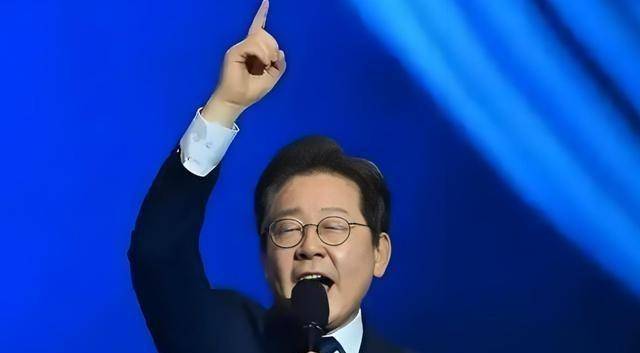
特朗普称美国“活过来了”,随时准备对华翻脸
Sou Hu Cai Jing· 2025-08-02 00:57
Core Viewpoint - Trump's "America First" tariff policy has faced severe backlash, leading to economic and political repercussions that contradict his claims of success [1][6]. Group 1: Economic Impact - The actual GDP growth rate in the U.S. is only 0.5% after adjusting for tariffs and currency fluctuations, while inflation stands at 4.6%, increasing annual household expenses by $2,800 [1]. - U.S. companies, including General Motors, have incurred losses exceeding $1.1 billion due to the tariff war [1]. - The U.S. stock market experienced a significant drop, losing $3.4 trillion on the day Trump touted economic revival [1]. Group 2: International Relations - China has strategically engaged allies to undermine U.S. influence, exemplified by South Korea's renewed diplomatic efforts with China [1]. - The "China Plus N" strategy aims to reconstruct global supply chains, with a $1 billion investment in Southeast Asia to enhance China's economic competitiveness [2]. - China is countering NATO's military activities in the Asia-Pacific region through joint military exercises with Russia, showcasing a united front against U.S. actions [4]. Group 3: Legal and Political Challenges - U.S. courts have questioned the legality of Trump's tariff policies, with a ruling declaring his actions unconstitutional [4]. - Allies of the U.S. have begun to push back against tariffs, with Canada and Mexico filing complaints against the U.S. at the WTO [4]. - The U.S. trade deficit is projected to reach $1.21 trillion in 2024, a 50% increase compared to Trump's first term [6]. Group 4: Global Trade Dynamics - Trump's tariffs have inadvertently increased global supply chain costs by 12%, while trade among RCEP member countries has surged by 23% [9]. - Countries like Australia and India are diversifying their trade relationships, with Australia signing significant beef contracts with China and India purchasing discounted Russian oil [9].
抛出“对等关税”新表格,引发全球市场再动荡,美蛮横加剧全球贸易战
Huan Qiu Shi Bao· 2025-08-01 22:27
Core Viewpoint - The U.S. government has announced new tariffs ranging from 10% to 41% on imports from approximately 70 countries, effective August 7, indicating a significant escalation in the global trade war [1][2][4]. Tariff Details - Countries with trade agreements with the U.S., such as Japan, South Korea, and the EU, will face a 15% tariff, while India will incur a 25% tariff due to the lack of an agreement [1][2]. - Syria faces the highest tariff at 41%, followed by Myanmar and Laos at 40%, with Switzerland's tariff increasing to 39% from a previously announced 31% [3][4]. - South Africa will be subjected to a 30% tariff, highlighting the low priority given to African nations in U.S. trade agreements [3]. Economic Impact - The average tariff on U.S. imports is projected to rise from approximately 2.5% to 18.4% once the new tariffs are implemented, leading to increased costs for American consumers [4]. - The new tariffs are expected to disrupt global supply chains and may lead to a shift towards regional trade agreements as countries seek to mitigate the impact of U.S. policies [6][9]. Political and Strategic Implications - The tariffs are seen as a tool for the U.S. to exert geopolitical pressure, with the intention of forcing countries to accept U.S.-led trade rules [8][9]. - The ongoing trade tensions may accelerate the fragmentation of the global trade system, pushing countries towards regional agreements like RCEP and CPTPP [9]. Market Reactions - Following the announcement of the tariffs, stock markets in Asia and Europe experienced declines, reflecting investor concerns over the potential economic fallout [7].
特朗普主义与全球经济秩序新趋势|封面专题
清华金融评论· 2025-08-01 09:21
Core Viewpoint - The article discusses the evolution of the global economic order since the 1980s, highlighting the impact of globalization and free trade, the rise of "America First" ideology, and the challenges faced by China in this changing landscape [1][4]. Group 1: Globalization and Economic Order - Since the 1980s, globalization and free trade have formed the foundation of the current global economic order, driven by neoliberal reforms initiated by leaders like Reagan and Thatcher [3]. - The principle of "capital supremacy" underpins the liberal global economic order, advocating for the free flow of goods, technology, and capital across borders [3]. Group 2: Impact on American Society - While globalization has benefited the U.S. economy, the gains have been concentrated among multinational corporations and elite groups, leading to significant losses for the broader American populace [4]. - The closure of approximately 60,000 factories since 2001 has resulted in the loss of 4.8 million manufacturing jobs, exacerbating social inequalities [4]. Group 3: Political Response and Ideological Shift - The "America First" movement, associated with Trumpism, emerged as a reaction against the perceived failures of globalization, advocating for the interests of the working class and small businesses [4][6]. - Tariffs are viewed as a strategic tool to counteract the loss of comparative advantage in manufacturing, aiming to bring jobs back to the U.S. and stimulate economic growth [5]. Group 4: Biden Administration's Approach - The Biden administration has continued some of Trump's economic policies, reflecting the political reality that defending worker interests has become a central theme in American politics [9][10]. - Despite efforts to correct course, such as reducing tariffs, the Biden administration has faced challenges in reversing the trend of de-globalization [9][10].

25%关税!特朗普对印度下手了 | 京酿馆
Sou Hu Cai Jing· 2025-07-31 11:03
Core Viewpoint - The article discusses President Trump's decision to impose a 25% tariff on goods from India, along with an undisclosed penalty, signaling a shift in U.S.-India trade relations and highlighting the complexities of their negotiations [4][9]. Trade Relations - Trump announced that starting August 1, the U.S. will impose a 25% tariff on Indian goods, which surpasses tariffs on other countries like Vietnam (20%) and Indonesia (19%) [4][6]. - The U.S. has a significant trade deficit with India, with a reported $457 billion, which Trump emphasized in his statements [4][6]. Negotiation Challenges - Key obstacles in U.S.-India trade negotiations include agricultural market access and India's digital tax on U.S. tech companies, which has led to tensions [7][10]. - India's previous proposals to increase bilateral trade to $500 billion by 2030 have not materialized, indicating a failure in negotiations [6][10]. Geopolitical Implications - The imposition of tariffs is seen as a tool for the U.S. to challenge India's trade and diplomatic autonomy, particularly due to India's reliance on Russian military equipment and energy [9][11]. - Trump's actions suggest a shift in U.S. foreign policy, prioritizing "America First" over traditional alliances, which may diminish India's strategic position [16]. Political Context - India's Prime Minister Modi faces political pressure domestically, making it difficult for him to concede to U.S. demands without risking his support base [15][16]. - The upcoming 2024 elections in India add to the complexity, as Modi's party has lost its parliamentary majority, limiting his negotiating power [15][16].
