
瑞士手表

Search documents
广发证券纺织服饰行业:纺织服装与轻工行业数据周报3.21-20260330
GF SECURITIES· 2026-03-30 10:08
Core Insights - The textile and apparel industry is expected to perform well, with specific companies likely to exceed expectations in their Q1 reports, particularly those involved in price increases and management improvements [4] - The report highlights the optimistic outlook for companies like Crystal International, which is projected to lead the industry in 2025 performance and has a low valuation with a high dividend yield [4] - The overall market performance shows that the textile and apparel sector has outperformed the broader market, ranking 8th among 31 primary industries during the reporting period [9] Textile and Apparel Industry Overview - The textile and apparel sector saw a 1.03% increase in performance from March 21 to March 27, while the Shanghai Composite Index fell by 1.10% and the ChiNext Index dropped by 1.12% [9] - Key companies to watch include New Australia Holdings, Hangmin Co., and Furi Dyeing & Weaving, which are expected to benefit from price increases, as well as Jian Sheng Group and Kai Run Co., which may gain from management improvements [4] - The report also emphasizes the potential of Li Ning to leverage the upcoming Los Angeles Olympic cycle for brand and performance growth [4] Key Company Valuations and Financial Analysis - The report provides detailed valuations for several companies, indicating that Mercury Home Textile has a target price of CNY 23.08 with a current PE of 13.30, while Fuan Na has a target price of CNY 8.17 with a PE of 14.80 [5] - Other notable companies include Semir Apparel with a target price of CNY 8.02 and a PE of 10.70, and Hai Lan Home with a target price of CNY 9.06 and a PE of 13.53 [5] - The textile and apparel industry currently has a PE ratio of 19.53X, which is within a historical range of 14.44X to 57.80X [12][13] Industry Data Tracking - In February 2026, China's exports of cotton socks increased by 80.6% year-on-year, while seamless apparel exports rose by 70.7% [4] - The report notes that the retail sales of textiles, clothing, and footwear in the UK increased by 4.0% year-on-year, and in the US, retail sales in clothing and accessories stores rose by 3.0% [4] - The report also tracks the performance of the light industry, indicating a slight decline in light manufacturing but a stable outlook for exports [4] Convertible Bond Market Overview - The report highlights the performance of convertible bonds in the textile and apparel sector, with notable increases in the prices of Fu Chun Convertible Bond and Sheng Tai Convertible Bond during the reporting period [18] - The trading volume for these bonds has shown significant activity, with Fu Chun Convertible Bond having a turnover rate of 59.05% [21] - Key metrics for convertible bonds, including premium rates and conversion prices, are provided for several bonds, indicating a diverse investment landscape within the sector [19]
纺织服饰行业:纺织服装与轻工行业数据月报2.1-2.27-20260302
GF SECURITIES· 2026-03-02 11:46
Core Insights - The report maintains a "Buy" rating for the textile and apparel industry, indicating a positive outlook for investment opportunities in this sector [2][5]. Group 1: Industry Overview - The textile and apparel sector saw a 1.65% increase during the period from February 1 to February 27, 2026, ranking 24th among 31 primary industries [12][19]. - The light industry sector outperformed, with a 3.55% increase, ranking 17th among the same industries [12][19]. - Key companies to watch include Hangmin Co., which is expected to benefit from rising dye prices and increased demand during the post-holiday printing and dyeing peak season [5]. Group 2: Company Recommendations - Recommended companies include: - **Li Ning**: Expected to leverage the Los Angeles Olympic cycle for brand and performance growth [5]. - **Rola Life**: Positioned to benefit from the rise of the sleep economy with popular products like pillows [5]. - **Jin Hong Group** and **Hailan Home**: Both are expected to see growth from traditional business recovery and new consumer business expansion [5]. Group 3: Financial Metrics and Valuations - The report provides detailed financial metrics for key companies, including: - **Mercury Home Textiles**: Current price at CNY 20.32 with a target value of CNY 23.08, indicating a potential upside [6]. - **Fuan Na**: Current price at CNY 6.88 with a target value of CNY 8.17, also showing potential for growth [6]. - **Anta Sports**: Current price at HKD 85.05 with a target value of HKD 102.91, suggesting strong future performance [6]. Group 4: Market Data Tracking - The report tracks various market data, including: - U.S. apparel retail sales increased by 5.4% year-on-year in December 2025, indicating a healthy demand for apparel [5]. - The inventory-to-sales ratio for U.S. apparel stores was 2.02 in November 2025, suggesting a balanced inventory management [5]. - The Swiss watch exports to China increased by 5.0% year-on-year in January 2026, reflecting consumer interest in luxury goods [5].


瑞士钟表业年度报告:出货量创新低,劳力士一枝独秀
Di Yi Cai Jing· 2026-02-26 14:16
Core Insights - The Swiss watch industry has experienced a cumulative sales decline of 51% since 2011, with lower sales volumes and higher prices becoming the norm moving forward [1][3][4] Group 1: Market Performance - Rolex leads the market with a wholesale sales figure of 11 billion Swiss francs, estimated retail value of 16.06 billion Swiss francs (approximately 141.9 billion RMB), surpassing the combined sales of Cartier, Audemars Piguet, Patek Philippe, Omega, and Richard Mille, capturing a market share of 33% [1] - The total shipment of Swiss watches is projected to be only 14.6 million pieces in 2025, marking a record low in decades [3] - Cartier has maintained its position as the second-largest brand for six consecutive years since 2020, while Omega has dropped from third to fifth place [3] Group 2: Market Dynamics - The top four brands (Rolex, Cartier, Audemars Piguet, and Omega) account for 55% of the industry's sales, an increase from 52.4% in 2024, indicating a trend towards market polarization [4] - High-end products are becoming the growth engine, with watches priced over 50,000 Swiss francs representing 37% of Swiss watch export value and 89% of growth, despite only accounting for 1.4% of total quantity [4] - The market is shifting from a competitive landscape to a "winner takes all" scenario, adversely affecting smaller independent and mid-range brands [4] Group 3: Profit Distribution - The profit pool of the Swiss watch industry is estimated to be around 7.9 billion Swiss francs in 2025, with an overall operating profit margin of approximately 22% [5] - The top four independent brands (Rolex, Patek Philippe, Audemars Piguet, and Richard Mille) capture about 76% of the profit pool, with an operating profit margin of around 33% [5] - Publicly listed companies like Swatch Group, Richemont, and LVMH account for about 18% of the profit pool, with a significantly lower operating profit margin of 10% [5]


摩凡陀2026财年财报预测与业务战略进展
Jing Ji Guan Cha Wang· 2026-02-11 19:46
Financial Performance - The projected revenue for Movado in the fourth quarter of fiscal year 2026 is approximately $181.4 million [2] - Analysts forecast the revenue for the first quarter of fiscal year 2027 to be around $134.9 million, although the specific performance date is not confirmed [2] Business Developments - The management has restructured the team and adjusted strategies to drive growth in the Middle East market in fiscal year 2026 [3] - A tariff agreement between the U.S. and Switzerland is expected to reduce the tariff rate on Swiss watches in the U.S. to 15%, which may help lower operating costs and improve gross margins [3] - The company continues to focus on product and marketing innovations, including new shape designs and lab-grown diamonds, while enhancing brand exposure through digital marketing and celebrity endorsements such as Jessica Alba and Christian McCaffrey [3] Company Status - The board has approved a quarterly dividend payment of $0.35 per share, and there is approximately $48.4 million remaining in the stock buyback authorization, which may continue to impact shareholder returns [4]

广发证券纺织服饰行业:纺织服装与轻工行业数据周报1.31-20260209
GF SECURITIES· 2026-02-09 10:30
Core Viewpoints - The textile and apparel industry is rated as "Buy" with a positive outlook for growth driven by changes in customer structure and business models, particularly for companies like Jingyuan International and New Australia [2][5]. - The report highlights the optimistic price outlook for Australian wool due to a tight supply-demand balance, suggesting continued investment in New Australia [5]. - The report emphasizes the potential for companies like Li Ning to leverage the Olympic cycle for brand and performance enhancement, alongside the growth of sleep economy products from leading home textile companies [5]. Textile and Apparel Industry Market Review - During the period from January 31 to February 6, the Shanghai Composite Index fell by 0.66%, while the textile and apparel sector (SW) rose by 2.02%, ranking 4th among 31 primary industries [13]. - The light industry sector (SW) increased by 1.27%, ranking 6th among the same industries [13]. Textile and Apparel Industry Data Tracking - As of February 4, 2026, the price of Australian wool was 1677 AUD/kg, reflecting a week-on-week increase of 0.72% and a year-on-year increase of 40.69% [5]. - In December 2025, the export value of Swiss watches to China decreased by 6.8% year-on-year, indicating a decline in luxury goods purchases by Chinese consumers [5]. - The cumulative yarn production of large-scale cotton textile enterprises in 2025 decreased by 0.1% year-on-year, while fabric production increased by 0.2% [5]. - In January 2026, Vietnam's textile exports amounted to 3.25 billion USD, showing a year-on-year growth of 2.0% [5]. - Vietnam's footwear exports in January 2026 reached 2 billion USD, with a year-on-year increase of 7.9% [5]. Light Industry Manufacturing Market Review - The light industry export sector remains relatively strong, benefiting from an improving external environment and brand export advantages, suggesting potential upward opportunities in valuation [5]. - The report notes a continuous recovery in consumer confidence, with companies expected to launch new products or undergo team reforms, highlighting firms like Baiya Co., Simoer International, and Dengkang Dental as key focuses [5]. Key Company Valuation and Financial Analysis - The report provides detailed financial metrics for key companies in the textile and apparel sector, including their latest stock prices, earnings per share (EPS), price-to-earnings (PE) ratios, and return on equity (ROE) projections for 2025 and 2026 [6]. - For instance, Mercury Home Textiles (603365.SH) has a current price of 21.32 CNY with a target price of 23.08 CNY, indicating a "Buy" rating [6]. - Other notable companies include Anta Sports (02020.HK) with a current price of 80.55 HKD and a target price of 102.91 HKD, also rated as "Buy" [6].
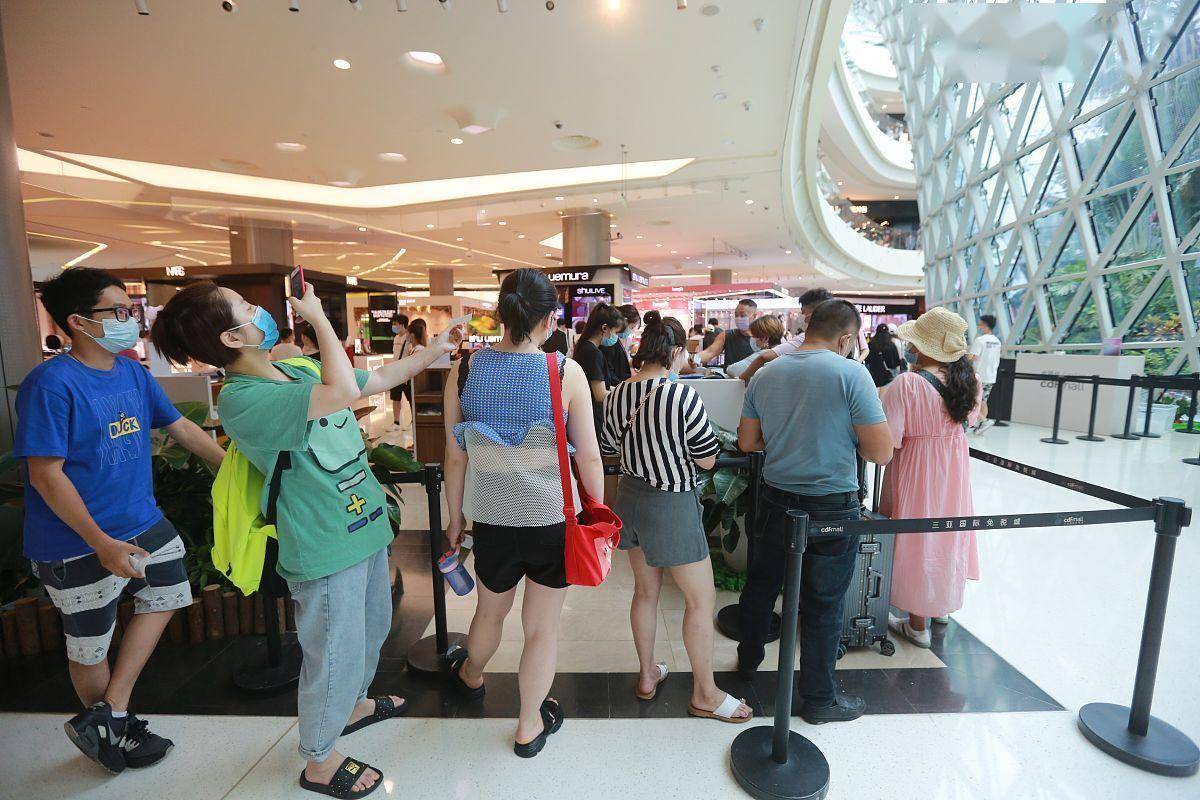
海南免税店现“淘金热”:中产狂欢背后的折扣焦虑
Sou Hu Cai Jing· 2025-12-27 17:08
Group 1 - The core idea of the article revolves around the phenomenon of consumer behavior in Hainan's duty-free shopping environment, highlighting the allure of significant discounts and the psychological impact on consumers [1][3][5] - The implementation of the new duty-free policy in Hainan has led to a remarkable increase in sales, with daily sales exceeding 1.2 billion yuan in the first week, showcasing the strong demand for luxury goods [3] - Consumers are experiencing a sense of urgency and anxiety driven by perceived discounts, with some individuals purchasing items like AirPods using student loans, believing they can resell them for profit [5][6] Group 2 - The article discusses the complexities behind the so-called "duty-free prices," indicating that some brands have raised their base prices, making certain items more expensive than their original prices in other markets [3][6] - The new customs policy has accelerated shopping behavior, allowing travelers to complete transactions shortly before boarding, but some promotional offers are misleading and require unrealistic spending conditions [5][6] - A new industry of resellers has emerged, with individuals exploiting the duty-free system by using multiple identities to maximize their purchasing limits, leading to a significant increase in smuggling cases [6][7] Group 3 - The article reflects on the broader implications of consumerism, questioning whether the freedom to purchase duty-free items equates to true freedom or if it merely reinforces societal values tied to consumption [7]
开云集团拟成立风投部门; 黛安芬退出中国市场丨二姨看时尚
2 1 Shi Ji Jing Ji Bao Dao· 2025-11-24 10:35
Group 1: Financial Performance - Gap reported a net sales of $3.9 billion for the third quarter, marking a 3% year-over-year increase and achieving positive same-store sales growth for seven consecutive quarters [6] - LuxExperience, the largest luxury e-commerce group, experienced a 4.3% decline in GMV to €589 million and a 4.2% drop in net sales to €557.2 million, with an adjusted EBITDA loss of €28.1 million [7] - Swiss watch exports fell by 4.4% year-over-year in October, totaling CHF 2.2 billion (approximately $2.7 billion), with a significant 47% drop in exports to the U.S. due to tariffs [5] Group 2: Market Trends - The luxury market in China shows signs of recovery, with Swiss watch exports to China increasing for the second consecutive month by 13% [5] - The auction by Phillips achieved a total sales of over HKD 304 million, setting a record for the highest permanent watch auction in Asia [4] - The opening of Vhernier's first Asian boutique in Hong Kong indicates a resurgence of luxury retail in the region [8] Group 3: Company Strategies and Changes - EssilorLuxottica is preparing to acquire 5%-10% of Giorgio Armani's shares, positioning itself as a financial investor without involvement in daily operations [3] - Harrods announced the closure of its Shanghai private members' club and tea room, indicating a strategic shift to focus on more impactful experiences in other regions of China [12] - Triumph's brand, Dianafen, will close all offline and online stores in mainland China by December 2025, reflecting challenges in adapting to local market demands [9] Group 4: New Initiatives - Kering SA plans to establish a venture capital department named House of Dreams to adapt to technological changes and evolving consumer demands [13] - Marriott International's luxury brand launched a new dining project "Table Stories," blending art and cuisine to create a unique luxury experience [10]


美国最高法院将于11月5日就特朗普关税案听取口头辩论 万亿美元退税风险或引发市场震荡
智通财经网· 2025-09-18 16:18
Core Points - The U.S. Supreme Court will hold oral arguments on November 5 regarding the legality of President Trump's global tariff plan, which is a significant test of his economic and trade policies [1] - The case centers on whether Trump exceeded presidential authority and misused the International Emergency Economic Powers Act (IEEPA) [1] - If the Supreme Court rules the tariffs illegal, the U.S. Treasury may have to refund approximately half of the collected tariff revenues, potentially leading to a financial burden on federal finances [1] Group 1: Impact on Companies - If the court overturns some tariffs, companies may apply for refunds, which could provide short-term financial benefits and improve earnings [2] - However, consumers may not see immediate price reductions as companies have already absorbed or shifted costs due to tariffs [2] - Companies will face operational challenges in confirming refund eligibility and managing potential "tariff vacuum periods" before new policies are established [2][3] Group 2: Market Reactions - Wall Street analysts predict that stocks of companies closely related to tariffs may rise in the short term due to market expectations, but long-term uncertainty remains high [2] - Even if tariffs are overturned, consumers are unlikely to benefit immediately during the holiday shopping season due to prior inventory purchases [2] Group 3: Alternative Measures - If the Supreme Court rules against Trump, the White House may quickly implement alternative measures, such as temporary tariffs under the Trade Act of 1974, but these would be limited in duration and complexity [3] - The Trump administration may seek legislative support from Congress for tariffs, but this approach carries higher risks due to the unpopularity of tariff policies [4] Group 4: Specific Case of Swiss Tariffs - The Trump administration recently imposed a 39% tariff on Swiss exports, leading to a significant drop in Swiss exports to the U.S., particularly in watches and gold [4] - The trade deficit with Switzerland has narrowed to its lowest level since 2020, indicating a direct impact of the tariff policy [4]
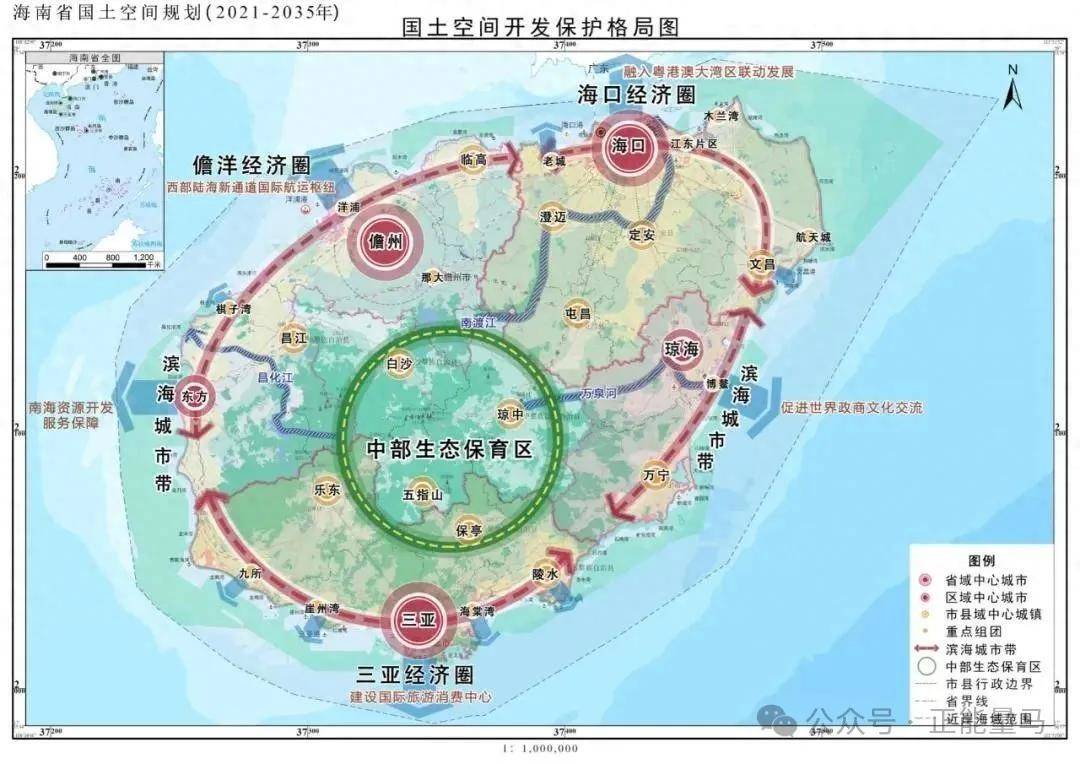
“第2个香港”即将诞生?面积比香港大30倍,目标是比香港还自由
Sou Hu Cai Jing· 2025-08-16 18:45
Core Points - Hainan will officially launch its customs closure on December 18, 2025, marking the establishment of the world's largest free trade pilot zone [1][5][29] - The date is significant as it coincides with the anniversary of China's reform and opening-up policy initiated on December 18, 1978 [3][5] - The customs closure aims to showcase Hainan's commitment to openness and economic reform [5][9] Policy and Economic Environment - Hainan will implement a "one line open, two lines controlled, and free movement within the island" policy, creating a special customs supervision area [7][9] - Foreign goods entering Hainan will be exempt from tariffs, with customs procedures only required for goods moving from Hainan to the mainland [9][11] - Corporate income tax in Hainan is set at 15%, lower than the national rate of 25% and Hong Kong's 16.5% [11][24] - Personal income tax will also be capped at 15%, with a three-tiered system [11] Trade and Investment Opportunities - The number of zero-tariff items has increased from 21% to 74%, covering 6,600 tax items [11] - Each individual is allowed an annual duty-free shopping limit of 100,000 yuan, making luxury goods more affordable [11][22] - Hainan's container throughput at Yangpu Port increased by 47% in the first quarter, contrasting with a 9.4% decline at Hong Kong's Kwai Tsing Terminal [15] Tourism and International Relations - Hainan has introduced visa-free entry for citizens from 77 countries, enhancing tourism and business opportunities [13][21] - The island is positioned as a medical tourism destination, offering treatments at significantly lower costs compared to the U.S. [17] Challenges and Future Outlook - Hainan faces challenges in attracting high-tech projects, with new high-tech investments falling short of targets [19] - The province is working on infrastructure investments and talent recruitment policies to support its growth [19] - Hainan's GDP is projected at 793.5 billion yuan for 2024, compared to Hong Kong's approximately 2.9 trillion yuan, indicating a significant gap but highlighting Hainan's growth potential [26][27] - The region is not merely replicating Hong Kong's model but is charting its own path with a focus on tourism, modern services, high-tech industries, and tropical agriculture [27][29] Global Attention - Global financial institutions, including Morgan Stanley, are recognizing Hainan as a significant variable in the Asia-Pacific investment landscape [31] - As the December 18 deadline approaches, Hainan is finalizing its preparations, including the implementation of smart regulatory systems [32][33]
特朗普关税最新消息,最高250%!美联储主席大消息,贝森特退出!
Sou Hu Cai Jing· 2025-08-07 07:22
Group 1: Tariff Changes and Global Impact - The U.S. has raised tariffs on imported goods from 25% to 35%, initiating a global trade storm and marking the start of Trump's "reciprocal tariff" system [1] - Swiss watch manufacturers face a 39% tariff, while South African mining companies are subject to a 30% tariff, indicating unprecedented rates among developed countries [2] - A new tiered tariff system has been established, with a baseline rate of 10%, 15% for countries with trade surpluses or agreements, and higher rates for others, creating a differentiated global tariff landscape [1][2] Group 2: Responses from Other Countries - The EU and Japan are investing heavily to mitigate tariff impacts, with the EU committing $600 billion and Japan $550 billion to secure lower tariff rates [2] - This strategy of using investment to offset tariffs is redefining global trade rules [2] Group 3: Economic Data and Reactions - U.S. economic data shows a loss of 37,000 manufacturing jobs since April, raising concerns about the negative effects of tariffs [4] - The credibility of U.S. economic data is in question, leading to uncertainty in global financial markets [4] Group 4: Federal Reserve and Leadership Changes - The Federal Reserve is under pressure, with internal divisions emerging regarding inflation and economic weakness [4] - Treasury Secretary Scott Bencet has withdrawn from the race for Fed Chair, while a Fed governor's unexpected resignation has opened up a new position [6][10] Group 5: Global Trade Forecasts - The WTO has warned that U.S. tariff policies could lead to a 0.2% decline in global goods trade by 2025, with North American exports potentially dropping by 12.6% [8] - The new tariff system imposes additional taxes on 57 major trading partners, complicating international trade dynamics [8] Group 6: Vulnerable Economies - Emerging market economies, particularly the most vulnerable, are facing disproportionate harm from U.S. tariffs, while China is better positioned to withstand these shocks due to its economic structure [9]
