AI医疗

Search documents
德适生物携染色体AI检测技术赴港IPO
Xin Lang Cai Jing· 2026-01-13 19:50
Core Insights - OpenAI's launch of ChatGPT has intensified interest in AI healthcare, leading to increased market activity, exemplified by the listing application of Hangzhou Deshi Biotechnology Co., Ltd. on the Hong Kong Stock Exchange [1] - Deshi Biotechnology focuses on chromosome karyotype analysis and aims to capitalize on its innovative technology, although it faces challenges in commercialization, market competition, and profitability [1] Revenue Structure - The company's revenue is derived from three main segments: medical imaging software and medical devices, technology licensing, and analysis consulting services [2] - Medical imaging software and medical devices have historically dominated revenue, accounting for 83.1%, 58%, and 43.6% of total revenue during the reporting period, while technology licensing has grown to represent 51.4% by 2025 [2] - The successful commercialization of the core product AI AutoVision is critical for short-term profitability, while long-term success hinges on the product matrix developed from the self-researched imaging model iMedImage [2] Market Opportunities and Challenges - The company is positioned well within favorable policy and market trends, with the Chinese government promoting AI in healthcare and the global smart medical imaging market projected to grow from $400 million in 2019 to $1.6 billion by 2024, at a CAGR of 34.6% [3] - Despite optimism, challenges include fluctuating sales and prices of the previous generation product AutoVision [3] Product Differentiation Strategy - Deshi Biotechnology employs a differentiation strategy for its two products: AutoVision targets mid-to-low testing demand with limited AI infrastructure, while AI AutoVision is positioned as a high-end solution for high-demand institutions [4] - Sales of AutoVision have shown a trend of decline followed by recovery, with average prices fluctuating, indicating ongoing pricing pressures in the mid-tier market [4] Market Expansion Potential - In 2024, Deshi Biotechnology is expected to capture a 30.6% market share in China's chromosome karyotype testing sector, with the global market projected to grow from $380 million in 2019 to $650 million by 2024 [5] - The company aims to expand its core product's applications to include blood malignancy analysis using human bone marrow samples, enhancing its product offerings [6] Comprehensive Product System - Deshi Biotechnology has developed a comprehensive product system that integrates analysis software, devices, reagents, and consumables, covering the entire workflow from sample preparation to result analysis [6] - The company’s ability to convert technological achievements into marketable products will be crucial for its success in the competitive AI healthcare landscape [6]
24家中国创新药企JPM大会“秀”实力
Shang Hai Zheng Quan Bao· 2026-01-13 18:34
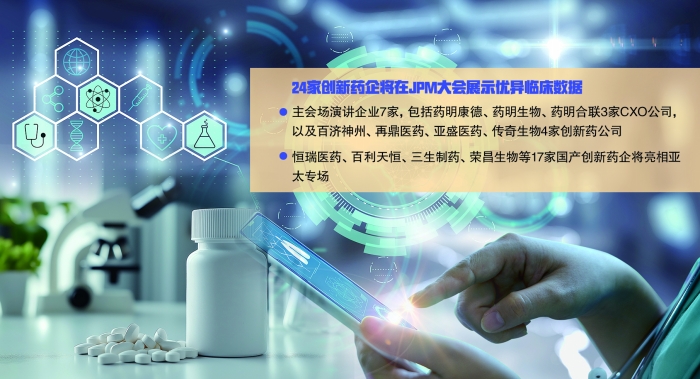
Core Insights - The 44th JPMorgan Healthcare Conference (JPM 2026) took place from January 12 to 15 in San Francisco, focusing on biotechnology, biopharmaceuticals, and AI in medicine, serving as a significant investment and trading window for the global biopharmaceutical industry [2] Group 1: Market Reactions - Following the announcement of the JPM conference, both A-shares and Hong Kong stocks in the pharmaceutical sector saw a collective surge, with companies like Rongchang Biopharmaceutical, Hongbo Pharmaceutical, and Boji Pharmaceutical hitting the daily limit up in A-shares [2] - In Hong Kong, companies such as Cornerstone Pharmaceuticals, Qiming Medical, and Rongchang Biopharmaceutical also performed notably well [2] Group 2: Clinical Research and Innovations - A total of 24 domestic innovative pharmaceutical companies are set to showcase their clinical data at the JPM conference, with seven companies presenting in the main session, including WuXi AppTec and BeiGene [3] - BeiGene will discuss the progress of its core products, including the widely approved BTK inhibitor, Brukinsa, and its new BCL2 inhibitor, which is the first of its kind approved in China for treating certain lymphomas [3] - Ascentage Pharma will present advancements in its apoptosis pipeline, focusing on inhibitors targeting key proteins involved in cancer treatment [4] Group 3: Business Development and Collaborations - The JPM conference is expected to be a hotspot for business development (BD) transactions, with five BD deals already announced in January, showcasing China's leading position in various technological fields [6] - Rongchang Biopharmaceutical signed an exclusive licensing agreement with AbbVie for its new PD-1/VEGF dual-specific antibody drug, potentially worth up to $5.6 billion [6] - Yilian Biopharmaceutical reached a licensing agreement with Roche for its YL201 project, securing an upfront payment of $570 million and additional milestone payments [6] Group 4: AI in Pharmaceuticals - The rapid development of AI has made it a focal point for many innovative pharmaceutical companies, with firms like Hengrui Medicine and BeiGene integrating AI technologies into their drug development processes [5] - NVIDIA and Eli Lilly announced a $1 billion investment to establish a joint research lab in the San Francisco Bay Area to accelerate AI applications in the pharmaceutical industry [5]


A股成交额连续3日超3万亿元 医药股集体走强
Shang Hai Zheng Quan Bao· 2026-01-13 18:34
Group 1: Market Overview - The A-share market experienced an overall adjustment, with the Shanghai Composite Index closing at 4138.76 points, down 0.64%, and the Shenzhen Component Index down 1.37% [2] - The trading volume in the Shanghai and Shenzhen markets reached 36,988 billion, marking the third consecutive trading day exceeding 30 trillion, setting a new record for daily trading volume in A-shares [2] Group 2: AI and Pharmaceutical Sector Performance - The AI application sector remained active, with the GEO (Generative Engine Optimization) direction leading the gains, and several stocks like Ingrity Media and Tianlong Group achieving multiple consecutive gains [2] - Pharmaceutical stocks collectively surged, particularly in AI healthcare and innovative drugs, with companies like Nossger and Rongchang Bio hitting the 20% daily limit [5][6] Group 3: Pharmaceutical Sector Catalysts - Leading companies in the pharmaceutical sector reported positive earnings forecasts, with WuXi AppTec expecting a net profit of approximately 19.15 billion, a year-on-year increase of about 102.65% for 2025 [6] - Rongchang Bio signed an exclusive licensing agreement with AbbVie for its new PD-1/VEGF dual-specific antibody drug, receiving an upfront payment of $650 million and potential milestone payments up to $4.95 billion [6] - A new AI joint innovation lab is being established by NVIDIA and Eli Lilly in the San Francisco Bay Area, with a planned investment of up to $1 billion over five years, focusing on AI-enabled drug discovery and development [6] Group 4: Market Sentiment and Future Outlook - The market is expected to maintain a slow upward trend, with structural differentiation intensifying, as highlighted by the ongoing policy catalysts and industry rotations [8] - Analysts suggest that the A-share market will continue to experience a slow growth pattern in 2026, with technology and resource sectors identified as core investment themes [9]
腾讯研究院AI速递 20260114
腾讯研究院· 2026-01-13 16:29
Group 1 - Anthropic has launched an AI office tool called Cowork, designed to automate daily tasks such as document creation, planning, data analysis, and file organization [1] - Cowork features proactive and autonomous capabilities, allowing it to create plans and sync progress in real-time, and integrates with external information sources and Chrome [1] - The development of Cowork took only a week and a half, with 100% of the code written by Claude Code, ensuring user control and the ability to halt operations at any time [1] Group 2 - Apple has announced a partnership with Google to develop the next generation of its foundational model based on Gemini, which will also overhaul Siri [2] - The Apple AI team has experienced significant talent loss, with dozens of core members leaving, making collaboration with Google a necessary choice due to Gemini's 1.2 trillion parameters compared to Apple's 150 billion [2] - Google processes 13 trillion tokens monthly, and Gemini has captured over 20% of the global market share, while Elon Musk criticized the concentration of power in this partnership [2] Group 3 - DeepSeek has introduced a new paper proposing a conditional memory module called Engram, which complements MoE conditional computation and addresses the lack of native knowledge retrieval in Transformers [3] - Engram significantly outperforms pure MoE baselines, with improvements in MMLU by 3.4, BBH by 5.0, and HumanEval by 3.0, while increasing long-context retrieval accuracy from 84.2% to 97.0% [3] - The upcoming DeepSeek V4 is becoming clearer, with conditional memory expected to be a core modeling primitive for the next generation of sparse large models [3] Group 4 - OpenAI has acquired AI healthcare startup Torch for approximately $100 million, with $60 million paid upfront and the remainder for employee retention incentives [4] - Torch integrates with healthcare systems like Kaiser Permanente and Apple Health, allowing for unified access to lab results, prescriptions, and medical records, while using AI for classification and health insights [4] - The founding team of Torch has joined OpenAI to develop the ChatGPT Health module, following their previous experience with an online clinic platform [4] Group 5 - Anthropic has launched HIPAA-compliant AI services for healthcare, enabling institutions and individuals to process protected health data while referencing authoritative databases [6] - Claude can export personal health data from applications like Apple Health for aggregation and understanding, with a commitment not to use any medical user data for model training [6] - Over 22,000 clinical service providers from Banner Health are using Claude, with 85% reporting increased work efficiency, and collaborations with major healthcare institutions are underway [6] Group 6 - Baichuan has released the open-source medical model M3, achieving a top score of 65.1 in HealthBench and winning the Hard category with a score of 44.4, surpassing GPT-5.2 [7] - M3 introduces native end-to-end serious inquiry capabilities, following the SCAN principles, and demonstrates superior inquiry abilities compared to average human doctors [7] - M3 employs a dynamic Verifier System and a new SPAR algorithm to address long dialogue training issues, with applications already integrated for doctors and patients [7] Group 7 - OpenAI is set to produce a special audio product called "Sweetpea," designed to replace AirPods, with mass production planned by Foxconn by Q4 2028 [8] - The device, designed by Jony Ive's team, features a metallic design resembling a pebble and includes two capsule-like units for behind-the-ear wear, with a focus on local AI processing [8] - The product is expected to launch in September 2026, with an estimated first-year shipment of 40-50 million units, allowing users to control functions via commands instead of an iPhone [8] Group 8 - Meituan has introduced a new sparse attention mechanism called LoZA, replacing 50% of low-performance MLA modules with a streaming sparse attention structure [9] - The new mechanism improves decoding speed for 128K context by 10 times and preloading speed for 256K context by 50%, while reducing computational complexity to linear O(L·S) [9] - LoZA can be implemented without retraining from scratch, featuring a design that balances local detail and overall logic within sparse windows [9] Group 9 - MIT Technology Review has released its list of the top ten breakthrough technologies for 2026, including large-scale AI data centers, sodium-ion batteries, base editing, and advanced nuclear reactors [10][11] - The report highlights the significant energy consumption of large-scale data centers and the successful application of sodium-ion batteries in specific vehicle models [11] - It emphasizes the shift in AI development focus from "what can be done" to "what should be done," with ethical considerations becoming a central theme in life sciences [11] Group 10 - The CEO of Fal platform revealed that generating a 5-second 24-frame video consumes 12,000 times the computational power of generating 200 tokens of text, with 4K resolution requiring ten times more [12] - The platform supports over 600 generative media models, with top clients using an average of 14 different models simultaneously, indicating a trend towards scaling AI-generated content [12] - The discussion suggests that as content generation becomes limitless, finite intellectual property will gain more value, with education and personalized advertising identified as promising application areas [12]

百川智能王小川:账上30亿元“够烧” 今年会做C端应用
Nan Fang Du Shi Bao· 2026-01-13 16:28
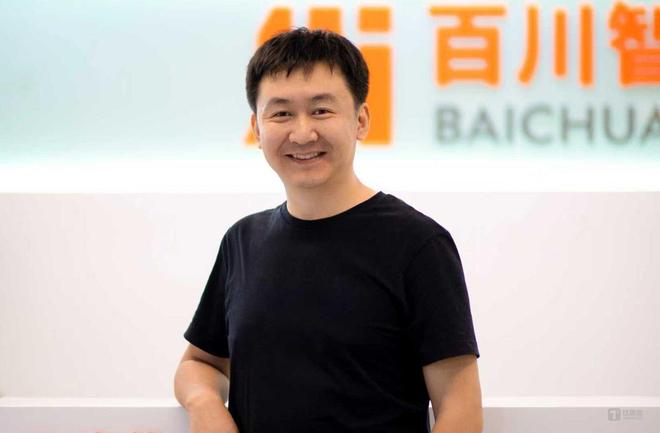
Core Viewpoint - Baichuan Intelligent, led by CEO Wang Xiaochuan, has announced the open-source release of its new medical model, Baichuan-M3, marking a renewed focus on the healthcare sector after previous diversions into other areas [1][4]. Company Overview - Baichuan Intelligent was founded on April 10, 2023, by Wang Xiaochuan, the former CEO of Sogou, with a core team comprising talents from major tech companies like Google, Tencent, and Microsoft [3]. - The company aims to focus on AI applications in life sciences and medicine, having previously faced skepticism from the industry [4]. Product Development - The newly released Baichuan-M3 model achieved a score of 65.1 in the HealthBench evaluation, ranking first globally, and scored 44.4 in the HealthBench Hard category, showcasing its advanced decision-making capabilities [3]. - The model is designed to conduct serious medical inquiries, mimicking a doctor's questioning style to gather critical patient information [3]. Market Positioning - Baichuan Intelligent is strategically focusing on the medical field, especially as major players like OpenAI and Anthropic enter the healthcare AI market [1][4]. - The company plans to launch two consumer-facing products this year, differentiating its approach from competitors like Ant Group's "Afu" [5]. Financial Status - The company currently holds approximately 3 billion yuan (around 430 million USD) in cash reserves, which is deemed sufficient for its operational needs [2][5]. - Baichuan Intelligent intends to monetize its products through direct patient fees and service packages, emphasizing the importance of creating value for users [5]. Competitive Advantage - The company identifies its competitive edge through three main aspects: superior model performance, targeted problem-solving in high-value scenarios, and the agility of a startup compared to larger firms [5]. - Wang Xiaochuan expressed confidence in the company's ability to maintain its lead in model development and its focus on serious medical applications [5].
百川智能官宣2027年IPO:王小川详解AI赛道,两大范式谁将胜出?
Sou Hu Cai Jing· 2026-01-13 15:50
Core Insights - Baichuan Intelligence plans to initiate its IPO in 2027, marking a significant moment in the ongoing AI sector boom and prompting deeper reflections on the commercialization paths of AI companies [1][3] - The CEO, Wang Xiaochuan, highlights a mismatch between the market valuations of AI companies and their actual commercialization capabilities, suggesting a cautious approach to the industry's current overheating [3] - Wang emphasizes the potential of "AI healthcare" as a critical area for development, indicating that Baichuan Intelligence may focus on more specialized, industry-integrated commercialization strategies rather than solely on general models [3][5] Industry Trends - The IPO plan of Baichuan Intelligence reflects a shift in the Chinese AI entrepreneurial wave, moving from speculative exploration to practical applications, with a growing emphasis on clear profit models and sustainable revenue growth [3][5] - The global capital market is becoming increasingly cautious regarding technology company valuations, necessitating that Chinese AI firms present compelling financial statements beyond mere technological prowess [3][5] - The AI industry is likely to evolve into a dual competitive landscape, featuring both platform giants pursuing general capabilities and solution experts deeply integrated into vertical industries, suggesting a future of layered and integrated ecosystems [5]
2026年第2周计算机行业周报:智谱及MiniMax上市带动国产AI应用行情-20260113
Changjiang Securities· 2026-01-13 15:23
Investment Rating - The industry investment rating is "Positive" and is maintained [7] Core Insights - The computer sector experienced a significant increase of 9.12%, ranking 4th among primary industries in the Yangtze River region, with a trading volume accounting for 7.72% of the total market [2][4][15] - The recent listings of Zhiyu and MiniMax are expected to drive investment opportunities in domestic AI applications, with MiniMax's stock surging nearly 110% on its debut, reaching a market capitalization of over HKD 105 billion [6][49] - The report suggests focusing on domestic large model manufacturers, major cloud service providers, vertical scenario agent manufacturers, and the domestic computing power industry chain [6][49] Summary by Sections Market Performance - The computer sector saw a substantial rise, with the Shanghai Composite Index achieving a sixteen-day winning streak, closing at 4120.43 points, reflecting an overall increase of 3.82% [4][15] - AI-related stocks were particularly active, with notable gains in companies such as Starry Technology (+49.74%) and Zhuoyi Information (+43.33%) [17] Key Developments - NVIDIA launched the Alpamayo series of open-source AI models aimed at enhancing autonomous driving capabilities [20][22] - OpenAI introduced ChatGPT Health, a specialized version of ChatGPT designed for health and wellness applications [31][38] - China submitted a proposal to the ITU for multiple satellite constellations, totaling 203,000 satellites, indicating a strategic acceleration in the commercial space sector [41][42] Investment Recommendations - The report emphasizes the importance of the recent IPOs of Zhiyu and MiniMax, which may reshape the industry landscape and capital market pricing logic, shifting the focus from parameter competition to profitability and implementation efficiency [49][60] - Investors are encouraged to monitor developments in the AI application sector, particularly in relation to large model manufacturers and cloud service providers [6][49]
对话王小川:“语言才是中轴,多模态不是主战场”
Tai Mei Ti A P P· 2026-01-13 14:52
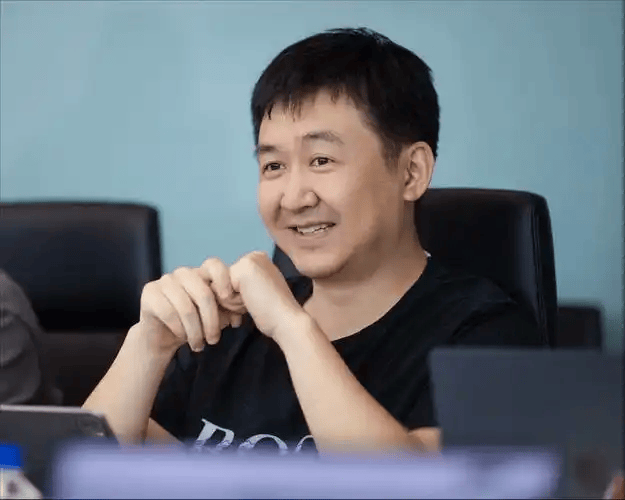
百川智能创始人、CEO 王小川,图片来源:百川智能 1月13日,百川智能正式开源新一代医疗大模型Baichuan-M3。 在全球权威医疗AI评测HealthBench中,Baichuan-M3以65.1分的综合成绩位列全球第一;在专门考验复 杂决策能力的HealthBench Hard上,以44.4分的成绩夺冠。 这一成绩刷新了HealthBench的最高分,首次在医疗领域实现了对GPT-5.2的全面超越。在低幻觉领域, M3也实现了超越,幻觉率3.5全球最低。 图片来源:百川智能 M3还首次具备了原生的"端到端"严肃问诊能力。它能像医生一样主动追问、逐层逼近,把关键病史和 风险信号问出来,进而在完整的信息上进行深度医学推理。评测显示,其问诊能力显著高于真人医生的 平均水平。 从月初OpenAI发布ChatGPT Health,到今天(1月13日) Anthropic推出Claude for Healthcare,AI医疗正 在全球范围内提档加速。 强化学习是过去一年新一代Scaling Law的技术中轴。在M2发布后的五个月里,百川智能对强化学习系 统进行了升级,将原本以患者模拟器和静态Rubric为主的半 ...
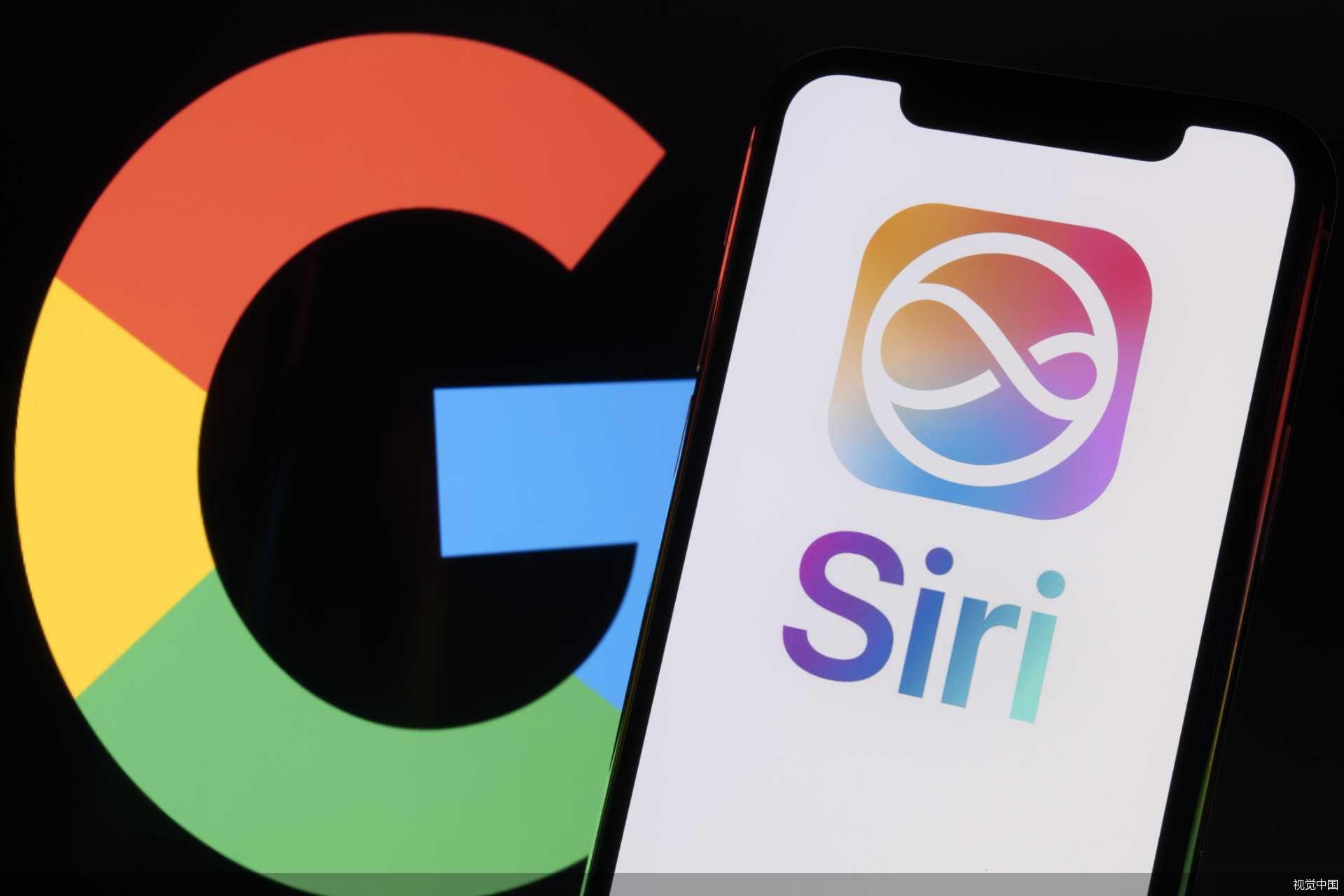
Siri搭载Gemini 苹果谷歌将结盟
Bei Jing Shang Bao· 2026-01-13 14:49
Core Viewpoint - Apple has chosen to collaborate with Google by adopting the Gemini model to enhance Siri, marking a significant shift from its previous strategy of self-development in AI technology. This partnership raises concerns about the concentration of AI capabilities among a few major players in the industry [2][3]. Group 1: Partnership Details - Apple and Google have announced a multi-year agreement for Apple to utilize Google's Gemini AI model for its next-generation foundational models, including an updated version of Siri [3]. - Financial details of the agreement remain undisclosed, but reports suggest Apple may pay Google approximately $1 billion annually for the use of its AI technology [3][4]. - The collaboration is seen as a "transitional" choice for Apple, as it aims to deliver a new Siri experience to users by 2024, following delays in previous updates [3][4]. Group 2: Market Impact - The partnership is expected to generate positive market reactions, with predictions indicating that the new Siri will be released alongside the iOS 26.4 update in spring [5]. - Google's AI technology, now integrated into Apple's ecosystem, could potentially reach over 2 billion active devices, expanding its market presence significantly [6]. - Following the announcement, Alphabet's stock rose by 1.7%, and its market capitalization surpassed $4 trillion for the first time, highlighting the positive reception of the collaboration [6]. Group 3: Competitive Landscape - The collaboration has drawn criticism from industry figures, including Elon Musk, who expressed concerns about the potential for excessive power concentration in the AI sector due to Google's existing dominance with Android and Chrome [8]. - Musk's AI company, xAI, is also competing in the foundational model space, and he has initiated legal action against Apple and OpenAI regarding their partnership [8][9]. - Analysts suggest that Apple is intentionally building a "multi-model supplier" structure to avoid over-reliance on any single company, while maintaining its existing partnership with OpenAI [9]. Group 4: Future Prospects - Apple's AI initiatives are under scrutiny, especially in the Chinese market, where regulatory challenges may limit the integration of foreign AI models like Gemini [9]. - The company is likely to explore collaborations with domestic tech firms, such as Alibaba, to enhance its AI capabilities in compliance with local regulations [9].


JPM峰会上的中国医疗公司,现在都走了到哪一步?
GLP1减重宝典· 2026-01-13 14:15
Core Viewpoint - The article discusses the evolving landscape of the Chinese healthcare sector, particularly in the context of the upcoming JP Morgan Healthcare Conference, highlighting the diversification of Chinese companies and their strategic positioning in the global market [4][29]. Group 1: Conference Overview - The JP Morgan Healthcare Conference is the largest and most informative international healthcare investment and business development meeting, scheduled for January 12-15, 2026, in San Francisco [4]. - Approximately 22 Chinese companies are participating, categorized into four distinct roles: transaction-oriented innovative drug companies, disclosure companies at commercialization or regulatory milestones, supply-side platforms for global R&D and production outsourcing, and device companies focusing on efficiency and international expansion [4]. Group 2: Supply-Side Platforms - Supply-side platform companies are becoming essential in the global innovation chain, as they focus on delivering stable and efficient R&D and production capabilities, especially during periods of increased volatility in innovative drug companies [6][8]. - WuXi Biologics is shifting its focus from project quantity to project quality, emphasizing capacity utilization and long-term contract stability as key indicators of its value in the global biopharmaceutical supply chain [8]. Group 3: Cross-Border Licensing and Outbound Companies - The pricing logic for Chinese innovative drugs in cross-border licensing has evolved, with a focus on the overall deliverable capabilities rather than just the individual molecules [14]. - Companies like Kelun-Blotech and BaiLi Tianheng are exemplifying this trend by integrating their platforms into global R&D systems and establishing long-term collaborations with multinational pharmaceutical companies [16][18]. Group 4: Regulatory and Commercialization Companies - Companies that have accumulated clinical data and registration progress are transitioning towards verifiable sales and profit curves, shifting their valuation logic from future expectations to tangible cash flows [19]. - Zai Lab and Antengene are in the early commercialization stages, with their success hinging on their products' acceptance in clinical settings and the speed of prescription growth [21][23]. Group 5: Medical Device Companies - Mindray Medical is recognized for its comprehensive coverage of hospital workflows, with a focus on multi-product synergy rather than single-device performance, which is crucial for establishing long-term customer relationships [26]. - MicroPort Scientific is navigating a challenging environment where operational efficiency and cash flow management are critical for sustaining long-term clinical validation and international expansion [28]. Group 6: Industry Trends and Insights - The Chinese healthcare sector is transitioning from a phase of visibility to one of selection, where companies must clearly define their positions and deliverables in a high-intensity global exchange [29]. - The differentiation among Chinese companies in the global system is accelerating, with a clear divide between transaction-oriented innovative drug companies and those that have crossed critical regulatory milestones, focusing on verifiable growth [31].