
产教融合

Search documents
国际青年学者论坛在江苏扬州举行 发布“高层次人才共享计划”
Xin Lang Cai Jing· 2025-12-20 06:43
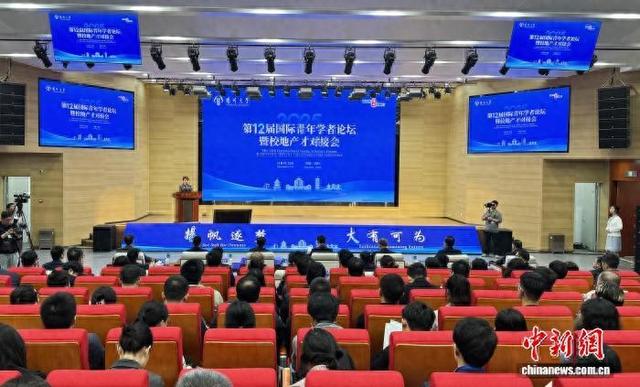
"在座的各位学者科研基础扎实、未来潜力无限,正是我们最需要最合适的人才。"扬州大学党委书记丁 建宁在致辞中说,扬州不仅有好大学,更有好产业、好平台,大家来到扬州、进入扬州大学,一定会拥 有更加优质的条件、更加广阔的舞台、更加光明的前途。 名城与名校共生共荣,扬州与扬州大学"爱才、惜才、育才"同心同向。扬州市委书记王进健在致辞中表 示,"我们期盼以扬州大学国际青年学者论坛为桥梁和纽带,诚邀更多的四海英才选择扬州、选择扬州 大学,在这片充满活力的沃土上挥洒激情,成就梦想。" 论坛上发布扬州市"高层次人才共享计划",该计划系江苏首家发布高层次人才共享计划,旨在破解企业 高层次人才"引进难"、高校人才作用"发挥难"、产学研融合"贯通难"等难点堵点,充分发挥高校院所人 才"蓄水池"作用,支持在扬州的高校院所与重点企业联合引才育才用才,探索"编制在学校、待遇在企 业、政府给政策"的引才用才新模式,推动创新链、产业链、资金链、人才链深度融合,为扬州高质量 发展提供坚实支撑。 中新网扬州12月20日电 (徐珊珊 吴逊 毕瑜林)扬帆逐梦,大有可为。20日,第12届国际青年学者论坛暨 校地产才对接会在扬州大学举行,来自22个国家 ...

人工智能赋能职业教育国际创新大会在湖举办
Xin Lang Cai Jing· 2025-12-19 23:34
Core Insights - The conference focused on the theme "Intelligent Empowerment, Nurturing the Future," exploring new pathways for vocational education transformation led by artificial intelligence [1] - The event attracted over 250 experts and representatives from the education, business, and AI sectors across more than 10 countries and regions, including China, Malaysia, Russia, and South Korea [1] Group 1 - The conference was organized by the China Private Education Association's Smart Education Professional Committee and hosted by Zhejiang Yuxiang Vocational and Technical College [1] - Zhejiang Yuxiang Vocational and Technical College received multiple accolades, including being designated as a joint training base for innovative talents between China and South Korea [1] - The establishment of several new institutes, such as the Hikvision Intelligent Vision Industry College and the Yonyou New Dao Digital Industry College, was announced to strengthen the integration of AI with education [1]
“送才上门”拓展就业岗位1.4万余个
Xin Lang Cai Jing· 2025-12-19 22:31
此次活动上,四川高校与广东用人单位在人才联合培养、共建实习基地、就业招聘合作、科技成 果转化等方面达成多项共识。多位四川高校代表表示,后续将与广东企业联合制定培养方案,推 动校企在产教融合、成果转化等领域的深度合作。 广东省人才服务局相关负责人表示,去年四川高校首次联合走访广东企业,搭建起交流合作桥 梁。这次四川高校再次来访,进一步深化川粤两地就业协作伙伴关系。据统计,近两年来,四川 高校与广东企业以产教融合为纽带深化协作,以招聘联动促进供需对接,助力6万余名四川学子扎 根广东、筑梦成长。 本报讯(四川日报全媒体记者 江芸涵)12月15日至19日,四川29所高校代表先后赴广东省惠州、 深圳、东莞、广州4市,走访产业园区、重点用人单位,举办3场专场推介会,与广东400余家优质 用人单位精准对接,进一步拓宽四川高校毕业生就业市场。活动期间,四川高校累计向广东用人 单位推送毕业生简历4万余份,拓展就业岗位1.4万余个,实现校地企三方的互利共赢。 活动首站走进惠州,考察当地两个千亿级产业园区。西南石油大学与多家企业明确了明年春季专 场招聘事宜;恒力石化(惠州)有限公司计划启动四川高校专项招聘,并探索共建联合实验室。 ...
潘家园33周年庆系列活动暨首届潘家园串文化节开幕
Xin Lang Cai Jing· 2025-12-19 18:23
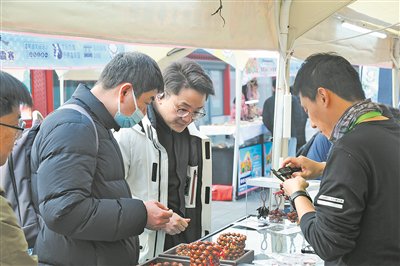
Core Insights - The event "33rd Anniversary of Panjiayuan" and the first "Panjiayuan String Culture Festival" opened in Beijing, focusing on cultural heritage and global dissemination [3] - The festival includes various activities such as the unveiling of the Panjiayuan Cultural Academy and the establishment of a grassroots exchange base between Beijing and Taiwan, aiming to enhance cultural experiences [3][4] Group 1 - The Panjiayuan Cultural Academy was launched to address the lack of knowledge among young consumers regarding cultural artifacts, promoting a new model of industry-education integration [3] - The festival features a "String King Competition" and a themed market, allowing visitors to deeply engage with string culture and enjoy various cultural performances and promotional activities [4] - The event will run until January 4, 2026, providing an extended opportunity for public engagement and cultural exchange [5] Group 2 - The festival includes online and offline activities, such as e-commerce promotions and cultural gift sales, enhancing consumer experience and participation [4] - The event showcases the transformation of Panjiayuan from a flea market to a cultural landmark, highlighting its historical significance and development [3]
中国广电辽宁网络股份有限公司与辽宁大学签署战略合作协议
Xin Lang Cai Jing· 2025-12-19 12:43
Core Points - The strategic cooperation agreement was signed between China Broadcasting Liaoning Network Co., Ltd. and Liaoning University, aiming to enhance collaboration in education and industry [1][18] - The partnership focuses on integrating educational resources and promoting innovation in the fields of journalism and communication [5][22] Group 1: Ceremony Details - The signing ceremony took place at Liaoning University, attended by key figures from both organizations, including the chairman of China Broadcasting Liaoning and the president of Liaoning University [1][18] - The agreement was signed by representatives from both parties, with several officials witnessing the event [9][26] Group 2: Statements from Leaders - Pan Yishan, the president of Liaoning University, emphasized the importance of this cooperation in deepening the integration of education and industry, and highlighted the establishment of a new journalism and communication department [5][22] - Yao Chunhua, chairman of China Broadcasting Liaoning, expressed gratitude for the collaboration, noting the company's strengths in broadcasting network construction and digital media services, and the potential for mutual benefits [7][24] Group 3: Future Collaboration - The partnership will focus on talent cultivation, joint research, and resource sharing, aiming for comprehensive cooperation [9][26] - The collaboration is expected to contribute significantly to the development of Liaoning's broadcasting industry and the university's talent training pathways [7][24]
烟大本科教学改革亮出新蓝图:AI赋能,打造产学双驱动育人体系
Qi Lu Wan Bao· 2025-12-19 11:27
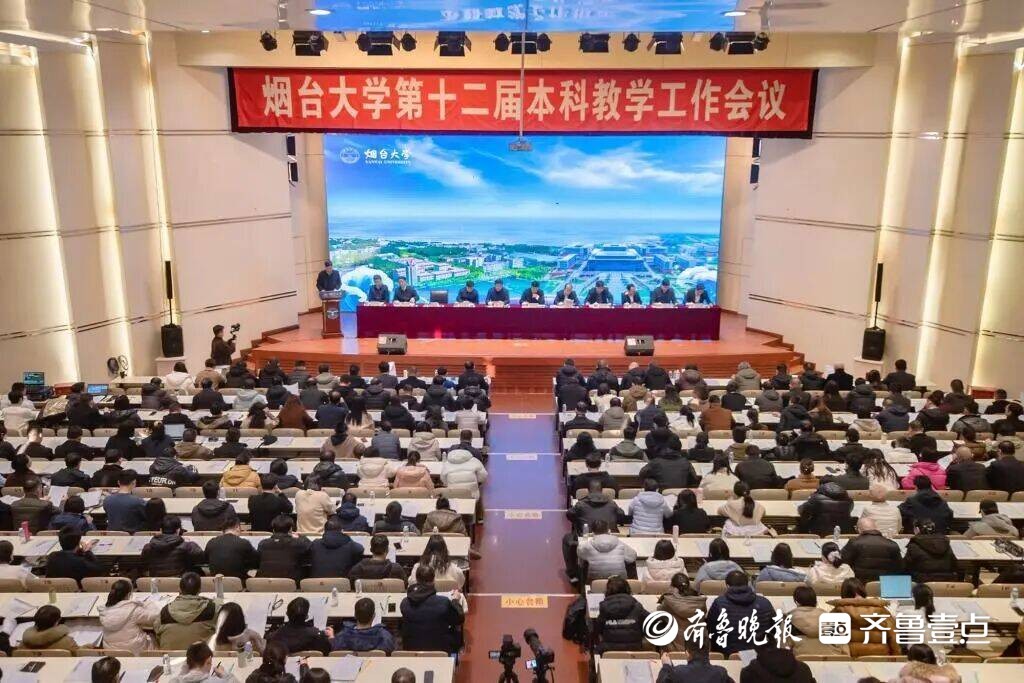
Core Viewpoint - Yantai University is advancing its undergraduate education reform by focusing on "demand-driven and intelligent empowerment," aiming to create a new educational ecosystem that integrates artificial intelligence and aligns academic frontiers with industry needs [1][5]. Group 1: Educational Reform Initiatives - The university emphasizes the importance of undergraduate education as the foundation of its establishment and development, highlighting the need to adapt to the new high-quality development landscape of higher education [3]. - The meeting outlined the implementation of "eight projects" to address challenges in professional optimization, teaching reform, and the integration of information technology with education [3][5]. - A dynamic adjustment mechanism for disciplines and majors will be established to enhance the quality of talent cultivation [5]. Group 2: Goals and Strategies - The university aims to deepen the integration of artificial intelligence in education, promoting innovation and improving the quality of talent training [5]. - Key strategies include maintaining a focus on moral education, fostering a high-quality teaching staff, optimizing resource allocation, and creating a comprehensive educational ecosystem [5]. - The university's leadership calls for collective action to foster an environment that values teaching and innovation, aiming to create a new landscape for undergraduate education [5][7]. Group 3: Recognition and Achievements - The meeting included discussions from various faculty members who shared insights on teaching excellence and recognized outstanding teams and individuals for their contributions to educational work [9].
北京潘家园文玩学院正式签约揭牌
Bei Jing Shang Bao· 2025-12-19 04:17
Core Insights - The first "Panjiaoyuan String Culture Festival" has opened at the Panjiao Yuan antique market, featuring a comprehensive cultural experience that is "observable, playable, purchasable, and learnable" [1] Group 1: Event Highlights - The Panjiao Yuan Cultural Academy was officially inaugurated during the event, created in collaboration with Chaoyang District Workers' University to address the lack of knowledge among young consumers in the cultural relics sector [1] - The academy aims to inject new momentum into the cultural relics industry through a new model of industry-education integration, leveraging 33 years of industry resources from Panjiao Yuan Cultural Company and the educational advantages of the Workers' University [1] - The academy will establish a dual-track training system of "inclusive + professional" and utilize the Panjiao Yuan antique market as a practical base for teaching core knowledge and practical skills in the cultural relics industry [1] Group 2: Event Duration and Activities - The festival will last for 17 days, concluding on January 4, 2026, and will include various cultural activities for citizens and tourists, such as folk performances, public appraisal of cultural relics, and limited-time promotions [1] - The festival features a "String King Competition" alongside a themed market, allowing visitors to deeply engage with string culture and enjoy the "Top Ten Strings" showcased in the competition [1]
96家企业携千余岗位进校,苏高职双选会赋能千余学子高质量就业
Yang Zi Wan Bao Wang· 2025-12-19 02:39
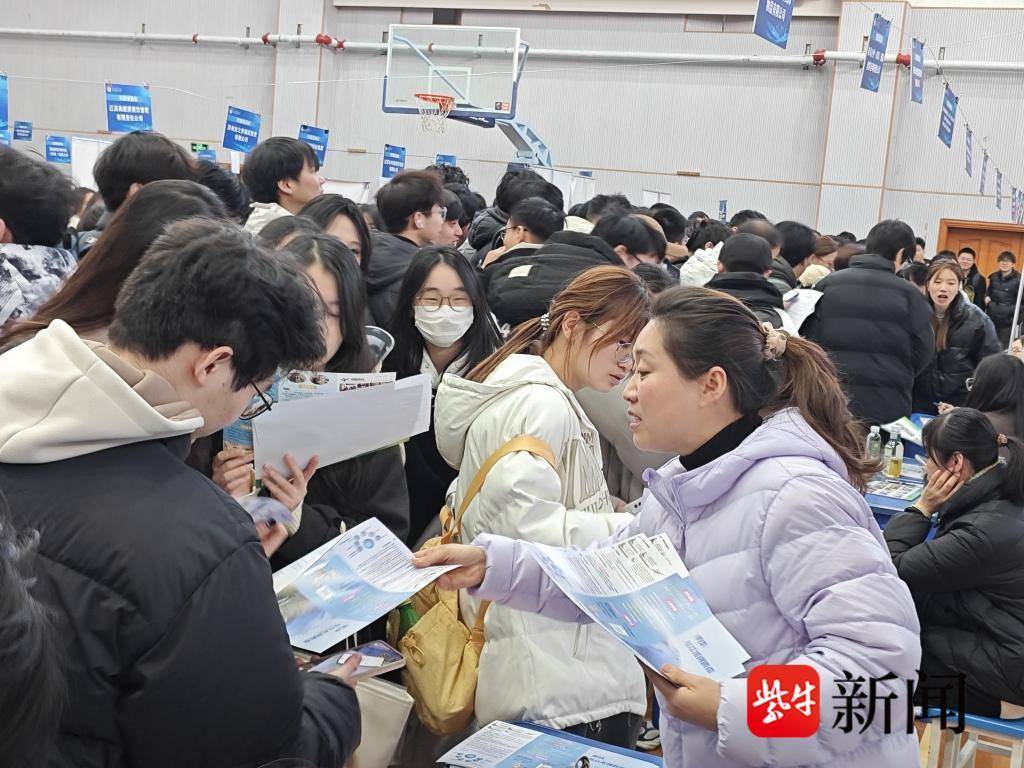
事实上,这场火爆的双选会,正是苏州高等职业技术学校创新就业服务模式的生动缩影。学校创新打造"系部专场+校企恳谈+校园双选"三维就业服务体 系,为2026届千余名毕业生搭建高效就业桥梁。招聘月期间,各系部立足专业特色举办专场招聘会,实现人才供需精准匹配:11月7日,机电工程系邀请 通用电气航空苏州有限公司等5家行业领军企业组团参会,为200余名学子带来智能制造、设备运维等岗位,现场达成实习意向86份;11月19日,经济贸易 系携手江苏银行(600919)、明基电通等知名企业,推出金融、电商类岗位,吸引学子踊跃投递,达成意向112份,28人获优先录用资格;12月12日,电 子工程系联合京隆科技开展专场招聘,35名学子与企业达成初步就业意向。 12月18日下午,苏州高等职业技术学校校园双选会在塔园路校区体育馆举办,96家品牌企业携千余个优质岗位进校揽才,岗位专业覆盖率达100%,千余 名学子现场与企业面对面洽谈,供需两端实现精准对接,为学子高质量就业筑牢根基。 扬子晚报/紫牛新闻记者在现场看到,双选会现场人气爆棚,企业摊位前挤满咨询、应聘的学生,火热氛围持续升温。据统计,本场招聘会汇聚96家品牌 企业,提供千余个优 ...
青春创意酿新篇 2025“五粮液”杯中国大学生酒类创新创意大赛在宜宾收官
Xin Hua Cai Jing· 2025-12-19 02:03
12月17日,2025"五粮液"杯中国大学生酒类创新创意大赛(以下简称"大赛")在四川宜宾落幕。来自全 国各地高校的500名学子展开激烈角逐,激扬青春风采,为行业未来发展注入强劲动力与无限活力。 作为白酒行业龙头企业,五粮液勇担行业人才培养重任,连续五年支持该赛事成功举办,为青年人才搭 建成长阶梯,也为酿酒行业注入创新动能,打造出人才培育与产业升级同频共振的"五粮样本"。 搭建产教融合桥梁赋能产业转型升级 白酒产业作为"历史经典产业",正处于从规模扩张转向高质量和价值驱动发展的深度转型期,深化产教 融合、发挥校企合力对赋能白酒产业转型升级意义重大。 "大赛响应时代号召,为'Z世代'的健康理念、审美需求与科技灵感,搭建一个宝贵的实践舞台。"四川 轻化工大学党委副书记陈范华表示,它是一座桥梁,一端连着中国酒业协会的行业高度与五粮液等龙头 企业的产业厚度,另一端则连着全国高校的智力密度与青年学子的梦想热度。 据悉,本届大赛以"浓香新世代·青春创未来"为主题,由四川省教育厅、宜宾市人民政府主办,四川轻 化工大学、中国白酒学院承办,五粮液独家冠名,中国酒业协会特别支持,设置品酒、酒类创新、包装 营销创意三大项目,吸引全 ...

专业建在产业上 人才育在实践中
Ren Min Ri Bao Hai Wai Ban· 2025-12-19 01:30
Core Viewpoint - The collaboration between Shandong Medical College and the pharmaceutical industry has successfully integrated education and industry, enhancing both professional standards and student employability, with over 176,000 high-quality technical talents delivered to the healthcare industry [1] Group 1: Industry Needs and Educational Alignment - Shandong Medical College focuses on aligning its professional programs with the needs of the healthcare industry, dynamically adjusting its curriculum based on industry demands [1][2] - The college has established a closed-loop mechanism for professional development that connects industry needs, professional settings, and dynamic adjustments [1] Group 2: Talent Development and Practical Training - The college employs a "1.5+1.5" dual main education model, allowing students to complete theoretical studies and practical training in collaboration with hospitals, ensuring they are job-ready upon graduation [3] - Partnerships with various hospitals and enterprises have created an integrated internship and employment system, embedding industry standards into the curriculum [3] Group 3: Faculty Development and Industry Collaboration - The college emphasizes the importance of a "dual-teacher" faculty model, integrating industry experience into teaching to better meet enterprise needs [4][5] - A "mutual hiring" mechanism has been established, allowing industry experts to serve as part-time instructors, enhancing the quality of education [5]