
风险管理

Search documents
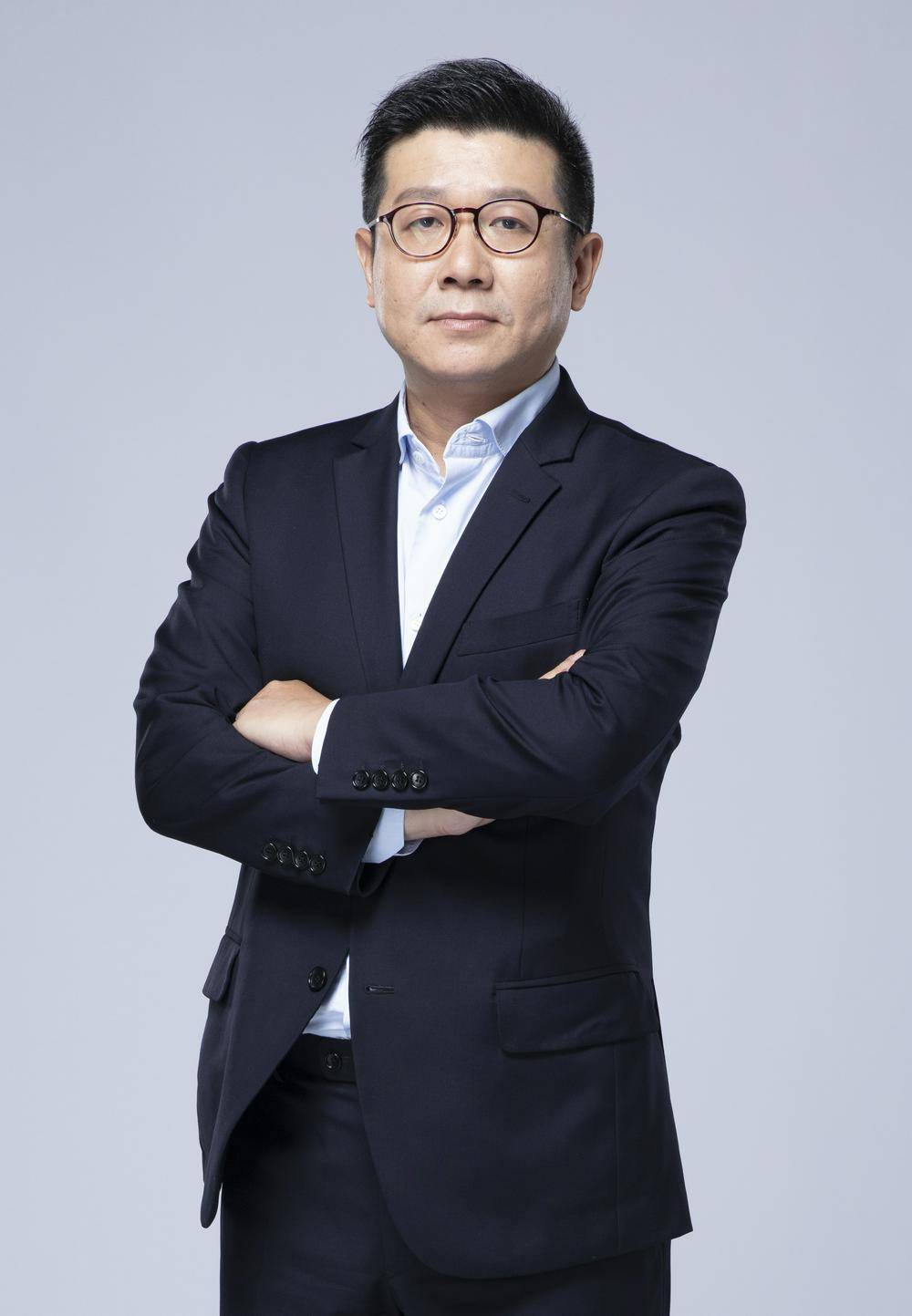
绩优长跑者谈长期主义|15倍基打造者,摩根资管杜猛的十四年修炼,让投资回归时间与价值共振
Sou Hu Cai Jing· 2025-11-24 09:28
Core Viewpoint - The article emphasizes the importance of long-term investment strategies, particularly in growth stocks, as a means to navigate market volatility and achieve sustainable returns over time [1][2][5]. Investment Philosophy - The investment philosophy centers on the belief that true long-term returns come from companies that create value and possess core competitiveness, rather than from fleeting market trends [2][10]. - The approach involves low turnover rates and deep research, focusing on long-term tracking of companies rather than short-term performance metrics [2][11]. Performance Metrics - The Morgan Emerging Power Fund, managed by Du Meng since 2011, has achieved a total return of 796.77% and an annualized return of 16.52% as of November 12 [6]. - The Morgan China Advantage Fund, managed since 2019, has an annualized return of 19.13% and a cumulative total return of 1513.25%, marking it as one of the few funds to achieve a "15x base" since inception [6]. Long-Term Investment Strategy - Du Meng's strategy is characterized by a focus on long-term growth, emphasizing that the value realization of growth stocks is a gradual process requiring time [5][10]. - The investment framework includes a systematic approach to managing positions based on industry trends and company fundamentals, avoiding concentration risks [7][14]. Market Trends and Future Outlook - Du Meng remains optimistic about sectors such as renewable energy, AI, and pharmaceuticals, identifying them as structural opportunities for growth [9][15]. - The investment strategy is designed to withstand market fluctuations by focusing on the essence of industries and maintaining a long-term perspective [8][15]. Risk Management - Effective risk management is achieved through thorough research, ensuring investments are in fundamentally sound companies, and maintaining a disciplined approach to valuation [14][15]. - The strategy includes a dynamic allocation of positions based on the certainty and potential of individual stocks, enhancing the resilience of the overall portfolio [7][14].

商品期权赋能实体经济高质量发展
Qi Huo Ri Bao Wang· 2025-11-24 08:34
Core Insights - The event "DCE·Industry Action" focused on the role of commodity options in empowering the high-quality development of the real economy in Anhui, attracting over 50 representatives from industry enterprises and futures professionals [1] Group 1: Commodity Options Development - Since the launch of the first domestic commodity option, soybean meal options, on March 31, 2017, the Dalian Commodity Exchange (DCE) has continuously enriched its variety system and optimized contract rules [1] - As of October 2025, DCE has listed 18 option varieties, with 12 of them open to external trading [1] - In the first ten months of 2025, the average daily trading volume of DCE options reached 1.73 million contracts, and the average daily open interest was 3.02 million contracts, representing year-on-year increases of 51% and 28% respectively [1] - Among the various sectors, agricultural product options showed remarkable performance, with an average daily trading volume of 980,000 contracts, accounting for 57% of the total trading volume of DCE options [1] Group 2: Market Quality Improvement - To better serve the real economy, DCE has implemented a series of rule optimization measures in the past two years, including the "near dense, far sparse" listing rule, which has led to a 25% reduction in the number of option contracts while improving the quality of far-month contracts [2] - Starting from December 2024, DCE will extend the last trading day for options from the 5th trading day before the delivery month to the 12th trading day, allowing options to cover the futures contract cycle for a longer period [2] - This measure has resulted in an average daily increase of about 2% in open interest during the extended trading period [2] Group 3: Risk Management Strategies - The application of option strategies for precise risk management was highlighted, with examples shared by industry professionals on how to utilize options to protect inventory and manage price risks effectively [3][4] - The concept of "含权贸易" (option-inclusive trade) was introduced, allowing upstream companies to lock in minimum sales prices while managing risks associated with price fluctuations [3] - Downstream companies can also use option-inclusive contracts to cap procurement costs, demonstrating the versatility of options in managing price risks across the supply chain [4] Group 4: Future Developments - DCE plans to continue enriching its option varieties and tools, with a focus on the upcoming launch of coking coal options and preparations for the listing of soybean meal and corn series options [5] - The exchange will also keep optimizing option contract rules and enhancing market cultivation and promotion to better fulfill the functions of the options market [5]
提升企业期货运用能力和风险管理水平
Qi Huo Ri Bao Wang· 2025-11-24 08:28
Core Viewpoint - The training session organized by the Guangxi Futures Exchange aims to enhance the utilization of futures derivatives in the renewable energy sector, addressing market risks faced by companies in Jiangsu Province [1][2] Group 1: Training Objectives and Content - The training session involved nearly 100 participants from renewable energy companies and futures firms, focusing on the role of the futures market in supporting green transformation and new productivity [1] - Experts from various organizations provided insights on market supply and demand, methods for utilizing futures derivatives, practical examples of futures trading, and risk management frameworks [1] - The Guangxi Futures Exchange presented information on its product operations and hedging services to the attending companies [1] Group 2: Market Risks and Needs - Jiangsu Province, a hub for renewable energy industries like photovoltaics and lithium batteries, faces multiple market risks, including supply-demand mismatches and price volatility of raw materials and finished products [1] - Companies expressed the need for futures risk management tools to ensure stable operations amid uncertainties in internal and external policies [1] Group 3: Future Initiatives - The Guangxi Futures Exchange plans to strengthen communication with local governments and enhance collaboration with regulatory bodies and other exchanges [2] - The exchange aims to promote risk management concepts and implement training and service measures to empower the green low-carbon transition in the renewable energy sector [2]
读《风和投资随笔》
猛兽派选股· 2025-11-22 04:02
Core Viewpoint - The article emphasizes the importance of risk management and a bottom-up approach in investment strategies, focusing on identifying high-quality companies rather than following market trends or macroeconomic indicators [1][2]. Group 1: Investment Philosophy - The core investment philosophy of Fenghe Fund prioritizes risk management, asserting that understanding one's own risk profile is essential for successful investing. The focus is on managing drawdowns and maintaining a diversified portfolio with low correlation among assets [1]. - The fund has achieved an average annual return of over 18% since its inception in 2009, with a maximum historical drawdown of only -6.5% [1]. Group 2: Company Focus - The investment strategy is centered on a bottom-up analysis of companies, disregarding macroeconomic trends and focusing instead on a company's innovation and competitiveness. The evaluation of a company's value is based on cash flow, realizable assets, and its ability to generate future cash [1]. - The fund seeks to identify high-quality companies ("eagles") that can dominate their markets, while also being willing to short companies with deteriorating fundamentals, avoiding mediocre companies altogether [1]. Group 3: Market Perspective - The article advocates for a cyclical understanding of the market, encouraging a contrarian investment approach that aligns with long-term fundamentals rather than short-term performance fluctuations. This philosophy allows for strategic investments in companies with strong future prospects during periods of market pessimism [2]. - Key insights include the importance of observation and analysis over prediction, emphasizing that survival in volatile markets relies on solid fundamentals rather than speculative forecasts [2].

黄金交易量创下新高 金属市场长期前景乐观
Zhong Guo Zheng Quan Bao· 2025-11-21 22:41
Core Insights - The metal market in 2023 is characterized as "full of changes" and "exciting," with significant trading activity in gold, silver, and cobalt, driven by various market dynamics [1][4]. Trading Activity - CME Group's gold futures have seen an average daily nominal trading volume of approximately $85 billion in 2023, with projections of around $60 billion per day for 2024 [1]. - The trading volume for micro silver futures has increased by 22% year-on-year, averaging 22,000 contracts per day [1]. - Overall, CME's gold futures and options trading volume has increased by 20% compared to last year, reaching record levels [2]. Retail Investor Participation - Retail investors are significantly returning to the gold market, with micro gold futures and newly launched one-ounce gold futures seeing trading volumes more than doubling [2]. - The average daily trading volume for micro gold futures exceeds 1 million contracts, while one-ounce gold futures average around 180,000 contracts [2]. Central Bank Demand - Continuous gold purchases by global central banks, including those from China, the U.S., Europe, and Japan, are driving demand for physical gold, which also positively impacts other precious metals like silver and platinum [2]. Market Health and Activity - Despite increased volatility in gold prices since October, the overall performance of the gold futures market is described as healthier than before, with new positions being established alongside some profit-taking [3]. - The participation rate in the precious metals market remains strong, particularly in the Asia-Pacific region, where the trading volume during Asian hours has increased from 25% to nearly one-third of the global total [3]. Cobalt Market Dynamics - The cobalt market has experienced significant fluctuations due to export restrictions from the Democratic Republic of Congo, leading to a rise in cobalt prices [4]. - The demand for cobalt is driven by companies looking to lock in costs and hedge risks, with current positions in CME's cobalt products reaching approximately 20,000 contracts [4]. Risk Management Tools - The frequency of black swan events has increased the demand for risk management tools, prompting CME to introduce short-term options for gold and silver [5]. Chinese Market Participation - Chinese clients are increasingly influential in CME trading, showing a preference for regulated trading environments and contributing significantly to global demand, particularly in copper, where they account for over 40% of global consumption [6]. - The ongoing transition to carbon neutrality is expected to sustain long-term demand for both industrial and precious metals, with a focus on infrastructure and energy storage needs [6]. - The recycling of metals is anticipated to gain momentum, with China making notable progress in enhancing resource utilization efficiency through large-scale recycling initiatives [6].
The Quiet Forces Driving This Correction
Seeking Alpha· 2025-11-21 16:33
Core Insights - The focus is on identifying high-potential investment opportunities before they experience significant growth, emphasizing asymmetric risk-reward profiles with an upside potential of 3-5 times the downside risk [1] Investment Strategy - The investment approach leverages market inefficiencies and contrarian insights to maximize long-term compounding while safeguarding against capital impairment [1] - A strong margin of safety is prioritized to protect against potential capital losses, ensuring a disciplined investment strategy [1] - The investment horizon is set at 2-3 years, allowing the company to endure market volatility and achieve substantial returns through patience and intelligent capital allocation [1]

发挥险资长期稳健优势!股权投资仍有巨大潜力|聚焦2025深圳国际金融大会
证券时报· 2025-11-21 00:00
Group 1: Core Perspectives - The 2025 Shenzhen International Financial Conference focused on "Global Financial Markets and Policy Innovation," gathering industry leaders to discuss new paths for financial development [1] - Technology innovation is emphasized as a national strategy and a core engine for reshaping the financial industry, with increasing investment in technology sectors driving financial market functions [1][2] - The insurance industry is urged to transition towards comprehensive risk management, focusing on supporting the real economy and enhancing public safety through innovative insurance products [3][4] Group 2: Talent and Human Resources - The total number and proportion of technology talents in China's financial institutions are steadily increasing, but there remains a gap compared to international financial centers like New York [2] - Future talent development should focus on cultivating interdisciplinary and composite financial talents through collaboration between universities and the market [2] Group 3: Insurance Sector Developments - The insurance industry is encouraged to develop innovative products that cater to the "new three types" and green industries, establishing a comprehensive risk protection system [3] - The "14th Five-Year" period saw significant financial innovation achievements in the Greater Bay Area, with over 30 financial institutional innovation measures implemented [2] Group 4: Investment Strategies - Insurance capital's equity investment aims to ensure capital safety while serving national strategies and the real economy, with a diversified investment landscape evolving from "limited opening" to "precise regulation" [4] - Recommendations for optimizing the policy environment for insurance capital include enhancing capital constraint mechanisms and clarifying investment decision rules [4] Group 5: Financial System and Market Structure - A strong financial system is essential for a high-quality real economy, requiring robust legal currency and budgetary constraints to effectively hedge risks [6] - The integration of technology and finance is seen as crucial for supporting enterprise innovation and economic growth, with a call for a balanced approach to venture capital and angel investment [7][8] Group 6: Future Outlook and Recommendations - The "15th Five-Year" plan suggests enhancing the inclusiveness and adaptability of capital market systems to better coordinate investment and financing functions [12] - The Greater Bay Area is positioned as a core practice area for the "light asset, heavy capital" transformation, promoting collaborative innovation and financial strength [13]

做期权的好处对于投资者友好吗?
Sou Hu Cai Jing· 2025-11-20 22:17
Group 1 - Options provide flexibility and diversity, allowing investors to choose different contracts and strategies based on their risk preferences and market expectations [3] - Options assist in risk management, as the maximum loss for the buyer is limited to the premium paid, enabling hedging without significant losses [3][8] - Options enhance capital efficiency, requiring less capital compared to directly purchasing underlying assets, thus offering opportunities for high returns with lower investment [3][6] Group 2 - Options have high leverage without the risk of margin calls, allowing investors to achieve high returns with minimal investment while controlling maximum losses [7] - Options serve as a "regret remedy," enabling investors to hedge against market downturns while still participating in potential upswings [8] - The characteristics of options, such as limited risk, leverage, flexible strategies, hedging capabilities, and low costs, make them attractive to investors [8]

深化期现融合 推动原木产业高质量发展
Qi Huo Ri Bao Wang· 2025-11-20 16:05
Core Insights - The first China Wood Industry High-Quality Development Conference was held in Dalian, focusing on the theme "Linking Futures to Connect the Future" and gathering over 600 representatives from various sectors [1] Industry Changes - The wood industry is a crucial raw material for national economic construction and green development, with its scale growing from hundreds of billions to over ten trillion yuan [2] - China has become the world's largest producer, consumer, and trader of wood and wood products, exporting to over 180 countries and regions [2] - The launch of log futures and options has shown initial success in enhancing the international influence of China's wood market, with a total trading volume exceeding 7.8 million contracts and a transaction value of 464 billion yuan in the past year [2][3] Standardization and Efficiency - Log futures have significantly contributed to the establishment of a unified national market by addressing long-standing issues with inconsistent measurement standards [3] - The introduction of national standards for log measurement has improved efficiency by over five times compared to traditional methods [3] - The promotion of standardized measurement practices has helped enhance the overall efficiency and standardization of the industry [4] Risk Management - Companies are increasingly focusing on the hedging functions of log futures to stabilize their revenues and manage risks effectively [5][6] - Different levels of risk management strategies are available for companies, ranging from basic hedging to advanced options strategies [6] Import Trade Dynamics - The attitude of foreign exporters towards log futures has shifted dramatically, leading to a more dynamic pricing model and improved negotiation power for domestic importers [8][9] - The introduction of log futures has allowed domestic importers to reference market prices in negotiations, enhancing their bargaining power [10] Future Outlook - There is a strong expectation for the future development of the wood industry and log futures, with plans to enhance the integration of the wood industry chain and supply chain [11] - The Dalian government aims to establish a Northeast Asia wood distribution and deep processing base, promoting the export of wood products [11] - The Dalian Commodity Exchange plans to optimize products and enhance the global influence of "Chinese prices" while promoting a modernized wood industry circulation system [12]
银行理财市场呈现回暖迹象
Zheng Quan Ri Bao· 2025-11-20 16:03
Group 1 - The bank wealth management market shows significant signs of recovery, with an increase in the number of newly issued wealth management products and a rise in performance benchmarks, indicating a positive trend of "volume and price rising together" [1] - In the week from November 10 to November 16, a total of 573 new bank wealth management products were issued, an increase of 41 from the previous week. Open-ended products accounted for 166 new issues with an average performance benchmark of 2.02%, up 0.08 percentage points, while closed-end products saw 407 new issues with an average benchmark of 2.38%, a slight increase of 0.02 percentage points [1] - The increase in the issuance of bank wealth management products and the rise in average performance benchmarks are driven by two main factors: the continuous decline in deposit rates and the demand for fund reallocation from residents as high-interest deposits mature [1] Group 2 - Experts are optimistic about the growth trend of bank wealth management scale in the fourth quarter, expecting a moderate growth pattern due to the ongoing decline in deposit rates and the release of residents' asset allocation needs [2] - The issuance scale of "fixed income plus" products is expected to gradually increase as the equity market recovers, while pure fixed income products may see a downward trend in overall yields due to structural pressures from the macro interest rate environment [2] - The bank wealth management industry is anticipated to exhibit a "steady but slow" growth characteristic in the fourth quarter, with the growth rate potentially slowing down despite the supportive factors of declining deposit rates and asset reallocation [2] Group 3 - To balance scale expansion and stable returns, a framework of "fixed income base + diversified enhancement" is recommended, controlling product volatility risk while appropriately increasing equity allocations to enhance yield [3] - It is essential to refine product stratification to design differentiated products that meet the varying risk preferences and liquidity needs of different investor groups [3] - Strengthening duration management and liquidity reserves is crucial to effectively prevent large-scale redemption risks caused by market fluctuations [3] Group 4 - Wealth management companies should enhance their investment research capabilities and asset allocation skills, establishing a comprehensive research system covering bonds, equities, and commodities, and flexibly adjusting stock-bond ratios based on economic cycles [4] - Differentiated products should be developed under the "fixed income plus" strategy, targeting conservative clients with short-duration bonds and low-volatility equity assets, while offering aggressive clients products linked to derivatives for enhanced returns [4] - A comprehensive risk management system is necessary to assess the stability of returns under extreme conditions, leveraging digital transformation to improve research efficiency and client matching accuracy [4]