
固态电池

Search documents
5年一轮的大周期来了?聊聊化工的周期拐点
Xin Lang Cai Jing· 2026-01-26 05:47
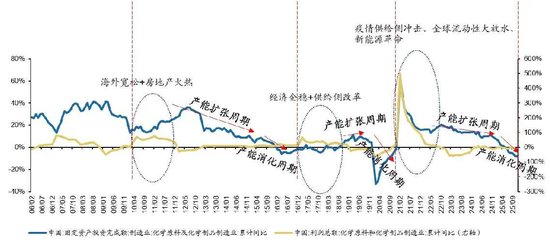
Core Viewpoint - The chemical industry is gaining attention as a significant investment opportunity alongside AI, chips, and new consumption sectors, particularly due to the increasing crowding in these other sectors since 2025 [1][21]. Group 1: Chemical Industry Cycle - The chemical industry typically follows a "5-year cycle," characterized by phases of profit growth, capacity expansion, profit bottoming, and capacity clearance or demand improvement [2][22]. - Current conditions indicate a "dawn" phase for the chemical industry, coinciding with a reduction in capital expenditure growth, anti-involution trends, overseas interest rate cuts, and domestic demand expansion [2][22]. - Key focus areas for 2026 include anti-involution, capacity reduction, and identifying demand certainty, with specific industries like PTA, polyester filament, organic silicon, and caprolactam leading the way [4][24]. Group 2: Growth Opportunities - Four growth areas within the chemical sector show clear potential: 1. Lubricant additives, benefiting from overseas client breakthroughs and global substitution trends [7][27]. 2. Biomanufacturing, driven by AI-enabled synthetic biology and promising new materials like PDO [7][27]. 3. Green fuels, spurred by urgent international emission reduction needs, creating markets for SAF and green alcohol [7][27]. 4. Solid-state batteries, nearing industrialization with advancements in sulfide and other battery materials [7][27]. Group 3: AI Materials - The explosive growth of the AI industry highlights four chemical material areas worth monitoring: 1. Chromium chemicals, with strong demand from two major sectors and ongoing supply constraints [10][30]. 2. Liquid cooling, driven by high computing density and the exit of 3M from the PFAS market, indicating a growing demand for cooling liquids [10][30]. 3. PCB materials, with a clear trend towards high-frequency and high-speed applications [10][30]. 4. Energy storage, with data center requirements boosting overseas storage demand and exceeding expectations for mobile storage, marking a turning point for the lithium battery supply chain [10][30]. Group 4: ETF Investment Opportunities - There are currently six ETFs tracking the chemical sector, reflecting the overall performance of major chemical companies in the Shanghai and Shenzhen markets [11][31]. - The Hua Bao Fund's chemical ETF (516020) has seen a remarkable growth rate of 832.84% in the past year [13][33]. - Analyst forecasts for 2025E and 2026E indicate a significant improvement in net profits for the ETF's weighted stocks compared to 2024, confirming a turning point in industry prosperity [18][38].

净利暴增529%!千亿锂电龙头,业绩彻底反转
Sou Hu Cai Jing· 2026-01-26 05:14
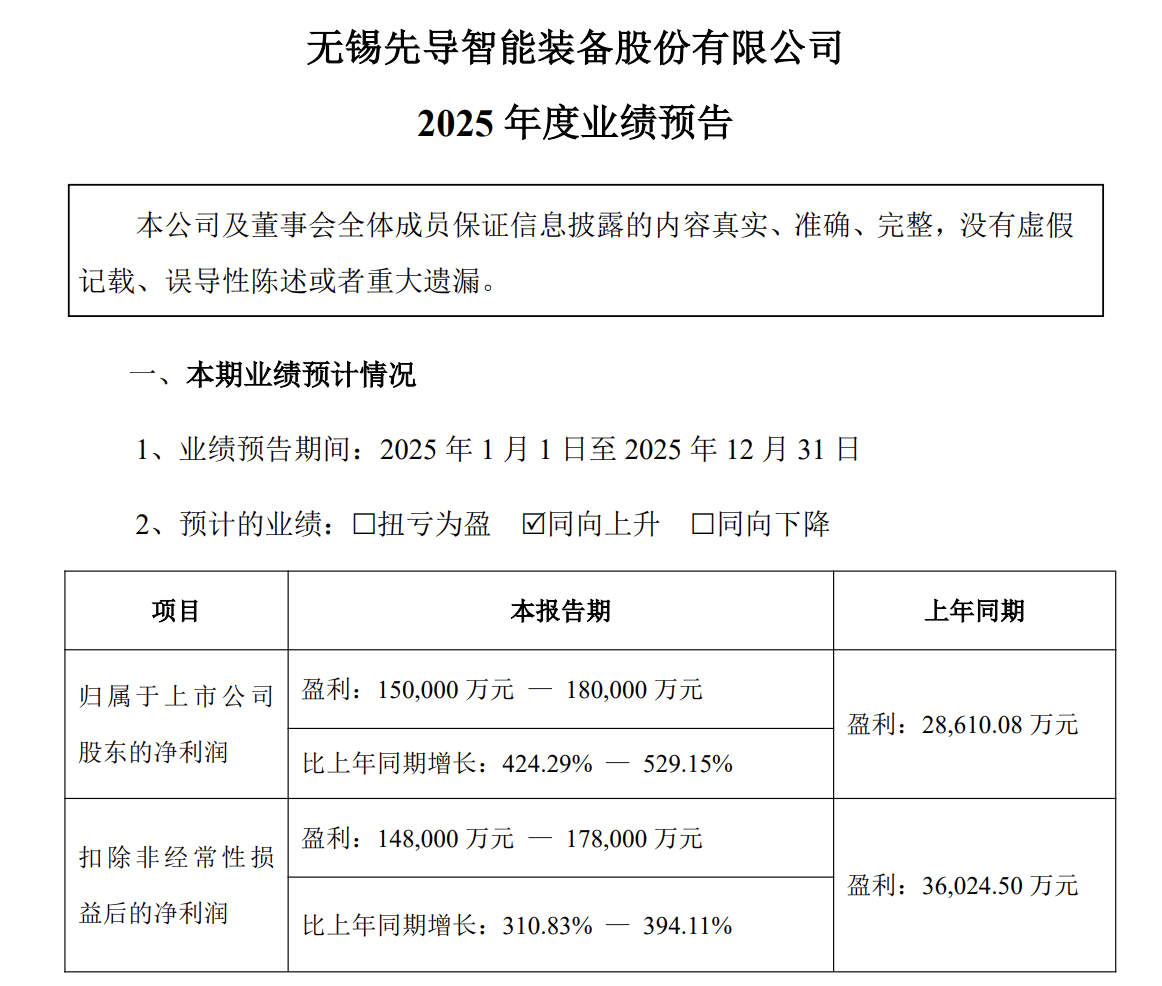
太空光伏的叙事逻辑,正在被市场验证。 随着光伏行业从地面向天空的拓展,市场的想象空间彻底被打开。在此节点,低迷的光伏行业终于迎来了反转的曙光,头部企业也有望率先实现业绩反转。 相比于光伏,锂电储能行业则更早回暖,目前已处于业绩兑现阶段。 1月25日晚,锂电池智能装备及光伏智能装备制造商先导智能发布2025年度业绩预告,预告显示,预计公司2025年实现净利润15亿元至18亿元之间,同比增 长424.29%至529.15%,去年同期盈利2.86亿元;预计实现扣非净利润14.8亿元至17.8亿元之间,同比增长310.83% 至394.11%,去年同期扣非净利润为3.60亿 元。 | 项目 | 本报告期 | 上年同期 | | --- | --- | --- | | 归属于上市公司 | 盈利: 150,000 万元 — 180,000 万元 | 盈利: 28,610.08 万元 | | 股东的净利润 | 比上年同期增长:424.29% -- 529.15% | | | 扣除非经常性损 | 盈利:148,000 万元 — 178,000 万元 | 盈利: 36,024.50 万元 | | 益后的净利润 | 比上年同期增长 ...
道氏技术2025年预盈4.8亿元至5.8亿元,同比预增超200%
Ju Chao Zi Xun· 2026-01-26 02:51
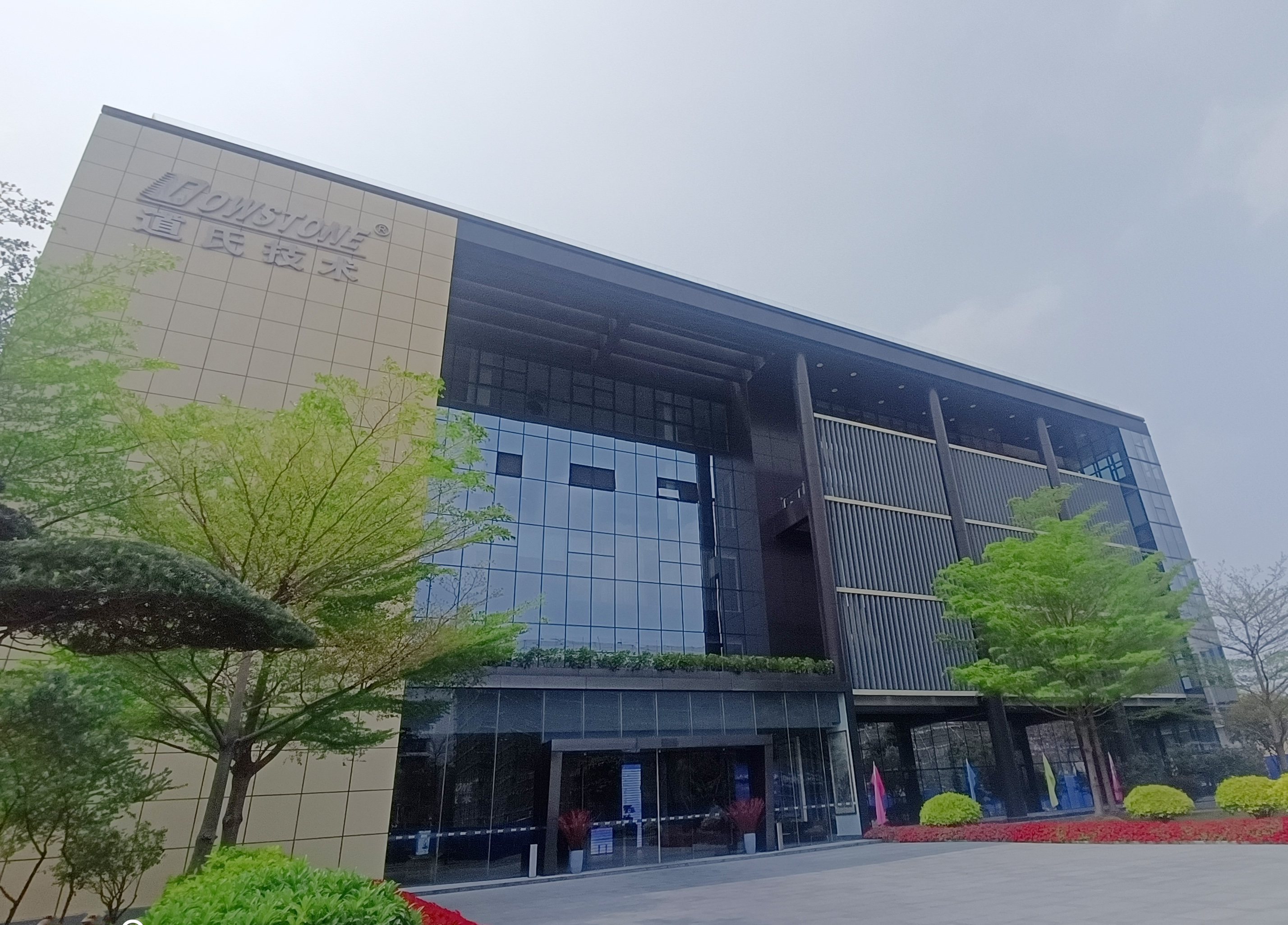
Core Viewpoint - Dao's Technology has announced a significant increase in its projected net profit for the fiscal year 2025, with expectations ranging from 480 million to 580 million yuan, representing a year-on-year growth of 206.01% to 269.76% [3] Group 1: Financial Performance - The net profit excluding non-recurring gains and losses is projected to be between 460 million and 560 million yuan, with an even higher year-on-year growth rate of 280.94% to 363.75% [3] - The performance significantly exceeds market expectations, indicating strong operational results [3] Group 2: Growth Drivers - The core reasons for the substantial profit increase are attributed to two main factors: successful overseas business expansion and a steady increase in cathode copper production capacity, leading to simultaneous volume and price growth [3] - The recovery in cobalt prices has also positively impacted the profitability of the company's cobalt products [3] Group 3: Strategic Focus - The company is focusing on the solid-state battery materials sector, developing a matrix system of collaborative products including anode and cathode materials, as well as carbon materials, aiming to become a comprehensive provider of solid-state battery materials [3] - The company emphasizes a strategy of "talent-driven, AI-powered R&D" to enhance its technological capabilities, optimize production and management, and improve operational efficiency, which supports its growth [3]

西部证券晨会纪要-20260126
Western Securities· 2026-01-26 02:50
Group 1: Shipping Industry - The global shipping market is expected to improve in 2026, with specific attention on container ships, bulk carriers, and tankers [1][5] - The resumption of operations in the Red Sea is crucial for container ships, while the West Simandou iron ore mine is anticipated to reshape global iron ore trade flows, benefiting bulk shipping [1][5] - OPEC+ has begun to increase production, leading to a tight supply-demand balance in the tanker market due to US sanctions on Russia [1][5] Group 2: Weigao Group (1066.HK) - Weigao Group is positioned for a transformation driven by R&D, with expectations of net profits of 2.091 billion, 2.287 billion, and 2.507 billion yuan from 2025 to 2027, reflecting growth rates of 1.18%, 9.37%, and 9.62% respectively [9][10] - The global biopharmaceutical market is projected to grow at a CAGR of 10.4% from 2024 to 2030, with significant demand for filters and consumables [9] - The company has a robust product portfolio with 927 domestic product registrations and 1,084 patents, including 218 invention patents [9] Group 3: AI Animation Industry - The continuous iteration of generative AI models is providing a technological foundation for the cost-effective and high-quality development of AI animation [16][18] - AI animations are gaining market acceptance, with significant growth in production and viewership, exemplified by the rapid increase in the number of AI animations launched on platforms like Douyin [16][17] - The cost advantages of AI animations compared to traditional animation methods are notable, with production costs significantly lower [17][18] Group 4: 3D Printing in Commercial Aerospace - 3D printing technology is effectively reducing costs and increasing efficiency in the commercial aerospace sector, with significant reductions in the number of parts and production time for rocket engines [20][21] - The domestic 3D printing equipment market is experiencing growth, with exports reaching 3.777 million units valued at 8.9 billion yuan in 2024 [21][22] - The technology is also being applied in the production of micro-nano satellite components, showcasing its advantages in mass production [21][22] Group 5: Zijin Mining (601899.SH) - Zijin Mining's Giant Dragon Copper Mine Phase II has commenced production, increasing annual copper output from 190,000 tons to an expected 300,000-350,000 tons in 2026 [28][29] - The mine's production capacity has significantly increased, positioning it as China's largest copper mine and one of the world's highest-altitude, low-grade copper mines [29][30] - The company anticipates further growth with plans for a Phase III project that could increase copper reserves and production capacity [30]
中伟新材涨超6% 公司三元前驱体出货量持续保持市场第一 镍资源全球多元化布局
Zhi Tong Cai Jing· 2026-01-26 02:47
Core Viewpoint - Zhongwei New Materials (中伟新材) has seen a stock price increase of over 6%, currently trading at 40 HKD with a transaction volume of 1.04 billion HKD, indicating strong market interest and confidence in the company's future prospects [1] Group 1: Company Performance - According to investor relations activities, Zhongwei New Materials reported that global ternary precursor production is expected to reach 1.038 million tons by 2025, representing a year-on-year growth of 7.7%, with the company maintaining its position as the market leader in shipments [1] - The company has over 70% of its nickel-based pCAM products classified as high-nickel and ultra-high-nickel products, showcasing its focus on advanced materials [1] Group 2: Market Outlook - The demand for nickel-based materials is projected to grow significantly due to increased long-range requirements in the Chinese market, higher battery capacities, advancements in solid-state battery industrialization, and positive trends in European new energy vehicle demand [1] - Morgan Stanley highlighted that Zhongwei New Materials is the largest producer of nickel and cobalt-based cathode precursors globally, with an expanding layout in nickel resources and refining operations [1] Group 3: Global Expansion - The company operates four production bases in China and has established a production facility in Morocco, with three operations in Indonesia and plans for another in Indonesia and one in South Korea, indicating a diversified global presence that enhances its competitive advantage in an uncertain trade environment [1]
电力设备行业跟踪周报:太空光伏空间广阔,固态和AIDC潜力可期-20260126
Soochow Securities· 2026-01-26 02:32
Investment Rating - The report maintains an "Accumulate" rating for the power equipment industry [1] Core Viewpoints - The space for space photovoltaic technology is vast, and the potential for solid-state batteries and AIDC (Advanced Intelligent Driving Control) is promising [1] - The energy storage sector is expected to see significant growth, with a projected increase of over 60% in 2026 due to rising demand and supply constraints [3][4] - The report highlights the strong performance of various segments within the power equipment industry, including wind power, nuclear power, and lithium batteries, with notable price increases in lithium carbonate and other materials [3][4] Industry Trends - The energy storage market in China is experiencing rapid growth, with new installations reaching 66.43 GW and 189.48 GWh in 2025 [3] - The report notes that the U.S. energy storage market is also expanding, with a projected installation of 80 GWh in 2026, driven by data center demands and favorable policies [7] - The report indicates that the demand for solid-state batteries is increasing, with major companies accelerating their production lines [4] Company Performance - Companies such as Ningde Times, Sunshine Power, and others are expected to see significant profit growth in 2025, with projected increases ranging from 50% to over 100% [3][4] - The report mentions specific companies like Hunan YN, which anticipates a net profit of 1.15-1.4 billion yuan in 2025, reflecting a year-on-year increase of 93.75%-135.87% [3] - The report also highlights the expected losses for companies like Longi Green Energy and Tongwei Co., with projected net losses of 6-6.5 billion yuan and 9-10 billion yuan, respectively [3] Investment Strategy - The report suggests a focus on energy storage, lithium batteries, and solid-state technologies, with recommendations for leading companies in these sectors [4] - It emphasizes the importance of companies with strong technological advantages and overseas market access, particularly in the AIDC sector [4] - The report also highlights the potential for growth in the wind and solar power sectors, with specific recommendations for companies involved in these areas [4]




电力设备行业跟踪周报:太空光伏空间广阔,固态和AIDC潜力可期
Soochow Securities· 2026-01-26 02:24
Investment Rating - The report maintains an "Accumulate" rating for the power equipment industry [1] Core Insights - The report highlights the vast potential of space photovoltaic technology and the promising prospects of solid-state batteries and AIDC (Automated Identification and Data Capture) [1] - The energy storage sector is expected to see significant growth, with a projected increase of over 60% in 2026 due to rising demand and supply constraints [3][4] - The report emphasizes the strong performance of various segments within the power equipment industry, including wind power, nuclear power, and lithium batteries, with notable price increases in lithium carbonate and other materials [3][4] Industry Trends - The energy storage market in China is experiencing rapid growth, with new installations reaching 66.43 GW and 189.48 GWh in 2025 [3] - The report notes that the U.S. energy storage market is also booming, with a projected installation of 80 GWh in 2026, driven by AI and data center demands [7] - The report indicates that the wind power sector is expected to grow significantly, with domestic offshore wind capacity projected to exceed 8 GW in 2025 [4] Company Performance - Companies such as Ningde Times, Sunshine Power, and others are expected to see substantial profit growth in 2025, with Ningde Times projected to achieve a net profit of 11.5-14 billion yuan, representing a year-on-year increase of 93.75%-135.87% [3][4] - The report highlights several companies with strong growth potential, including Ningde Times, Sunshine Power, and others, which are positioned well in the energy storage and electric vehicle markets [4][6] Investment Strategy - The report suggests a focus on energy storage, solid-state batteries, and AIDC technologies, with recommendations for leading companies in these sectors [4][6] - It emphasizes the importance of investing in companies with strong technological advantages and overseas market access, particularly in the context of rising global demand for energy storage solutions [4][6]
国轩高科跌2.02%,成交额8.63亿元,主力资金净流出6567.57万元
Xin Lang Cai Jing· 2026-01-26 02:23
Group 1 - The core viewpoint of the news is that Guoxuan High-Tech's stock has experienced fluctuations, with a recent decline in share price and significant changes in trading volume and shareholder structure [1][2][3] Group 2 - As of January 26, Guoxuan High-Tech's stock price was 40.67 yuan per share, with a market capitalization of 73.78 billion yuan and a trading volume of 863 million yuan [1] - The company reported a year-to-date stock price increase of 3.99%, but a decline of 1.57% over the last five trading days and an 11.22% decrease over the last 60 days [1] - Guoxuan High-Tech's main business revenue composition includes 72.37% from power battery systems, 23.52% from energy storage battery systems, and 1.27% from power distribution products [1] - As of December 10, the number of shareholders decreased by 2.59% to 266,600, while the average circulating shares per person increased by 2.65% to 6,509 shares [2] - For the period from January to September 2025, Guoxuan High-Tech achieved a revenue of 29.508 billion yuan, representing a year-on-year growth of 17.21%, and a net profit of 2.533 billion yuan, reflecting a significant increase of 514.35% [2] - The company has distributed a total of 1.095 billion yuan in dividends since its A-share listing, with 356 million yuan distributed in the last three years [3] - As of September 30, 2025, the top ten circulating shareholders included Hong Kong Central Clearing Limited, which increased its holdings by 3.289 million shares to 56.4023 million shares [3]

因势新材完成数千万元天使轮融资,VC/PE阵容豪华
Sou Hu Cai Jing· 2026-01-26 01:14
Group 1 - Hefei Yinshi New Materials Technology Co., Ltd. (referred to as "Yinshi New Materials") has completed several million yuan in angel round financing, led by Chery Group's CVC platform Ruicheng Fund, with participation from Temasek's venture capital arm, Xiangfeng Investment, Anhui State-owned Capital Operation Holding Group's Guokong Investment Company, and Xiaomi's strategic investment [1] - The funds raised will focus on two core areas: capacity expansion to accelerate the construction of a new production line for 300-500 tons of sulfide solid electrolytes, expected to begin construction in the second half of 2026, significantly enhancing supply capabilities to meet the growing demand from downstream customers [1] - The company aims to strengthen its core technological barriers by focusing on key areas such as electrolyte air stability, cell safety, and membrane technology innovation [1] Group 2 - Yinshi New Materials was established in 2024, incubated by a research team from Yanshan University and industry executives, focusing on high-performance and high-safety sulfide solid electrolytes [3] - The company provides all-solid-state battery material solutions, with core products including sulfide electrolytes and electrolyte membranes, applied in solid-state lithium-ion batteries [3] - Currently, the company has achieved stable annual production of 30 tons, meeting high industry standards in particle size distribution, batch consistency, and purity control, laying a solid foundation for large-scale commercialization [3] - The R&D team is focused on four core technological directions to enhance electrolyte air stability, improve cell safety, optimize low-pressure adaptability, and upgrade silicon-carbon anode compatibility for next-generation high-energy-density battery systems [3] - The company plans to further expand its R&D boundaries, focusing on cutting-edge areas such as lithium-rich manganese-based cathodes, lithium metal anodes, and anode-free systems, deepening the technological layout of sulfide electrolytes [3]
花旗:先导智能业绩预告高于预期 有望受益于固态电池等需求增长 重申买入评级
Xin Lang Cai Jing· 2026-01-26 01:06
Core Viewpoint - Citigroup states that the 2025 earnings forecast for XianDao Intelligent shows that its median net profit prediction exceeds both the bank's and market expectations [1] Group 1: Company Performance - XianDao Intelligent, a leading manufacturer of electric vehicle battery equipment in China, is expected to benefit from improved demand for electric vehicle batteries and energy storage systems [1] - The company is also anticipated to gain from the growth in demand for solid-state batteries and new types of solar cells [1] - Analysts predict that XianDao Intelligent will achieve both quarter-on-quarter and year-on-year gross margin growth in Q4 2025, attributed to improved operational efficiency [1] Group 2: Investment Rating - Citigroup reiterates a buy rating for XianDao Intelligent, maintaining a target price of 75 RMB [1]
