
未来产业

Search documents
一级市场募投近四年首回升
3 6 Ke· 2026-01-06 07:45
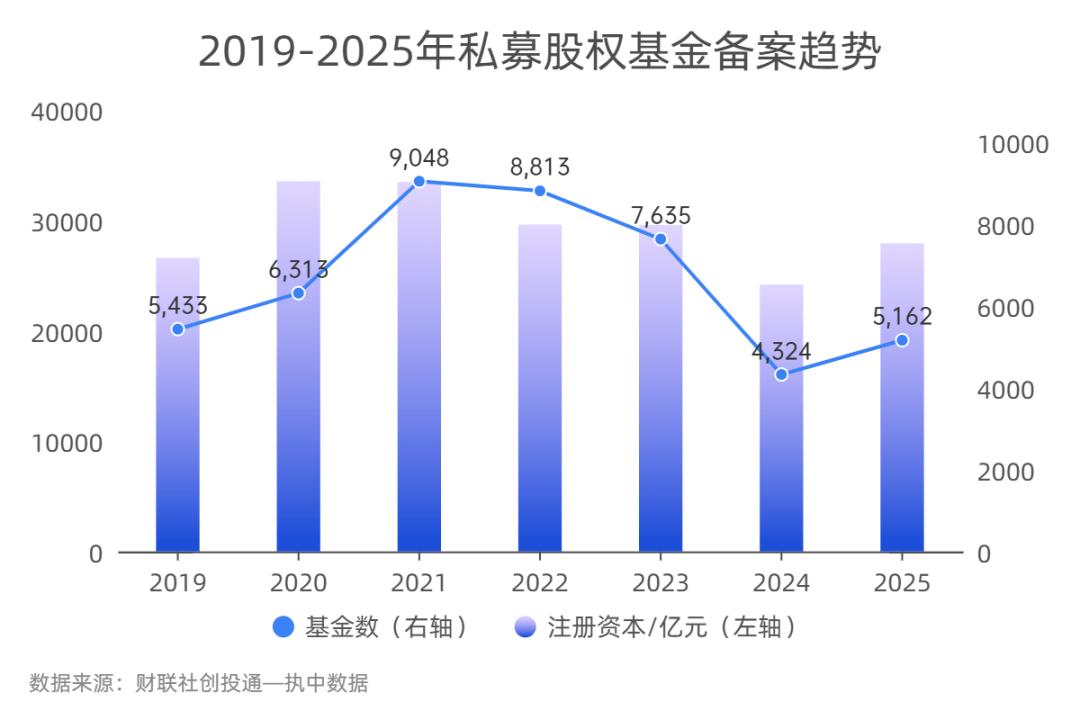
Group 1: Policy and Market Overview - The year 2025 is seen as a critical period for the interaction between policy and market, with significant support for hard technology and "AI+" sectors [1] - The release of policy dividends, including the State Council Document No. 1 and the establishment of large-scale national venture capital guidance funds, is expected to stimulate the market [1] Group 2: Fundraising Market - In 2025, a total of 5,162 new private equity investment funds were registered in China, with a total registered capital of approximately 2.79 trillion yuan, marking a year-on-year increase of 19.38% and 15.49% respectively [3] - The proportion of small-scale funds (with registered capital of 100 million yuan or less) increased to about 50.91%, while funds over 3 billion yuan decreased from 3.47% to 2.54% [4] - The number of entrepreneurial funds registered significantly outpaced other types, indicating a strong focus on early-stage investments [4] Group 3: Institutional LP Contributions - In 2025, institutional LP contributions reached approximately 1.65 trillion yuan, a year-on-year increase of 24.71%, with 3,717 new funds having institutional LP contributions [11] - Government funds accounted for 62% of the total LP contributions, with a total of 1.03 trillion yuan, reflecting a year-on-year growth of 24.74% [20] - The active regions for LP contributions were Zhejiang, Jiangsu, and Guangdong, with Zhejiang leading in the number of contributions [14] Group 4: Investment Market Activity - The number of investment events in the domestic primary market increased by 7.25% in 2025, with a total of 6,462 events, marking the first increase in four years [39] - The advanced manufacturing and healthcare sectors led in investment events, with 1,315 and 1,135 events respectively, while artificial intelligence rose to the top five sectors [42] - Early-stage investments (A-round and earlier) accounted for 67% of total investment events, indicating a strong focus on early-stage funding [47] Group 5: Active Investment Institutions - In 2025, Shenzhen Capital Group was the most active institution with 105 investments, followed by Lushan Chuangxing, which focused on early-stage projects [53] - Other notable institutions included Yida Capital, Qiji Chuangtan, and Sequoia Capital, each with over 50 investments [55]


投资规模不低于100亿元!山东省未来产业基金在青签约
Qi Lu Wan Bao· 2026-01-06 06:36
此次签约是积极贯彻省"十五五"规划中"前瞻布局未来产业"战略要求和落实青岛市加快培育发展未来产 业部署的具体举措。下一步,青岛市财政局将进一步优化全市政府投资基金布局,立足青岛"10+1"创新 型产业体系,以基金为纽带,吸引前沿项目、高端人才与优质资本落地,着力打造具有全国影响力的未 来产业高地,以点带面牵引创新要素高效流动、深度耦合,推动产业结构转型升级,放大区域创新辐射 效应。 山东省新动能未来产业基金由省新动能基金公司联合青岛财通集团共同设立,旨在充分发挥省、市政府 投资基金的引领作用和青岛本地产业资源优势,有效链接技术、人才与资本资源,引导社会资金精准投 向具有成长潜力的未来产业项目。该基金首期规模30亿元,将围绕青岛未来产业发展规划,精准投向未 来智造、未来信息、未来材料、未来能源、未来空间和未来健康六大方向,发掘培育一批具有核心技术 和成长潜力的优质企业,助力打造特色鲜明、优势突出的未来产业集群。 据介绍,山东省新动能基金公司成立于2018年,并于2020年7月获批成为省属一级金融企业,截至目前 公司已在青岛市设立35支基金,基金认缴规模555亿元,实缴出资317亿元,其中省级引导基金实缴出资 5 ...
地方两会|武汉市政协委员刘萌:构建混合算力平台,加快推动量子计算“汉产汉研汉用”
Zhong Guo Jing Ying Bao· 2026-01-05 15:46
Core Viewpoint - The article discusses the importance of quantum computing in Wuhan's development strategy, highlighting various proposals aimed at enhancing the city's capabilities in this field [1][3]. Group 1: Quantum Computing Development - Quantum computing is recognized as a core branch of quantum technology, offering significant advantages over classical computing through its unique properties like superposition and entanglement [3]. - The Chinese government's "14th Five-Year Plan" emphasizes the strategic importance of quantum technology, positioning it as a key area for future economic growth [3][4]. Group 2: Current Status and Challenges - Wuhan has established a solid foundation in quantum computing, particularly through institutions like the Chinese Academy of Sciences, achieving notable progress in neutral atom quantum computing [4]. - Despite these advancements, Wuhan faces challenges in research and development, computational power integration, application trials, and building an industrial ecosystem [4][5]. Group 3: Recommendations for Advancement - Increase research efforts focused on neutral atom quantum bits, quantum error correction, and quantum cloud platform applications to address development challenges [5]. - Accelerate the construction of a hybrid computing platform that integrates quantum and classical computing to provide efficient computational services [5]. - Initiate pilot applications of quantum computing in key industries such as biomedicine, new materials, and financial risk management to validate technology feasibility [5]. - Build a quantum computing ecosystem by fostering collaboration between universities and research institutions, and providing access to quantum cloud platforms for educational purposes [5].
硬科技公司加速IPO,券商投行谋变革:“投资+保荐”联动成主流,头部机构领跑
Mei Ri Jing Ji Xin Wen· 2026-01-05 13:49
Core Insights - The rapid rise of AI technology is reshaping industries, leading to a surge in IPOs for tech companies, particularly in the AI and GPU sectors [1][3][4] - MiniMax, an AI model company, is expected to become one of the fastest companies to go public, with a potential listing in January 2026 [3] - The IPO market is witnessing a significant shift, with a notable increase in listings from unprofitable tech companies, driven by supportive policies and market conditions [4][5] Industry Trends - As of December 26, 2025, the A-share market saw a total IPO amount of 1,290.1 billion, significantly lower than previous years, but with a fundamental shift towards unprofitable tech companies [4][10] - The introduction of new listing standards on the Sci-Tech Innovation Board and the Growth Enterprise Market has facilitated the entry of unprofitable tech firms into the market [5][11] - The trend of unprofitable tech companies going public is supported by a clear policy direction aimed at fostering innovation and growth in the tech sector [5][17] Market Dynamics - The majority of newly listed companies in 2025 are tech firms, with a significant portion being unprofitable, indicating a shift in investor sentiment towards innovation over immediate profitability [6][9] - Major brokerage firms dominate the IPO landscape, with a concentration of listings from a few top firms, highlighting a monopolistic trend in the tech IPO market [9][10] - The rapid listing process for companies like Moer Thread and Muxi reflects a broader trend of accelerated capital market access for tech firms [7][11] Investment Opportunities - The current environment presents a unique opportunity for investment banks to engage with high-potential tech companies early in their development, emphasizing the importance of "investment first" strategies [12][14] - The success of IPOs for companies like Moer Thread and Muxi has generated significant profits for their underwriting banks, showcasing the lucrative nature of tech IPOs [9][10] - The focus on deep industry engagement and support for tech firms is reshaping the role of investment banks, moving from traditional underwriting to comprehensive value creation [11][12] Regulatory Environment - Recent regulatory changes have created a more inclusive environment for tech companies, allowing for greater flexibility in listing requirements, particularly for unprofitable firms [5][15] - The role of investment banks as gatekeepers is emphasized, with a focus on maintaining high standards for tech firms seeking to go public [17] - The ongoing support from government and institutional investors is crucial for the sustainability of the tech IPO boom, particularly in high-growth sectors like semiconductors and AI [15][16]
虚位以待!东莞集中发布11宗产业用地
Sou Hu Cai Jing· 2026-01-05 12:40
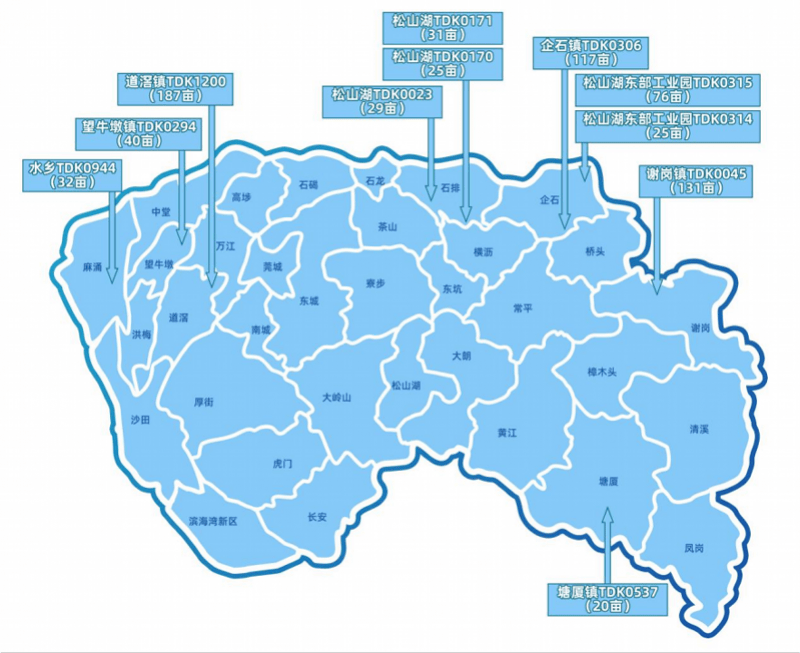
Core Insights - Dongguan has released 11 plots of high-quality industrial land to attract global enterprises and projects, emphasizing its commitment to the "manufacturing industry" core strategy [1][5] Group 1: Land Development and Strategic Focus - The 11 plots are strategically located in areas with excellent transportation and complete facilities, targeting strategic emerging industries and future industries such as high-end manufacturing, new generation information technology, semiconductors, new materials, new energy, biomedicine, artificial intelligence, and low-altitude economy [2][4] - Specific areas like Songshan Lake are designated for new generation information technology and semiconductor industries, while the Water Town functional area focuses on new energy, robotics, and low-altitude economy [2][4] Group 2: Infrastructure and Living Environment - The transportation network is a highlight, with plots connected to major transport routes, ensuring efficient movement of people and goods, integrating deeply into the Guangdong-Hong Kong-Macao Greater Bay Area's "one-hour living circle" [4] - Surrounding amenities include commercial complexes, quality medical resources, educational institutions, and ecological spaces, creating a favorable environment for talent retention and business operations [4][5] Group 3: Commitment to High-Quality Development - The release of industrial land reflects Dongguan's determination to optimize the business environment and promote high-quality development, aligning with the spirit of the municipal party committee's plenary session [5] - Dongguan invites domestic and international entrepreneurs to invest, highlighting its readiness to provide space, streamlined mechanisms, and improved services for collaborative high-quality development [5]
16亿,东方嘉富国家中小子基金完成首关
FOFWEEKLY· 2026-01-05 10:04
Group 1 - The core viewpoint of the article highlights the successful completion of the first closing of the Dongfang Jiafu National SME Development Sub-Fund, which has a total scale of 2 billion yuan, raising 1.6 billion yuan and commencing investment operations [1] - The fund primarily targets small and medium-sized enterprises in advanced manufacturing and new materials, frontier technology, and life health sectors [1] - The investment operations officially started in the fourth quarter of 2025, with projects already invested in strategic emerging industries such as AI edge chips, AI agents, core components of robots, and next-generation semiconductor equipment [1]

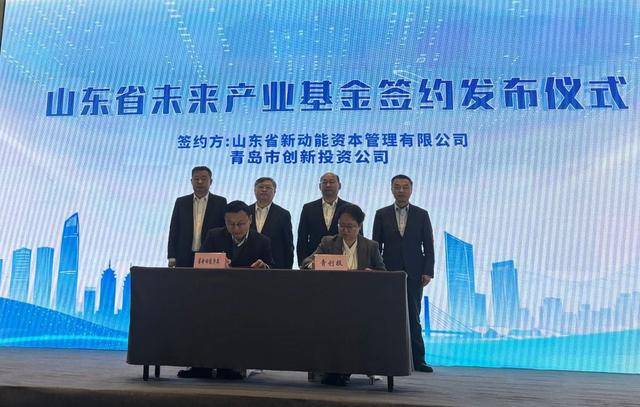
首期规模30亿元,山东省未来产业基金在金家岭金融区签约发布落户
Sou Hu Cai Jing· 2026-01-05 08:47
据悉,该基金成立后,将围绕青岛未来产业发展规划,精准投向未来智造、未来信息、未来材料、未来 能源、未来空间和未来健康六大方向,发掘培育一批具有核心技术和成长潜力的优质企业,助力打造特 色鲜明、优势突出的未来产业集群。同时,立足青岛"10+1"创新型产业体系,以基金为纽带,吸引前沿 项目、高端人才与优质资本落地,着力打造具有全国影响力的未来产业高地,以点带面牵引创新要素高 效流动、深度耦合,推动产业结构转型升级,放大区域创新辐射效应。 (半岛全媒体记者 刘雪莲) 2026年1月5日,山东省未来产业基金签约发布仪式在金家岭金融区举行。山东省新动能资本管理公司与 青岛市创新投资有限公司签署合作协议,组建省未来产业基金,首期规模 30 亿元,吸引和撬动社会资 本,实现不低于 100 亿元的投资规模。 2025年4月,青岛市政府办公厅印发《青岛市加快培育发展未来产业行动方案(2025—2027年)》,提 出优先发展太赫兹、海洋电子信息、深海开发、空天信息、类脑智能、量子信息、先进半导体材料、卫 星互联网等八大未来产业。 ...
元旦新年伊始,无锡市召开新型工业化暨特色优势产业发展大会
Yang Zi Wan Bao Wang· 2026-01-05 05:46
四要以"育"蓄势能,壮大未来产业。编制特色优势产业目录和产业规划,完善针对商业航天、量子科 技、具身智能、脑机接口等"5+X"未来产业的培育推进机制。系统构建先进技术瞭望与培育体系,更好 发挥专业基金对未来产业的比选寻优功能,更好释放优质场景对优质项目的吸引作用,全力争创未来产 业先导区。 会议强调,无锡各级各部门要进一步强化市区联动、部门协同,持续迭代奖补政策"免申即享"等营商环 境政策体系,扎实开展"换位跑一次"活动,全力解决企业经营、产业发展的急难愁盼问题。同时,要更 加尊重保护企业家权益,更加细致关爱企业家健康,丰富优化对企业家的"城市礼遇",让广大企业家在 无锡投资安心、创业顺心、生活舒心。希望广大企业家继续弘扬新时代锡商精神,坚定投资无锡、深耕 无锡、赢在无锡的信心决心。 擦亮新时代工商名城品牌,奏响建设产业科创名城强音。1月4日,2026年第一个工作日,无锡市召开新 型工业化暨特色优势产业发展大会。无锡市委书记杜小刚讲话,市长蒋锋主持并提出具体要求。市领导 许峰、陆志坚等出席。 会议回顾总结了"十四五"以来无锡全市推进新型工业化取得的积极成效和实践认识,明确了今年及未来 五年的工作目标,提出到2 ...
“万亿”徐州,苏北“零的突破”
Guo Ji Jin Rong Bao· 2026-01-05 04:56
Core Insights - Xuzhou is expected to join the "trillion GDP club" by 2025, becoming the sixth city in Jiangsu and the first in Northern Jiangsu to achieve this milestone [1][2] - The city's GDP is projected to reach 9,537.12 billion yuan in 2024, with a growth target of around 6% for 2025, indicating a steady economic trajectory rather than a sudden leap [1][2] Economic Growth and Development - Xuzhou's economic growth is driven by its unique geographical advantages, serving as a hub connecting four provinces, and has been recognized as the center of the Huaihai Economic Zone since 2017 [1][2] - The city has built a robust transportation network, enhancing its industrial, population, and market factor aggregation, which contributes to its economic expansion [2] Industrial Transformation - Xuzhou is transitioning from a resource-based economy to one focused on emerging industries, with 331 future industry-related enterprises and 15 recognized as high-growth by the province [2][3] - The city is experiencing significant growth in its mining and equipment manufacturing sectors, benefiting from the recovery of the coal industry and engineering machinery market [3] Future Goals and Projections - For 2026, Xuzhou aims for a GDP growth of approximately 5.5%, a public budget revenue increase of 2%, and a retail sales growth of around 6% [3] - The city's transformation journey serves as a model for similar cities in Northern Jiangsu and across the country, enhancing its role in regional collaborative development [3]

未来产业周报第4期:脑机接口产业化提速,机器人场景创新,氢能向电网“调节者”转变-20260105
Shenwan Hongyuan Securities· 2026-01-05 03:15
Group 1: Quantum Technology - The "quantum + supercomputing" integration innovation platform has been established in Chengdu, deploying China's first 550-qubit coherent optical quantum computer, achieving a synergy between classical high-performance computing and quantum computing [7][8] - The deployment of the 550-qubit quantum computer fills the gap in mid-western China for quantum computing capabilities and complements eastern regions like Hefei and Beijing [8] Group 2: Biomanufacturing - The first sugar science key laboratory in Beijing has been approved, co-established by Huaxi Biological and Peking University, focusing on precise manufacturing and functional applications of sugars [10][11] - Huaxi Biological aims to leverage this laboratory to enhance its capabilities in synthetic biology, expanding from hyaluronic acid production to comprehensive sugar biological research [11] Group 3: Hydrogen Energy and Nuclear Fusion - The world's first 30 MW pure hydrogen gas turbine has achieved stable operation, marking a significant step in hydrogen energy transitioning from a "power consumer" to a "grid regulator" [12][14] - The EAST nuclear fusion device has confirmed the existence of a density-free zone, providing critical physical evidence for efficient fusion reactor operation [18][19] - The ITER correction coil procurement package has been fully manufactured, showcasing China's 100% independent research and development capabilities in key components for nuclear fusion [22] Group 4: Brain-Computer Interface - Neuralink plans to begin mass production of brain-computer interface devices in 2026, aiming to automate surgical procedures and enhance device performance [24][25] - The "Beijing Brain One" system has been implanted in five spinal cord injury patients, with plans for clinical trials to start in mid-2026 [28][29] - The "Guangdong-Hong Kong-Macao Greater Bay Area Brain Science and Central Nervous System AI Innovation Alliance" has been launched, with a total fund of 1.16 billion yuan for brain science projects [30] Group 5: Embodied Intelligence - Woan Robot has been listed on the Hong Kong Stock Exchange, focusing on household scenarios with plans to launch a humanoid household robot in January 2026 [32][33] - The "Shangwei Qiyuan" brand has entered the personal robot market with the release of the world's first small-sized humanoid robot, emphasizing its application in research and interaction [37][38] Group 6: Future Industry Catalysts - A table has been compiled detailing key catalytic events for six future industries in 2026, including important conferences and technological milestones [40][41]